
Does a Standard Home Inspection Check for Mold?
A standard home inspection can flag visible moisture problems or suspicious growth. It does not automatically include a mold assessment or laboratory testing. If the report shows significant water damage, or a suspect area the inspector could not reach, book a focused assessment while your purchase contract still lets you act. Otherwise, confirm what the inspection covered and order sampling only if the result would change a specific decision.
Does a regular home inspection include mold testing?
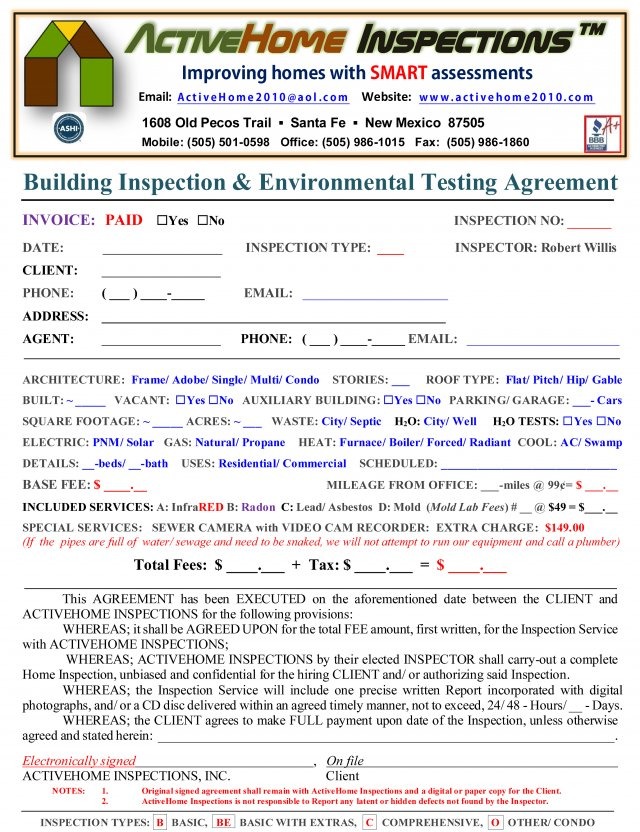
Under the American Society of Home Inspectors’ Standard of Practice, a general home inspection covers readily accessible systems and components. It does not require the inspector to determine whether mold or mold-like substances are present. Some inspectors offer a mold assessment or laboratory sampling as an agreed extra, and the National Association of Realtors describes mold testing as a possible add-on. What you paid for depends on your written agreement and on professional or state requirements.
What mold and moisture clues can a home inspector actually note?
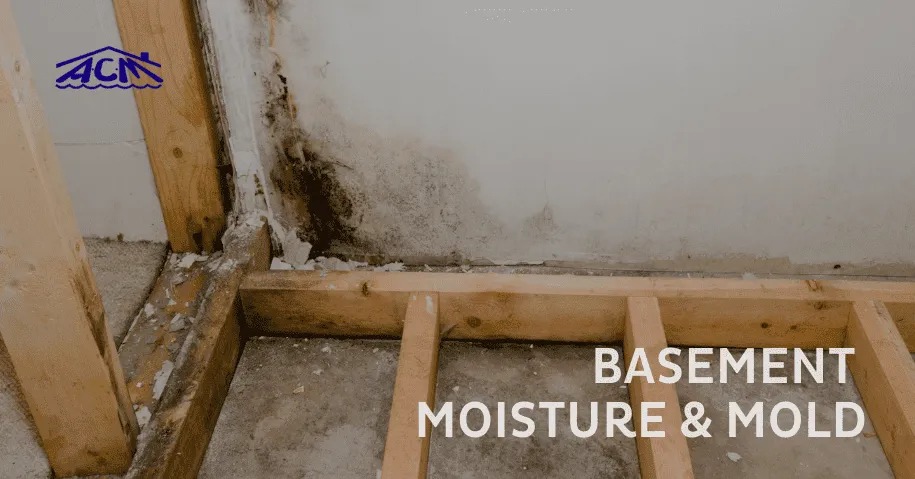
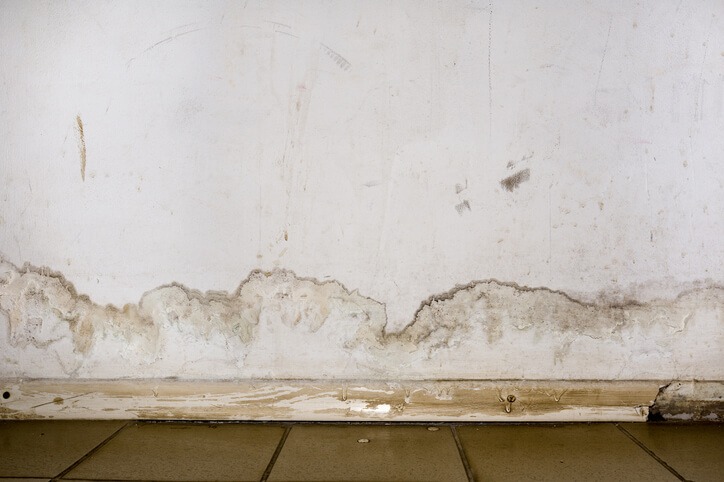
An inspector who isn’t doing a mold assessment can still notice signs of moisture. Standing water under the house, stains beside a garage wall, a leaking plumbing connection, or discolored material in an accessible room can all appear in a general report.
An inspector may describe a dark patch as a mold-like substance. That means it looks suspicious, but its identity and extent need further evaluation.
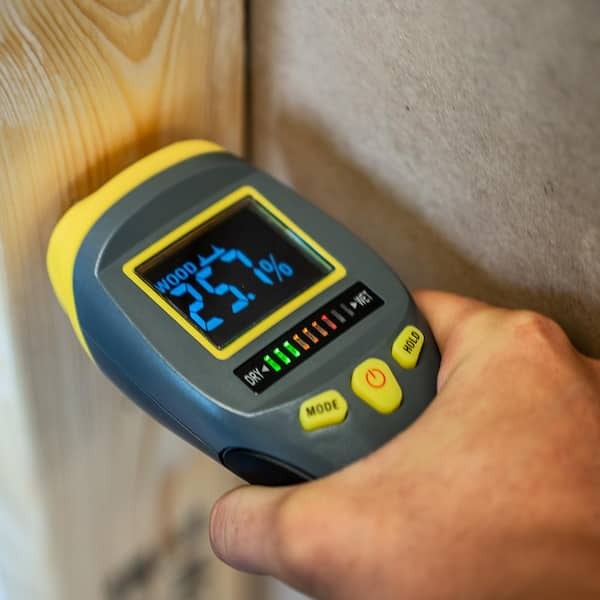
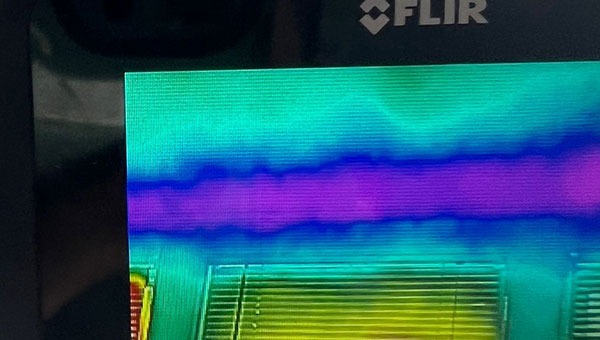
A report may also mention a musty odor, visible deterioration, or a soft floor. Some inspectors bring a moisture meter. Not every standard inspection includes meter readings.
How to read common report wording
Illustrative wording, not quotes from a real report:
| Example wording | What was observed | What remains unresolved |
|---|---|---|
| “Water staining near garage wall” | A visible sign of past or present moisture | Whether water is entering now, and where it comes from |
| “Standing water in crawlspace” | Water at the inspected spot | How it got in, how long it has been there, and whether it comes back |
| “Mold-like substance observed” | Material that looks suspicious | What it is and how much material is affected |
| “Elevated moisture detected” | A moisture concern found with an instrument | The cause, and conditions beyond the measured spot |
| “Area inaccessible” | The inspector did not examine the area | The condition of the hidden space |
| “Further evaluation recommended” | A finding or limit calls for another look | The cause, the extent, or the repair needed |
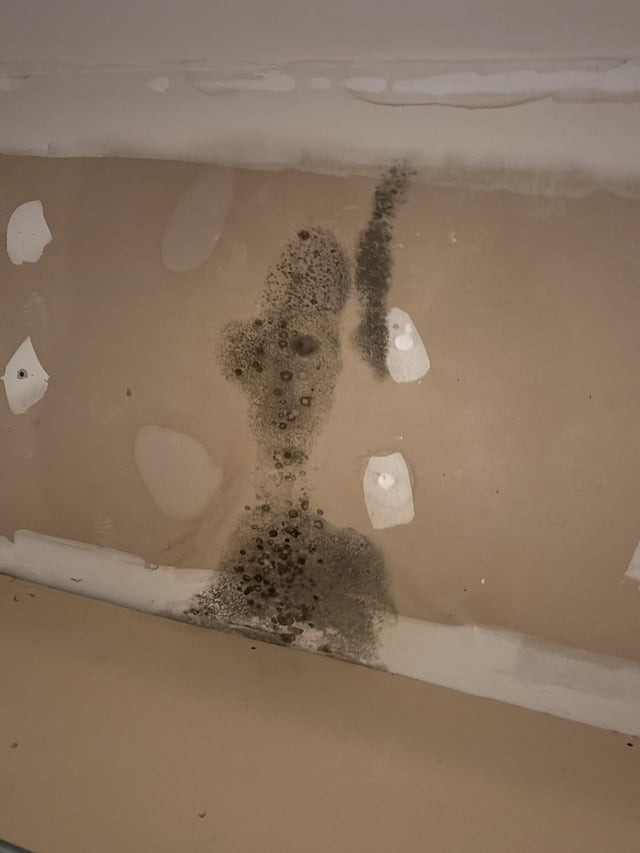
Write down the exact observation and its location. A stain near a garage wall and water pooled under a crawlspace raise different questions about where the water traveled.
What can a clean inspection report miss?
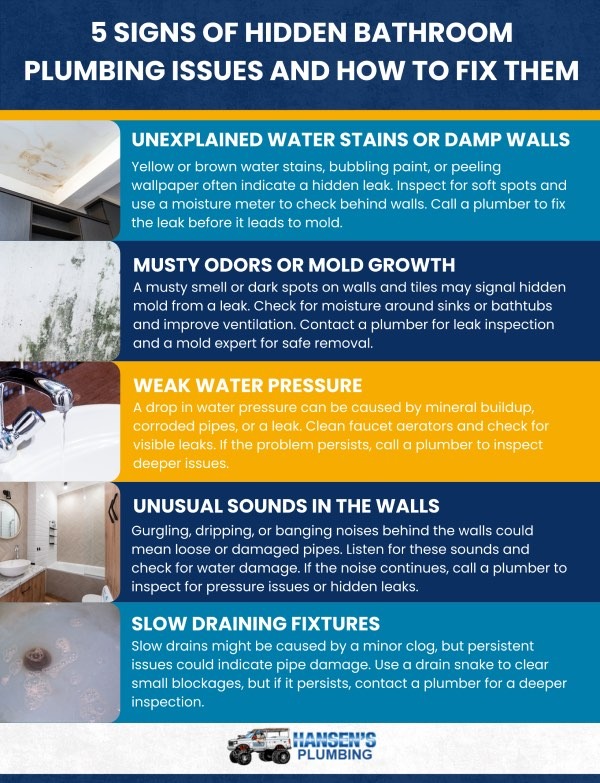
A report can be thorough within its agreed scope and still miss concealed water damage. The inspector generally looks at visible, accessible conditions without opening walls, lifting flooring, or removing built-in cabinets.
Take a washer hookup inside a finished wall. Water can travel behind the surface and reach the laundry-room floor. You and the inspector may both see intact tile while the connection and the floor underneath stay out of view.
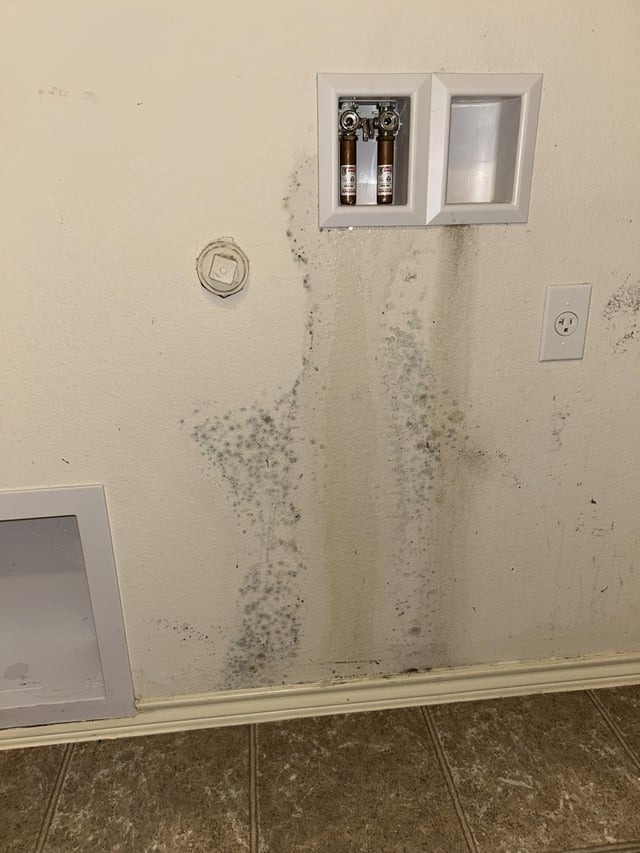
Hello, I recently closed on my first house two weeks ago. When I was deep cleaning the laundry room I noticed water bubbling up between the tile. So I pulled all the tile flooring out to find a lovely surprise. The washer hookups had been leaking into the wall and now I have black mold and a lot of work needed to be done.
I did get an inspection and this was not in the report. I do have a 2-10 home warranty but I am new to this and I could use some help figuring out the correct language to use with them so I don’t come across as livid as I am with this situation.
Can anyone offer any advice or guidance on a path forward I should take? I have contacted my realtor to alert them of the situation and I have taken a large amount of pictures documenting the situation.
I went through 85% of my savings for the down payment on this property and I am terrified I won’t financially recover.
“Black mold” is the homeowner’s own description. The post gives no lab result.
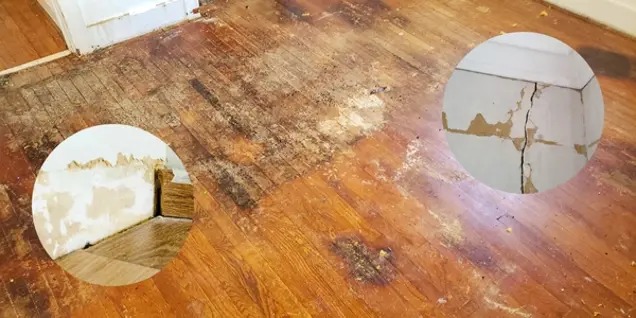
New flooring or finished walls can hide older damage with no sign on the surface. If you suspect mold under finished materials, have an experienced professional plan any investigation that disturbs them, because opening contaminated materials can release spores.
Check the report’s access limitations against the spots that concern you. Did the inspector examine each one, or mark it inaccessible or outside the inspection? Hidden areas matter most here. If the report skipped them, check for hidden mold before opening walls.
Home inspection, mold assessment, or mold test: which answers what?
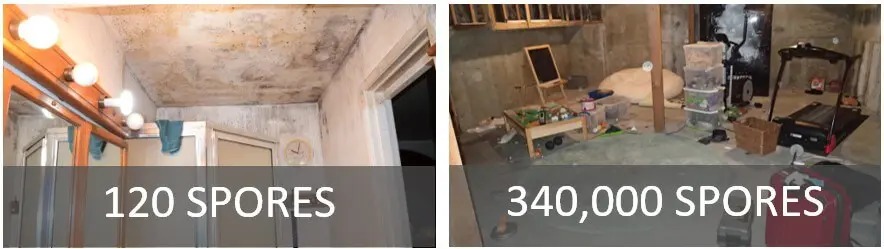
A general inspection records what is visible. A focused assessment traces moisture and how far it extends, and a lab test answers one narrow question. An inspection can also miss what sits behind finished surfaces, which is what the assessment is for.
| Approach | Main question | What you get | When it fits |
|---|---|---|---|
| Standard home inspection | What visible conditions in accessible areas need attention? | Visible leaks, staining, damaged materials, access limits, and recommendations | A first look at the home’s condition before purchase |
| Focused mold or moisture assessment | What is causing this moisture problem, and which accessible areas does it affect? | A targeted examination, moisture measurements where appropriate, the limits of the investigation, and recommendations | Unexplained water intrusion, suspicious growth, or recurring dampness |
| Air or surface sampling | What was in the sample that was collected? | Laboratory information about the collected material or air | When the result will inform a specific decision |
When is laboratory sampling worth considering?
With visible growth, the EPA’s mold sampling guidance points you to the moisture source and the affected area, since sampling is generally unnecessary.
No federal standard sets a health-based indoor mold-spore concentration that works as a pass/fail level for declaring a house safe.
Sampling can still help in a properly scoped professional investigation. Ask what the professional would do differently depending on the result. If nothing about your repair or purchase decision would change, skip the sample.
When should a buyer get a separate mold assessment?
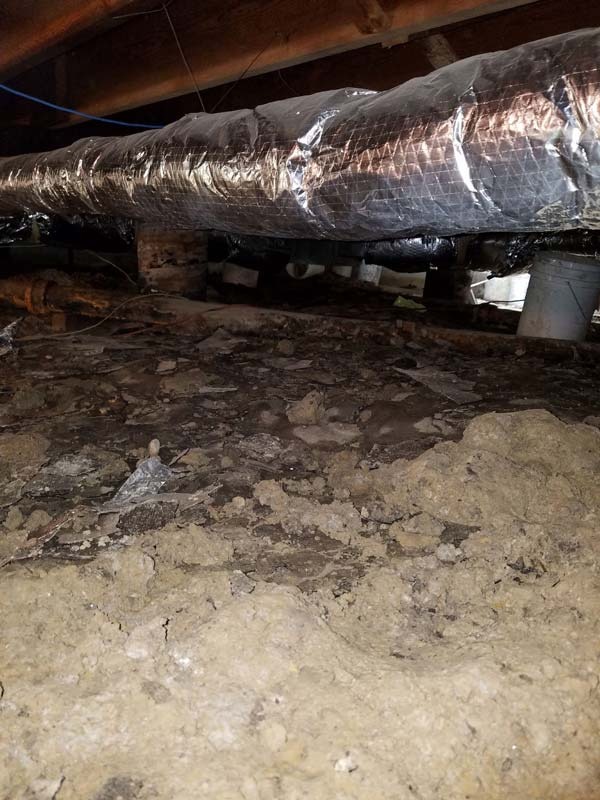
Get one when an unresolved moisture problem could change your repair plans or your decision to buy.
Three paths after the general inspection
| Inspection finding | What to do |
|---|---|
| No moisture signs and no worrying access limits | The general inspection may be enough as a first look. Separate sampling isn’t automatic. |
| Water staining, suspicious growth, a musty area, leaking plumbing, or standing water | Find the moisture source, then decide whether a focused assessment would affect repairs or the purchase. |
| Repeated water intrusion, damaged wet materials, or a suspect area the inspector could not enter | Book a targeted professional assessment. |
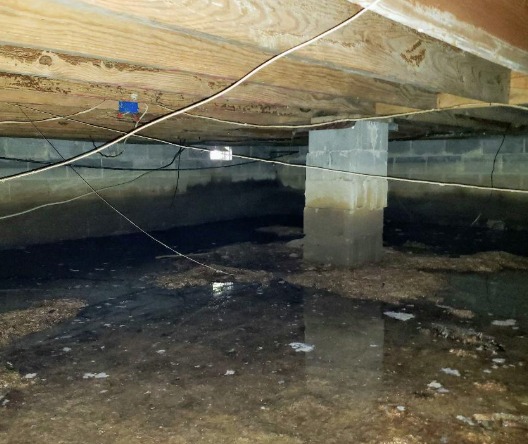
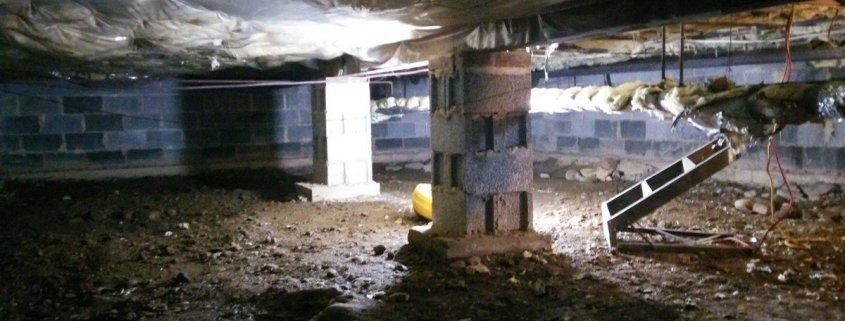
How bad is this? I’m under contract as a first time buyer and the home inspection yesterday found mold in the crawl space and standing water. I’ve already had the full fledged panic phase and am now trying to wrap my head around this and move forward. Thankfully a mold inspection is happening tomorrow morning before the Saturday night remediation deadline to submit for repair requests. I think it’s a silver lining the HVAC is in the attic. (Trying to be optimistic) so at least the unit isn’t pulling mold spores into circulation throughout the home.
From reading it seems this can be fixed…remove, encapsulate, dehumidifier…my biggest concern is where is the standing water coming from? Poor ground coverage? The pipe to the outdoor spigot? Foundation leak and insufficient drainage? Pictures at time of inspection were taken on a rainy day.
What do I do??
For a crawlspace like the one described, a useful visit would examine accessible standing water, possible entry routes, affected materials, and areas that remain inaccessible. A damp garage wall needs a narrower look.
What should you ask before booking the inspection?
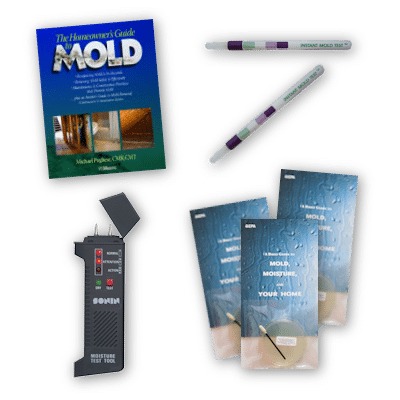
Get the service scope in writing before relying on a package name. A company may offer a general inspection, a focused moisture service, optional sampling, or a combination. Price follows scope, so understand what mold inspection costs cover before you compare quotes.
- What standard and areas does it cover? Ask about the crawlspace, attic, and other spaces, and about any limits on entry.
- Is mold work included? Ask whether assessment or sampling is in the price, costs extra, or isn’t offered.
- What will be examined? For a known problem, ask whether the visit covers the water source, the accessible affected materials, and follow-up.
- What will the report contain? Ask about written observations, photographs, measurements if used, access limitations, and when you’ll receive it.
- What qualifications does the inspector hold? Ask about training, experience, and state-specific requirements for the service.
An advertisement for an “EPA-certified mold inspector” cannot refer to an EPA-issued credential, because the agency does not certify private mold inspectors.
Massachusetts consumer guidance specifically distinguishes fungi, mold, and allergen investigations from a basic home inspection.
What should you do before your inspection contingency expires?
An extra assessment can come too late to affect your purchase once the contract deadline passes.
The Consumer Financial Protection Bureau’s home inspection guidance recommends scheduling the inspection early enough to leave time for additional examinations when needed.
- Find the actual deadline. Locate the inspection or contingency date and what your signed agreement requires you to do.
- Read the findings and exclusions. Look for moisture observations, further-evaluation recommendations, and access restrictions.
- Book the specialist. Leave time for the visit and for findings you can use.
- Organize the documentation. Send the report passages, photographs, and specialist findings to your real-estate or contract professional.
- Decide what to ask for. Options include a repair request, a negotiated change, an extension, going ahead, or withdrawing.
What you can request, negotiate, or withdraw from depends on the purchase agreement and local law. There is no single nationwide inspection-contingency period or guaranteed seller obligation to allow invasive testing or perform repairs.
If the seller refuses further access, you will have less information before closing. The decision then rests on the documented concern, what remains unknown, and the contract options you have.
What if the seller says the mold problem was already fixed?
Earlier cleanup counts only if the records show which materials were addressed and what happened to the water source. An invoice for treatment or equipment installation may cover only part of that work.
Useful documentation identifies:
- Affected areas and materials: which places were investigated, cleaned, removed, or repaired.
- Work performed: the treatment, replacement, or other remediation completed.
- Moisture source: the leak, drainage issue, or other cause found, and how it was fixed.
- Follow-up: any later inspection, verification, remaining limitation, or recommended work.
Thanks for checking in y’all! A year out…had the crawl space company come out to check on things because their work came with a three year warranty.
Turns out the dehumidifier that was installed wasn’t working. Annnnnd there was some more water accumulation in the rear of the house. Some mold in that area starting to accumulate. They ordered the replacement part and fixed the dehumidifier but then the question was, where is the water coming from? Insert foundation specialists coming to take a look. Thankfully the consensus is it’s exterior water and run off that isn’t draining properly. (I will admit I just put drain extenders on the gutters like this spring, soooo realizing how important it is to redirect runoff). Will need to do some exterior work like regrading and landscaping to help with drainage before the crawl space company comes out to repair the compromised barrier.
All and all, learning a lot as a homeowner and hoping to get this under control so it squashes the problem.
A wet area that remains after earlier remediation needs its own focused investigation.
Ask the seller for the remediation records, the moisture findings and any post-work verification, then compare them with the area you are concerned about.