Mold Cleanup Editorial Standards and Source Review
Trust mold-cleanup guidance only when you can check the source, the responsible review, and any financial connection behind a recommendation. If the decision depends on one building, a person’s health, or the law that applies, use qualified evidence that fits your situation.
Who Is Responsible for Mold-Removal Information?

You can trust a mold-cleanup article more when someone clearly answers for it. A bare name helps a little. A name tied to a task, a qualification and a publication tells you much more.
Authorship, editing, fact-checking and specialist review each do a different job.
- Publisher: The organization responsible for the information and for its stated editorial policy.
- Author: The contributor who researches and explains the subject.
- Editor or fact-checker: The contributor who handles editorial quality or checks claims against their sources.
- Technical or medical reviewer: A qualified specialist who reviews the technical or clinical subject.
One person can fill several roles, as long as the work and qualifications support each credit.
How Sources Are Chosen and Claims Checked
Evidence has to fit the claim. Federal agency guidance, a professional remediation standard, appliance instructions, a contractor’s estimate and a homeowner’s experience each answer a different question.
| Claim or question | Suitable source | What it can establish |
|---|---|---|
| Moisture correction and visible mold | US Environmental Protection Agency (EPA) | General home-cleanup principles and material considerations |
| Cleanup exposure and protective measures | Centers for Disease Control and Prevention (CDC) | Public-health precautions for relevant circumstances |
| Professional remediation procedures | ANSI/IICRC S520:2024 | Scope of a recognized professional mold-remediation standard, Fourth Edition |
| Appliance-specific maintenance | Instructions for the identified appliance | Requirements and limitations for that equipment |
| Publisher’s editorial or financial operations | Verifiable first-party records | Actual review roles, correction channels and commercial arrangements |
Read the original source and the conditions it sets. Guidance for a hard surface can give a different answer for damaged porous material.
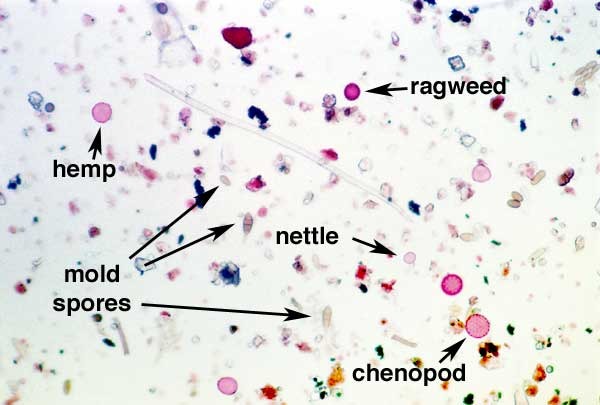
Take mold testing. EPA says routine sampling is usually unnecessary when mold is already visible. It has set no federal safe mold-spore concentration levels for buildings, so nobody should advertise a laboratory number as compliance with an EPA safety threshold. Testing can still serve a purpose in some cases, and the article should state that purpose.
Contractor estimates also depend on the work inspected and included. If opening a wall reveals more damage, the earlier quote covers only its earlier scope. Homeowner experiences work as examples of questions and mistakes, not as national statistics.
What Editorial and Expert Review Labels Mean
Review labels should separate work that was written, checked for factual accuracy, or assessed by a qualified specialist.
| Label | Scope of the work | Useful supporting detail |
|---|---|---|
| Written or edited | Research, explanation, organization and readability | Named contributor and editorial role |
| Fact-checked | Review of specific factual statements and cited evidence | Accountable checker and scope of checking |
| Expert-reviewed | Assessment of identified specialist claims | Qualified reviewer, subject covered and date of completed review |
A remediation professional can assess methods within their competence. An environmental or industrial-hygiene specialist can assess sampling or exposure questions. Medical claims need clinical expertise.
Call an article expert-reviewed only after the review is finished.
How Safety-Critical and Conflicting Guidance Is Handled
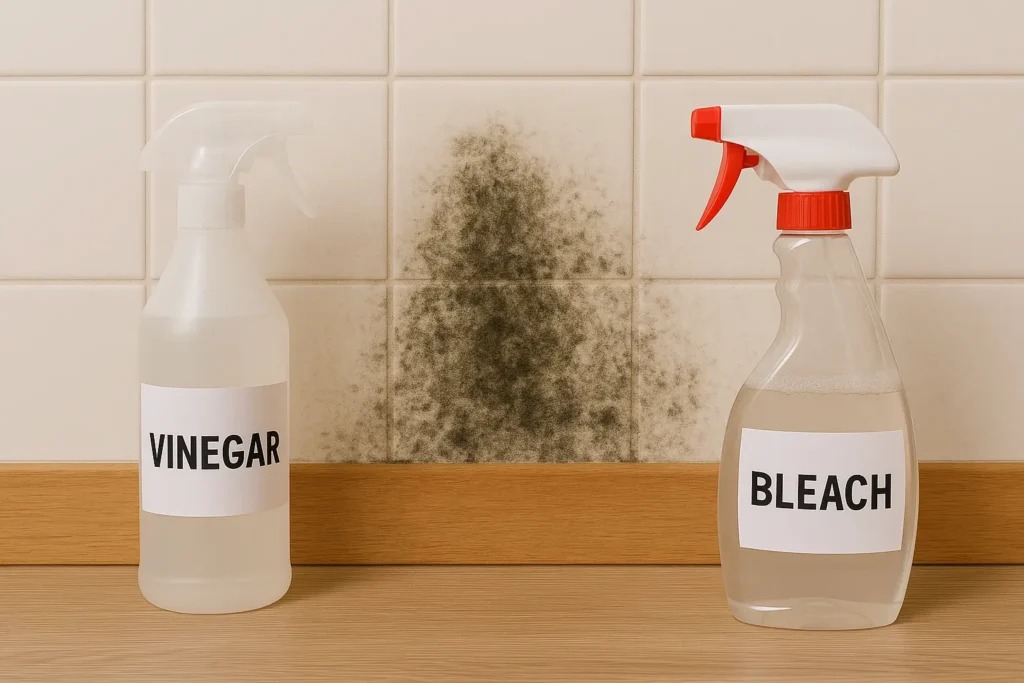
Two authoritative sources can give different-looking advice because they address different cleanup circumstances.
The EPA’s bleach guidance generally discourages biocides as a routine mold-cleanup method. The agency also distinguishes killing mold from removing it and emphasizes correcting the moisture problem. Professional judgment can justify an exception.
The CDC’s cleanup guidance discusses bleach or detergent as options under specified circumstances.
Claim: “Always use bleach to clean mold.”
What the sources say: EPA discourages routine biocide use. CDC describes conditional cleaning options and precautions.
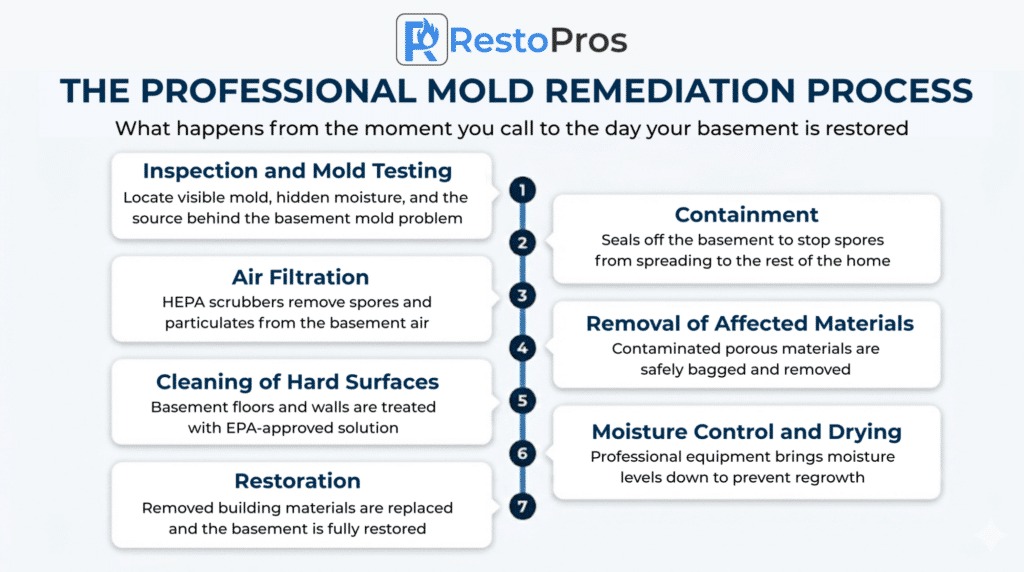
A hard washable surface, porous material damaged by a leak and a space occupied by someone at elevated health risk each need different precautions.
Cleanup safety: CDC advises people with allergies, immune suppression, or underlying respiratory or lung conditions against participating in mold cleanup. For cleanup tasks, its guidance includes at least a NIOSH-approved N95 respirator, gloves and eye protection. Fit guidance is in how goggles, gloves and clothing fit together.
How Editorial Advice and Commercial Relationships Are Separated
You deserve to know when a company recommended in an article could also earn the publisher revenue. Referral fees, affiliate arrangements, sponsored placements and advertising each create a financial connection.
The Federal Trade Commission’s endorsement guidance addresses material connections and deceptive endorsements. A meaningful disclosure names the relationship where readers see the recommendation and explains whether payment affects inclusion or placement.
We just had to have a black mold situation remediated, and wanted to share some learnings, because we had a lot of sleepless nights wondering which “expert vendors” to trust, and there’s a dearth of good, independent online information about what to look for in a mold remediation company. Most of the stuff we found online was written by mold remediation companies, and it became obvious that they are banding together to scam scared customers.
In our experience, 4 of the 5 companies that we reached out to tried to rip us off, which was truly astounding.
Some background. About a week or so ago, we were down in our garage (bottom floor of our house) and noticed a drip coming from the ceiling. Tapped on the ceiling with the end of a broom from the garage so we could figure out where above the leak was originating. Our best guess was the toilet in the powder room just above so we called a plumber to come out and take a look.
Learning #1 – Wear protective gear when the plumber is opening the space. The plumber that came cut open the ceiling while we watched, and we saw mold-covered drywall fall to the ground. He remarked that there was a ton of black mold in the ceiling. We were standing there watching, unmasked, etc… breathing in all that mold that had now been disturbed and released into the air. Woke up with a hoarse throat the next morning.
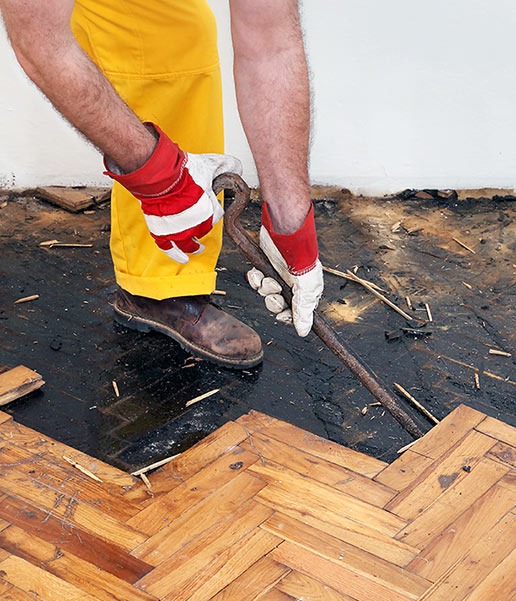
These are the poster’s claims, not findings about any vendor or the cause of the symptom. Still, the story shows why you need to separate a recommendation’s stated reasons from any financial incentive behind it.
Payment alone does not decide whether an explanation is correct. Paid placement needs a clear label, and an editorial recommendation should make its selection criteria easy to understand.
AI Assistance and Human Responsibility

AI can help organize research, draft explanations and summarize material. A person who answers for the article still has to check the original evidence before any important claim goes live. Quotations, dates, technical conditions and cited conclusions must match the source. An automated reading cannot inspect a building or diagnose someone’s exposure. Any statement about a publisher’s AI practices should name the tools’ role and the human review performed.
Corrections, Review Dates and Substantive Updates
A good corrections process starts with a claim a reader can point to. An error notice works best when it names the article, the disputed sentence and the source or circumstance.
The response depends on the error. A typo is a copy fix. A misleading chemical recommendation, a missing exposure condition or a wrong professional credential needs a full editorial review. Material corrections should say what changed and when.
| Displayed date | Meaning |
|---|---|
| Published | The article first became available |
| Updated | Substantive wording or advice was revised |
| Technically reviewed | A qualified specialist completed the specified review |
The EPA bleach-guidance page displayed a September 25, 2025 update date; the CDC cleanup guidance was dated February 16, 2024.
Changes to agency guidance, professional standards, legal requirements or material commercial arrangements all justify re-examining affected content. A site’s review date should reflect work that happened, and a promised response period needs a working process behind it. A corrections channel needs to reach a responsible editor, and material changes need a traceable record.
When General Guidance Requires an Individual Assessment

A stain on a ceiling may be evidence of a surface problem, a plumbing leak or concealed damage above the finish. General cleanup guidance cannot tell you which materials are affected inside a building.
Heavy or contaminated water damage, possible hidden growth and complex HVAC or structural work call for an assessment on site by a qualified person. Health symptoms need medical attention. Insurance coverage, contractual obligations and licensing rules depend on the records and the jurisdiction. When one of these applies, decide whether mold removal needs a professional before you act.
This guidance applies to typical situations. It cannot settle a question that turns on one building, one person’s health or local law.