
Mold vs. Mildew: What Changes How You Clean It?
Calling it mold or mildew doesn’t change how you clean it. The material, the moisture source, the size of the area and any hidden damage do. You can clean and dry a small patch on an intact hard surface, as long as you also fix the water problem. Extensive or hidden growth, contaminated water, damaged materials or vulnerable people in the home call for qualified help.
What Is the Difference Between Mold and Mildew?
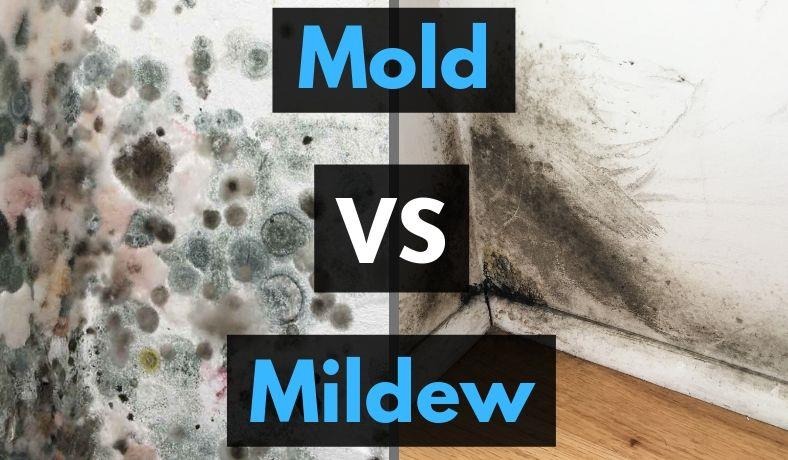
Mildew is a name for certain molds or fungal growth, often flat or powdery. The Environmental Protection Agency’s explanation of mold and mildew treats the terms as overlapping, and the National Institute of Environmental Health Sciences describes some of their typical appearances. Plant pathologists sometimes use mildew in a narrower sense, but that is not the meaning for household surfaces.
What Mold and Mildew Can Look Like, and Why Color Does Not Set the Risk
| What you see or call it | Common household description | What to take from it |
|---|---|---|
| Mildew | Often flat or powdery-looking growth on a damp surface | Check the material underneath |
| Mold | Fuzzy, patchy or textured, in several colors | Suspected fungal growth |
| Black, green, white or gray spots | Color is used to describe a patch | Describes the patch only |
| Pink or orange film | Colored residue on a wet bathroom fixture | A different microorganism may be involved |
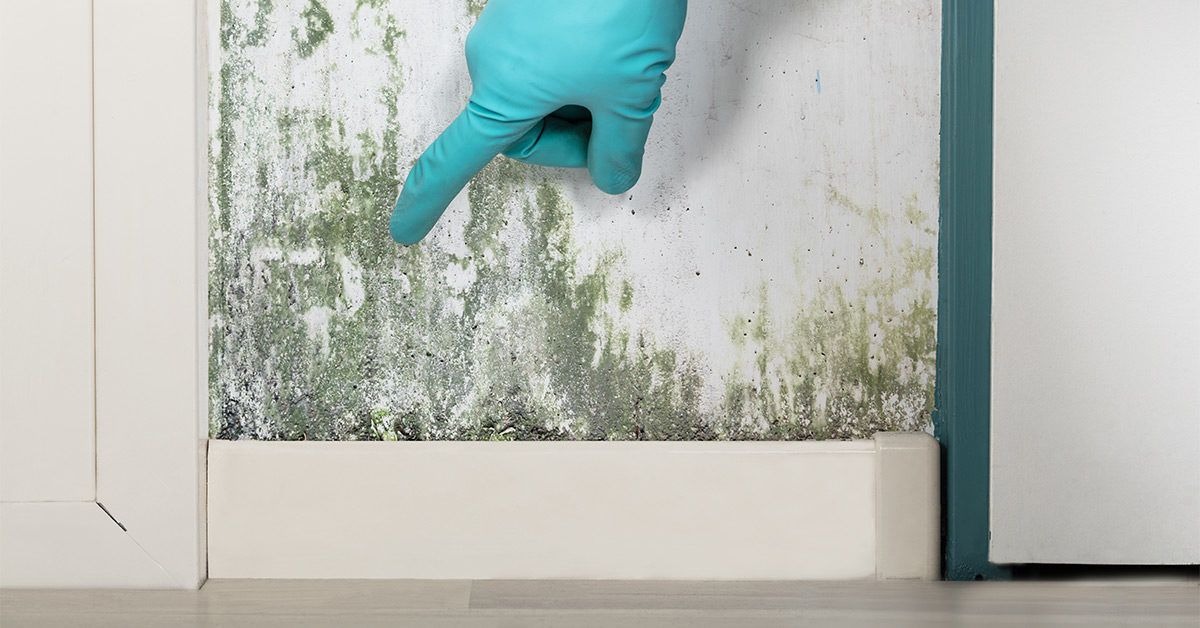
A black streak along shower caulk and a pale coating on a damp wall can look very different. CDC/NIOSH guidance says color and texture cannot reliably identify a species or establish its health danger. For the cleaning step itself, choose a mold cleaner that suits the surface.
Photograph the patch and note its location and approximate visible area.
The Cleanup Choice Depends on Moisture, Material and Extent
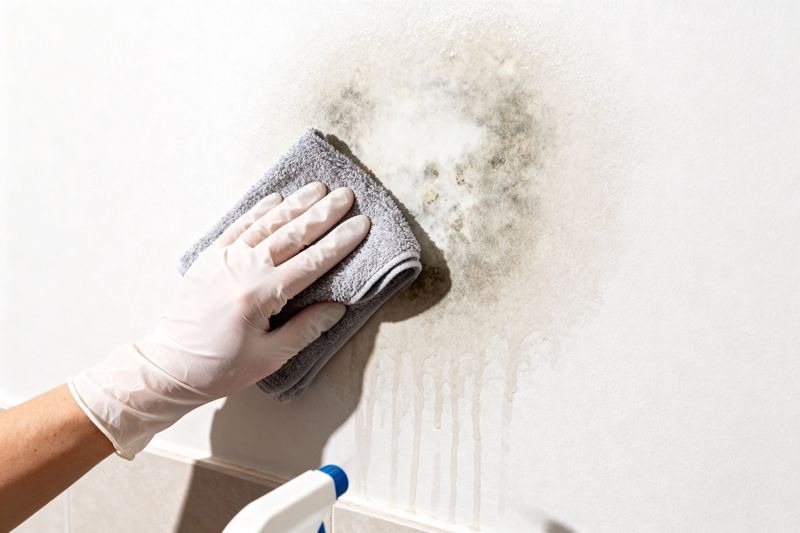
A patch on intact bathroom tile and a stain spreading through wet drywall can require very different responses. The EPA’s guide to mold and moisture in the home distinguishes surfaces that can often be cleaned from absorbent materials that may need to be removed.
| Situation | What matters | What to do |
|---|---|---|
| Small patch on accessible, intact tile or another hard surface | The surface is sound and can be cleaned and dried | Clean and dry it |
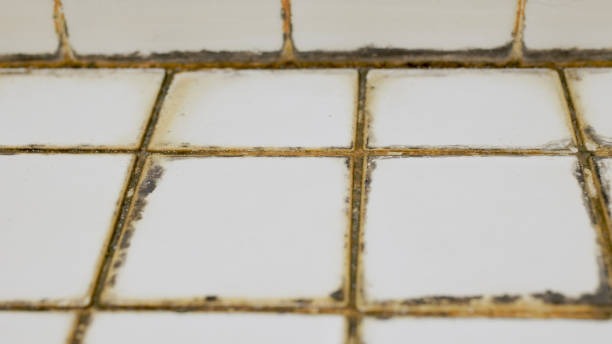
| Returning marks around shower grout or caulk | Joints, seals or surrounding area may stay wet | Find out why it stays wet and check the seal |
| Damp or visibly affected drywall, insulation or carpet | Absorbent materials may retain moisture and growth | Decide whether the material has to come out |
| Extensive, concealed or HVAC-related growth; contaminated-water damage | Greater exposure or cleanup complexity | Call a professional for an assessment |
| Musty odor with no visible patch | Possible dampness or concealed growth | Look for the source of dampness |
Moldy absorbent material can’t always be cleaned properly, especially once water has soaked in. Then it has to be thrown out.
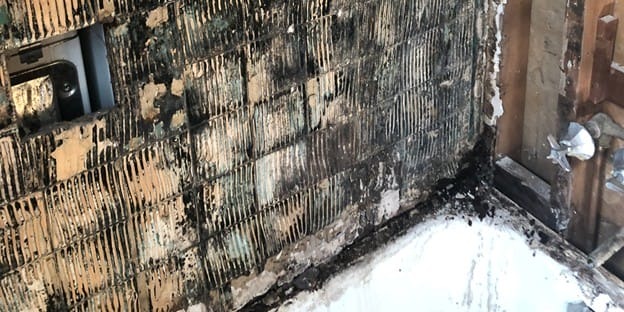
A musty smell is a reason to look for moisture or hidden growth, but an odor alone cannot locate concealed growth or identify its species.
Why Shower Mildew Keeps Coming Back
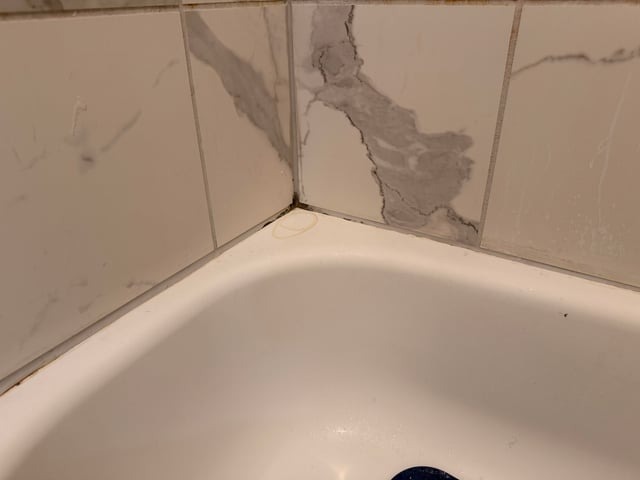
Repeated scrubbing can leave a shower looking clean for a short time while water keeps collecting around the same joints.
Hi Cleaning Gurus of Reddit!
We moved into this house with these black spots on our shower, I feel like I combat them every week when I clean the tub but they always come back. These are photos after I just scrubbed my life away using cleaning bubbles and a mix between an abrasive sponge and bristle brush. Is this Mold or mildew or what??? How do I attack it, does the tub need to just be resealed? My mama didn’t provide me with the knowledge on this my childhood home never got this dirty. I just feel like it’s never cleannn.
I need help
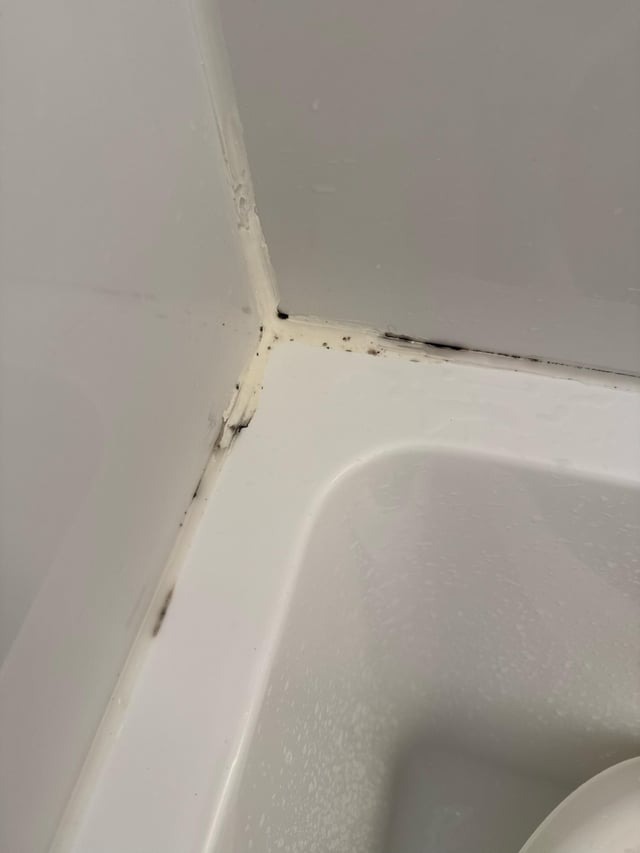
A failing seal can turn a scrubbing job into a recurring one, because moisture can linger around grout and caulk. Check the visible joints for gaps or deterioration, notice whether the shower stays wet after use, and see whether the ventilation works, since air circulation and drying conditions can contribute to repeated growth. If you reseal, clean and dry the moldy surfaces first. Never seal over visible mold.
Pink Shower Film Can Be Bacteria
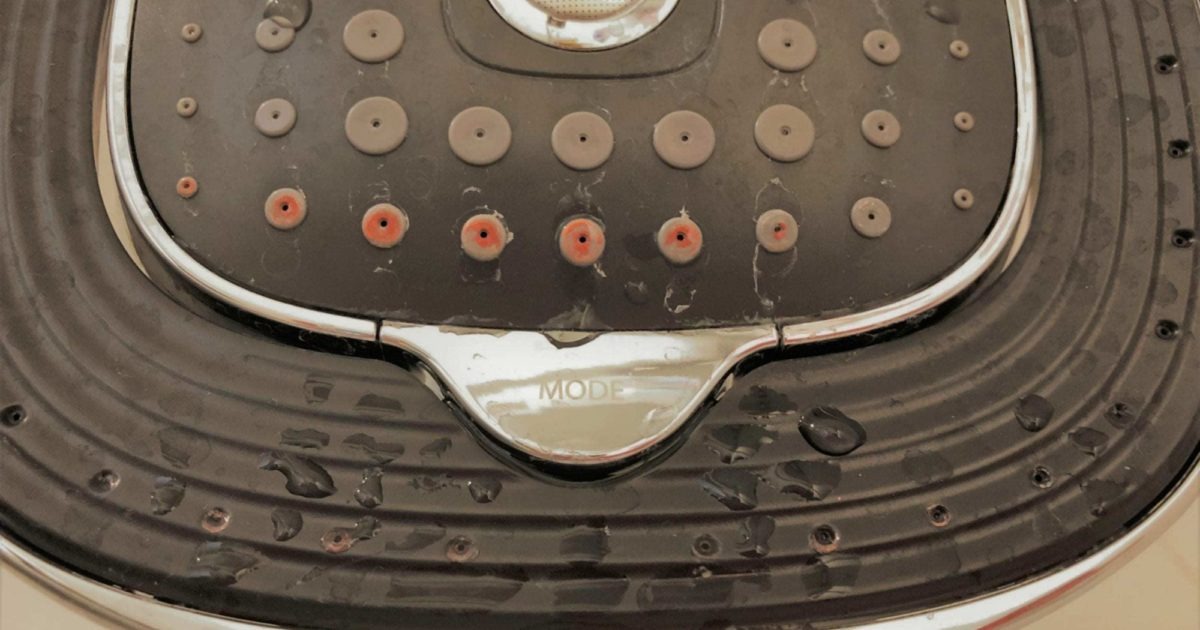
Bathroom residue described as “pink mold” sometimes involves bacteria.
We have the very large shower that is a pain in the butt to clean and gets that pink mold in a bunch of places in the grout. The back wall has very tiny grout lines that are difficult to scrub. I have an electric scrub brush and I’ve been using wet and forget shower cleaner in a pump spray bottle, but it seems the pink mold is back in a few days.
Some of the bleach cleaners are effective, but they only come in regular spray bottles so I almost go through an entire bottle in one clean, plus there not much ventilation so I can’t do the whole shower in one go. Is there a bulk cleaner that would be more effective (meaning the least amount of scrubbing possible), while also not killing me in the process?
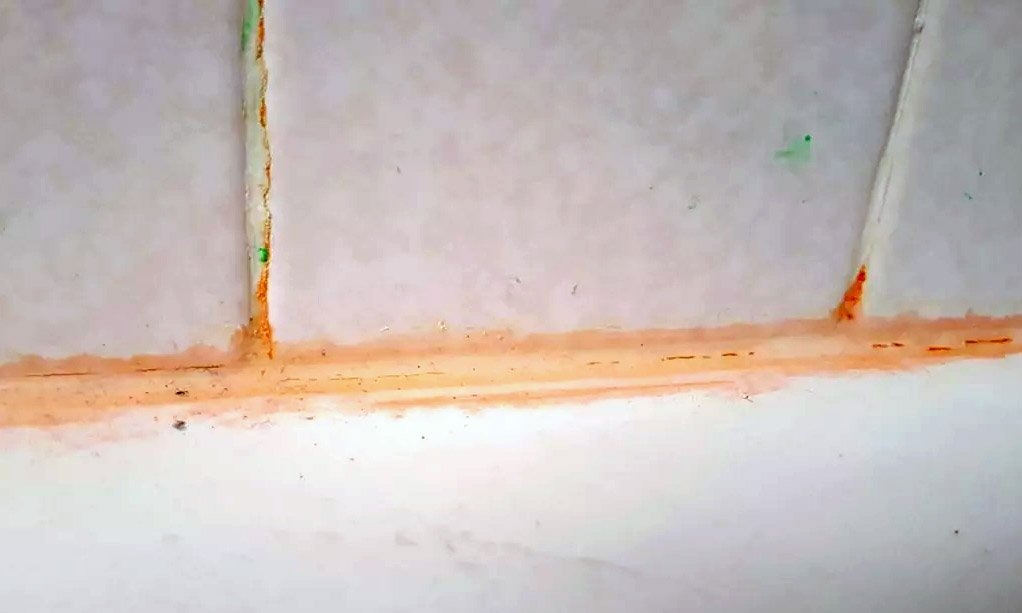
Some pink or orange bathroom deposits can come from bacteria, including Serratia marcescens.
North Dakota State University Extension published a 2010 public guidance note on bacterial causes of red residue in tubs and toilets.
When a Small Patch Is a Cleaning Job, and When It Is Not
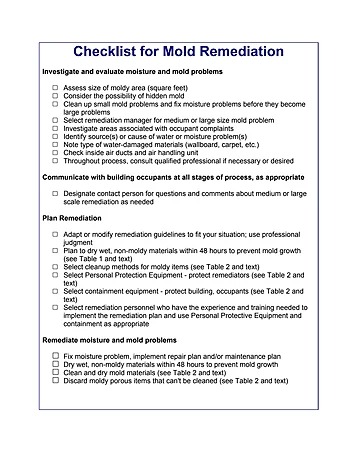
The EPA uses an affected area of about 10 square feet as a reference when deciding whether a homeowner might handle an ordinary mold cleanup. A patch measuring 3 by 3 feet covers 9 square feet. On a small, accessible hard surface under ordinary conditions, EPA guidance describes cleaning with detergent and water, followed by thorough drying.
Some situations change the plan:
- Contaminated water: Follow safety and remediation guidance for sewage or any other hazardous source.
- Concealed or extensive growth: A small visible mark can accompany a more involved moisture problem that needs professional assessment.
- Suspected HVAC contamination: EPA advises against running a heating or cooling system known or suspected to be mold-contaminated because it can spread mold through a building. Get specialist help.
- Substantial damage to absorbent materials: Wet insulation, wallboard or carpet may need work beyond surface cleaning.
- Vulnerable occupants: People with certain respiratory conditions or weakened immune systems should avoid doing mold cleanup themselves.

If you do the cleanup yourself, CDC mold cleanup guidance calls for at least a NIOSH-approved N95 respirator, protective gloves and goggles that fully protect the eyes. More extensive work may require additional protection and professional expertise.
Do You Need a Mold Test or a Stronger Cleaner?

If you can already see mold, an identification test rarely changes what you do next. CDC/NIOSH does not recommend routine air sampling for this household decision. A specialized assessment can still help in unusual building investigations, occupational settings or disputes that require specific evidence. If your situation is one of those exceptions, start from mold assessment and inspection options.
Skip the bleach spot test. A surface that looks lighter can still be damp or damaged.
The EPA does not recommend bleach or other biocides for routine mold cleanup. CDC gives bleach instructions with precautions. Either way, you still have to remove the growth and control the moisture.
Cleaning chemical safety: Never mix bleach with ammonia or other household cleaners. Dangerous reactions can occur.
How to Tell the Problem Is Fixed
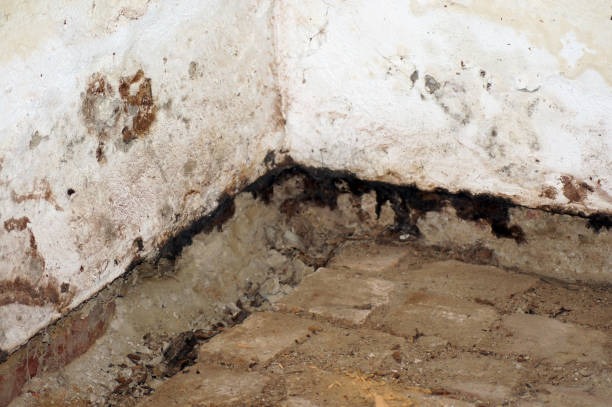
After cleanup, the affected material should be cleaned or removed, dry and free of visible growth, and the source of leakage or persistent dampness must be corrected.
Watch for new staining, continuing wetness or a returning musty odor. If they show up, investigate further, especially near absorbent materials or areas where moisture may be concealed.
A clean-looking surface cannot guarantee that no mold spores remain or that a damp building component has dried completely.