
Professional Mold Remediation: When to Hire a Pro and What to Expect
Hire a qualified mold remediation professional when the damage is extensive, hidden, involves contaminated water or HVAC, or can’t be cleaned safely by the people in the home. A small patch on a cleanable surface often doesn’t need one. Before you approve a job, ask for a written scope that names the moisture source, the materials to be cleaned or removed, who handles repairs, and how completion will be checked.
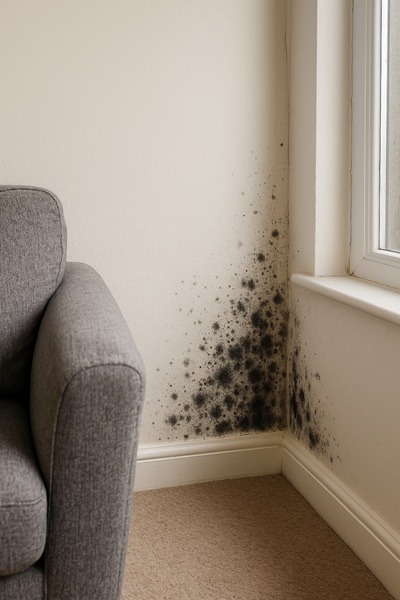
Damp drywall behind a leaking shower can look like a dark mark on bathroom tile, yet the work involved is far larger. When a contractor proposes opening walls, running air-filtration equipment or treating a room with chemicals, ask what condition makes that work necessary and how you will know it succeeded.
When should you hire a mold remediation professional?
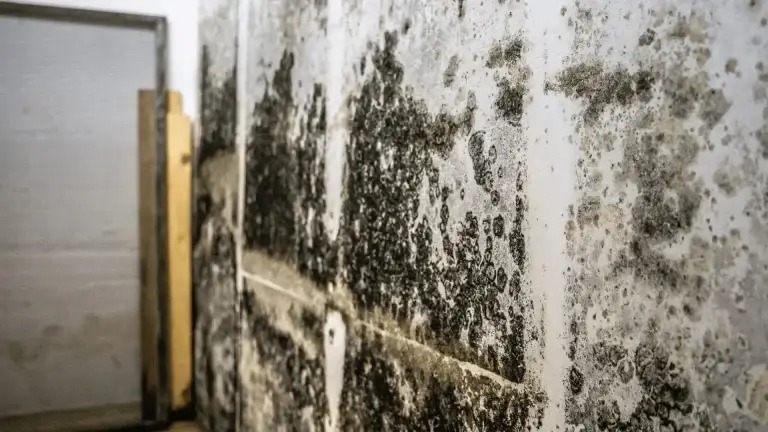
Professional help makes more sense as the affected area grows, the materials get harder to clean, or the water and exposure conditions get more complicated. The EPA’s homeowner cleanup guidance says you can handle areas smaller than about 10 square feet, roughly a 3-by-3-foot patch, in most straightforward cases. Material, water source and who lives in the home can still change that call below that size.
| Factor | You may be able to handle it | Reason to involve a professional |
|---|---|---|
| Area | A small patch with a clear boundary | Extensive growth or unclear spread |
| Material | Accessible, washable hard surface | Wet drywall, insulation, carpet or ceiling tile |
| Water | A limited moisture problem with the source fixed | Substantial water damage, sewage or other contaminated water |
| Location | Visible, reachable surface | Suspected hidden cavities or mold-contaminated HVAC |
| People | Someone who can do the cleanup and has no added risk from mold | Cleanup would involve a person at increased risk from mold exposure |
If sewage or other contaminated water is involved, the EPA advises hiring an experienced professional. If HVAC equipment is known or suspected to be contaminated with mold, the EPA advises against running it until someone evaluates it. In those cases a professional crew works with containment and air equipment to keep disturbed material out of the rest of the building.
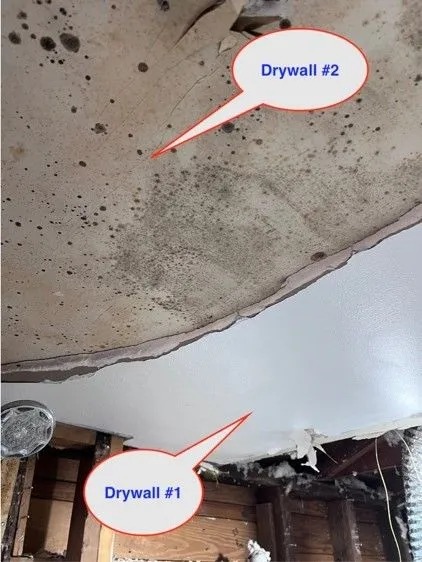
The CDC’s mold cleanup guidance says people with mold allergies or sensitivities, suppressed immune systems, asthma, COPD and certain other lung conditions should avoid doing mold cleanup. Anyone who does clean needs at least a NIOSH-approved N95 respirator, gloves and eye protection. Protective gear won’t make a difficult job safe for someone who should stay out of it.
A black patch tells you where to look. Its color can’t tell you the species or how much demolition you need.
What does professional mold remediation include?
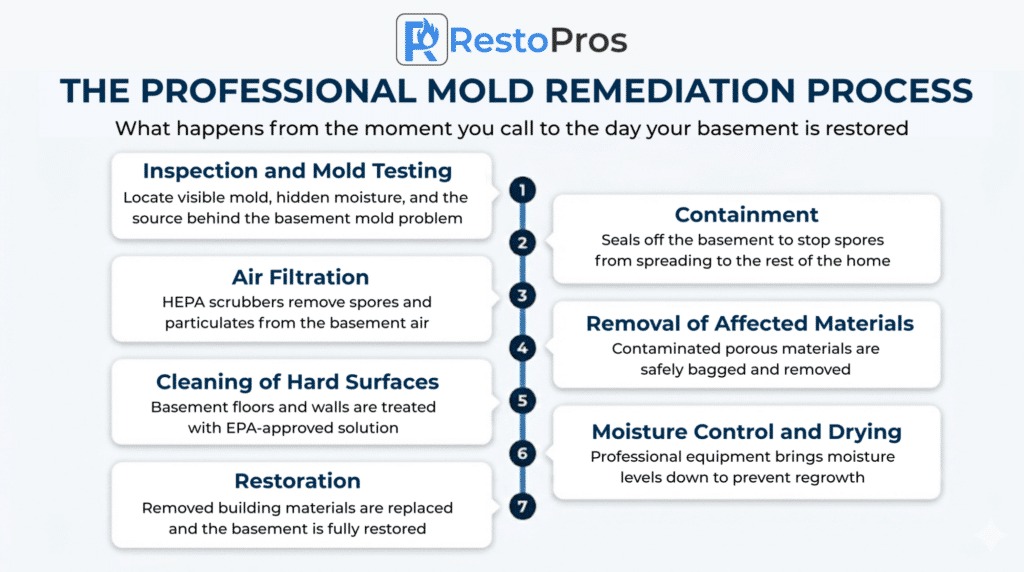
A remediation job has six stages: assessment, planning and protection, cleaning and removal, moisture correction, evaluation and, when needed, rebuilding. Different contractors often handle different stages.
| Stage | Purpose | What you should get |
|---|---|---|
| Assessment | Find affected areas, materials, suspected hidden damage and moisture conditions | Findings that support the scope |
| Planning and protection | Choose methods, containment and exposure controls for the work | A work plan and protections |
| Cleaning and removal | Clean what can be saved, remove what can’t be cleaned adequately, handle debris | A record of materials and areas addressed |
| Moisture correction | Fix the water source and dry the affected structure | A named person responsible for repair and drying |
| Evaluation | Check the work against the agreed completion conditions | Inspection and verification findings |
| Restoration | Replace damaged building components and finishes | Rebuilding scope or handoff to another trade |
For example, a company might remove contaminated wallboard and finish drying while a separate drywall contractor builds the new wall and paints. Reconstruction can be quoted separately.
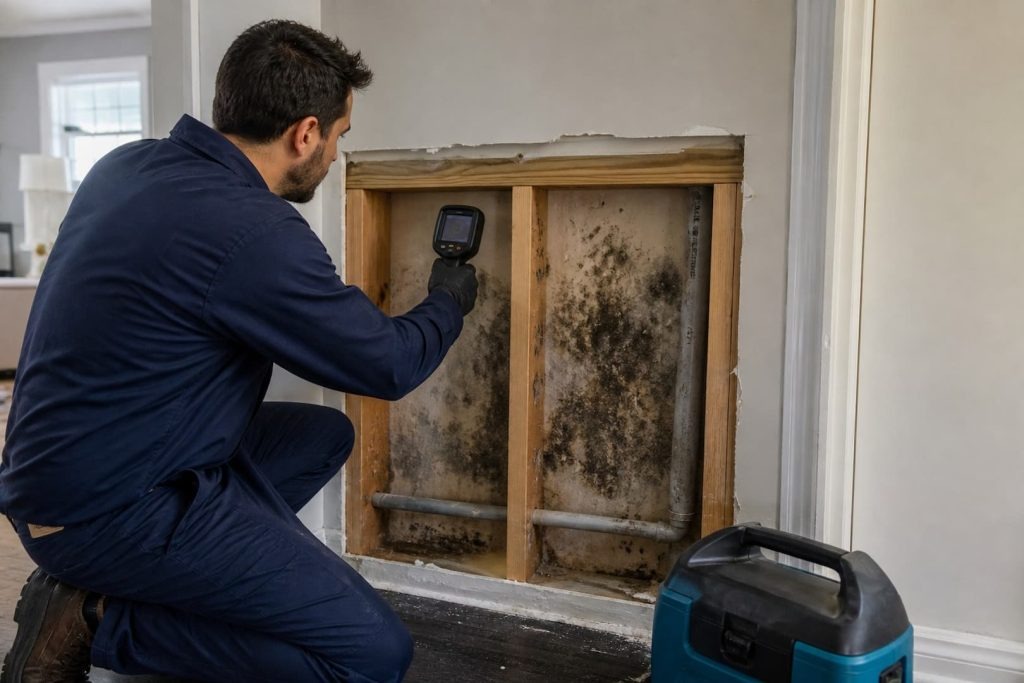
ANSI/IICRC S520 reached its Fourth Edition in 2024. The IICRC’s published standard overview describes professional procedures for structures, HVAC systems, contents, personnel qualifications, documentation and post-remediation verification. What a given project owes you also depends on local law and the agreed scope.
Why two mold-remediation quotes can describe completely different jobs
Two totals can differ wildly because the contractors propose different work. You can’t compare a quote for selective demolition, material disposal and controlled cleaning with a quote for drilling openings and applying a spray until you know which affected materials each plan covers.
Consider a hypothetical wet wall. Proposal A removes water-damaged wallboard, assesses exposed insulation and framing, cleans as needed, and leaves rebuilding to another contractor. Proposal B treats the cavity through small openings with a chemical application. Ask A’s contractor to show why the removal boundary sits where it does. Ask B’s contractor how contamination in porous material will be removed or otherwise dealt with.
| Scope item | What to compare | Why the difference matters |
|---|---|---|
| Affected area | Named rooms, surfaces, cavities and estimated extent | Quotes can cover different parts of the building |
| Material treatment | Which materials stay, get cleaned or get removed | Hard surfaces and porous materials are cleaned differently |
| Containment | Protection and particle controls for the planned disturbance | Opening contaminated walls changes the controls you need |
| Moisture repair | Who finds and fixes the water source | It can need a separate trade or contract |
| Waste and contents | Debris removal and treatment of belongings | One price can leave this out |
| Verification | Completion criteria and any assessment or sampling included | Bids can promise different proof of completion |
| Reconstruction and changes | What rebuilding is included and what triggers extra work | Hidden damage can change the final scope and cost |
Put competing proposals on the same task list before you compare prices.
Who should assess the problem, perform the work, and verify it?
Assessment, remediation, moisture repair and final evaluation are four separate jobs. A mold assessor or indoor environmental professional investigates conditions and can write a protocol. A remediator does the agreed cleanup or removal. Plumbers, roofers, HVAC specialists and restoration contractors handle the repairs and rebuilding.
For a sense of price, compare mold remediation costs and scope.
Bids differ in what they include, so compare professional mold remediation proposals item by item.
The split matters when one company both identifies suspected mold and sells the treatment. You need to know who set the scope and who will judge the finished work. On a disputed or substantial job, independent assessment can be worth it, and some states require the roles to stay separate.
State law depends on the location and the project. For example:
- New York: The Department of Labor’s mold guidance separates licensed assessors from licensed remediators, with separate assessment and work plans and same-project restrictions under Article 32 for covered work. A covered mold project is assessment, remediation or abatement done for that purpose in an area greater than 10 square feet. Routine cleaning and unrelated construction or repair work are excluded, along with other statutory exemptions.
- Texas: The state regulates mold assessment and remediation roles on covered projects, including restrictions on performing both roles on the same project and specific post-remediation documentation rules.
- Florida: The state licenses mold-related services and addresses conflicts between assessment and remediation on the same structure within 12 months.
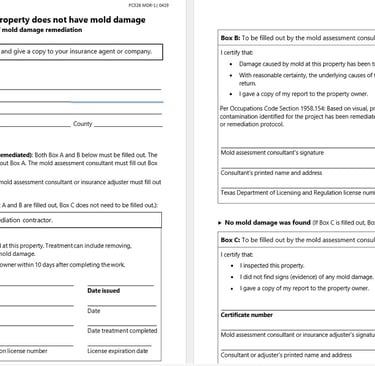
Check your state’s licensing records and confirm who is responsible for the assessment, the remediation and any independent completion evaluation. Under EPA guidance, visible mold usually makes routine laboratory confirmation before cleanup unnecessary.
What should the written scope and pre-work documentation say?
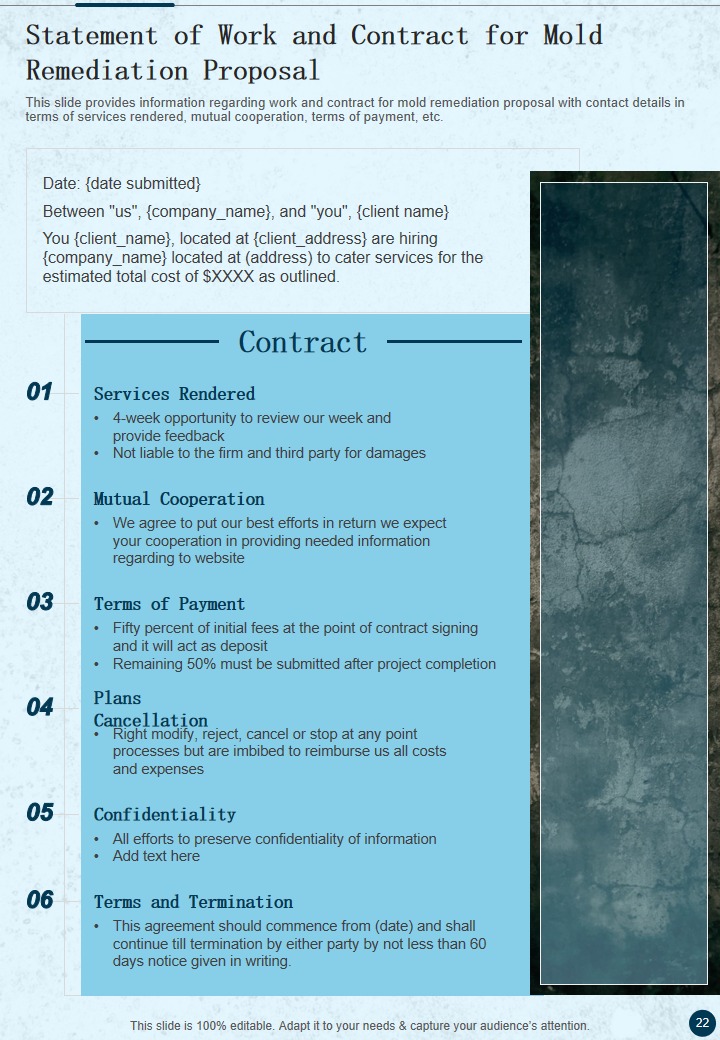
A good work agreement shows where the crew will work, how much material it expects to address and what counts as completion. It also records the property’s condition before anyone opens, cleans or covers a surface.
The before-work record should contain:
- Locations and baseline photographs: Dated photos and descriptions of affected rooms, visible conditions and accessible surfaces.
- Moisture findings: The known or suspected water source and any investigation or repair still open.
- Measured work scope: Named surfaces and cavities, estimated square footage or material quantities where they apply, and the cleaning or removal method for each.
- Protection and material handling: Containment, occupant precautions, disposal arrangements and affected contents.
- Roles and exclusions: Who repairs the leak, dries the structure, does the remediation, evaluates completion and rebuilds the area, with exclusions spelled out.
- Completion and change rules: Acceptance criteria, the documents you will receive and how you approve discoveries that change cost or demolition extent.
A Texas regulated-project work analysis shows what measurable scoping looks like: the plan names affected areas, material quantities, methods and clearance criteria. That level of detail helps you judge a proposal anywhere in the United States, though Texas legal requirements apply only to its covered projects.
Some boundaries stay provisional until a cavity is opened. The agreement can say so without giving open-ended approval for more demolition. When the crew finds new damage, it should explain what it found, the proposed change and the cost before you authorize extra work.
What happens during removal, containment, drying, and rebuilding?
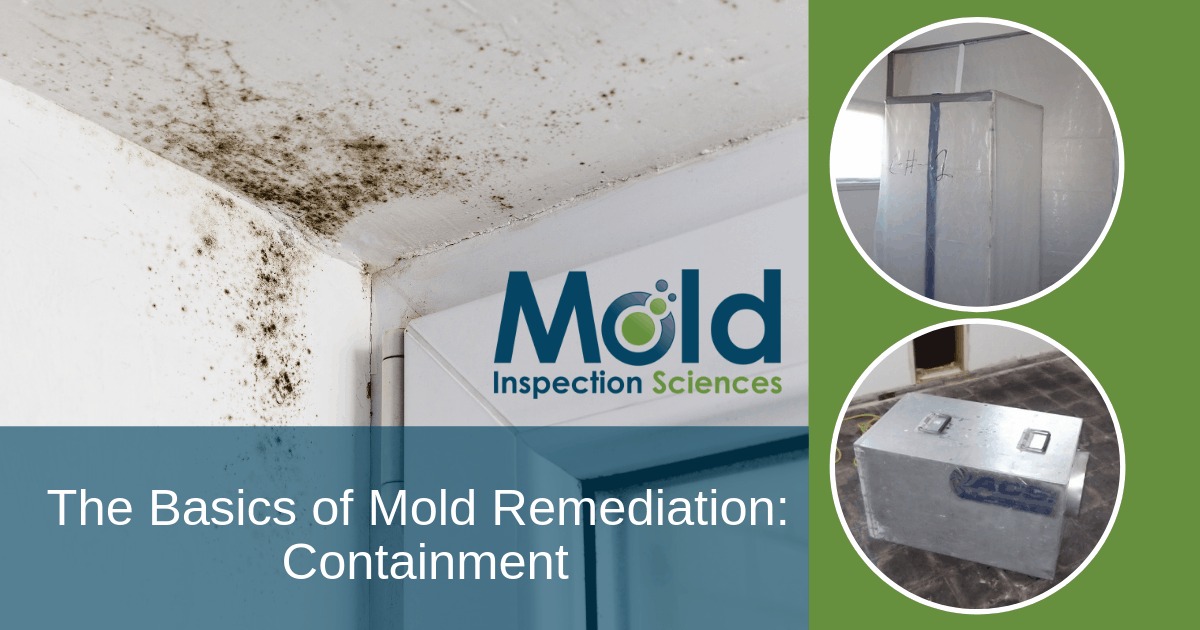
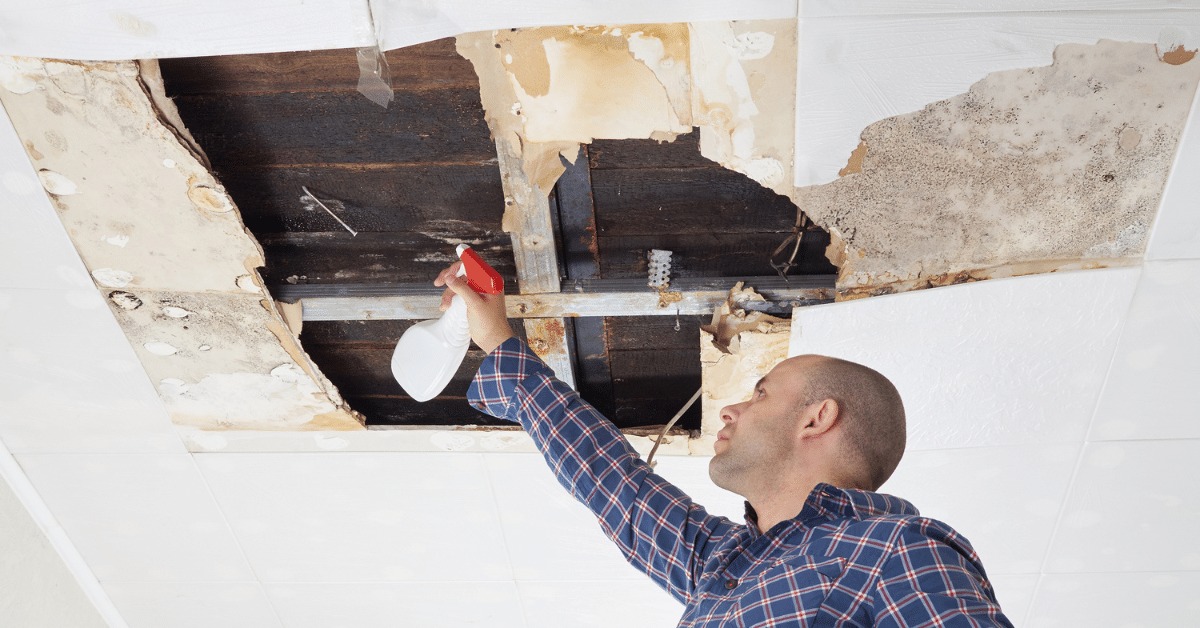
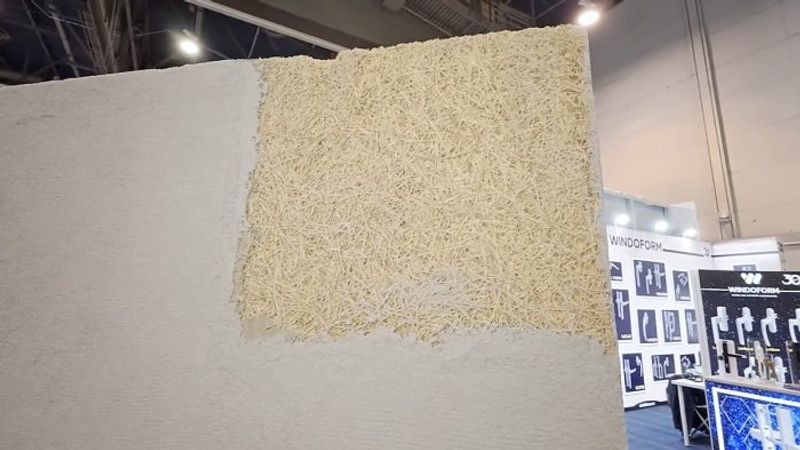
Methods should match the affected surfaces and the work likely to disturb them. A limited cleanable surface can be treated in place. A wall with contaminated porous components may need selective removal and disposal, then attention to what lies behind it.
The EPA describes cleaning mold from hard surfaces with detergent and water, then drying them thoroughly. Porous materials such as ceiling tile, carpet, insulation and wallboard are hard to clean adequately. When they can’t be cleaned, removal can be the answer.
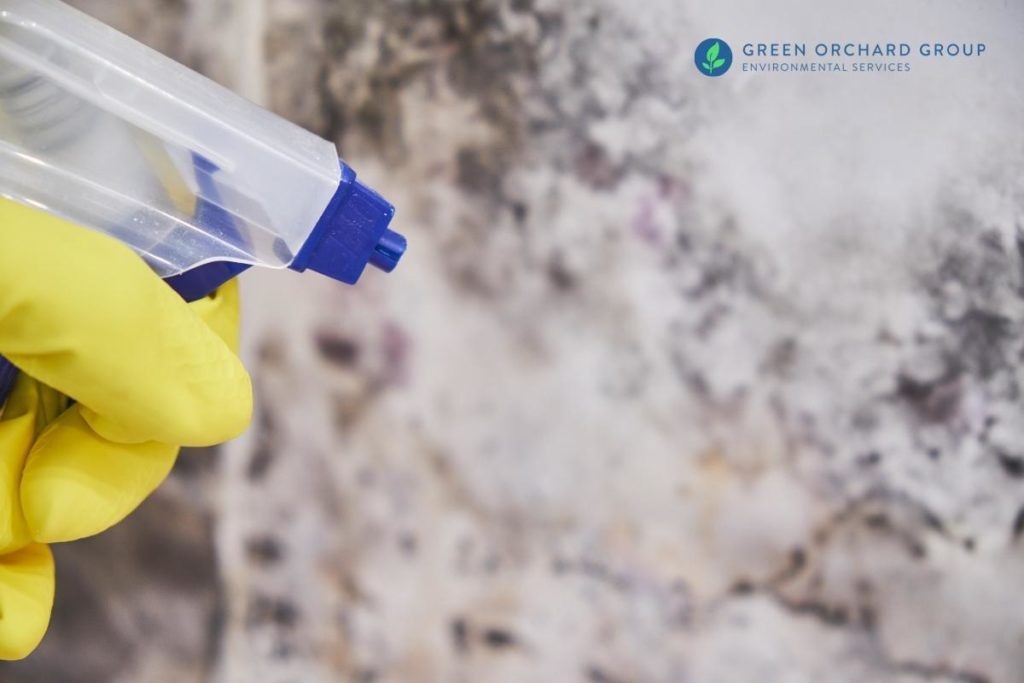
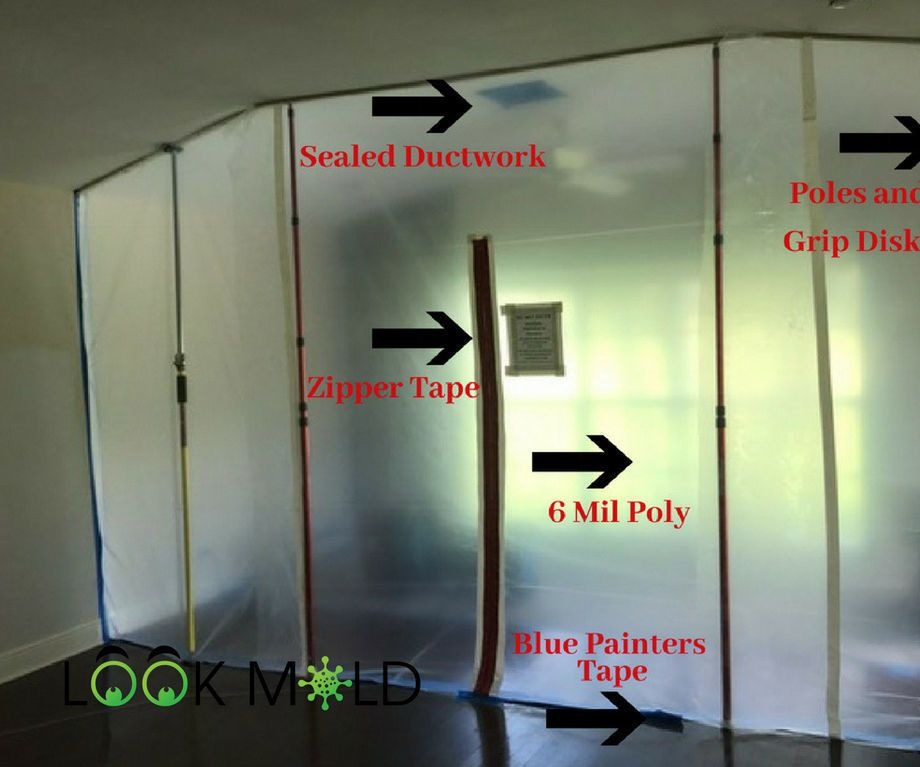
When a crew will disturb contaminated materials, containment, negative air pressure and HEPA filtration can be appropriate. A limited surface-cleaning job can use a lighter setup. Barriers and particle-control equipment limit movement into other areas, but they do not repair leaking plumbing or a wet wall cavity. Crews also need controls for handling removed debris and affected belongings.
The EPA discourages routine use of bleach or other biocides as the default cleanup method. Some professional situations can justify a chemical treatment, but physically removing or cleaning contamination still matters because dead mold can trigger reactions. Never mix chlorine bleach with products containing ammonia.
While the job runs, you can check one thing: whether the crew uses the agreed methods on the specified materials. Newly found conditions go through the change process in your agreement. Coordinate drying and moisture-source repairs before anyone closes up and finishes damaged walls.
Can you stay in the home, and how do surprises affect the schedule?
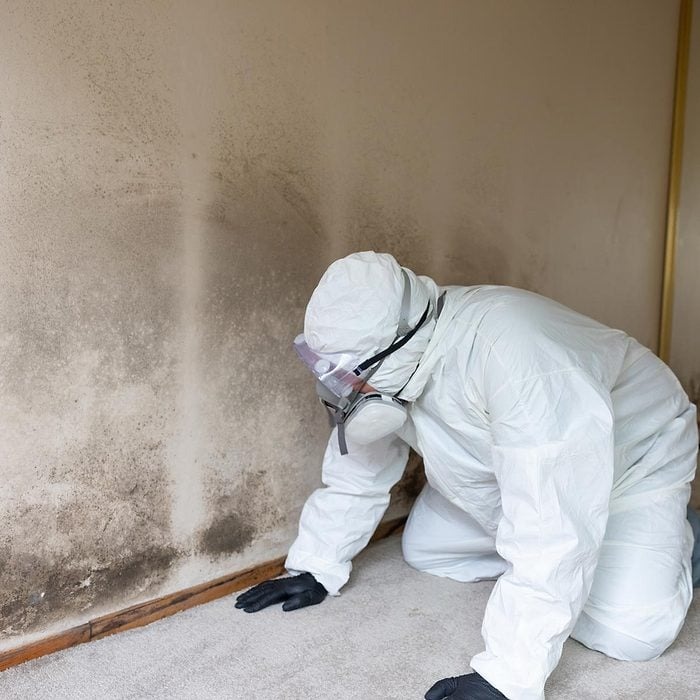
Some limited work can be isolated from unaffected rooms, so you can stay in other areas. Extensive demolition, contaminated water and suspected HVAC involvement can call for different arrangements. Health circumstances in the household count in the decision. Ask the contractor to include the isolation plan for each area in the written professional scope before work begins.
For people with asthma, other lung conditions or immunosuppression, CDC clinical guidance on mold-affected buildings after severe weather advises avoiding buildings with indoor leaks or visible or smellable mold. That guidance addresses severe weather and clinical settings. In other homes, match the decision to the actual building conditions and the people involved.
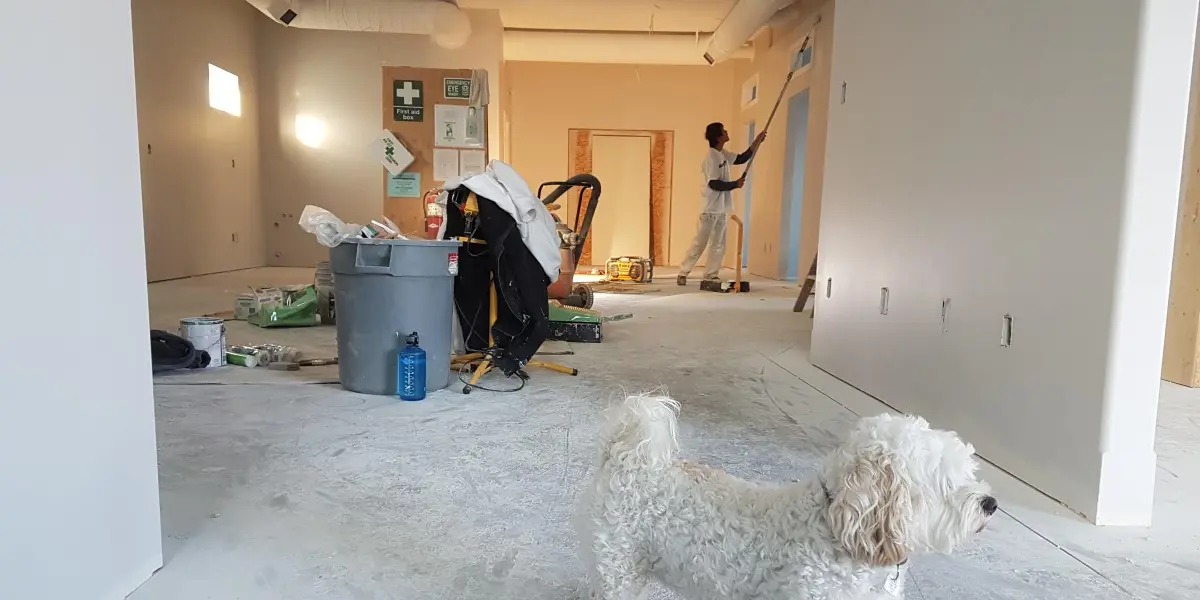
Opening a wall can expose more wet insulation, damaged framing or a wider affected area, and that can change the order of work. Removal can finish before drying, evaluation follows drying, and reconstruction can happen under another contract after the completion checks.
Agree a room-by-room access plan with the contractor: which rooms you can’t use, how unaffected spaces are protected, arrangements for children and susceptible household members, project milestones and what can extend the schedule. If you’re selling, the closing date is a contractual deadline; technical completion follows the agreed acceptance criteria.
How do you know the remediation is complete?
Complete remediation addresses the agreed materials and the conditions that let them get moldy. The final review should match the promised work against what the crew found, removed, cleaned, dried and repaired. A final walkthrough against the contract is described in verifying that mold remediation is complete.
The EPA’s remediation evaluation guidance lists observable signs: the moisture problem is corrected, remediated areas show no visible mold or moldy odor, and there are no signs of new water damage or renewed growth. A follow-up visit, where appropriate, shows whether the fixes have held.
Use the acceptance record to check five things:
- Work performed: The final record matches the original scope and explains authorized changes, cleaned materials and removals.
- Water source and drying: Repairs are finished or documented, and the moisture condition has been assessed.
- Visible conditions and odor: The work areas were examined for remaining visible growth, moldy odor and signs of water intrusion.
- Verification: Any agreed or legally required independent post-remediation evaluation is complete and its findings are explained.
- Remaining reconstruction: Unfinished wall, floor, ceiling and contents work has a named responsible party.
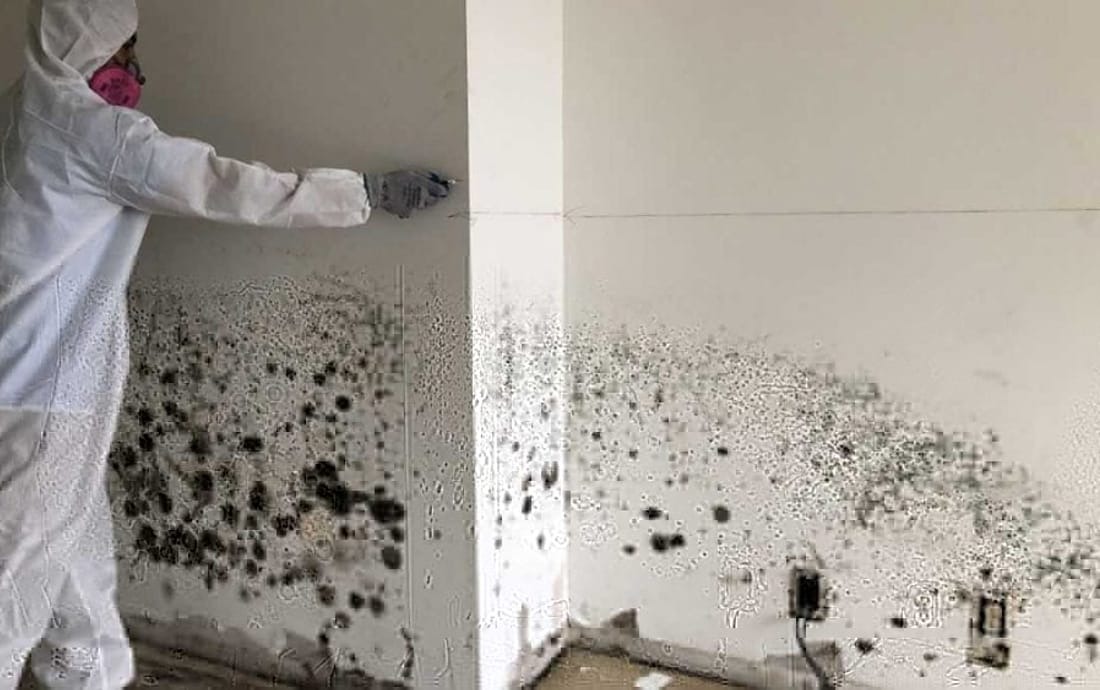
Some materials keep staining after the mold is removed, the EPA notes. Discoloration alone can’t tell you whether remaining growth is active. A freshly painted surface needs an honest account of the work and the moisture condition underneath.
Sampling can answer a specific question, but the EPA has not set a numerical indoor mold-spore limit for federal building compliance. Qualified post-remediation verification can combine a visual inspection, moisture information and project-specific sampling when warranted. A laboratory number alone cannot certify that a building poses no health risk.
Keep the final work report, photographs, approved changes, moisture-source repair information and any inspection or test results together. You will need them when you arrange reconstruction or explain the work in a property sale.
Choosing the right scope before authorizing work
If a contractor can’t fill in each item of that scope, ask for a revised quote before you sign. With that scope in hand, evaluate the contractor.