
Where Is the Mold? A Room-by-Room and Appliance Guide
Start with the room or appliance where the problem shows up, trace the moisture to its source, and note what material it has reached. If you can reach the source and the affected surfaces and the job is manageable, use the guide for that location. If the damage is hidden, contaminated, extensive, or unsafe to assess, call a qualified professional.
First, decide whether ordinary cleanup is appropriate
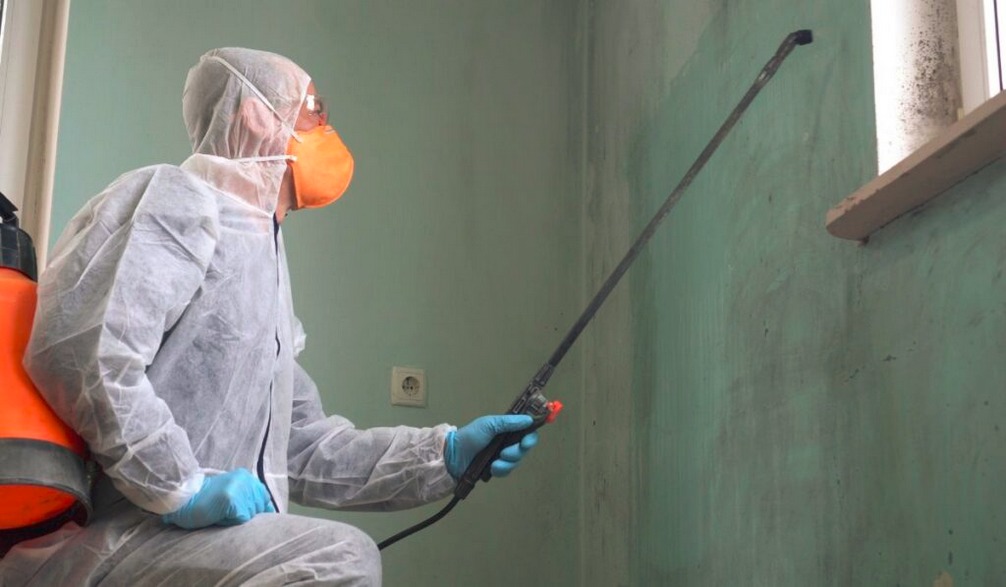
Before choosing a room guide, check how much material is affected, where the water came from, and whether the problem extends beyond the visible patch.
The EPA homeowner mold guide uses about 10 square feet as a starting reference for cleanup a homeowner can handle.
Some conditions change the response before you start cleaning:
- Sewage or contaminated floodwater: The water’s source changes the precautions and cleanup scope, even when the visible patch is small.
- Extensive or concealed damage: Mold behind walls, below flooring, or across inaccessible surfaces can need assessment and containment beyond household surface cleaning.
- HVAC or electrical hazards: Suspected contamination inside ductwork, wet insulation, or powered equipment needs someone qualified to judge the equipment.
- People at increased health risk: CDC advises people with allergies, asthma or other chronic respiratory disease, immune suppression, or underlying lung disease to avoid mold cleanup.
For suitable household cleanup, the CDC mold cleanup guidance describes precautions including an N95 respirator, gloves, and goggles.
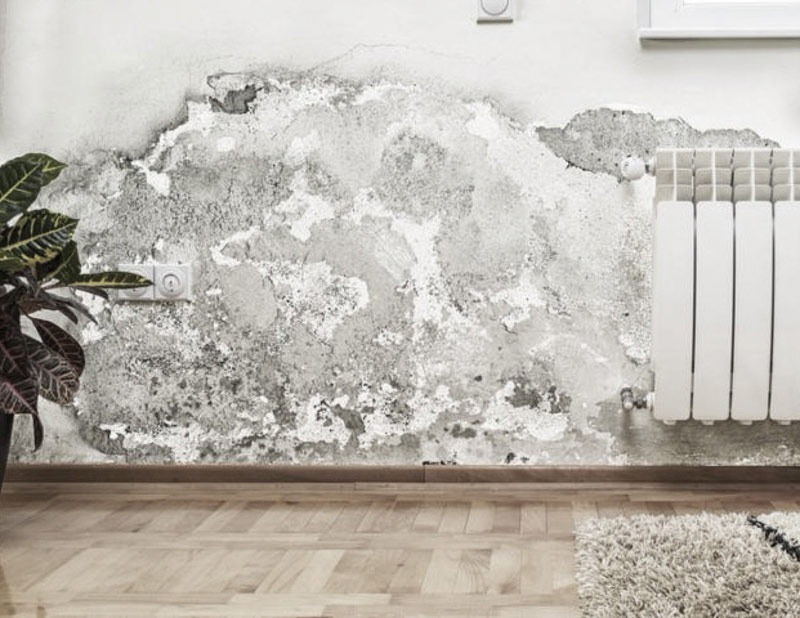
A small patch on bathroom tile you can reach and clean is one job. Swollen drywall beside a leaking pipe is another: you’re dealing with absorbent board, the material behind it, and a leak that may still be active.
For general cleanup scope, start with the mold removal overview. Situations that go beyond ordinary surface work, such as swollen drywall beside a leaking pipe, belong in the DIY versus professional decision guide.
Use the location map to find the right starting point
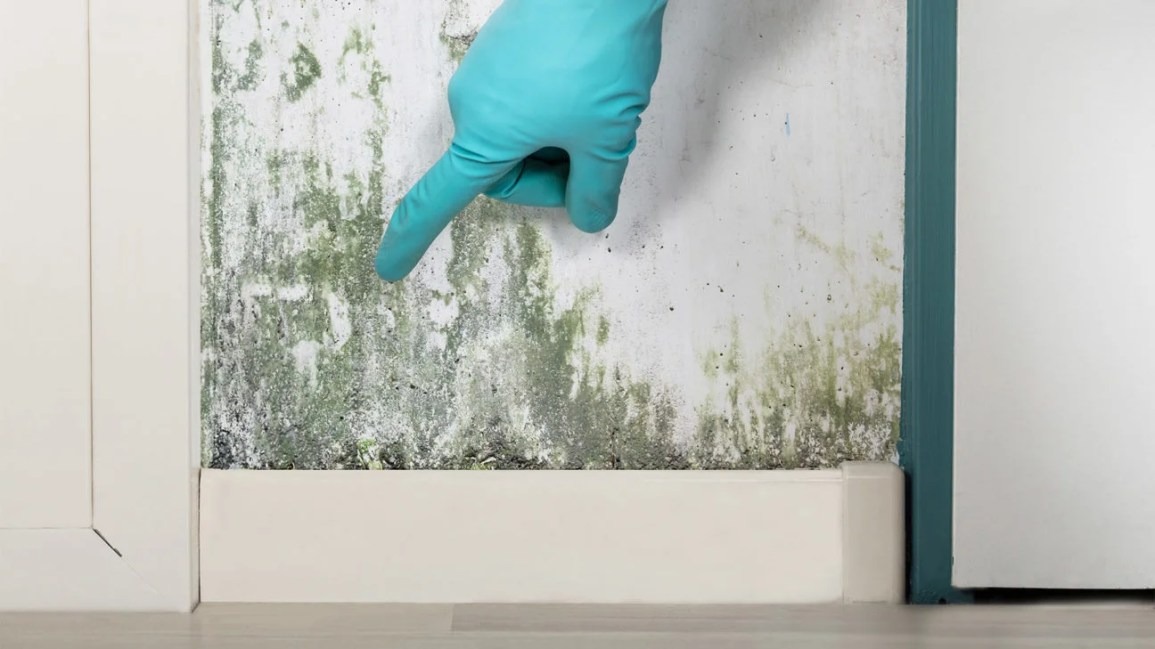
Match the room or appliance to the first safely visible place worth checking. Water may enter one part of a building and leave a mark in another.
| Location | Where to look first | Possible moisture source | Material or hidden concern | Detailed guide |
|---|---|---|---|---|
| Bathroom or shower | Grout, caulk, ceiling near the shower | Steam, exhaust trouble, plumbing leak | Tile or wet wallboard | Bathroom |
| Shower curtain | Lower liner and folds that stay wet | Repeated wetting | Removable fabric or plastic | Shower curtain |
| Under a sink | Supply and drain connections, cabinet back | Supply or waste-line leak | Cabinet panel, drywall, subfloor | Under sink |
| Laundry or washer | Supply hoses, drain area, floor beside machine | Connection leak or moisture trapped inside | Wet floor or washer gasket | Washing machine |
| Refrigerator | Door gasket, interior, adjacent floor | Interior moisture or external leak | Food surfaces or flooring | Refrigerator |
| Basement | Foundation wall, floor edge, finished wall base | Drainage, groundwater, plumbing, humidity | Masonry, carpet, drywall | Basement |
| Crawl space | Safely visible floor joists, insulation, foundation | Ground moisture or plumbing leak | Access to framing, wet insulation | Crawl space |
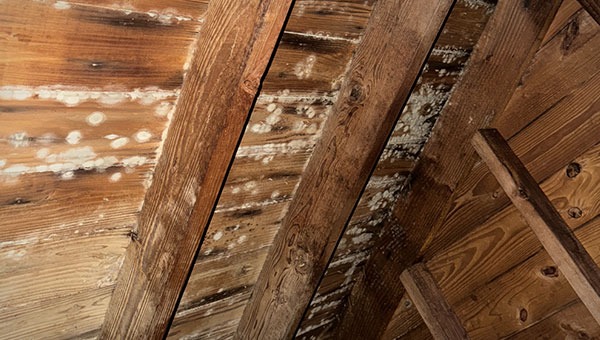
| Attic | Roof sheathing, insulation, bathroom exhaust route | Roof entry or misdirected exhaust | Wet sheathing and insulation | Attic |
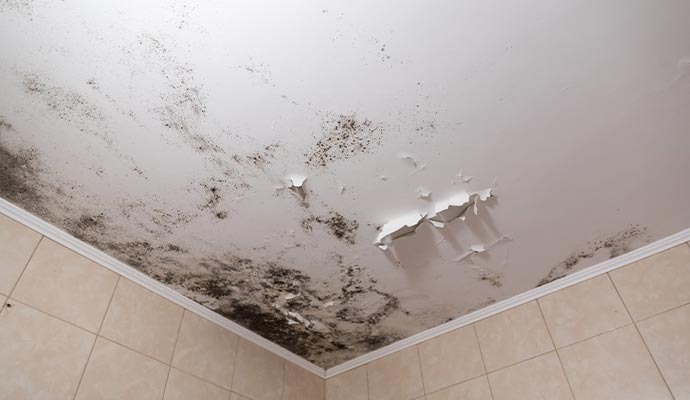
| Ceiling | Stain, peeling finish, soft area under upper room | Roof, plumbing above, condensation | Ceiling drywall and hidden void | Ceiling |
| Bedroom or closet | Exterior corner, closet wall, wall behind furniture | Condensation or envelope leak | Painted finish or wall cavity | Bedroom |
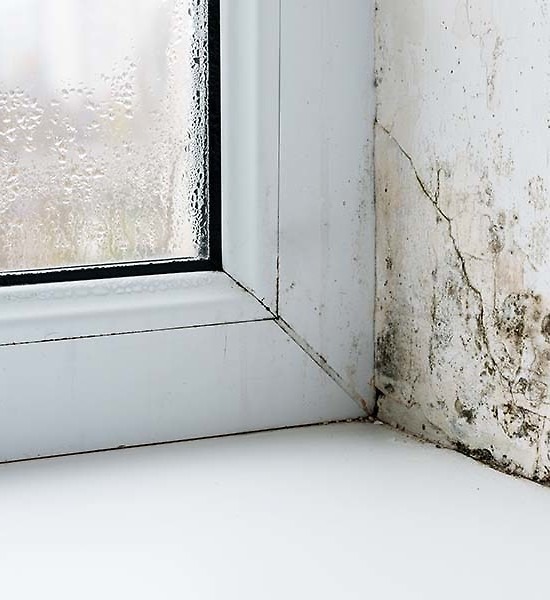
| Windows | Glass edge, frame joint, nearby wall | Interior condensation or rain leakage | Frame and caulk or wet wallboard | Windows |
| Air conditioner | Accessible filter, condensate area, nearby wall | Condensate drainage or internal moisture | Removable part or powered interior | Air conditioner |
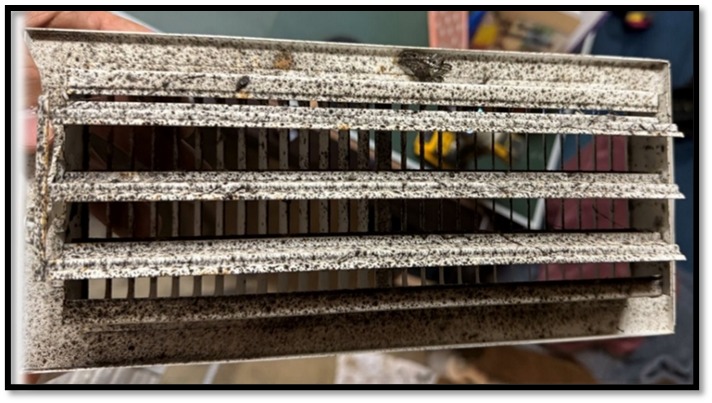
| HVAC ducts | Register surface, safely visible duct section | Condensation, dust, possible contamination | Hard duct or insulated duct | HVAC ducts |
| Dehumidifier | Water tank and accessible interior surfaces | Standing water inside unit | Unit cleaning or room humidity | Dehumidifier |
The under-sink row fits a damp cabinet beside a dripping drain.
Bathrooms and windows: condensation or a concealed leak?
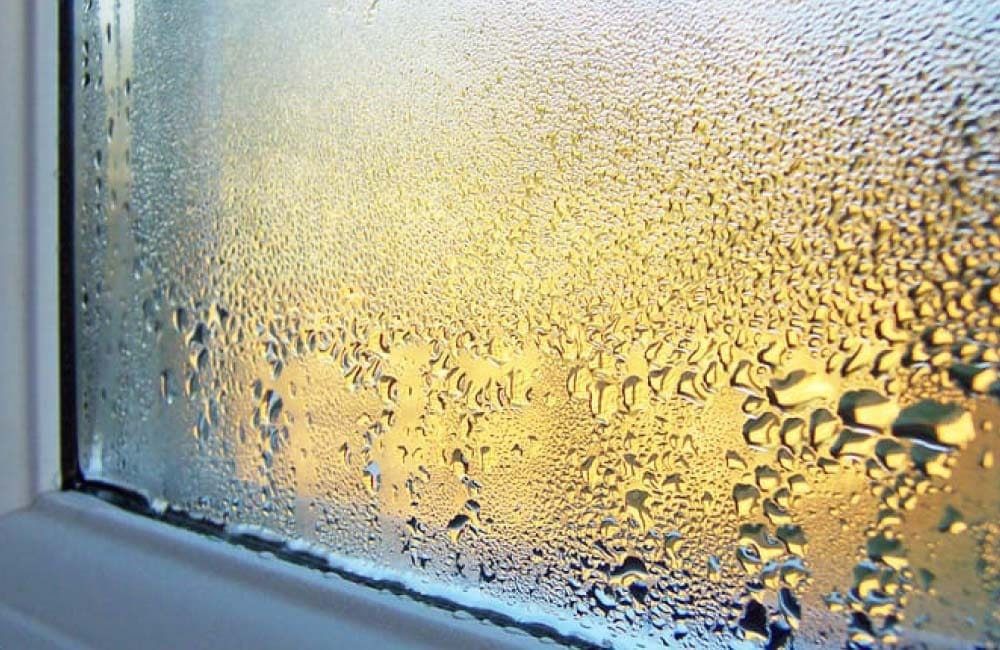
Steam from a shower can leave grout, caulk, ceilings, and window frames damp after use. Poor ventilation gives those surfaces less time to dry.
A shower corner that stays wet after bathing points to repeated surface wetting. Moisture in the wall beside or below the bathroom while the shower or sink is running points to a supply or drain leak. Water at a window edge during rain means checking the frame and the wall around it. Moisture on cold interior glass is condensation.
Compare when the wetness appears: after bathing, during plumbing use, on cold glass, or with rain. The timing tells you which moisture pathway to look at first, without opening a wall.
Take a spotted curtain down and clean it according to its material. Dark grout is a wet surface you can reach. Swollen wallboard beside the shower points to moisture behind the tile or other finish.
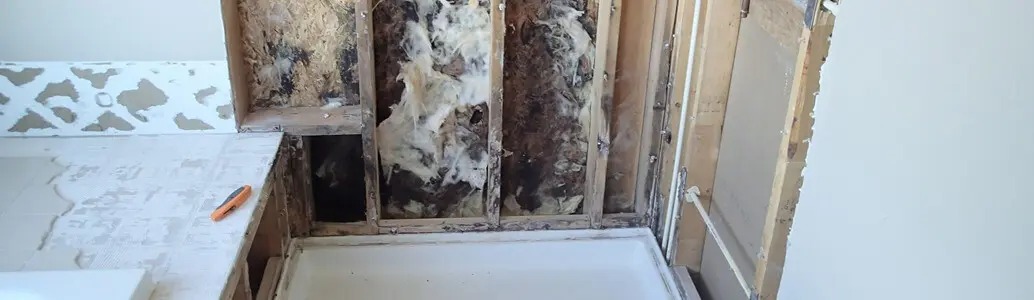
A bathroom fan can run while its discharge route is blocked, disconnected, or pointed the wrong way. Moist indoor air needs a working exhaust path. Check the discharge route with the bathroom ventilation guide; for leaks around the frame and recurring condensation at the window, use the window guide.
Kitchens and laundry rooms: look past the appliance surface
A sink or washing machine can look normal while the cabinet, wall, or floor around it keeps getting wet. A leak at a visible supply or drain connection can soak the cabinet backing or spread beneath a floor finish.
Dark buildup on a washer gasket is a problem inside the appliance. Water coming up around floor tile or baseboards points to the connections, the drain, or the building materials nearby. Improperly vented clothes dryers can also raise laundry-room humidity, even when washer connections are dry.
When I was deep cleaning the laundry room I noticed water bubbling up between the tile.
Water at a tile joint puts the flooring below in question, even when the top of the tile looks intact.
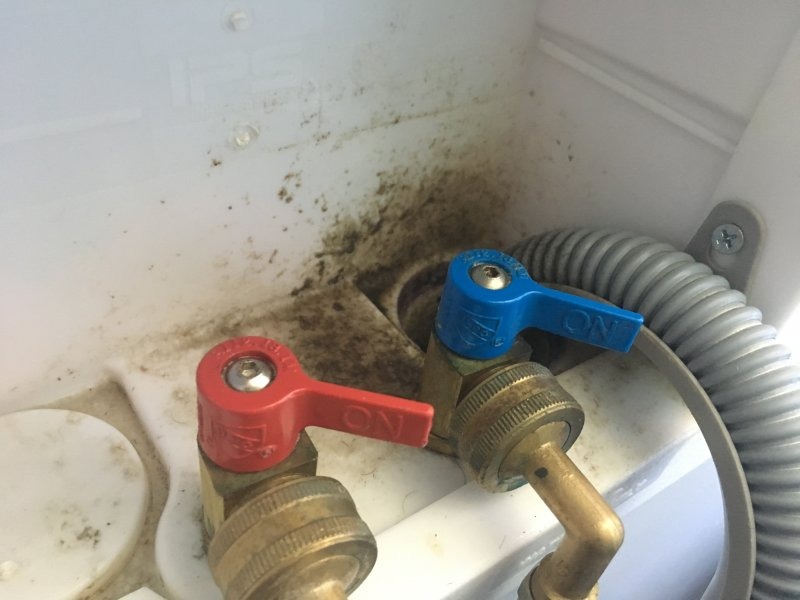
Check only the plumbing connections and surfaces you can reach, and note whether dampness appears when the appliance runs. Leave powered equipment and concealed floor assemblies alone.
A refrigerator follows the same inside-or-outside split. A damp door gasket needs care that follows the manufacturer’s instructions, while wet flooring behind the refrigerator is a building-material problem.
Basements and crawl spaces: where is the water entering?
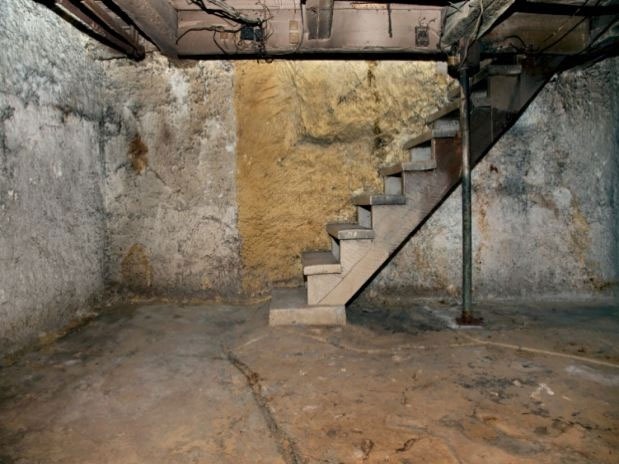
A basement can be damp because of drainage or groundwater, an indoor plumbing problem, or persistent humidity. What separates them is when and where the water appears.
Moisture along a foundation wall after storms points to an exterior water route. Dampness that follows plumbing use points to a nearby pipe or drain. A broad musty smell and persistently damp air point to moisture conditions throughout the space.
In a crawl space, the underside of the floor, visible joists, and insulation can show moisture affecting the house above. Look from a safe opening and don’t crawl into a cramped or hazardous space.
After flooding, EPA advises drying affected materials within 24 to 48 hours. Sewage or otherwise contaminated water changes the safe cleanup procedure.
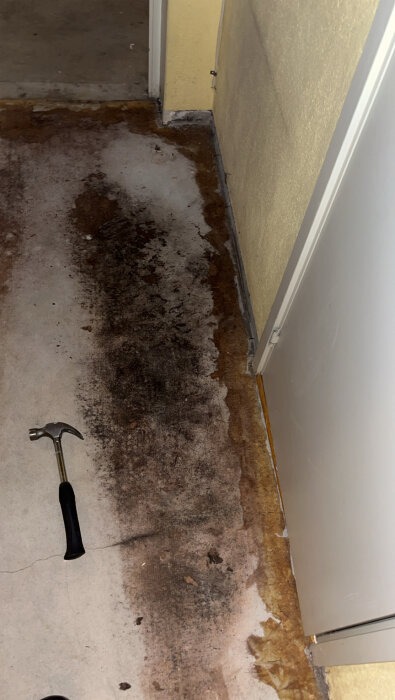
Concrete, finished wallboard, and carpet padding react differently to prolonged wetting. Water seeping in below grade belongs with the basement guide, while damp structure and insulation under the house belong with the crawl-space guide.
Attics, ceilings and bedrooms: follow water from above
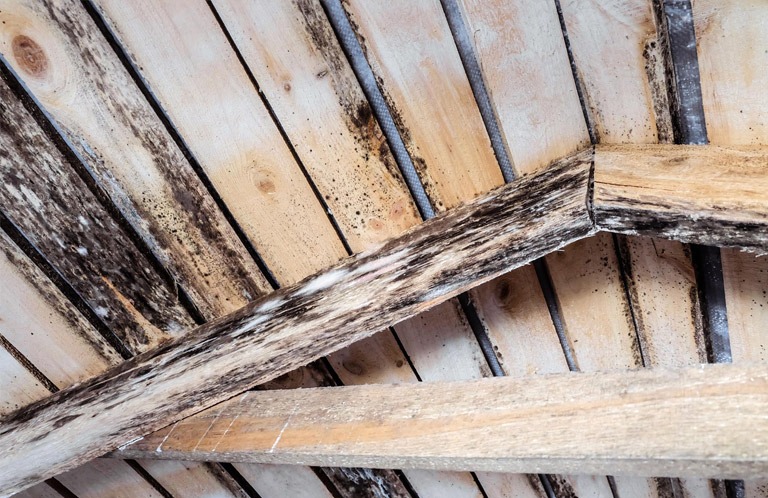
A stain on an upstairs ceiling can come from roof intrusion, plumbing above the room, or moisture building up in the attic. Water can travel across framing or concealed materials before it reaches the painted ceiling.
Roof sheathing and insulation can be wet while the room below looks dry. A soft or sagging ceiling signals more than discoloration on an otherwise dry finish.
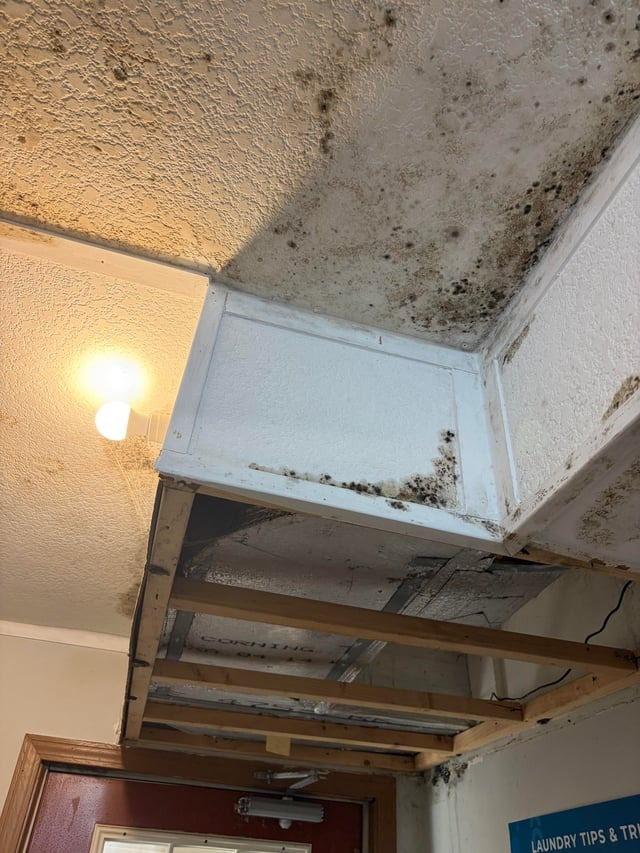
We discovered the bathroom fan vent has been leaking warm air directly into the attic.
Air leaving a bathroom carries moisture with it, and a misdirected discharge delivers that moisture to another part of the house.
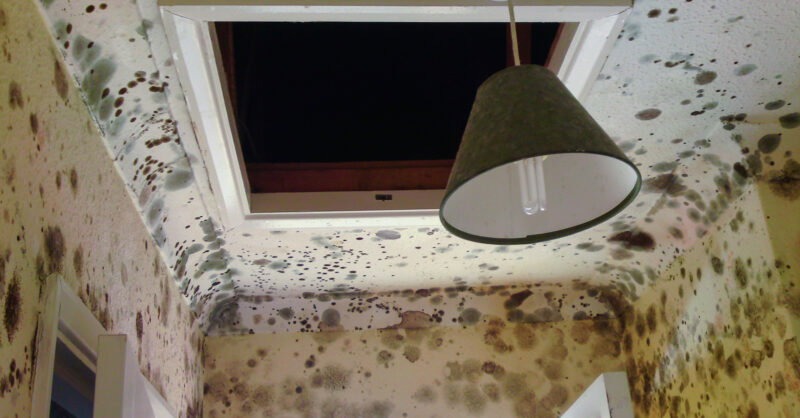
Bedroom corners and closet walls can also show moisture from exterior surfaces or concealed water entry. Note whether the marks follow rain, recurring condensation, or a known overhead leak.
If the marks follow the roof or poor attic ventilation, start with the attic guide; if they show up as overhead staining on the finish, the ceiling guide fits better.
Air conditioners, ductwork and dehumidifiers need separate decisions
An air conditioner has three places where moisture shows up: the condensate area, a removable filter, and the powered interior.
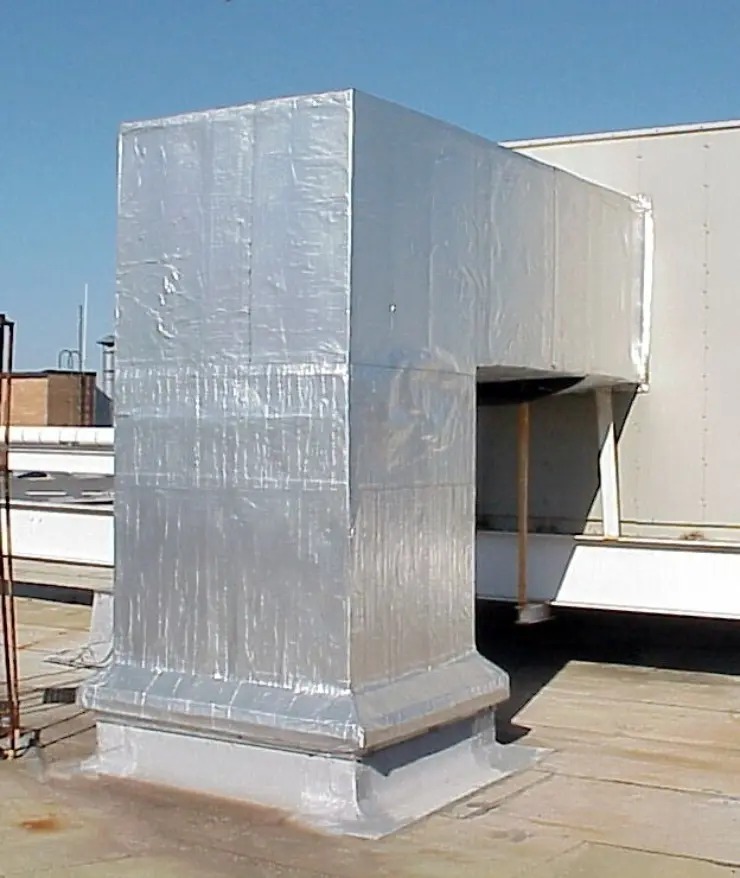
If an HVAC system is known or suspected to be contaminated with mold, EPA advises not running it until the problem is addressed, because operation can spread contamination. EPA also explains that wet or moldy insulation in insulated ductwork cannot be effectively cleaned and should be replaced. A hard duct surface needs its own assessment. For more detail, see the EPA air duct guidance.
- Accessible removable part: Maintain a filter or other removable part following the model’s instructions.
- Internal unit or insulated duct: Don’t spray chemicals into equipment or take ductwork apart to investigate suspected growth. Internal electrical or cooling-system work needs a qualified technician.
- Dehumidifier tank: Standing water and growth inside the device need appliance cleaning. Lowering room humidity does not clean mold already growing on a wall.
For residue at a vent or growth in a dehumidifier, see the HVAC duct guide and the dehumidifier guide.
The visible patch may be downstream from the leak
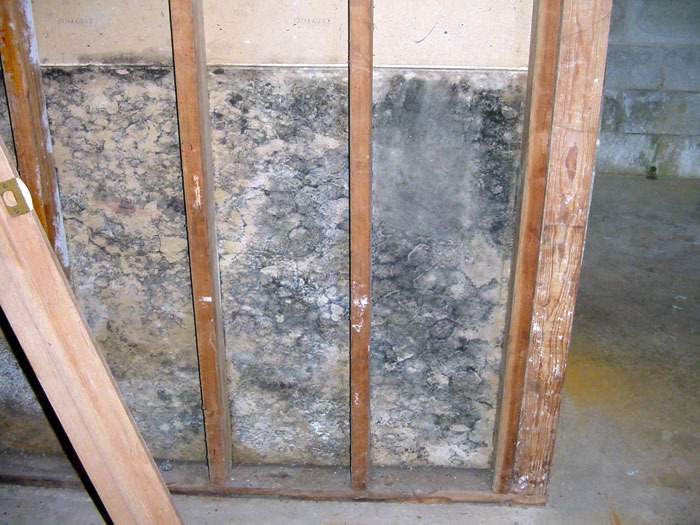
Water entering at a roof joint, pipe, or adjoining room can soak drywall, subflooring, or insulation out of sight. A stain on the exposed finish can appear some distance from the entry point.
Softened wallboard, swollen trim, repeated moisture, musty odor, or changes on an adjacent surface justify investigating hidden water damage. Dark color alone does not identify a mold species or show how far growth extends.
EPA does not require routine sampling to decide on cleanup when mold is already visible. It also has no federal numerical indoor mold-spore threshold that would serve as a universal safety clearance.
Record what you can observe without disturbing a suspected concealed area:
- Where: Room, surface, approximate visible area, and the adjoining room or floor.
- When: First appearance and any recurrence.
- Water conditions: Rain, plumbing, appliance operation, or known leakage near the event.
- Materials: Wet flooring, swollen trim, softened wallboard, or insulation visible from a safe position.
- Access: Whether the area is exposed and safe to see, or hidden behind a finish.
When the source or extent is still unclear, check the accessible places first before opening anything.
A wipeable surface and a waterlogged wall are different jobs
What has absorbed the water determines how much material needs attention. The EPA basic mold cleanup steps describe cleaning hard surfaces with detergent and water, then drying them thoroughly. Wet or moldy porous material needs to be removed when contamination reaches material that cannot be cleaned effectively.
| Material | Why it matters | Next direction |
|---|---|---|
| Smooth hard surface | Can be cleaned and dried properly if you can reach it | Household cleaning for that surface |
| Shower grout or caulk | Surface spotting is different from water behind failed joints | Bathroom location guide |
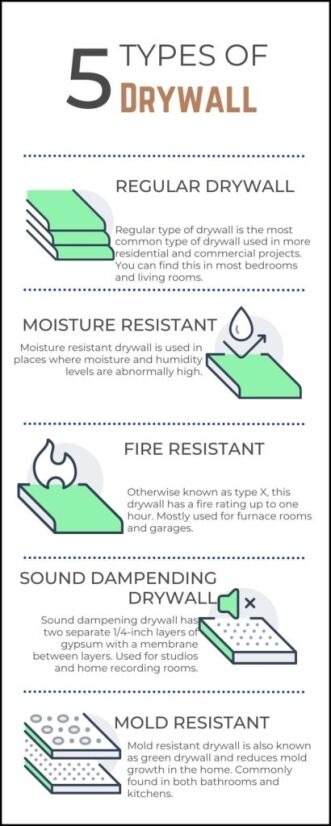
| Drywall or ceiling board | Wet backing and hidden cavities complicate cleanup | Drywall guide |
| Carpet and padding | Absorbent layers hold water and contamination | Carpet guide |
| Concrete or masonry | The moisture source and surface condition change the job | Basement moisture guide |
| Wet insulation or concealed assembly | Access and possible spread complicate the work | Professional scope guide |
Paint or mold-resistant coating over existing mold leaves the contamination underneath. Next to a window frame, saturated wallboard is a bigger problem than the frame itself.
Choose the next guide and verify the water problem
After repair and cleanup, confirm the water source is fixed, the materials are dry, the mold is gone, and no visible mold or moldy odor remains. Later checks should show no new water damage or growth.