
Mold on Ceilings: Condensation or Water Leak?
Clean it yourself only if the ceiling is dry and solid, the patch is small, and you have already fixed what made it wet. Call a professional if you see active dripping, bulging or soft material, a wet light fixture, old textured coating, or moisture trapped under the finish. Then check that the source stays dry.
Dark spots above the shower can come from steam hitting a cold ceiling. A stain that keeps spreading under an upstairs bathroom can come from water passing through the ceiling structure.
Before anything else, check whether the ceiling is safe to approach
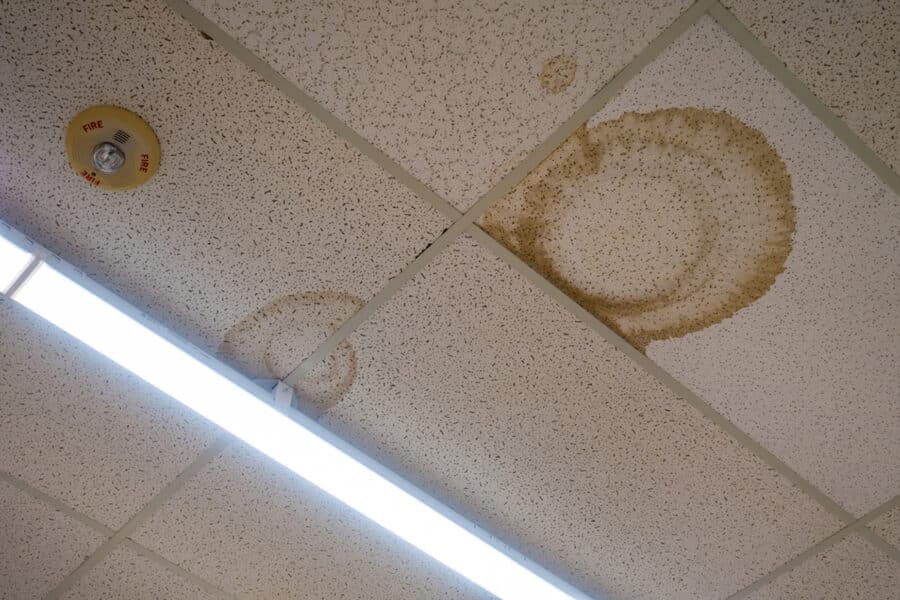
Some water-damaged ceilings should stay untouched until a professional looks at them.
Keep clear of the area and get help if you notice:
- Bulging or sagging: The ceiling is swollen, cracking, shedding material, or visibly deforming.
- Active dripping: Water is coming through the ceiling, especially near a light or electrical fitting.
- Soft drywall: The board is soft, severely swollen, or falling apart.
- Old textured coating: A sprayed or textured finish may contain asbestos, and the work would disturb it.
Do not puncture a bulge, scrape an uncertain finish, or touch wet electrical equipment. Leave electrical isolation and unsafe overhead repair to an electrician or a repair contractor.
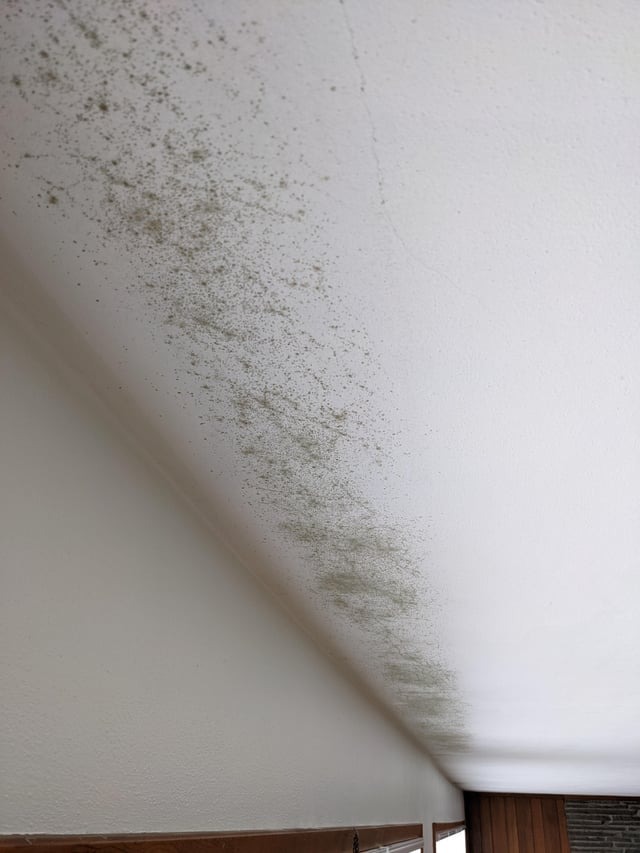
Age and appearance cannot tell you whether a textured ceiling contains asbestos. EPA advises having a professional assess suspect material before you disturb it.
Even on a stable ceiling, some people should not do the cleaning. The CDC’s mold cleanup guidance says people with allergies, weakened immune systems, underlying lung disease, or chronic respiratory conditions such as asthma or COPD should not take part in mold cleanup.
Condensation or a water leak? Read the clues
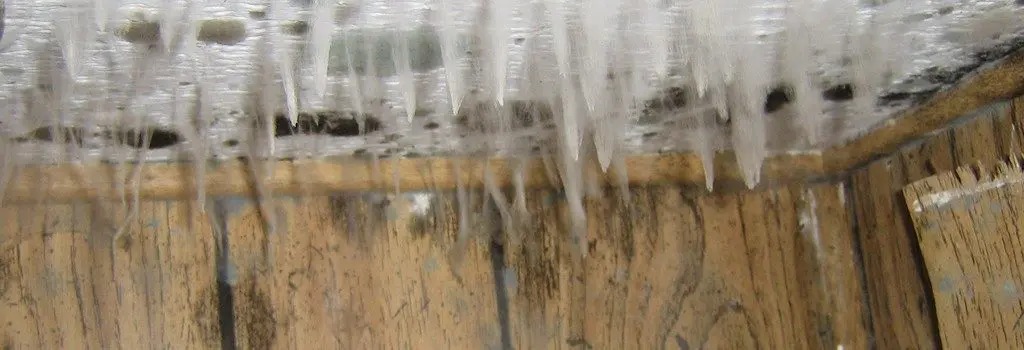
Condensation forms when humid room air hits a cold ceiling. A leak shows up after rain or snowmelt, or after someone uses the plumbing above the room. Where the marks are and when they appear tell you where to look first. Condensation or a concealed leak in bathrooms and at windows follows the same clues.
| What you see or notice | Points to condensation | Points to a leak |
|---|---|---|
| Scattered small spots near a cold ceiling edge | Check indoor humidity and cold surfaces when the spots track humid periods | Check the roof or attic if the area also changes after rain |
| Marks appearing after hot showers | Check shower humidity and the bathroom exhaust | Check where water enters if staining also follows use of an upstairs fixture |
| A spreading stain or blistered paint | Possible where a cold or repeatedly wet surface explains the location | Look first for water entering the structure, especially if the dampness is new |
| Changes after rain, snow, or thaw | Temperature changes can also increase condensation on cold surfaces | Check the roof, flashing, or attic when the stain follows precipitation |
| A mark below an upstairs bathroom | Possible when the room below is humid and the surface is cold | Check the plumbing if the mark changes after someone uses an upstairs fixture |
| Clues point both ways or show no clear timing | Check every possible cause before choosing a surface fix | |
A ceiling below a bathroom that changes after rain still needs a roof or attic check, even though plumbing lies above it. When the cause is unclear, trace the water before you guess what’s behind the wall.
From a safe spot, write down where the marks appear and what happened before they changed. Photos taken under similar conditions help you tell a stable old stain from a growing one. Dark color alone does not identify the mold species or the source, and some apparent mold is staining or another material entirely.
A room hygrometer adds context. EPA recommends indoor relative humidity below 60%, ideally between 30% and 50% when possible. These are room-air values. A cold ceiling can collect condensation even when the room reading looks fine, and the reading cannot tell you whether the material above the paint is dry.
Trace the water above the ceiling before choosing a remedy
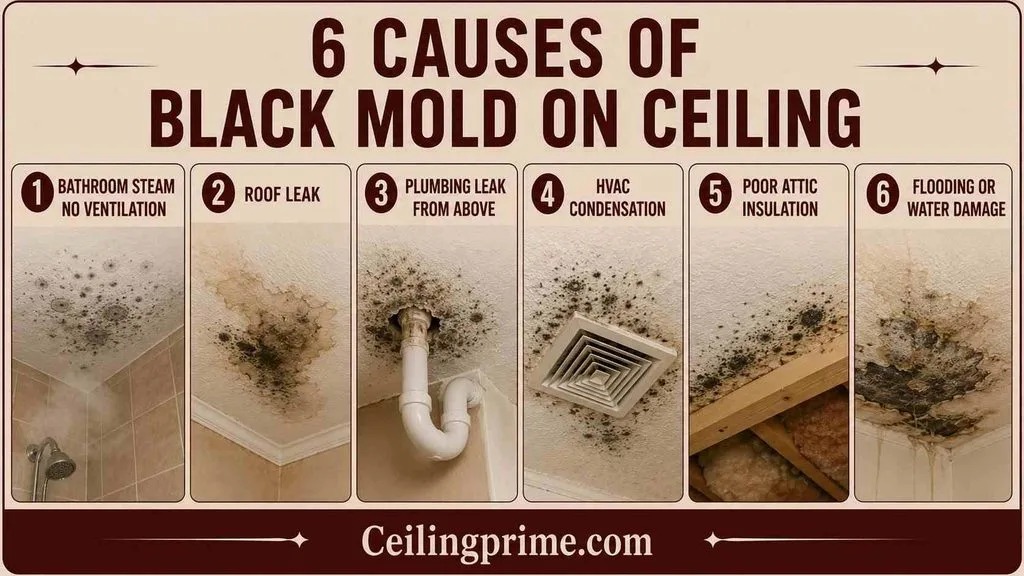
A stain marks where water or discoloration became visible. Moisture can travel along framing or concealed surfaces before it shows.
- Under a roof or attic: Roof covering, flashing, skylights, attic moisture, and ice dams in some climates can all contribute. A repaired roof entry can still leave wet material beneath it.
- Below an upstairs bathroom or kitchen: Several fixtures and lines may share the space above the stain. Supply connections, drains, sinks, tubs, and toilets all belong in the plumbing check.
- Above a shower: The bathroom fan’s exhaust duct may be disconnected, damaged, or discharging into the ceiling or attic. A running fan tells you the motor works. Where the duct ends needs a separate check.
- Near an attic or cold ceiling edge: Insulation gaps, cold surfaces, and moving humid air can cause localized condensation. The ceiling structure and the climate affect the cause.
The US Department of Energy’s August 2021 Consumer Guide to Durable Attics names bathroom exhaust discharged into attics as an important moisture source. It also describes roof and flashing leaks, ice dams, and water vapor movement.
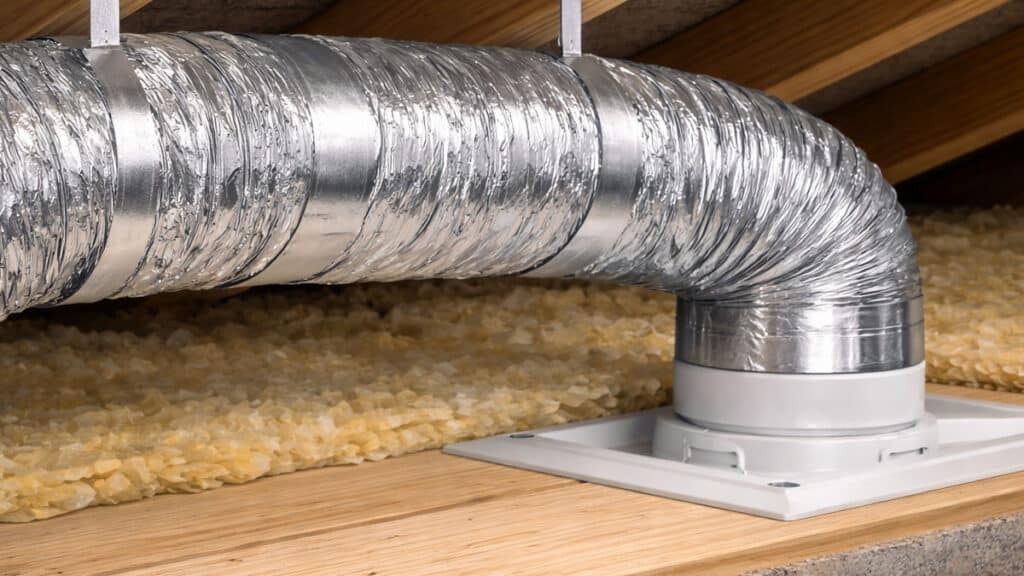
Call a professional when checking means a roof visit, opening the ceiling, or entering a hazardous space.
After fresh water damage, EPA recommends drying affected areas and items within 24 to 48 hours where possible to reduce mold risk.
Can the ceiling be cleaned, or does the material need replacement?
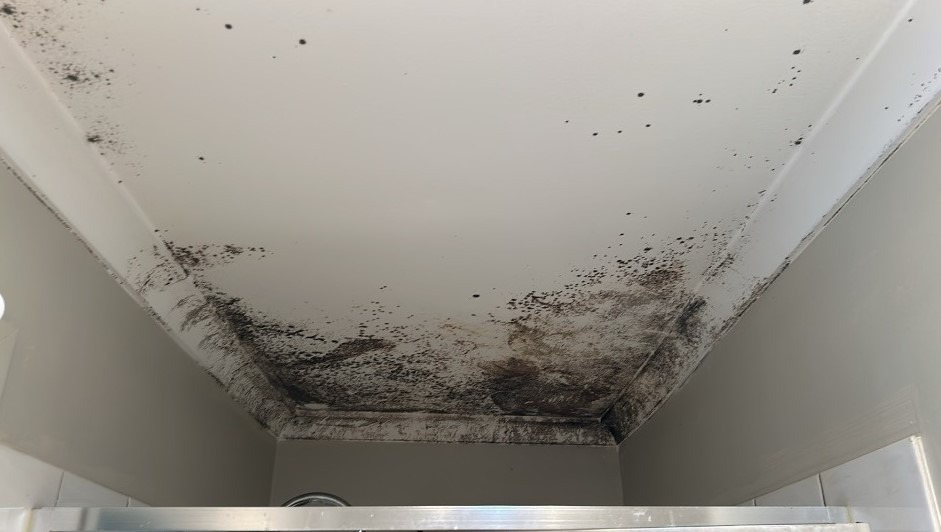
The condition of the material decides whether surface cleaning makes sense. EPA notes that moldy porous ceiling tiles may need to be discarded.
| Material or condition | What matters | What to do |
|---|---|---|
| Small patch on sound, intact, washable finished surface | The coating and the material under it are dry, stable, and can take gentle cleaning | Clean the surface if it is dry and firm |
| Soft, sagging, swollen, or repeatedly wet drywall | Paper facing, gypsum core, or hidden materials may be compromised | Get an assessment. The board may need removal and replacement |
| Moldy acoustic or absorbent ceiling tile | Porous material can be hard to clean completely | Check whether to discard and replace it |
| Sound finished plaster | Finish, substrate, and exposure history affect how well it cleans | Evaluate the surface and check for hidden damage |
| Older sprayed or textured coating | Disturbing it may expose a suspect hazardous material | Have the material assessed before anyone disturbs it |
| Wet insulation or suspected cavity contamination | The problem extends behind the visible finish | Get a professional investigation and remediation |
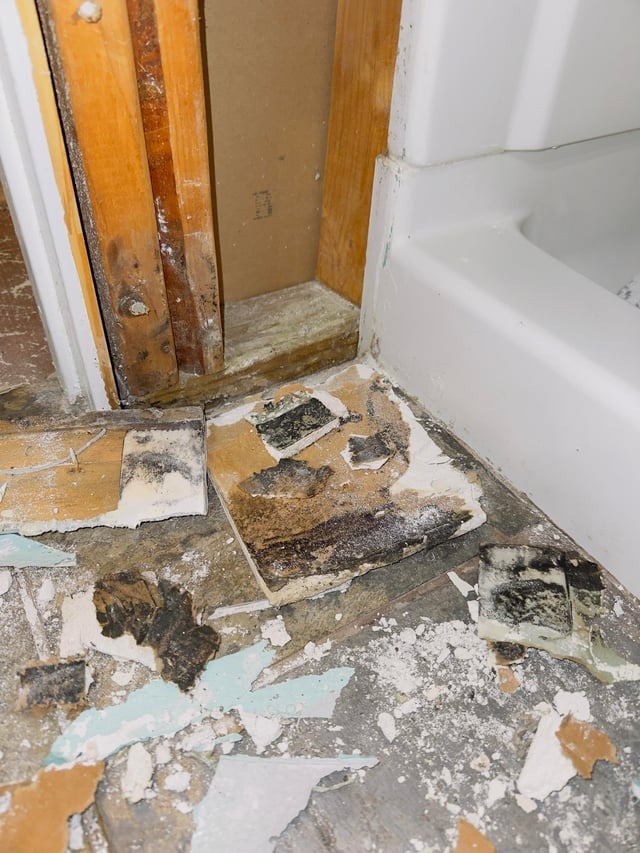
Paint can hide the condition of the paper face of gypsum board or the insulation behind it. A ceiling can look dry on the room side after dripping stops while the structure above stays wet. Base material decisions on the water-exposure history and any inspection findings.
Where damage reaches into the structure, the job can include removing damaged material, fixing the moisture source, drying, and rebuilding.
When you can clean a small patch yourself
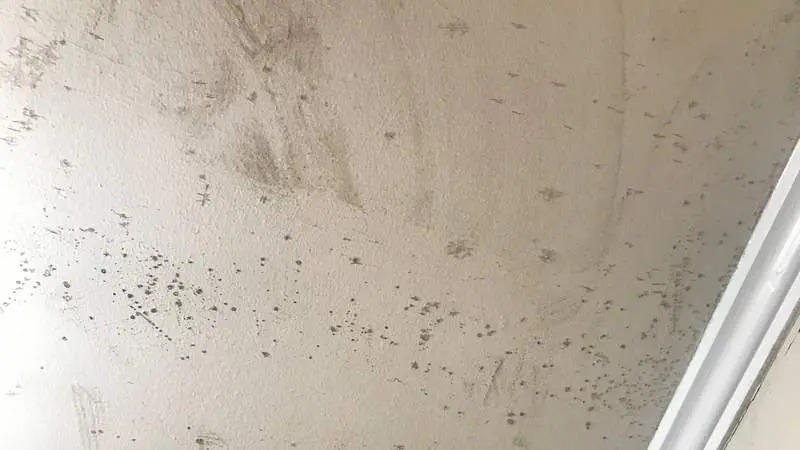
DIY cleaning works only for a small, accessible patch on a stable, dry, intact, washable finish, after you have fixed the moisture source.
The EPA homeowner cleanup guide says a homeowner can often handle an ordinary mold problem smaller than about 10 square feet, roughly 3 by 3 feet. Extensive water damage, contaminated water, HVAC involvement, hidden contamination, a hazardous finish, or other complications change the decision even when the visible patch is small.
- Wear protection. Use at least a NIOSH-approved N95 respirator, protective gloves, and goggles.
- Remove visible growth gently. On a washable finish, clean the exposed surface with detergent and water. Avoid soaking paper-faced or fragile ceiling material.
- Let it dry completely. Stop if the finish peels, goes soft, or exposes deeper damage.
- Refinish only after cleaning and drying. Paint or caulk applied over untreated mold can peel and leave contamination behind.
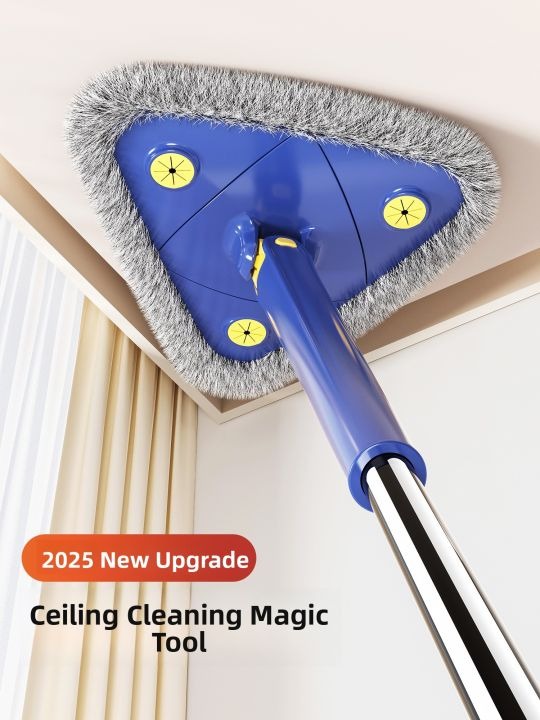
EPA does not recommend routine biocide use for mold remediation. You still need to physically remove mold residue. CDC permits bleach for some household cleanup situations, but never mix bleach with ammonia or other cleaners.
Why ceiling mold returns after cleaning or painting
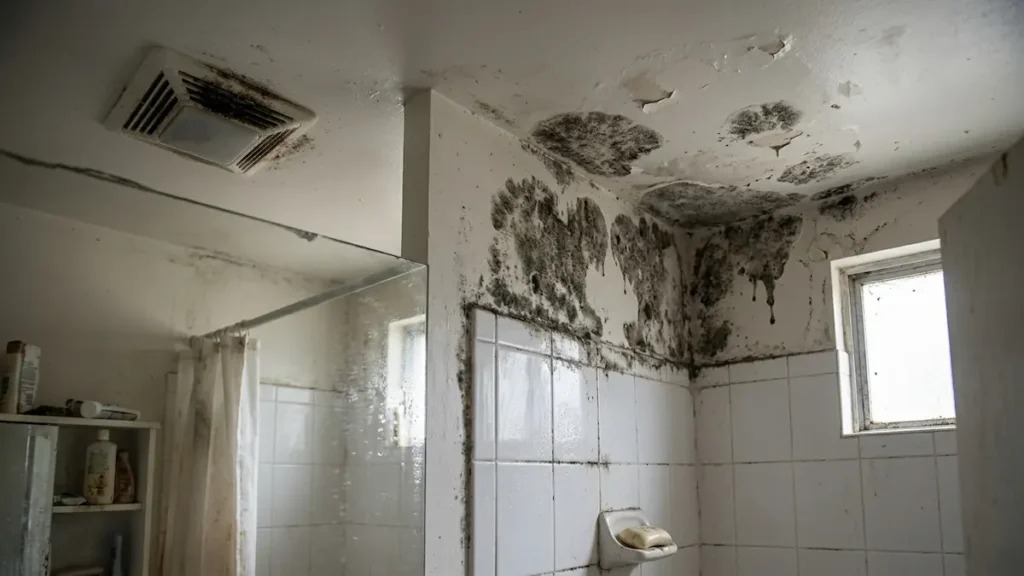
Returning spots can mean moisture is reaching the area again, although discoloration alone does not prove new mold growth. Repeated shower humidity, a cold ceiling, or an exhaust duct emptying into an attic can sustain condensation. A continuing roof or plumbing leak can wet the material from above. If spots return after surface cleaning, investigate the unresolved source before doing more cosmetic work.
Who should inspect or repair it, and what should they demonstrate?
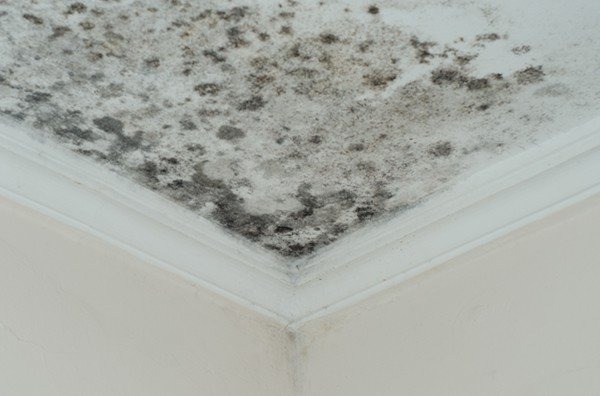
Fixing the source and cleaning up contaminated materials are often different trades.
- Roof, flashing, skylight, or rain-related entry: A roofer or building-envelope specialist can investigate.
- Water from an upstairs kitchen or bathroom: A plumber can check fixtures, connections, supply lines, and drains.
- Exhaust or cold-surface condensation: An HVAC or home-performance specialist can assess ventilation and building conditions.
- Wet electrical fittings: An electrician handles the electrical hazard.
- Damaged or contaminated ceiling materials: A restoration or mold-remediation specialist can handle removal, containment, cleaning, and drying.
- Possible asbestos-containing finish: An accredited asbestos professional can assess the material before it is disturbed.
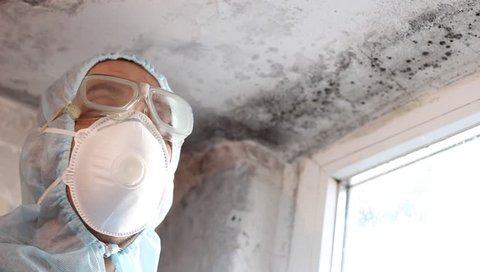
Before you approve significant work, ask the contractor to explain the diagnosis and how the work addresses it:
- Cause: What visible finding or measurement supports the moisture source they name?
- Repair: Which leak, duct problem, or condensation mechanism will they correct?
- Materials: What stays, what comes out, and what findings support that scope?
- Responsibility: Who handles source repair, remediation, reconstruction, and any separate electrical work?
- Completion: What evidence will show the ceiling is dry and the fix worked?
ANSI/IICRC S520-2024 is a professional mold-remediation standard. It does not set a single nationwide contractor licensing rule. Requirements depend on the jurisdiction and the work.
If you rent, keep a dated record of the ceiling’s condition, relevant rain or plumbing events, prior maintenance visits, and your communications with the landlord or property manager. Report the problem through the property’s established channel. Repair permissions and legal responsibilities vary by location.
Do I need laboratory testing before a professional addresses visible mold?
Usually not. Visible growth makes sampling generally unnecessary, according to EPA. If testing is proposed, it should answer a specific unresolved question during investigation.
How to verify the ceiling is dry and the problem is solved
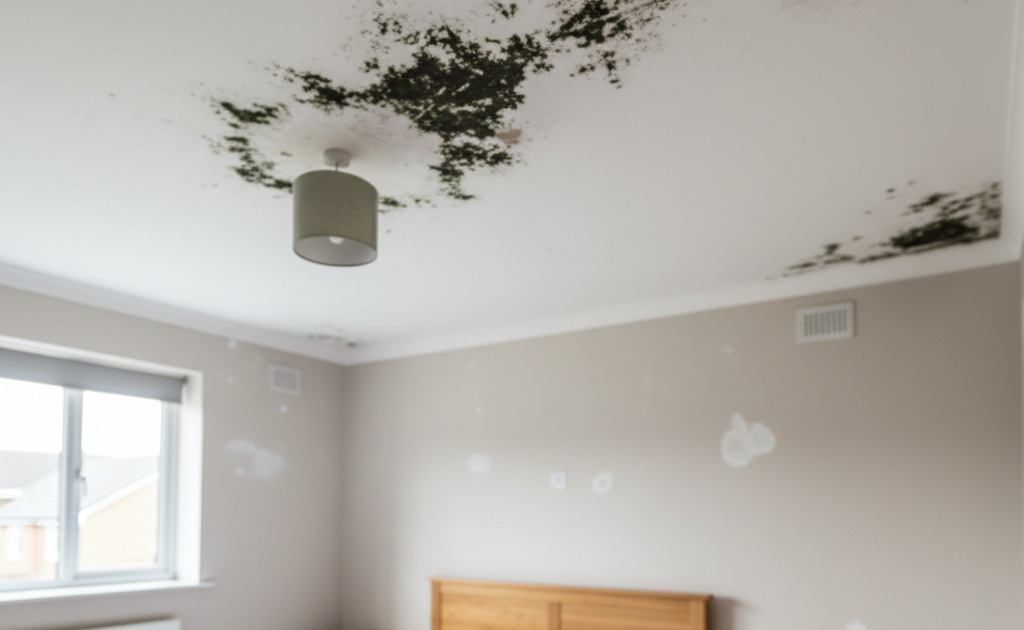
Check the ceiling after the next rain, after a few showers and after someone uses the plumbing above it.
EPA’s Mold Course, Chapter 7 recommends checking that moisture problems have been fixed, visible growth and moldy odors are gone, and any later signs of renewed damage get addressed.
Test the fix against the event that revealed the problem: rainfall after roof work, fixture use after plumbing repair, or showers and ventilation after a condensation fix.
| Check after | What to record | What to watch and do next |
|---|---|---|
| Rain following roof work | The documented roof repair and any renewed entry | Watch for dampness, staining, or odor. Note who checked, and arrange roof follow-up if needed |
| Shower or exhaust operation | The corrected exhaust route and room humidity | Watch for returning condensation or spotting. Note any ventilation problem that remains |
| Use of repaired upstairs plumbing | The repaired fixture or line and how it was used afterward | Watch for new dampness or discoloration below. Note whether the plumbing check must continue |
| Ceiling material remediation | The source repair and drying measurements | Look for clean, sound remaining material. Keep the contractor’s completion findings |
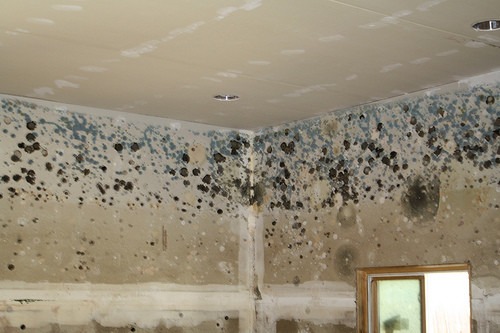
Where water entered a concealed structure, a professional inspection and moisture measurements may be needed before it is closed or refinished. This guidance sets no universal drywall moisture percentage, and EPA sets no federal indoor mold-spore number that certifies a building as safe. Start with the water source, then decide when moldy drywall must be replaced.
Persistent musty odor, renewed visible growth, new staining, or continuing dampness after repair means you should reassess the source and the material.