
DIY Mold Cleanup: Methods, Safety Limits, and Stop Signs
You can clean a small, isolated mold patch yourself if it sits on a sound, accessible hard surface, the moisture source is fixed, and no other hazard applies. Hidden or extensive damage, contaminated water, suspected HVAC involvement, or a health risk for the person cleaning means you should get an assessment or call a qualified remediation professional first. The main guide’s section on DIY or professional sets out where the line falls.
Can You Clean This Mold Yourself?
A small patch on intact bathroom tile is a smaller job than growth along a damp basement wall. Before you pick a cleaning product, work out how much material is affected, whether the surface is sound, and whether water or mold could be hiding behind it.
The EPA homeowner mold guide says you can handle an area smaller than about 10 square feet, roughly 3 feet by 3 feet. Significant water damage, contaminated water and other hazards can make even a smaller patch a poor fit for routine DIY cleaning.
| What you find | What to do | What decides it |
|---|---|---|
| Small growth on sound, accessible tile, glass or another cleanable hard surface | Clean it yourself | Moisture is fixed and no other hazard applies |
| Small patch beside wet wallboard, loose tile or swollen trim | Check the materials first | Moisture or damaged backing may be hidden |
| Damage involving sewage or other contaminated water | Hire an experienced professional | Contaminated water is beyond an ordinary surface job |
| Known or suspected mold contamination in an HVAC system | Don’t run the system; get a specialized evaluation | Running it could spread the contamination |
| Extensive growth or substantial water damage | Call a qualified remediation professional | The scope and materials need a broader assessment |
| Cleanup would be done by someone at higher health risk | That person shouldn’t do the cleaning | Their health risk decides who can take part |
An isolated spot on sound shower tile, once a condensation problem is fixed, can be cleaned on its own. The same spot beside freshly wet drywall needs a check of the material and the moisture first.
Find the Moisture Source Before Choosing a Cleaner
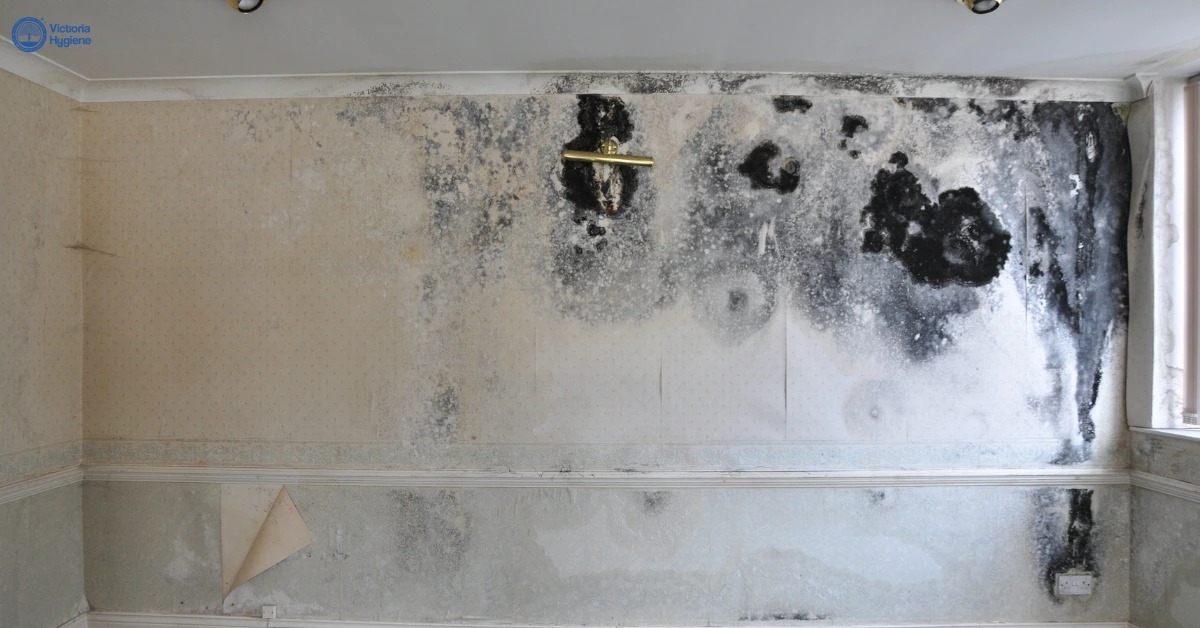
Mold grows where moisture is available. Surface cleaning won’t hold if a leak, recurring condensation or water intrusion keeps wetting the material.
Water beading on a bathroom window and water seeping from under shower tile need different checks. Damp trim at the edge of a basement can involve material beyond the painted face. Note what you can see, fix the source, and only then treat the cleaned surface as a finished repair. Paint does not stand in for cleaning, so check whether painting over mold is safe before you reach for a brush.
EPA recommends drying wet materials and areas within 24 to 48 hours after a leak or spill to help prevent mold growth, and keeping indoor relative humidity below 60%, ideally 30% to 50%. Ventilation or a dehumidifier can help you stay in that range.
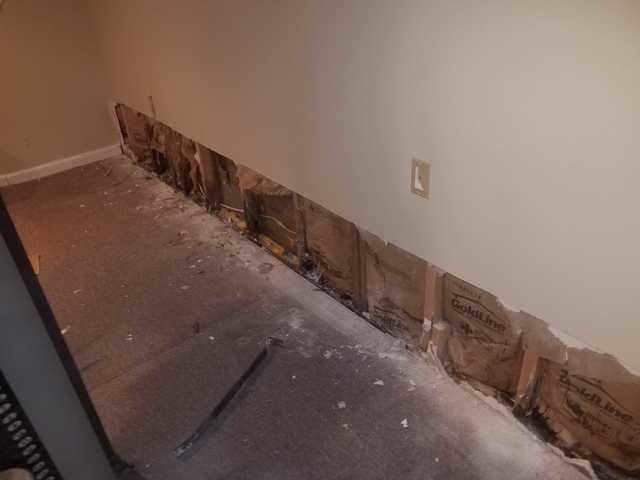
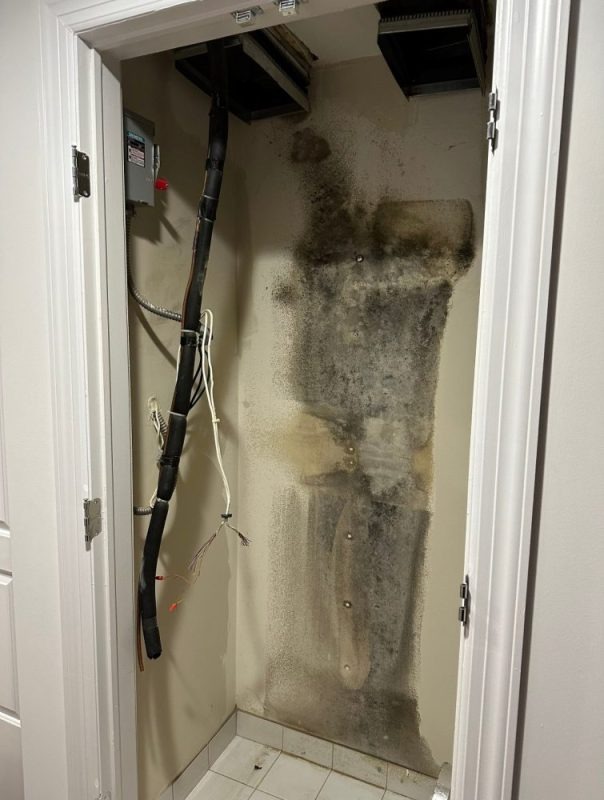
Bought this house 2 months ago, started doing some renovations and found maybe mold? This is the basement on concrete surface, so there was water damage a month ago and we did call water remediation and they did everything. The photos you see were not near the water damage part but the wall trim was. But all the baseboards have these mold and most of them are from outer wall. How to fix these? Who should be call? What would be the best option to do by ourself? We are thinking of cutting the wall and check what’s behind it, I did saw a lizard behind the wall and also the entry of the crawlspace is from this room.
The earlier repair covered the water-damaged area. Trim along the outer walls, or next to a concealed space, needs its own moisture check.
Decide What to Clean and What to Replace
A sound, accessible hard surface can usually be cleaned. Absorbent or deteriorated material can hold growth well beyond the face a sponge reaches. Material-by-material answers are in which moldy building materials need replacement.
The EPA basic mold cleanup steps say to scrub suitable hard surfaces with detergent and water, then dry them completely. Moldy porous items such as carpet and ceiling tile may have to be discarded when full removal is difficult or impossible.
| Material or surface | What to do | What changes the decision |
|---|---|---|
| Intact tile, glass or accessible hard finish | Scrub the surface | Loose tile, wet backing or hidden spread |
| Sound painted finish | Scrub the surface | Peeling, swelling or wet wallboard underneath |
| Drywall or wallboard | Check how absorbent and how sound it is | Soft, crumbly, swollen or saturated board |
| Carpet, ceiling tile or insulation | Some affected material may need to be thrown out | Growth or moisture you can’t fully clean and dry |
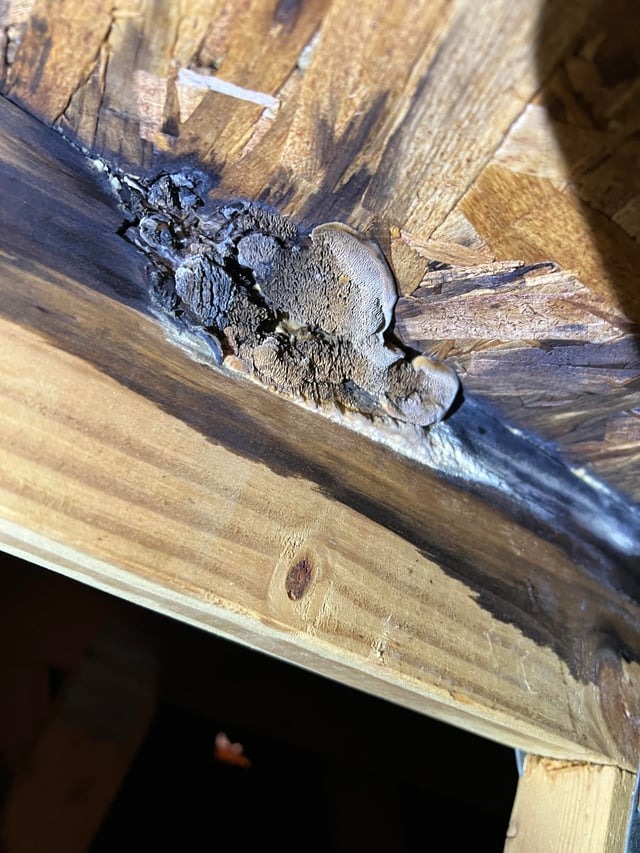
| Wood | Check its condition and how deep the contamination goes | Persistent dampness, decay or possible structural damage |
| Shower grout and caulk around tile | Check the joint and the material behind it | Missing grout or water behind the finish |
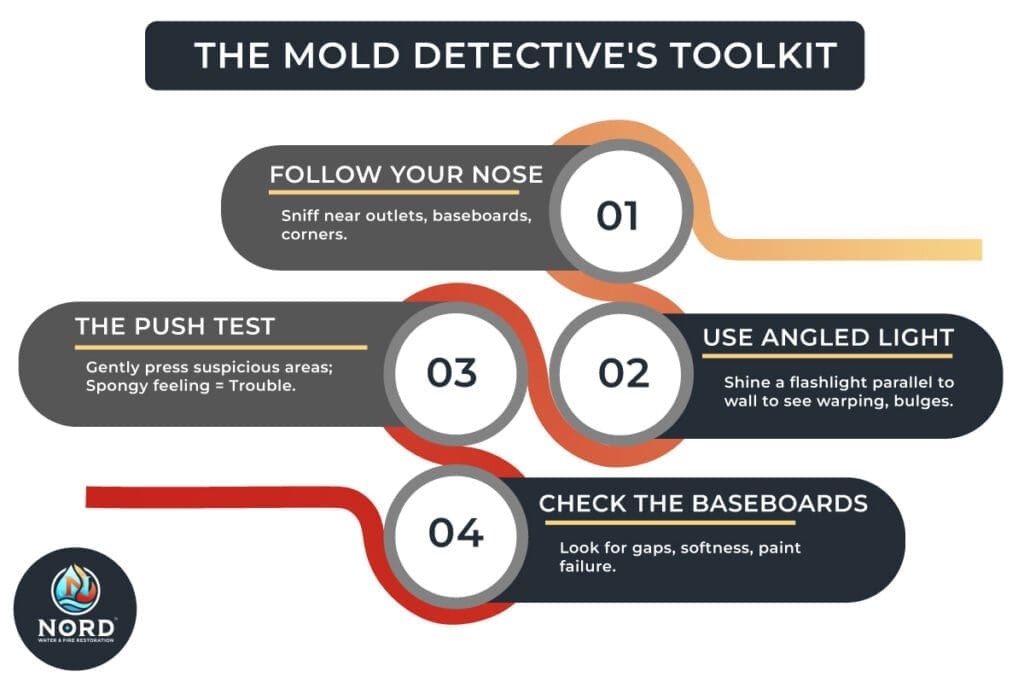
Glossy tile is easy to wipe while the board behind it is soft or wet. Cleaning the painted face of deteriorating drywall leaves the real problem in place.
Whether you can save a porous item depends on its condition, how far the contamination goes and whether you can clean and dry it fully. For valuable or sentimental items, ask a restoration specialist.
Protect Yourself and Other Occupants
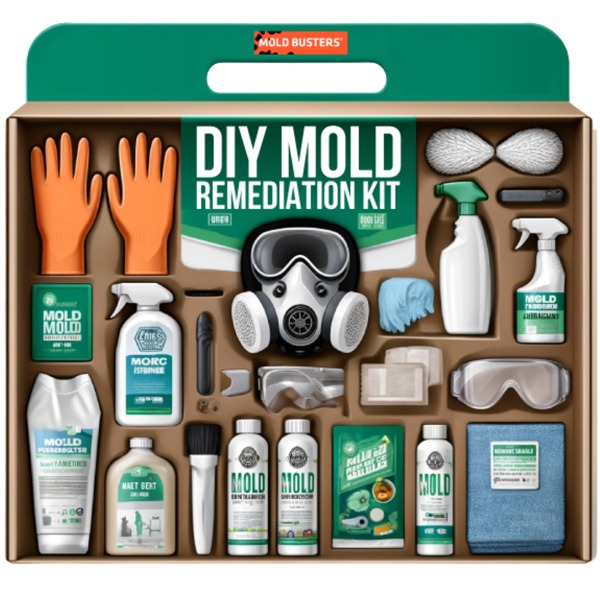
Even a small cleaning job can stir up mold. Before you start, decide who should stay away and what protection you need.
CDC’s February 16, 2024 mold cleanup recommendations advise people with allergies, immune suppression, asthma, COPD or other underlying lung disease not to do mold cleanup. They also advise people with asthma, COPD or a weakened immune system not to stay in a moldy home, including while cleanup is underway.
If you’re doing the cleaning, wear at least a NIOSH Approved N95 respirator that fits properly, protective gloves and goggles without open vents. Keep children and bystanders away from the work area, and ventilate while you use any cleaner. Read how to choose and fit respirators, gloves and goggles before you start.
A respirator doesn’t turn a sewage-damaged wall cavity or extensive demolition into an ordinary homeowner job. That work needs its own assessment and precautions.
Pick a Cleaning Method
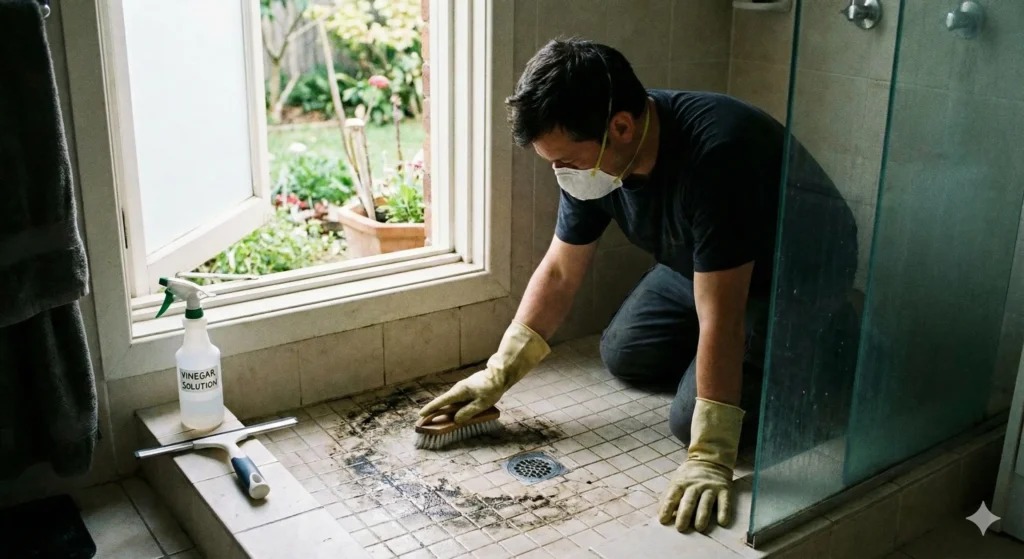
For a suitable hard surface, EPA’s basic method is physical cleaning with detergent and water, then complete drying. Chemicals play different roles, and a stain that visibly fades can still leave material behind.
EPA doesn’t recommend bleach or other biocides as a routine mold-removal method. CDC allows household bleach in some cleaning situations. Dead mold can still cause allergic reactions, EPA notes, which is why physical removal matters.
| Method or tool | Where it helps | Limitation |
|---|---|---|
| Detergent and water | Physical cleaning of suitable hard surfaces | Can’t reach growth inside damaged porous material |
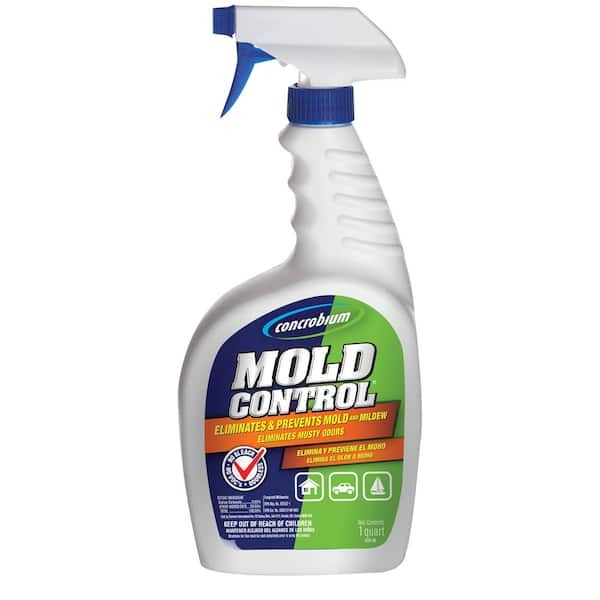
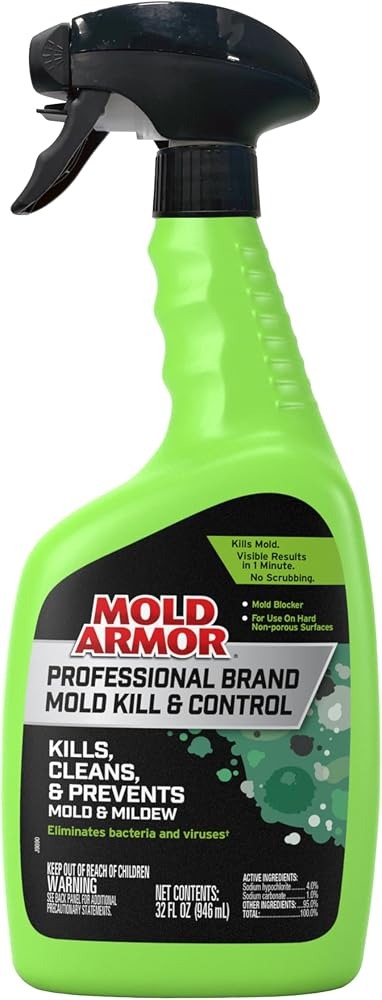
| Household bleach | Cleaning, following CDC guidance and the product directions | Doesn’t replace removal, drying or repair of water damage |
| Vinegar or another home remedy | Check that it suits the material first | Can’t fix the moisture source or clean growth inside damaged material |
| Portable HEPA air cleaner | Filters airborne particles as a supplement | Doesn’t remove surface growth or repair damp materials |
| HEPA remediation vacuum | Final dust cleanup after drying and removal in a remediation process | Doesn’t replace removing damaged materials or fixing moisture |
| Dehumidifier | Moisture control | Surface growth still has to be removed |
| Paint, primer or new caulk | Finishing, after cleanup and drying | Coating over mold is not remediation |
Never mix bleach with vinegar, ammonia or any other household cleaner. Choose between bleach, vinegar and detergent by the surface and the product label.
The Basic Sequence for a Small Patch
- Protect the work area and yourself.
- Scrub the accessible hard surface with detergent and water.
- Remove the loosened residue carefully.
- Dry the material completely.
- Paint or caulk only once the surface is clean and dry.
When to Stop Cleaning
Stop if new evidence shows the problem extends past the surface you meant to clean. Water coming out of a tile joint, crumbling backing, loose finishes or suspected growth in a cavity all change the job.
EPA’s guidance for remediation in schools and commercial buildings says to reevaluate the plan when hidden mold turns up. At home, treat the same finding as a reason to reassess the damaged material and the water source before you disturb more of the structure.
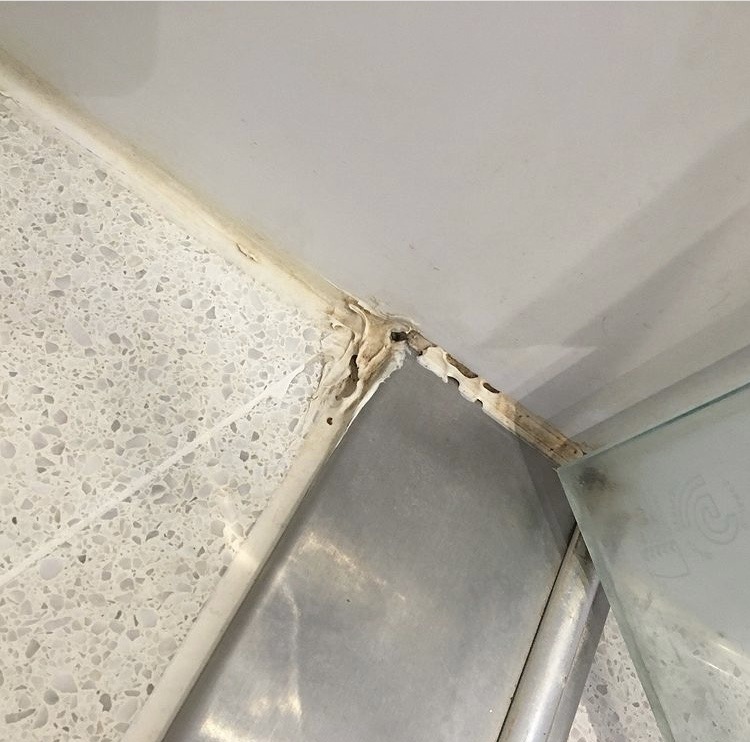
Yesterday, while deep cleaning my shower, I scrubbed off some silicone caulking (which was applied poorly by the previous owners and was already peeling) because I could see black mold behind it in spots. I’ve resisted doing this for the last year or more because I had a feeling that in doing so, I’d be opening Pandoras box. Once I started scraping off the silicone, it became clear there was no longer any grout behind it. The caulking I removed was covered in black mold, and a bit of nasty water seeped out from some of the tiles. I assume this means there’s mold behind at least some of the tiles and they’ll need to be removed. I sprayed a shitload of 3% hydrogen peroxide into the now gaping cracks and now I’m too overwhelmed and disgusted to determine next steps, aside from closing the bathroom door and never opening it again.
As you can see in the photos, most of the shower tiles are in great shape. Issue is the bottom row and underneath the bench.
I spent 2 hours deep cleaning this bathroom yesterday, and now it’s a fucking biohazrd site. What are the chances we only have to remove some of the tiles and how much is this going to hurt?
When water or deteriorated material appears behind a finish, stop disturbing it and get a hidden-damage or professional assessment.
How to Tell Whether the Cleanup Worked
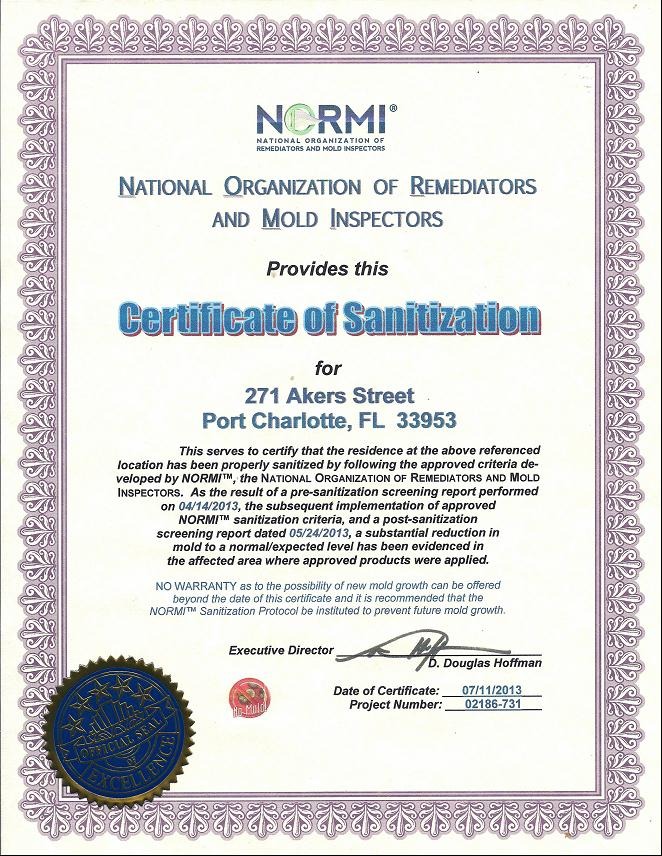
A successful cleanup leaves the area clean and dry, with the moisture problem fixed. EPA also calls for a return visit shortly afterward to look for renewed growth or water damage.
- Moisture corrected: The leak, condensation or water intrusion has been fixed.
- Material cleaned: Visible growth is physically removed from the surface, or the affected materials have been properly handled.
- Area dry: The treated material stays dry.
- No moldy odor: No moldy smell remains.
- Follow-up clear: A return visit shortly after cleaning finds no fresh water damage or returning growth.
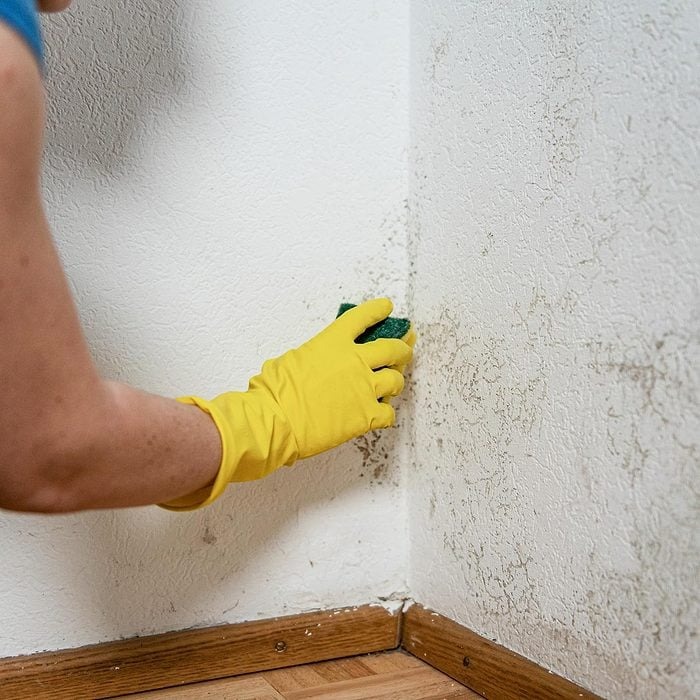
A cleaned surface can keep a cosmetic stain. Returning growth, constant wetness or a moldy smell means you need to recheck the moisture source and any concealed material.
Do I need a mold test to confirm the job is done?
Visible mold generally doesn’t need routine sampling under EPA guidance, and the agency has set no federal numerical limit for mold-spore concentrations. A consumer test kit can’t certify a home as mold-free or medically safe. A qualified professional may use sampling for a specific investigation or to verify a result.