
Can You Paint Over Mold? When Mold-Resistant Paint or Primer Makes Sense
Usually, no. Ordinary paint and mold-resistant primer go on a solid surface only after you fix the moisture problem, remove the mold, and let the material dry. The one narrow exception is an EPA-registered mold-killing coating, used only on the surfaces and under the conditions its label allows. Wet or damaged surfaces need more work first.
Can you paint over mold? The narrow exception
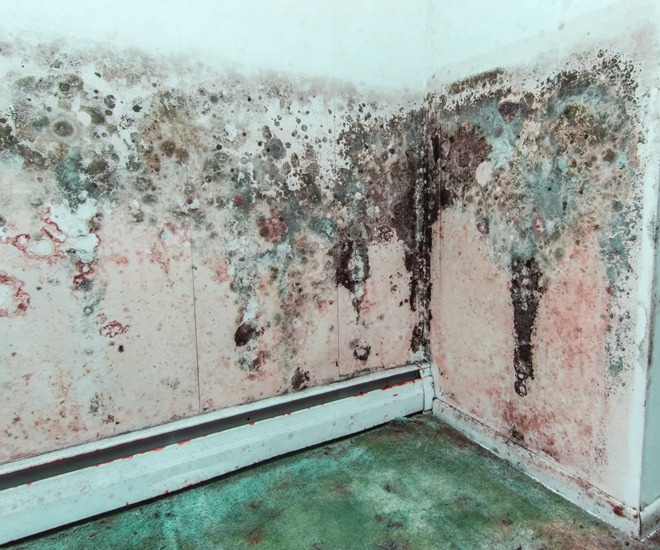
Ordinary interior paint is the last step, after the mold is cleaned up. The EPA’s basic mold cleanup instructions warn that paint applied to moldy surfaces is likely to peel. A specifically registered fungicidal coating can treat existing surface mold under its label directions, with strict limits on where you can use it.
When to stop before opening the paint can
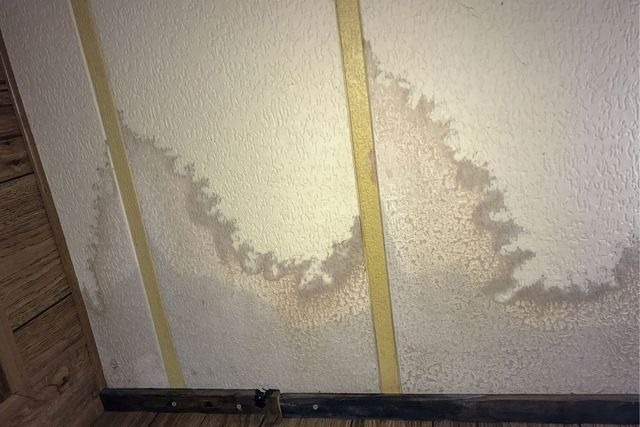
Put the paintbrush aside if the surface is still getting wet, the material is falling apart, or the problem goes beyond a simple surface cleanup. A dark mark on a solid, finished wall is a different repair from a sagging ceiling under a leaking bathroom.
| What you find | Painting decision | Next step |
|---|---|---|
| Small surface growth on solid, reachable finished material | Possible DIY cleanup before repainting | Find the moisture source, then clean the surface |
| Active leak or recurring condensation | Stop | Fix the water or ventilation problem |
| Soft, crumbling, sagging, or saturated drywall | Stop | Remove or replace the damaged material |
| Suspected growth inside a wall or HVAC system | Stop | Call a mold contractor |
| Sewage or contaminated floodwater exposure | Outside routine DIY cleanup | Call a mold contractor |
| Extensive visible growth or substantial water damage | Call a pro | Get the full extent of the damage mapped before any work |
| Vulnerable occupant or hazardous preparation conditions | Stricter rules apply | Check exposure risks and other building hazards before you disturb the area |
What counts as a small DIY mold problem?
The EPA’s guide to mold and moisture says homeowners can handle an area smaller than about 10 square feet, roughly a 3-by-3-foot patch. That guidance covers simple problems. Hidden growth, contaminated water, or crumbling material can turn even a small patch into a bigger repair.
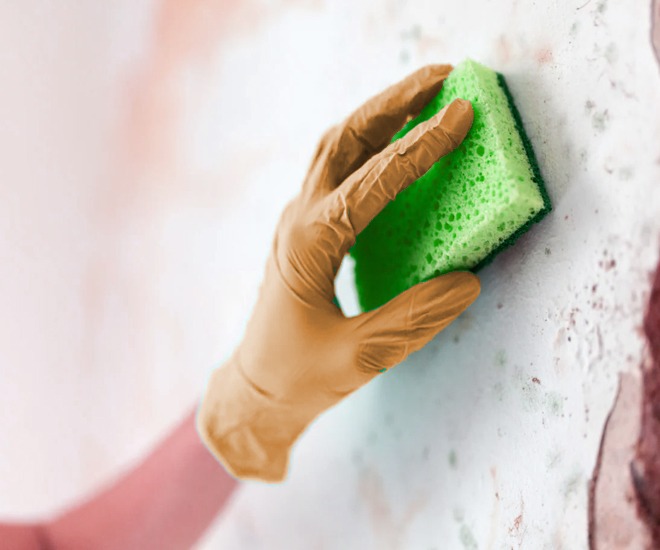
For personal cleanup, CDC guidance calls for at least a properly fitting NIOSH-approved N95 respirator, protective gloves, and goggles. If you have asthma, a weakened immune system, or another condition that raises your risk from mold exposure, don’t do the cleanup yourself.
Old paint adds another hazard. In a US home built before 1978, scraping or sanding painted material can release lead dust. Use lead-safe work practices and bring in a pro where needed.
What happens when mold is painted over
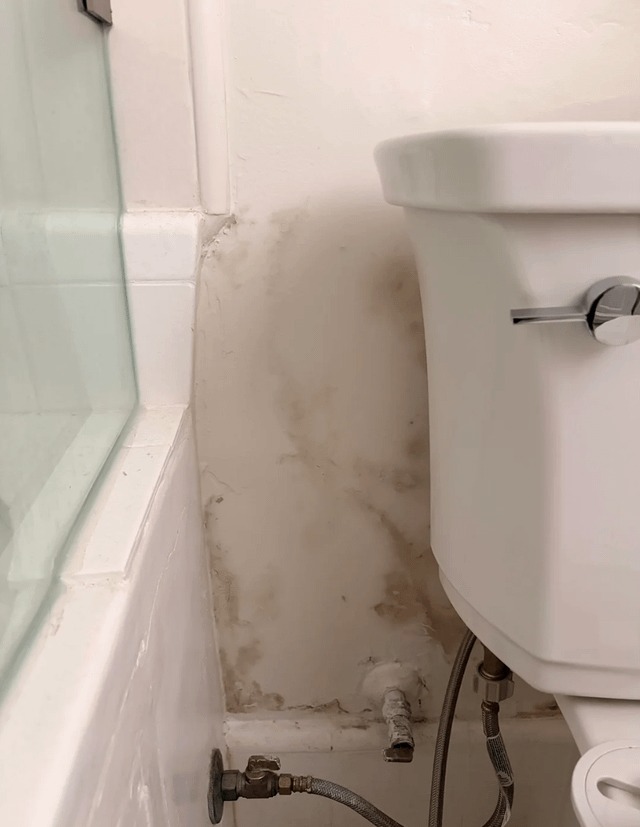
Paint forms a film over the surface. Moisture stays in the wall, behind the coating, or at the source of the original leak. A damp, contaminated, or deteriorating surface also makes it harder for new paint to stick.
The result shows up as blisters, flaking layers, recurring discoloration, or damage you only see once the paint loosens. A freshly painted wall can look fine while the repair underneath is still in doubt. Check the baseboard and the wall behind the paint as described in mold on painted walls and baseboards.
First of all … is this mold? What mold is this? Can mold grow under paint this much in leas than a month? What is that green stuff?
Anyways…We just moved into this apartment a month ago.Landlord said the whole apartment is newly painted and the bathroom was fully renovated. Last week we discovered mold close to the window frame area in the bathroom. I just wiped it away lightly with paper towel. This week I noticed there was more of it. I took a dry sponge and gently wiped the area again. The sponge wiped away the paint as well, which uncovered a lot more mold under it. It seems to me that the landlord had mold, didn’t clean it well and just painted over it with regular paint. No anti mold primer or special paint…..
Is my theory correct?
She told us after we signed the contract that we should air out bathroom and kitchen regularly since we live in an old building(150years). We have been airing out both rooms regularly and yet this happened. Is it possible that the mold would grow under paint in less than a month?
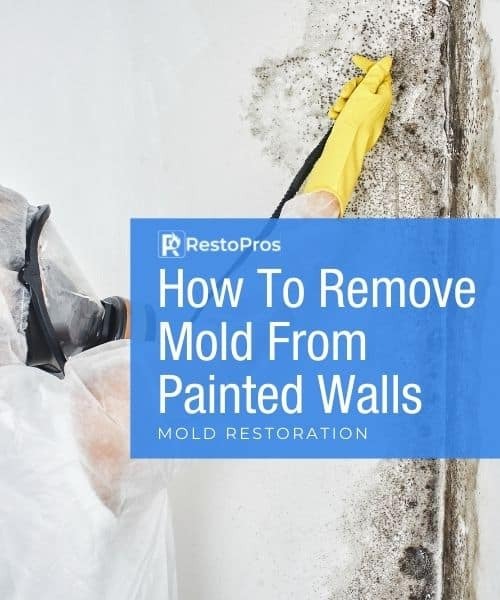
Mold-resistant paint, mold-killing primer, and stain blocker: different jobs
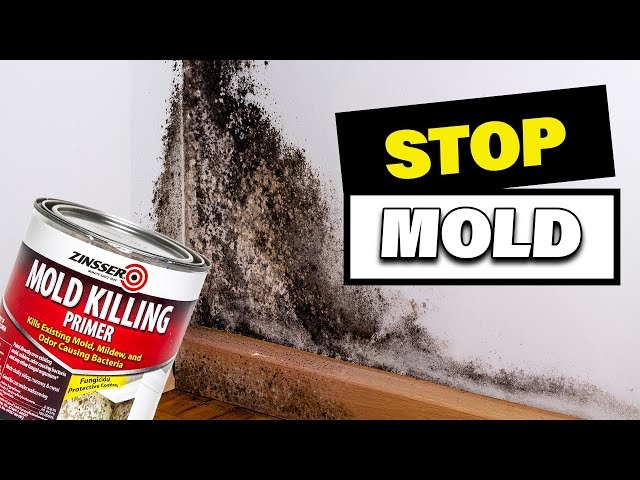
Paint labels describe different functions. Check whether the coating resists growth on its own film, hides leftover discoloration, or carries a registered claim for treating existing surface mold.
| Coating type | Purpose | Suitable starting condition | Existing-mold treatment claim |
|---|---|---|---|
| Ordinary interior paint | Decorative, protective finish | Properly prepared, solid surface | None |
| Mold- or mildew-resistant paint or primer | Resists growth on the coating film | Clean, dry surface after mold removal | None (film resistance only) |
| Stain-blocking primer | Keeps old discoloration from bleeding into the finish | Solid surface with the cause of staining fixed | None |
| EPA-registered mold-killing coating | Treats specified existing surface mold | Permitted surface, preparation, and moisture conditions | Yes, within that particular product’s label |
A film-resistant primer protects the new coating after cleanup. Only a registered mold-killing coating treats existing mold, and only where its label says so.
KILZ Mold & Mildew Primer
KILZ’s mold-paint guidance describes protection against mold and mildew growth on the primer film. It requires you to remove existing mold first and start with a clean, dry surface.
Zinsser Mold Killing Primer
Rust-Oleum describes Zinsser Mold Killing Primer as an EPA-registered fungicidal protective coating. Its EPA Registration No. is 87469-1-69587, and its treatment claims cover qualifying existing surface mold on permitted nonporous surfaces.
The Rust-Oleum product application instructions require you to correct moisture problems and deal with damaged or unsound material first. If the surface has heavy soiling or overgrowth, wet or slimy contamination, or loose material, clean it before applying this primer. Floors, decks, and continuously wet or immersed surfaces are excluded from the stated uses.
Rust-Oleum specifies an application range of 50 to 90°F and a one-hour recoat interval for Zinsser Mold Killing Primer.
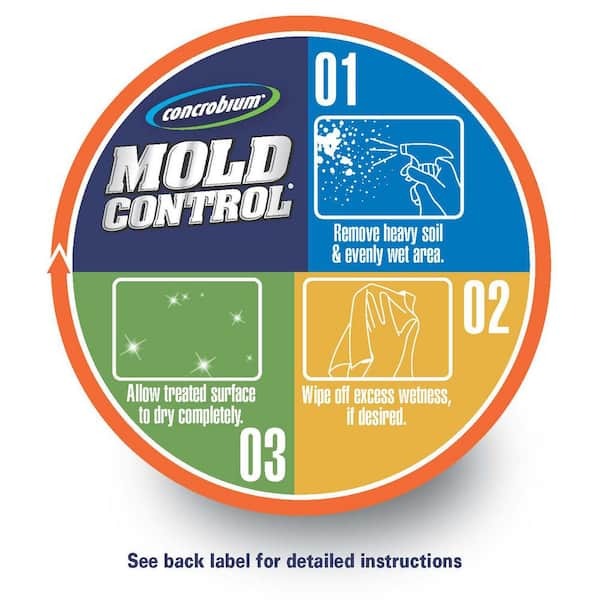
What to read on the actual can
- Exact product: Confirm the exact product and formulation, not just the brand name.
- Type of claim: Find out whether it protects the paint film or treats existing surface mold.
- EPA registration and permitted use: For a registered treatment, check the registration number, approved surfaces, and use directions.
- Preparation: See whether the label requires removing loose material or heavy growth first, and whether the surface must be dry and solid.
- Mixing restrictions: Rust-Oleum says not to thin, dilute, or mix Zinsser Mold Killing Primer with water, other chemicals, or other paints.
- Application and finish: Follow the listed temperatures, drying and recoat times, and finish requirements.
Which surfaces can be repainted?
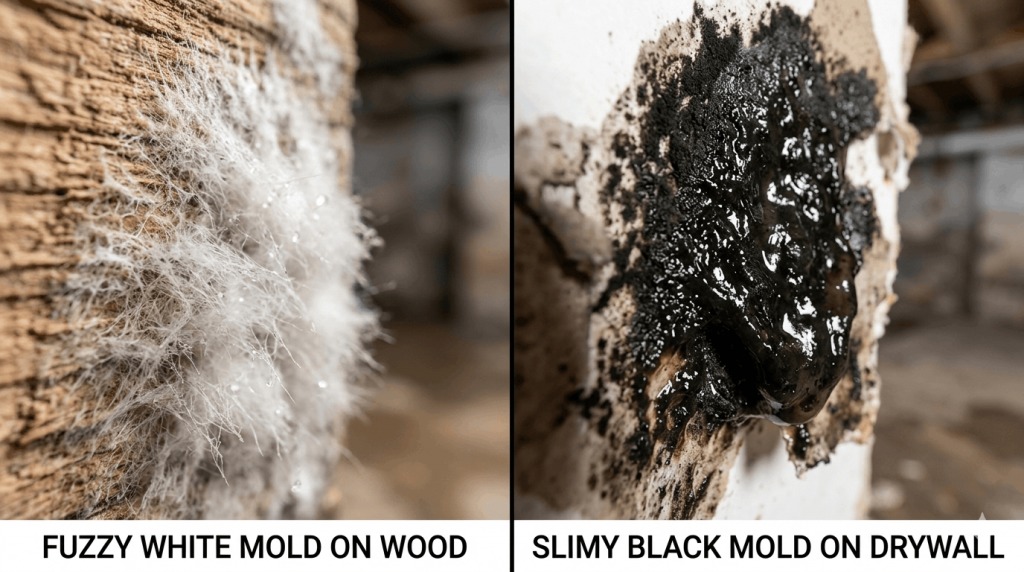
A surface has to be solid enough to clean and to hold a coating. Nonporous finished materials and water-damaged absorbent materials need very different work, even when both show dark patches.
| Material | When you can repaint | Condition requiring more work |
|---|---|---|
| Solid, previously painted hard surface | After cleanup, moisture correction, and drying | Persistent dampness, loose layers, hidden damage |
| Solid wood trim or baseboard | When firm, cleaned, and dry | Softness, rot, wet backing, damaged joints |
| Plaster or masonry | After moisture issues are fixed and the material is solid | Seepage, crumbling, ongoing deterioration |
| Paper-faced drywall | Only where the finished wall stays solid and the mold can be removed | Moldy paper facing, saturation, or growth in hidden layers |
| Insulation, carpet, ceiling tiles, and other absorbent materials | Not suitable for surface cleaning once contaminated | Remove them |
EPA guidance recognizes that some porous materials cannot be cleaned fully once mold has penetrated them. A soft drywall sheet needs replacement even if its surface looks dry enough to paint.
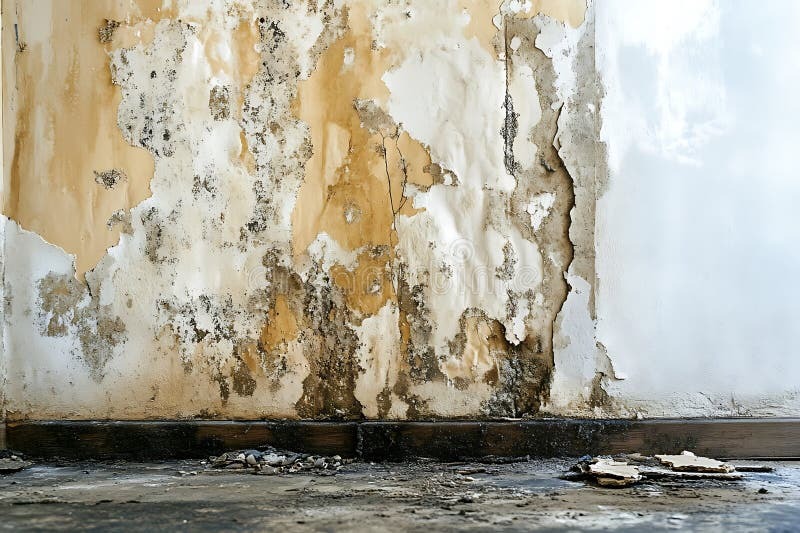
Paper-faced drywall needs extra care because the visible finish and the material behind it behave differently. A photo or a dry-feeling face cannot show how far water or growth reached inside the wall.
For wood trim, check firmness and damage to the joints or backing. For plaster or masonry, look for continued seepage and deterioration before choosing a primer. You can’t tell the mold species, or whether a stain is active growth, from color alone.
How to prepare a previously moldy surface for paint
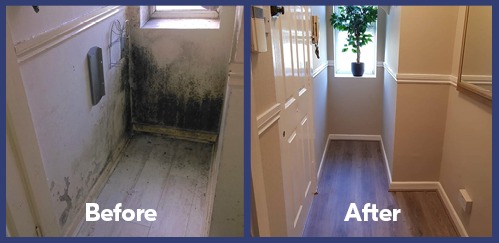
Once the material passes the safety and suitability checks, follow this order.
- Correct the moisture source. Fix the leak, condensation problem, or ventilation failure that affected the surface.
- Clean or remove the affected material. For small hard surfaces, EPA guidance describes scrubbing with detergent and water. Contaminated porous or damaged materials need removal or professional remediation.
- Dry what stays. The surface must be dry and solid enough for the coating you chose.
- Prepare the finish. Remove loose or unsuitable coating using methods that suit the building and any lead-paint risk. If discoloration remains after remediation, use a compatible stain blocker.
- Prime according to the label. Match the product to the material, surface condition, preparation requirements, and drying or recoat times.
- Apply the finishing paint. Choose a finish suited to the room and the fixed moisture conditions. Mold-resistant paint helps protect its film where surface humidity is a concern.
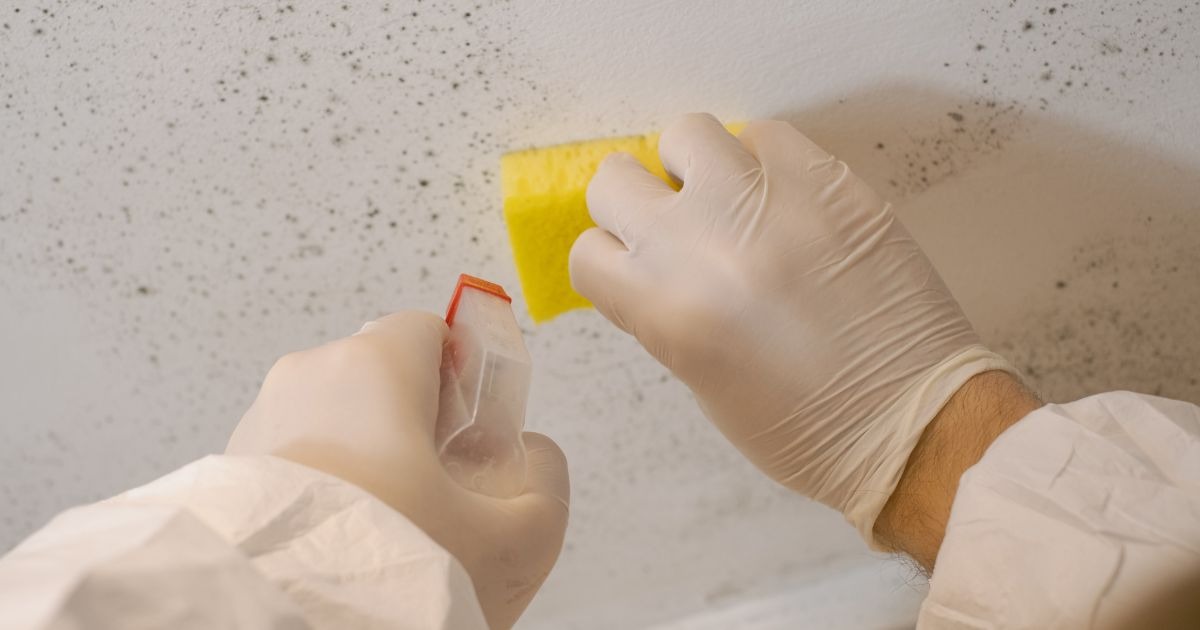
EPA guidance recommends drying water-damaged materials within about 24 to 48 hours when possible to reduce mold growth. This window applies to water-damage response and gives no set waiting time before repainting.
Cleaning aims to remove the contamination. EPA does not recommend routine biocide use as the default cleanup approach, and dead mold can still trigger allergies. Follow product directions, never mix cleaning chemicals, and get help where the material can’t be cleaned safely.
Why new spots, yellow stains, bubbles, or peeling appear
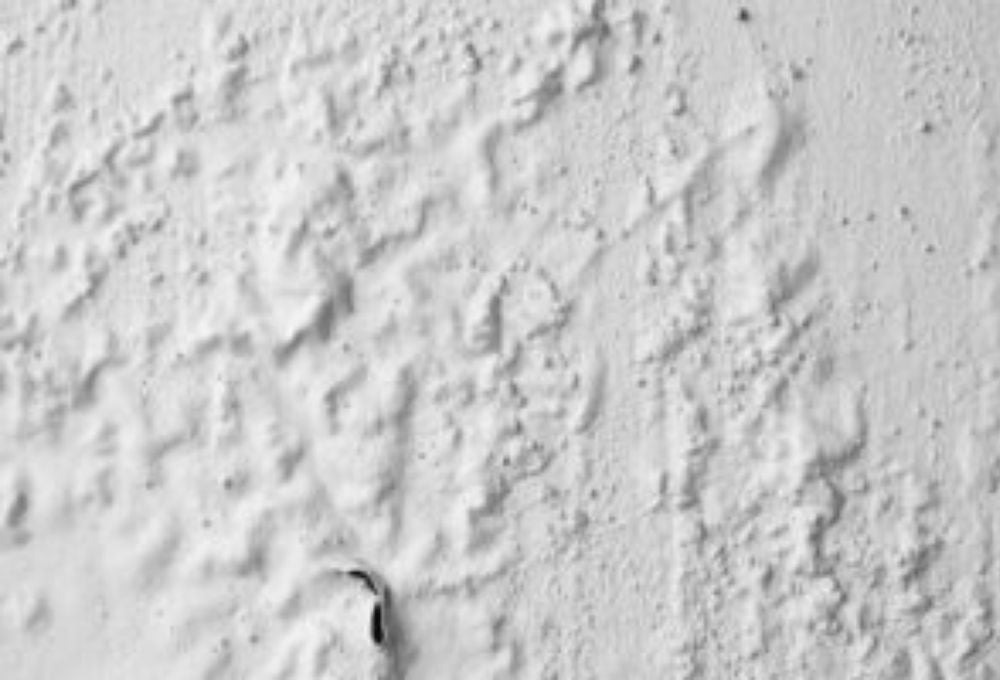
Different paint defects point to different causes. A stain bleeding through the finish, a blister from coating failure, and new dark specks near a damp window should not all get another coat of primer.
| What you see | Possible causes | First useful check | Next step |
|---|---|---|---|
| New dark specks | Moisture, surface growth, residual staining, or incomplete cleanup | Look for condensation, a leak, or spreading marks | Find the moisture source and check the surface |
| Yellow or brown marks through paint | Old water stains, tannins, or other pigments | Check whether water is still getting in | Stop any active moisture first, then use a stain blocker after repair |
| Paint bubbles or blisters | Moisture, coating incompatibility, or adhesion failure | Examine the nearby coating and surface | Find the coating or moisture failure before recoating |
| Paint peeling in sheets | Loose old layers, poor preparation, moisture, or incompatible coatings | Inspect the exposed surface and how well the remaining paint holds | Fix the cause and prepare solid material safely |
| Repeated spots despite ventilation | Persistent humidity, poor ventilation, hidden water entry, or leftover contamination | Check moisture conditions and signs of water damage | Find out why the spots return before any new finishing work |
First decide whether the problem is moisture or the coating. If water is still entering the structure, find the source. If the surface under loose paint is dry and solid, look at preparation, compatibility, and adhesion.
About 8-9 months ago I had a painter/decorator come in to treat my kitchen ceiling for mould – he treated it with a chemical spray, then painted a layer of PVC onto the ceiling, then came back the next day and painted the ceiling white.
Fast forward to now, and the ceiling paint is lifting in big bubbles, then peeling off in huge chunks with a powder left behind on the ceiling. Luckily there’s no mould underneath, but now it’s all patchy where parts have peeled off. I don’t want powder falling into my food while I’m cooking, and I want to sell this place soon so I need to fix it.
What went wrong? Did the painter do it wrong? Or is it humidity from the kitchen (big window, lots of direct sunlight, but little ventilation) and unavoidable if I call someone in to do it again? I’ve never experienced this in previous places I’ve lived!
Please help me out!
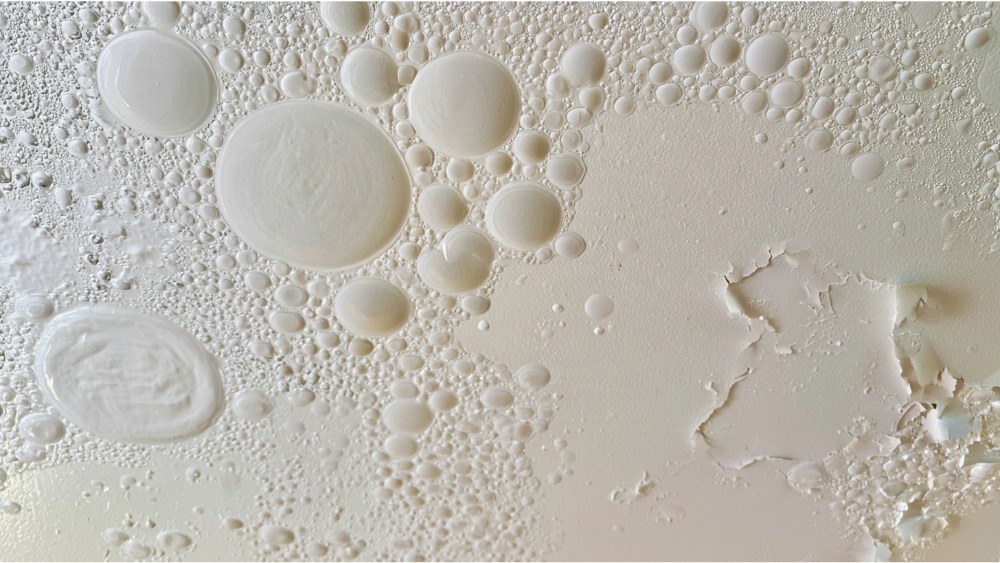
For recurring marks, record the location and whether the patch spreads, changes after wet weather, or returns with condensation. That history helps tell a recurring water problem from a stable old stain.
How to tell if the underlying problem was fixed
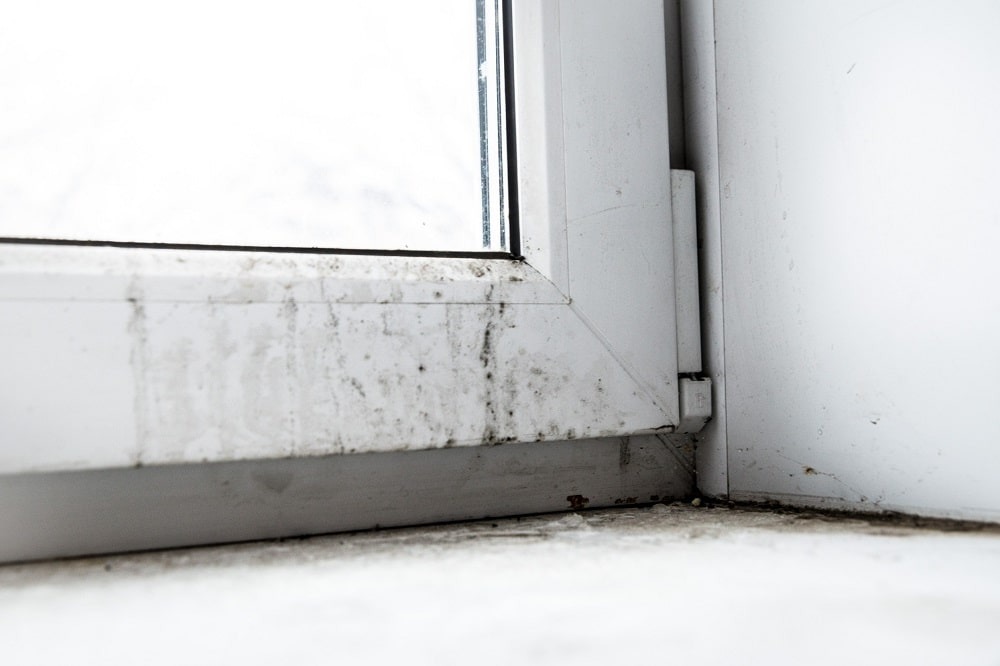
- Water source: You have found and fixed the cause of the leak, condensation, or other water exposure.
- Material condition: Accessible materials left in place are dry and solid, with no visible growth and no lingering moldy smell.
- Repair scope: The work record separates material that was cleaned from material that was removed or replaced.
- Coating condition: The new finish shows no fresh staining, moisture damage, or loss of adhesion.
- Follow-up: If anything changes in the area later, check it against the original repair before you paint over it.
If indoor humidity contributes to surface problems, EPA recommends keeping relative humidity below 60%, ideally 30 to 50%. If signs of leakage persist, look for hidden water entry. If the stain returns, investigate why mold keeps coming back.
Routine air sampling is unnecessary when visible mold already shows cleanup is needed. EPA sets no federal indoor mold-spore threshold that certifies a building as mold-free.
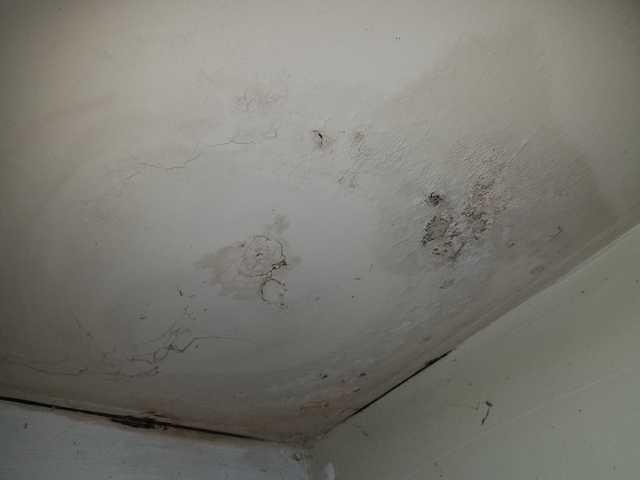
The apartment above had a terrible leak in their shower. First discovered 4 months ago as a major leak with several gallons of standing water on floor in my bathroom and closet. They did a bandaid patch upstairs but nothing to mine for about two weeks when they sprayed Zinsser primer and painted a little.
Two months ago leak returned but much slower. Reported again and actually never heard anything back. About three weeks ago I’m noticing brown water trails down my shower walls and into the drain. Grout lines turning brown and brown stains on wall. Reported the leak again and asked manger to come look. Note every time I reported I mentioned a concern about mold growth and making sure things get dried quickly. They never made any attempts at drying. Manager looked, sent Servpro in the following week. Maintenance painted over a two foot square patch of mold in closet. Then heard nothing for a week. Then a flood from upstairs water pouring down my wall.
When to bring in a professional and what to ask
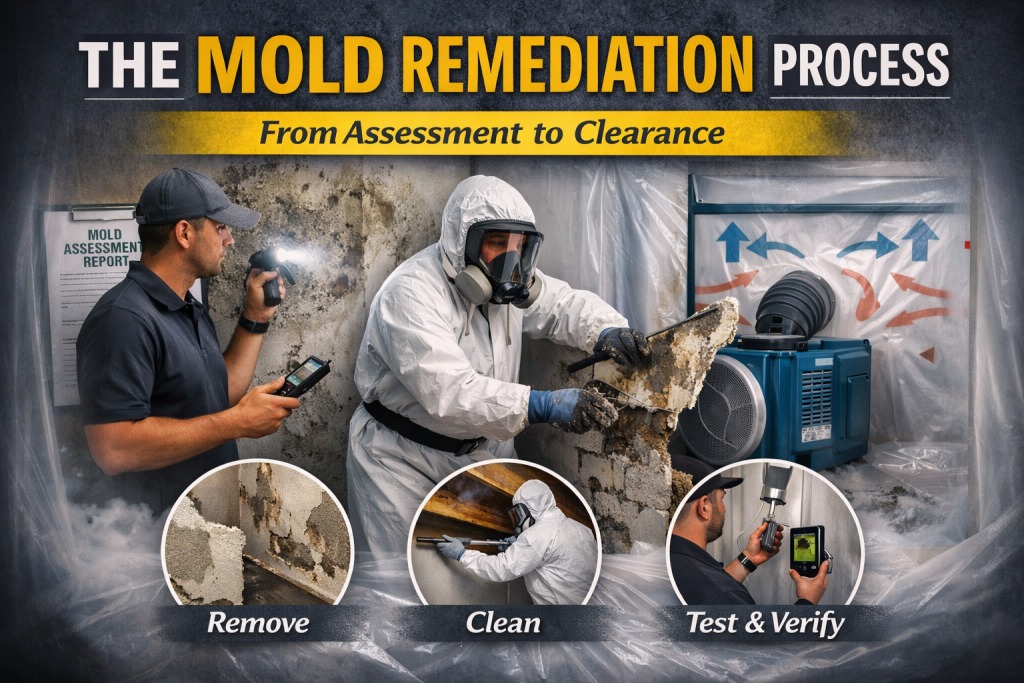
Call a mold contractor when material is unsound, contamination may be hidden, the water was contaminated, or the job goes beyond a small, simple cleanup. Hidden moisture or structural damage needs someone experienced in reading those conditions.
Homeowners and renters can ask a contractor, property manager, or restoration provider for a clear record of the work:
- Cause: What water source or moisture condition did they find?
- Correction: What specific work fixed it?
- Material decisions: Which surfaces were kept, cleaned, removed, or replaced?
- Drying: What did they check to confirm the remaining material was ready for a coating?
- Products: Which exact primer and finish did they use, and on what surface?
- Further investigation: What will they check if dampness, visible growth, or coating failure returns?

Photos, dated reports, and written descriptions record what was seen and what work was done, though they don’t prove legal fault on their own. Landlord obligations, disclosure duties, and contractor requirements vary by US jurisdiction.