
When a HEPA Vacuum Helps With Mold Cleanup
Use a sealed HEPA vacuum for the last dry-dust pass, after you have fixed the moisture problem and dealt with the damaged materials. It picks up settled dust. It does not repair water damage. If the mold is extensive, hidden or tied to contaminated water, hire a qualified remediation company. Before that last pass, read the vacuum’s filtration and service instructions.
What a HEPA vacuum does in mold cleanup
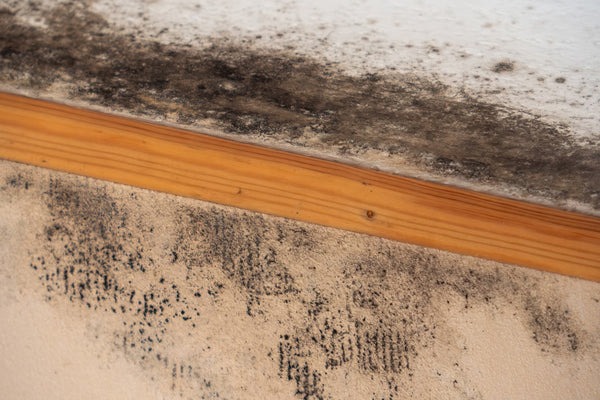
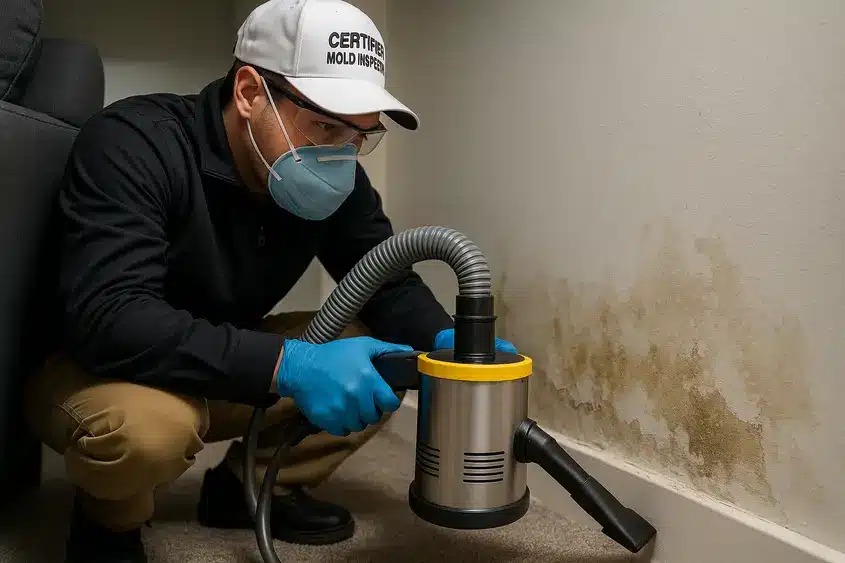
A HEPA vacuum picks up settled particles from surfaces. Its most useful job in mold remediation comes at the end, once the damaged materials are dealt with and the surfaces are dry. It collects the fine dust that ordinary cleaning leaves behind. That final pass still calls for a fitted N95, gloves and goggles; choose respirators, gloves and goggles for mold cleanup before you start.
Say water-damaged flooring has been removed. The leak is repaired, the affected materials are cleaned or gone, and what remains has dried. Dust can still sit along the exposed floor and edges. That is where HEPA vacuuming belongs.
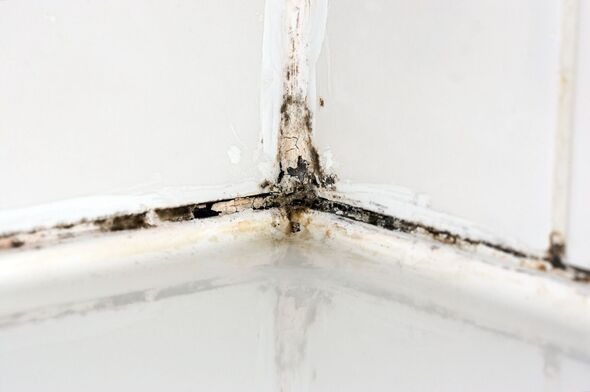
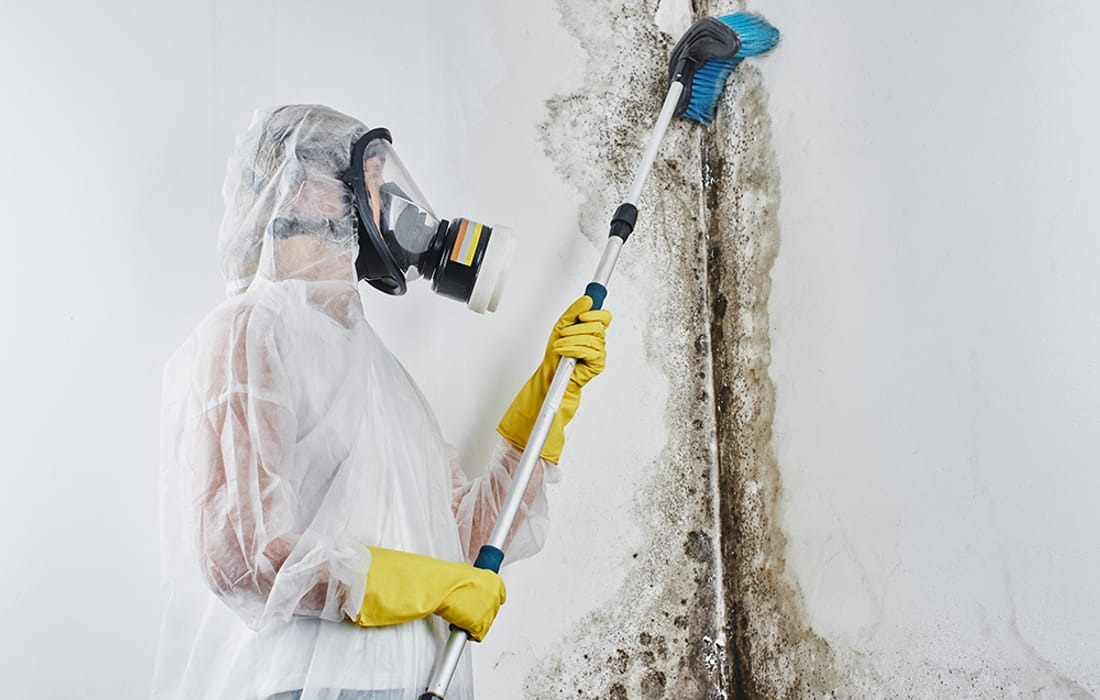
A damp wall with visible mold is another matter. Suction can’t repair the leak, restore deteriorated drywall or sterilize the material. Porous building products may need removal, while hard surfaces can sometimes be cleaned.
| Condition | What the vacuum does | What you still have to do |
|---|---|---|
| Dry settled dust after controlled cleanup | Collects the leftover dust | Finish the planned surface cleanup |
| Visible mold on a surface | Supports a broader cleaning plan | Decide how to clean or remove the material |
| Wet material or an active leak | Does nothing for the moisture damage | Fix the water problem and assess the material |
| Extensive or concealed contamination | Can be part of professional remediation | Set the scope and the controls needed |
When a homeowner should stop and call a mold-remediation professional
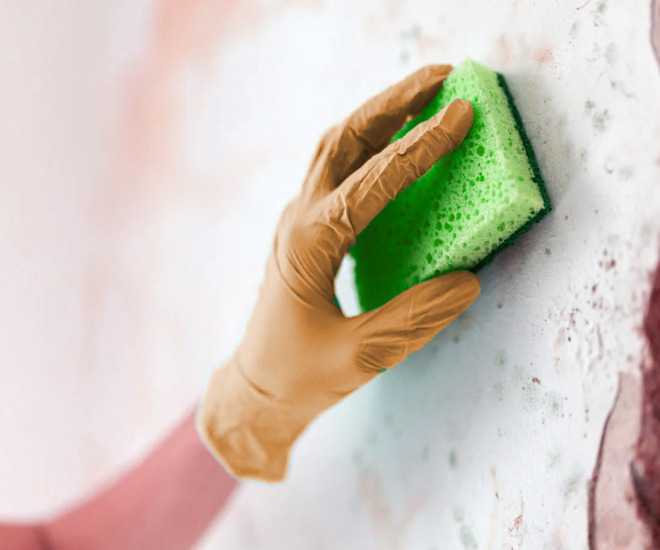
The mold problem itself decides whether a homeowner should attempt cleanup. Buying a HEPA vacuum does not change the extent of the damage, the water involved or the risks to the people doing the work.
The EPA’s homeowner mold-cleanup guidance says a homeowner can, in most cases, handle a moldy area smaller than about 10 square feet.
A small, reachable patch on a hard surface is a manageable cleanup. Mold inside a wall cavity or damage from sewage-contaminated water is not. If the problem looks like the second case, stop and check the stop-work signs for DIY cleanup before you continue.
- Extent and access: Check whether the visible growth is only part of a larger, hidden problem.
- Water source: Find out whether the damage comes from ordinary moisture, continuing intrusion or contaminated water.
- Material condition: Water-damaged porous materials may need removal, even when the visible area looks small.
- Occupant risks: The CDC’s mold-cleanup guidance names people with certain respiratory or immune-system risks who should avoid mold cleanup.
- Worker protection: Wear a NIOSH-approved N95 respirator, gloves and eye protection. This gear does not make a complex remediation project suitable for DIY.
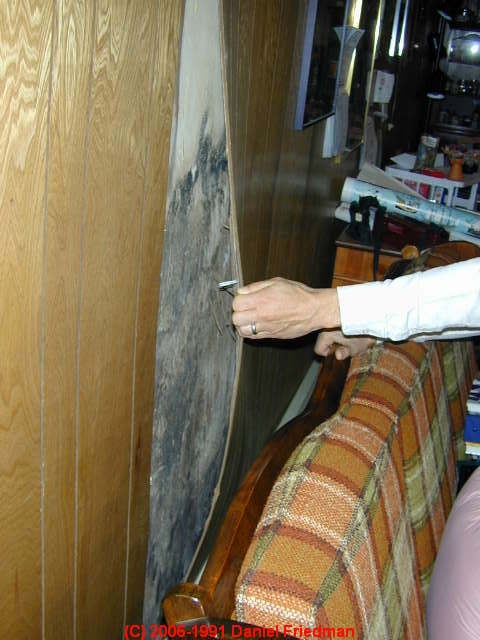
Have been trying for 3 weeks to get a mold remediation company here to get rid of mold that formed inside wall from a leaking p-trap on my bathtub drain. Have called two companies both came out to look and give us a bid it’s been 3 weeks and I can’t get anyone to get back to me with a bid. They all say they are super busy and short staffed. Deciding to do it ourselves now because I just want the damn mold out of my house and be done with it.
My husband is more than handy and we have done lots of homework on how to properly remediate the mold and drywall. I just need to find a good HEPA vacuum. Any help would be greatly appreciated!
Mold inside a wall means concealed materials, and nobody knows their condition yet. Three weeks without a bid is a fair reason to lose patience, but it does not change that.
The fourth edition of ANSI/IICRC S520 (2024) covers procedures and precautions for professional mold remediation in residential, commercial and institutional buildings. A professional job runs from inspection to repairs; see what professional mold remediation involves.
How to recognize a proper HEPA vacuum
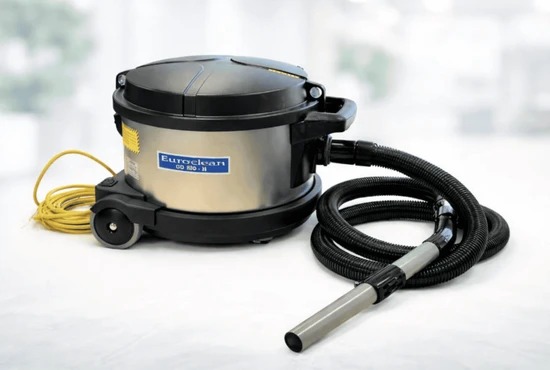
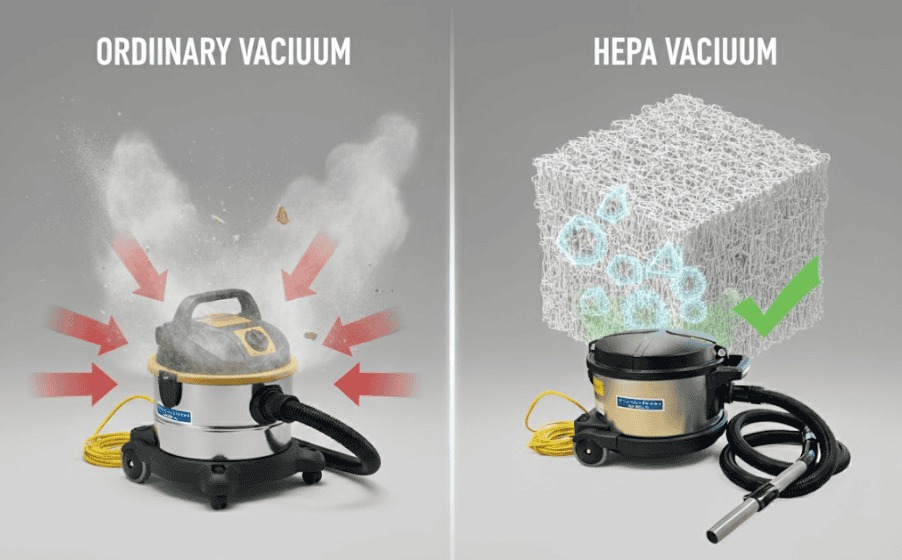
A HEPA filter is only one part of a vacuum’s filtration system. Whether it does its job depends on how the machine routes exhaust, seals the filter and contains collected debris.
The EPA’s HEPA vacuum purchasing explanation describes filtration of at least 99.97% of particles at 0.3 micrometers, with the vacuum designed to route exhaust through the HEPA filter without bypass.
The EPA wrote that explanation for its lead-renovation rules, not for mold. It still gives a useful way to judge a machine for mold-related cleanup. The 99.97% figure measures filtration under specified conditions. It does not say how much mold a vacuum removes from a room.
Take a shop vacuum fitted with a cartridge labeled HEPA. The cartridge may carry a high filtration rating while the rest of the machine has seals nobody has documented and paths for unfiltered exhaust.
For the exact model you are considering, the documentation should cover:
- Exhaust route: Whether the machine sends its exhaust through the HEPA filter without bypass.
- Filter fit: How the filter seats, seals and is held in place in its specified operating configuration.
- Collection system: Which bags, containers and parts work with the filtration setup.
- Supported mode: Whether dry dust collection is a supported mode for the task you have in mind.
- Service: Whether compatible filters, replacement parts and maintenance procedures are available.
Suction and airflow affect how well a vacuum collects material. The EPA filter definition sets no CFM requirement for mold cleanup.
HEPA vacuum, wet/dry vac, or air scrubber: which job does each do?
Liquid water, dry settled dust and airborne particles each call for different equipment, even when one remediation project uses several types.
| Equipment | What it does | Where it fits | Limit |
|---|---|---|---|
| Sealed HEPA surface vacuum | Collects dry settled particles and filters its exhaust | Controlled surface cleaning, especially final dust removal | Cannot fix a leak or restore damaged porous materials |
| Wet vacuum or wet/dry extractor | Collects liquid water in a wet configuration | Water removal while enough liquid is present | Picking up water does not make it a sealed dry HEPA vacuum |
| HEPA air scrubber or negative-air equipment | Filters air; properly configured exhaust equipment can help create negative pressure | Air management inside professional containment | Does not clean contaminated building surfaces |
| Ordinary household vacuum | Collects everyday household dust | Routine housekeeping | Needs documentation of its own before you use it on dust from remediation work |
The EPA’s remediation guidance describes wet vacuums collecting accumulated water from wet surfaces. It warns against using them when there isn’t enough liquid, because spores may spread. EPA also advises against their use on porous gypsum board. A machine built for water has to be judged separately for dry HEPA work.
A HEPA air scrubber filters circulating air. Negative-pressure containment depends on how the right equipment is arranged to exhaust air from the controlled area. An ordinary room air purifier does not physically clean mold-contaminated materials.
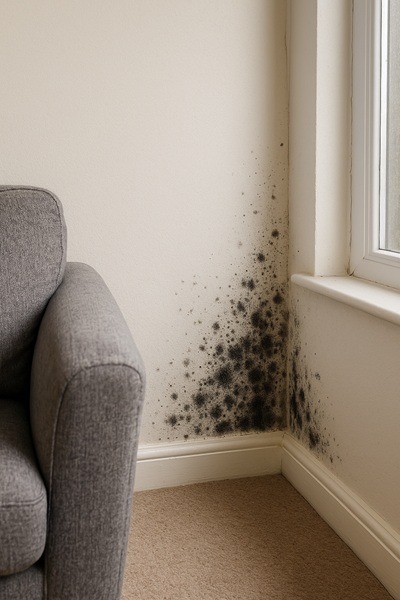
Hi all. I am helping remediate a house that had a few leaks which caused mold to grow under the plank flooring. I have removed all the floors and the baseboards are next, but now I need to figure out how to get rid of the mold on the concrete.
Everyone who offers advice in this sub stresses you must use a HEPA vacuum, but in searching the posts on here for recommendations, I haven’t found a single one. I have only found that you shouldn’t use shop vacs with HEPA filters, as it’s not a true seal and will allow spores to aeresolize.
What vacuums have the DIYers used, and what vacuums do the professionals use? I’m assuming I would need the ability to vacuum wet and dry surfaces. I’m open to buying a vacuum or renting one. Any ideas?
With the flooring gone, the remaining work includes assessing moisture, treating the concrete and a separate dry dust cleanup. For a machine sold as HEPA wet/dry, check its documented configuration for each operating mode.
When HEPA vacuuming belongs in the cleanup sequence
The EPA’s mold-remediation methods guidance names HEPA vacuuming as a final cleanup method, used after contaminated materials are removed and what remains is thoroughly dry. It also covers settled dust beyond the immediate work area.
For a job within a homeowner’s scope, the broad sequence is:
- Fix the water source. Repair the leak, stop the intrusion or correct the moisture problem behind the mold.
- Define the work area. Decide which surfaces and materials need attention under your cleanup plan.
- Clean or remove materials. Hard surfaces can often be cleaned. Some mold-damaged porous building materials need removal.
- Finish drying, then vacuum. Once the material work and thorough drying are done, use a proper HEPA vacuum on the settled dust that remains.
- Check the area. Look for unresolved moisture and remaining contamination.
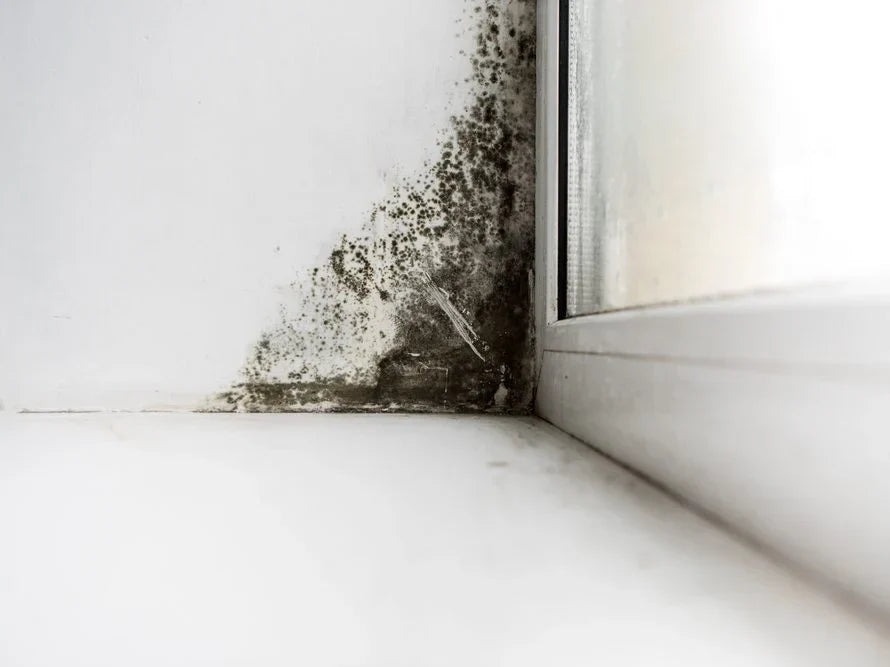
Trained crews also use HEPA vacuuming in other controlled phases when the work plan calls for it.
Handling collected dust, bags and filters
The debris inside a vacuum still needs careful handling. Removing a bag, changing a filter or opening a tank can stir up what the machine collected.
EPA’s HEPA vacuum method says to discard filters and collected contents in well-sealed plastic bags. It also calls for protective equipment when you change filters and a properly seated filter whenever the vacuum runs. These are handling rules on top of the filter’s rated efficiency.
Bagged systems and reusable canisters are emptied differently, so the right method depends on the unit and what it collected.
For wet-vacuum work, EPA also calls for cleaning and drying tanks, hoses and attachments thoroughly after use. Wet material left inside the machine adds a cleaning and maintenance problem.
Hello,
I’ve got a wet/dry vacuum which 2 weeks ago was used to cleanup broken base cabinet bits which had mold spores which developed into more mold in the actual vacuum itself due to not being cleaned afterwards. I just cleaned out all of the mold in the actual base just now and need to know if I should be changing the filter now before I use it to suck up more soaked wood which more than likely has mold on it or afterwards?
Pretty much will when turning on the shop vac mold that may be in the filter (don’t visually see any spread through the air while I’m using it?
Damp debris and used filters left inside a vacuum leave you with a machine in unknown condition.
Follow the vacuum’s own servicing and disposal instructions for bags, filters, tanks and reusable parts. Don’t shake collected dust out indoors, wash a HEPA filter without the manufacturer’s approval or treat the inside of the machine with improvised chemicals.
What if you already used an ordinary vacuum on suspected mold?
If an ordinary vacuum has picked up what you now suspect was mold, stop using it for mold-related cleanup until you know its condition and your servicing options.
hey vac experts, I accidentally used my very old but still good upright Jaguar Royal to clean out what I though was stubborn dust but was actually white mold or mildew in my small bedroom closet not knowing I wasn’t supposed to. I threw out the bag and cleaned out the inside of the vac with hydro peroxide, (except for the tubes, I cant figure out how to clean those and the black foam insert).
Do I need to buy a hepa vac to clean the rest of the moldy closet? are there any good small budget ones? I’m on a budget and already have 2 vacs(the other is an old Bissell bagless stick) and dont really have space for a third in my small apartment(I’m US based btw).
Don’t read the peroxide cleaning above as advice for cleaning a vacuum.
Find the vacuum’s exact model and its supported maintenance procedure before you service it further. If it can’t be evaluated or serviced safely, ask the manufacturer or a qualified remediation specialist.
Should you rent a unit, buy one, or hire the cleanup?
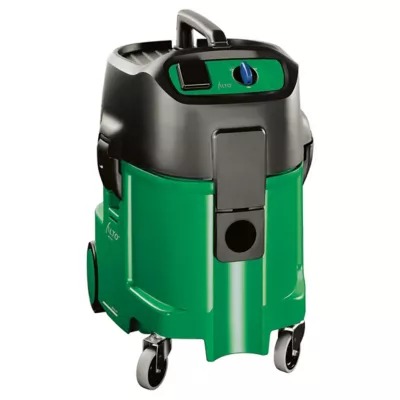
For a straightforward cleanup you can handle yourself, renting versus buying comes down to access, how often you would use it and upkeep. Hiring a professional is a separate purchase: it covers evaluating and handling the larger problem when the work needs expertise or controls beyond ordinary DIY.
| Option | When it fits | What to compare |
|---|---|---|
| Rent a HEPA vacuum | Limited dry dust work that needs temporary equipment | Exact model and operating mode, compatible bags and filters, return rules, contamination and servicing policy |
| Buy a HEPA vacuum | Repeated work that justifies keeping one | Documented configuration, consumables, maintenance, storage and how the collection system is handled |
| Hire a qualified remediation provider | Extensive, hidden, hazardous or otherwise unsuitable for DIY | Scope of material treatment, moisture correction, containment where needed, cleanup and verification responsibilities |
If the machine picks up suspect debris, the rental agreement decides who pays to clean or replace contaminated parts.
If storage space is tight, renting beats owning another appliance.
How to check the result
A finished cleanup has a corrected moisture source, dry materials, no visible mold or moldy odor, and no renewed water damage or growth when you check the area again. A dark vacuum filter cannot identify a mold species or confirm clearance. EPA has no general federal indoor mold-spore threshold.