
Bleach vs. Vinegar for Mold: What to Use and When
Scrub a small patch on a washable hard surface with detergent and water, then dry it completely. Neither bleach nor vinegar is a universal first choice. Vinegar worked against some fungi in lab tests and not others. Diluted bleach is fine on compatible hard surfaces. If the material is porous or damaged, the growth is large or hidden, or the area stays damp, cleaning alone won’t solve it.
For compatible hard surfaces, clean a small mold patch safely with detergent and water.
Bleach, vinegar, or detergent: which should you use first?
Start with the surface and the size of the problem. Glazed shower tile can usually be washed. Blackened drywall beside a leaking pipe can soak up moisture deep enough that you have to deal with the drywall itself.
The EPA’s baseline for a manageable patch on a suitable hard surface: scrub the mold away with detergent and water, then dry the surface completely. Before you start, wear at least a NIOSH-approved N95 respirator, protective gloves, and goggles that protect your eyes from particles.
| What you see | Start with | Watch for |
|---|---|---|
| Small growth patch on washable glass or glazed tile | Detergent, scrubbing, and thorough drying | An optional compatible cleaner |
| A stain after surface cleaning | Check whether the surface is intact and whether residue remains | Damaged grout, caulk, or underlying material needs repair or replacement |
| Visible growth returning in one place | Find the water or humidity source | Ongoing dampness or hidden damage: get it inspected |
Never mix cleaners: Do not combine bleach with vinegar, ammonia, or any cleaner you can’t identify.
Killing mold, removing it, and hiding the stain are three different things
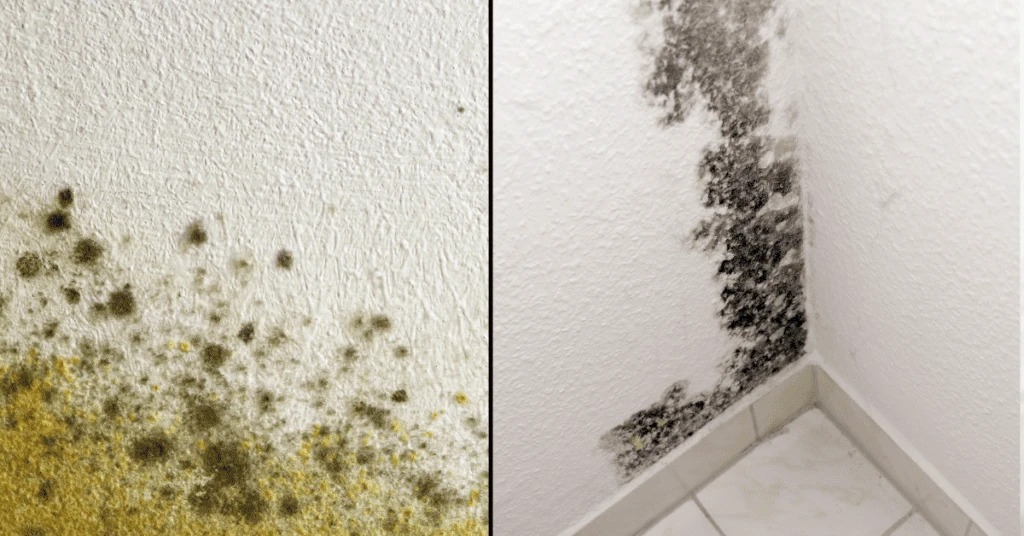
Bleach can make a patch look much lighter. Vinegar may leave discoloration behind.
| Result | What happened | What it tells you |
|---|---|---|
| Antifungal action | A chemical damages susceptible fungi | Lab tests show fungal growth or survival can change |
| Physical removal | You scrub fungal growth and residue off a cleanable surface | The contamination on that reachable surface is gone |
| Stain reduction | A dark mark fades or disappears | The color changed; the material underneath may still be stained or damaged |
According to the EPA, dead mold can still trigger allergic reactions. That is why you have to remove it physically, even when a chemical has killed the fungal cells.
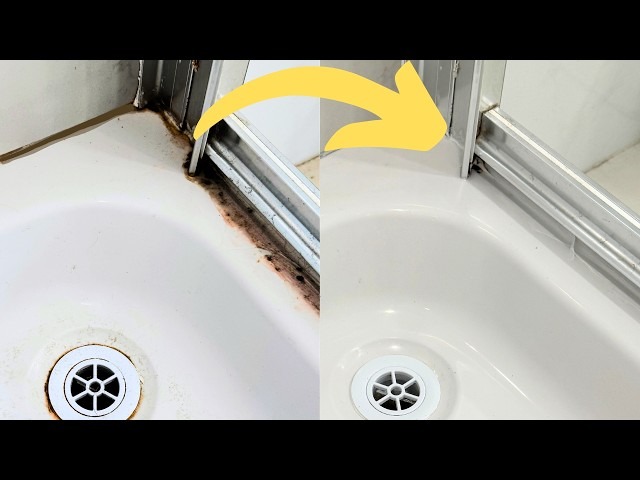
Some surfaces keep their discoloration after cleaning. An old shower joint can stay gray while the glazed tile beside it looks clean. The stain may sit in the sealant or grout and needs its own check.
What the evidence says about vinegar for mold
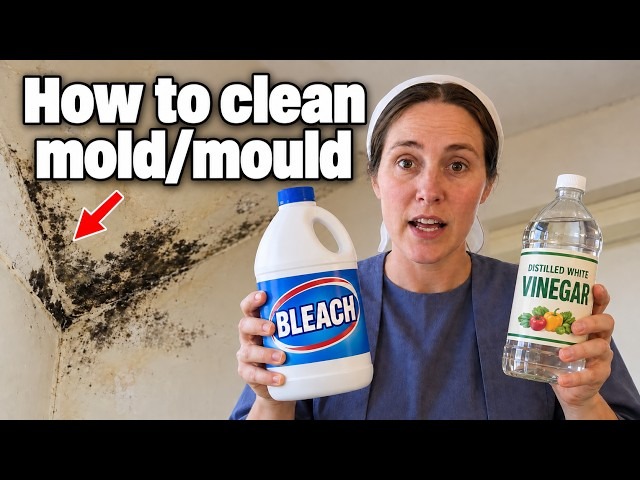
White household vinegar has inhibited some fungi in laboratory tests, depending on the species and test conditions.
In 2015, Rogawansamy and colleagues tested vinegar containing 4.0 to 4.2% acetic acid with a disc-diffusion method. They reported a mean inhibition zone of 15 mm ± 1.15 mm against Penicillium chrysogenum. The same vinegar did not inhibit Aspergillus fumigatus in that assay.
Their 2015 study shows that activity depends on the fungus under laboratory conditions. It says nothing about clearing deeply wetted drywall or eliminating every indoor mold species.
In an October 2022 homeowner Q&A, Oregon State University Extension described an option using equal parts water and vinegar, followed by scrubbing and drying. The advice also addressed the source of moisture. The 2015 experiment did not test that diluted mix.
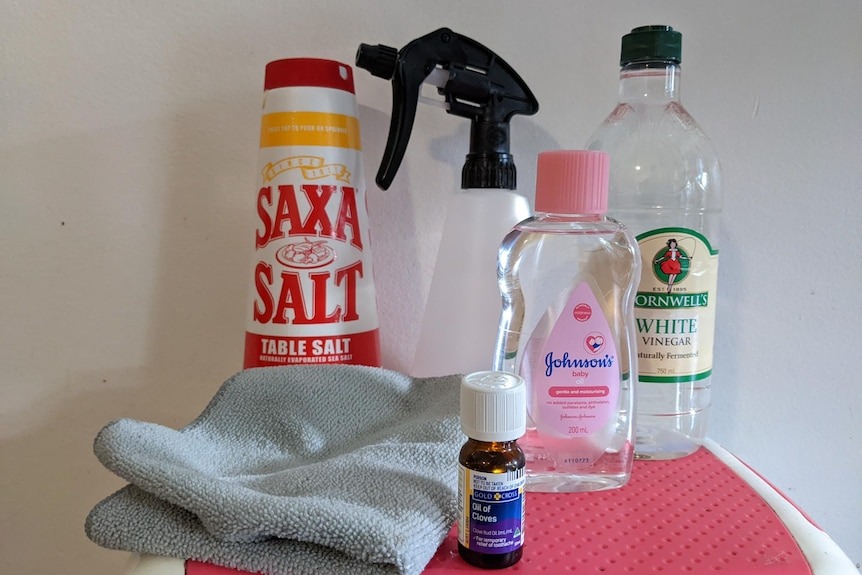
I have a small bathroom in an apartment with little ventilation.
What’s the best way to treat this? I recently took a trades class in treating mold, and the pros went in with a fungicide, which I believe I could do, with the proper gear They mentioned bleach used to be one way to treat it, but that it can actually make the mold more aggressive. Oddly, I didn’t hear of any mention of vinegar but know from reading here that’s what’s recommended to actually kill it.
Also, with the shower curtain, can I just dunk that in vinegar and launder it? We just replaced it back in October.
Nothing supports the claim that bleach makes mold more aggressive. Controlled experiments show that sodium hypochlorite acts against fungi. For the shower curtain, check its condition and care label.
What bleach can do, and why the EPA discourages routine use
Household chlorine bleach contains sodium hypochlorite, a chemical with proven antimicrobial activity. Neither the EPA nor the CDC disputes that activity.
The EPA’s bleach and mold guidance discourages biocides such as bleach as a routine practice. It stresses physically removing mold and fixing the moisture problem. The CDC allows bleach as one option for compatible hard surfaces, alongside soap and water and suitable cleaning products.
What controlled bleach research measured
In a 2012 study, Reynolds and colleagues tested 2.4% sodium hypochlorite under laboratory conditions. Five-minute exposures produced reductions greater than 3 to greater than 6 log10 in culturable mold on experimental surfaces.
Another result was an average 95.8% reduction in a measured Aspergillus fumigatus spore allergen after a 30-second experimental exposure. These are lab results, not a household mixing formula or a measure of health risk.
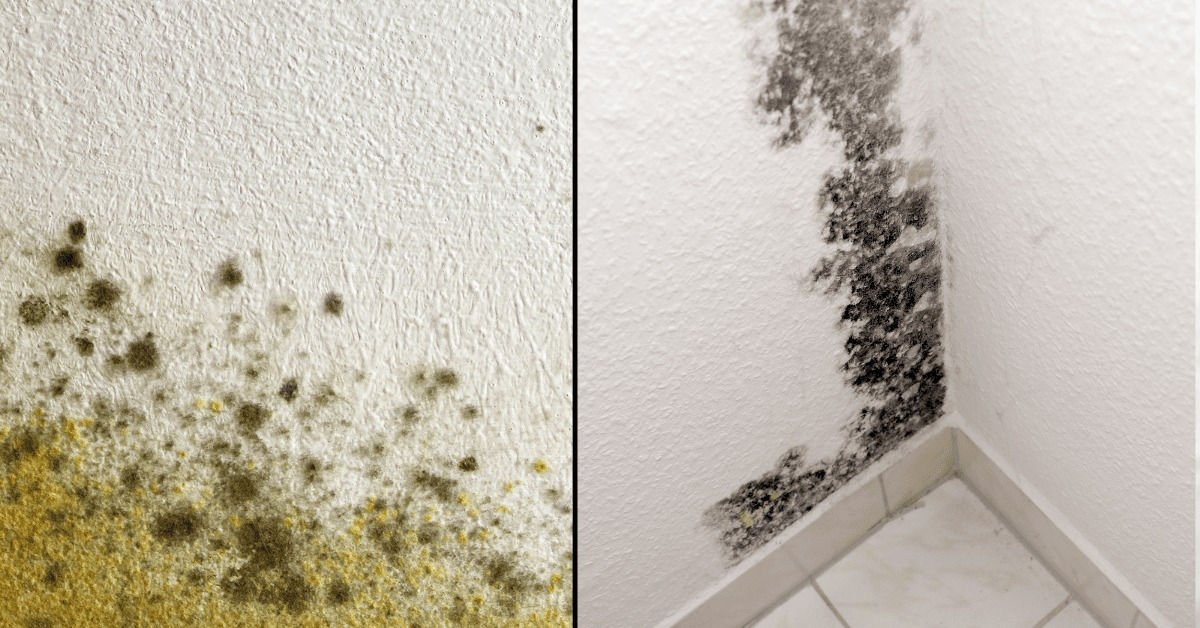
What the CDC permits for household cleanup
The CDC’s mold-cleanup guidance sets a limit of no more than one cup of household bleach per gallon of water. That is a ceiling, not a requirement for every patch.
Read the cleaner’s label and the surface manufacturer’s care instructions before you choose bleach. Concentration, ventilation, and the finish all affect whether a product suits the job. A stronger mix won’t repair water damage. The guide to detergent, bleach, vinegar and peroxide compares them by surface.
Surface compatibility: tile, grout, caulk, drywall, wood, and stone
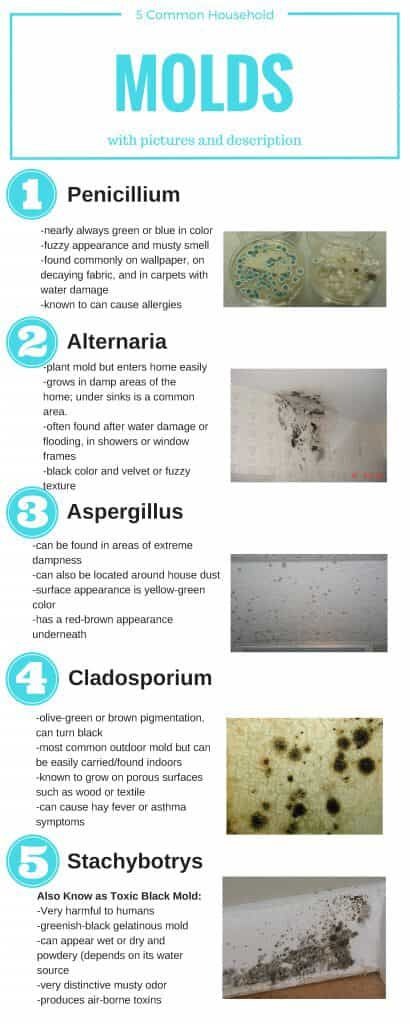
Glass or glazed tile can often be scrubbed clean. Absorbent or deteriorated materials can hold contamination beneath the visible surface.
| Material | Detergent and water | Vinegar | Bleach | Watch for |
|---|---|---|---|---|
| Glass or glazed ceramic tile | Usual baseline for a small patch | Fine if compatible | Fine if the label allows it | Remove the surface growth and dry the area |
| Shower grout | Depends on the grout’s condition | Check acid sensitivity and sealer | Check product and finish compatibility | Deterioration or moisture behind the tile |
| Silicone caulk | Cleans surface deposits | Unproven for embedded damage | Whitening can’t repair failed sealant | Replace it if the sealant has failed |
| Damp or damaged drywall | Surface wiping is often not enough | No supported chemical fix | Absorption and hidden damage | |
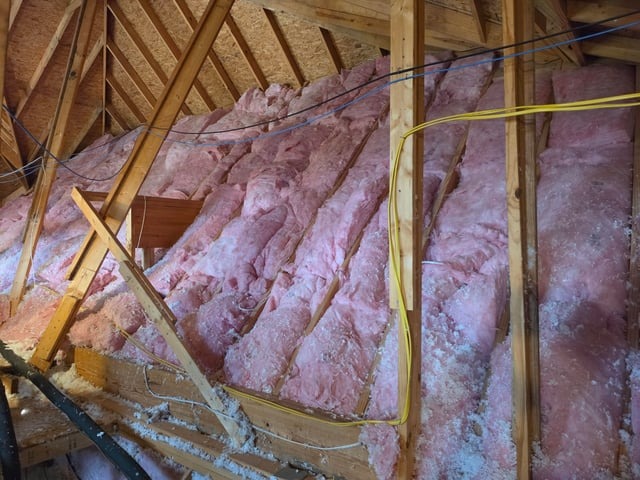
| Carpet, insulation, ceiling tile | Moldy wet material often has to be thrown out | Not an established remedy | Water exposure and absorbency decide | |
| Painted or finished wood | Depends on the finish and condition | Compatibility unknown | The coating and trapped moisture | |
| Marble, limestone, travertine | Use stone-compatible care | Avoid acidic vinegar | Use only if stone-specific guidance allows it | Etching and finish damage |
| Concealed growth or substantial water damage | Needs more than wiping | Surface treatment is not enough | Extent and access may call for a professional | |
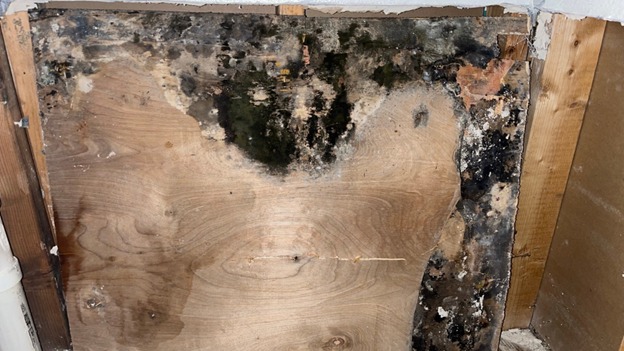
Grout and silicone caulk are different materials. A stubborn mark in deteriorating caulk may call for new sealant, while worn grout needs a check of its condition and the waterproofing behind it.
The EPA names carpet and ceiling tiles among the porous materials that can be difficult or impossible to clean completely once moldy.
Never mix bleach with vinegar or another cleaner
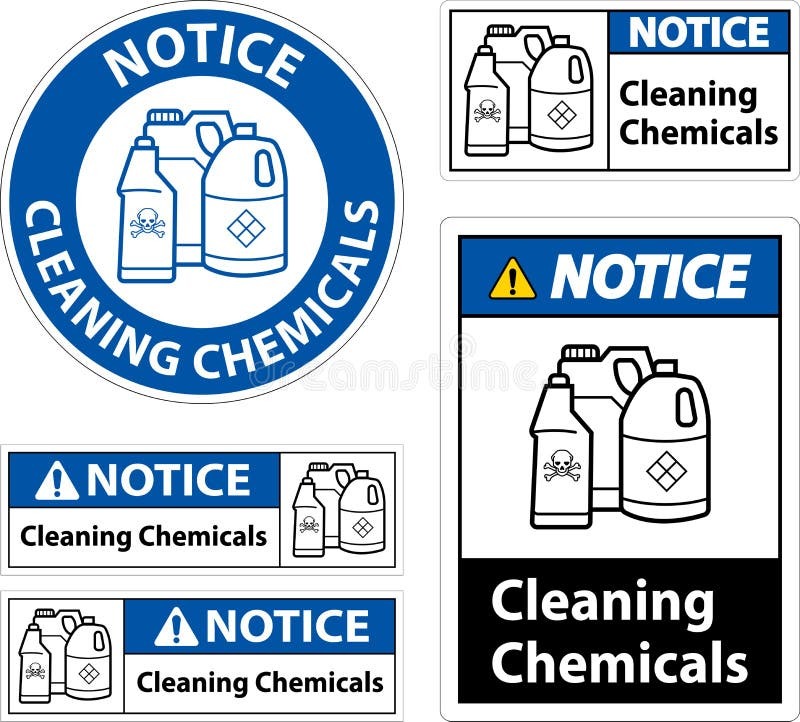
Bleach mixed with vinegar or another acidic cleaner can release chlorine gas. Bleach and ammonia-containing products can produce irritating chloramines.
Layering counts too: a cleaner applied over residue from a previous product can trigger the same reaction. An open window does not make a bad mix safe. Don’t try to neutralize a mixture yourself, and don’t test the room by smelling it. A cleaner sold for bathrooms may contain an acid or another ingredient that reacts with chlorine bleach.
If irritating fumes develop: Stop using the cleaners and leave the area for fresh air. In the United States, get exposure advice from Poison Control’s chlorine-gas guidance or call Poison Help at 1-800-222-1222. Serious breathing difficulty needs immediate emergency medical attention.
When neither cleaner is suitable for DIY mold removal
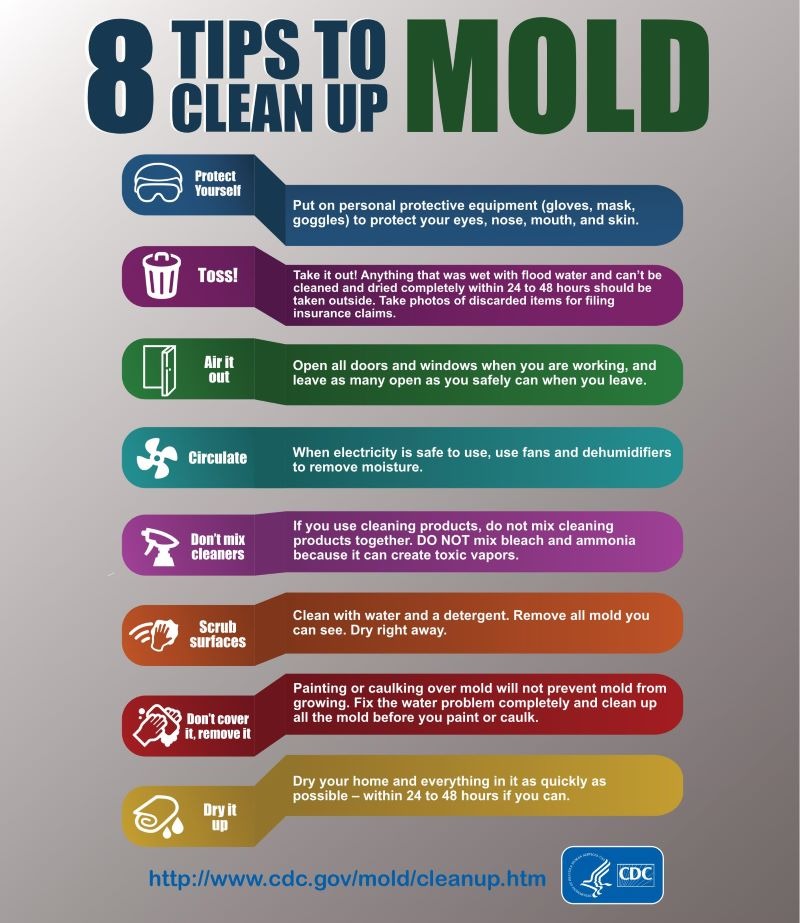
The EPA says a patch smaller than approximately 10 square feet, roughly 3 by 3 feet, can often be handled by a homeowner in ordinary circumstances. Size alone does not establish safety, though. A small visible patch counts too if the material behind it is wet or deteriorating. The DIY guide’s stop-work signs list when to hand the job over.
Stop DIY work and call a professional if any of these apply:
- The growth is extensive or hidden.
- Sewage-contaminated water is involved.
- Building materials are substantially wet.
- You suspect HVAC contamination. Do not run a system suspected of mold contamination.
- You have allergies, asthma, COPD, underlying lung disease, or immune suppression. The CDC advises people with these conditions not to take part in mold cleanup.
Why mold comes back after bleach or vinegar
Growth returns while the damp conditions stay. A bathroom with little ventilation can stay wet after showers. A plumbing leak or water intrusion can keep other materials damp much longer.
We purchased our house from flippers and they never put a fan in our bathroom. We had it on our to do list for a while and it just got away from us. Needless to say, we now have mold all over our bathroom ceiling and small spots on the walls. We tried cleaning it with vinegar and it went away for a few weeks then came back. I’ve read that there’s really no way to clean porous surfaces. Are we looking at completely redoing the drywall for the walls and ceiling?
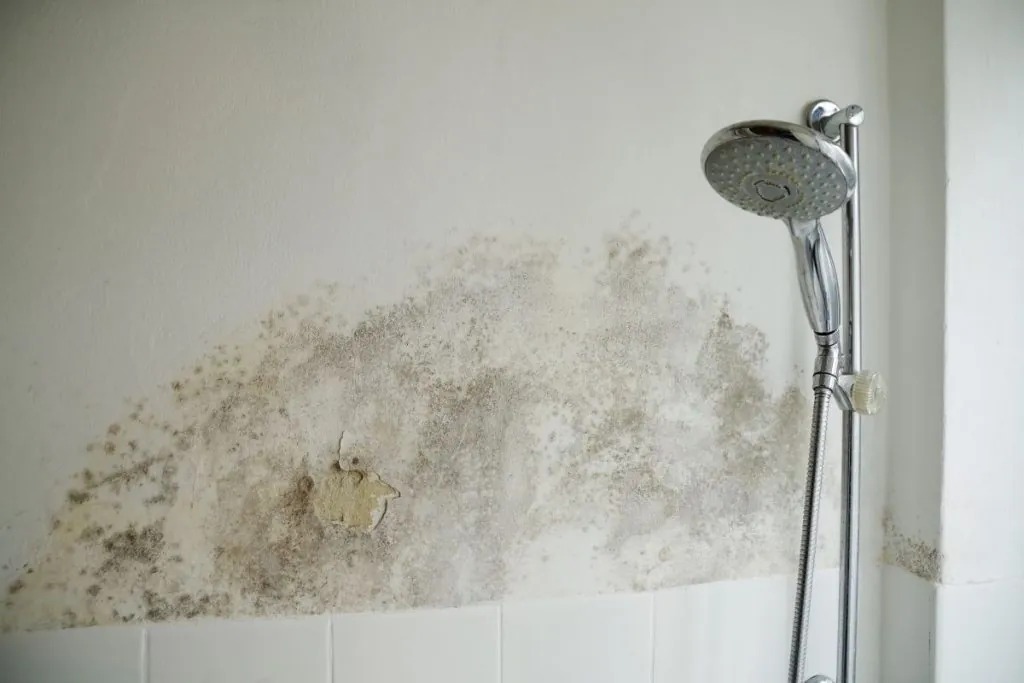
Find out why the area stays damp: a leak, condensation, poor ventilation, or material that never dried. The CDC recommends keeping indoor humidity no higher than 50%. Humidity control helps with condensation, but a water leak still needs to be repaired.
Before treating a stubborn mark, identify what it is
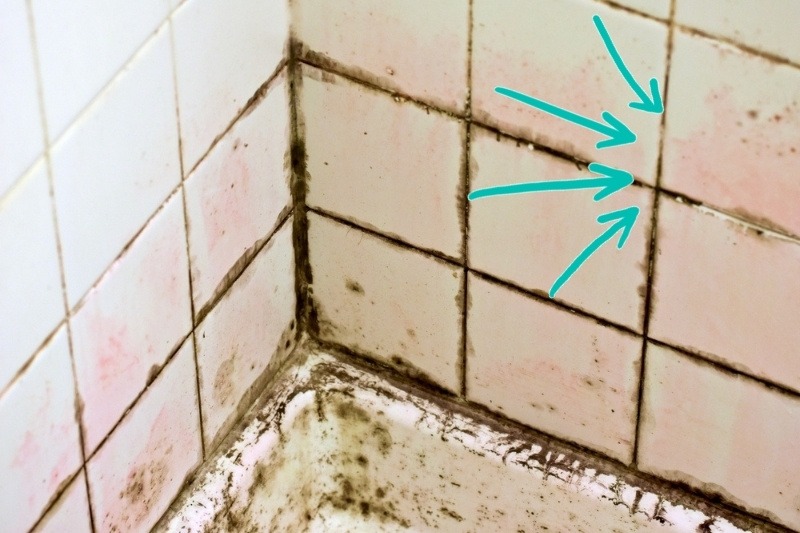
Pink, brown, and black marks have several possible causes. You can’t identify a deposit by its color, and scrubbing the wrong thing again won’t help.
We have the very large shower that is a pain in the butt to clean and gets that pink mold in a bunch of places in the grout. The back wall has very tiny grout lines that are difficult to scrub. I have an electric scrub brush and I’ve been using wet and forget shower cleaner in a pump spray bottle, but it seems the pink mold is back in a few days.
Some of the bleach cleaners are effective, but they only come in regular spray bottles so I almost go through an entire bottle in one clean, plus there not much ventilation so I can’t do the whole shower in one go. Is there a bulk cleaner that would be more effective (meaning the least amount of scrubbing possible), while also not killing me in the process?
Penn State Extension identifies the bacterium Serratia marcescens as one possible cause of pink or reddish films on frequently wetted fixtures.
A mark left on the floor below a cleaned rug is a different case. It can come from transferred dye or another floor stain. Before applying another chemical, use the material, moisture history, and location of the mark to decide whether you need surface care or a closer look.
How to check the result after cleaning
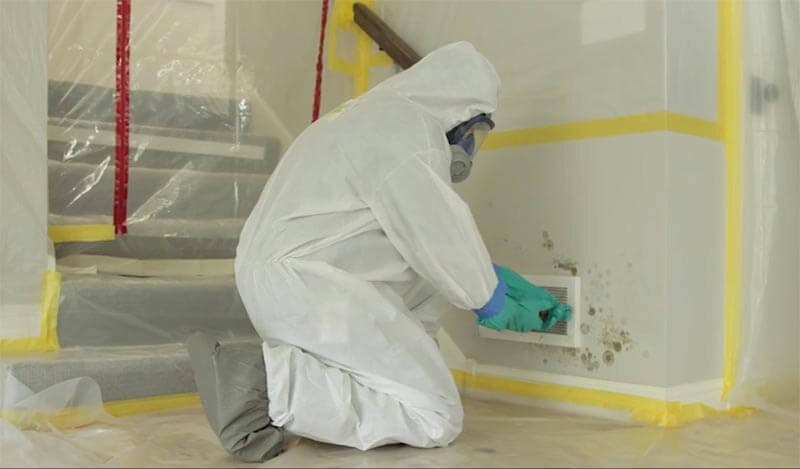
Discoloration can remain on material that is otherwise clean. After a small hard-surface cleanup, confirm four things:
- Removed material: Visible surface growth and loose residue are scrubbed away.
- Dryness: The cleaned surface and any accessible affected material have dried.
- Water problem: The moisture source affecting the area is corrected.
- Follow-up: Recheck if spots or dampness return, and investigate persistent damage.
A visual check cannot certify inaccessible wall cavities as mold-free. If you suspect hidden contamination or damaged material, have a qualified professional assess it.