
Do Ozone Generators Kill Mold? What the Evidence Means at Home
Don’t use an ozone generator to get rid of mold. In controlled tests it can affect fungal spores, but it leaves the contaminated material and the moisture in place, and it adds risks to your indoor air. If you have a small patch on a surface you can clean, clean it and dry it. If the growth is extensive, hidden, water-damaged or in the HVAC system, get a qualified assessment and a remediation plan that fixes the source.
Can an ozone generator kill mold?
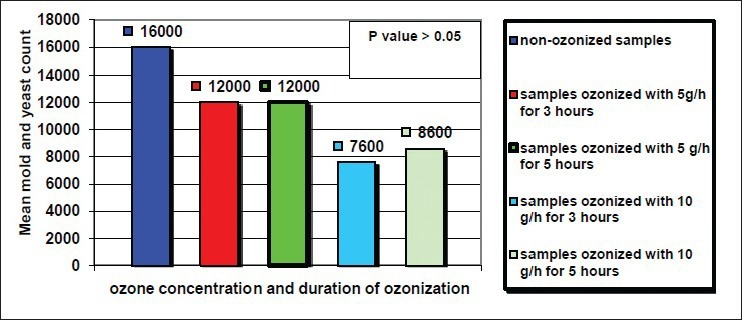
Yes, ozone can kill or inactivate some fungi under controlled laboratory conditions. A house is a different problem: the damaged materials and the water source have to be dealt with.
Ozone (O₃) is an oxidizing gas, and its reactions can damage biological cells, including some fungal spores. That is the scientific basis behind ads promising to “kill mold spores.”
The U.S. Environmental Protection Agency says ozone at concentrations that meet public-health standards does not effectively control indoor mold or other biological contaminants. The studies that found antifungal activity used substantially different exposure conditions.
In 1997, Foarde, Van Osdell and Steiber ran gas-phase ozone tests in controlled chambers. A significant kill on glass test slides took about 6 to almost 10 parts per million (ppm). Tests on building materials gave far less encouraging results.
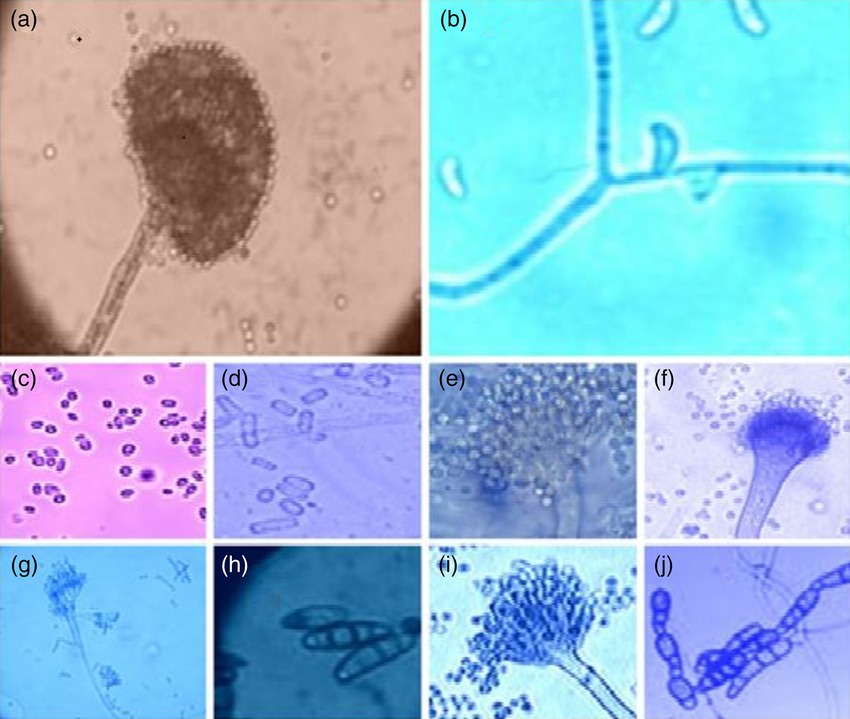
In 2008, Korzun, Hall and Sauer studied fungal conidia, a type of spore, at ozone concentrations of 5.0 to 12.8 ppm for up to four hours. Some conditions cut viable conidia by a statistically significant amount (p < .05). Living conidia remained in every tested case.
Treat those figures as lab conditions only. They give no operating setting, safe household concentration or treatment duration.
Why killing spores is not the same as removing mold
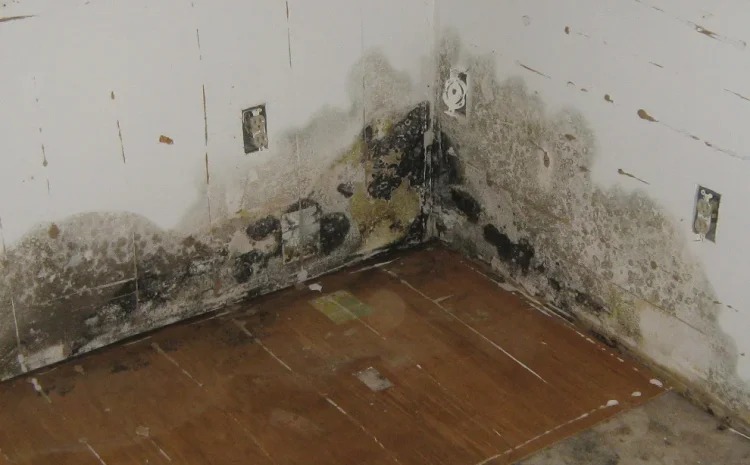
Killing mold only changes whether the organisms are alive. Remediation deals with the contaminated material and the conditions that let the growth start. Cleaning the air removes particles that are already floating, but it does not remove the contaminated material, which is why air purifiers have limits against mold.
The EPA warns that even dead mold can cause allergic reactions. After ozone inactivates the spores, the fungal fragments, the contaminated dust and the material they sit on are still there. Every home has some background mold spores, so the goal is a clean, dry building.
| Outcome | What success means | What ozone does |
|---|---|---|
| Fungal inactivation | Tested fungi lose viability | Works in some lab tests. No reliable result in a home. |
| Physical contamination removal | Moldy debris or affected material is cleaned or removed | Removes nothing |
| Moisture correction | The leak, condensation or other source is controlled | Fixes no water source |
| Odor change | A smell is reduced, altered or remains | Results vary |
| Remediation verification | Evidence shows the affected area was adequately addressed | Gives no clearance result |
A musty carpet pad stays in place after a room is gassed. A wet wall stays wet.
What about mold behind drywall, in carpets or in air ducts?
In the 1997 Foarde study, researchers found no demonstrated microbial kill on the tested building materials even at 9 ppm ozone.
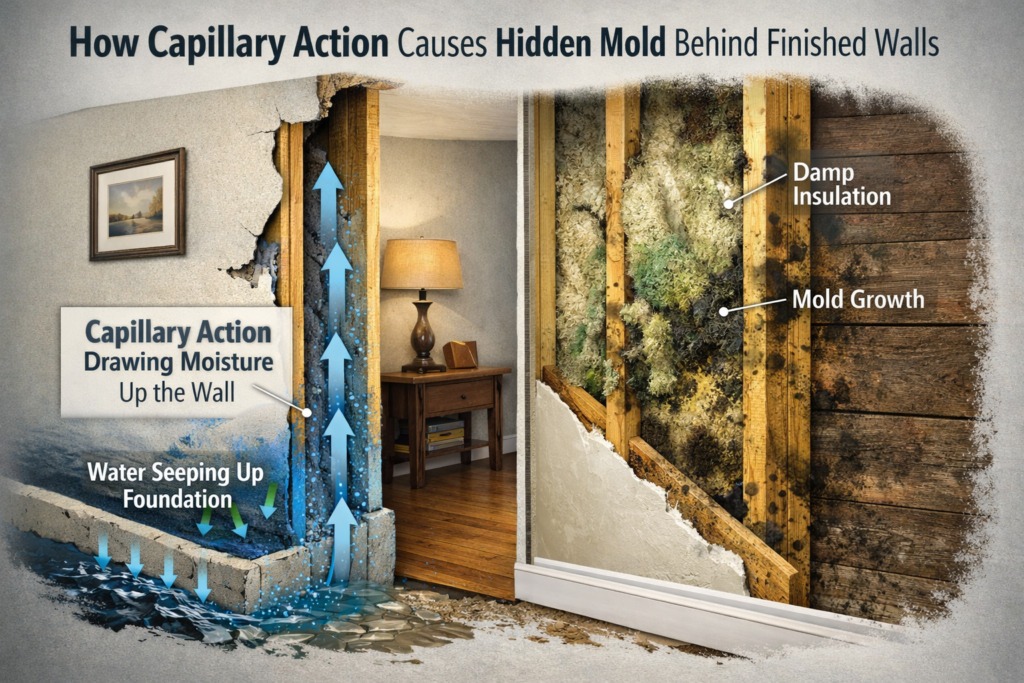
Drywall can hide damage on its backing or in the insulation next to it. Carpet padding can stay wet under a carpet that looks dry. Ceiling tiles and some duct liners absorb moisture, so you have to check each one.
In a musty basement, the source could be a plumbing leak, water intrusion or condensation. Contamination inside a floor or wall has to be inspected directly.
The EPA says some moldy porous materials need to be discarded. It also warns against running an HVAC system known or suspected to be contaminated with mold, because that can spread the contamination.
What ozone can do to the air, lungs and belongings
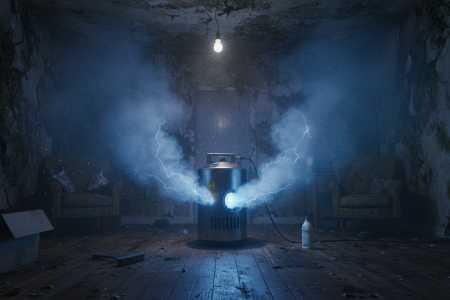
The EPA lists respiratory irritation, coughing, chest discomfort and breathing difficulty as effects of ozone exposure. People with asthma or other respiratory sensitivities are especially vulnerable.
An ozone generator does not produce one predictable concentration throughout a house. Room size, ventilation, furnishings and reactions with indoor substances all change the level. Leaving a room empty while the generator runs keeps you out of it at that moment. It does not make the rest of the house safe, or the room safe when you return.
In a 2005 residential experiment in Austin, Texas, Hubbard and colleagues studied one apartment and two detached houses. When elevated ozone reacted with terpenes from a pine-oil-based cleaner, the researchers measured more secondary particles, including particles smaller than 0.7 micrometers.
Lawrence Berkeley National Laboratory describes indoor reactions that can produce secondary compounds, including formaldehyde and ultrafine particles. Ozone can also damage materials such as rubber and some plastics.
Okay so my mom called someone to MY ROOM to ozone it, because the built in wardrobe had mold at the north side. The humidity was 99% percent in there and like 15 degrees. And yes, there was mold.
So I searched beforehand that it’s highly destructive to a personal/gaming room, but we just had a big argument and she STILL DID IT.
I came home, I couldn’t even breathe in there, started coughing getting dizzy. This was 3 hours after that. And after three days I finally went back in.
And now, we just found out that the rubber on my noise blocking door degraded, doesn’t block anything. Also some of my clothes started having this really bad smell to it even after washing.
And now she’s talking about some “we might have to do it again” EVEN TOUGH SHE FUCKING PROMISED ME WE WILL NOT DO IT AGAIN.
So will I realise later that more things have a problem, or should I just accept my fate?Sorry for my language, I’m not native.
The damp, cold wall was still unresolved.
Will ozone remove the musty mold smell or just change it?

Smell tells you little about whether the mold is gone. Ozone breaks down some odor-causing compounds, barely touches others under typical indoor conditions, and can cause new chemical reactions indoors.
An “old-house smell” can come from damp drywall, carpeting or hidden materials. Find the moisture source before you call the cleanup done.
Cross posted from home improvement.
About a month ago I was trying to get rid of some lingering odors since I bought the house furnished with the previous owners’ stuff (rugs, furniture, etc.) I used a air purifier/ ozone generator in the master bedroom for about 2 hours and after the ozone cleared I noticed a different smell in the room.
There is now a sick, sweet, chemical smell in there that won’t go away! I have the windows either open or cracked open all the time but the materials that the ozone reacted with are off gassing so strongly, with no signs of slowing down!
I’ve since learned that too strong of an ozone treatment causes a chemical reaction and oxidation of certain materials (plastics, fiberglass,rubber, vinyl, synthetic materials) that can last a really long time. The sweet smell is from aldehydes and other VOCs that are being released.
I’m not sure what my options are because I can’t afford to rip everything out and start over. I’ve read many other accounts of people having the same problem after ozone treatment, people seeking help, but never how the issue was resolves, or how long it took for their rooms to off gas. Has anyone here had this problem? Please help!
The complaint was about odors, and no mold was confirmed.
What works instead? Match the tool to the problem
| Actual condition | Appropriate response | Keep in mind |
|---|---|---|
| Small mold patch on a hard, cleanable surface | Clean with detergent and water, then dry thoroughly | Deal with the moisture that caused the growth |
| Damp drywall or carpet padding | Assess the damage and decide whether the contaminated material has to come out | Hidden or absorbent materials can need professional work |
| Leaking pipe or condensation | Fix the water source and dry the affected areas | Moisture can reach beyond the visible patch |
| Airborne particles | Add mechanical filtration as a supplement | A filter cannot clean growth inside a wall |
| Excess indoor humidity | Lower humidity, using dehumidification where it helps | Existing contamination still needs cleanup |
| Extensive, hidden or HVAC-related mold | Get a qualified investigation and remediation | Scope and precautions depend on the job |
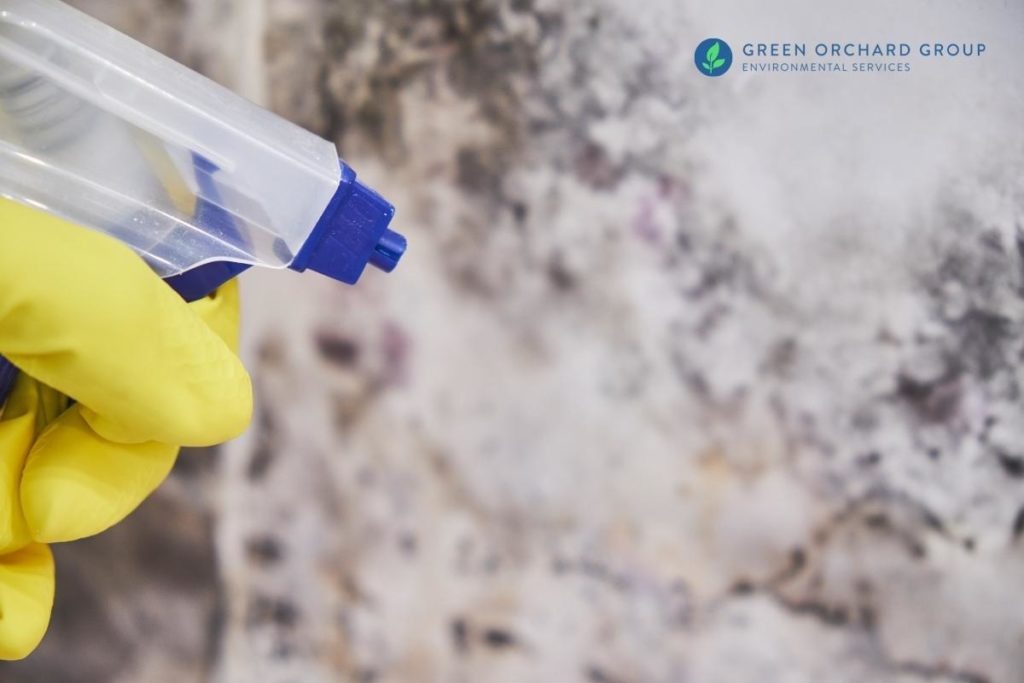
EPA guidance lets homeowners handle a moldy area smaller than about 10 square feet. That changes with sewage or contaminated water, extensive water damage, suspected HVAC contamination, hidden growth, or occupants with health sensitivities.
The EPA’s mold-cleanup guidance spells out the detergent-and-water method for hard surfaces. Some water-damaged absorbent materials cannot be cleaned adequately and need replacing.
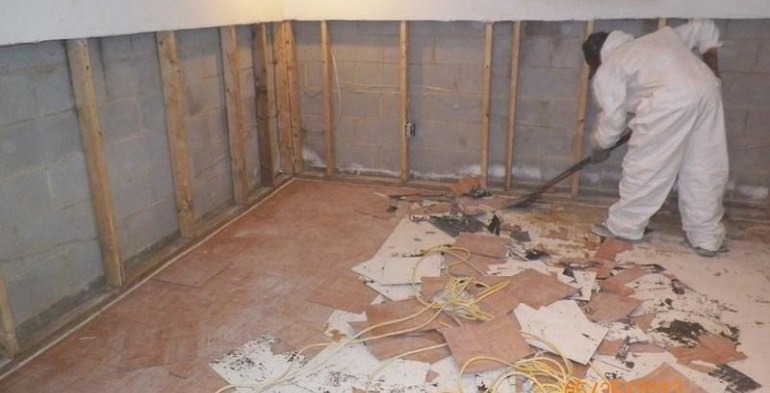
Hello! My partner and I just bought a house out of province, but we only saw the house in person on possession day. Since then we have been cleaning, figuring out furniture (the house is empty aside from appliances) and planning future renovations. However, the prior owners were chainsmokers and the smell wasn’t really noticeable until we started moving around the house (it had been empty for at least a year by then).
We are having the ducts cleaned soon since it is a two floor plus basement home and I don’t think DYIng it will do the trick. I’ve used TSP on nearly every surface, removed the carpet from the basement and most of the vinyl underneath, found mold in the process… It’s a project!
Eventually, we will remove the drywall and flooring, but I would like your opinion on ozone generators for the smell and to help with any remaining mold (I already cleaned with vinegar and concrobium) since I need a quick and efficient solution. I read that damage to seals is possible with extended exposure so I’m wondering how I can reduce possible damage in the kitchen or bathroom (pipes).
I understand the dangers of misusing an ozone generator. I will take any advice you guys can give and any recommendations for product sold in Canada at a fair price 🙂
UPDATE : We’ve decided against ozone and just kept cleaning thoroughly. We also have a couple air purifiers running non stop in problem areas when we aren’t in the house the rest of the month. We’re in the house 1 week a month and I don’t smell the smoke odor anymore, so I guess elbow grease was the trick. We will be priming the walls with an odor block before painting when we get to it.
As for the mold, we found more as we were cleaning around the basement bathroom, so we will be redoing the subfloor (it was pretty weak anyway) and the walls around it.
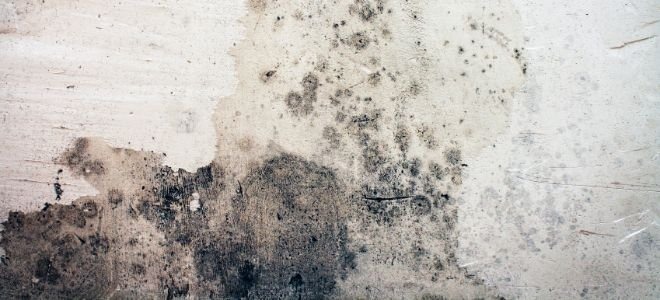
The household changed several things at once, so the post doesn’t show which one cleared the smoke smell. What it does show is physical: while working through the damaged materials, they found more mold and a weak subfloor.
Already used an ozone generator? What to do next
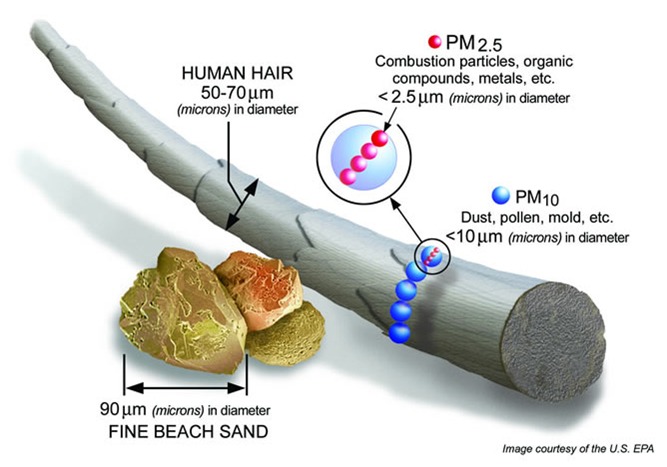
If an ozone generator has already run in your home, deal with your exposure first, then with the building.
-
Avoid ongoing exposure. If the device is still running, leave the space and have someone stop it, without entering an unsafe environment just to reach the controls. Once the device is off, check the moldy area itself, starting with the DIY stop-work signs.
-
Act on serious symptoms. Chest pain, severe breathing difficulty or other serious symptoms need prompt medical attention. In an emergency, get emergency medical help.
-
Don’t trust a fixed reentry time. No “safe after X hours” rule has support, because the concentration depends on ventilation, the equipment and what the ozone reacted with.
-
Deal with what remains. If materials look damaged or you suspect contamination after use, arrange a building assessment. For persistent symptoms or indoor-air concerns, get qualified advice.
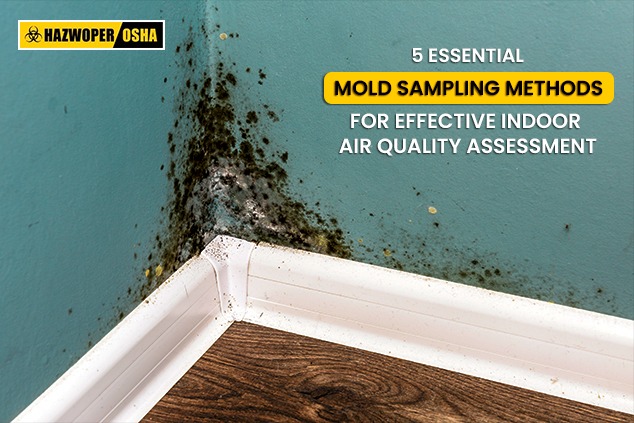
Product descriptions can make an ozone generator and an ordinary particle-filtering air purifier look like the same kind of device. Some electronic air cleaners give off ozone as a byproduct. Deliberate ozone generators are built to produce it. Check which technology your device uses before you judge an exposure concern.
How to evaluate a contractor who offers ozone for mold
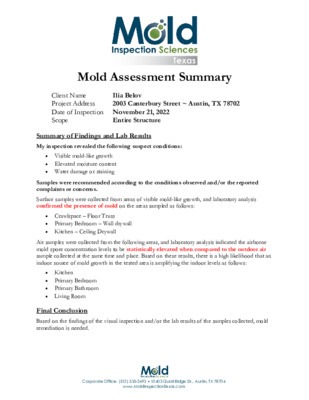
A remediation proposal should describe what is wrong with the building and the work that will fix it. Ask the contractor these five questions:
-
What is wet, and why? Ask for the known or suspected moisture sources and the evidence behind them.
-
Which materials are affected? Ask them to separate the mold you can see from what may sit behind or inside porous materials.
-
What will be cleaned, removed or replaced? Look for work named material by material, including replacement of damaged porous ones.
-
How will occupants and unaffected areas be protected? Expect containment and safe work practices that match the documented extent and conditions.
-
How will completion be documented? Ask what will be inspected or verified, including the corrected water source and the affected materials.
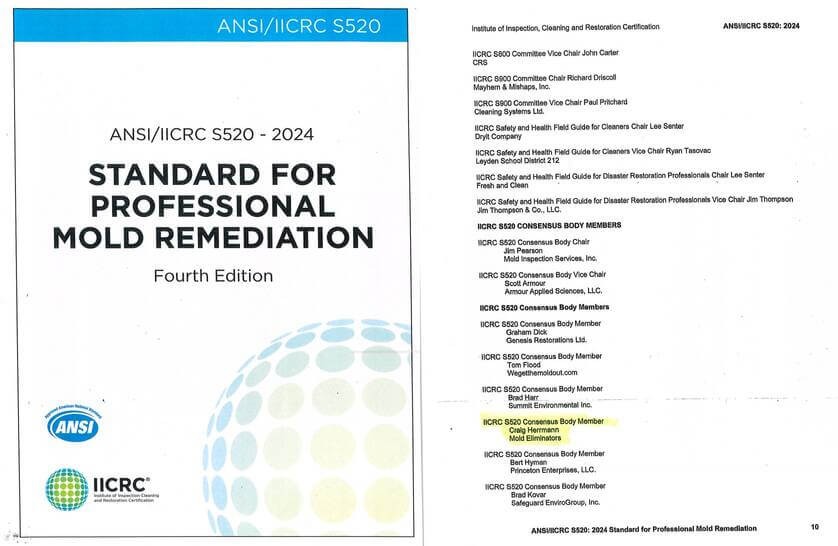
The public overview of ANSI/IICRC S520:2024 covers inspection, building materials, safety, documentation and post-remediation verification.
On pesticidal devices, an EPA establishment number only identifies the production facility. It does not certify mold-removal effectiveness or safety in a particular home.
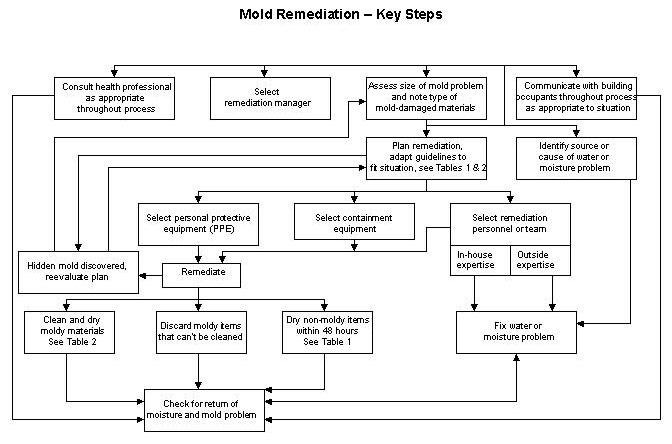
What if a contractor proposes ozone only after the mold has already been removed?
Ask the contractor what odor problem the ozone is meant to solve, and what benefits and risks to expect. The earlier mold work still has to be judged by the condition of the affected materials and the moisture source.
How can you tell whether mold remediation worked?
Check that the moisture source is fixed, the moldy materials were dealt with, and no visible mold or moldy odor remains. A later check should show no new wetness or growth. Complex projects may need documented post-remediation verification that matches the work performed.