
Does Heat Kill Mold? Temperature, Steam, and Mold Cleanup
Heat can kill some fungi in a lab, but it won’t reliably clear mold from your home. For a small patch on an accessible hard surface, fix the moisture source, scrub the growth off and dry the area fully. If the mold is hidden, extensive, in your HVAC system or linked to sewage, hire a qualified remediation professional.
Does heat kill mold, or only make it inactive?
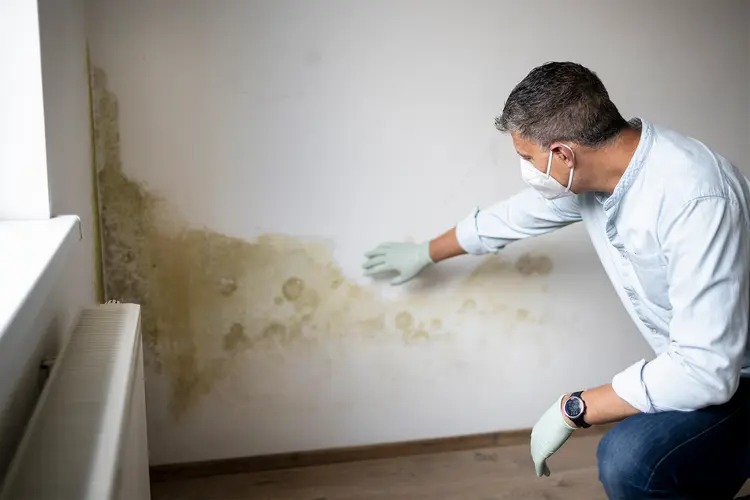
Heat can damage or kill living fungal cells when they get enough of it. That effect is real, but it doesn’t answer the question you face with a moldy bathroom wall, a damp basement or a contaminated cabinet.
A heated patch can look the same after some of its organisms die. Fungal particles and contaminated material stay where they were.
The Environmental Protection Agency (EPA) says in its guidance on killing mold that dead mold can still cause allergic reactions and has to be removed. It also says sterilizing a home is neither practical nor a desirable goal, because background mold spores are part of the indoor environment.
| Outcome | What happens | What it means for you |
|---|---|---|
| Thermal inactivation | Enough heat makes some fungal cells unable to grow | Heat worked under the tested conditions |
| Drying | Water leaves an item or building material | Less moisture, as long as the water source is under control |
| Sterilization | All living microorganisms are eliminated, a much stronger claim | Not a realistic goal for a whole home |
| Mold removal | The contamination is cleaned away or the affected material is removed | The contaminated material has been dealt with |
| Remediation | The moisture problem and the contamination are both fixed | A building-wide result you can check |
This is why a steamer can be hot enough to affect organisms on the surface it touches and still leave a wet cabinet, contaminated drywall or damaged flooring needing more work.
Air purifiers can collect some airborne particles. Mold attached to a wall or trapped in soaked carpet padding still has to be cleaned or removed.
What temperature kills mold? Why a single number is misleading
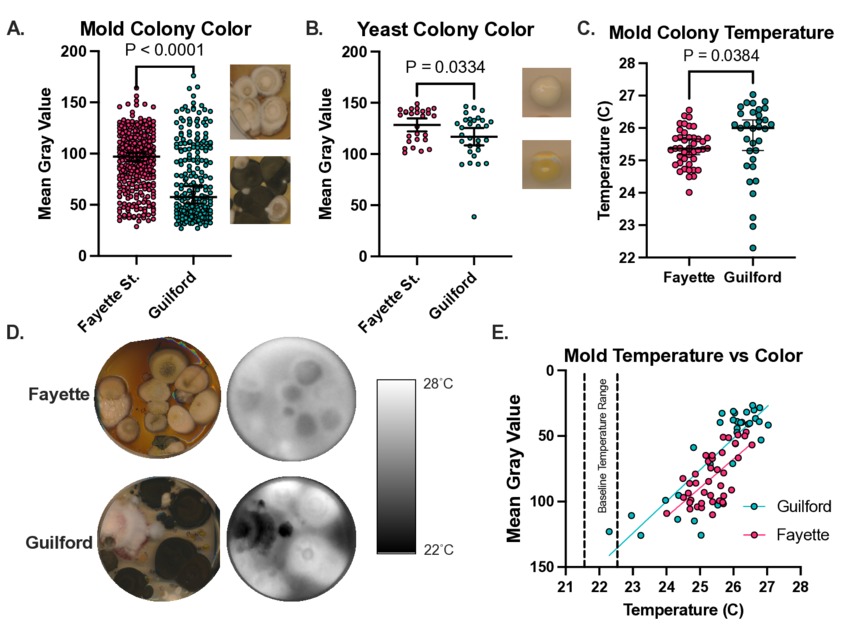
No validated, universal household temperature and time setting exists for treating mold, because fungi and building materials vary. What counts is the organism, how long it’s exposed, its condition, the material it grows on, and the temperature reached inside that material.
A thermostat reads the air in the room. Laboratory heat treatment measures exposure under controlled conditions. A painted wall, the insulation behind it and a damp hidden gap can all sit at very different temperatures while the room air is warm.
A 2010 study by Ramsfield and colleagues tested the temperature and time combinations needed to kill a range of fungi colonizing wood, plus a related plant-pathogenic organism.
One tested condition was a wood core temperature of 56°C (approximately 133°F) held for 30 minutes. Some organisms survived it. Tolerance differed widely among organisms and isolates, and Schizophyllum commune showed especially strong heat tolerance.
Some commercial mold-treatment explanations quote 140 to 160°F as a mold-killing range. The EPA has not established that range as a universal household mold-remediation schedule. A real efficacy claim names the organism, material temperature, exposure time and cleanup outcome.
When you evaluate a temperature claim, look for the organism tested, the material, the temperature at the affected spot, the exposure time and what the researchers measured afterward.
Will a thermostat, space heater, hair dryer, or heat gun work?
Household heaters can’t deliver controlled heat through a whole contaminated wall or floor. Using them as improvised mold treatment also adds risk.
| Heat source | What it can do | Main limit for mold removal |
|---|---|---|
| Room thermostat | Warms indoor air and affects evaporation | Doesn’t show moisture or temperature inside walls and cavities |
| Space heater | Heats part of a room | Doesn’t treat moldy material in a controlled way; creates electrical and fire risks near damp areas |
| Hair dryer | Warms or briefly dries an exposed area | Can’t treat a whole wall; airflow can stir up contaminated material |
| Heat gun | Delivers intense heat to one spot | Can damage finishes and building materials, start fires and leave contamination behind |
| Portable steam cleaner | Applies local heat with water vapor | Unclear how deep it penetrates, and it can wet vulnerable materials |
| Professional hot-air equipment | Helps dry materials in specialized restoration work | Needs a broader remediation plan and separate confirmation of results |
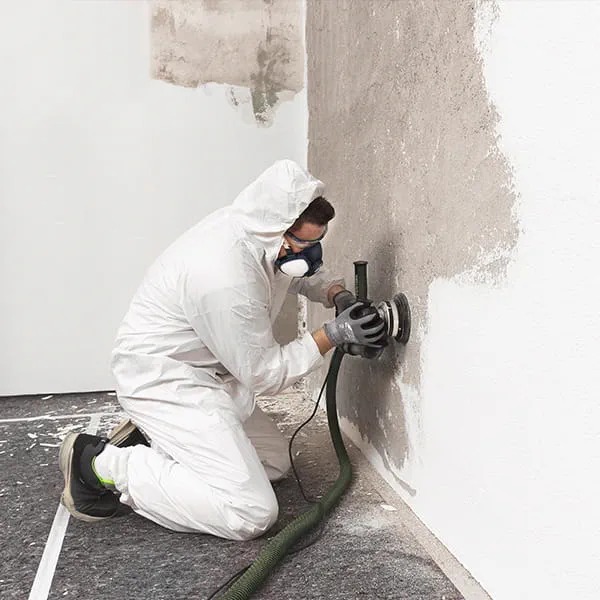
People underestimate the heat gun most. Painted finishes, nearby combustible materials and hidden construction parts can react badly to concentrated high heat. On older painted surfaces, heating or disturbing lead-containing coatings adds another hazard.
A hair dryer seems gentler. It makes the visible surface feel warm and temporarily drier, which gives a convincing impression of progress.
It is absolutely freezing cold in here despite having the heating on because of how cold these walls are. The mold is coming back quite quickly. Last year, my partners mum thought it may be something to do with the roof as there was a couple of tears in the roof stuff (is it like tarp or something) sorry I’m not very clued up on this kind of thing. So she got the roof sorted.
We thought with all the water on the ceiling it must be the attic, but the attic is dry, and they have that heating stuff in there the fluffy stuff. No other room in the house is like this just ours. I spent about two hours the other day with my hairdryer at the wall thinking if I could dry the wall then put the heating on it might do something but within about an hour it was soaked again. I don’t know what to do.
I’ve read to open windows and we didn’t have windows open because the room was already so cold. I’ve opened the window, put the heating on, got the dehumidifier on, but still it’s not working. Has anyone got any advise on what could be the issue, best thing to do etc? Thank you
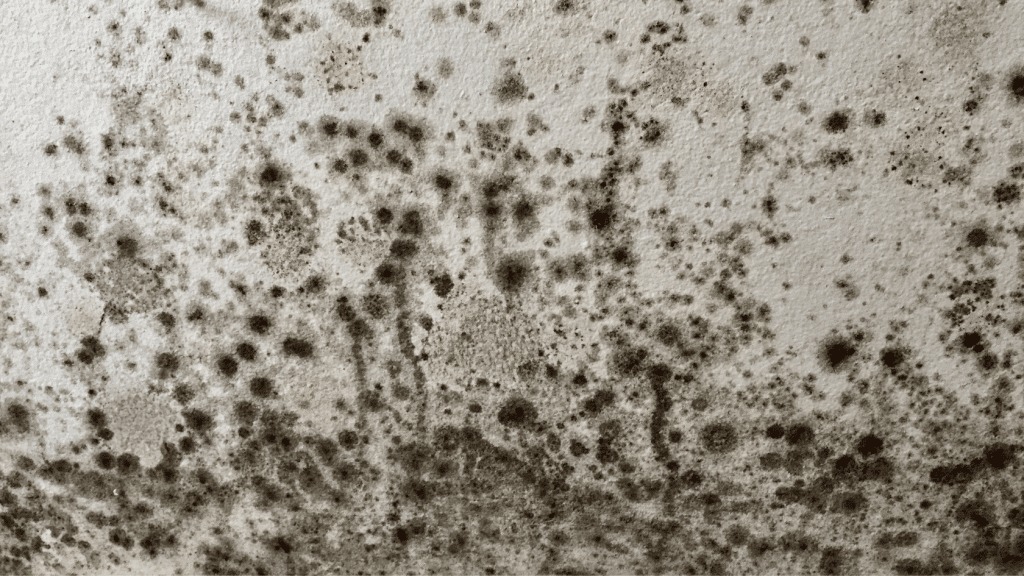
Water can enter through a leak, form from condensation, or stay inside materials long after the visible face has warmed. Evaporation at one spot can also move moisture into the surrounding air while water stays inside the wall.
If moisture comes back after brief surface heating, a persistent water source or reservoir is behind it.
Don’t aim forceful airflow across established mold growth. It moves contaminated particles around the room and cleans nothing.
Does steam kill mold, or can it make damp materials worse?
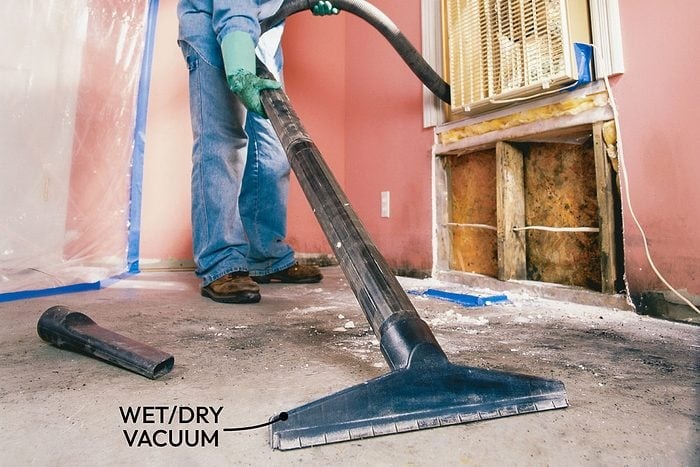
Steam heats the surface it reaches and adds water vapor and, with some equipment and materials, extra moisture. That helps with certain approved cleaning tasks and backfires on material that’s already damp or absorbent.
Controlled studies found that steam cleaning can reduce recoverable fungal spores on some household materials. A 2004 study of mold-contaminated contents found reductions without complete spore elimination, and a 2014 wetted-carpet experiment measured substantial reductions with its particular steam-vapor procedure. Those results apply to the tested organisms, materials and methods. Steam is one option among several, laid out in the safe DIY cleanup sequence.
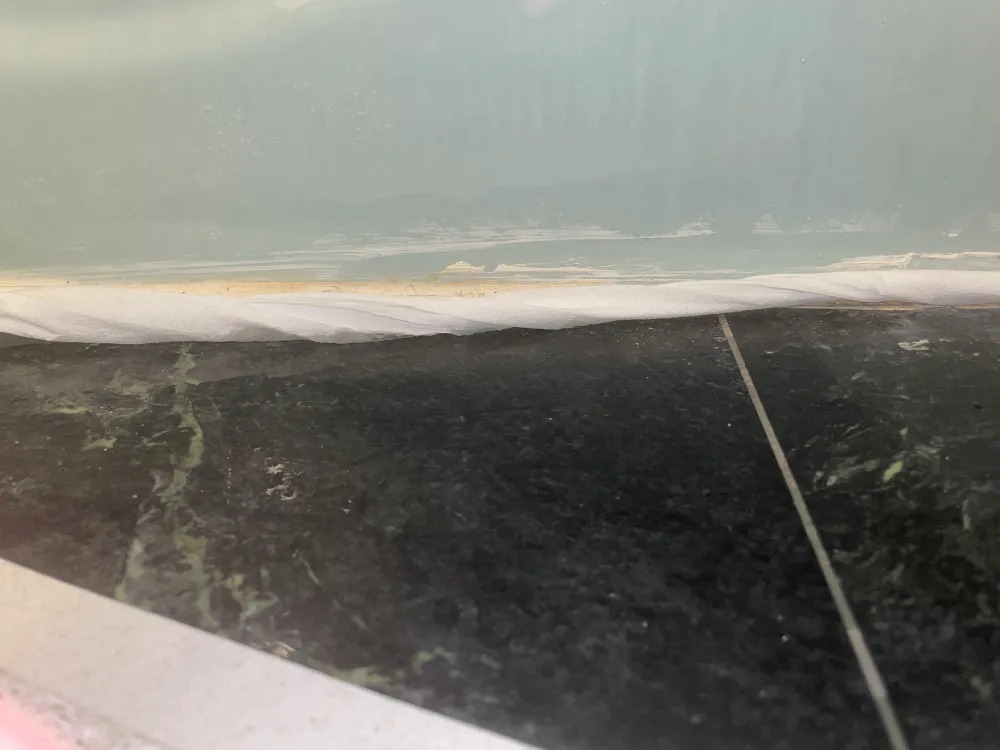
A portable steamer can touch exposed tile or another compatible hard surface. It can’t show that heat reached growth behind caulk, inside drywall, beneath carpet backing or within upholstery.
Water pushed into those materials has to escape, and if they stay damp, the conditions that supported growth persist.
I had to delete my first post. I’m new here and I’m in the us in Northern California. I had leaks. One is fixed. Main problem. 2 other leaks might be fixed, will know Tuesday when landlord comes. I bought a portable steam cleaner. I was hoping to steam the areas that are dry and not growing mold. Like a final clean. Is it true that steam will kill mold? I want to live here. Mold wasn’t larger than 10’. In any room. All wet carpet is out. New carpet is in. I think too soon but I want to live here.
I just moved back in on Friday. I noticed mold fuzzy green mold on the outside of the upper cabinet in a small area. I wiped it and washed it. I bought a test kit that I’m returning. I have a small portable steam cleaner not for clothes. Im hoping to steam clean the areas where mold was to be sure it’s dead. Is this possible?
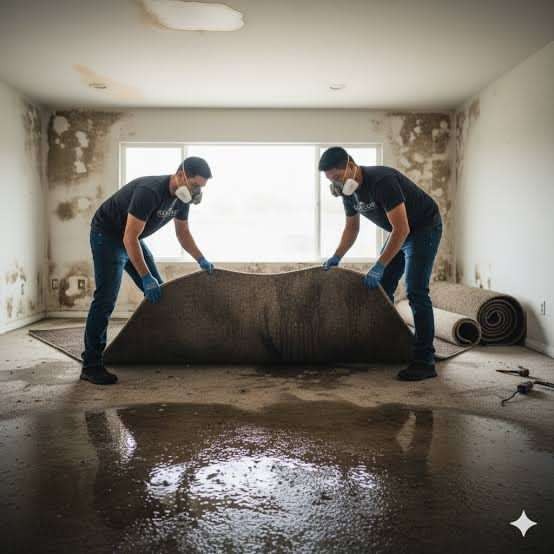
Ordinary carpet steam cleaning raises the same moisture issue. Carpet can feel fine on top while the padding or covered areas stay wet, and furniture set on wet carpet slows drying. Watch the material’s condition whether or not mold is visible.
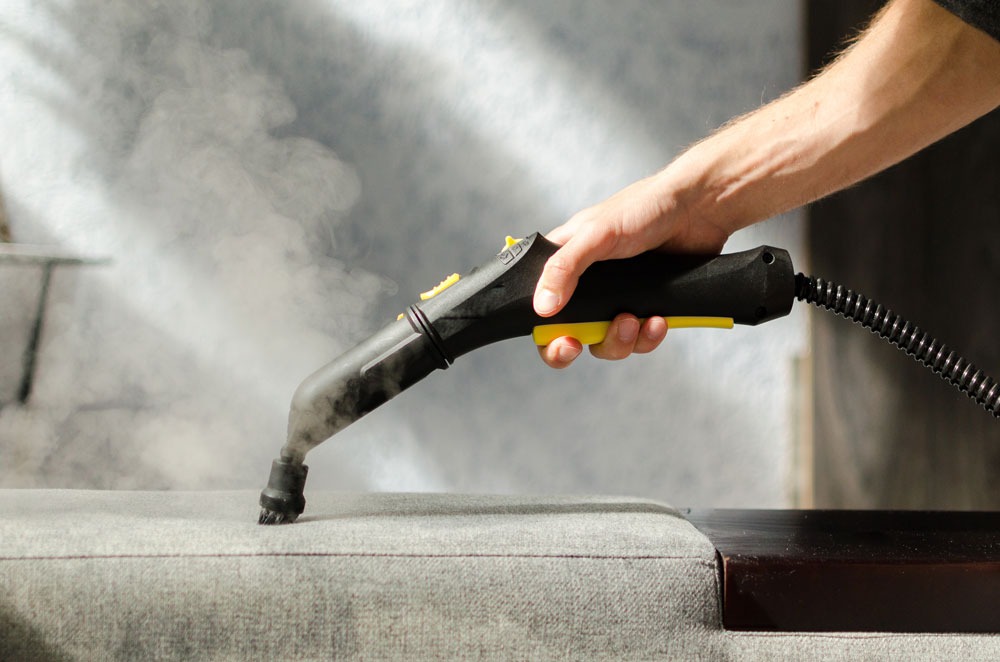
Before steam cleaning anything, check that the material is compatible and that moisture can escape completely without reaching layers you can’t get to. Manufacturer-approved steam on a suitable hard surface has a limited cleaning role. Damaged walls and carpet assemblies need material-specific remediation.
Why a warm room can still grow mold
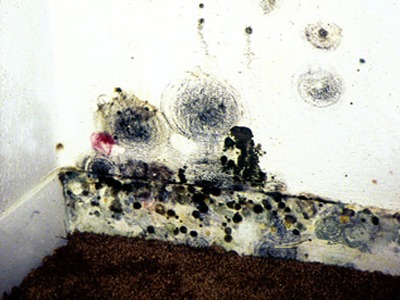
A warm room still supports mold when there’s moisture in the air, on furnishings or inside building materials. Heating changes temperature, relative humidity and evaporation, but water from a leak or condensation can stay available on cooler surfaces. Check the indoor relative humidity alongside the thermostat temperature.
Does the material change whether heat helps?
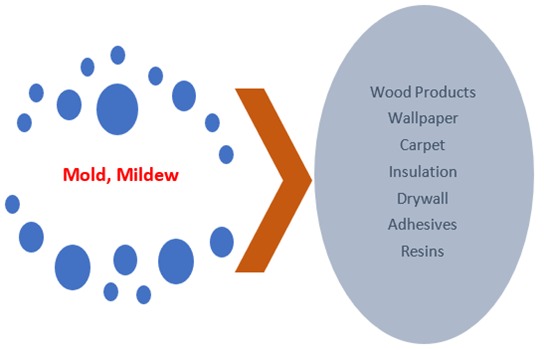
Material matters as much as the heating method. A smooth, accessible hard surface and a saturated piece of wallboard are different cleanup problems, even when both carry a similar-looking patch of mold.
Mold can sit in pores, backing layers, joints and hidden gaps. Those spaces limit access to the contamination and decide whether the material can reasonably be cleaned.
| Material or condition | Will heat alone work? | What to know |
|---|---|---|
| Accessible tile or another hard, cleanable surface | No dependable removal benefit | Physical cleaning reaches exposed growth |
| Moldy carpet, padding or ceiling tile | No, not as a complete treatment | Porous contamination may mean throwing the material out |
| Wet drywall or hidden wall cavity | No | The visible face can hide deeper damage |
| Mold on wood | No universal heat cure | Access, penetration, deterioration and ongoing moisture all affect the result |
| Delicate movable textile | Gentle warmth can help drying | Removing residue and preserving the object are separate conservation tasks |
The EPA names some porous materials, including carpet and ceiling tiles, as difficult or impossible to clean thoroughly after mold damage, so they may have to be thrown out.
Drywall is another case where access changes the decision. A painted face can look fairly clean while the damaged backing, insulation or adjoining material stays affected.
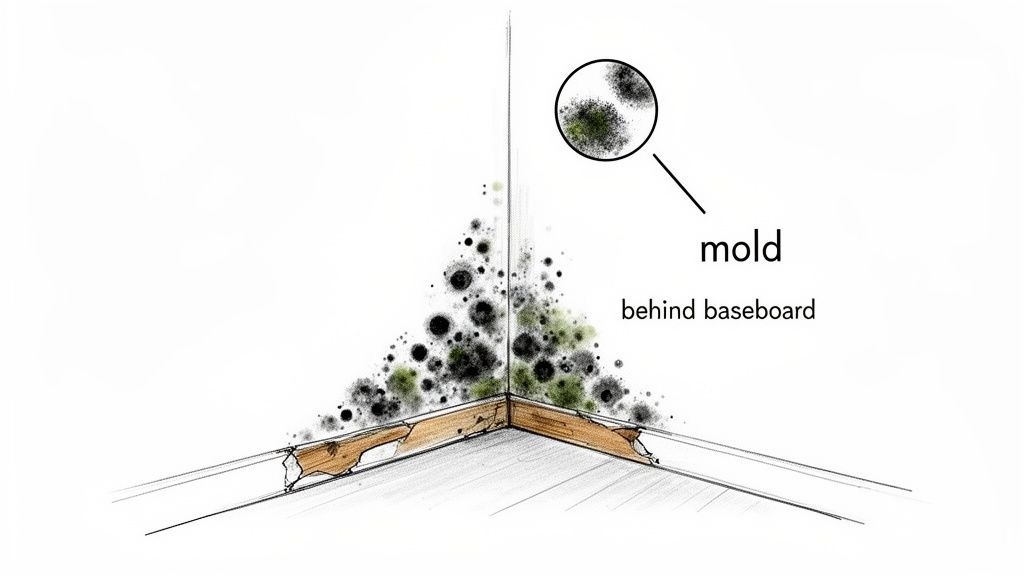
Wood needs its own assessment, since surface contamination, deeply affected wood and structural deterioration call for different salvage decisions.
The Smithsonian Museum Conservation Institute describes cases where a hair dryer on a low setting helps dry an individual textile during conservation work. It warns against using an oven or microwave and treats removing fungal residue as a separate task. That guidance covers individual movable textiles under controlled handling, not walls or hidden building assemblies.
What about professional thermal mold treatment?
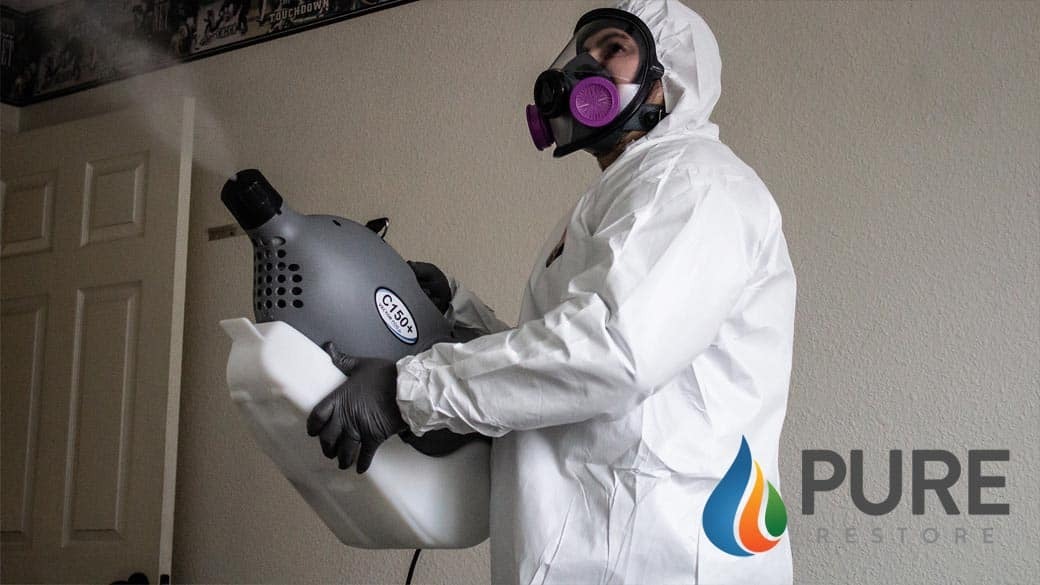
Restoration companies can use specialized heated-air systems to help dry materials. They have a legitimate role when trained operators control temperature, ventilation and material conditions as part of a larger restoration project.
A technical discussion from the Cleaning and Restoration Association describes specialist hot-air drying systems in which the heated indoor environment can reach approximately 120 to 160°F. It also covers exhausting moisture-laden air, condensation on cooler surfaces, fire prevention and damage to heat-sensitive materials.
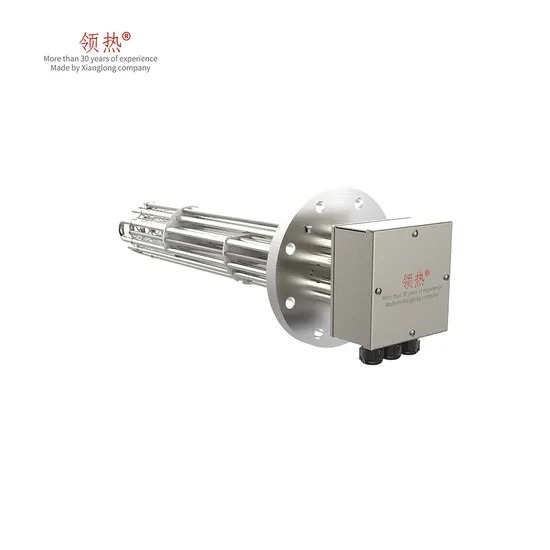
If a restoration company proposes thermal treatment, the scope should say what the heat is meant to accomplish. Drying wet materials, changing environmental conditions and remediating established mold are different jobs.
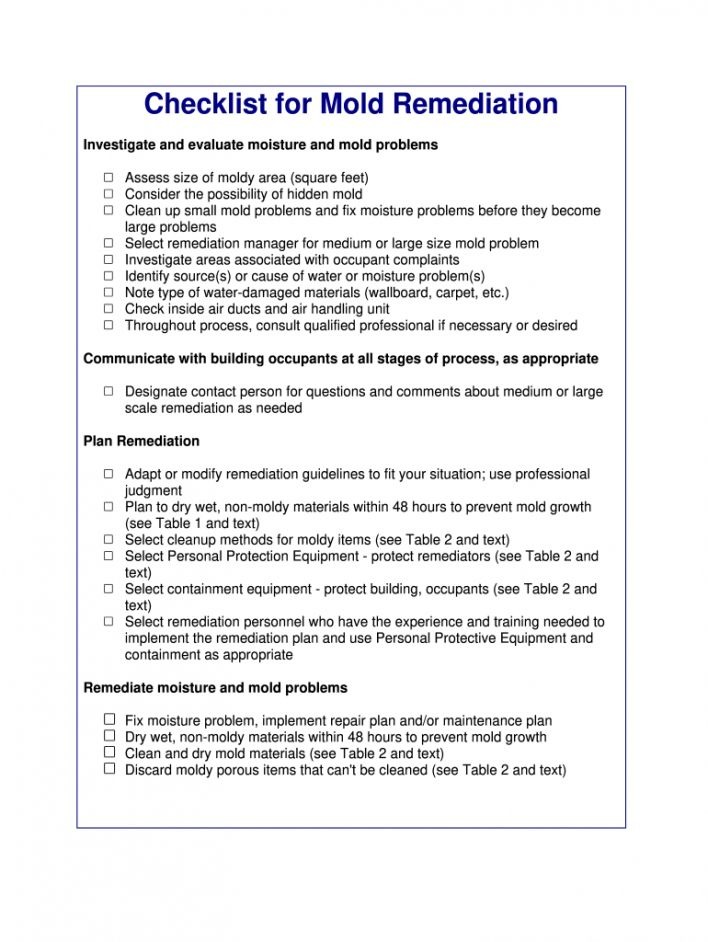
In 2024, IICRC published the fourth edition of ANSI/IICRC S520, the Standard for Professional Mold Remediation. Its public overview describes professional mold-remediation practices and gives no basis for treating one universal temperature as proof that a building has been remediated.
Before agreeing to thermal treatment, ask for written answers to these five questions:
- Moisture source: Where is water entering or collecting, and who is responsible for fixing it?
- Affected materials: Which components will be cleaned, removed or replaced, and which will stay?
- Purpose of heating: Is the equipment for drying, for a claimed microbial treatment, or both?
- Process controls: How will material conditions, ventilation and safety risks be monitored?
- Completion criteria: What observable results and documentation will show the agreed work is done?
Be wary of promises that a heated building has been completely sterilized or that no material will ever need removal.
What should you do instead of trying to heat mold away?
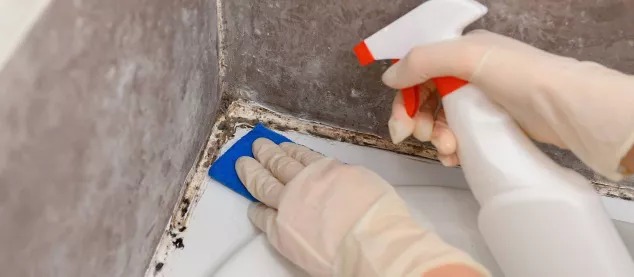
For a small patch on an accessible, cleanable hard surface, the EPA recommends scrubbing with detergent and water, drying completely, and fixing the water problem.
The EPA’s household mold-cleanup guidance says a homeowner can generally handle an area smaller than about 10 square feet, roughly a 3-by-3-foot patch.
Substantial water damage, extensive or hidden contamination, contaminated water, suspected mold in HVAC equipment, and occupants with exposure or health concerns can change who should do the work. If mold is known or suspected inside an HVAC system, the EPA advises against running that system until it has been assessed and fixed.
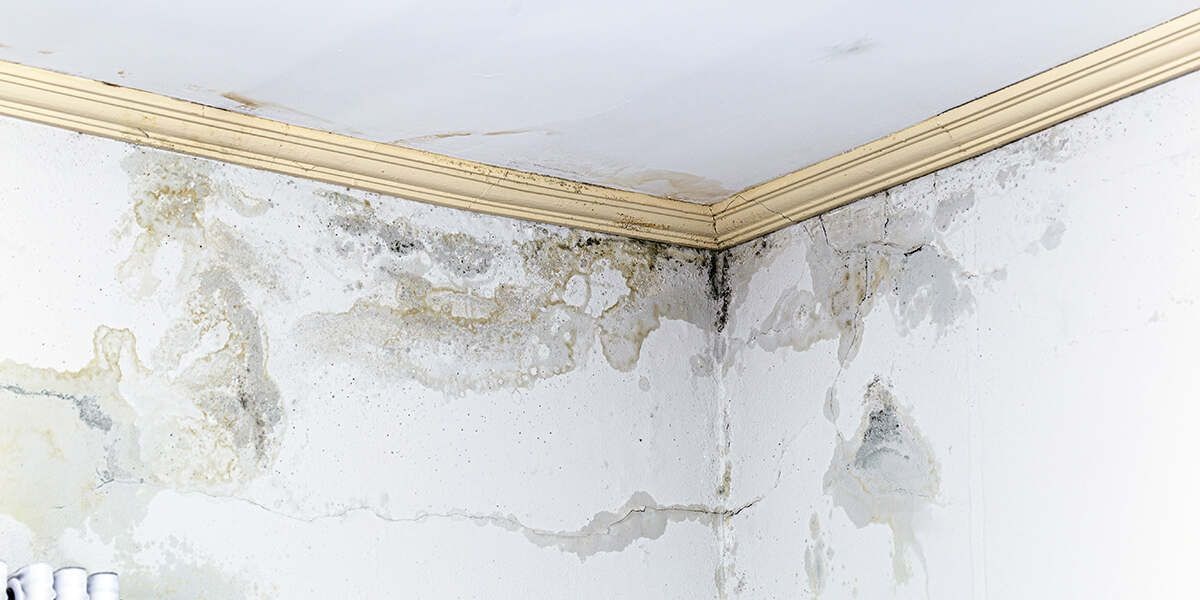
For small cleanup jobs, wear a properly fitting NIOSH-approved N95 respirator, protective gloves and goggles. People with mold allergies, asthma, COPD, another lung disease or immune suppression shouldn’t take part in cleanup.
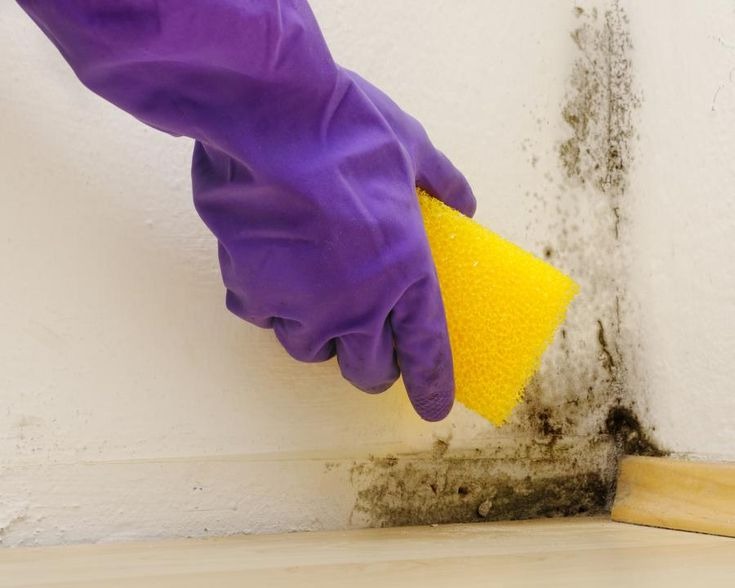
Follow these steps:
- Assess the area. Decide whether the growth is small and accessible or shows signs of hidden damage, extensive contamination, contaminated water or HVAC involvement.
- Find and fix the water problem. Repair an active leak or deal with whatever keeps the surface wet.
- Remove the contamination. On a hard surface, scrub the area with detergent and water. Materials that can’t be cleaned thoroughly may need removal or professional handling.
- Dry the material completely. Dry newly water-damaged areas and items promptly. EPA guidance describes a 24 to 48-hour window for drying recently wetted materials to reduce the chance of growth. Established mold needs its own cleanup decision.
Don’t paint or caulk over active growth. A new coating hides remaining contamination without fixing the underlying material problem.
When the situation falls outside a small-area cleanup, have a qualified remediation professional assess it. If a health condition affects whether you can safely take part or be exposed, get medical guidance as well.
How can you verify that mold cleanup is complete?
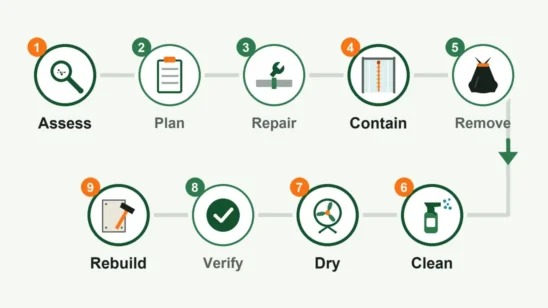
A temperature reading, a dry-looking stain or the lack of an immediate smell doesn’t confirm the job is done. Check these instead:
- Water source: The leak, condensation problem or other source of persistent moisture is fixed.
- Contamination: Visible growth is cleaned from accessible material, or the material is removed when cleaning won’t work. No visible growth remains in the area the cleanup covered.
- Dryness and condition: The treated material is dry and sound, with hidden damage checked where needed.
- Recurrence: If dampness, visible growth or a persistent musty odor returns, investigate it, and bring in a professional for unresolved or hidden problems.
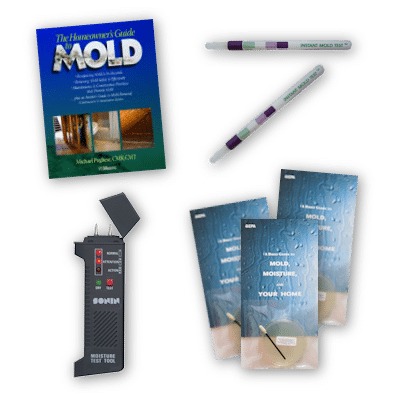
Testing can be useful in selected professional investigations, but the CDC’s National Institute for Occupational Safety and Health says there are no health-based indoor-air mold standards and discourages relying on routine short-term air samples alone to judge building quality.
A favorable air result can’t show that every hidden cavity is dry or that all exposure concerns are gone.