Mold Removal by Material: What Can You Clean, and What Must You Replace?
Clean mold from a sound, accessible hard surface once you have stopped the moisture source. Replace mold-damaged absorbent materials you cannot clean and dry thoroughly. Sound wood and irreplaceable belongings can justify specialist restoration. If sewage, floodwater, or hidden moisture has reached the backing, wall cavity, or structural layer, investigate that damage before you cover the surface.
Mold by Material: What You Can Clean and What Usually Needs Replacing
Compare mold on glass with mold on paper-faced drywall. Glass is hard and nonporous. Drywall has a paper covering, a gypsum core, and often insulation or wood framing behind it. Those differences decide what cleaning can do.
Absorbent materials hold moisture and mold growth below the surface. Some can be dried or restored. Others lose strength, hide contamination, or are impractical to clean.
The defaults in the table follow EPA guidance for growth after clean-water damage. Sewage, floodwater, extensive hidden growth, and serious structural damage need a different assessment.
| Material | Initial decision | Why | What changes the decision |
|---|---|---|---|
| Glass, metal, hard plastic | Clean and retain | Accessible nonporous surfaces can be cleaned and dried | Contaminated seams, attached absorbent parts, electrical equipment |
| Ceramic tile, sound vinyl or linoleum | Assess by condition | A washable surface can cover absorbent backing or subfloor | Water under the finish, failed grout, damaged adhesive, wet underlayment |
| Concrete, cinder block, masonry | Clean and retain if sound | Sound semi-porous masonry can be cleaned | Persistent seepage, deterioration, hidden wall finishes |
| Solid wood and framing lumber | Assess by condition | Sound, accessible wood can be salvaged | Rot, softness, structural doubt, inaccessible growth |
| OSB, plywood, particleboard | Assess by condition | Layered or bonded panels swell and deteriorate after wetting | Soft edges, delamination, persistent dampness, structural role |
| Paper-faced drywall | Assess by condition; replace damaged or internally affected board | Growth can reach the paper facing, backside, or wall cavity | Limited surface growth versus wet, softened, or internally affected board |
| Insulation and acoustic ceiling tiles | Replace if mold-damaged | Absorbent material is hard to clean and dry thoroughly | Material type, extent of damage, professional assessment |
| Carpet and padding | Assess by layer | Carpet face, backing, pad, and subfloor behave differently | Prompt clean-water drying before growth versus moldy or flood-exposed layers |
| Clothing and washable fabric | Assess by condition | Some textiles can be cleaned following their care requirements | Extent of contamination, fabric damage, whether it dries completely |
| Upholstery and mattresses | Assess by condition | Padding and foam are hard to inspect and clean throughout | Exposure history, internal condition, specialist assessment |
| Books, antiques, heirlooms | Consider specialist restoration when valuable | Some objects justify conservation methods unavailable in routine cleanup | Preservation value, condition, likelihood of successful restoration |

The EPA’s mold cleanup guidance covers the basic hard-surface cleaning principle and explains why some absorbent materials have to be discarded.
Stop Before DIY: Water Source, Area, Occupants, and Demolition Hazards
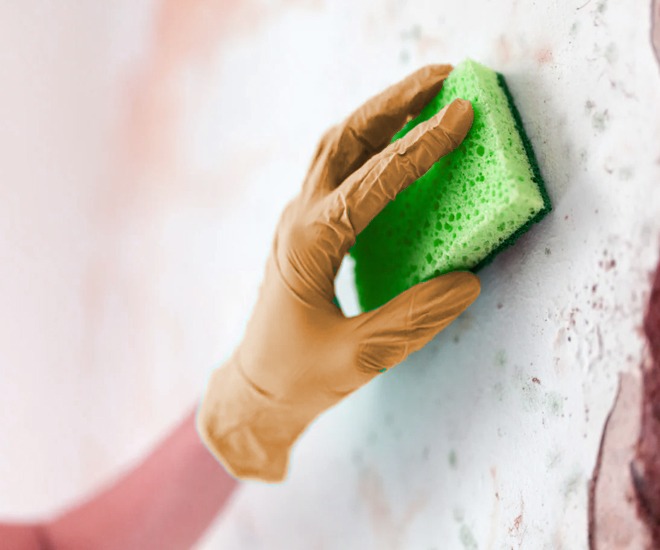
Some mold jobs go beyond ordinary homeowner cleaning even when the surface looks manageable. Water contamination, the size of the growth, who is exposed, and the work needed to reach the material all decide whether DIY is appropriate.
The EPA uses about 10 square feet, roughly a 3-by-3-foot patch, as a screening guide for smaller homeowner jobs. It has exceptions. A small visible patch can connect to a much larger hidden problem.
Check these before you disturb any material:
- Contaminated or unknown water: Sewage and disaster floodwater add hazards beyond ordinary clean-water mold cleanup. CDC disaster guidance calls for more conservative handling of many absorbent materials.
- Extensive or concealed growth: Widespread damage, mold suspected inside HVAC equipment, and contamination hidden in walls or floors can require specialist assessment and containment.
- Vulnerable occupants: CDC advises that people with allergies, immune suppression, or underlying lung disease, including asthma and COPD, should not take part in mold cleanup.
- Protective equipment: CDC lists a NIOSH-approved N95 respirator, protective gloves, and eye protection for cleanup. Prolonged removal or demolition needs stronger protection and professional controls.
- Other building hazards: Electrical equipment, weakened construction, and disturbed older finishes add separate risks. Renovation can involve lead-based paint or asbestos-containing materials, particularly in older buildings.
If any of these apply, stop intrusive DIY work and arrange qualified assessment or remediation. For ordinary small cleanup, the EPA’s homeowner guide and CDC mold cleanup guidance cover the safety basics.
Tile, Carpet, and Walls: How Hidden Layers Change the Decision
A clean-looking finish can sit on wet material. Check the floor, cabinet, or painted wall behind it even after you have cleaned the visible surface. Mold on painted walls and baseboards describes what to check behind the paint.
Three common cases:
| Visible surface | Layers behind or below | Hidden problem that matters |
|---|---|---|
| Ceramic tile, vinyl or linoleum | Grout or seams, adhesive, backer, plywood or OSB | Water reaches a subfloor while the finish stays washable |
| Carpet or area rug | Backing, carpet pad, subfloor | Padding holds moisture under a carpet that seems dry on top |
| Painted wall | Paint, drywall paper, gypsum core, framing and insulation | Moisture reaches the back paper or cavity behind the painted face |
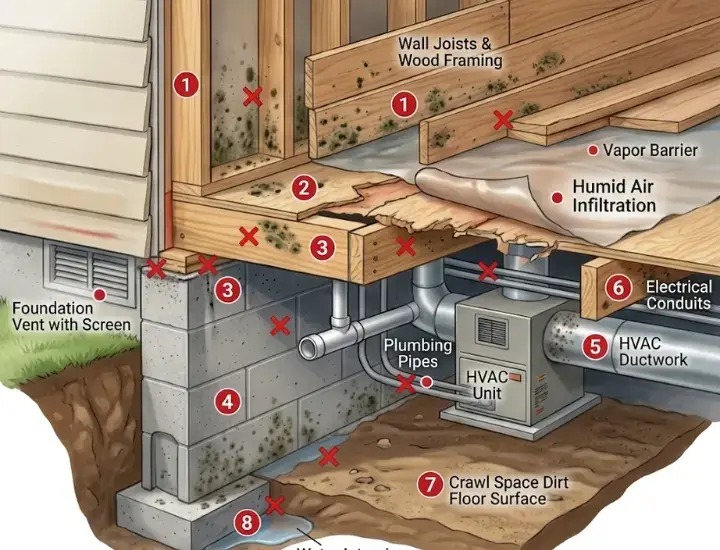
Water travels through seams, along framing, and beneath floor finishes. A past plumbing leak, staining near baseboards, persistent mustiness, or dampness that returns after cleaning all point to a water path worth tracing.
Identify every layer and the route the water took. If you cannot inspect a layer safely, have a qualified professional establish the scope instead of cutting into a possibly contaminated cavity yourself.
Glass, Metal, Plastic, Tile, and Concrete: Surfaces Often Worth Cleaning
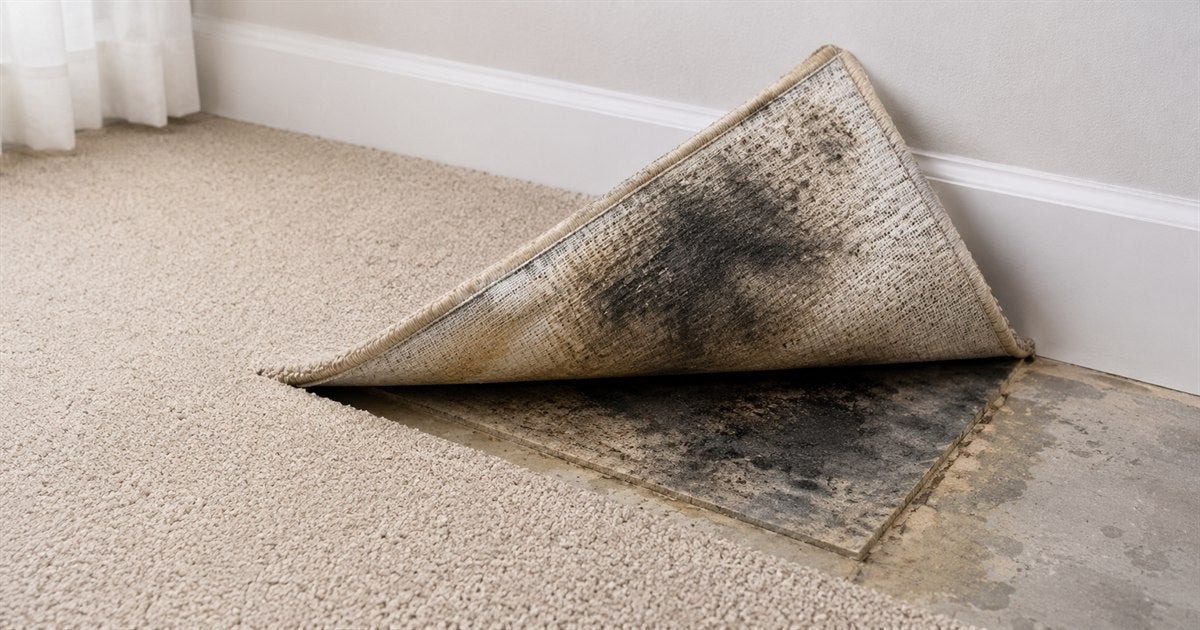
Glass, metal, and hard plastic are the easiest surfaces to clean. If you can reach the growth and the material underneath is sound, scrub with a material-compatible detergent and water, then dry it thoroughly.
The same approach works for sound tile and some hard floor finishes, but check their joints and attachments separately. Grout absorbs moisture, caulk fails, and water can reach the backing behind a shower wall or the subfloor under kitchen vinyl.
Concrete and cinder block are semi-porous. OSHA’s disaster-cleanup guidance recognizes that sound masonry can be cleaned, but a basement wall with recurring seepage needs its water-entry problem fixed. The concrete can survive while an adjacent wooden sill, finished wall, or insulation does not.
A sound glass shower door with a small surface patch is a good cleaning candidate once you fix the condensation or ventilation problem. A basement wall wet from groundwater needs a bigger repair decision.
For cleaning details beyond this comparison, see the guides to mold on concrete and mold in grout and caulk.
Solid Wood, Framing, OSB, and Particleboard: Soundness Changes the Answer
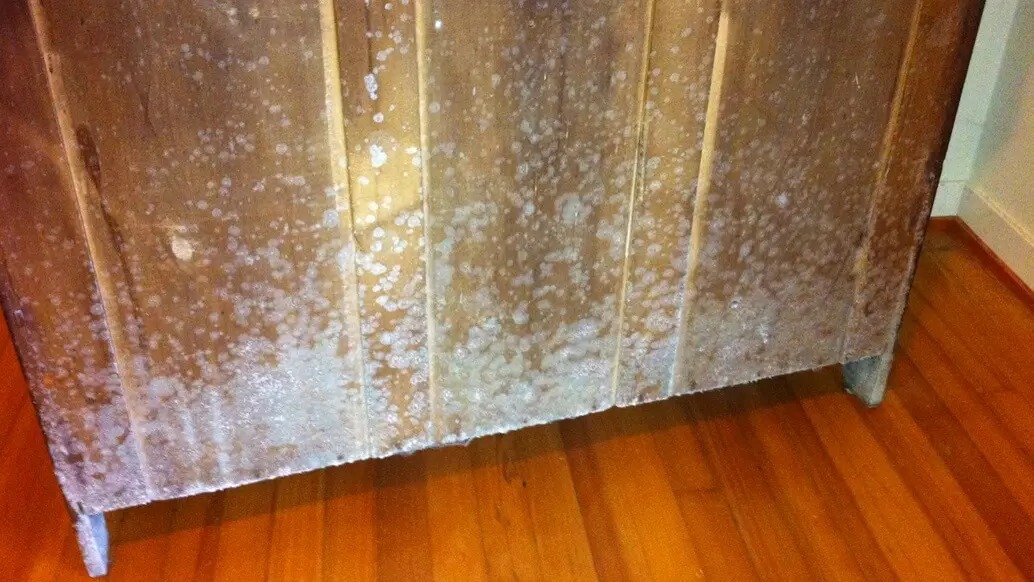
Solid lumber, framing, OSB and particleboard differ in construction and in how much structure depends on them. Where wood is soft or structural, the main guide’s material decisions help you decide whether a professional should handle it.
Solid lumber and framing members can be cleaned and kept when they are sound and you can reach the affected surfaces.
OSB, or oriented strand board, is made from bonded wood strands. Particleboard uses compressed wood particles, and plywood is bonded layers of veneer. Water damages the edges, bonds, and integrity of each one differently.
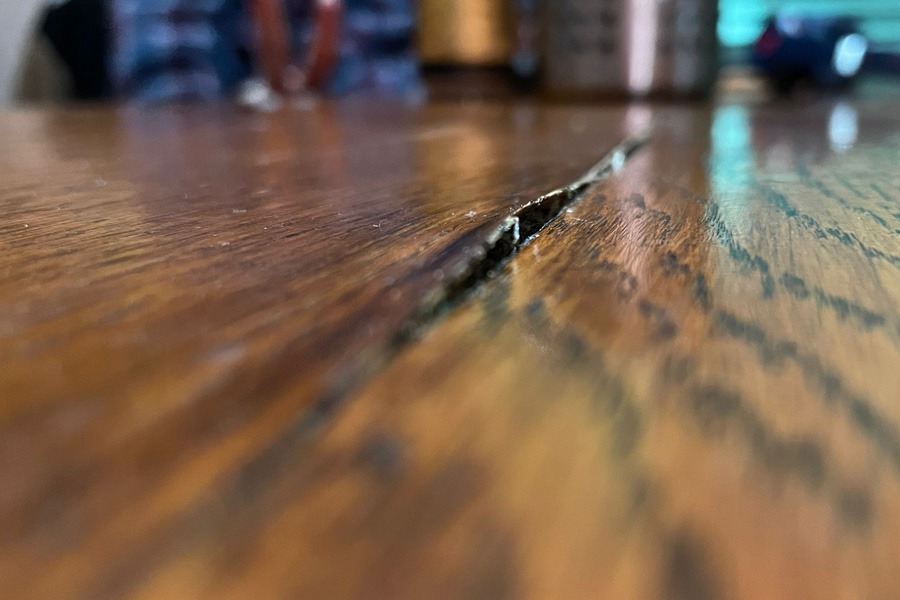
Check accessible edges and surfaces for:
- Softness or crumbling: A panel that has lost cohesion or strength cannot be restored with a cleaning product.
- Swelling or delamination: Raised edges, separated layers, and distorted panels mean damage that needs evaluation.
- Warping or loosened connections: Movement or loose fastening matters most where a floor or wall carries loads.
- Continuing dampness: A firm board can still be wet in a hidden area or have damaged material beneath it.
A bathroom subfloor can still hold your weight while water damage continues along the shower wall or under an edge.
Have someone qualified evaluate any structural doubt in the affected wall or floor. For surface treatment and wood remediation options, see the wood mold removal guide.
Drywall, Insulation, and Ceiling Tiles: When Replacement Is More Realistic
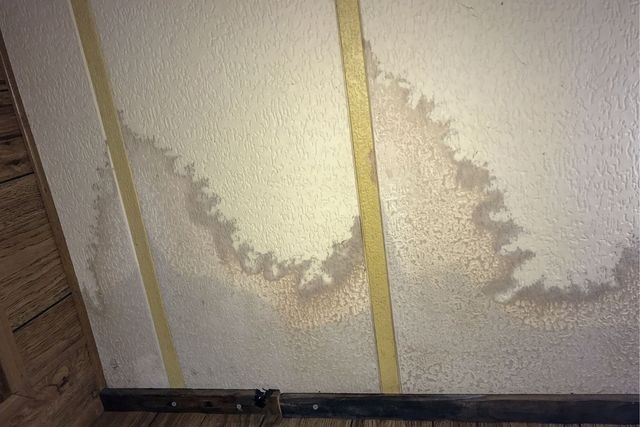
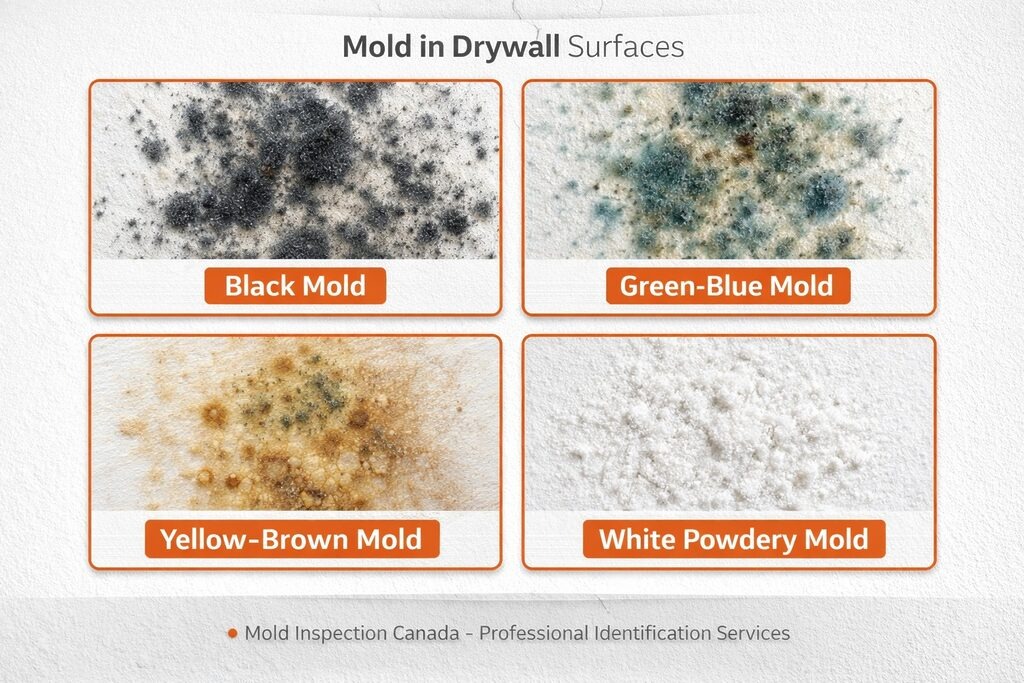
Drywall has a paper facing over a gypsum core, so mold can grow on its backside and in the wall cavity while the paint still looks fine.
Replace drywall that is soft, swollen, or moldy inside. Replace contaminated insulation and most mold-damaged acoustic ceiling tiles.
Limited surface growth on sound wallboard depends on its condition. Under the EPA’s clean-water guidance, undamaged wallboard can be dried in place before growth is apparent, as long as it has not swollen and its seams are intact. Drying within 24 to 48 hours helps prevent mold. Once growth shows, the actual condition of the board decides.
If you suspect hidden damage, get a qualified assessment. For drywall that has swollen or stays damp, decide whether to clean it or replace it.
Carpet, Padding, and Floor Finishes: Look Below the Top Layer
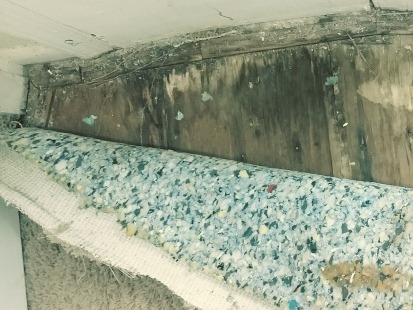
Carpet, padding, and subfloor each need their own decision. A carpet face can look better while its backing or pad stays wet. Under those layers may be plywood, OSB, or another material with its own condition to check.
NC State Extension’s household mold cleanup guidance advises discarding moldy carpet padding. Carpet exposed to clean water and dried promptly before mold develops is a different case. If sewage or floodwater has soaked the carpet and padding, CDC disaster guidance favors disposing of the affected absorbent items.
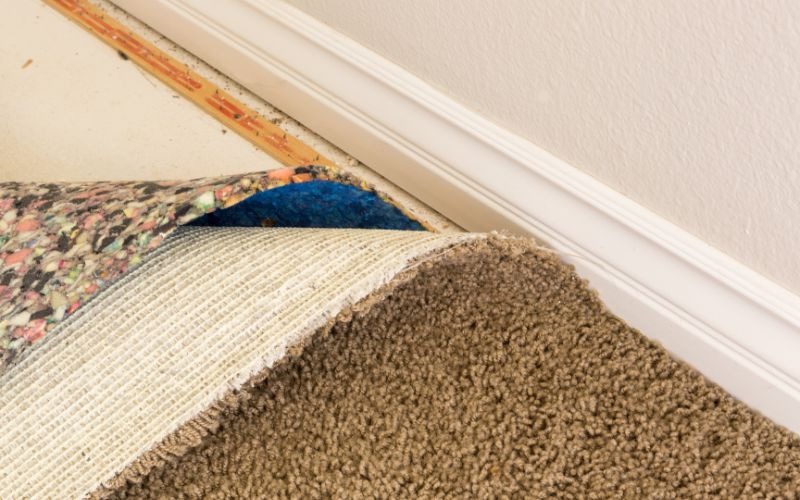
For the narrower choice between cleaning and replacing carpet fibers and padding, use the carpet mold guide.
Clothing, Upholstery, Books, and Heirlooms: When Restoration Is Worth Asking About
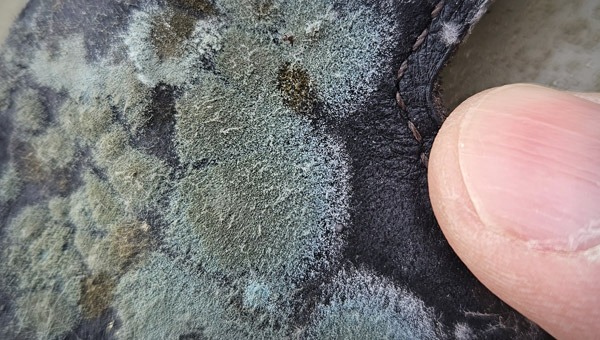
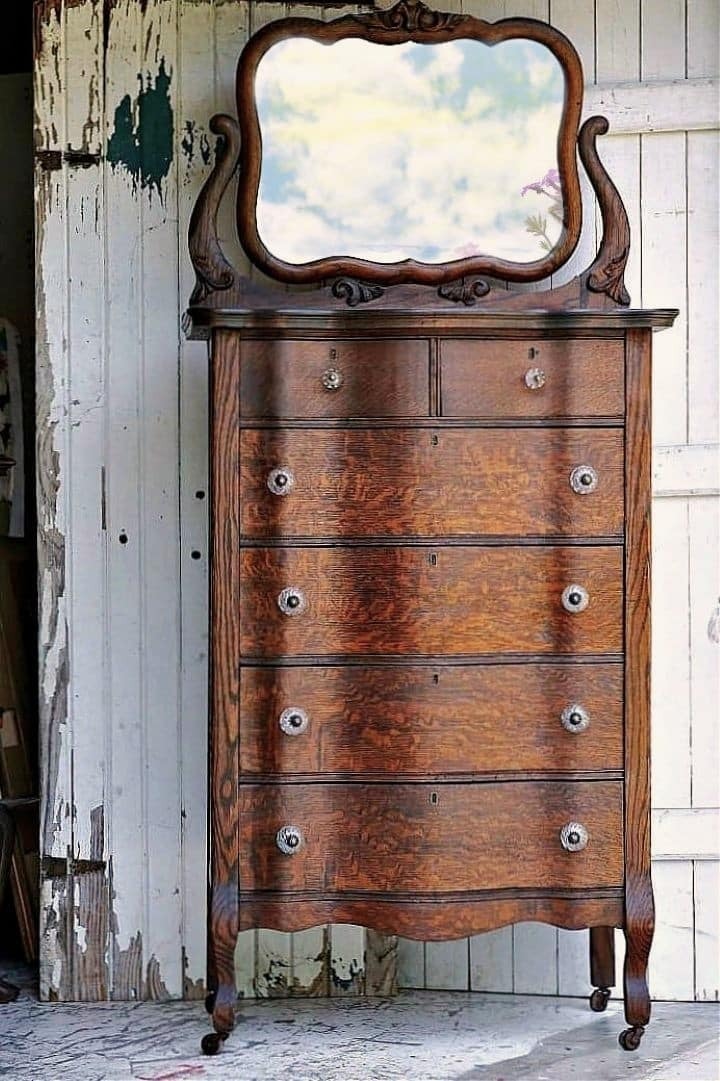
Belongings add something building materials rarely have: sentimental value. A replaceable cushion and an inherited wooden bureau can both be moldy, yet they justify very different restoration decisions.
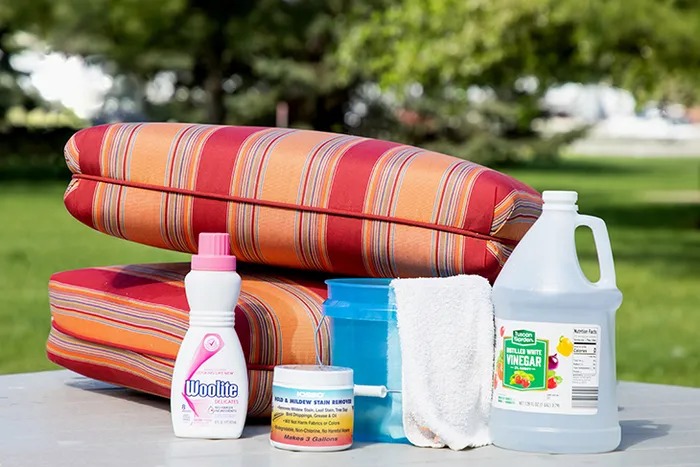
Washable fabrics can be cleaned according to their care labels and exposure conditions. Upholstered furniture, mattresses, and foam-filled items are harder to judge because contamination can reach material you cannot inspect or dry.
Books, papers, photographs, and valuable furnishings may need specialist conservation. Have an item worth keeping checked for construction, finish, and condition before any cleaning treatment or disposal you cannot undo.
For ordinary washable clothing, the fabric mold guide gives the cleaning route for stains and drying.
What Sprays, Paint, Caulk, and New Flooring Leave Unresolved
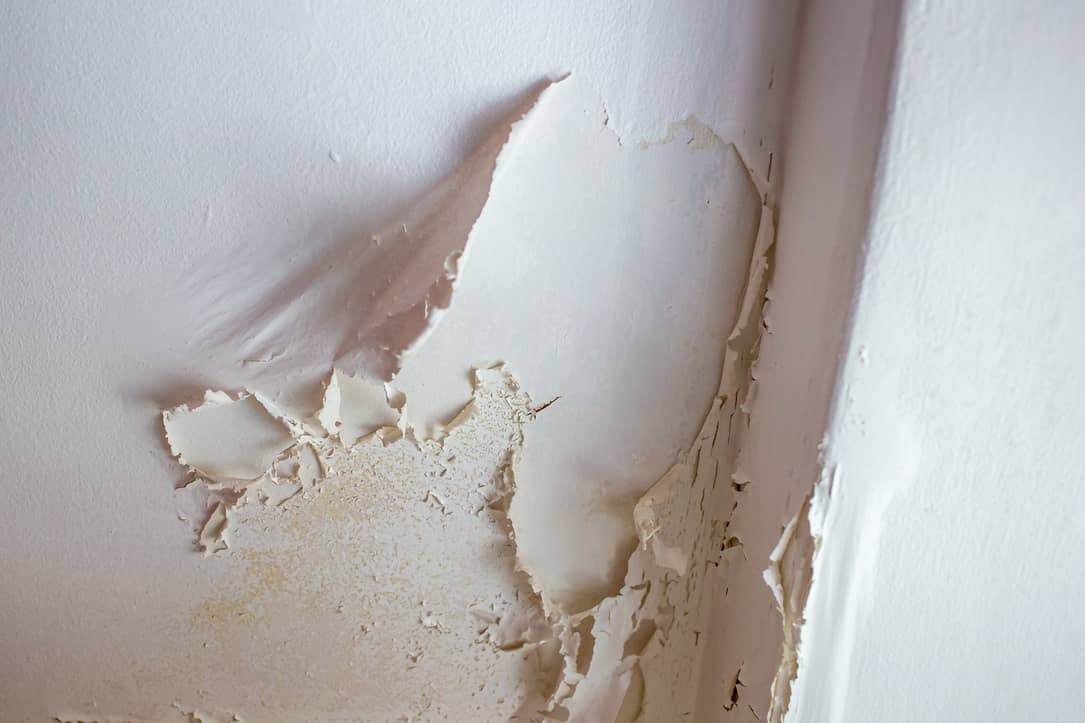
A cleaning product can affect exposed growth. It does not fix the water source, remove damaged material, or restore a weakened surface.
EPA guidance stresses physical cleanup and advises against painting or caulking moldy surfaces. Paint can peel when applied over mold, and coatings belong only after cleaning and drying are done.
The EPA generally discourages routine bleach or biocide use for mold cleanup because killing mold does not physically remove it. CDC gives conditional bleach guidance for certain cleanup circumstances. Never mix bleach with ammonia or other cleaners.
Been running into this stressful situation these past few weeks where despite repeated caulking our drywall behind kitchen sink is flooding. Noticing what appears to be mold or mildew and suspect may be even worse behind the cabinet underneath the sink. Springtails are present so good indication of mold.
At this point should we just spray mold control + seal + backsplash and hope the mold/springtails go dormant/away or pull out all the counters and cabinets + rip out drywall + replace + reinstall?
Budget is limited so first option is preferable but don’t want to risk it if absolutely necessary.
In later replies, the poster blamed sink splashes for the moisture. Nobody verified the condition of the wall behind the cabinet.
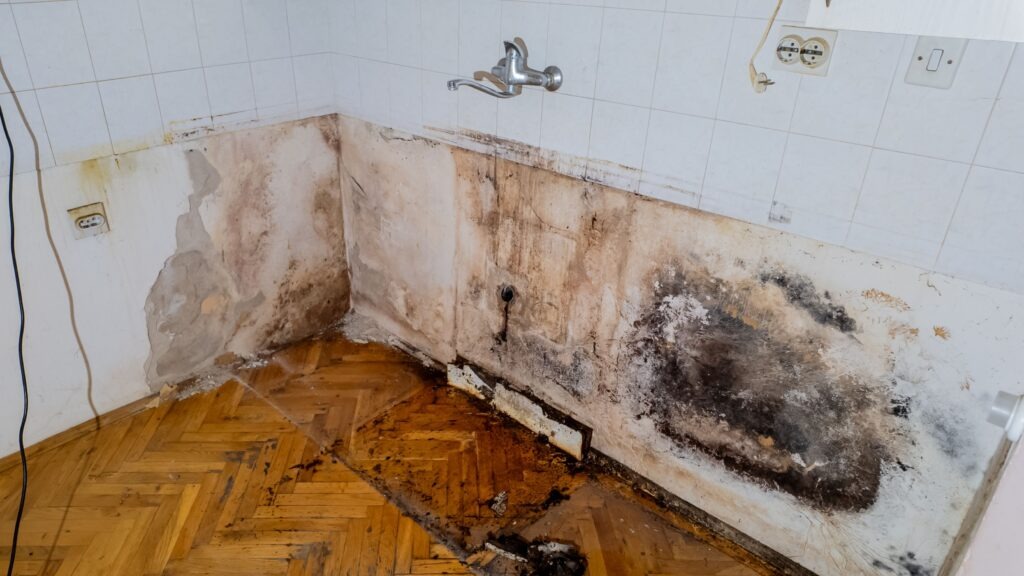
If the wallboard has softened or the backing is deteriorating, evaluate those materials before new countertops or a backsplash go back.
Before You Rebuild or Keep the Item: How to Check the Outcome
Before you rebuild or keep the item, confirm five things:
- Moisture source corrected. The leak, seepage, condensation problem, or other cause of wetting is fixed.
- Affected material handled. Cleanable surfaces are cleaned, and material that cannot be restored is removed or evaluated for replacement.
- Remaining layers dry. Check dryness where the water traveled, including backing, flooring, or framing, not just the visible finish.
- Condition acceptable. Remaining materials are sound, with no visible growth or unresolved deterioration.
- Hidden or high-risk areas evaluated. A qualified specialist has checked concealed or complicated conditions before you close the assembly.
A moisture meter helps you check drying at the relevant spots when you read it for the specific material. Hidden damage or professional containment can need evaluation beyond what you can measure.
University of Georgia Extension’s March 2023 guidance gives 15% or less as a wood-framing moisture-content guideline before closing a wall. Other materials and assemblies require appropriate criteria.
Some discoloration can remain after proper cleaning. If dampness continues or new visible growth appears, reassess. After extensive hidden remediation, have a specialist verify the work before you replace finishes.