
How to Remove Mold From Clothes: What You Can Save, Wash, or Throw Away
Wash clothes with limited mold when the fabric is sound and the care label allows it. Serious damage, delicate construction, or floodwater contamination changes the decision. In those cases, take extra precautions, call a specialist, or throw the item away. For a washable item, use a treatment the label allows, dry the garment fully, inspect it, and fix the moisture source.
Can You Save Moldy Clothes, or Should You Throw Them Away?
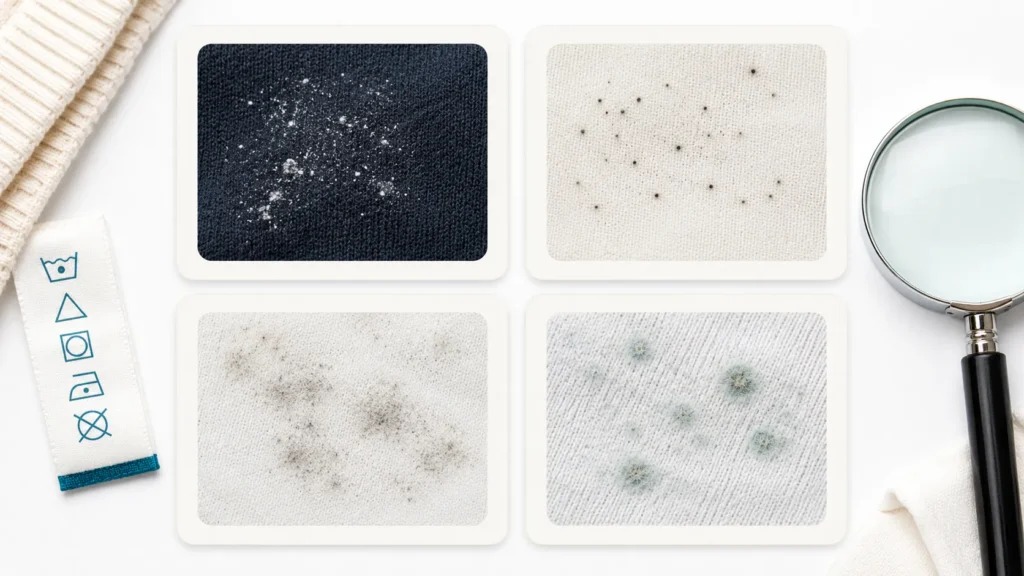
A shirt left damp in a travel bag and a dress damaged in a flooded closet are not handled the same way. Start with three checks: the moisture source, the condition of the fabric, and whether the care label allows washing. Where you store clothes matters; measure and control indoor humidity for mold prevention.
The CDC’s guidance on reducing exposure to mold allows washing and drying some affected clothes, towels, and bedding. It also lists disposal as an option.
| What happened | What the item is like | What to do | Check first |
|---|---|---|---|
| Limited spots after ordinary damp storage | Washable, sturdy garment | Wash it | Care-label restrictions |
| Musty smell, no visible spots | Fabric still sound | Find the source of the odor | Whether the smell returns |
| Growth on a valuable or delicate garment | Complex, fragile, or dry-clean-only fabric | Take it to a textile specialist | Risk of damage from treatment |
| Extensive growth with torn or weakened fibers | Badly deteriorated fabric | Throw it away or get a specialist assessment | Whether restoration is realistic |
| Exposure to floodwater or sewage | Contamination beyond mold | Follow disaster-cleanup precautions | Water safety, exposure and garment condition |
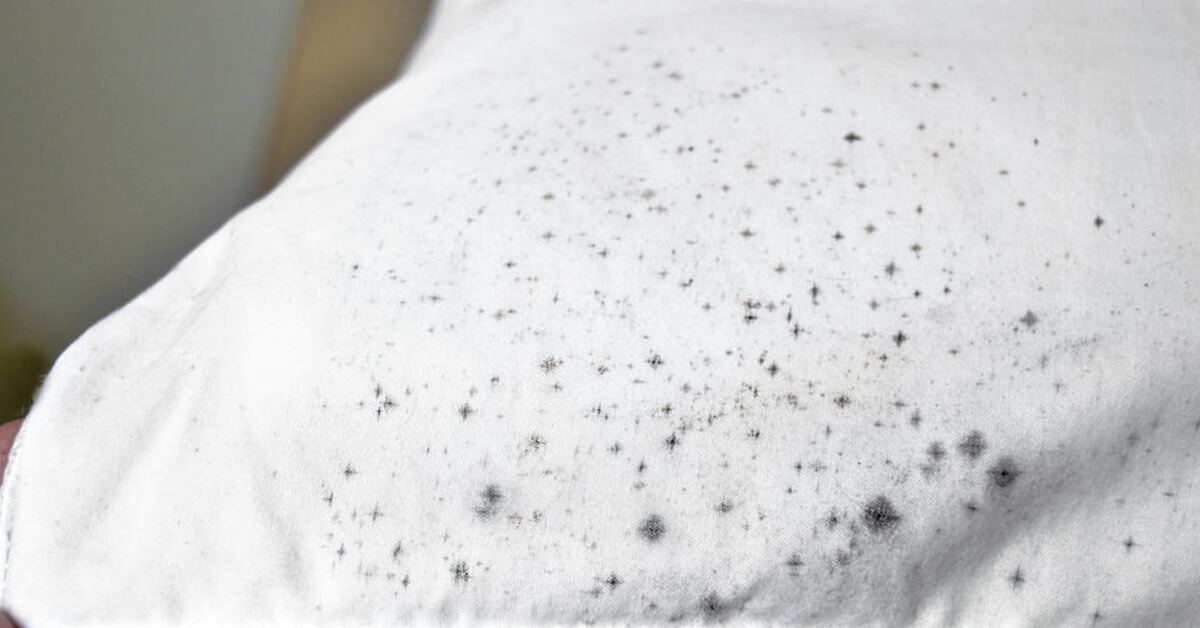
Dark spots call for a closer look, but color alone cannot identify a mold species or how hazardous it is. Washable towels and sheets follow the same decision process. Mattresses, carpeting and upholstery need different methods.
Check the Care Label Before Choosing Water Temperature or Bleach
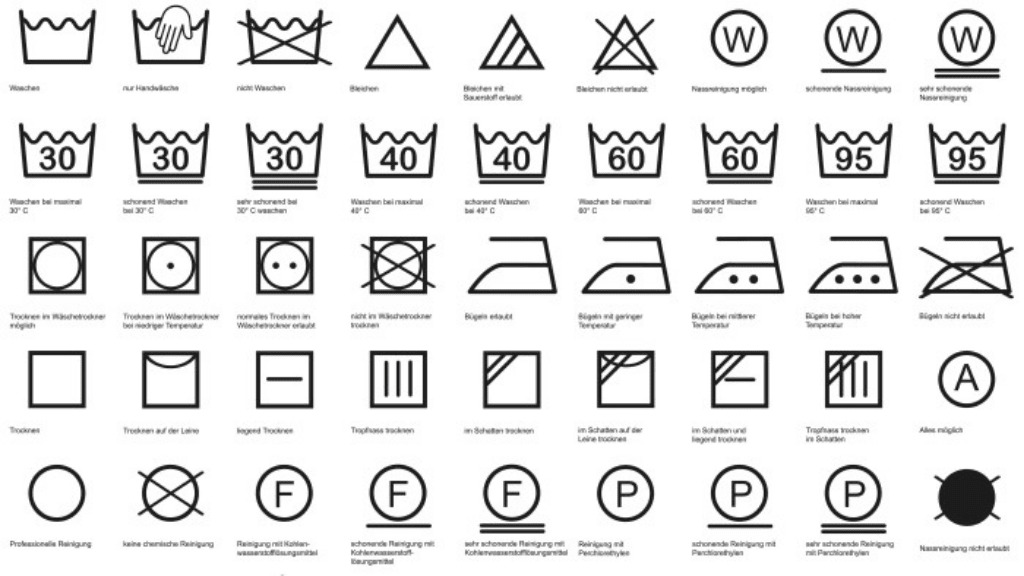
The label sets the limits of any treatment. Heat, bleach, and repeated soaking can damage dyes, prints, finishes and fibers, even on a garment that was worth cleaning.
| Label or fabric condition | What you can do | What to avoid |
|---|---|---|
| Machine washing permitted | Detergent and an approved cycle | Water hotter than the label allows |
| Non-chlorine bleach only | A non-chlorine laundry bleach, if the product label agrees | Chlorine bleach |
| No bleach | Detergent | All bleach, chlorine and non-chlorine |
| Dry-clean-only or delicate construction | The specified care or a specialist | An unapproved machine cycle |
| Limited tumble-drying temperature | The drying method on the label | Excessive dryer heat |
| Colored, printed or coated fabric | A product made for it, after a colorfastness check if one is recommended | Treating it like white cotton |
If the product directions allow it, test an inconspicuous spot for colorfastness before you treat a larger area.
The Federal Trade Commission’s Care Labeling Rule guidance explains how clothing manufacturers substantiate washing and drying instructions. It also covers care warnings that matter when a stain-removal attempt may damage the item.
OMG NO!! After reading all these comments, trying to get little mold dots out of my son’s comforter (our washing machine broke so it sat in the broken machine partially damp for 2 weeks. So dumb). Literally started bleaching IMMEDIATELY! 😭
I poured cold water on it and now it’s in a cold wash. I will cry if it bleaches holes. Why didn’t I test the fabric first?! Great question. Hopefully I didn’t just ruin a $200 pottery barn super hero comforter my kid is totally obsessed with 😭😭😭
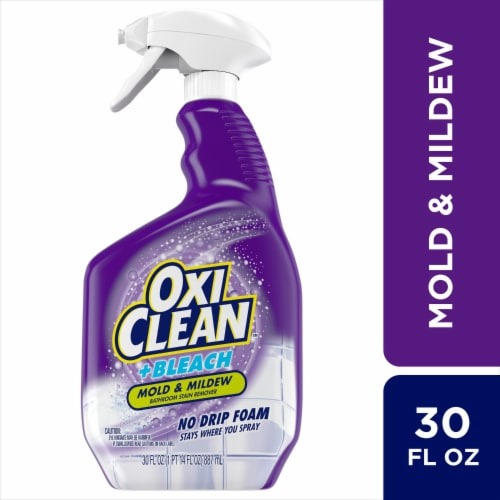
Use a product formulated for laundry and allowed for the garment. Bathroom and tile mold cleaners are no substitute, even when their labels promise powerful stain removal. Follow the product’s concentration and treatment-time instructions.
Never mix chlorine bleach with vinegar, ammonia, or any other cleaning product. Household surface-cleaning dilution instructions are not laundry recipes.
How to Wash Moldy Clothes When the Fabric Is Washable
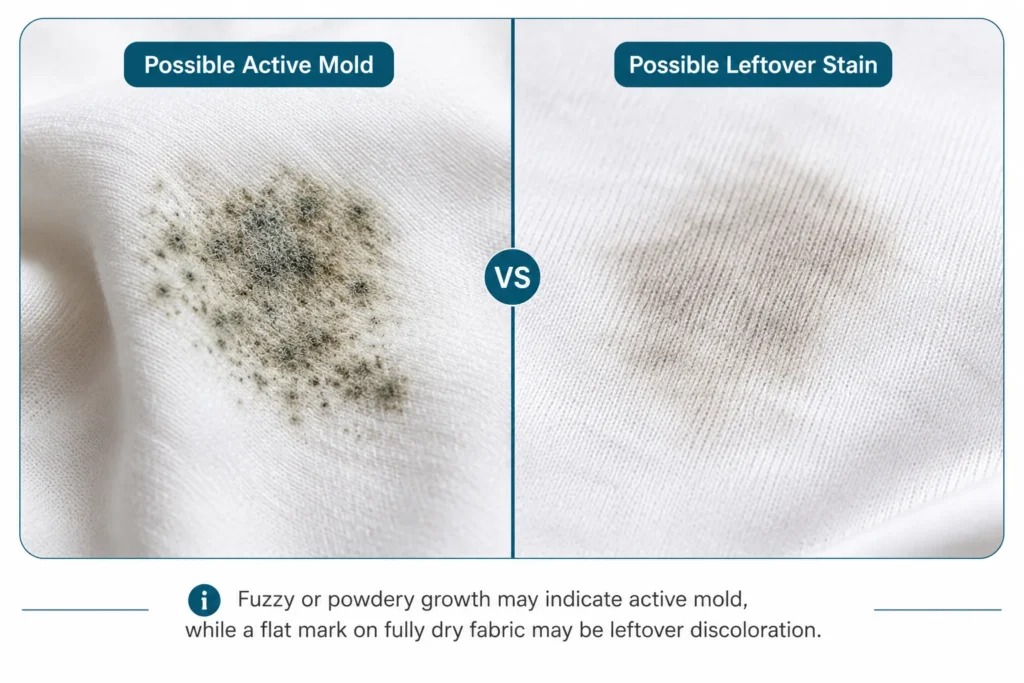
For a sound, washable item with limited mold, start with detergent and the washing method the label allows. This process covers routine damp-laundry incidents. Flood contamination and badly deteriorated fabric need the separate assessment below.
Keep affected clothing apart from clean laundry, and don’t shake or dry-brush moldy fabric indoors. If you’re handling visible mold, the CDC advises gloves, protective goggles and at least a NIOSH-approved N95 respirator.
- Pretreat. Apply laundry detergent or a stain product to the affected area if the garment and product instructions allow it. Follow the stated application method and duration.
- Wash with detergent. Pick the right cycle and the warmest water the label recommends. Never go hotter than the label.
- Use bleach only where allowed. For mildew staining, use a laundry bleach if both the care label and the bleach label permit it. If bleach is prohibited, stay with detergent.
- Dry. Use a drying method the label allows, and dry the garment fully. Check for remaining stains before you apply dryer heat, because heat can set them.
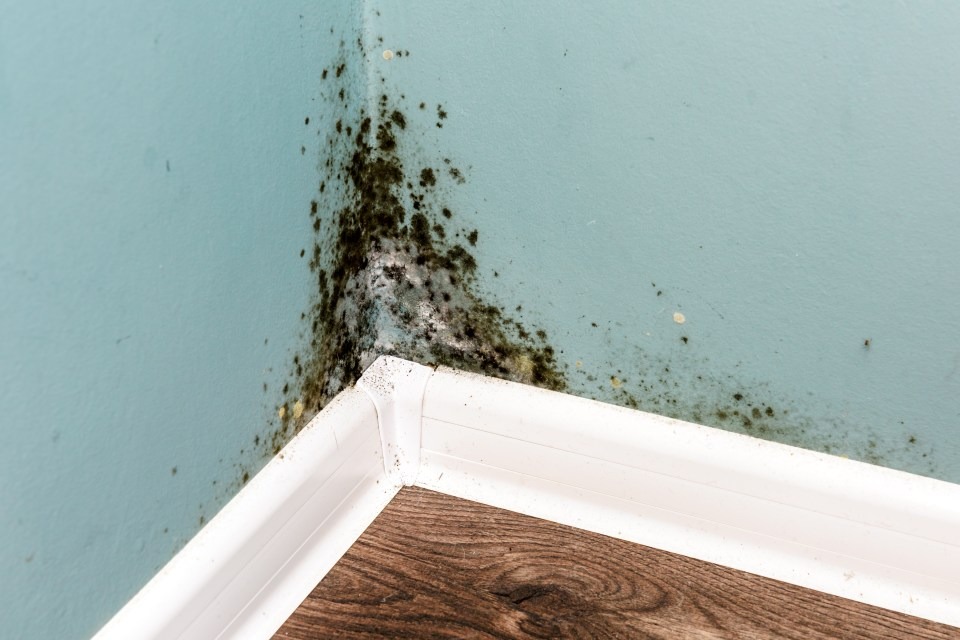
Damp seams and folds mean the moisture problem is still there.
What If the Mold Stains Are Still There After Washing?
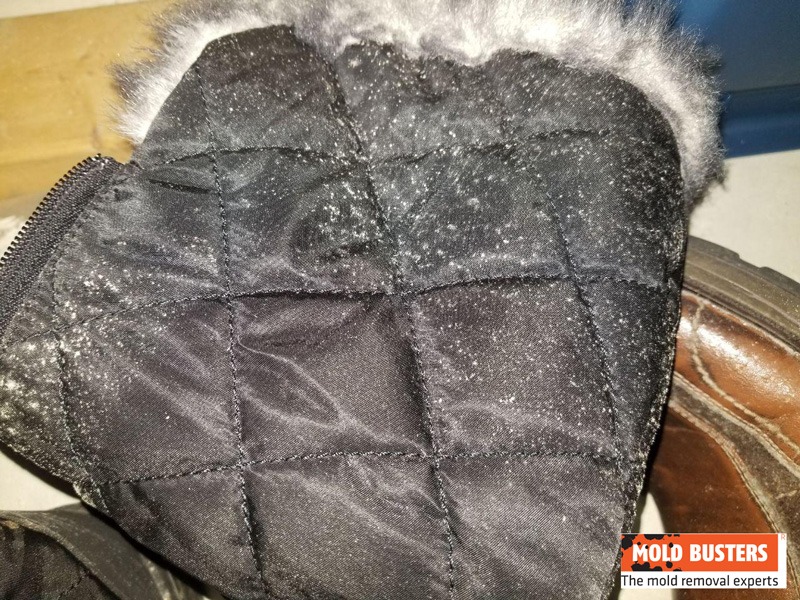
A dark mark can survive laundering because mold and moisture can discolor or weaken textile fibers.
Look at the material around the mark. An old spot on a structurally sound shirt raises a different question from thinning fabric, fraying seams, new spots or damage that worsens with each treatment. Mold by material shows what can be cleaned and what usually gets replaced.
I recently went on a trip to Norway, and when I got back, I discovered black mold growing on the dirty clothes I had sitting in a travel laundry bag. I’m posting this because I went through so many YouTube videos, Reddit posts, and just Google in general to try to remove the mold stains, and finally, after weeks of trial and error, I was able to remove the mold stains from my tshirt and sports bra.
First, to stop mold growth, I bought Lysol laundry SANITIZER and soaked my clothing using the directions on the bottle. As a secondary measure, I also soaked my clothing in Borax powder. I should note that each time I tried something different, I washed by clothes in the washer, BUT DID NOT DRY ANYTHING IN THE DRYER during my trialing.
The final thing that worked for me was soaking my clothing in Oxiclean White Revive for THREE days, and I did this three times. Specific steps I took:
1. Fill container with hottest water possible (not boiling). Add Oxiclean per instructions on the box and wait for powder to dissolve. Add clothing. Let it sit soak for at least THREE days.
2. Remove clothing from Oxiclean soak and wash in washing machine in cold water with detergent. Stains were still there, so I repeated Step 1. DO NOT DRY CLOTHING IN DRYER! Drying will set the stains.
Repeat Steps 1 & 2 until your stains are removed. Mine took three soaks/washes.
Repeated soaks can damage fabric, and the stain may stay anyway.
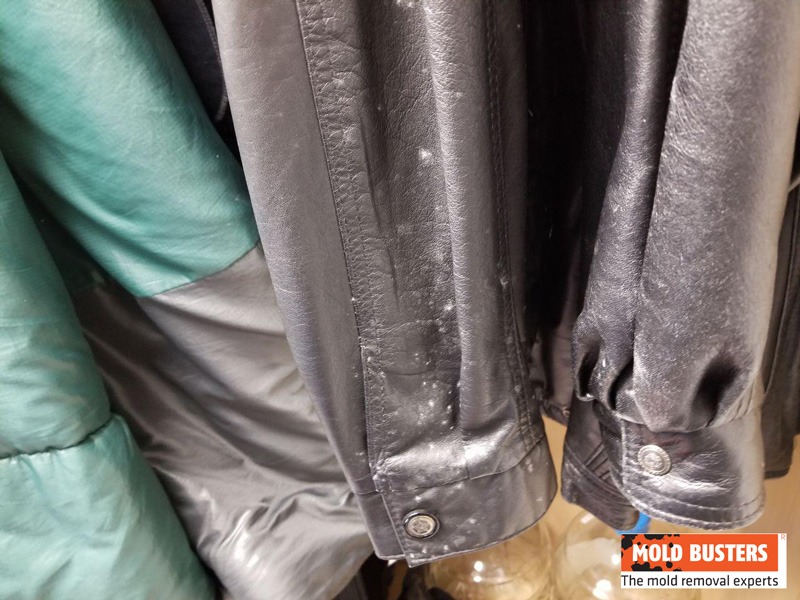
Stop treating the garment once the fabric weakens or the next step would break the care label. Then decide whether it is worth keeping, and send valuable pieces to a specialist.
Why Clothes Still Smell Musty After Washing
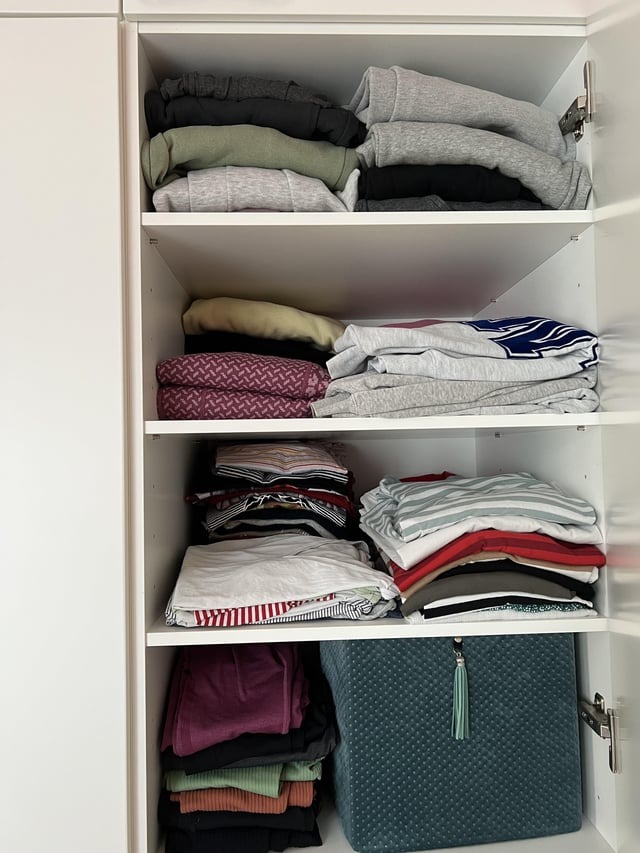
The timing of the smell points to where moisture is lingering. A smell right after the wash points somewhere different from a shirt that smells fresh at first and unpleasant after an hour of wear, or from clothes that turn musty in storage.
I had this and listened to peoples advice here.
Cleaned out my washing machine.
I have a front loader, and neglected the drain at the bottom. The water that came out of there smelled so rotten, and then definitely wiped the inside gasket. I leave the door open now too when not in use
As for the clothes, I did laundry stripping.
1 cup of powder tide
1/2 cup of borax
1/2 cup of washing soda
Hot water in the tub and left for couple of hours
Take out and wash with no detergent and dry.
Holy cow it has worked. My work shirts smell great, and don’t smell like mildew after an hour of wearing. I did it about a month ago, and I have had no issues with them stinking since. Highly recommend
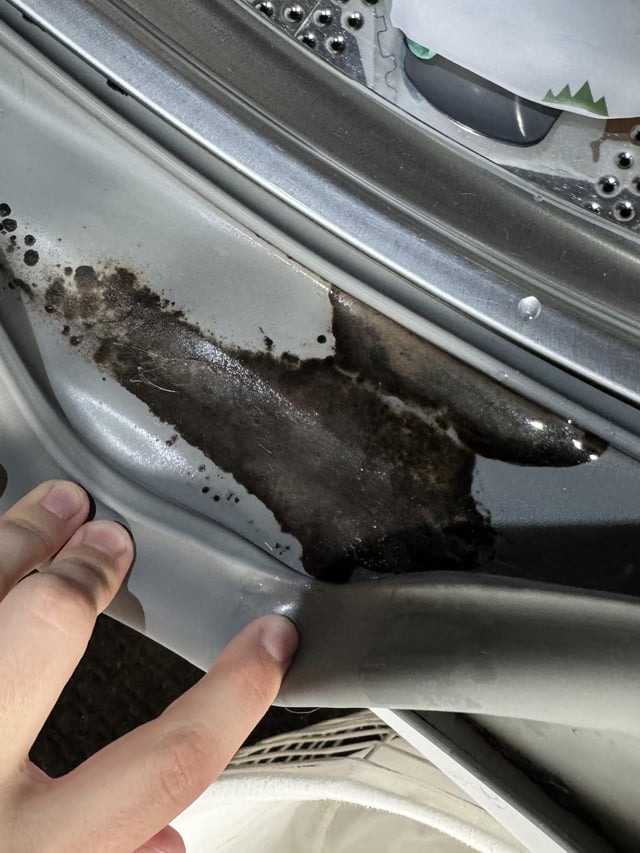
On a front loader, check the gasket and the user-accessible drain, following the machine’s instructions. Detailed washer cleaning belongs to the appliance’s own maintenance guidance. If the clothes smell musty only after time in a cupboard or closet, check the storage conditions.
When Moldy Clothes Need More Than Ordinary Laundry
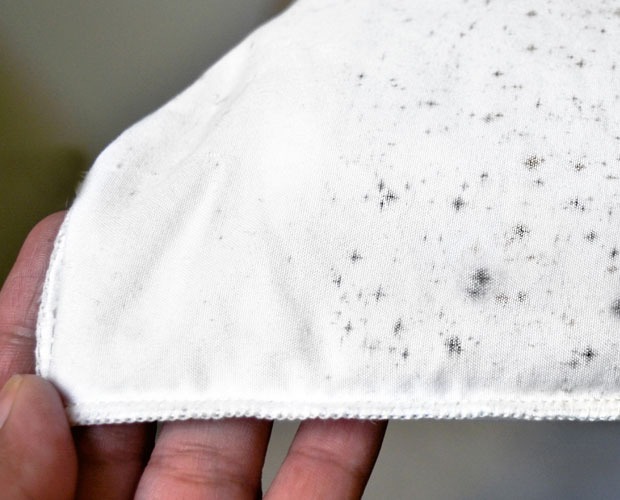
Floodwater and sewage can carry contaminants beyond mold, so affected clothing needs proper cleaning before you wear it again.
The CDC’s guidance on mold after flooding describes laundering some garments when the water and equipment are safe and the care instructions permit it. Heavily contaminated or deteriorated items may need specialist treatment or disposal. The CDC also advises washing clothes worn during disaster cleanup apart from uncontaminated laundry.
People with allergies, immune suppression, underlying lung disease, or chronic respiratory conditions such as asthma or COPD should not perform mold cleanup.
What About Wool, Silk, Dry-Clean-Only or Sentimental Clothing?
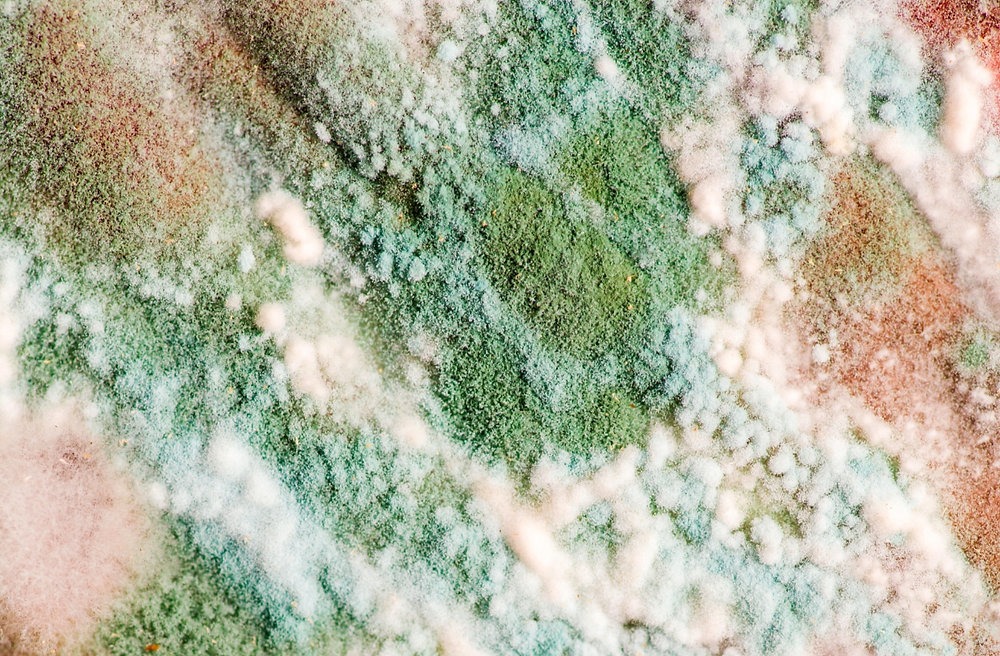
Wool, silk, fine lace, lined coats and formalwear need care for the whole garment, including dyes, trim, finishes and structure. A dry-clean-only label is a hard limit, and aggressive home washing can make damage worse.
Fabric strength matters as much as stain color. Mold can weaken fibers, so scrubbing, soaking or ordinary machine agitation can damage an old dress or heirloom.
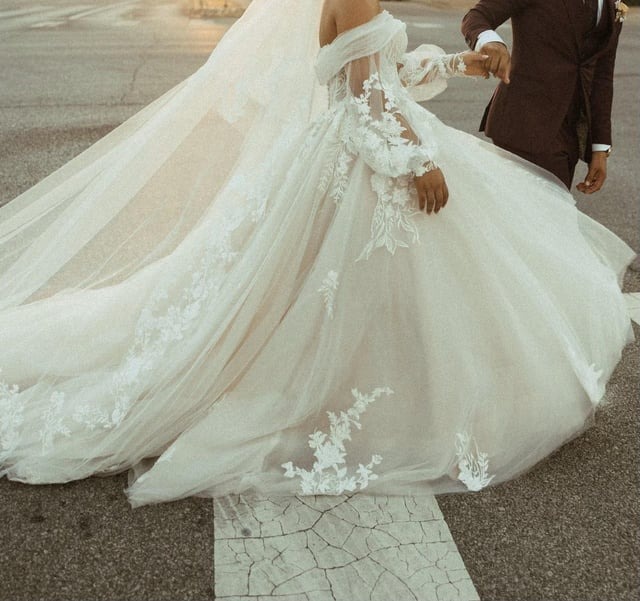
A wedding dress stored in a damp closet combines several materials, delicate trims and layers that respond differently to treatment. Its sentimental value can justify specialist help even when restoration is uncertain.
Ask a specialty cleaner or textile conservator whether they accept mold-affected items and what they can realistically assess. Describe the garment’s exposure, fabric condition and previous treatments. A dress that looks clean afterward, especially one treated with a household surface cleaner, is not proof of safe or proper restoration. Before any cleaner touches fabric, read its label for restrictions on the material, as described in choosing a mold cleaner for the surface.
How to Check the Result and Keep Mold From Coming Back
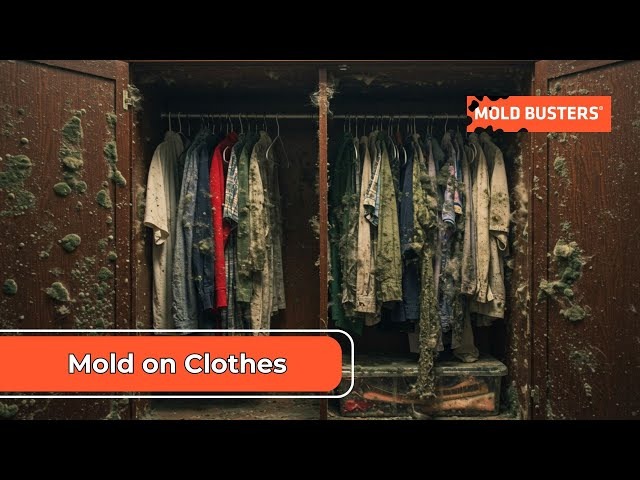
After treatment, check the garment’s dryness, condition, visible changes and smell.
| What you see | What it means | What to do |
|---|---|---|
| Fully dry, sound fabric with a stable old mark | The discoloration is probably cosmetic | Decide whether the item is worth keeping given its exposure |
| New growth appears | Mold or moisture is still active | Reassess the item and the place it was stored |
Looks and smell cannot prove that every mold particle or allergen is gone.
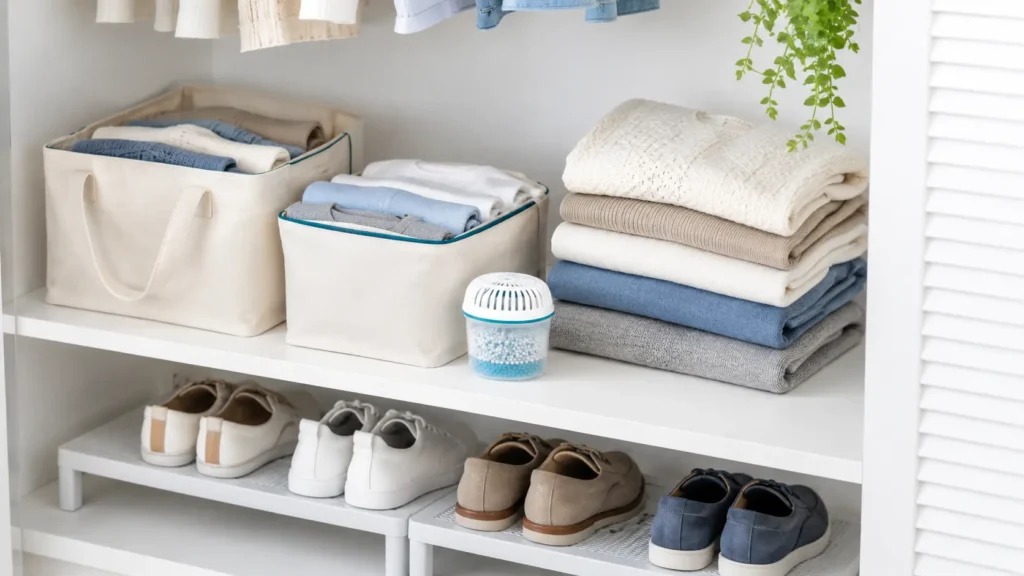
The EPA’s basic mold cleanup guidance names moisture control as the key to preventing mold problems. Never put damp clothing back into sealed bags, hampers or closets. If several garments repeatedly develop mold, check the room for moisture or a leak before another round of treatments.