
How to Remove Mold From Wood Safely
If mold covers a small, accessible area of sound, finished wood, clean it with mild detergent and a lightly damp cloth, then dry the wood thoroughly once you’ve fixed the moisture source. If the wood is soft, swollen, separating, structurally important, or wet beneath the surface, have the damage assessed before you decide whether to restore or replace it.
Is it safe to remove mold from wood yourself?
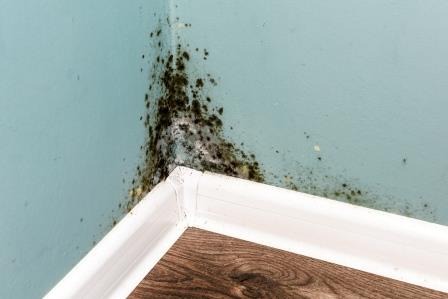
You can clean a small patch of mold on intact wood yourself. Stop and reconsider when water has reached hidden materials, the wood has lost strength, or cleanup could disturb a larger area of contamination. If the wood keeps showing mold, investigate why it keeps coming back.
The Environmental Protection Agency’s homeowner cleanup guidance treats an area smaller than about 10 square feet, roughly 3 by 3 feet, as a problem homeowners can often handle. That’s a reference point, not clearance for every smaller patch. Contaminated water, HVAC involvement, significant water damage and hidden growth need a different assessment.
Before cleaning, check five things:
- Water source: Find the leak, condensation, damp storage or trapped water that allowed growth, and make sure you can stop it.
- Extent: Estimate the visible area. Look for signs that moisture reaches behind paneling, into furniture joints or beneath flooring.
- Contaminated water: Sewage or other contaminated floodwater needs experienced professionals.
- Structural role: Soft framing, questionable joists or damaged load-bearing wood need a qualified assessment.
- Who should stay out: People with mold allergies, immune suppression, underlying lung disease or chronic respiratory conditions should not take part in cleanup.
For a cleanup you can handle yourself, the CDC’s mold cleanup recommendations call for at least a NIOSH-approved N95 respirator, protective gloves and enclosed goggles.

Color can’t tell you the mold species or how much exposure you’ve had. The surrounding water damage and the condition of the wood decide your next step. Those two factors also decide whether a professional should take over.
Identify the wood and finish before cleaning
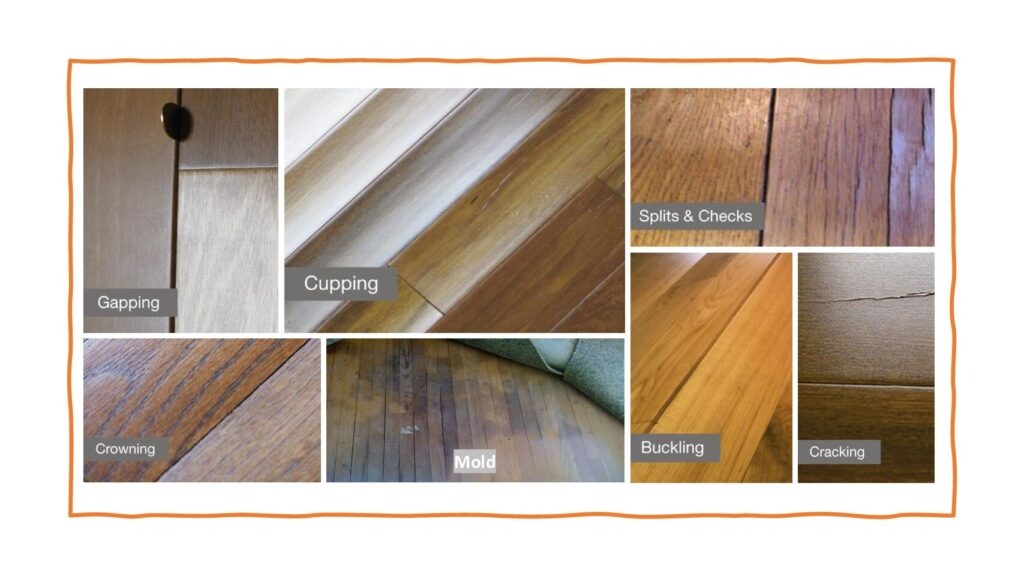
A finished tabletop, a veneer cabinet and a bare framing board react very differently to moisture and abrasion. Identify the material and the condition of its surface before you pick a treatment.
EPA’s wood-specific water-damage table allows mild detergent and clean-water cleaning of treated or finished wood, followed by drying. That table covers the early response to clean-water damage, within 24 to 48 hours. Established mold growth needs the broader remediation assessment described in EPA guidance. The furniture method below therefore applies only to small, accessible, sound surfaces.
| Wood or construction | What matters | What to do |
|---|---|---|
| Finished solid wood furniture | Intact coating, firm wood and accessible surface | Clean carefully. This suits a small, simple patch. |
| Veneer or laminate furniture | Thin surface layer, edges and possible hidden substrate | Clean gently if stable. If it’s lifting or swelling, assess before adding moisture. |
| MDF or particleboard | Swollen edges, softness, separating layers or a wet core | Assess the substrate. Damaged panels may need replacing. |
| Raw or unfinished timber | Exposed grain, moisture history and unknown depth of damage | Pick a method based on assessment. Don’t assume the finished-wood process applies. |
| Joists and structural framing | Load-bearing function, hidden cavities and material integrity | Get a professional assessment when damage or access is unclear. |
| Hardwood flooring | Board joints, underside and subfloor condition | Find out whether water reached below the surface. |
| Antique or valuable furniture | Original finish, delicate construction and preservation value | Consult a furniture restorer before any aggressive treatment. |
Take a cabinet door. The frame might be solid wood while the center panel is veneer bonded to another material. A method that leaves the frame intact could damage the panel at its edges. Check the condition of each material before you choose a method, because the soundness of solid wood, framing, OSB and particleboard decides what you can clean.
Can moldy wood be saved or should it be replaced?
Wood with surface mold can be saved, especially when it’s still sound and you can correct the moisture source. Swelling, softness, delamination and damage you can’t reach change the decision, because they affect the wood itself.
EPA notes that cleaning moldy material can leave discoloration. The USDA Forest Products Laboratory also separates surface mold and staining fungi from wood-decay fungi. A leftover dark mark and weakened, decaying timber are different problems, even when they look alike at first.
| Observed condition | Verdict |
|---|---|
| Small accessible patch, intact finish, firm wood, moisture corrected | Clean and keep. A surface cleanup is enough. |
| Continuing mustiness with no accessible source | Investigate hidden material. Moisture or affected surfaces may be out of reach. |
| Swollen particleboard, or veneer separating from the core | Assess for replacement. Surface appearance can’t restore a damaged substrate. |
| Soft or crumbly structural timber | Structural assessment. The component’s integrity matters beyond its visible finish. |
How to clean a small patch on sound, finished wood
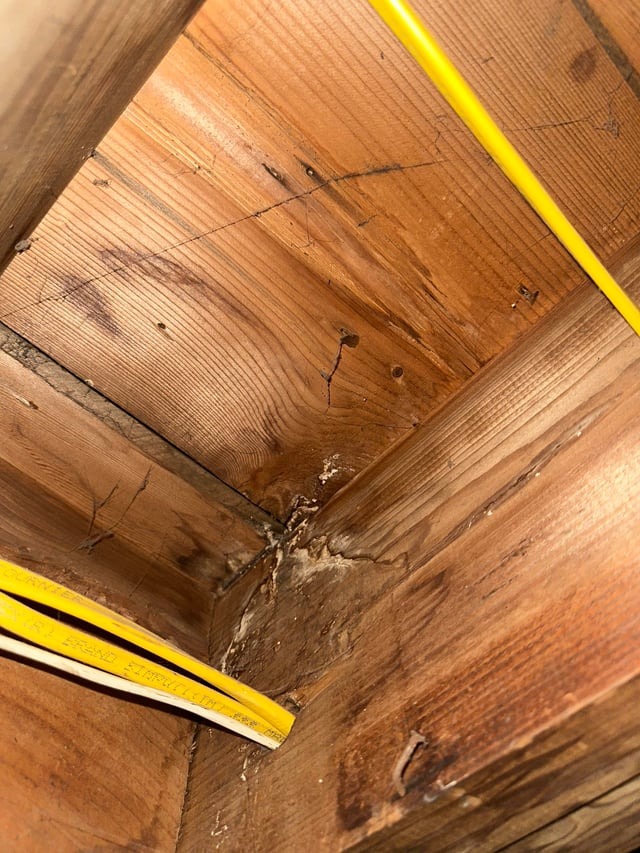
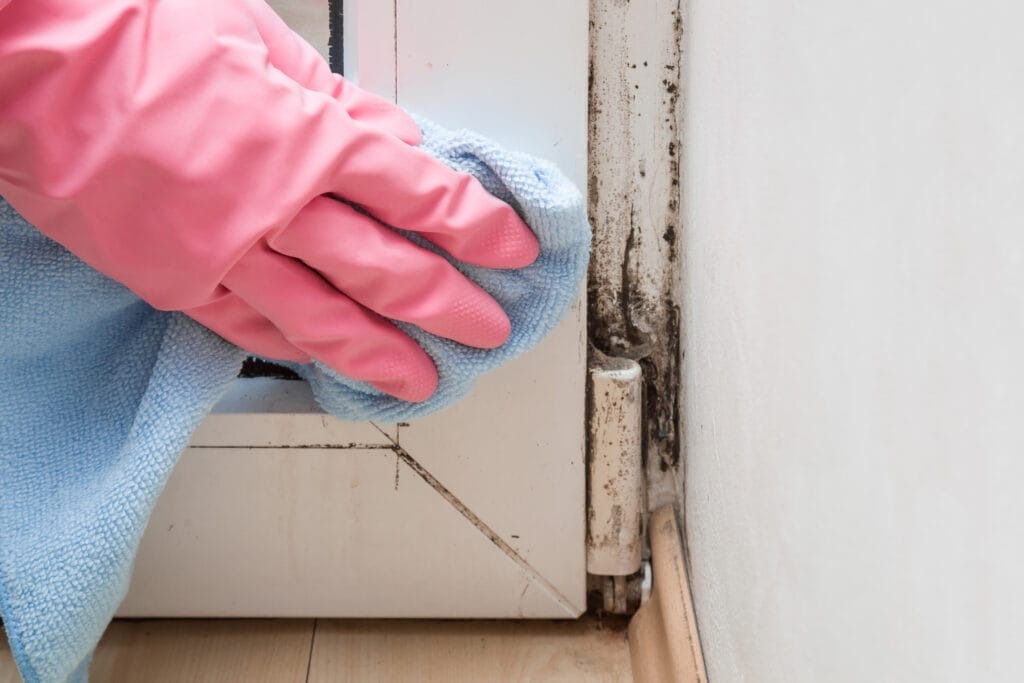
Use a mild, finish-compatible detergent, a damp cloth and thorough drying. The method follows EPA’s general hard-surface cleanup approach and the NC State Extension household-item guidance. That guidance covers hard-surface furniture such as wood, laminate and veneer. It recommends damp cleaning with mild detergent and thorough drying, and it acknowledges the material can be damaged.
- Check finish compatibility. Choose a mild detergent suited to the coating. If you’re unsure how it affects the finish, test a small, hidden spot before treating the visible patch.
- Prepare a lightly damp cloth. Use clean water and the detergent. The cloth should clean without soaking the grain or leaving liquid in seams and joints.
- Wipe off visible growth. Use controlled strokes. If the finish tolerates it, gentle cleaning lifts attached residue without needless abrasion.
- Remove cleaning residue. If the product directions call for it, wipe with a separate clean, lightly damp cloth. Don’t let water pool on the surface.
- Dry the wood completely. Leave the item somewhere well ventilated. Air circulation and, when needed, a dehumidifier used properly help remove moisture.
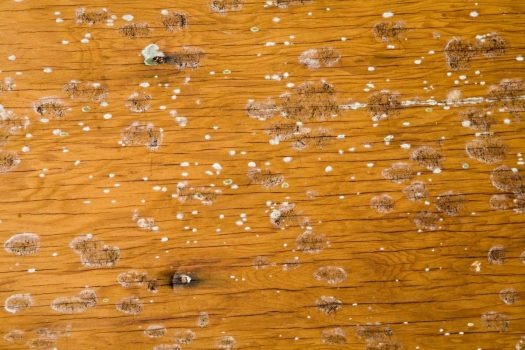
NC State Extension cautions against drying wooden furniture in direct sunlight because the heat can warp it. Dry a delicate finished piece indoors in a ventilated space.
Stop cleaning if the coating starts lifting, the wood softens or liquid appears trapped beneath the finish. At that point the wood itself is damaged and needs assessment.
Unfinished wood, floors and framing need different decisions
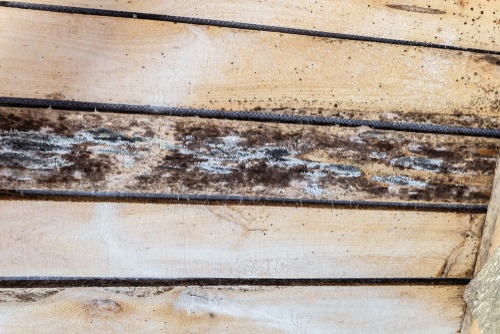
Unfinished wood exposes the grain. Floors and framing add hidden surfaces, and framing may carry structural loads. What you do next depends on whether you can reach the affected material and what condition it’s in.
Raw or unfinished wood
An unfinished board may have absorbed moisture beyond the visible patch. Check which faces got wet, whether the adjoining material is reachable, and the condition of the board before you choose controlled cleaning or restoration.
Hardwood floors and subfloors
Cleaning the top of a floor deals only with what you can reach. NC State Extension’s household-cleanup guidance allows cleaning hard-surface flooring when the underlying floor and subfloor are dry. If water got in through board joints, check the underside.
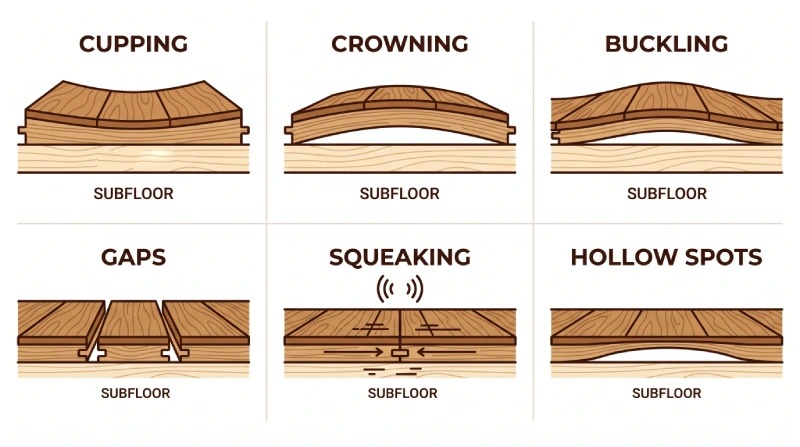
Floorboards that have lifted, separated or stayed wet after an incident need assessment before you refinish them. EPA’s remediation guidance also treats wood-floor cleanup differently from wiping an ordinary hard household surface.
Joists, beams and concealed framing
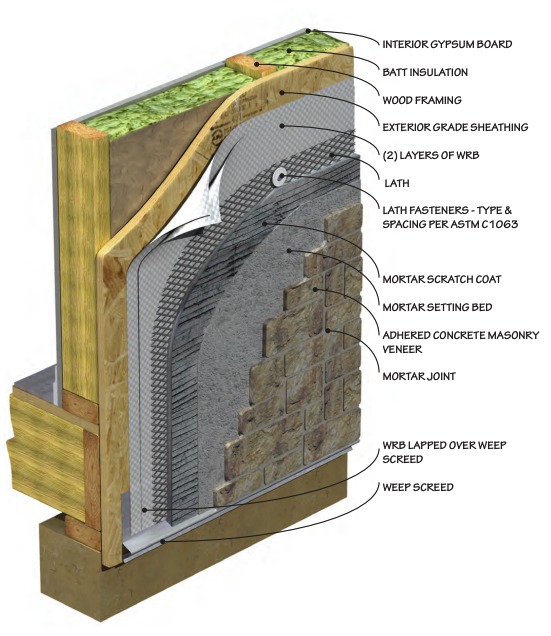
When structural timber is soft, deteriorating or has water damage you can’t reach, get a qualified assessment. A specialist may need to examine the adjoining cavity and decide whether the member is still fit for its purpose.
Do not start uncontrolled powered sanding, blasting or dismantling of questionable load-bearing wood. Disturbing affected material can release dust, and sanding off the darkened surface tells you nothing about moisture or structural integrity.
Bleach, vinegar, peroxide and sanding: what each method can do
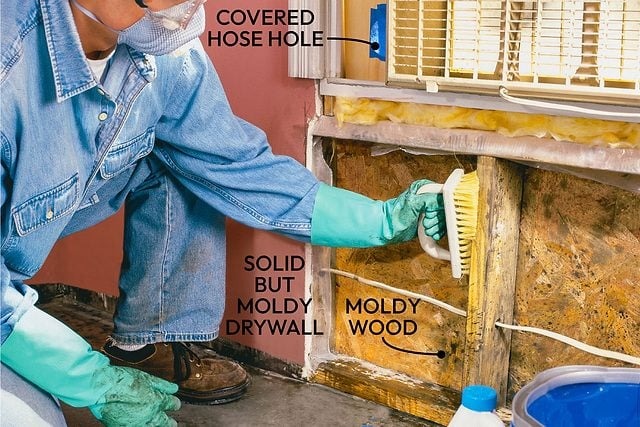
For a small patch on sound finished wood, start with mild detergent and careful damp wiping. Vinegar and hydrogen peroxide are sometimes suggested as alternatives, but the available evidence shows no consistent performance advantage for different wood finishes and substrates.
The EPA’s bleach guidance discourages routine use of biocides for mold cleanup. Dead mold can still cause allergic reactions, so you need to remove it physically.
| Method | What it does | Drawback |
|---|---|---|
| Mild detergent and controlled damp wiping | Physically removes mold from intact finished surfaces | Excess water can damage the wood and its coating. |
| White vinegar or hydrogen peroxide | Chemical surface treatment | Compatibility with the coating and benefit on wood are uncertain. |
| Bleach or other biocides | Conditional uses in broader cleanup guidance | Check compatibility with the wood finish first. |
| Abrasive sanding | Part of a separate, controlled restoration process | Can damage finishes and generate contaminated dust. |
| Paint, oil or sealer | Can follow effective cleanup and drying | A coating over active mold or damp material hides continuing problems and fails. |
| HEPA vacuuming | Supports controlled remediation cleanup | Hidden affected material still needs access, and the moisture source needs correcting. |

CDC gives precautions for situations in which bleach is used. Never mix bleach with ammonia or any other cleaner, and follow the product label.
How to tell whether cleanup worked
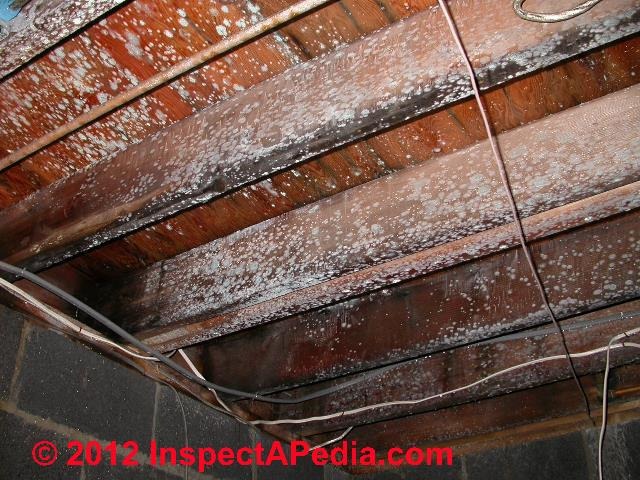
Check moisture, visible growth, odor and the firmness of the wood. Those four tell you whether the piece is ready for ordinary use or needs further investigation.
- Dryness: The affected wood and nearby reachable materials are dry, and the water source is fixed.
- Visible condition: Visible growth is gone. Some cosmetic discoloration can remain after cleaning.
- Odor: A persistent moldy or musty smell calls for a closer look, especially where backing or joints are hidden.
- Integrity: Softness, swollen layers, a lifting coating or renewed deterioration mean the wood itself needs a decision.
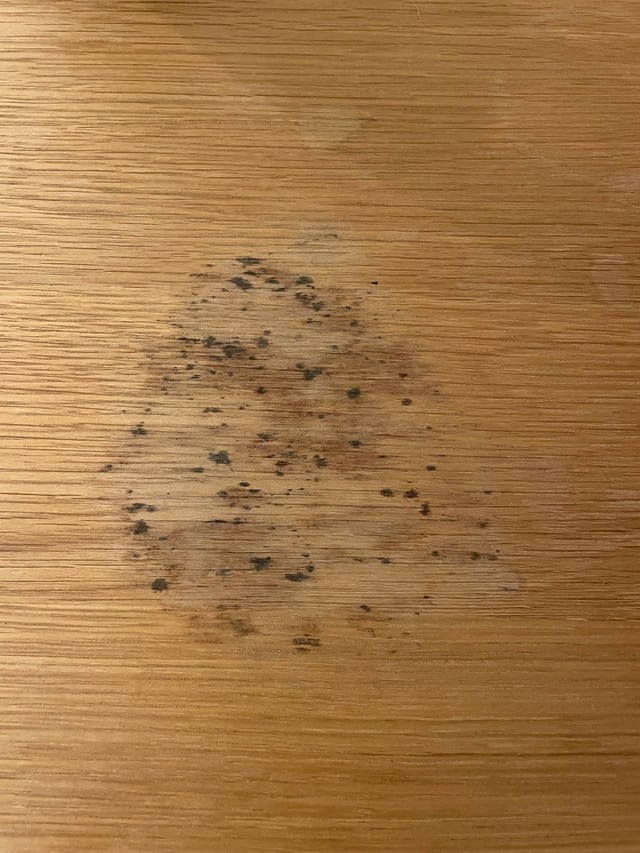
A small dark patch may leave a faint brown mark after careful cleaning. If the wood is dry and sound and no visible growth remains, the leftover color is a finishing issue. Recurring growth or continuing moisture changes that.
Do I need a laboratory test to confirm that the wood is clean?
For an obvious small area of visible mold, routine sampling is unnecessary. EPA has set no federal indoor mold or mold-spore limit that a home can pass by testing. Specialized investigations may use sampling, but cleanup evaluation still depends on the condition of the affected material and the corrected moisture problem.
Inspect the treated spot again after drying and whenever similar moisture conditions return. New growth, continuing mustiness or renewed damage means another assessment.
Keep moisture from bringing mold back
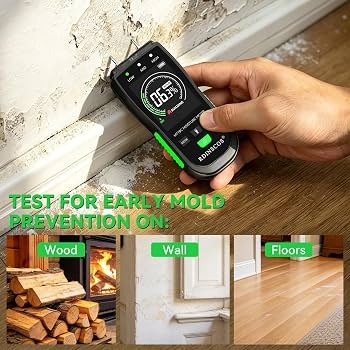
Wood can get damp again under a wet object on a countertop or near a condensing window. Keep the area dry, ventilated and reachable for later inspection.