
Mold on Painted Walls and Baseboards: When to Clean, Inspect, or Replace
You can clean a small patch on sound, washable paint once the moisture source is fixed. If the paint is lifting, or the baseboard or wallboard is soft, swollen, damp, or keeps getting affected, assume there is a problem underneath. Get it assessed or repaired before you repaint.
Can You Clean Mold From Painted Walls and Baseboards, or Is There Damage Underneath?
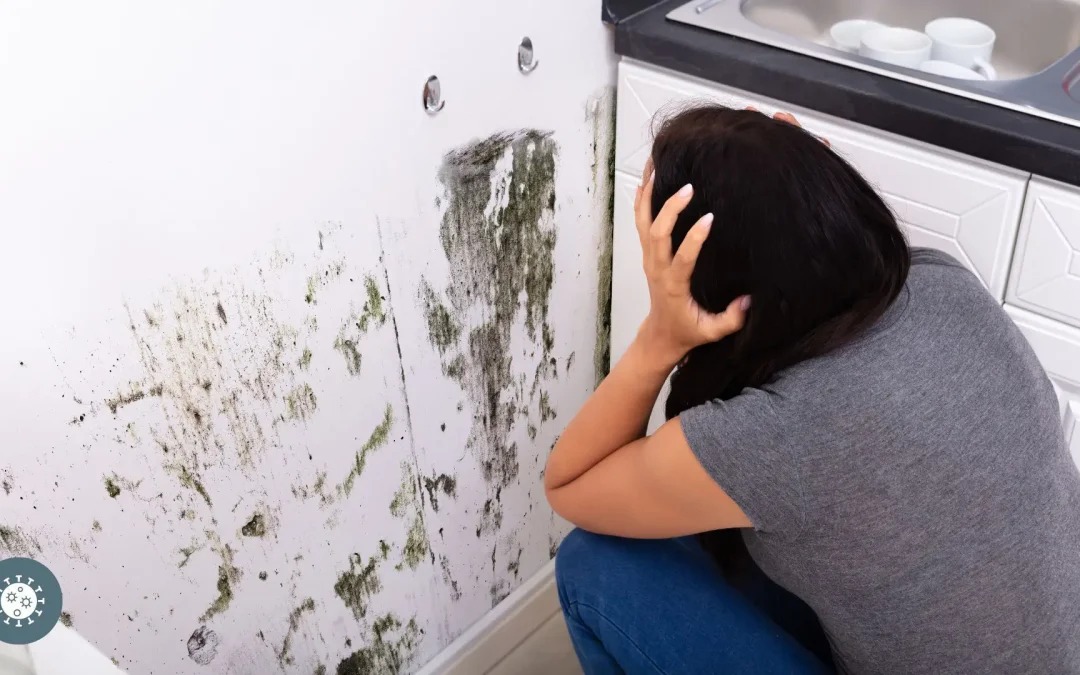
What you do next depends on the paint and the material under it. Paint that bubbles when you touch it, or a dark line above swollen trim, points to more than a few specks on a firm, dry, washable finish.
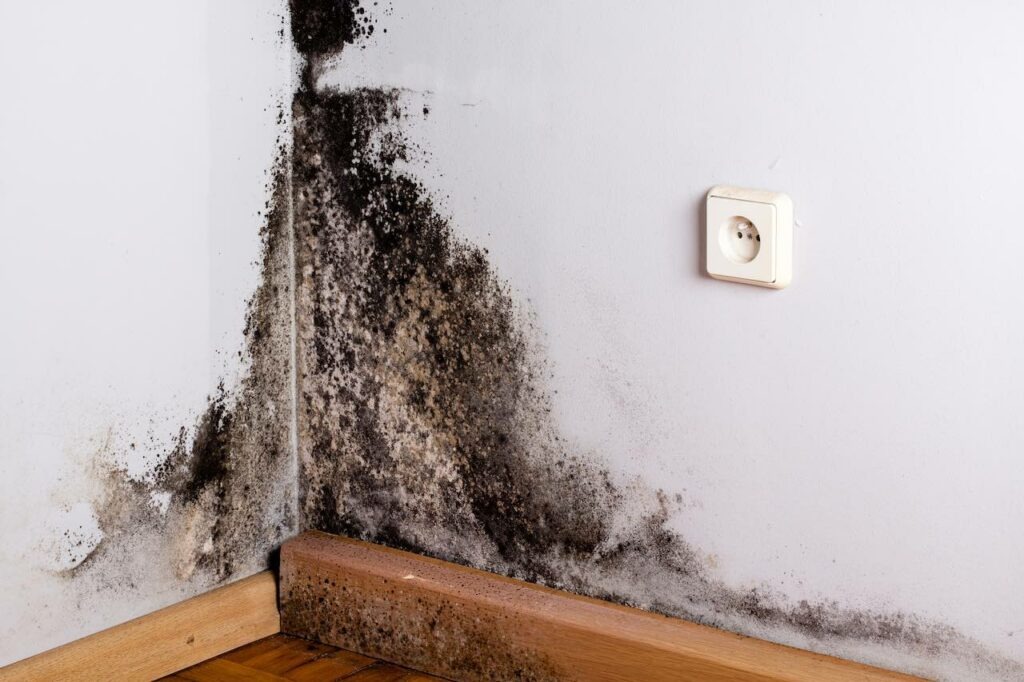
Paint is only a surface coating. On drywall it covers paper-faced gypsum board, and at floor level the baseboard hides the lower wall edge and any damp seam. A small mark can mean more than it looks, so check the material before you reach for a cleaner. Start by checking the accessible places for soft, swollen or damp material.
| What you notice | What it may mean | Next route |
|---|---|---|
| Small mark on sound, dry, washable paint | Surface mold or a stain, no damage underneath | Run the safety checks below, then clean carefully |
| Blistered paint, damp edge, or swollen baseboard | Wetting or damage under the finish | Find the moisture and check the wall and trim behind the paint |
| Soft or crumbling wallboard, repeated dampness, or suspected growth behind trim | Porous material is likely compromised | Get a qualified assessment; you may need to replace it |
| Polluted-water damage, extensive growth, or hazardous paint disturbance | Added contamination or exposure risks | Stop DIY cleanup and get suitable help |
The EPA’s basic mold cleanup guidance allows detergent-and-water cleaning of hard surfaces and notes that some moldy porous materials may need to be thrown out.
Dark discoloration can also be soot, dirt, or an old stain. Color alone can’t tell you the mold species, the health risk, or what is behind the coating.
Before You Scrub, Scrape, or Remove Trim, Check the Safety Limits

EPA’s approximate 10-square-foot guideline is a quick screen for an ordinary homeowner cleanup. It has limits: a smaller stain can still involve polluted water, hidden damage, unsafe demolition, or people who shouldn’t do the work.
- Extent and water history: Check the visible area and look for signs of hidden spread. Sewage or other polluted water, significant flooding, and extensive water damage need specialized precautions.
- HVAC involvement: If the heating or cooling system is known or suspected to be contaminated with mold, don’t run it until you have guidance. EPA warns it could spread mold through the building.
- Occupant vulnerability: People with asthma, chronic lung disease, suppressed immunity, or similar vulnerabilities should stay out of mold cleanup.
- Protection: For limited cleanup, CDC describes a NIOSH-approved N95 respirator, gloves, and sealed eye protection.
- Older paint: Scraping, sanding, cutting, or removing painted trim in housing built before 1978 can create a separate lead-dust hazard.

The CDC’s mold cleanup instructions explain the protective equipment and when people should avoid the task.
A house built in 1977 counts as pre-1978 housing under EPA’s lead-paint rules, so follow EPA guidance for do-it-yourself renovations before you disturb its painted surfaces. Paid renovation firms follow different rules.
What the Paint and Baseboard Reveal About the Material Beneath
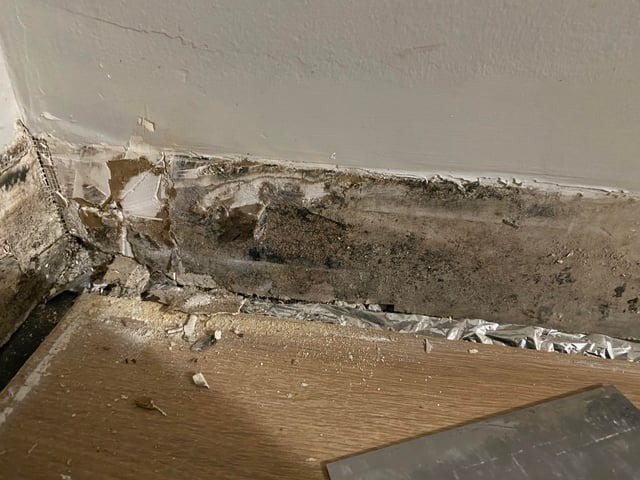
A painted wall has several layers, and a washable topcoat tells you nothing about damp drywall paper underneath. The baseboard is another material, and its condition can differ from the wall it covers.
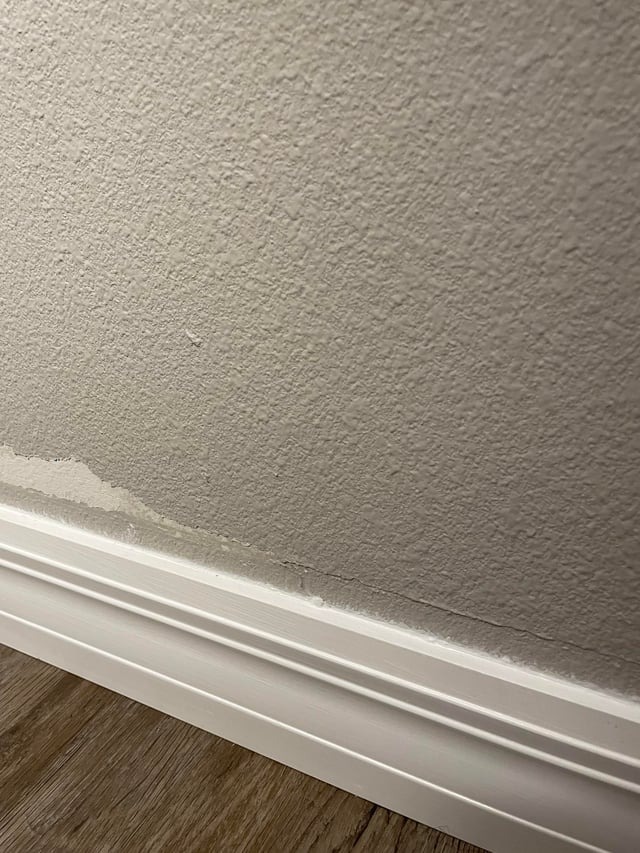
Check the surfaces you can reach without opening the cavity. Look for paint losing adhesion, bubbling at the lower edge, a swollen molding profile, soft or crumbling wallboard, and dampness that persists where trim meets the floor. Identify the trim material if you can. If you find soft wallboard, decide which moldy building materials need replacement.
| Material | Condition to examine | Implication for treatment |
|---|---|---|
| Intact paint film | Firm, washable, dry finish | Clean the surface if the backing looks sound |
| Drywall paper | Wet, peeling, soft, or crumbling edges | Investigate; it may need removal |
| MDF or engineered trim | Swelling, softened edges, changed profile | Water damage can make reuse impractical |
| Painted solid-wood trim | Softness, finish failure, continuing wetting | Keep or replace depending on condition and extent |
| PVC trim | Intact face but damp adjacent wall or floor | Check the neighboring materials even if the trim is sound |
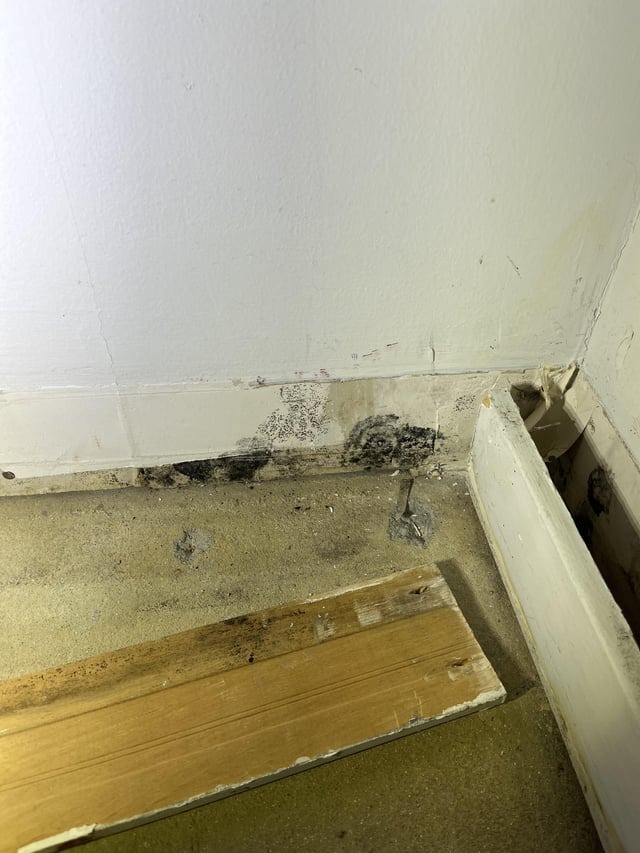
Picture paint peeling above a swollen baseboard under a window. Assess the finish and the trim separately before you decide what, if anything, to replace.
Why Mold Appears Along Baseboards: Follow the Moisture
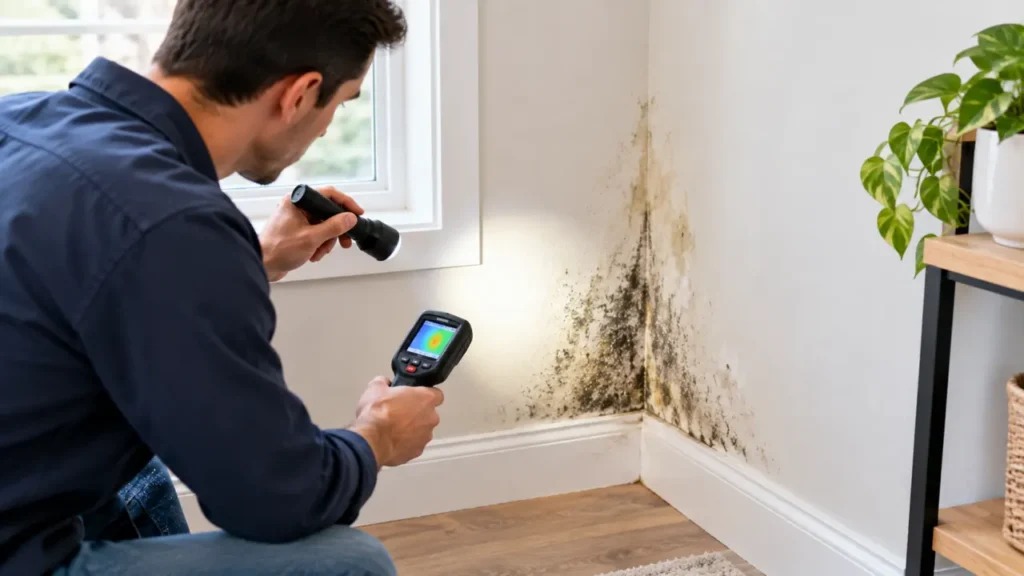
Baseboards sit where water from several sources shows up. A stain along the floor-wall joint can come from splash water, plumbing trouble, window leakage, basement water entry, or condensation on a cold surface.
| Where it appears | Possible moisture source | What warrants investigation |
|---|---|---|
| Beside a shower or wet bathroom mat | Splashing, floor-edge wetting, shower waterproofing detail | Whether water reaches the wall-floor joint |
| Below a window | Window leakage or condensation | Rain exposure, window condition, and surface wetting |
| Basement wall-floor seam | Exterior entry or moisture reaching the floor edge | Known wetting events and the route into finished material |
| Near laundry or plumbing | Supply, drain, or appliance leak | Nearby fixtures and concealed connections |
| Along a cool exterior wall | Condensation | Recurring surface wetting and indoor moisture conditions |
Where the mark sits narrows the possible causes but doesn’t pinpoint the leak.
For a mark that keeps coming back, keep a short log: location, dates, nearby fixtures or windows, recent water events, and whether it changes after rain or normal water use. Photos taken from the same spot make changes easy to compare.
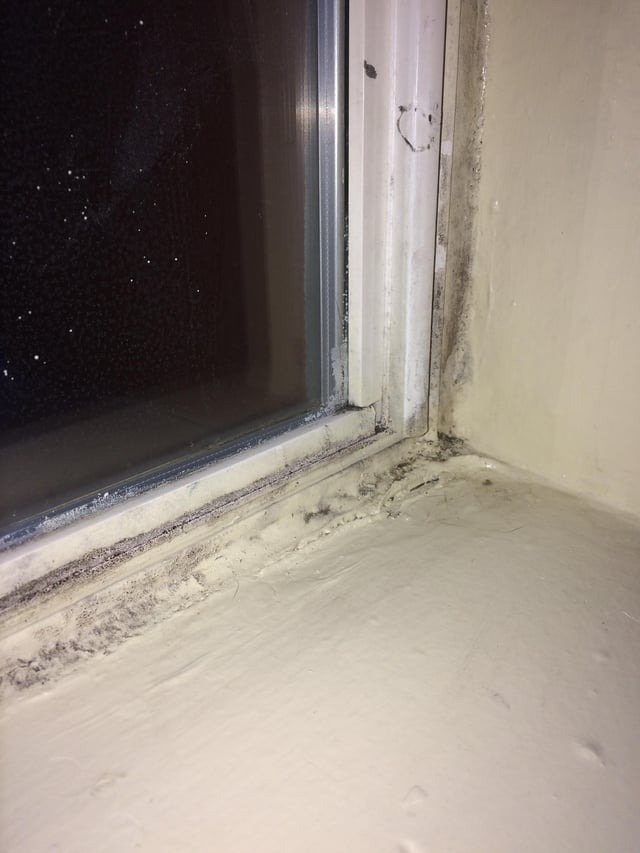
A qualified investigator may use a moisture meter or other tools to locate damp material. Readings guide the investigation alongside the building’s water history and what you can see. A meter does not identify mold concealed behind the wall.
If the source is a leak or recurring wetting, repair it. Cleaning the painted face won’t stop water coming through a joint or from behind the wall.
How to Clean a Small Patch Without Stripping the Paint
This route is for sound, washable paint after you’ve handled the moisture source and the safety checks. Keep water controlled: the painted face may be washable while the paper backing stays vulnerable to wetting. If you plan to repaint, decide whether painting over mold is safe first.
- Test the finish: If you’re unsure the paint is washable or colorfast, try your method in a hidden spot first.
- Wipe the mark: Use a soft cloth or sponge with a mild detergent-and-water solution. Keep the paint only lightly damp.
- Remove residue: Follow the detergent and paint directions, and don’t soak the baseboard joint or the wallboard.
- Dry thoroughly: Let the area dry fully before you repaint.
- Stop if the paint fails: Lifting paint, exposed paper, a soft backing, or crumbling material means you need to reassess.
A small mark on otherwise intact bathroom paint, after a condensation problem is fixed, fits this route.
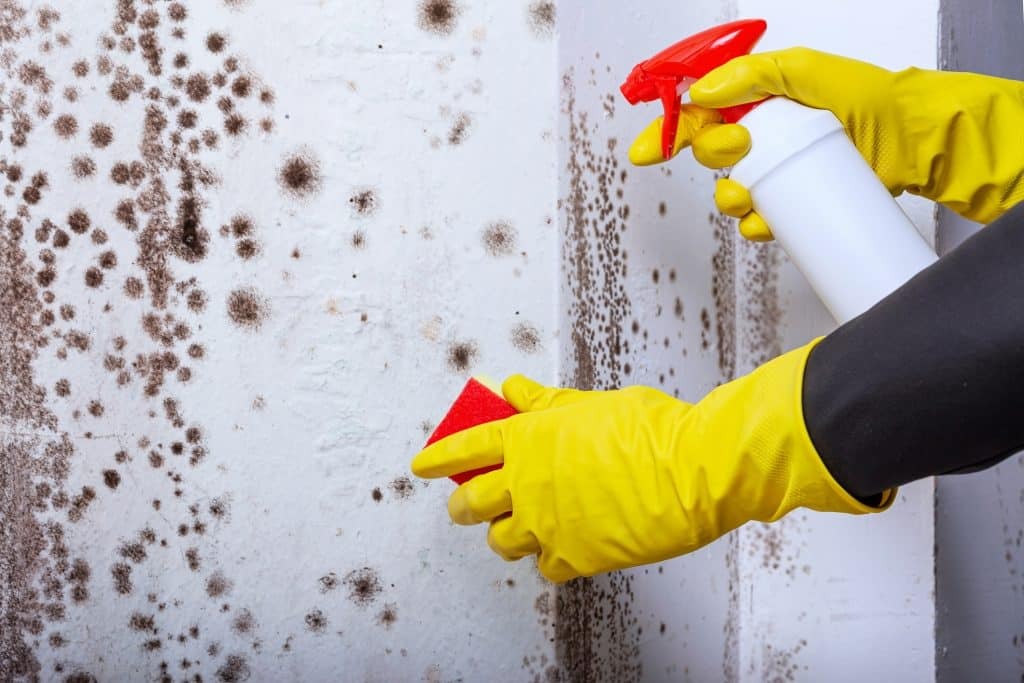
EPA does not recommend routine bleach use for mold removal. Dead mold can still cause reactions, so physical removal matters. Never mix bleach with ammonia, acids, or other cleaning products.
When to Replace a Baseboard or Have the Wall Behind It Investigated
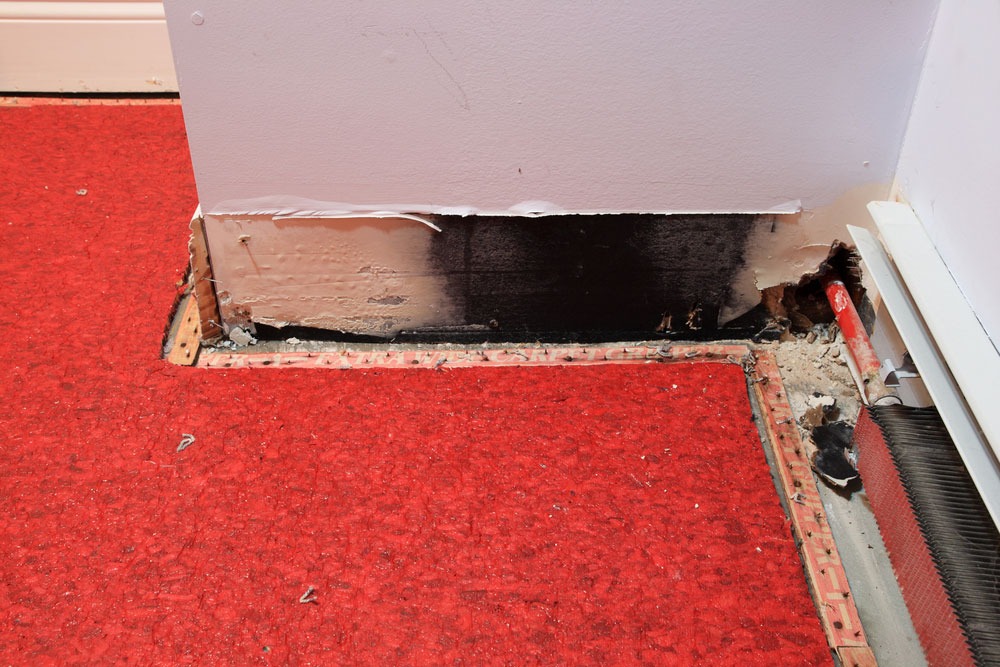
Replacement is a serious option when absorbent material has lost its shape or strength, stays wet, or may hold contamination that surface cleaning can’t reach. A firm, dry molding with a removable mark may still be usable. The repair boundary depends on what is affected and how far the damage extends.
- Sound and dry: Keep it once surface cleanup is done.
- Soft, swollen, or crumbling: Have the trim and drywall edge assessed to decide whether to replace them.
- Concealed or hazardous: Call in qualified investigation or remediation when the suspected extent, water type, building system, or disturbance hazard goes beyond limited DIY cleaning.
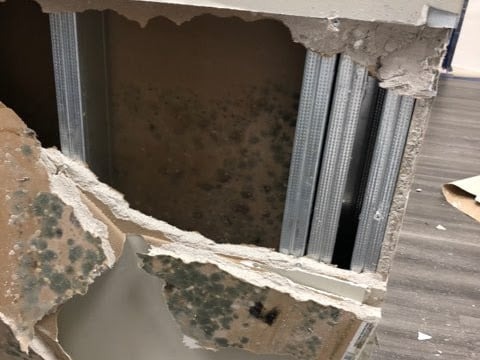
Removing trim can disturb old paint and expose the back of the paint layer, damaged drywall paper, or a damp seam. Opening contaminated cavities can release particles, so have the scope assessed first to limit unnecessary disturbance.
Why a Dark Stain Can Return After Cleaning or Repainting
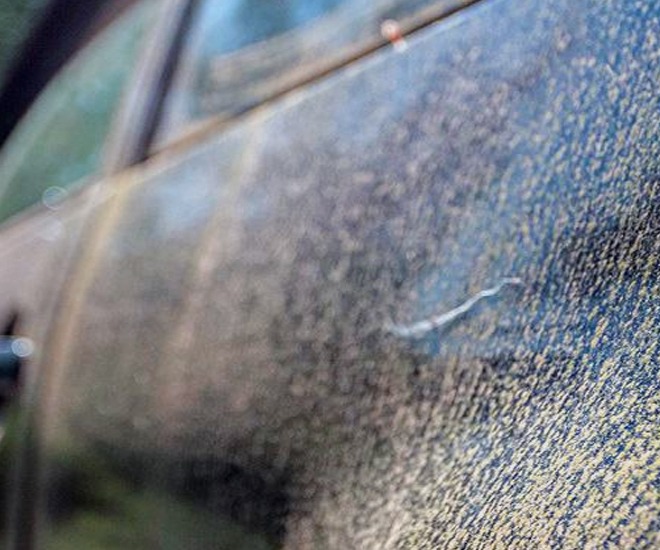
Discoloration can return because wetting continues, the affected backing was missed, or an old water stain is bleeding through the fresh coat. Water stains can stay visible after a leak is repaired, so a returning mark isn’t automatically new mold. Compare its timing with your moisture record, and note whether dampness, odor, or material deterioration has returned too.
How to Tell the Cleanup Worked and When Painting Is Reasonable
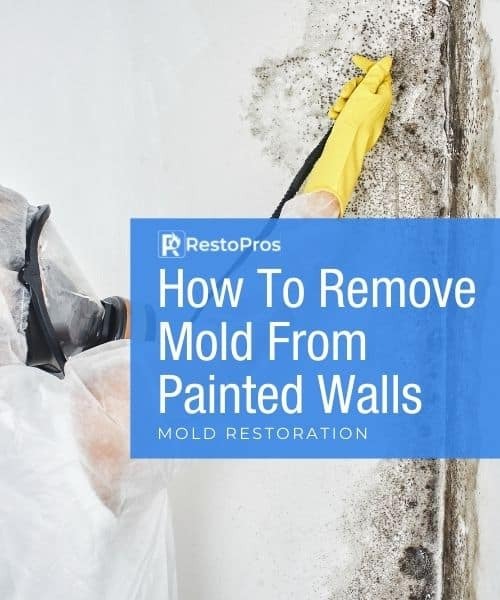
EPA advises against painting or caulking over mold, because a fresh coat can peel while the problem remains underneath.
Treat the surface as ready for repainting when all of these are true:
- Water source: The cause of wetting has been identified and corrected.
- Affected materials: Cleanable surfaces were cleaned, and damaged porous materials were assessed or replaced.
- Condition: The wall and baseboard are sound and dry, with no visible growth.
- Odor: No persistent musty odor remains.
- Follow-up: Later checks show no renewed wetting or deterioration.
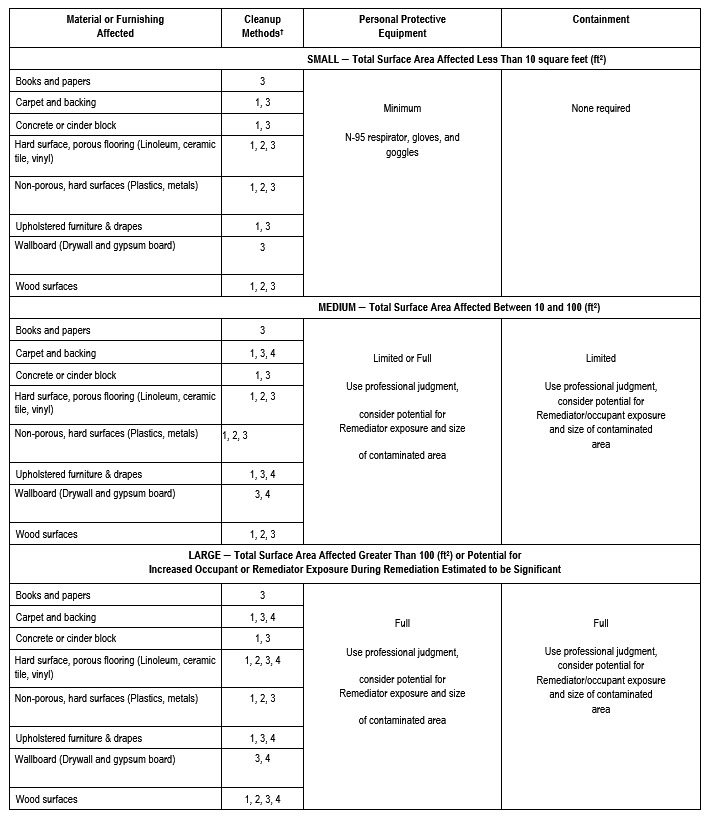
When mold is already visible, you don’t need routine sampling to know cleanup is required. EPA has not set a federal acceptable airborne mold-spore concentration that could serve as a universal clearance figure. In a difficult investigation or dispute, a specialist may recommend targeted sampling if the result would change the decision, but an air result cannot certify that every concealed surface is clean. The EPA guidance on mold sampling and testing explains the limits.
When you repaint, follow the coating manufacturer’s preparation directions.