
How to Check for Hidden Mold Safely
Look for water first. Check the stains, musty-odor patterns and leak history you can see without opening any finish. If the problem points into a sealed or repeatedly wet wall, or checking it would disturb damaged materials, stop and call a qualified professional. Fix the moisture source before you decide how to remove mold.
The Signs That Deserve a Closer Look
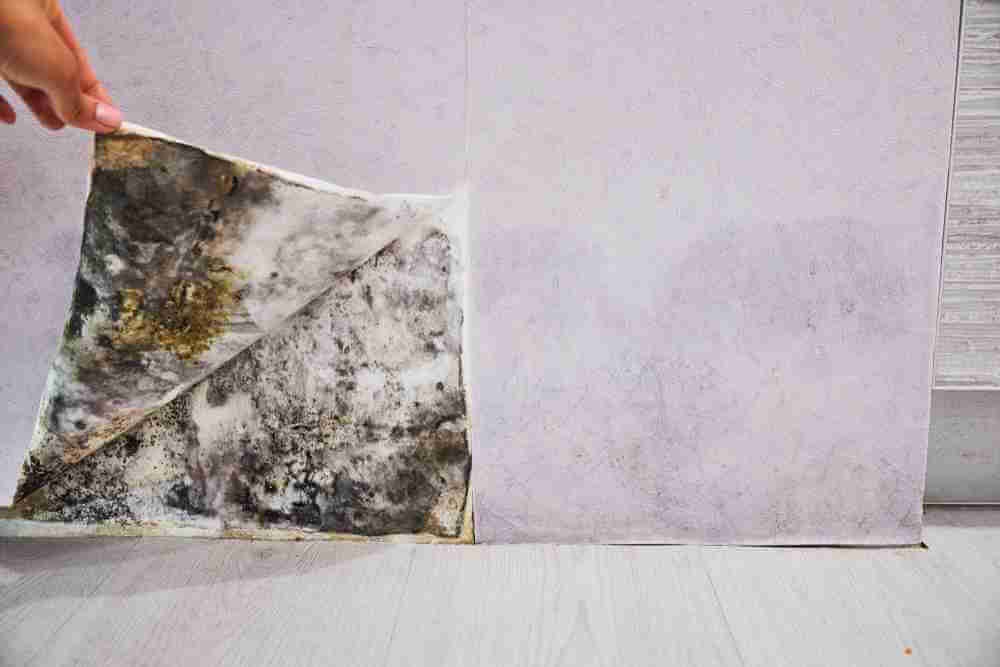
A room can smell musty while its walls look perfectly ordinary. Paint may be intact, the floor may feel dry, and there may be no obvious patch of mold anywhere. The US Environmental Protection Agency identifies several places where growth can stay hidden, including the backs of drywall and wallpaper, beneath carpeting, and behind furniture.
A stain, a musty smell or a swollen baseboard tells you to look for moisture. It doesn’t tell you whether mold is there, where it is, or how much.
| What you notice | Why it’s worth a look | What you can’t tell yet |
|---|---|---|
| Persistent musty odor | A damp or hidden source | Where the odor comes from |
| Reappearing stain | Recurring moisture or a previously damaged finish | Whether growth exists behind the surface |
| Bubbling paint or swollen trim | Current or past wetting | How far the damage extends |
| Soft or deteriorating material | Prolonged moisture damage | Whether neighboring hidden materials are affected |
| Known leak near an apparently normal wall | Water may have reached covered materials | Which materials got wet and are still damaged |
A newly noticed mark can be old staining, damaged paint, dirt or condensation. Its age and cause tell you where to look.
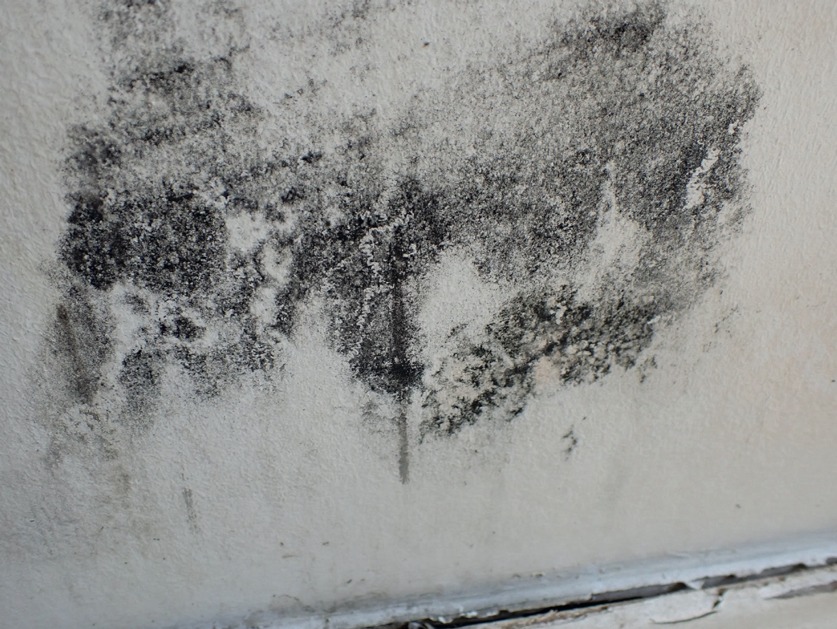
Finally moved into our first home. One of the pre-move in projects we did was install new fans in both showers. The one we use also has a large dehumidifier. With both running, the mirror doesn’t even fog up. We’ve taken maybe 10 showers there and last night we notice what looks like mold on the wall and sill that was not there before. I suspect the sellers either painted over mold or I’m just misidentified what this is.
I remember on the disclosures there was “stains on walls” but in the inspections and walkthroughs I never saw anything like that. It used to be a rental for ten plus years so who knows what the tenants before did.
Has anyone ran into this in their first week at their new home? Any advice to share?
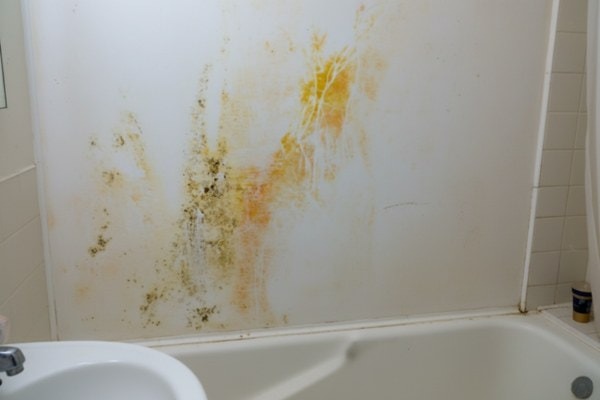
Describe what you see in physical terms. “A brown mark below the window” is useful.
Trace the Water Before You Guess What’s Behind the Wall
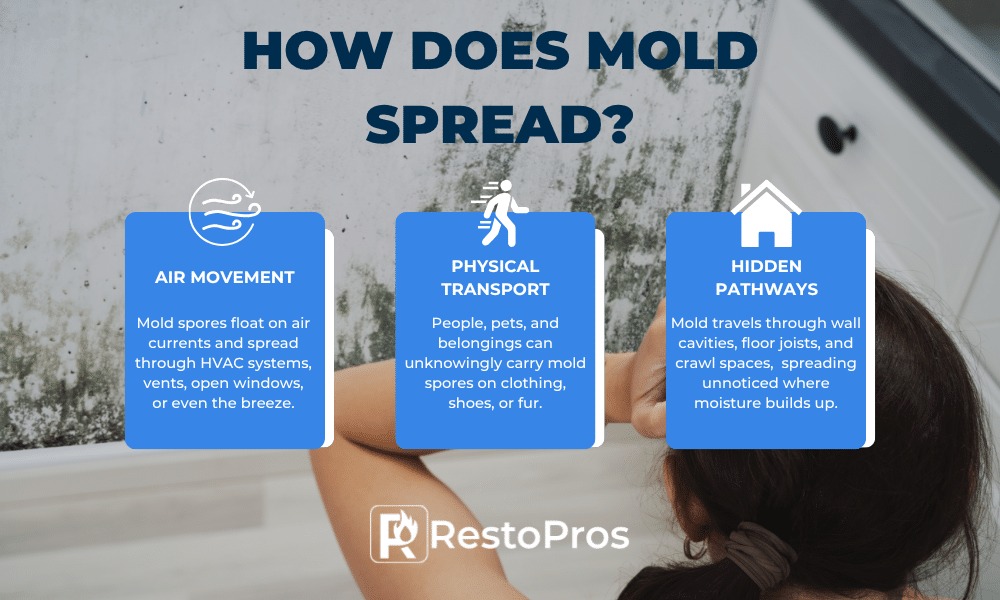
Start by working out where the water got in and where it went. The timing of an odor or stain can tell you as much as its location.
A musty smell after heavy rain points to different causes than dampness after a shower or a wash cycle. A stain below a window directs you to the window and the exterior wall around it. A ceiling mark under a roof or a plumbing run points to another set of sources.
Consider these routes in relation to the affected room:
- Rain and exterior openings: Roof penetrations, chimneys, windows and exterior wall joints are the usual suspects when damage follows the weather.
- Plumbing fixtures: Supply connections, drains, laundry hookups and bathroom plumbing can expose nearby building materials to water.
- Condensation: Moist air meeting cool surfaces creates damp conditions even where no pipe has leaked.
- Previous repairs: A replaced pipe, a repaired roof or a repainted wall gives you history when damage shows up nearby.
Write one water-route hypothesis that joins the location, the timing and the likely entry point. For example: “The lower wall smells musty after rain; the window trim has old staining; the wall has previously been repaired.” That is specific enough to guide your next observation without claiming the source is proven.
A wall that was wet before can read dry at a later inspection while the materials inside stay damaged.
hello… my girlfriend and i just purchased this home. there was a pre-inspection done and we had our own inspection done and nothing ever popped up on the report for mold. the things that did pop up as alarming, were fixed. the previous homeowner had to install a new vapor barrier in the crawlspace because the last one was failing.
i think i found out where specifically it was failing… but it was never fully investigated by the past homeowner themselves… they had a window air conditioner running in this room, sealed off with packaging tape… we never noticed this because it was covered by the curtains they had… i looked outside and found a big gap between the drip edge for the window and siding(this has been sealed off)… we closed on the house july 31st, starting ripping out the carpet because it smelled of cat urine and wanted hardwood flooring throughout.
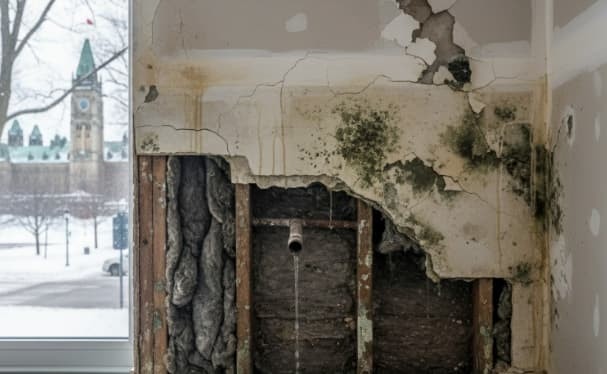
after ripping it up i seen the subfloor was damp along the very edge and was confused… i took the trim off and found mold on the backside and the drywall came with the trim and i slowly started just peeling back the drywall because it was just crumbling and found all of this… im unsure if its fully mold or if so much water has gotten in its just fully destroyed the 2x4s next to the window and the plywood and very small edge of subfloor… but pretty positive its mold…
any insights on best course of action???
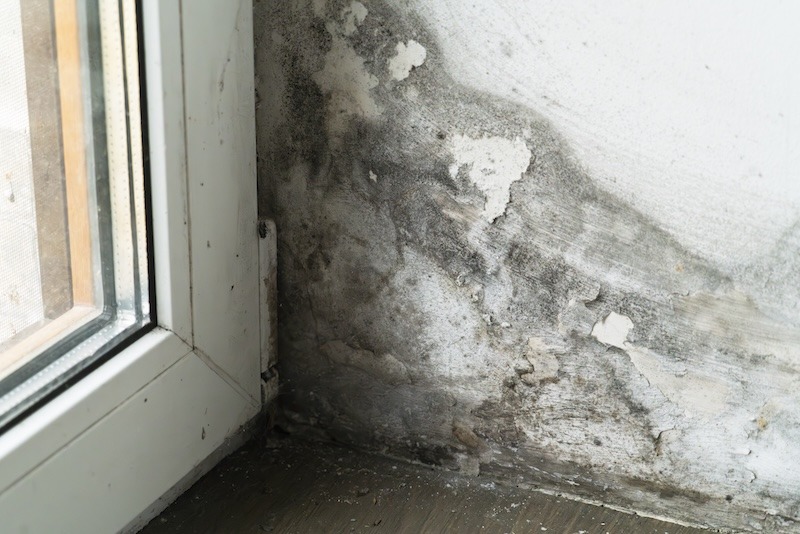
If you suspect moisture where a window, a lower wall and the floor meet, check all three.
Check the Accessible Places First
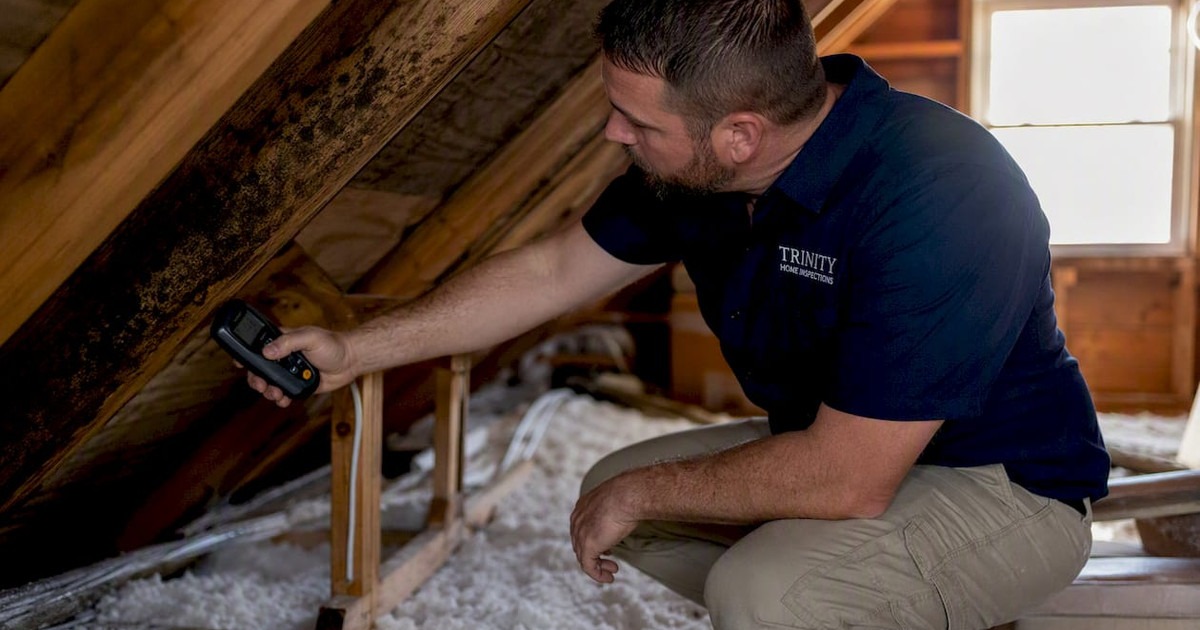
Begin with a visual check of the places you can reach safely. Follow your water-route hypothesis to the surfaces and junctions you can get to, using only your eyes and a flashlight.
The EPA Mold Course describes where growth hides. The visible surfaces of those places can give you clues before anyone opens a wall or floor.
| Where you can look | What might be behind it | What to look for |
|---|---|---|
| Behind safely movable furniture against an exterior wall | Covered wall surface, baseboard, wall cavity | Discoloration, dampness, damaged finishes |
| Inside an accessible sink cabinet | Plumbing penetrations, cabinet backing, adjacent wall | Drips, water marks, softened cabinet material |
| Around laundry connections | Wall behind hookups, floor edge, subfloor | Fittings you can reach, stains, standing water |
| Below or beside a window | Lower wall, trim backing, adjoining floor | Frame condition, staining, damaged paint or trim |
| Beneath a stained ceiling | Ceiling finish, roof or plumbing behind it | Staining, sagging, deterioration |
Move lightweight furniture only when it is safe. Open an accessible cabinet or examine trim from the room side. Leave wet electrical equipment, damaged ducts and deteriorating structures alone.
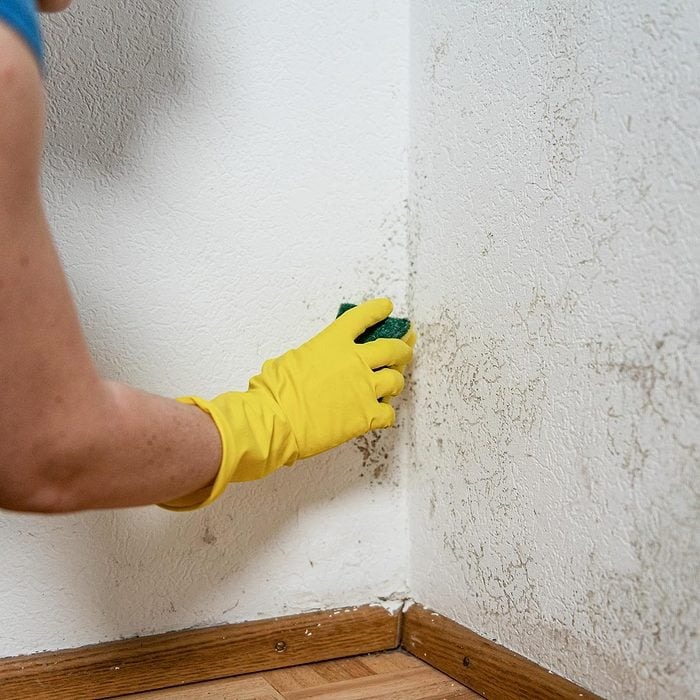
Intact drywall and sealed ceilings hide what is behind them. If you have no safe existing view, record the area as inaccessible.
What Moisture Meters, Thermal Cameras and Borescopes Reveal
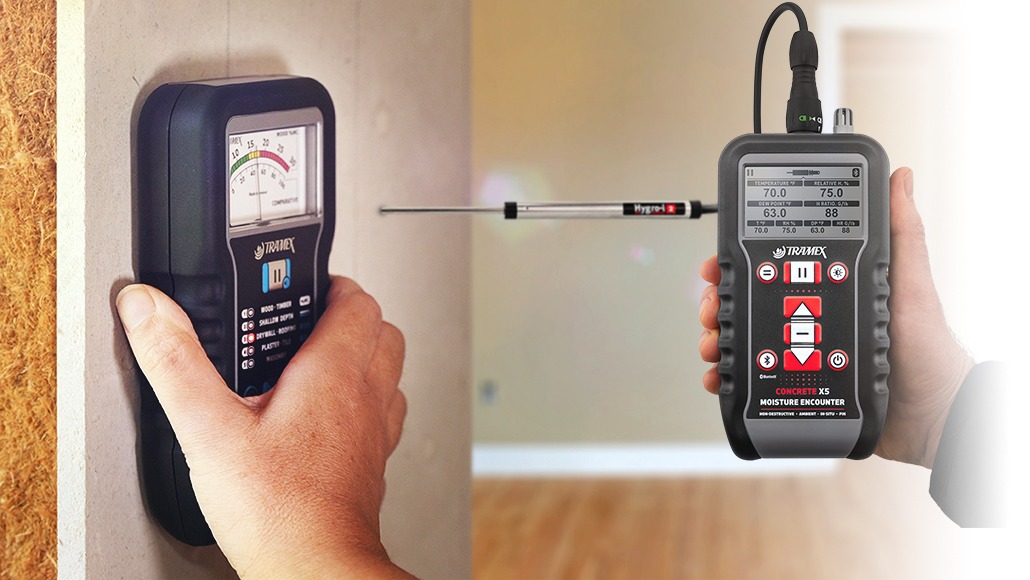
Each tool measures a different physical condition. A reading becomes useful when you read it against the suspected water route and the material being tested.
| Tool | What it observes | What changes the reading’s meaning |
|---|---|---|
| Hygrometer | Relative humidity in the surrounding air | Location, timing, indoor conditions |
| Moisture meter | A material-dependent electrical or other moisture response | Device mode, calibration, units, material, comparable locations |
| Infrared camera | Apparent surface-temperature differences | Moisture history, insulation, airflow, heating or cooling conditions |
| Borescope | A narrow view through an appropriate access point | Obstructions, insulation, camera angle, the area actually seen |
If a thermal image flags a spot but the meter reads normal, compare the materials, the conditions during each measurement and the likely water source. Don’t average the two, and don’t pick the scarier one and call it a mold diagnosis.
Reading a moisture meter
A meter’s reading depends on the instrument and the material. Two different surfaces can show different numbers under the same conditions. Compare readings only in the correct device mode and on genuinely comparable materials.
No universal moisture percentage diagnoses mold across drywall, wood, flooring and insulation. The units and measurement method matter. For drywall specifically, decide when moldy drywall must be replaced once you have readings you can trust.
Reading a thermal image
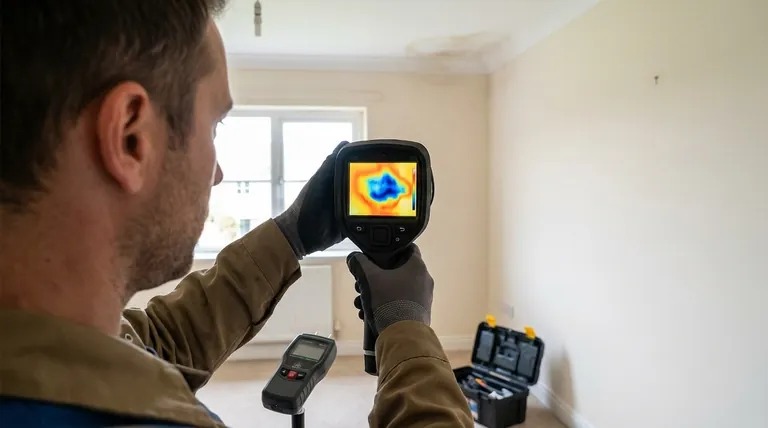
A thermal camera shows surface-temperature patterns. A cooler-looking area deserves a closer look when it lines up with a credible leak history. Insulation or airflow differences can produce the same pattern, so check the image against the building conditions and your other observations.
Understanding a borescope view
A borescope shows only a small part of a wall space, through an appropriate existing or professionally created access point. Insulation, framing and the camera’s direction limit the view, and a clear-looking patch says nothing about the rest of the wall.
If reaching that space would disturb suspect materials, a professional should plan the work and the precautions.
Do You Need a Mold Test?
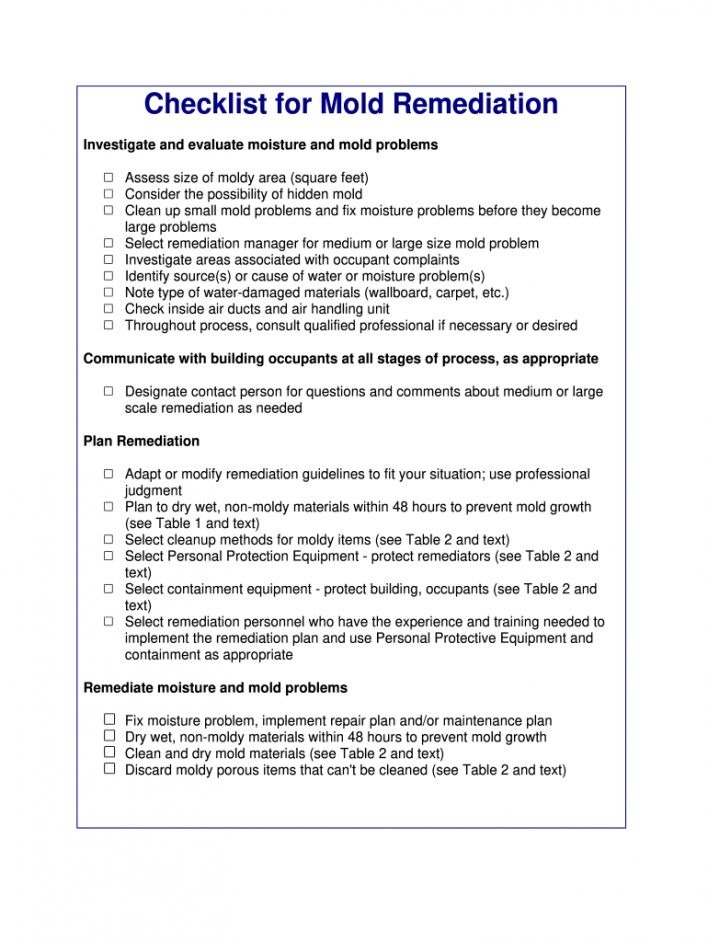
The EPA’s mold sampling guidance says routine sampling is generally unnecessary once mold is visible and cleanup is already warranted.
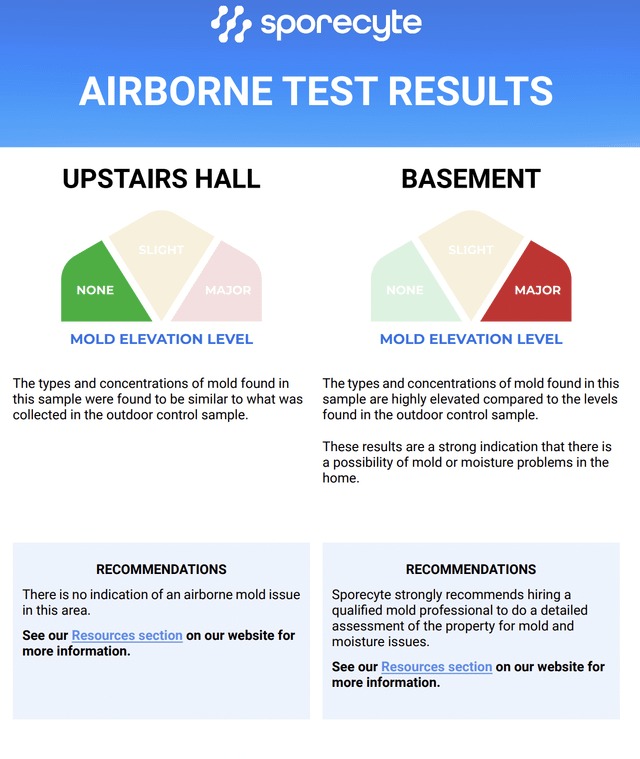
CDC/NIOSH guidance on mold testing discourages routine air sampling. Short measurements can’t reliably characterize overall exposure, and no accepted health-based indoor concentration limit gives a universal pass/fail result. EPA also describes ERMI as a research tool and does not recommend it for routine non-research use.
Targeted professional sampling can sometimes answer a defined question. Before paying for it, ask which decision the result would change.
Know When to Stop Investigating
Opening a suspicious wall or ceiling turns observation into disturbing contaminated or damaged materials. EPA warns that hidden mold can be released when affected materials are disturbed.
Stop before the next step if it involves:
- Opening a closed wall or ceiling: Cutting drywall, drilling a new inspection hole, stripping damaged wallpaper or moving insulation.
- Disturbing deteriorated materials: Crumbling wallboard, soft trim, a damaged ceiling or other porous building material you suspect is affected.
- Building hazards you can’t rule out: Electrical or plumbing services, structural deterioration, restricted HVAC areas, or lead- or asbestos-containing materials.
- Contaminated water: Sewage or floodwater, which calls for extra precautions and professional evaluation.
- Vulnerable occupants: Exposure during cleanup or disturbance is a concern for people with asthma, COPD, immune suppression or similar vulnerabilities.
In these cases, a qualified professional should assess access, material hazards and containment. A professional may need to open a wall to see what is inside, but the access method should be planned for the materials and the work area.
For US housing built before 1978, disturbing painted finishes raises lead-related concerns. The EPA Renovation, Repair and Painting program addresses lead-safe requirements for many paid renovation activities involving older housing.
A respirator alone does not make an intrusive investigation safe. The work also has to account for the condition of the materials, the affected space and the people who could be exposed.
What to Record Before Calling a Mold Inspector
A useful assessment starts with a clear account of where the problem occurs, what has changed and what you don’t know.
For example, “The lower wall stained after rain, beside a previously repaired window” gives an investigator a better starting point than a request to “test the whole house for mold.”
A general home inspection performed under the American Society of Home Inspectors’ Standard of Practice examines readily accessible, visually observable systems. It does not require opening concealed materials or conducting routine mold testing. A particular inspector’s obligations depend on the services and inspection agreement.
Hello, I recently closed on my first house two weeks ago. When I was deep cleaning the laundry room I noticed water bubbling up between the tile. So I pulled all the tile flooring out to find a lovely surprise. The washer hookups had been leaking into the wall and now I have black mold and a lot of work needed to be done.
I did get an inspection and this was not in the report. I do have a 2-10 home warranty but I am new to this and I could use some help figuring out the correct language to use with them so I don’t come across as livid as I am with this situation.
Can anyone offer any advice or guidance on a path forward I should take? I have contacted my realtor to alert them of the situation and I have taken a large amount of pictures documenting the situation.
I went through 85% of my savings for the down payment on this property and I am terrified I won’t financially recover.
Take photos of whatever you find. A dated record also separates a newly noticed condition from a defect reported earlier.
Keep a focused observation log

| Field | What to enter |
|---|---|
| Date and location | When you noticed the condition and the specific room or surface |
| Weather or activity | Rain, plumbing use, condensation or another related event |
| Previous water history | Known leaks, repairs or documented damage |
| Visible condition | Staining, soft material, bubbling finish, odor or standing water |
| Photo reference | Dated photographs and where each was taken |
| Instrument details, if available | Device, material, mode, units and recorded reading |
| Hidden area | Materials or wall spaces that can’t be examined safely |
| Open question | The specific thing you still need to find out |
Keep the record factual. If you don’t know when an old leak began, write that it is unknown. The log can guide the inspection without a meter purchase or a guess at a diagnosis.
Request a defined investigation
Ask the professional to tie the proposed scope to the evidence you recorded, the materials involved and the possible water source. See what a mold assessment tells you for a reference point.
Please identify the likely moisture source and which accessible or concealed materials may be affected. If you propose opening a cavity, explain what evidence supports that access location, what the inspection is expected to reveal, and how the work would be controlled. Document your findings, the limits of any instruments or samples, and what remains uncertain.
After the Check: Choose the Next Step

Your next step depends on what you found:
- Active water entry: Get the leak or other moisture source corrected and assess any water-damaged materials.
- Suspected hidden damage: Request a qualified investigation of that specific wall or ceiling when the evidence points beyond the surfaces you can reach, or when a musty odor persists with no identifiable source after your accessible checks.
- Confirmed affected material: Set the cleanup or remediation scope for that material, including any repair needed before rebuilding.
- Nothing points to a problem: If you can reach the area, it’s dry, and no other evidence keeps showing up, keep watching it. You don’t need to open anything.
Even after a leak is repaired, porous materials that were damaged earlier may still need assessment or replacement.