Do You Need a Mold Test Before Removal?
No, not if the mold is already visible. Lab testing adds nothing before cleanup in that case. Find and fix the moisture, work out how far the mold has spread, and decide how to clean it safely. Sample only when the result would change a specific repair, a sale, or a piece of documentation.
| What you’re dealing with | Is laboratory testing needed first? | Best next step |
|---|---|---|
| Visible mold, with a moisture problem you can identify | No | Check the affected material, how far the mold extends, and how to clean it safely |
| Musty odor, unexplained dampness, or suspected hidden growth | Sometimes, once an investigation gives a reason | Investigate the building and the moisture source |
| Home sale, rental dispute, or professional project with documentation requirements | Depends on the question or obligation | Settle what assessment and evidence are required before you approve any sampling |
When You Can Skip a Mold Test
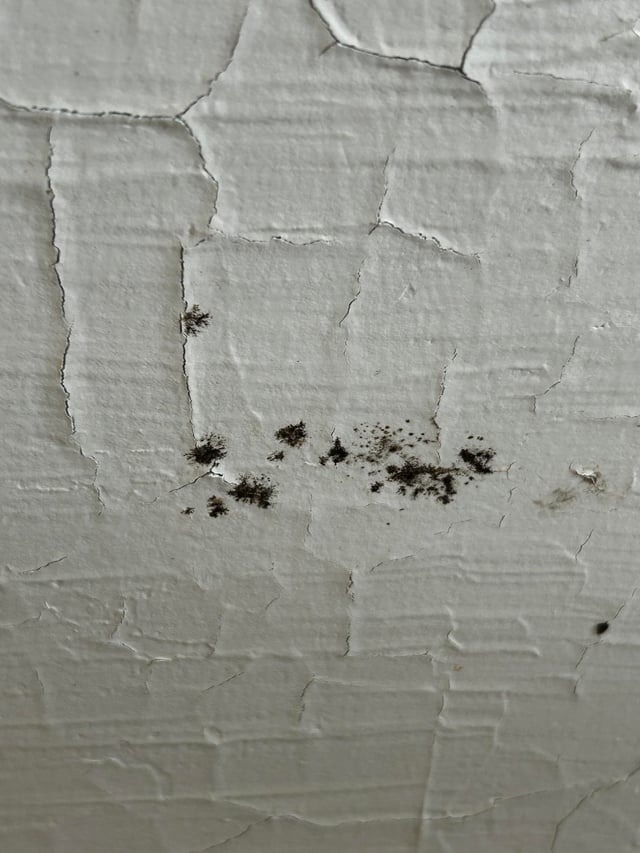
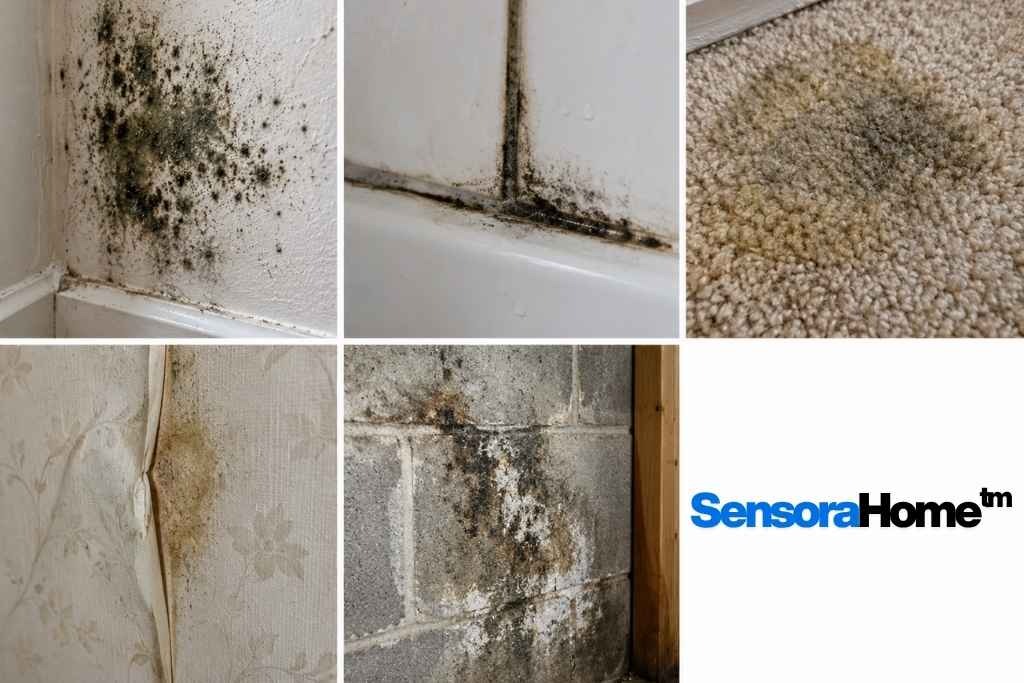
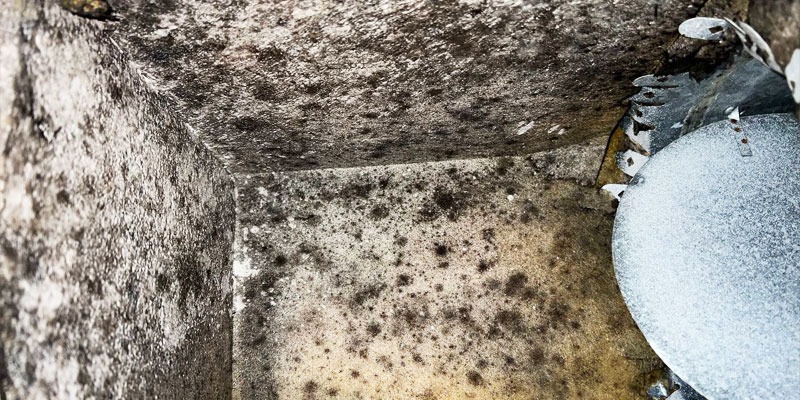
When mold is plainly growing on a wall, ceiling, or other building material, a lab name for it adds little to your decision. The growth needs attention, and so does the moisture that let it develop. EPA guidance on mold sampling advises against routine testing when mold is already visible.
Say you find spots on a bathroom ceiling after repeated condensation, or growth beside a cabinet where a plumbing connection has leaked. Knowing the species would rarely change the need to dry out that area. What matters is the condition of the material under the visible growth and how far the problem extends.
Scale changes the cleanup. A small patch on a surface you can wipe down is a quick job. Saturated drywall, a closed-off cavity or widespread contamination is not. EPA uses roughly 10 square feet as a cleanup reference for a typical homeowner.
That figure covers what you can reasonably clean yourself. Contaminated water, hidden damage, a larger area, difficult materials, HVAC involvement, or occupants with health vulnerabilities can call for a professional even when the visible spot looks small. A small visible spot does not guarantee a small problem underneath.
Inspection vs. Mold Testing: Find the Moisture First
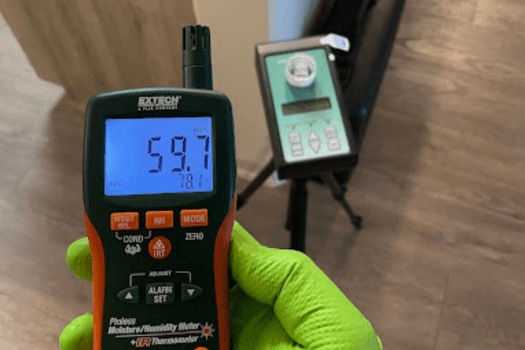
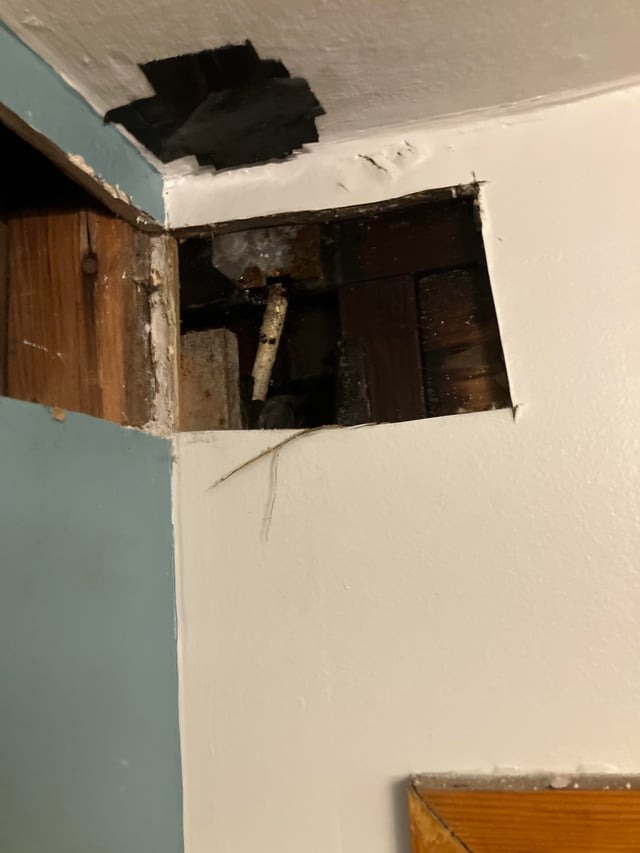
An inspection looks at water entry, damp materials, damage, and how far the problem may reach. Mold sampling collects an air, dust, or surface sample for analysis, and it can be one part of a qualified investigation. If a room smells musty, a wall has unexplained stains, or an old leak makes you suspect hidden damage, write down what you can see and arrange a building and moisture assessment. Do not open walls yourself. A normal short-duration air sample cannot rule out damp material or mold inside a wall.
A professional visit starts with the same questions, and a mold assessment ties the answers together.
When a Targeted Mold Test May Be Worth Paying For
Sampling helps when one specific question is still open after the building and moisture have been checked. A disputed stain is one example: identifying what is on that surface could change how an inspector describes the damage or plans further work. Specialists also use targeted sampling in complicated investigations and property disputes where the findings serve a documented purpose.
Say you find a mark you can’t identify. Before anyone takes a sample, ask what each result would change:
- Mold identified: The inspector weighs that result together with the moisture and material damage when documenting the affected area or adjusting a proposed repair.
- No mold identified in that sample: The result covers that sample only. If dampness or damage remains, the inspector looks for other causes. It does not clear the rest of the building.
- Inconclusive: The mark stays unidentified. The inspector goes by the moisture and the condition of the material to decide what to investigate or repair next.
If every result leads to the same moisture repair and cleanup plan, the sample adds little.
If the same people that do the mold tests are the same people who get rid of the mold for you, how do I know they’re being honest about my situation and what is needed?
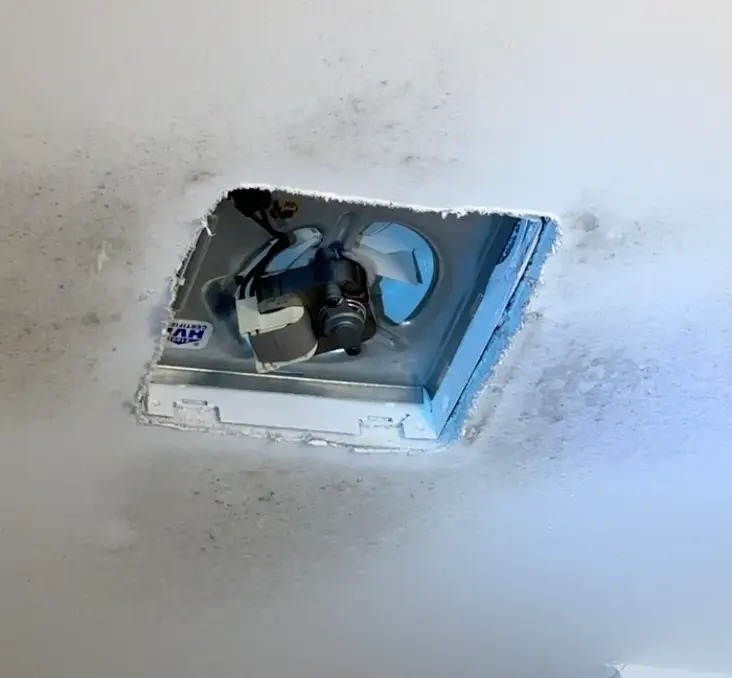
I don’t smell anything musty or anything like that. I had some tiny dots of mold on the ceiling around my fart fan in one bathroom, which I think was just a ventilation problem in there. I now shower with the window open, and they haven’t come back after cleaning with bleach. Though it has only been two weeks.
The home test kits aren’t reliable enough. I want the best test possible, but I don’t want to worry that it’s bullshit. Help.
Air Samples, Surface Samples, DIY Plates and ERMI: What They Measure
Each method examines a different sample taken under different conditions. Pick the method that fits the open question before you read its result as evidence about a room or building.
| Method | What it examines | When it helps | Main limitation |
|---|---|---|---|
| Air or spore-trap sample | Airborne particles collected under set conditions | An investigation where a specialist decides an air sample is needed | Reflects one location and period; hidden growth can be missed |
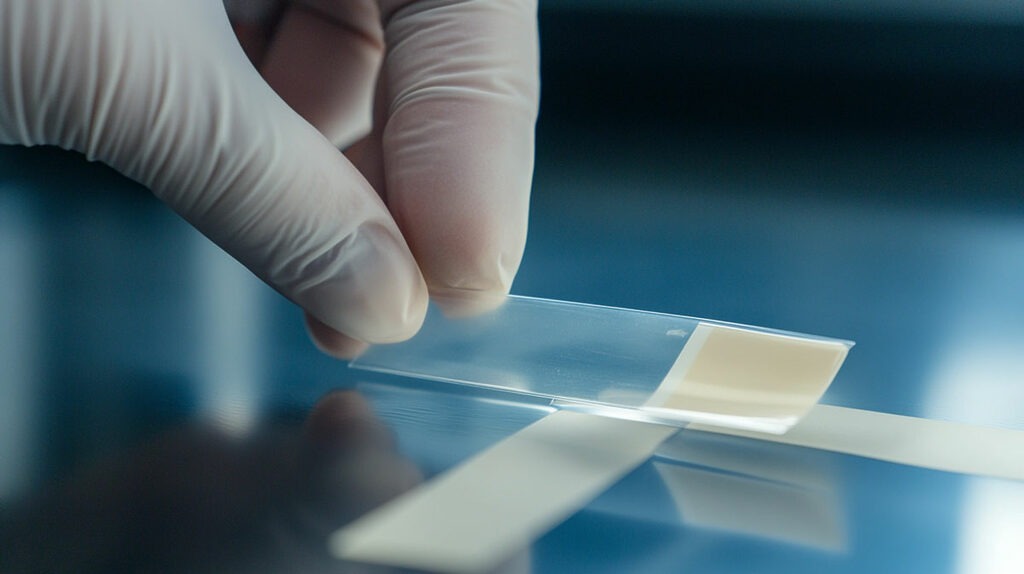
| Surface swab or tape lift | Material taken from one surface | An unidentified mark whose identity could change a decision | Does not show exposure across the whole building |
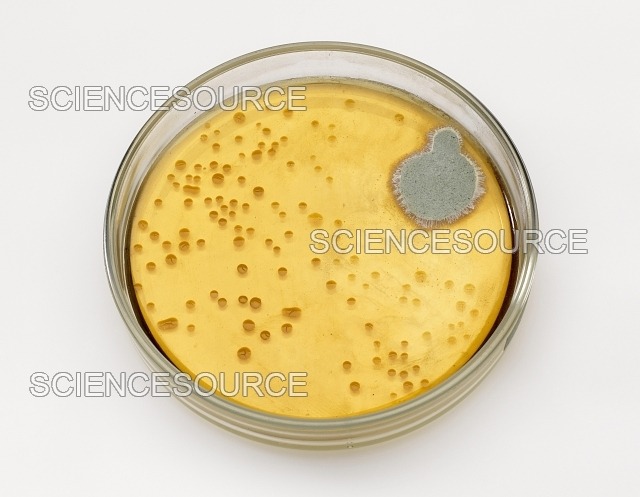
| DIY culture or settling plate | Organisms that grow under the plate’s collection and culture conditions | Making sense of a home-kit result you already have | Colonies on the plate do not mark a health danger threshold |
| ERMI dust analysis | A research-derived DNA-based dust index | Specialized research applications | A research tool, not a household safety score |
A culture dish covered with colonies looks alarming. Mold spores occur in ordinary environments, and the plate’s collection and culture conditions shape what grows, so the result cannot give you a calibrated household health threshold.
ERMI, the Environmental Relative Moldiness Index, produces a number that can look like a household safety score. EPA developed it for research, and the EPA ERMI guidance does not recommend routine nonresearch household use.
How to Read a Mold Test Report Without a False Safety Verdict
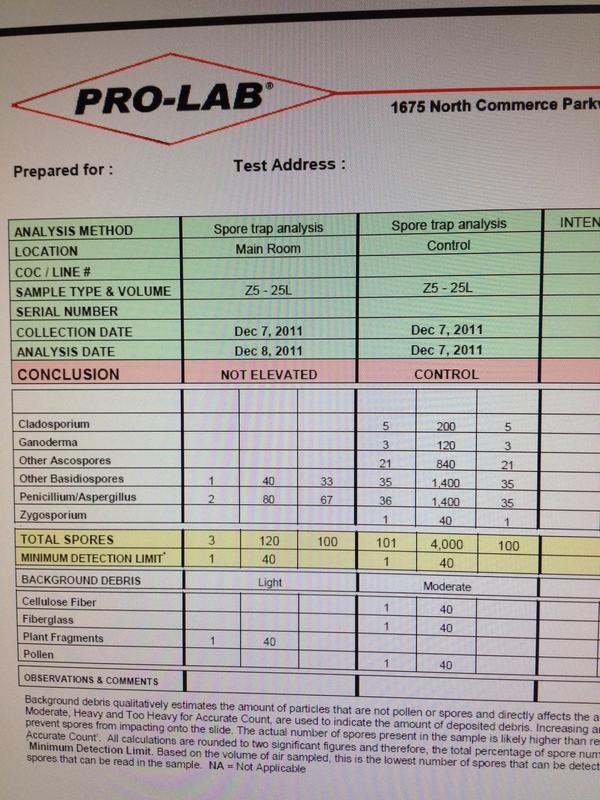
Start with how the sample was collected, then read the numbers in the context of the building. Sample location, collection time, method, comparison, and the reason for sampling all affect what a result means.
There is no federal health-based standard for airborne mold concentration that turns a spore count into a universal safe-or-unsafe finding. CDC/NIOSH guidance on environmental mold testing explains the limits of short-duration samples. A lab measurement also cannot diagnose anyone’s illness.
We are currently in the process of selling our home and during the inspection, the buyers had a mold test done. These were the findings from the tests. Our home is only 5 years old and we haven’t had any issues with the HVAC since moving in. The last time we had the system checked/ducts inspected, they looked clean, just some dust and paint particles from the build. The buyers want us to pay $2500 to have a company come and clean out the ductwork.
That seems insane to me considering none of these levels are high. I’ve also heard that duct cleaning is basically just a scam. Am I crazy to think that’s excessive? We’re planning on getting a second opinion, but just wanted to ask here too.
If you already hold a report, ask for the collection method, the sampled locations and times, the conditions at the time, any comparison samples, and a written explanation from a qualified person that ties the findings to the proposed work.
Six Questions to Ask Before Authorizing Mold Sampling
A sound proposal ties each sample to a question that matters for the building or for the documents you need. Get the scope in writing before you approve the work.
| Question to ask | Why it matters | Watch for |
|---|---|---|
| 1. What exact uncertainty are we testing? | Names the decision that needs evidence | A proposal that names no open question |
| 2. What changes if the result is positive, negative, or inconclusive? | Links each result to an action or obligation | The same recommendation for every result, with no explanation |
| 3. Why this method, these locations, and this number of samples? | Shows whether the sampling matches the suspected problem | A fixed package offered without looking at the building |
| 4. How will the results be interpreted? | Shows the basis for comparisons and conclusions | A pass/fail label or numerical threshold with no explanation |
| 5. Who interprets the findings, and who performs remediation? | Makes roles and financial incentives clear | No explanation of roles, independence, or how recommendations are made |
| 6. What qualifications, written scope, fees, and local requirements apply? | Spells out the service and what you receive | Vague credentials, charges, or reporting obligations |
EPA does not issue mold-inspector certifications or licenses, and requirements for professionals differ by jurisdiction and project scope.
In Home Sales, Rentals and Disputes, Document the Building
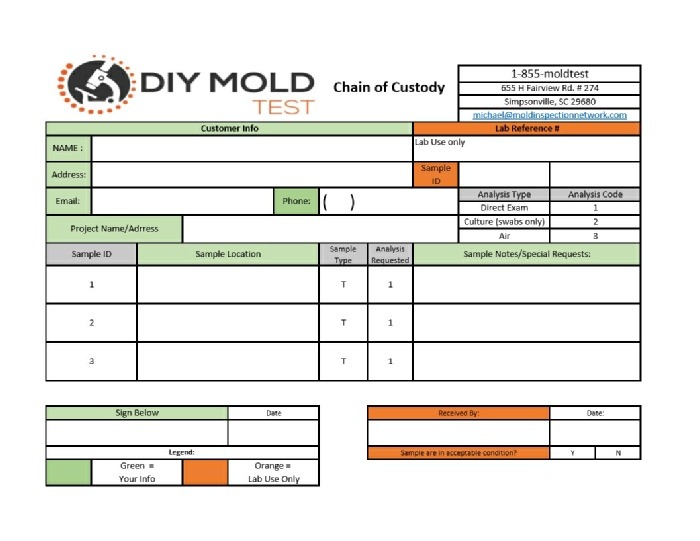
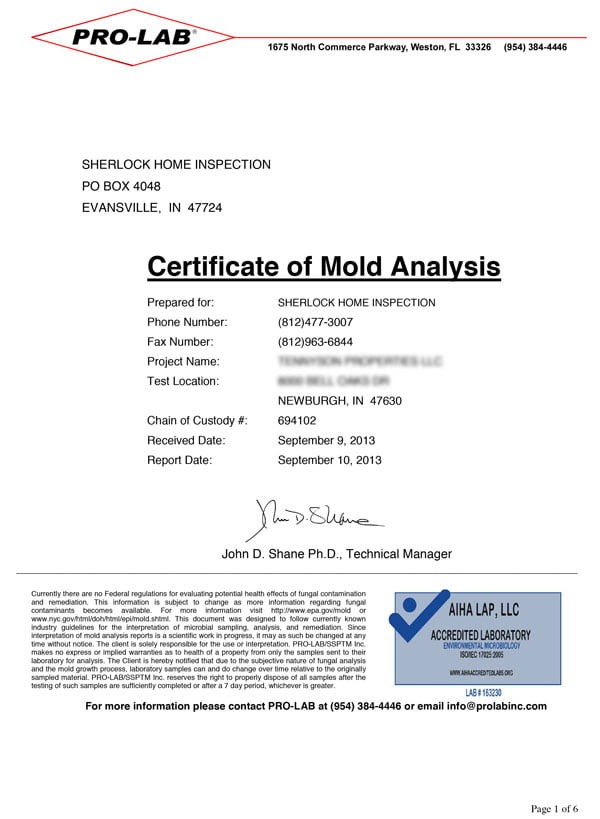
Sales and disputed repairs call for a record of the building’s condition, the water problem, and the work done. A lab result documents one sample. Repair receipts show work that was paid for or reported, but the condition of the affected material still has to be established.
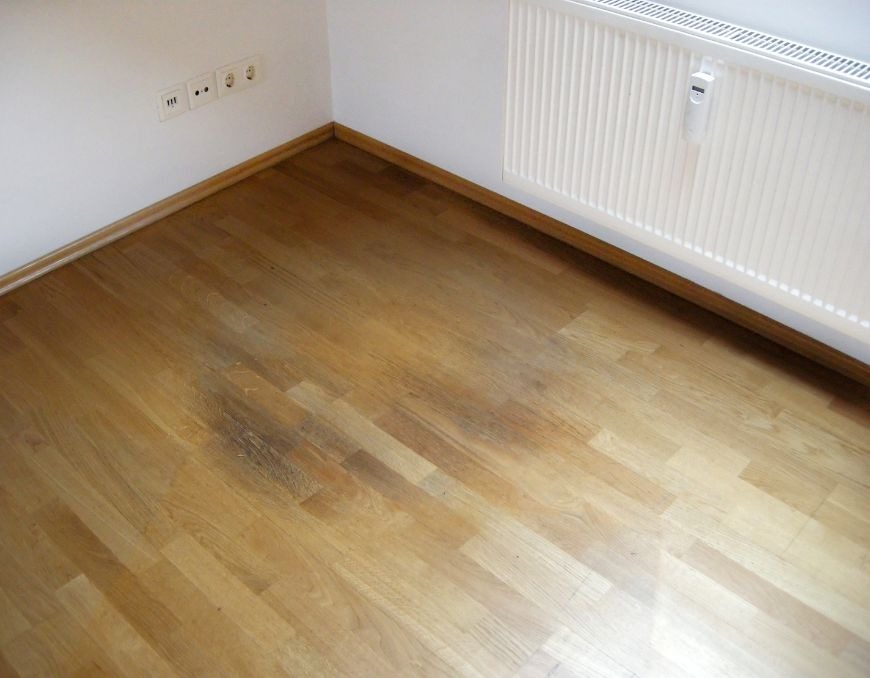
We were under contract to buy a condo. The owner of three years had died, leaving the condo to her children. There was a previous pending sale that fell through a month prior. They wouldn’t share that report until we were under contract.
Inspection happens, (they don’t allow me to be there), and the wood floors in the bathroom are soaked. (Why there is wood floor in the bathroom, I’ll never know.) Seller’s disclosure says no knowledge of any leaks until discovered in the previous pending sale that fell through. That 1 month old Inspection showed the bathroom leak. Then the Inspection from 3 years showed the same thing. So we deduce a leak for over 3 years = mold and water damage.
We find a water damage/mold inspection company, and sellers arrange the appointment and give authorization. Inspector arrives and takes thermal images. They start to argue with him that he’s only supposed to be testing for mold. They make him delete the photos, and go into his Recently Deleted folder to delete those files too so they can’t be recovered.
Jokes on them, we had the inspector write a letter about his experience and opinion that it was a hot water slab leak, and submitted it to the seller’s agent. Now they get to disclose the leak anyway.
Needless to say, we walked away.
For a sale, tenancy dispute, or contested repair, assemble a building-condition file with:
- Dated condition records: Photographs, affected locations, visible staining or damage, and observed moisture.
- Water-source history: Known leaks, earlier inspection findings, and available reports about the affected materials.
- Assessment documents: Who examined the property, which areas were covered, and any stated limitations.
- Repair documentation: The agreed work, the materials addressed, and the fix to the water source.
- Reinspection findings: What was observed after the work, including checks of the affected areas.
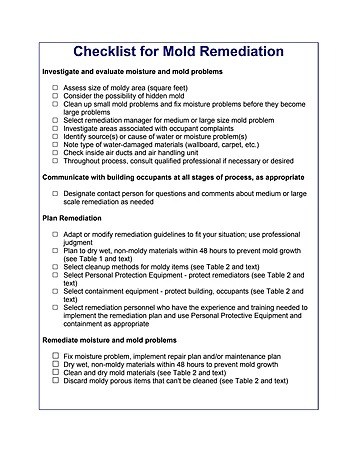
The contract and local requirements decide which formal documents or professional assessments you need. Your own notes do not establish legal compliance.
In New York, certain regulated professional mold projects involve a licensed assessor and a remediation plan. The New York Department of Labor’s mold FAQ describes that framework. It does not require a lab sample for every household mold concern.
Texas also regulates covered mold assessment and remediation activities. Covered work can require professional assessment without routine mold-species testing.
What to Do Next and Why Post-Remediation Testing Is Different
Do not wait for a lab result to act on an active leak. What you do to the materials depends on their condition and the extent of the damage.
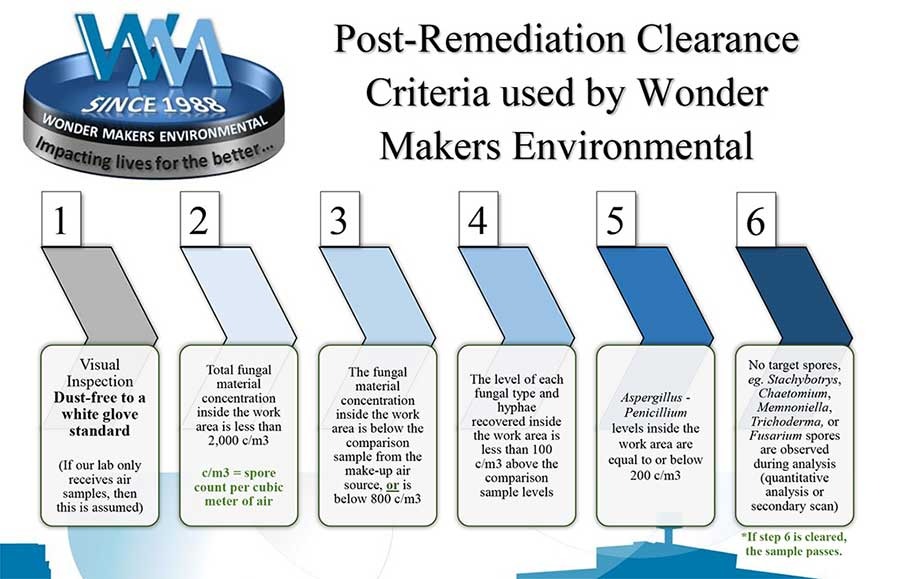
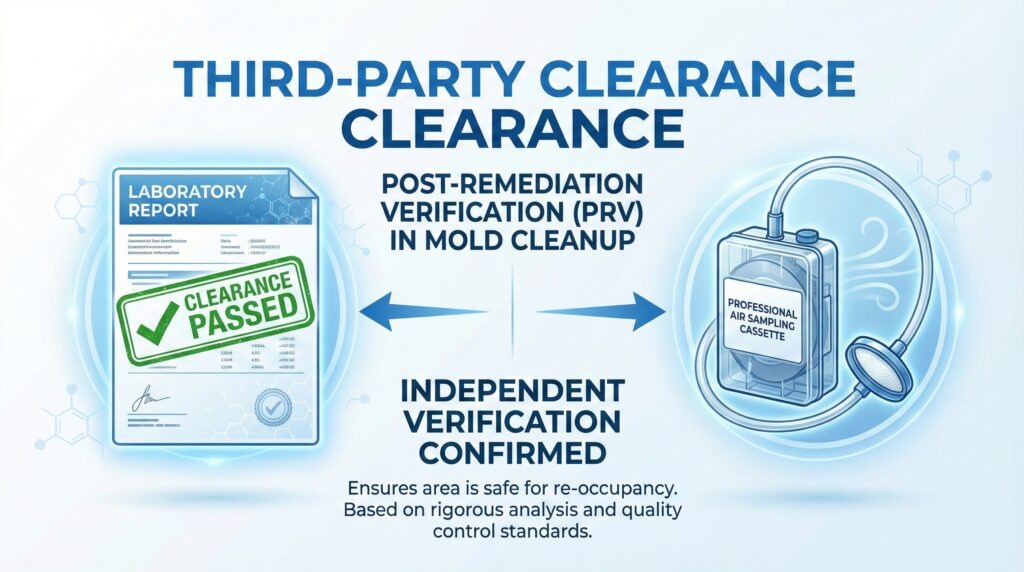
Post-remediation verification has a separate purpose: checking whether the finished work meets the remediation plan. Physical conditions and moisture control come first. Some projects add sampling, but one air test after the work cannot certify that mold is gone for good or that the space is safe for every occupant. What counts as a completed remediation job goes through the final check in detail.
For contracted work, agree on how the treated areas and the moisture source will be checked at completion, and put it in the remediation agreement next to the work to be performed. If a firm offers an ERMI dust test, read how to interpret ERMI testing before you rely on a score.