
Black Mold in Your Home: What the Color Means and What to Do Next
A black patch means you should look for moisture. Color alone doesn’t tell you the species or your health risk. If the growth is small, easy to reach and on an intact hard surface, you can clean it carefully and dry it, as long as no water damage or occupant risk complicates the job. Concealed growth, wet porous materials, contaminated water or a larger affected area need a professional assessment. Find and fix the moisture source first, then pick the cleanup that fits the material.
When the growth is hidden, large or tied to wet materials, a professional assessment examines the moisture source, the affected materials and how far the problem reaches.
What “black mold” means
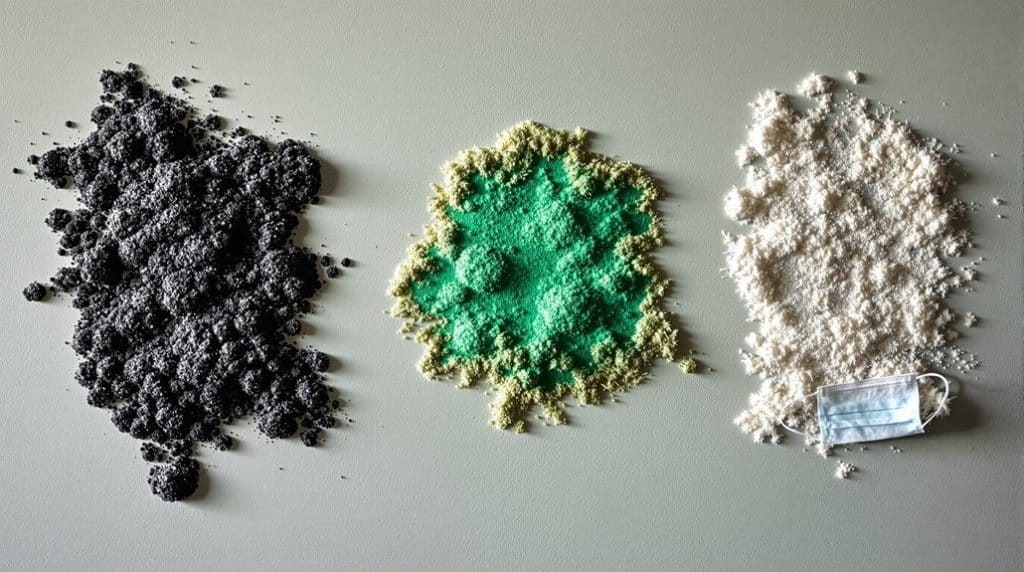
“Black mold” is what people call dark spots along shower caulk, across damp drywall or under peeling paint. The name describes how the growth looks, and several kinds of mold can look dark.
The species most associated with the phrase is Stachybotrys chartarum. The CDC’s Stachybotrys chartarum fact sheet describes a greenish-black mold that grows on persistently wet, cellulose-rich materials such as paper, fiberboard and gypsum board. A dark mark alone doesn’t tell you the species.
Some molds can produce mycotoxins under certain conditions, but you need separate evidence to know what a particular patch produces or what reaches a person. Mold exposure can cause allergic or respiratory symptoms in some people, so talk to a healthcare professional about symptoms. Whether a test is worth it at all is a separate question: decide whether mold testing is needed.
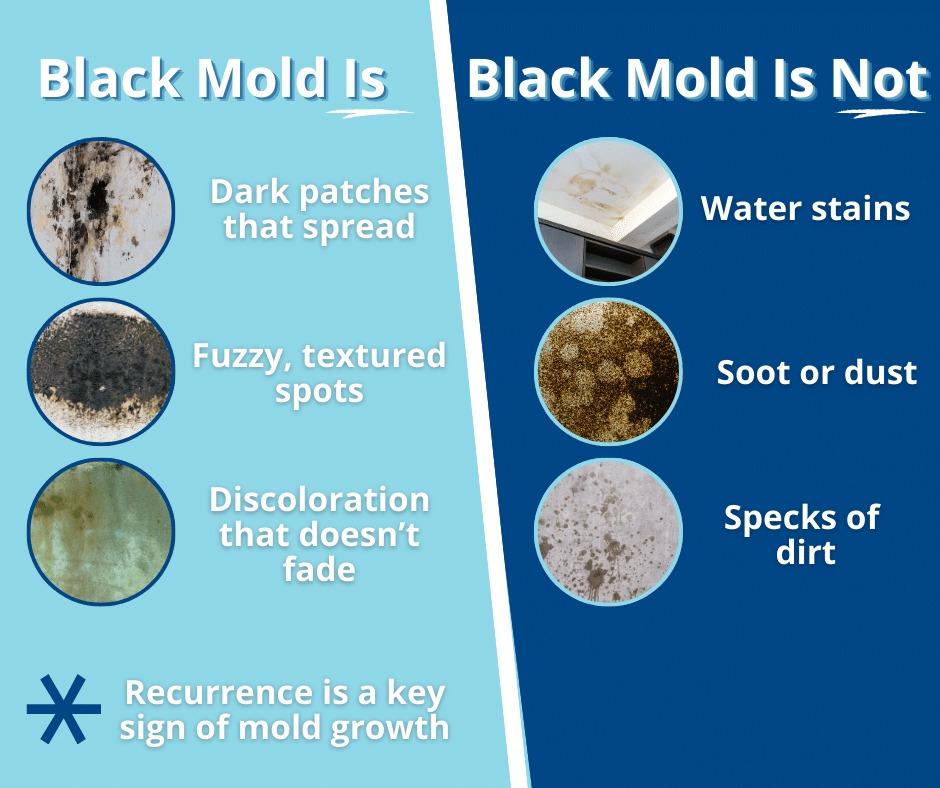
If you photograph the spot or report it for maintenance, write “dark mold-like growth, identity unknown.” Then check the building’s water history.
Is it mold, soot, dust, or an old stain?
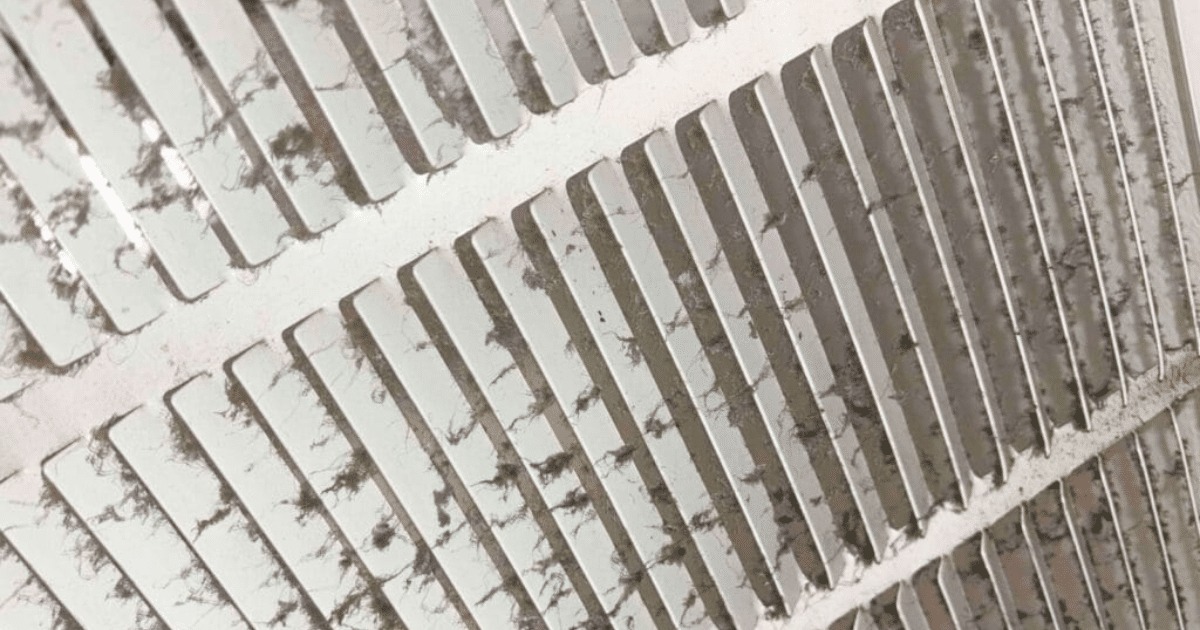
Black residue around a dry vent can be dust or soot. A dark attic stain or a mark on bathroom grout can have other causes, including mold, and a photo can’t tell you which. A nearby leak, a damp surface, persistent condensation or a musty odor makes the mark more concerning than an isolated dry deposit. Note its location, date, appearance and any nearby moisture clues, then decide between routine cleaning and further investigation.
Why moisture and damaged materials matter more than color
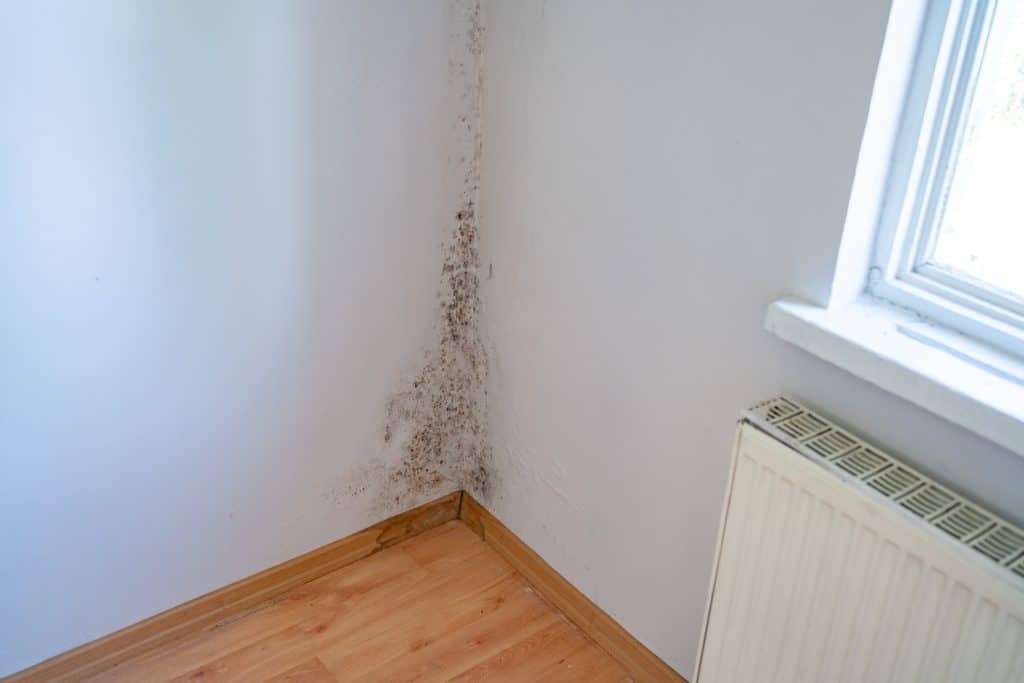
Mold growing indoors points to a moisture problem. The water might come from a plumbing joint, a leaking shower, a roof penetration or condensation on a cool surface. The material that stayed wet determines how much repair you face.
Tile and other intact hard surfaces are often cleanable. Paper-faced drywall, wallpaper and similar porous layers absorb moisture, and damage can reach the backing or a concealed cavity. The visible edge of a stain doesn’t measure the affected area behind a finish.
Hi! So my boyfriend and I just bought our first home together. A week after we moved in i noticed some black marks by the primary bathroom baseboards. I peeled the paint back and found black mold—and a good bit of it. I explained this to my boyfriend who didn’t seem too concerned but as we’re talking (now in the kitchen) I noticed more black spots by the baseboards. Again I peel the paint back (it was wallpaper, then vinyl wallpaper on top that was painted) and there’s more black mold everywhere. It’s officially been two weeks in our house and I’ve started cutting everything out and I just keep finding more and more. Seems like the sellers knew it was there and “patched” over it. I’m feeling rather defeated. Any words of advice would be appreciated.
Tldr; bf and I just bought our first home together and found a ton of black mold a week after moving in.
Each layer you peel back can show more damage than the last. Cutting into suspect walls can disturb growth and release debris, so have a professional assess concealed or saturated materials before you do any invasive work.
What to do with a dark patch in different places
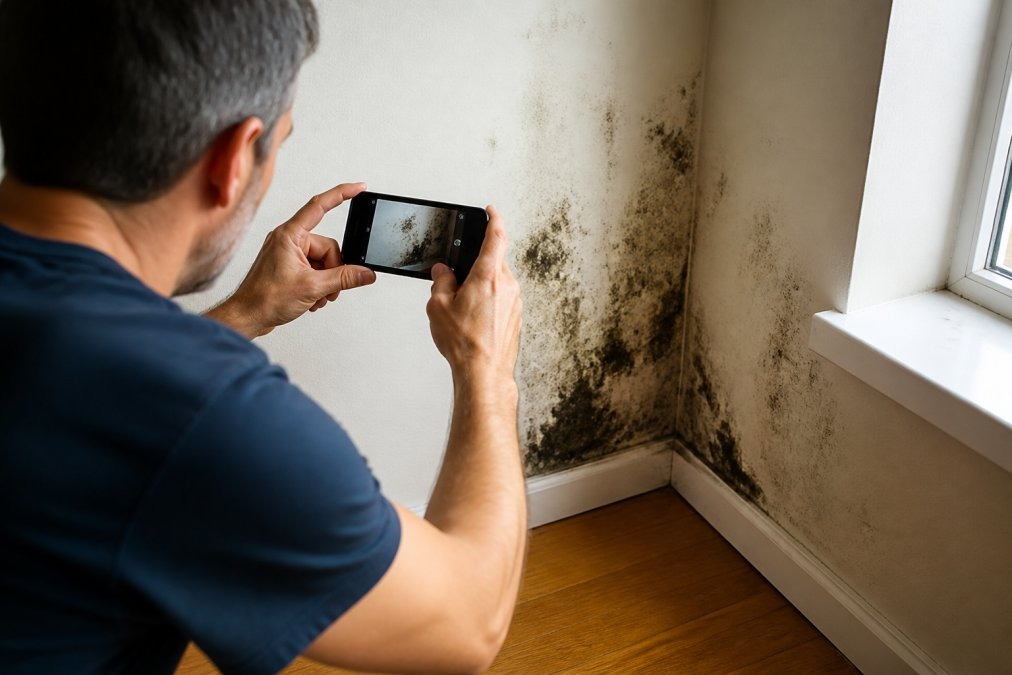
Start with the material and the water evidence, then consider the visible extent, possible contaminated water and whether someone can safely do the work. Find the row that matches what you see.
| What you notice | What changes the decision | Reasonable next step |
|---|---|---|
| Dark dust-like streaks near a dry vent | No dampness or other water clue is apparent | Treat it as routine maintenance if it looks like dust or soot |
| A patch smaller than about 10 square feet on intact, accessible tile | Hard surface; no complex water damage | Clean the small area with protection in place, then dry it thoroughly |
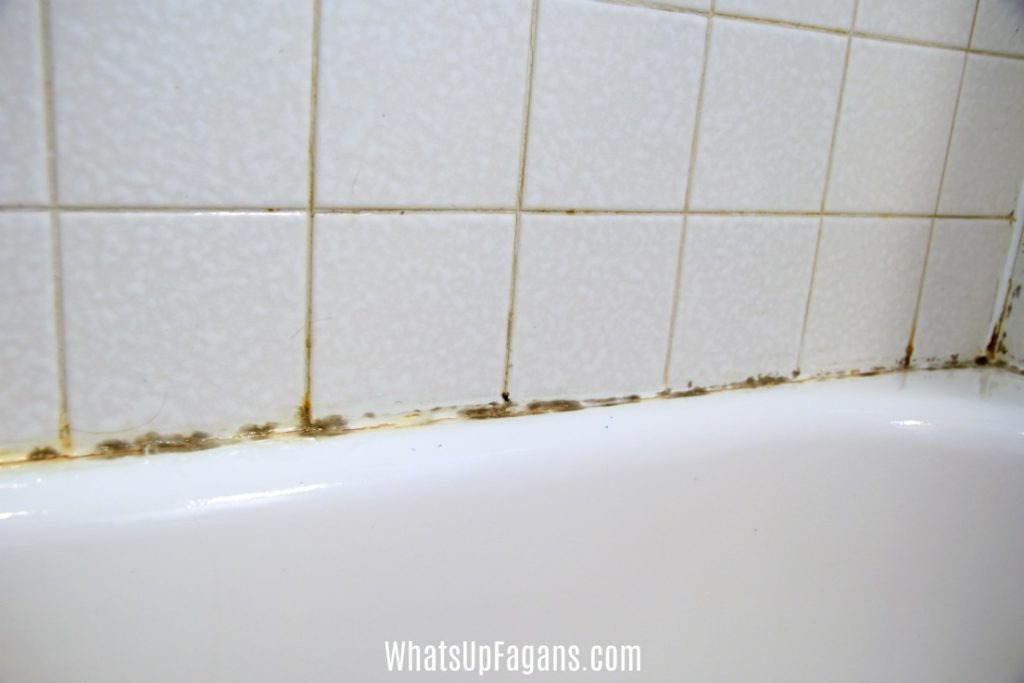
| Black marks returning on shower caulk | Repeated wetting, deteriorating seal or possible leakage | Check the seal and any lingering dampness, and fix whatever keeps causing the recurrence |
| Dark spots on damp drywall or under paint | Porous material, possible concealed moisture and uncertain extent | Investigate water damage and get an assessment before opening the wall |
| Extensive damage after a leak or potentially sewage-contaminated water | Large extent, saturated materials or hazardous water | Hire a remediation professional and have the repair assessed |
| Suspected growth inside HVAC equipment or an inaccessible cavity | Potential spreading through air handling; difficult access | If HVAC mold contamination is known or suspected, don’t run that system and get a professional evaluation. Don’t disturb concealed growth |
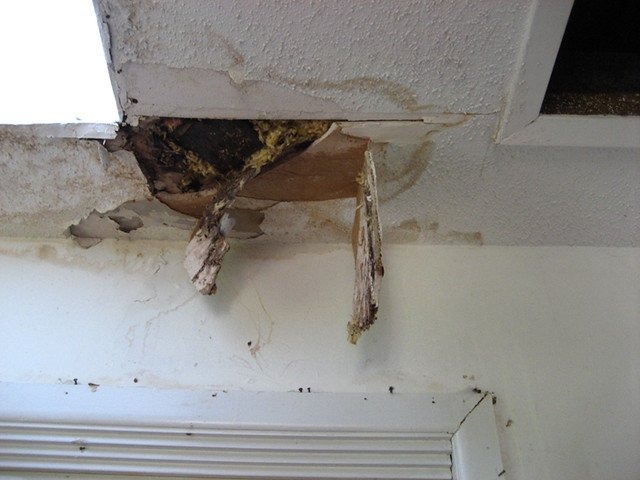
A small visible stain can still mean a large repair when water has spread into concealed porous layers, and serious water damage or contamination outweighs a small visible size.
When a small cleanup is reasonable and when to call a professional
The EPA’s homeowner cleanup guidance says that, in most straightforward situations, you can handle a moldy area smaller than about 10 square feet (roughly a 3 × 3-foot patch) without hiring a contractor. Hidden growth, extensive water damage, contaminated water and vulnerable people doing the cleanup can change that decision even when the visible area is small.
For a small job on an intact hard surface, the EPA recommends scrubbing with detergent and water and then drying completely. Moldy porous materials can require disposal when contamination penetrates them and cleaning can’t reach it. The step-by-step method for a patch like that is in how to clean a small mold patch safely.

Who should avoid doing the cleanup?
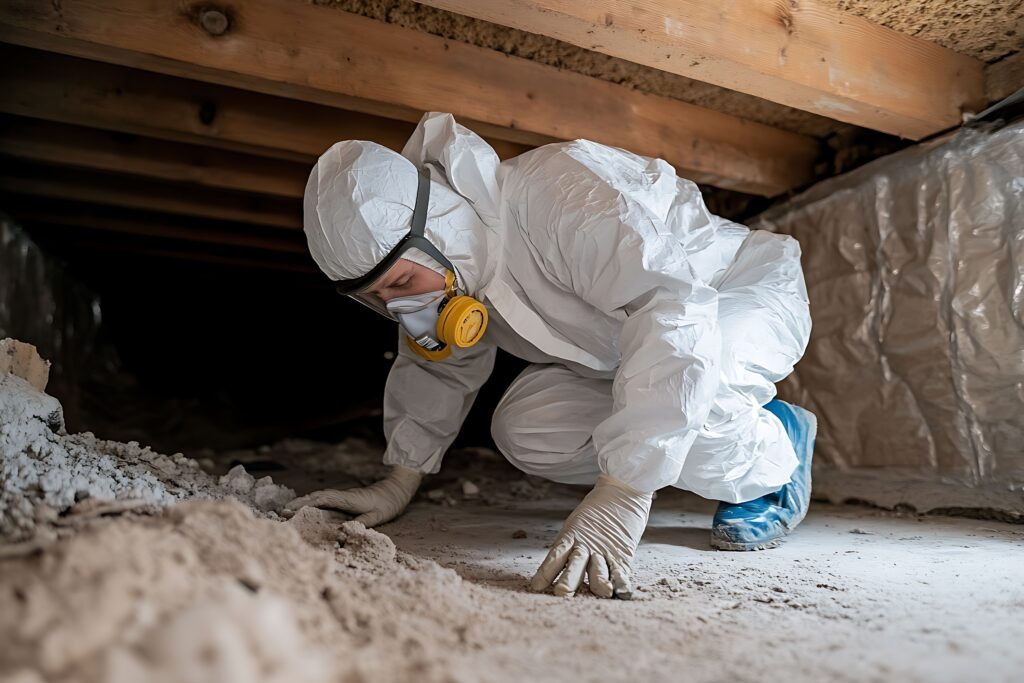
CDC guidance advises people with allergies, immune suppression, underlying lung disease or chronic respiratory conditions such as asthma or COPD not to do mold cleanup themselves. For a suitable small job, wear a properly selected NIOSH-approved N95 respirator, gloves and eye protection. This gear doesn’t make major demolition or contaminated-water work suitable for an untrained homeowner.
What professional help should cover
If you hire a contractor, the work scope should name the suspected moisture source, the affected surfaces and materials, how contaminated material will be cleaned or removed, the drying work and how completion will be documented. A proposal that only sprays the visible stain skips the building repair.
When testing black mold changes the decision
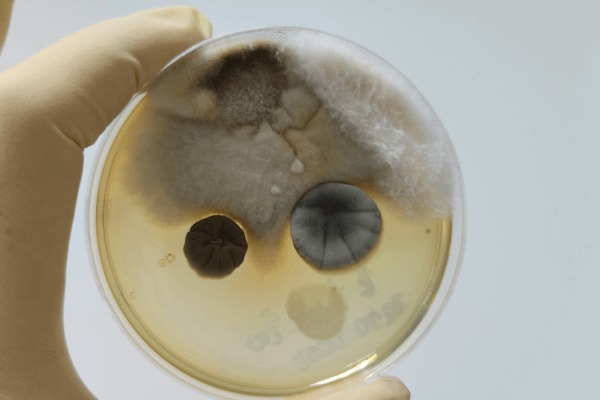
Visible indoor mold usually doesn’t need a routine species test before you deal with the moisture problem and the growth. The EPA’s mold sampling guidance gives the same advice.
Sampling can help when a qualified investigator needs to answer a specific unresolved question. For instance, disputed staining on attic oriented strand board (OSB) can justify a focused evaluation of moisture conditions, building history and affected area.
CDC/NIOSH notes that no health-based standard exists for indoor air mold concentrations and recommends against relying on routine short-term air sampling for general mold assessment. Airborne levels vary over time, so a negative result from a brief sample can’t certify a mold-free or harmless building.
Before you pay for sampling, name the decision the result would change. Ask what the method measures, who will interpret it and how the finding would affect cleanup or further inspection.
Why bleach, paint, and a vanished stain don’t prove a fix
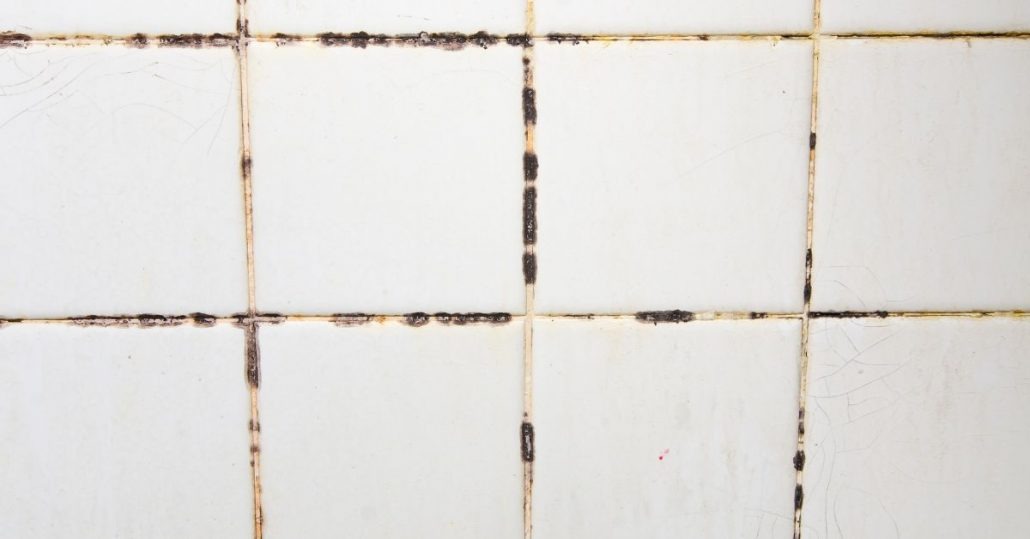
A cleaner can make shower caulk look bright again without touching the water problem behind it.
This has been driving me crazy – people online always seem to say “DONT USE BLEACH ON MOLD, use VINEGAr!!”
I get bits of black and pink mold along grout and caulk in my shower when life happens and we slack on cleaning. When I try to use vinegar to clean it, it does literally nothing at all. But when I use a foam bleach spray, the mold disappears and it looks good as new. What am I missing?!
I get the idea that bleach contains water so it would feed mold deep down but if the black/pink goes away, isn’t that working…? When vinegar doesn’t change the black/pink at all, isn’t that not working…?
Once a stain has faded, you still need to check the condition of the caulk and backing materials, how much was physically removed, and whether a leak continues.
The EPA does not recommend routine biocide use, including chlorine bleach, as the standard mold-removal method. Even when a biocide kills mold, you still have to physically remove the contamination. Appropriate hard-surface cleaning, drying and dealing with damaged material matter most.
Painting or caulking over active mold hides the discoloration while the substrate stays wet. Apply new finishes only to properly remediated, dry material.
Never mix bleach with vinegar, ammonia or other cleaning products. The reactions can release dangerous gases.
How to tell whether cleanup worked
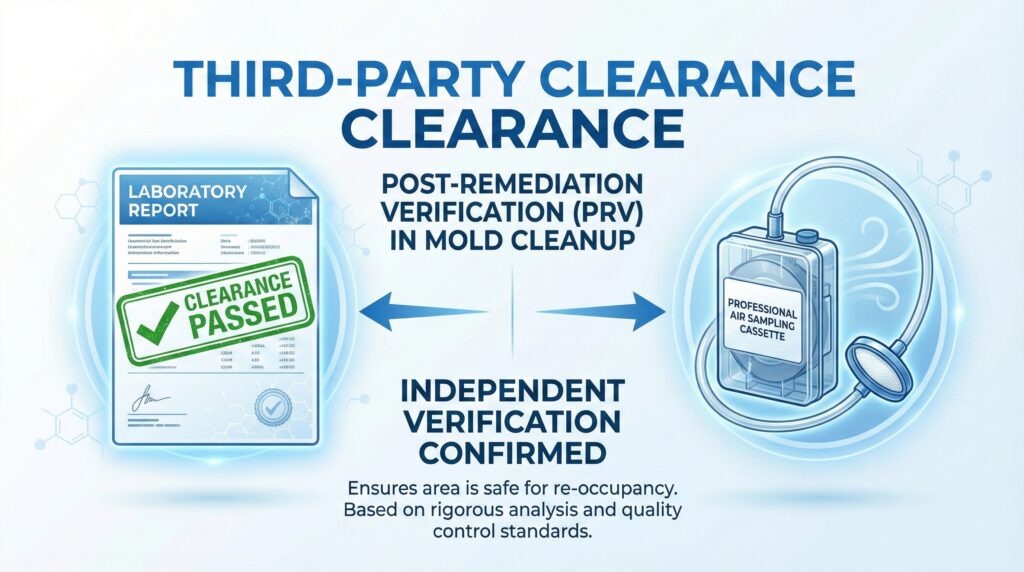
| Completion check | Evidence to look for |
|---|---|
| Water source corrected | The leak, condensation or other contributing moisture has been addressed |
| Affected materials handled | Hard surfaces were cleaned; damaged porous materials were assessed for removal or replacement |
| Area dried | Affected surfaces and materials are dry |
| No continuing visible growth | No new mold-like growth appears on the finished area |
| Follow-up observation | New dampness, water staining or musty odor means you investigate again |
Airborne mold spores are normally present indoors and outdoors, so removing every spore isn’t a realistic goal.
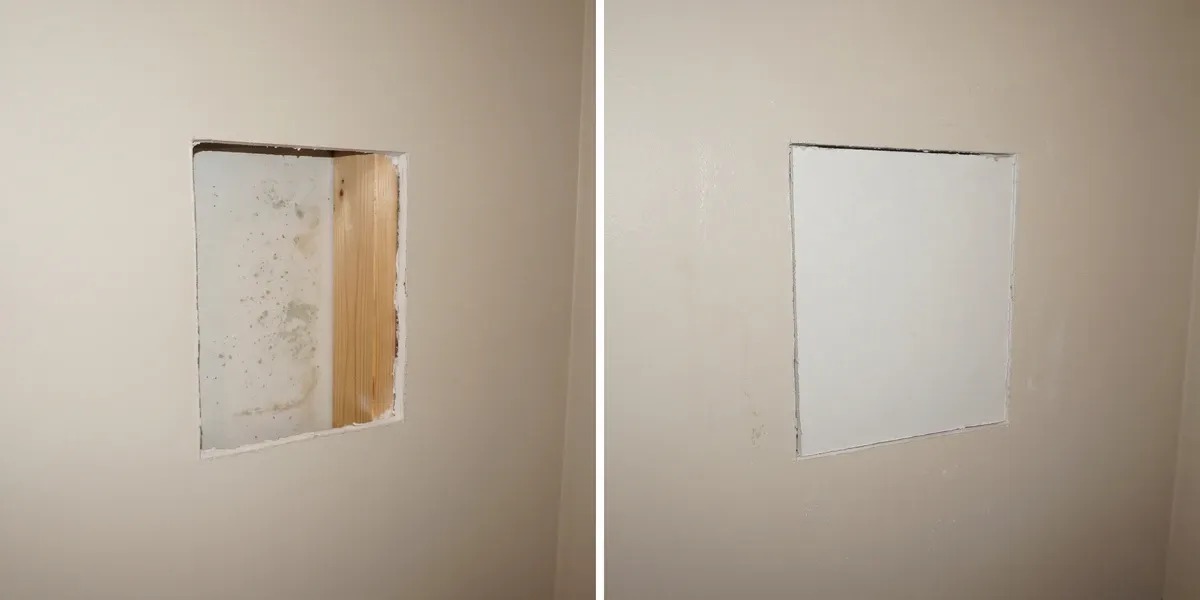
CDC/NIOSH advises drying wet materials within 48 hours or removing them when appropriate. That 48-hour window guides prompt water-damage response; mold contamination has no universal hour-by-hour cutoff.