ERMI Mold Testing: What the Score Means and What to Do Next
Don’t use an ERMI score alone to decide whether a home is safe, needs remediation, or should be abandoned. ERMI measures selected mold-DNA markers in settled dust and produces a relative index developed for research. Check visible damage and moisture first. Consider targeted sampling only if it answers a specific unresolved question about the building and would change what you do next.
Should you use ERMI testing to decide whether a home has a mold problem?
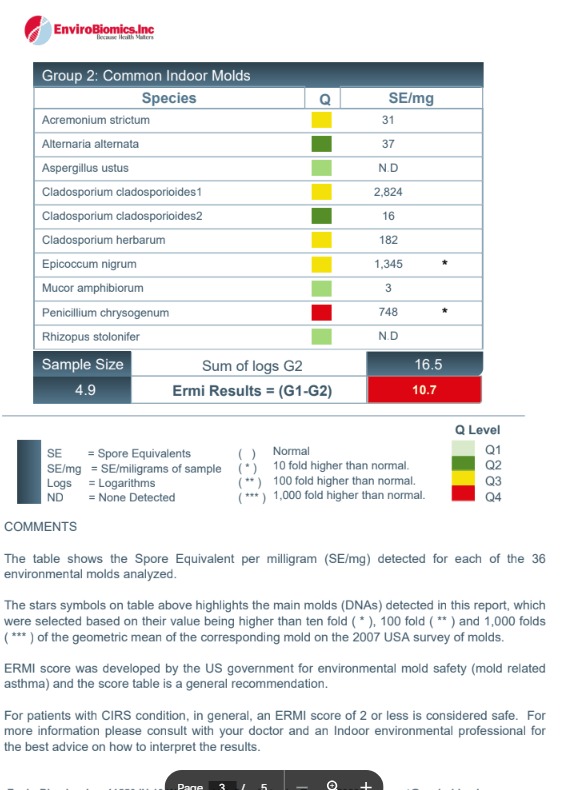
The US Environmental Protection Agency developed ERMI for research and does not recommend its routine use by the public. The method has not been validated for that purpose, and no EPA-approved ERMI number tells a homeowner to move or remediate. If mold is already growing beside a leaking sink, fix the leak and deal with the affected materials without waiting for a dust test.
What ERMI measures: 36 mold-DNA indicators in settled dust

ERMI stands for Environmental Relative Moldiness Index. A laboratory analyzes a settled-dust sample for selected mold DNA, then combines the measurements into a single index. In the original 2007 study by Vesper and colleagues, researchers used standardized vacuum-collected dust from 1,096 US homes.
The method measures 36 mold indicators: 26 in Group 1, associated with water-damaged environments, and 10 in Group 2, the comparison group. Detecting a Group 1 indicator does not by itself identify damage in the sampled house.
The laboratory method is mold-specific quantitative polymerase chain reaction (MSQPCR), which measures selected DNA targets. Its calculation subtracts the sum of log concentrations for Group 2 from the corresponding sum for Group 1:
ERMI = Σ log10(Group 1 concentrations) − Σ log10(Group 2 concentrations)
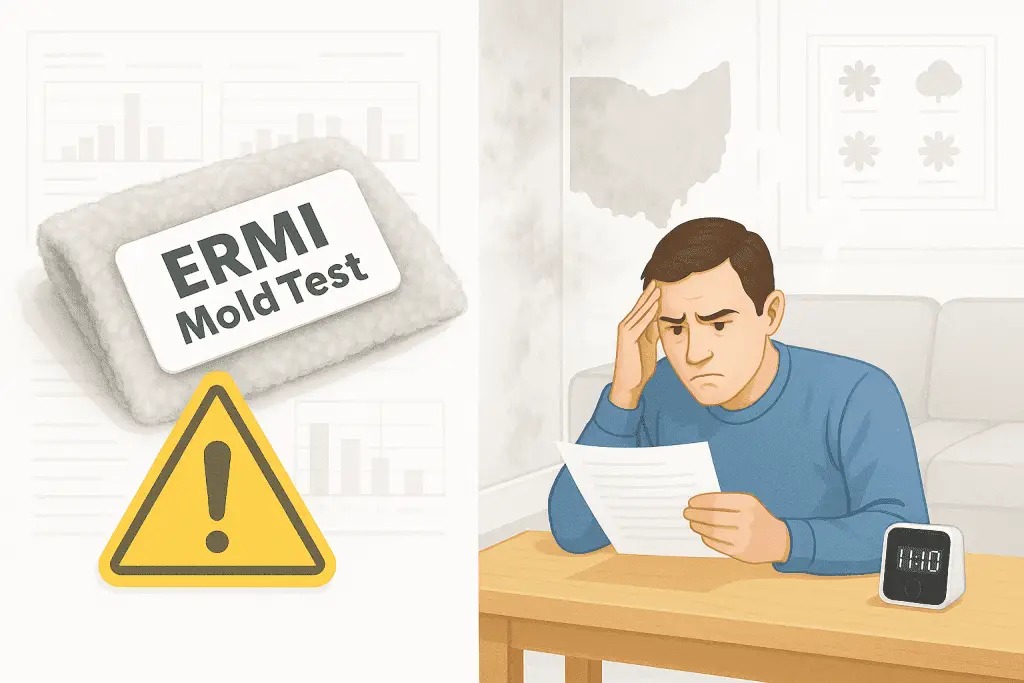
The resulting value reflects the balance between the two sets of measurements. Two samples can produce similar final values while containing different patterns of individual indicators, so a single score hides detail that sits in the underlying laboratory results.
DNA found in dust can include older material. Detection does not show that the organism is alive and growing where the sample was taken, and it does not measure how much a person inhales.
How to read an ERMI score without a safe or unsafe cutoff
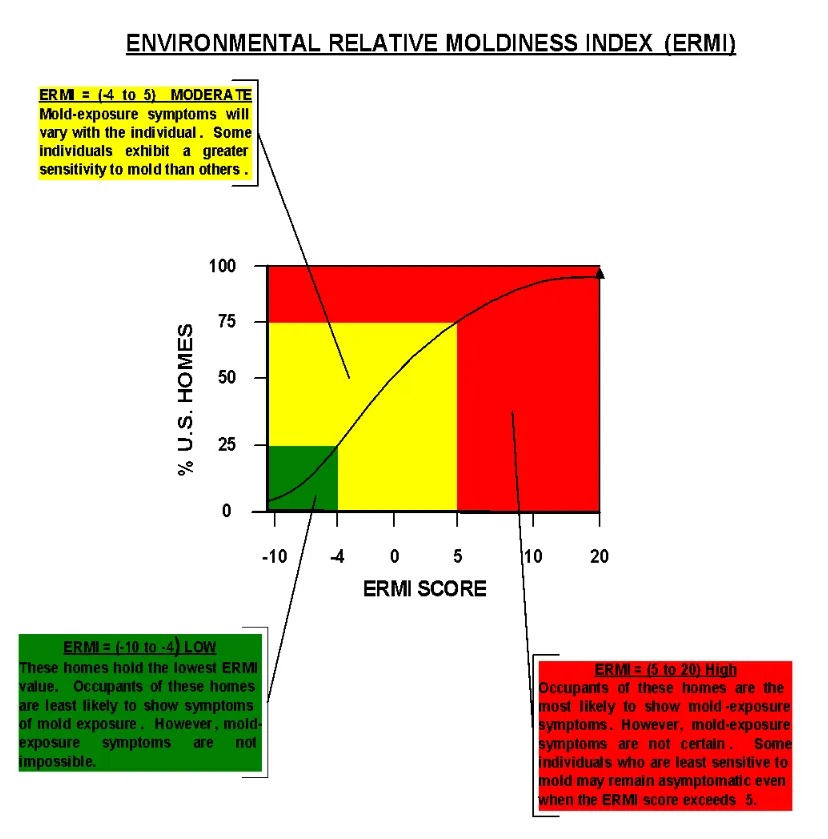
A higher ERMI value sits higher on this relative index. EPA’s September 2021 fact sheet describes an approximate index range of −10 to +30, and the 2007 research describes values around −10 to +20 or higher. These are research descriptions. EPA has set no household exposure or remediation threshold.
No ERMI number tells you the work succeeded. A completed job is judged by physical conditions and moisture control; see what counts as a completed mold remediation job.
Commercial results may add a quartile, a color, or a “pass” or “fail” label. The organization that wrote the report chose the grading scheme.
| Report field | What it means |
|---|---|
| ERMI value | A calculated relative index. Check the assay and the underlying measurements. |
| Q1 to Q4 | A position within a specified distribution. Check which reference data define the quartiles. |
| Color or “pass/fail” grade | The provider’s interpretation. Check who set the rule and for what purpose. |
A quartile answers a comparison question. The repair question depends on the physical condition of the property.
One commercial ERMI guide recommends remediation for a score above 5. In a 2021 research comparison, vacuum-dust ERMI values above 5 were also used to classify the highest ERMI quartile. The study used that number to define a statistical category. The commercial guide uses it to recommend action.
Can an ERMI score be negative?
Yes. Subtracting one sum of logarithmic measurements from another can produce a negative index. It means the Group 1 logarithmic sum is smaller than the Group 2 sum. A negative result carries no mold-free certification.
Why the dust sample matters as much as the number
Dust from the top of a rarely cleaned wardrobe has piled up longer than dust from a floor you clean often. A sample taken near an open window, or from furnishings moved between properties, raises another question about what the sample represents.
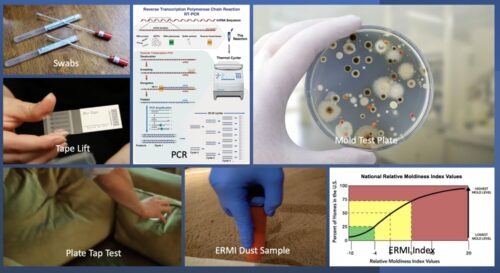
The 2007 ERMI research used a defined vacuum collection method. Commercial labs may supply electrostatic cloths or other instructions. These procedures use different sampling locations and collection conditions, so each result needs method-specific interpretation. If you are unsure a test is worth running at all, decide whether mold testing is needed first.
A 2021 study of 151 homes reported mean ERMI values of 11.2 for electrostatic-cloth dust and 6.7 for vacuum dust, with paired scores correlated at Pearson r = 0.64 (p < 0.001). That group-level relationship gives you no formula for converting one home’s score.
Keep a record of the collection
- Place: Note each sampled room and surface, and whether dust from several locations was combined.
- Method: Record the collection device, the laboratory procedure, and any steps you changed from its instructions.
- Timing: Write down the collection date and, if you know it, when the surfaces were last cleaned.
- Surroundings: Note open windows, ventilation changes, water events, repairs, and belongings moved in from elsewhere.
ERMI vs. air testing, moisture inspection, and HERTSMI-2
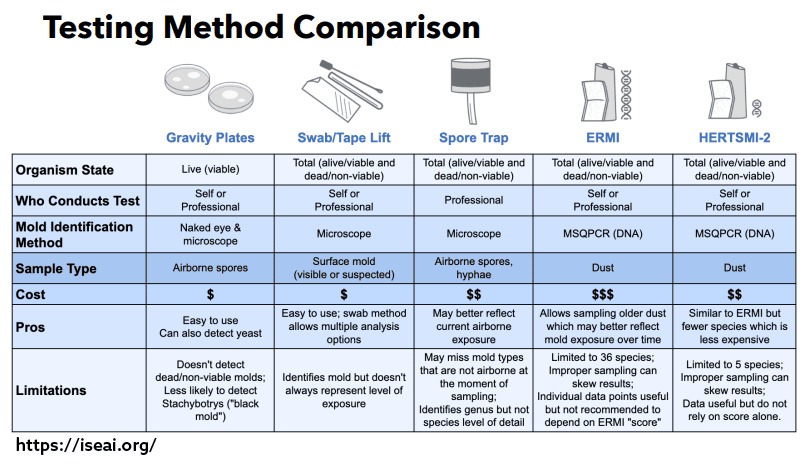
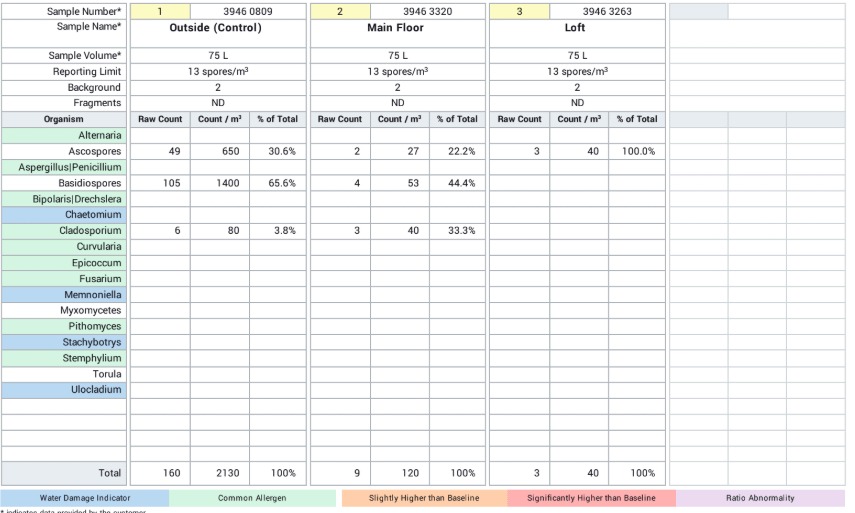
These methods examine different materials: ERMI measures selected DNA markers in settled dust, while a spore-trap sample measures particles captured from the air during collection.
| Method | What it examines | Question it can address | Limit |
|---|---|---|---|
| ERMI | Selected mold-DNA markers in settled dust | What relative pattern appears in this dust sample? | Research index; routine consumer use is not EPA-validated |
| Spore-trap air sample | Particles captured in sampled air | What was present at this location during collection? | Sampling time, conditions, and location matter |
| Visual and moisture investigation | Leaks, damp materials, visible growth, suspect building areas | Where is the water or material problem? | Findings depend on access and inspection scope |
| HERTSMI-2 | A commercial score using five selected mold indicators | How does that five-marker subset score under its method? | Different panel and calculation from ERMI |
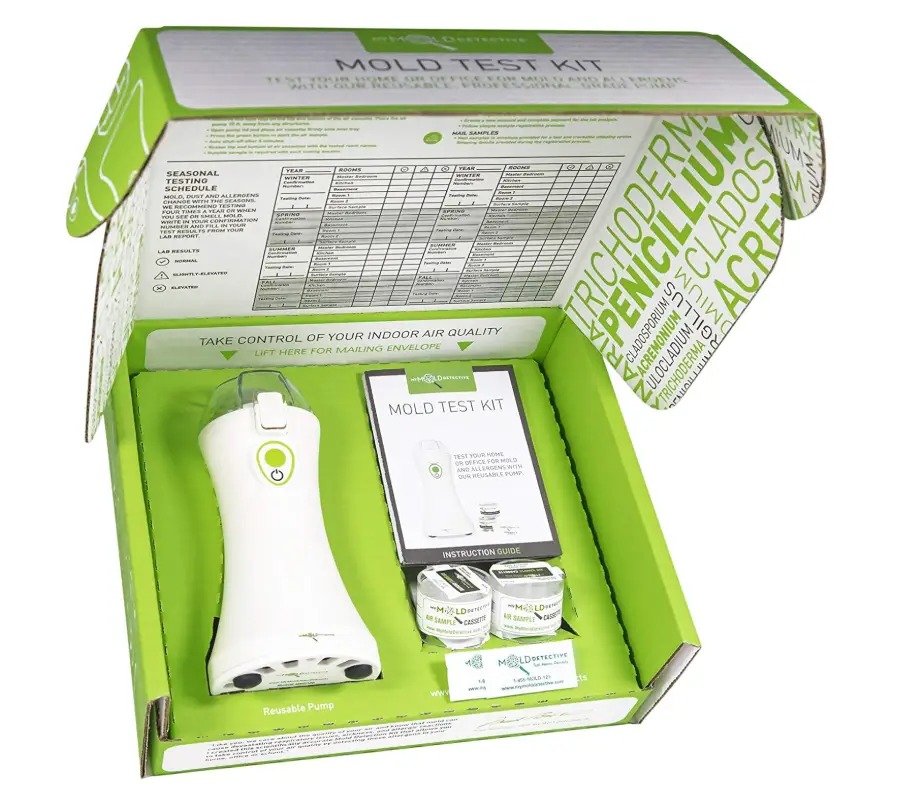
Spore-trap air sampling has its own collection window. The American Industrial Hygiene Association discusses the limits of interpreting captured airborne particles, and CDC/NIOSH stresses finding dampness and fixing the conditions that support mold growth. A “normal” air report and a high dust score can both be correct. Neither laboratory has to be wrong.
HERTSMI-2 scores a subset of five indicators, while ERMI uses 36. Their labels can differ because the panels and calculations differ. Read each one against its own measurement and reference system.
Why repeat ERMI results can disagree
A second score can differ from an earlier report even when you expected it to fall after cleaning. Compare the two sampling events: what was collected, where, how, and under what building conditions.
A 2014 repeatability study collected floor dust from 52 homes on repeated occasions 1 to 7 months apart. Across that study the researchers reported no systematic measurement bias, although some individual homes had substantial differences.
Say the first sample came from seldom-cleaned trim and the second from a newly cleaned floor. If the score changes, the collection difference matters before you blame a fresh leak or credit a successful cleanup.
To compare two tests, use the collection record above. Check that both used the same dust type, panel and procedure, covered comparable rooms and surfaces, and came from reports with the same calculation and grading scheme. Then list any repairs, leaks, cleaning, or ventilation changes between the two collections.
How long should I wait after cleaning before repeating ERMI?
The 2014 repeatability study sampled homes 1 to 7 months apart to investigate variability. Those intervals describe the research design and provide no prescribed consumer retesting schedule. Any repeat collection needs a defined comparison question and a procedure suited to that purpose.
What ERMI cannot locate or certify after remediation
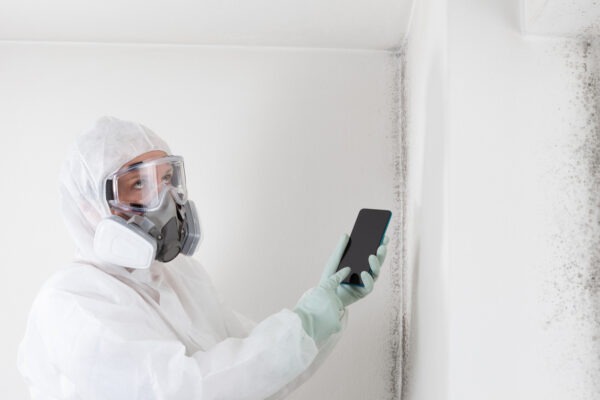
An index compiled from household dust cannot point to the wall cavity, roof opening, or cabinet backing responsible for dampness. After cleanup, the question is whether the water source was fixed and the affected materials were properly handled.
Suppose a leaking bathroom sink damaged the cabinet backing. Dust in the room may contain mold DNA, but the repair depends on the plumbing, the backing, and any adjacent wet material. Physical inspection shows what needs work. Don’t tear out walls or apply broad treatments because of a dust score alone.
What completion evidence should show
- Water source: The leak or intrusion was found and fixed.
- Materials: Damaged areas, including concealed ones, were assessed, and affected materials were cleaned or removed.
- Condition afterward: The area was checked for remaining moisture and visible growth. If you suspect hidden damage or unfinished work, get an independent review.
Professional sampling can contribute to a defined post-remediation investigation. EPA provides no ERMI score that certifies successful home remediation.
What to do with an ERMI result in different situations
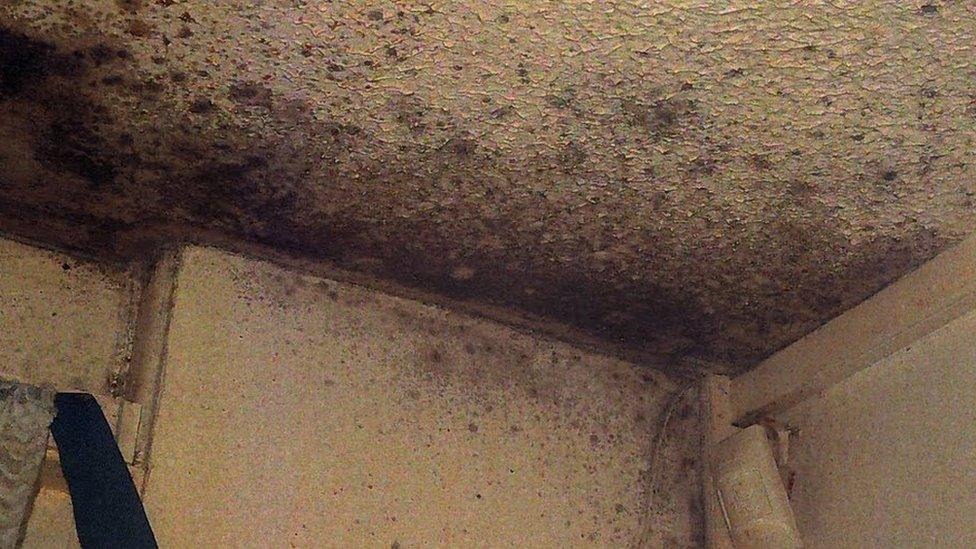
A renter with a persistent musty odor faces a different decision from a homeowner who has just repaired a leak.
| Situation | What to check | Next step |
|---|---|---|
| Visible mold or known leak | Leak history, material condition, visible growth | Find the moisture source and arrange repair or cleanup |
| Musty odor, no visible source | Water history, targeted moisture and visual findings | Get a focused building assessment if the cause stays unclear |
| Buying or renting | Inspection findings, water history, sample method | Evaluate the property and get relevant professional advice |
| After remediation | Work scope, repair records, physical condition | Use a building-focused completion assessment |
| Conflicting tests | Methods, sample locations, dates, reference labels | Resolve the comparison before ordering another assay |
If a buyer gets a report labeled “failed,” the real estate decision has three parts: the observed condition of the property, the scope of any needed work, and the terms of the transaction. State and contractual requirements vary, and a mold index cannot settle those legal questions. In a rental with no obvious damage, a persistent odor deserves attention even when the laboratory report carries a reassuring label.
Before paying for ERMI or ordering another test, ask five questions
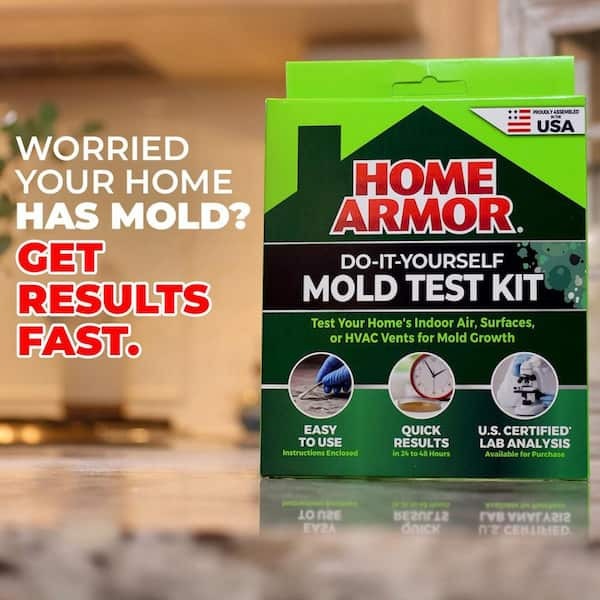
Before buying another kit, decide who will interpret the result and which choices depend on it.
- What question is unresolved? Name the concern, such as an unexplained wet area or a disputed investigation finding.
- Why settled dust? Ask why this material suits the question and what a physical assessment has already shown.
- How will collection work? Ask which areas, assay, procedure, and instructions the laboratory or assessor will use.
- Who will interpret the result? Find out the reference system and professional context behind any grading category.
- What would change? Write down the different actions that would follow a higher, lower, or ambiguous result.
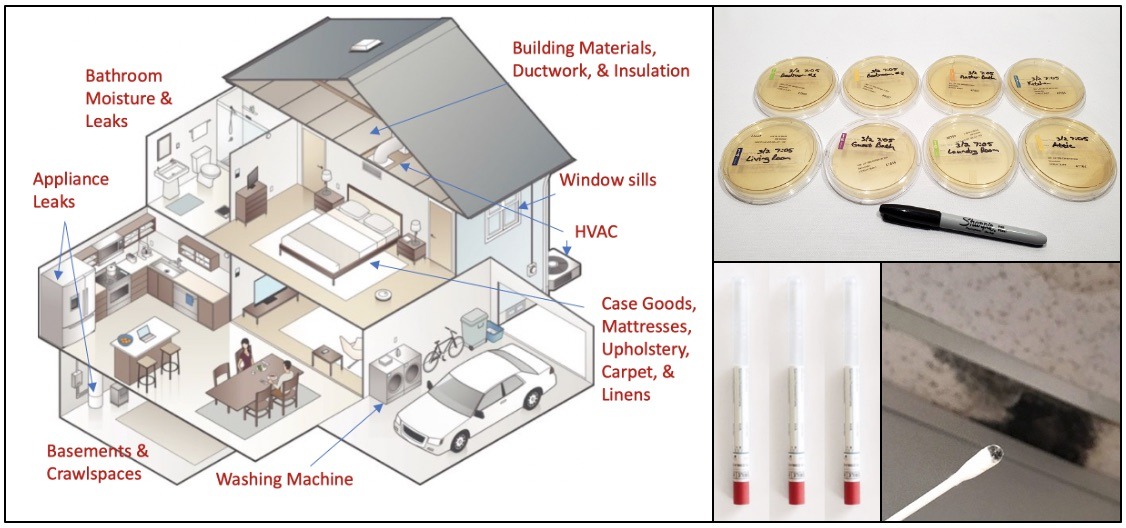
If the property history is unclear, a focused moisture assessment can tell a homebuyer more than another laboratory assay, and the assessor can explain when a narrower sample would add useful evidence. That moisture-focused visit is one of the mold assessment and inspection options a buyer can request.