
How to Verify Mold Remediation Is Complete
Accept mold remediation as complete only when the moisture source is controlled, the agreed work has been verified through physical inspection and appropriate documentation, and no unresolved contamination or dampness remains. An air test that says “pass” is not enough on its own. If any of those conditions is unproven, hold acceptance and ask for the missing evidence or corrective work before the area is closed up.
What counts as a completed mold remediation job?
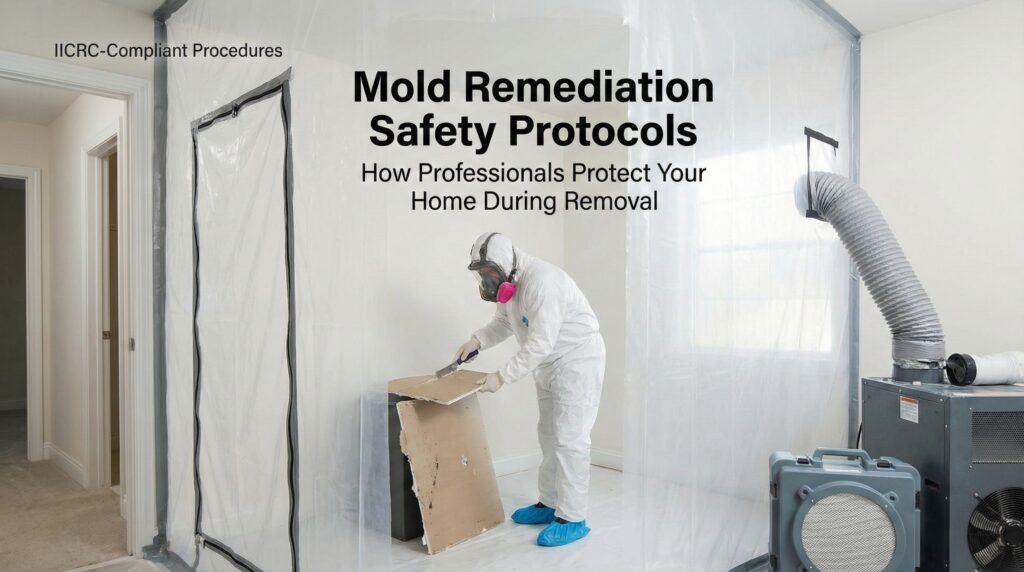
A completed job leaves you with evidence of what was fixed, what was cleaned or removed, and what an inspection found afterward. The contractor’s completion statement is where your review starts. The building and the records of the work show whether that statement holds up.
The EPA’s Mold Course Chapter 7 lists the signs of success: the moisture problem is corrected, mold and mold-damaged materials are dealt with, visible growth and moldy odors are gone, and follow-up checks show no new damage or growth. EPA calls the final determination a judgment call.
Five conditions help you organize that judgment.
| Condition | What satisfactory evidence looks like | Reason to hold or investigate |
|---|---|---|
| Moisture source | The original water problem has been found and fixed. | The leak or recurring dampness is still unexplained. |
| Affected materials | Rooms and materials in the scope were cleaned or removed as specified. | Damaged material remains, or a required step has no documented result. |
| Physical cleanliness | Accessible treated surfaces were inspected and the required cleaning is done. | Visible growth, unexplained residue or unfinished cleaning remains. |
| Odor and dryness | Relevant areas were checked for moisture and moldy odors. | Moisture or an unexplained odor persists. |
| Documentation | The completion findings name the work, the assessor and any required verification. | You have only a verbal assurance or an incomplete report. |
You then have three options, adapted from EPA’s completion guidance:
- Accept: Evidence backs the agreed work and the completion conditions.
- Hold: A needed fact or document is missing, so you can’t judge the result yet.
- Correct and reinspect: Something is unfinished or failed evaluation.
A missing report and a wet, mold-damaged wall call for different responses.
Fresh drywall proves only that someone rebuilt the wall. It doesn’t tell you whether the wet insulation came out or the leak was fixed. For that, ask for the work records.
Verify that the moisture source was fixed
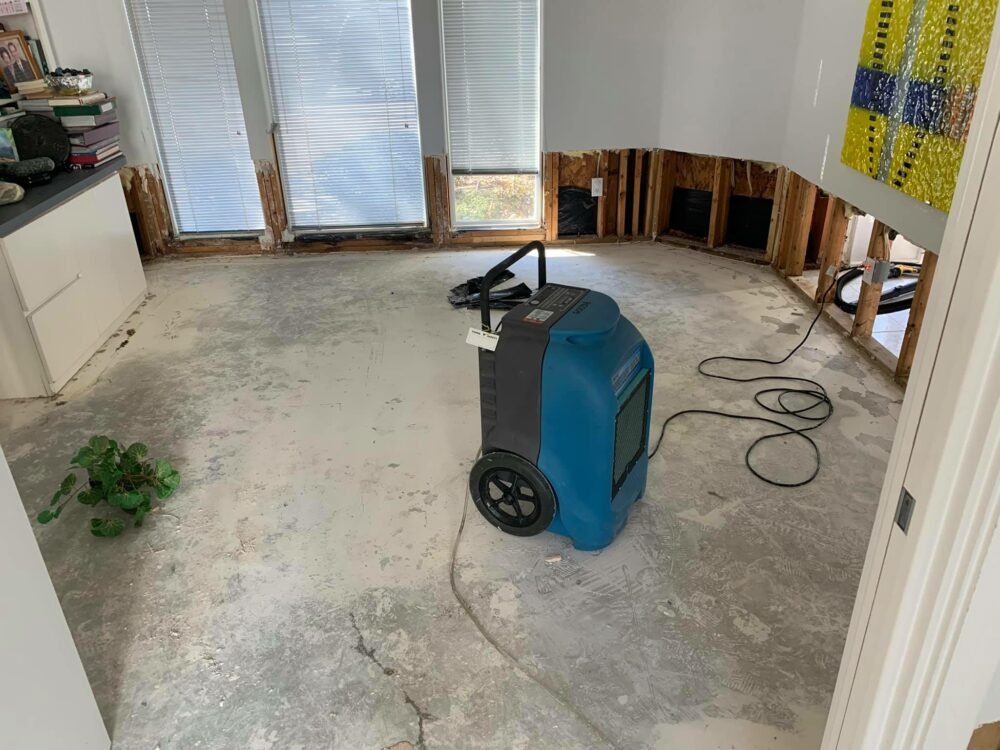
Mold cleanup can finish while the water problem is still active. Ask for evidence of the underlying repair, because continued wetting causes new damage once the cleaned area is restored.
A roof leak, a leaking supply pipe, condensation and rainwater entering a basement each need a different fix. Replacing wet drywall after repairing a supply pipe fixes the problem; replacing it while rainwater still runs behind the wall does not.
The source repair can fall outside the mold contractor’s scope. The property owner, landlord or another contractor may be responsible. Ask who corrected the cause and who can document it.
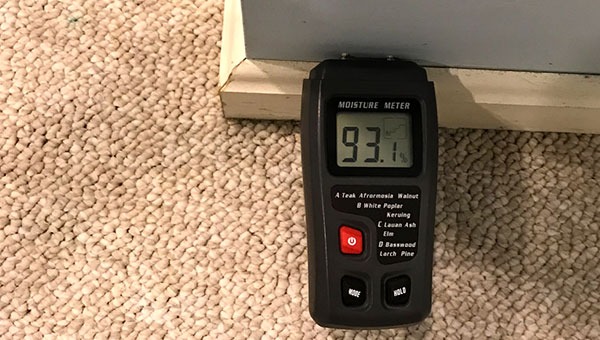
A moisture reading only means something if you know the meter, the material and the dry reference. A reading on wood can’t be compared with one on drywall, and no single percentage clears a job.
Useful records name the meter or method, the location, the material tested and a dry reference. With those, an assessor can judge whether the readings match the expected dried condition.
Timing matters for recurring leaks. A basement that stays dry for a few days and takes on water in heavy rain tests the repair differently from a room hit by one resolved plumbing incident.
Check the work area, the materials and the debris
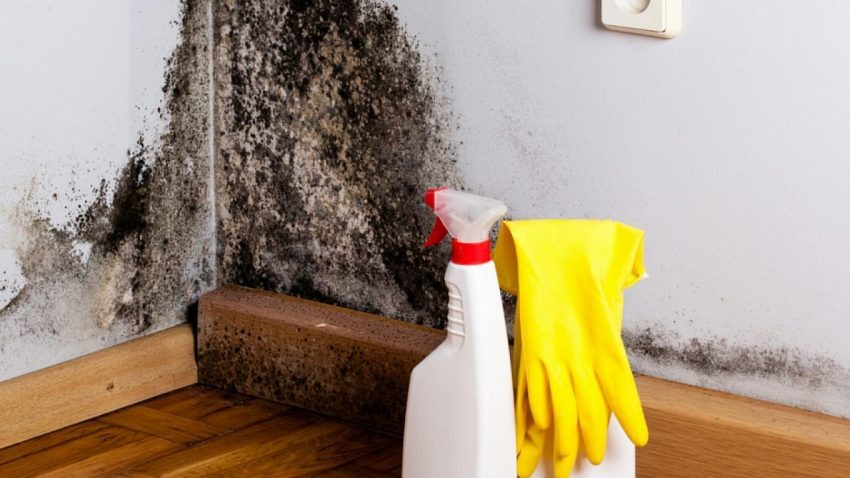
The finished work area should match the materials and cleaning steps in the remediation scope. Account for retained framing, removed drywall, insulation, subflooring, carpeting and affected contents, as applicable.
EPA’s basic mold cleanup guidance says some hard surfaces can be cleaned with detergent and water and dried thoroughly, while moldy absorbent materials can be difficult or impossible to salvage. Painting or caulking over moldy material is not adequate cleanup.
- Removed materials: Check that the damaged components specified for removal are gone, including insulation or wallboard you can no longer see.
- Retained materials: Examine accessible framing, subfloors and other parts against the cleaning method the protocol requires.
- Dust and debris: Look for residue or construction debris where the work plan required cleaning.
- Remaining affected areas: Separate the repaired patch from other visible areas found in the original assessment.
We are looking for advice on what to do next.
We live in a basement unit apartment and have had issues with water this summer. Starting in June, we noticed that heavy rains would cause water to come in under our basement door and under the walls. We told the apartment complex about this issue several times to no avail, even complaining that we worried about mold growth bc they never came to dry anything out.
Fast forward to a couple weeks ago, we found evidence of visible mold growth. The apartment complex sent their chief maintenance guy out who came downstairs, looked at it, said yep we need to fix that, then left. That was the entirety of the inspection. Then their “contractor” came today and cut into our moldy walls with no PPE, no containment, replaced the drywall, and left. There are still other areas of the apartment with visible mold growth so they’ll have to come back.
Our questions are as follows:
– the chunk of mold they cut out was about 1 sq ft of mold. How worried should we be about mold spores in the apartment since there was no containment?
– if we do need to worry about spores how do we clean those? Will a couple HEPA filters for a couple days be enough to return to living in the apartment? (We’re staying with parents)
– how should we request things be done differently for the other mold growth?
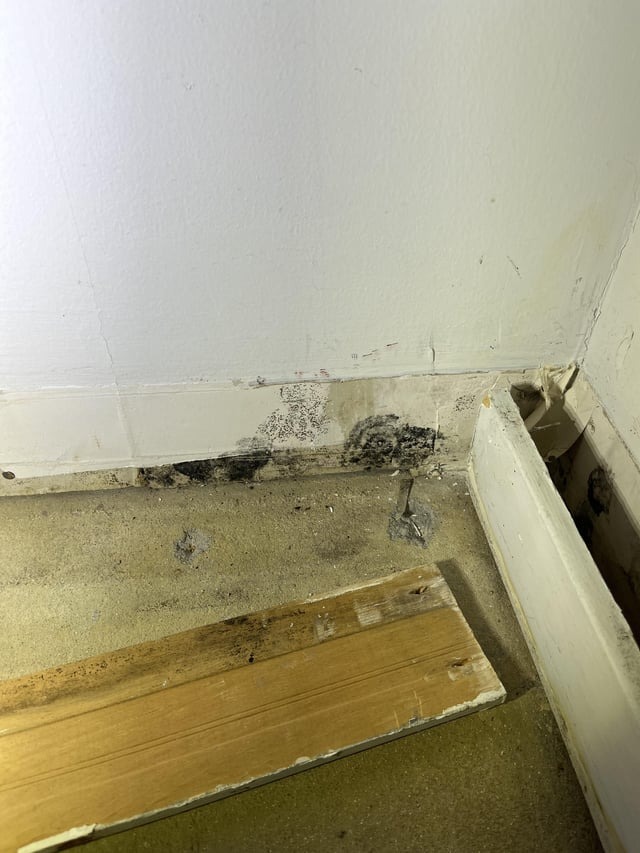
Replacing one patch while other visible growth remains leaves the job open. The project record should cover every area from the original assessment.
Dark discoloration on retained wood needs interpretation against the scope. A stain can remain after proper cleaning, and unfinished work can leave a dark surface too. The assessor’s findings on the material and the completed cleaning decide whether the area meets the agreed criteria.
If the protocol required mechanical cleaning of a subfloor, the question is whether that step happened and how the retained surface was evaluated afterward. Record the exact location and concern without disturbing suspect material.
Arrange the inspection while the areas are still open
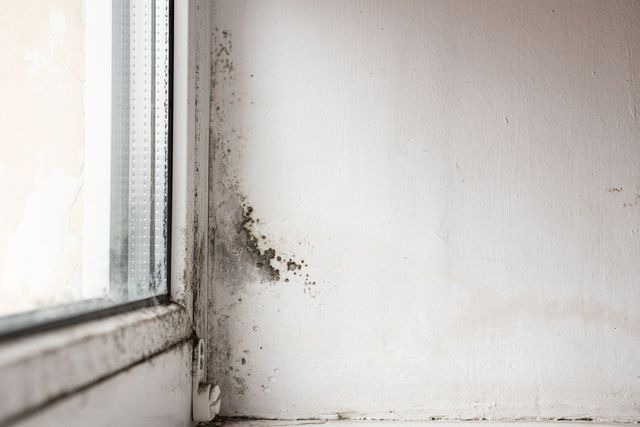
Verification works best while the assessor can see the surfaces the remediation targeted. For a wall or ceiling cavity, schedule the inspection before insulation, drywall or another finish covers the work.
The project protocol should set how drying, containment, safe access, any sampling and reconstruction are coordinated. If containment is part of the work, taking it down must fit the verification procedure. Texas regulated projects show one case: when walk-in containment was used, the post-remediation assessment rule requires inspection while that containment is still in place.
We are buying a house under contract, and inspections turned up a roof leak, moisture in the ceiling, and mold in the ceiling. The sellers agreed 5 days ago to repair the leak and remediate the mold as well as allow us to do a post remediation inspection.
Getting all of this done means we have to push back our closing date. We asked for an extension with enough time to allow all of this, now they are coming back with a closing date of Monday, which will not give us time for a post remediation inspection. I guess the ceiling needs a few days to dry out, and mold will be remediated on Saturday.
The mold company they hired has good reviews. They are saying we don’t need our own inspector because they have their own 3rd party tests. They also have a warranty so even if the mold isn’t gone, we can get them to come back. As far as I can tell — they use a third party lab??? But to me, I feel like an impartial lab is useless if you can take the sample however you want.
I’m also bothered that they said we could do the post remediation inspection and are now making it impossible to do so.
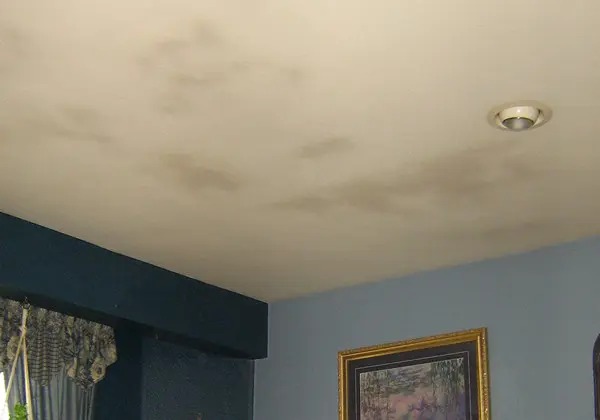
The buyer’s concern is the vanishing chance to examine the ceiling. Once it’s closed, the original open-cavity condition may be hard to assess. A warranty can give you a contractual remedy later if problems turn up.
Three things need coordinating: enough drying time, access for the specified inspection, and any required laboratory findings. The protocol and jurisdiction set the procedure and the order.
Before reconstruction hides the surfaces, set the inspection checkpoint and decide who performs it. If the cavity is already closed, the assessor should note that access limit in the findings.
Who signs off: contractor PRE or independent PRV
A completion can involve a contractor, an independent assessor and a laboratory. The records should name the role each one played.
The public ANSI overview of ANSI/IICRC S520:2024 separates post-remediation evaluation (PRE) from post-remediation verification (PRV). It places PRE under Section 9.3.12 and PRV under Section 9.3.13.
| Party | Role | What to confirm |
|---|---|---|
| Remediation contractor (PRE) | Evaluates whether its own remediation work is complete. | Who did the evaluation and what work it covered. |
| Independent assessor (PRV) | Assesses the completed conditions against the verification scope. | Who hired the assessor and which areas and criteria were examined. |
| Laboratory | Analyzes submitted samples. | Who collected the samples, where they were taken and who interpreted the results. |
A laboratory can be independent of the remediation company while someone else still picks sample locations and interprets conditions on site. In a disputed project, an independent assessor makes those responsibilities clear.
Texas has a specific licensing framework. The Texas Department of Licensing and Regulation generally restricts the same company or licensee from performing mold assessment and remediation on the same project, subject to stated exceptions. Other states have different rules.
Independent PRV helps when the work is extensive, access for inspection is limited or the completion claim is disputed. Whether it is legally required depends on the jurisdiction, contract and project. The assessor should name the protocol and clearance criteria before interpreting any result.
What a mold clearance air test can tell you
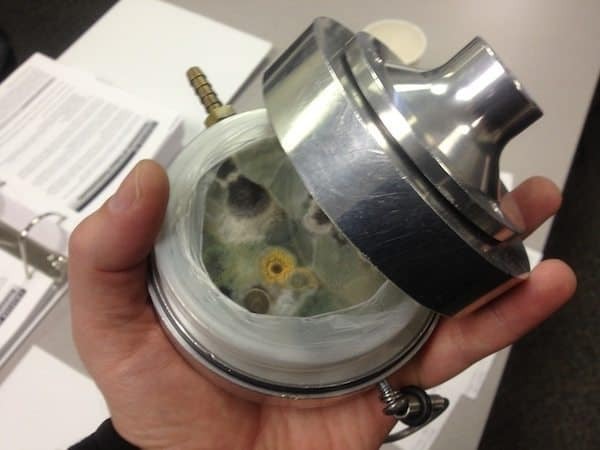
A clearance air sample describes the airborne material captured at specific locations during the sampling period. It can answer a defined question in a professional evaluation. EPA says routine bioaerosol sampling is usually unnecessary to decide whether remediation worked, because a physical evaluation of the area stays central. The completion question gets a fuller answer in how do you know the remediation is complete.
Results shift with conditions at collection, including humidity, temperature, barometric pressure and activity in the building. The same room can produce different airborne measurements at different times.
The CDC/NIOSH guidance on mold testing says health-based numerical standards for indoor mold don’t exist and that short-term spore results can’t measure health risk. No federal mold-spore cutoff certifies a home as safe.
Air and surface samples answer different questions
Air sampling gives information about airborne conditions in the assessed space. If an indoor/outdoor comparison is used, collection conditions and professional interpretation matter. EPA’s discussion of comparable indoor and outdoor conditions is not a universal numerical pass ratio.
Surface sampling fits when the assessor needs evidence that a particular surface was cleaned. It pays off most when the result will change a decision, such as whether to clean more or examine a retained material.
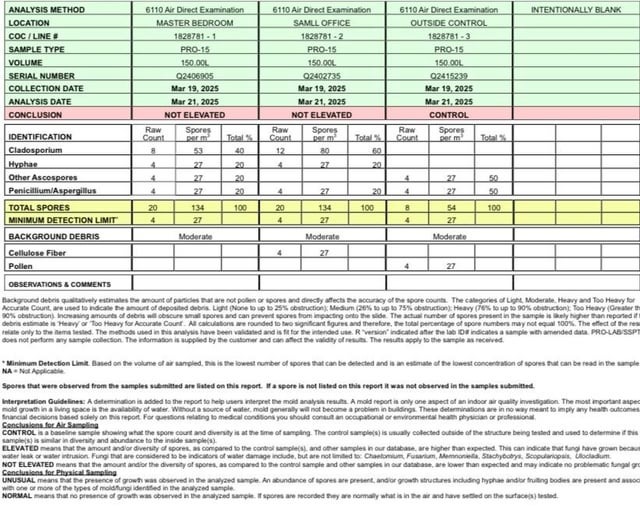
Does this look ok?
Remediation said the independent air test came back ok, but it wasn’t even 24 hours. That’s not enough time to send to a lab.
I saw some suspicious spots like rusty nails and some signs of water damage, but I can’t tell if the dark spots, or white spots are mold.
At least it’s not covered in all black.
They they removed the tent today. I noticed they didn’t wipe or vacuum anything down.
A short turnaround doesn’t tell you whether a laboratory result is valid. The collection record and analysis report show what was tested, and the observed surfaces still need evaluation under the remediation protocol.
Before agreeing to any sampling, start from the question it should answer. Identify the location, method, collection conditions, any outdoor comparison and the professional who will interpret the findings. A test that answers no open question adds little to the completion decision.
Read the clearance report against the original scope
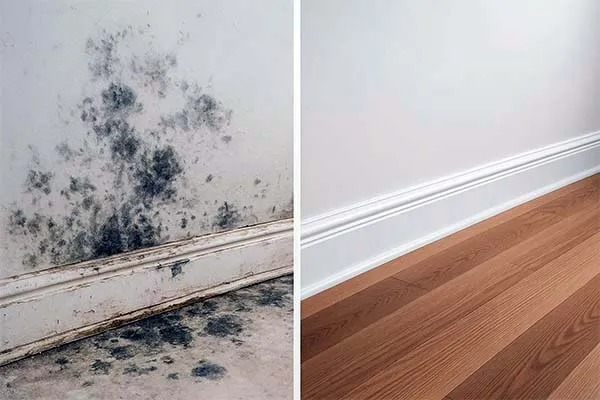
A completion report is useful when you can compare its findings with the original remediation protocol and the agreed criteria. Those criteria define what the work, and the verification when required, had to satisfy.
Different parties produce different records. The contractor documents cleaning and removal, a plumber or property owner documents the source repair, and an independent assessor records PRV findings. A laboratory report gives analytical results for the submitted samples.
Use the nine fields below as a review aid. State rules and the project contract may require other documentation.
| Field | Where it may appear | What to resolve if unclear |
|---|---|---|
| 1. Project identity | Address, work-area description, inspection date and project reference. | Match the records to your property and the affected area. |
| 2. Original scope and criteria | Remediation protocol, work plan and clearance criteria. | Identify the required steps and the conditions for acceptance. |
| 3. Moisture-source repair | Repair invoice, work description or another record from the responsible party. | Identify what fixed the underlying water problem. |
| 4. Materials cleaned or removed | Contractor’s completion record and supporting photographs, where available. | Account for the materials and steps listed in the protocol. |
| 5. Physical and moisture findings | Field evaluation and measurement records. | Find the observed state of retained surfaces and affected materials. |
| 6. Inspection access | Assessor’s scope and limitations. | Identify concealed or uninspected areas. |
| 7. Sampling, when used | Collection record, laboratory findings and professional interpretation. | Tie each sample to its purpose, location and method. |
| 8. Assessor and contractor roles | Report identity, signatures, company information and engagement records. | Identify who did the work, collected samples and evaluated the result. |
| 9. Outcome and outstanding work | Completion statement, exception list and final assessment result. | Find which criteria were met and what remains unresolved. |
When the work changes after a cavity is opened, the records should explain the departure from the original plan and identify the revised work and assessment.
If the inspection fails or the evidence is incomplete
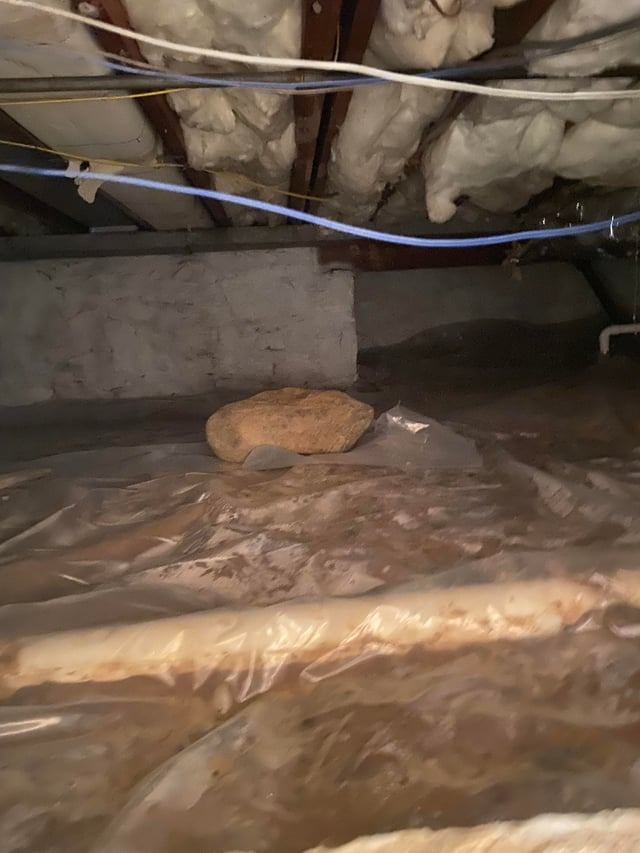
Respond to the actual problem. A missing signature, an uncorrected leak and visible unfinished cleanup affect different parts of the completion decision.
| Finding | Appropriate next action |
|---|---|
| Missing report information | Get the specific missing record or a clarification from the assessor. |
| Continuing water intrusion | Fix the water source, then reassess the affected materials. |
| Visible growth or damaged material remains | Identify the material, complete the required correction and reinspect. |
| Residual staining | Review the material condition and the specified cleaning method. |
| Persistent unexplained odor | Examine relevant materials, moisture conditions and other possible causes. |
| Unexpected sample finding | Have a professional interpret the result in context, review the method and decide whether further assessment is needed. |
Direct corrective work at the affected area and the criterion it failed. The assessor may need to examine that work again. The scope of extra inspection or sampling depends on the failure and the protocol.
We’ve been dealing with an overwhelming smell in our master bathroom ever since we discovered a leak from the upstairs neighbor’s toilet. We assumed it was a smell from the mold from the water damage, but after the mold remediation, it remained. The remediation passed a clearance test — no spores in the air, but the environmental tester noted that there was still dead brown mold in the wood. The report says two things. The mold was sampled and found to have no hyphae. The lab report says “2+ Brown hyphae with no associated spores, ID unknown.” The environmental tester said it passed the clearance test, so we assumed that was normal. We were and are puzzled about the smell to this day (see previous post). It smells pungent and solvent-y and chemical to my husband and I, though we had a guest over who said it smells like mildew. The smell also comes and goes — when it’s 80 degrees outside it appears and intensifies as the day gets hotter. By the time it’s down to the 70s the smell dissipates completely. It’s usually gone by nighttime.
Our handyman was installing a fan the other day, and saw the dead mold in the wood. He called a friend of his who does mold remediation, and the friend told him that the dead mold should have been sanded out of the wood and could cause a smell.
Here’s a close up photo he took, as well as a photo of the entire ceiling after the remediation.
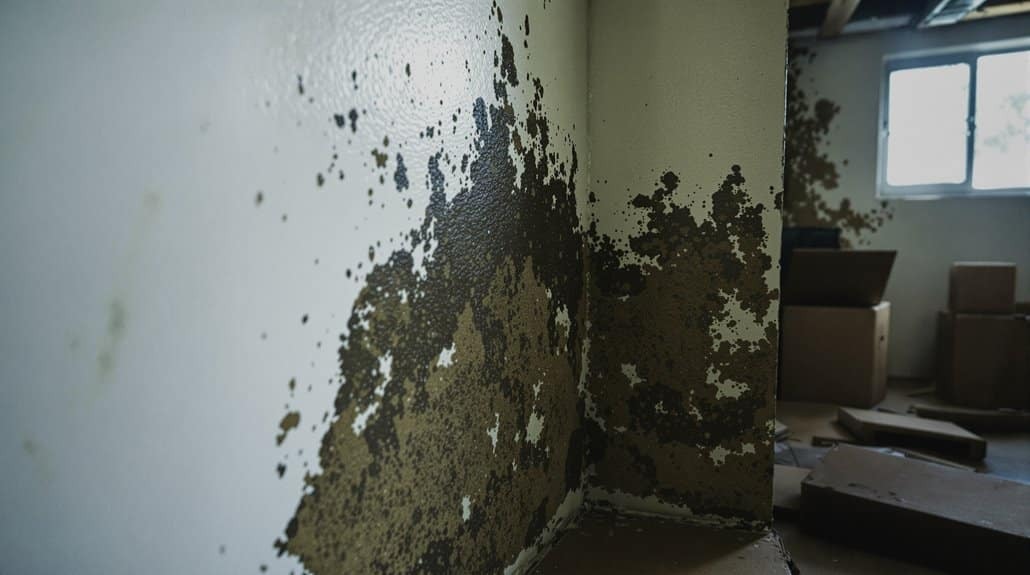
The temperature-dependent smell gives an investigator a specific condition to test. The account doesn’t show where the odor comes from or that sanding was the right remedy. The source, the material’s condition and the original work requirements would all need assessing.
For any unresolved deficiency, write down the corrective work and the follow-up assessment against the exact finding and location. The contractor, landlord, seller or environmental professional then knows what remains.
Contractual rights, withholding payment and who pays extra costs depend on your agreement and the law. A clearance finding doesn’t settle those remedies.
Reoccupancy and the first follow-up check
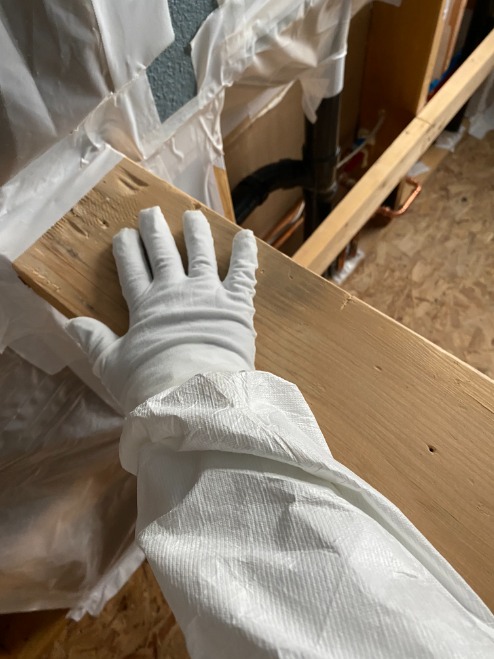
Moving back in depends on the completed work and a proper evaluation of the affected conditions. Individual health concerns need their own assessment. EPA also advises revisiting the area soon after remediation to look for new damage or growth. A dated record of renewed moisture, staining or odor helps pinpoint a recurring problem.
Prevention of a repeat starts with ventilation that removes moisture outdoors.
If the problem returns, investigate why mold keeps coming back.