
Mold Remediation Cost: Quotes, Repairs, and Extra Charges
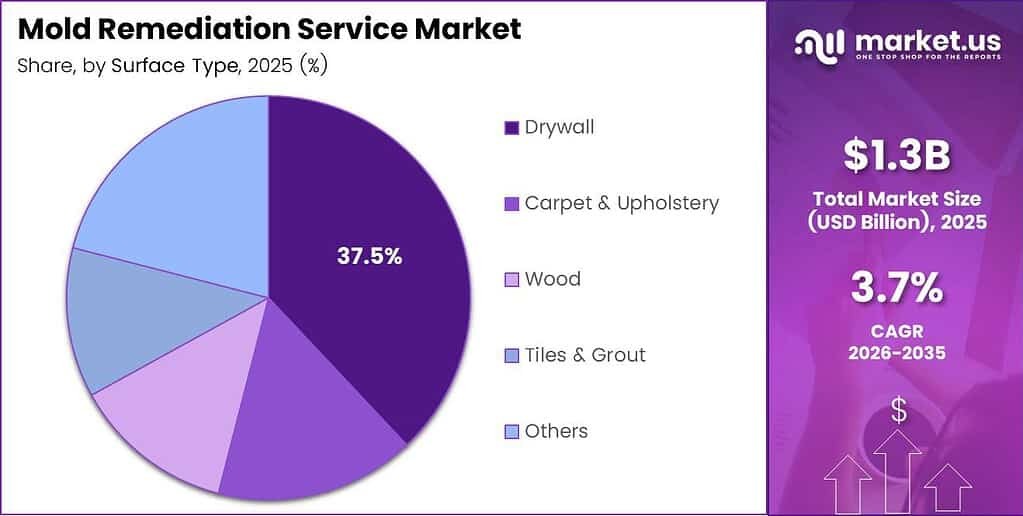
If you need professional mold remediation, pick the lowest bid that covers the same work as the others and puts it in writing. Angi reported typical project costs of $1,223 to $3,757 in July 2026, and HomeGuide reported $1,500 to $6,000 in February 2026. Treat those as a budget reference. Your bill depends on what has to come out, how hard the area is to reach, how much containment and drying it needs, and whether the quote includes rebuilding. If hidden damage or safety conditions change the work, get the added cost approved in a written change order.
How much does mold remediation cost in the U.S.?
The four guides below put typical projects in the low thousands of dollars. Their upper limits and pricing methods differ.
| Cost guide | Date published | Reported project cost | Per-square-foot figure |
|---|---|---|---|
| Angi | July 9, 2026 | $1,223 to $3,757 | No figure listed |
| HomeGuide | February 5, 2026 | $1,500 to $6,000 | $15 to $30 |
| This Old House | March 11, 2026 | $1,200 to $3,750 | $10 to $25 |
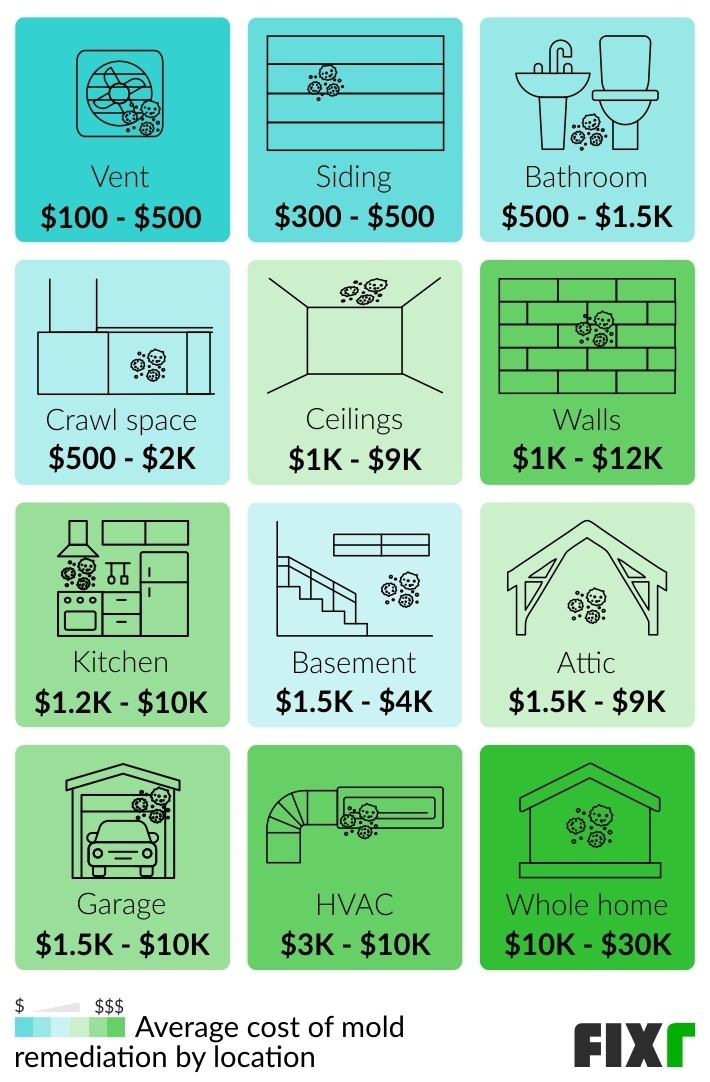
| Fixr | August 29, 2025 | $1,500 to $9,000 | $10 to $30 |
Angi reported a project average of $2,369. HomeGuide compiled its figures separately. This Old House attributes its data to Angi, so those two are not independent sources. The $10 to $25 per-square-foot figure SERVPRO publishes is attributed to HomeAdvisor.
A guide’s total gives a broad range for a typical job. Your contractor’s proposal prices the work at your property. Before you rely on a headline number, find out whether it includes demolition, moisture-source repair and rebuilding.
A quote outside the published range is worth a closer look at what it covers. Two jobs can start with the same visible patch. If one sits on an open surface and the other on a wall hidden behind kitchen cabinets, the work can differ a lot.
When is professional mold remediation necessary?

You can often clean small, simple mold growth yourself. Larger or hidden problems, hazardous water, extensive damage and difficult access call for a professional evaluation.
The EPA’s homeowner cleanup guidance uses roughly 10 square feet of affected area as a guide for straightforward DIY cleanup. It addresses safety and cleanup, not cost.
Check these first:
- Affected material: An accessible hard surface is one job. Stained drywall, insulation, carpet or an enclosed wall assembly is another.
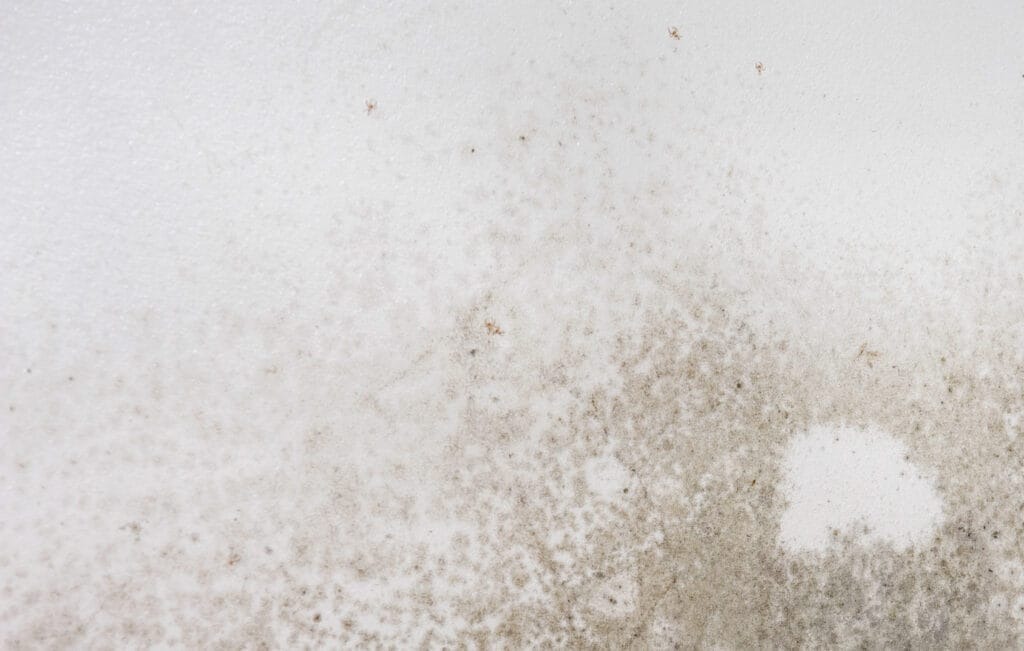
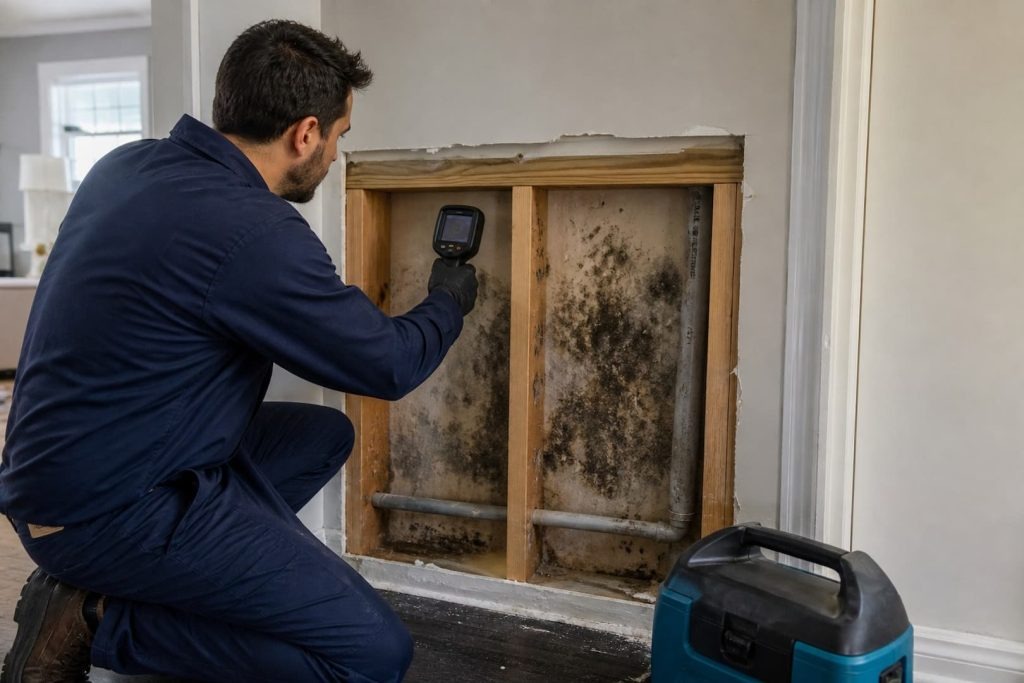
- Visible extent: A visible patch may be all there is, or moisture inside the wall may hide more growth.
- Water source: Condensation and a simple plumbing leak raise different questions than sewage or other contaminated water.
- Special conditions: HVAC involvement, substantial water damage and occupants especially vulnerable to mold exposure can change who should do the work.
CDC guidance also says some susceptible people should avoid mold cleanup. A stain’s color tells you little about the species, the health consequences or the contractor’s price. Have its condition and moisture source assessed.
What determines the price: affected area, materials and access
Cost follows the surfaces and materials a crew must reach, protect, remove, clean or dry. Room dimensions rarely tell you the full quantity of work.
Which square footage counts?
A 5 by 5 foot bathroom has 25 square feet of floor. Its walls, flooring layers and the space behind fixtures are separate surfaces. The same room might need a light surface cleaning or the removal of several damaged components.
If a proposal uses a square-foot rate, ask the estimator what was measured: the treated surface, the removed material or another priced unit. Labor, equipment days and disposal may be billed separately. Don’t multiply a national guide rate by your room’s floor area until you know what the rate measures.
Why materials and access matter
Mold on hard surfaces can often be cleaned. Wet or contaminated porous materials, including some drywall, insulation and carpet, may need removal. Once you open a wall or floor, disposal and later reconstruction become part of the job.
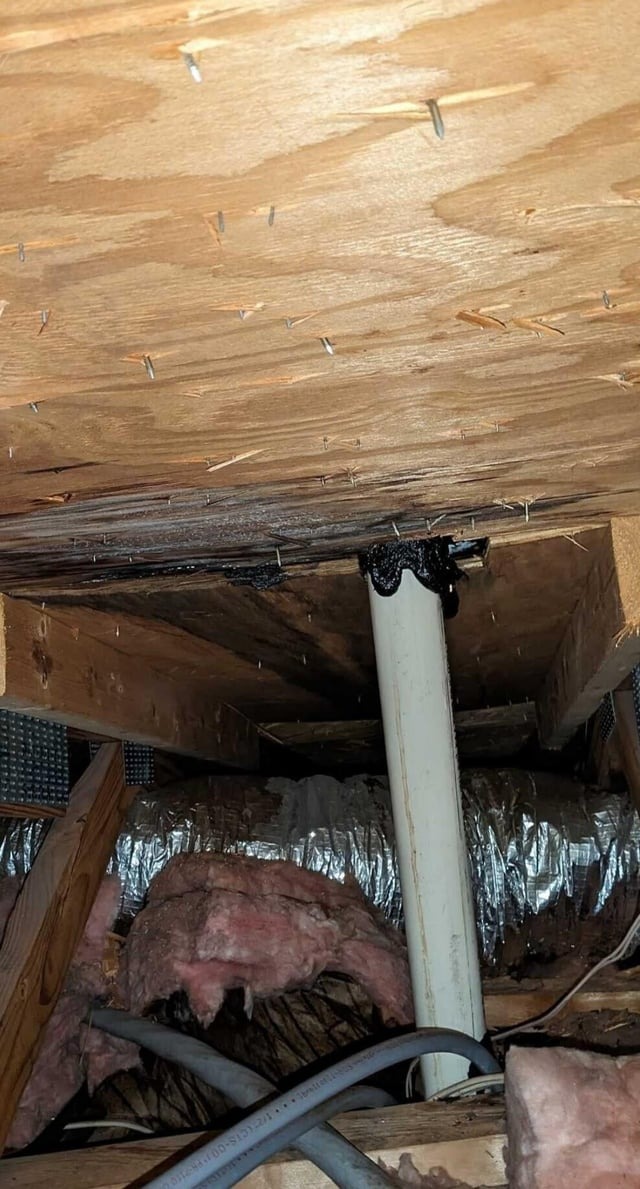
An attic or crawl space makes access harder. Containment, protection of unaffected rooms and the days drying equipment has to run also affect labor and charges.
What should be included in a professional mold remediation quote?
A written proposal should spell out the work and how each charge is calculated. A single line reading “mold treatment” leaves too much open.
Look for:
- Areas and protection: Work boundaries, occupant protection and containment where needed.
- Access and removal: Which wallboard, insulation, fixtures or other materials will be opened or removed, with quantities.
- Cleaning: Procedures for the affected materials, including HEPA-related measures where they apply.
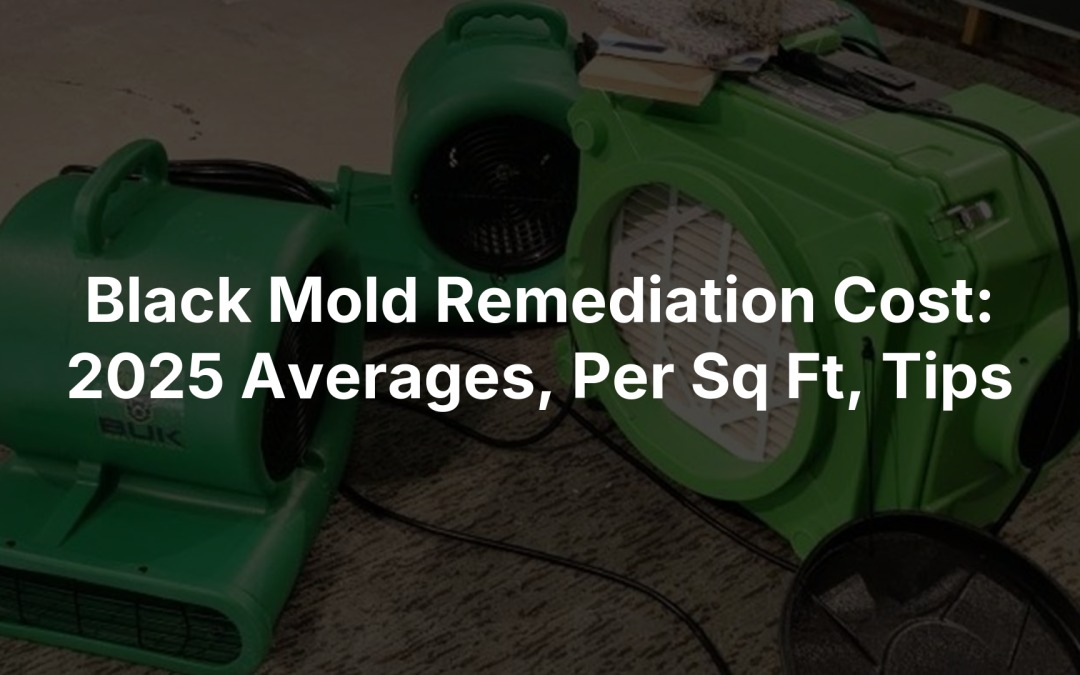
- Equipment: The devices to be used, the billing unit and the expected operating period.
- Labor and debris: Labor assumptions, handling of affected contents, and disposal.
- Completion records: Work photographs, moisture observations, completed tasks and any agreed verification service.
One company may quote a defined task for a fixed sum, while another carries allowances for conditions still hidden. The estimate should make that difference clear before work begins. ANSI/IICRC S520:2024 describes professional remediation processes and documentation, and it does not require every residential job to use the same equipment or testing package. That is also why two quotes can describe completely different jobs.
What will you pay for beyond the mold-remediation quote?
Removing damaged materials and making the house usable again can involve different contractors and different bills. A remediation job may end once a wall or floor is opened and cleaned.
| Part of the project | Possible charges | Who covers it |
|---|---|---|
| Assessment | Inspection or exploratory investigation | Included, billed separately, or not yet decided |
| Remediation | Protection, material removal, cleaning, equipment and disposal | Remediation contractor’s quoted work |
| Moisture-source repair | Pipe, roof or water-entry repair | The plumber, roofer or other trade you name |
| Restoration | Drywall, paint, flooring, cabinetry and fixture reinstall | Included, quoted separately, or not yet priced |
| Agreed verification | Independent inspection or documented completion checks | A named provider and fee |
| Other authorized work | Additional services justified by findings | Priced and listed as its own item |
Some remediation firms coordinate repairs or reconstruction themselves. Others finish their part and leave the rest to another contractor. Ask about this when you evaluate a mold remediation contractor.
I have a small bathroom that had mold on the wall. An inspection determined it was mild and a dry-out was recommended. I still want a partial remediation as the wall with the mold should be removed and looking behind for peace of mind as that would make me feel better (on top of the dry-out of course).
As I wait for that estimate from the company that did the test, a second company suggested cutting out that part of the wall (which I want), removing the vanity, toilet, and the flooring (5’x5′) to see if the mold spread underneath. The vanity and toilet are opposite of the mold.
Why not start with removing 1 or 2 pieces of the flooring to see if the mold spread before removing more? My issue is with the cost. If it didn’t spread, I will pay to remove and replace the entire flooring, vanity and toilet for nothing.
Is it standard practice to do all of this or am I being overcharged?
The poster’s question about the vanity and flooring on the opposite side has two cost parts. How much gets opened should match the suspected damage, and putting back everything that was removed is a separate expense.
For the full project budget, mark each task as included, quoted separately or not yet priced, and name who restores the room. Plan your funds around that total.
How do you compare two mold remediation estimates fairly?
Start with the work the property needs, then check how much of it each bidder covers. Keep confirmed damage, suspected hidden damage and optional procedures in separate categories.
Compare the same work
| Scope item | Bid A | Bid B | Question to resolve |
|---|---|---|---|
| Known affected materials | Specified wall section | Specified wall section | Are both quoting the same quantities and materials? |
| Hidden damage | Unclear allowance | Described contingency | How will newly found work be priced? |
| Containment | Included, limited detail | Defined work area | Does the containment match the conditions? |
| Removal and disposal | Included | Itemized | Do both remove the same amount of material? |
| Cleaning | General description | Methods identified | Do both cover the same cleaning tasks? |
| Equipment | Allowance | Devices and days stated | Are both billing on the same assumptions? |
| Leak repair | Excluded | Excluded | Who fixes the leak, and what does it cost? |
| Rebuilding | Excluded | Limited repair included | What restoration cost remains? |
| Verification | Not specified | Agreed service described | Is it needed, and is it priced? |
| Change-order terms | Unclear | Written procedure | Who authorizes extra work? |
The numbers below are invented to show the math. Assume both bids cover the same remediation, the firms are equally suitable and the restoration task is identical.
Bid A quotes $2,500 for remediation and excludes $1,800 of necessary restoration, so the full cost is $4,300. Bid B quotes $3,800 including both tasks. Bid B costs $500 less despite its higher headline quote. Separate demolition from the cost of rebuilding when you compare line items.
If they demand mold remediation, get multiple quotes!!! Like, 4 or 5. I just went through this. Buyer had an inspection, demanded mold remediation. Had quotes that went from 1950, 2070, 3700, 5500, 8700. Yes they swung that wildly. The 1950 didn’t include a vapor barrier and wouldn’t have been warrantied. Went with the 2070 quote because he did the bare minimum while still warrantying the work. That was exactly what I needed to satisfy closing requests.
3700 guy was super pushy and really wanted my business even though I told him he wasn’t that close to the cheapest quote. The 8700 guys didn’t listen to me at all apparently and i told the guy he was literally insane because this didn’t reflect a single thing I spoke with the inspector about. He responded that he didn’t know what the inspector told me. No shit.
These companies will rip you off with no hesitation. Get one that’s familiar with home inspectors and tell them you’re getting multiple quotes. Half of them literally ignored what I told them I needed and would start with extras I already told them I didn’t need.
Ask your realtor if they have any they recommend. I ended up going with the one mine recommended and they knew exactly why she sent me to them.
The poster picked the $2,070 bid, just $120 above the lowest at $1,950. The two bids differed on the vapor barrier and warranty.
A warranty counts when it states what work and conditions it covers. Contractor qualifications and the work each bid covers also matter, and any unresolved allowance should be settled before you choose on total price.
Why can the remediation price change after work starts?
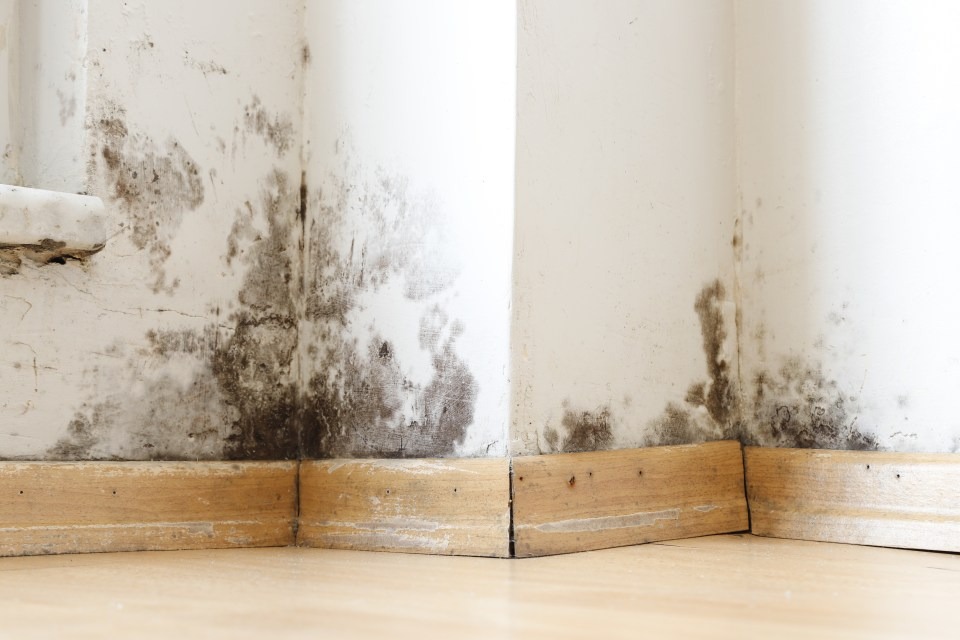
Opening a wall or removing a cabinet can expose more moisture damage than the first inspection could see. That changes how much material comes out, what protection is needed and which trades are involved.
We recently found mold in our guest bath. As a mom of littles, I quickly became worried about my children’s health.
We just purchased this home, and you can smell the mildew/must in the bath and kitchen. I immediately called a mold remediation crew to come and check moisture levels, and provide quote to remedy. They quoted $700 for this section.Issue turned out to be larger than expected. Moisture + growth detected on this entire wall + the adjacent kitchen wall behind sink and cabinets. Quote is now $6000.
I’ve talked to two contractors who both say mold remediation is a scam. And that I should not proceed forward. We’ve already filed an insurance claim, and now I’m thinking that was a mistake, too.
Coming here for advice before I make any more missteps! What should we do?
Three reasons a bill changes
- Unknown extent: Work exposes more affected material than the original assessment showed.
- Fixed or minimum fees: Mobilization or exploratory work may carry an agreed minimum charge even if the investigation ends sooner than expected.
- Change order or contingency: A priced allowance becomes a documented addition when a specified condition occurs.
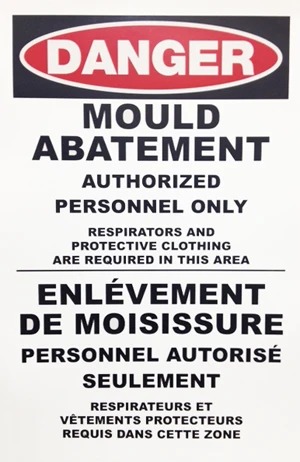
Before demolition, agree in writing on what triggers extra work, what records you will receive, who can approve changes and how minimum or stop-work charges apply. If the crew finds more damage, it should document the area and materials, explain the added work, price the difference and get your authorization under that agreement. Immediate contamination-control or safety obligations can affect when work pauses.
Is mold inspection or post-remediation testing a necessary extra cost?

Routine laboratory sampling adds little when mold growth is already visible. EPA’s sampling guidance agrees, and it sets no federal indoor airborne mold-spore concentration that defines a safe result.
Four services are easy to confuse:
- Initial assessment: Identifies the likely affected area, moisture conditions and open questions about the work.
- Laboratory sampling: Answers a specific question when the result would change a decision.
- Contractor observations: Record what was removed, cleaned or dried while work is underway.
- Post-remediation evaluation: Checks the work against agreed completion criteria, sometimes by a separate professional.
Testing and independent verification help when hidden conditions are truly uncertain or the contract defines a clear acceptance test. A single air sample cannot show that mold will never return.
For any paid test, ask what decision it will change, who performs it, what criteria the report uses and whether the quote already includes it.
Will homeowners insurance pay for mold removal?

Coverage depends on the policy, the cause of the damage, exclusions, limits and your deductible. The National Association of Insurance Commissioners notes that homeowners policies often exclude mold damage. A contractor’s estimate lists proposed charges, but any insurance payment depends on the insurer’s coverage decision. The work agreement sets the contractor’s obligations, including any express terms about recurrence. Read the policy’s mold and water-damage language and keep the records the insurer requests.
How should you verify the finished work and final invoice?
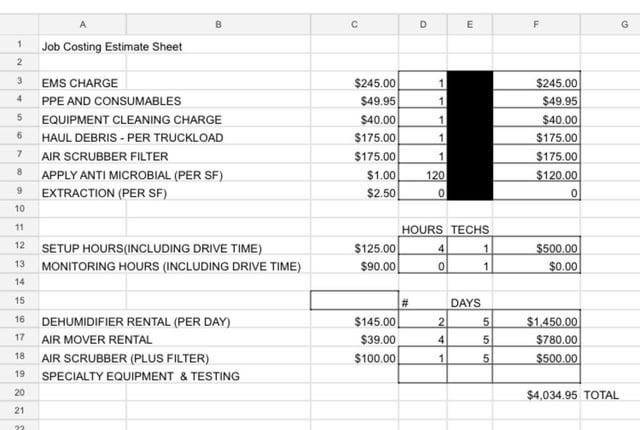
At the end, compare the accepted contract and signed changes with the work performed and the charges submitted. The completion record should separate the remediation from unfinished repairs assigned to another trade.
| Authorized item | Completion evidence | Invoice question |
|---|---|---|
| Material removal and cleaning | Work areas and completion records | Do billed quantities match? |
| Equipment and drying | Device usage and moisture observations where applicable | Do the billed operating days match the records? |
| Debris disposal and related work | Records that fit the project | Was it part of the agreed work? |
| Additional approved work | Accepted written changes | Does the bill match the revision? |
| Verification service | Agreed inspection or completion record | Was it provided and billed as agreed? |
If the invoice bills five equipment days and your records show three, ask the contractor to explain the difference.
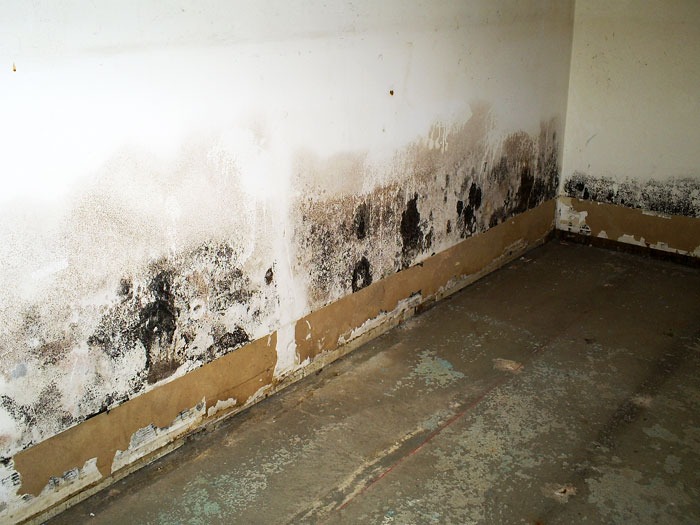
The result also depends on fixing the moisture source. A later leak can cause new mold even after competent remediation.
Start by collecting written proposals that disclose exclusions and change-order terms.