
Mold Remediation Quote Comparison Checklist
Don’t pick the cheapest mold remediation quote until the bids cover the same work and show their exclusions, conditional charges, who fixes the water source, and how completion gets verified. If the proposed work still differs or the contractors disagree, get revised written scopes or an independent assessment before you sign.
Three estimates can all say remediation and describe three different jobs. Blank cells in the worksheet below show what a quote leaves out, so a low total can’t conceal an unpriced demolition job or a plumbing repair that lands on you.
Before comparing prices, make sure the quotes describe the same job
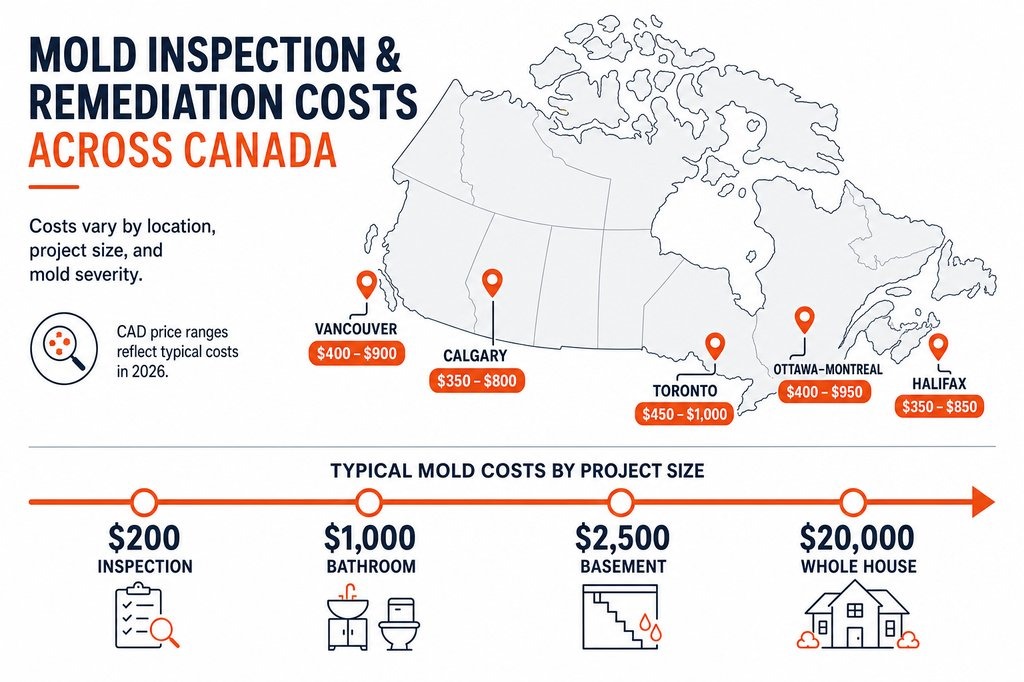
Label each proposal as based on a site visit, a report or photographs, or an unknown assessment method. Then note which rooms and materials were examined and which inaccessible areas are assumptions. Two prices only compare if both contractors looked at the same rooms and plan the same work. If their assessments differ, resolve that first.
Use the three-bid comparison worksheet
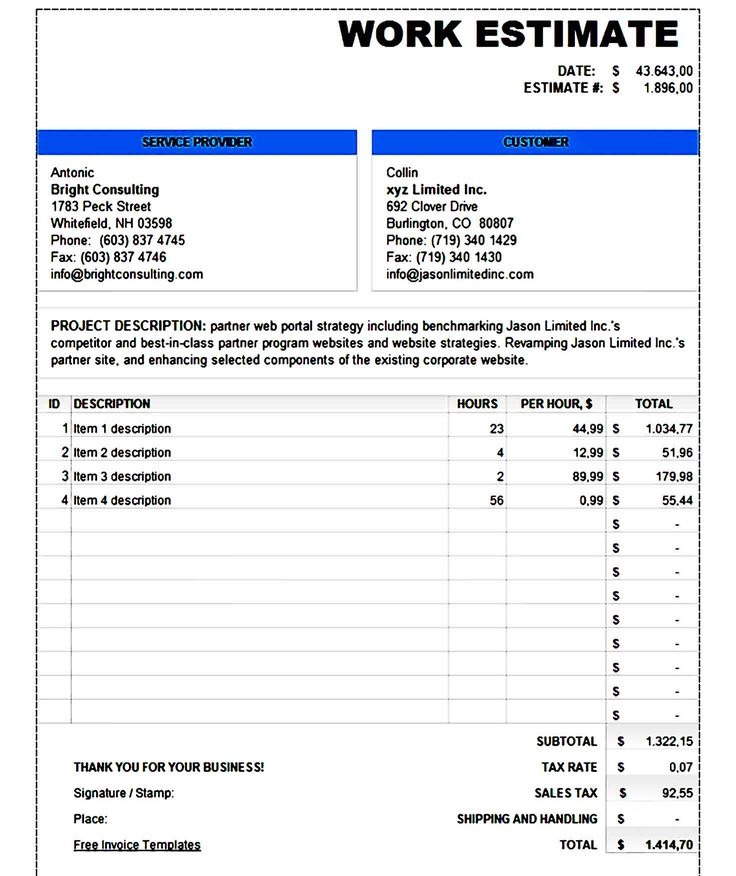
Copy these two tables into a spreadsheet or print them. For each line, enter Included (I), Excluded (E), Conditional (C), or Not specified (NS) in the quote column. Where you can, use the format status; quantity or rate; document reference. For example, I; [measured quantity]; estimate line 4 marks an included item and where it appears in the proposal. Leave unanswered prices blank. NS is not a zero-dollar charge.
Each status records what the written proposal covers; the assessment of the property decides which services are technically necessary.
Work, materials and responsibility
| Item | Quote A | Quote B | Quote C | Detail or evidence to record |
|---|---|---|---|---|
| Assessed rooms and materials | ____ | ____ | ____ | Site visit, report, photos, date; inspected area |
| Observed growth or damage | ____ | ____ | ____ | Material, location, measured extent if provided |
| Concealed or inaccessible areas | ____ | ____ | ____ | Assumptions, exclusion, further assessment trigger |
| Moisture-source diagnosis and repair | ____ | ____ | ____ | Suspected cause; repair owner; timing |
| Containment and air handling | ____ | ____ | ____ | Work-area barriers; pressure/filtration plan if specified |
| Access, occupants and HVAC | ____ | ____ | ____ | Room access, protection, system operation responsibility |
| Physical removal and disposal | ____ | ____ | ____ | Drywall, insulation, cabinets, quantities and disposal |
| Surface cleaning and HEPA work | ____ | ____ | ____ | Which materials, surfaces, and methods |
| Biocide, fogging or encapsulation | ____ | ____ | ____ | Purpose, treated material, relation to physical cleaning |
| Contents, carpets and furnishings | ____ | ____ | ____ | Movement, cleaning, storage, disposal responsibility |
| Drying and monitoring | ____ | ____ | ____ | Equipment, day assumptions, measurements and logs |
| Reconstruction and finishing | ____ | ____ | ____ | Insulation, wallboard, paint, flooring, cabinets; owner |
Price, timing and handoff
| Item | Quote A | Quote B | Quote C | Detail or evidence to record |
|---|---|---|---|---|
| Quoted total and pricing type | ____ | ____ | ____ | Fixed, preliminary, unit-price or time-and-materials |
| Allowances and conditional extras | ____ | ____ | ____ | Trigger, rate, assumed quantity and any cap |
| Equipment-day charges | ____ | ____ | ____ | Included days, additional day rate |
| Permits, taxes and disposal fees | ____ | ____ | ____ | Included, excluded or conditional items |
| Start and completion schedule | ____ | ____ | ____ | Proposed dates, dependencies, preliminary assumptions |
| Change orders and payments | ____ | ____ | ____ | Written approval, deposit, milestones, balance |
| Credentials and insurance | ____ | ____ | ____ | License or registration, issuer, verification result and insurance confirmation |
| Completion criteria and records | ____ | ____ | ____ | Agreed acceptance criteria, acceptance owner before reconstruction, moisture logs and final report |
| Verification or sampling | ____ | ____ | ____ | Verifier, procedure, fees, failed-check response |
| Warranty and exclusions | ____ | ____ | ____ | Work covered, duration, future water events |
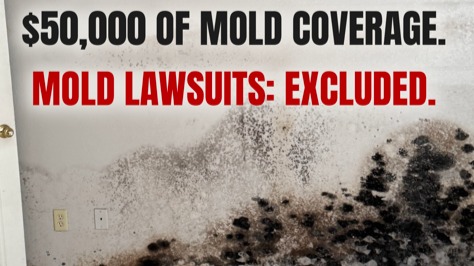
Here is how four hypothetical entries for a cabinet line would look: I; removal included; line 7; E; cabinet work excluded; section 3; C; removal if concealed damage is found; price pending; and NS; cabinet work unmentioned.
Worked example: the $3,000 and $4,000 attic proposals

Hi everyone,
We have mold in our attic. We knew about it from the home inspection and got a partial credit to cover remediation.
Been getting quotes and trying to compare apples to apples has been challenging.
One quote, for $3000, is what I would call a “tactical nuke for my attic”. Essentially antimicrobial fog, bleach-like solution, repeat antimicrobial fog. No removal of ducting. Estimate is not itemized beyond labor vs material cost.
The other, for $4000, is what I would call a “surgical removal”. Essentially HEPA vacuum and antimicrobial treatment directly on visible mold patches + possibly some removal of blown in insulation near the contaminated areas. Estimate is detailed and the company feels more put together, so to speak.
Edit: The mold is concentrated at the ends of the attic and appears to be only on the wood panels nearest the vents on the edges of the attic. Sorry for not having a better way to describe that.
Edit 2: suspected cause put forward by both companies is a near complete lack of ventilation. I’m in the Seattle area so it seems that new house frequently have this problem because they build year round including when it’s raining and then moisture gets trapped in a hot box more or less for years
It seems to me like the former makes more sense since you can’t be sure where spores get kicked up during all that agitation and whatnot. But I’m not a pro. What do you think? How do I go about comparing these things?
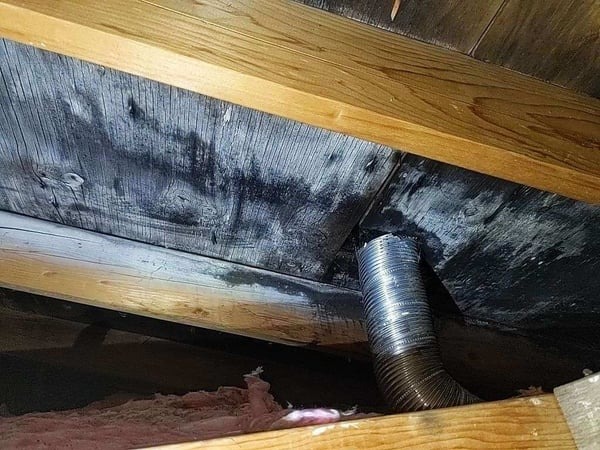
Not stated marks information missing from the post. Assign I, E, C and NS from the actual written proposals.
| Question | $3,000 offer | $4,000 offer | What the comparison establishes |
|---|---|---|---|
| Cleaning method | Fogging and bleach-like treatment | HEPA vacuum and targeted antimicrobial treatment | Different proposed methods |
| Itemization | Labor versus material only | Detailed estimate | Different documented detail |
| Insulation | Not stated | Possible removal near patches; contractual trigger unknown | Possible scope expansion in second offer |
| Ducting | No removal | Not stated | First offer excludes duct removal |
| Moisture cause | Both suspected insufficient ventilation | Suspected cause; no confirmed repair scope in post | |
| Containment and access | Not stated | Not stated | Requires actual proposal review |
| Drying and verification | Not stated | Not stated | Requires actual proposal review |
| Rebuilding and added charges | Not stated | Not stated | Requires actual proposal review |
Neither price means much until both contractors state which surfaces they clean, what they remove, what they assume about moisture and how they define completion.
Compare the cleaning and containment methods
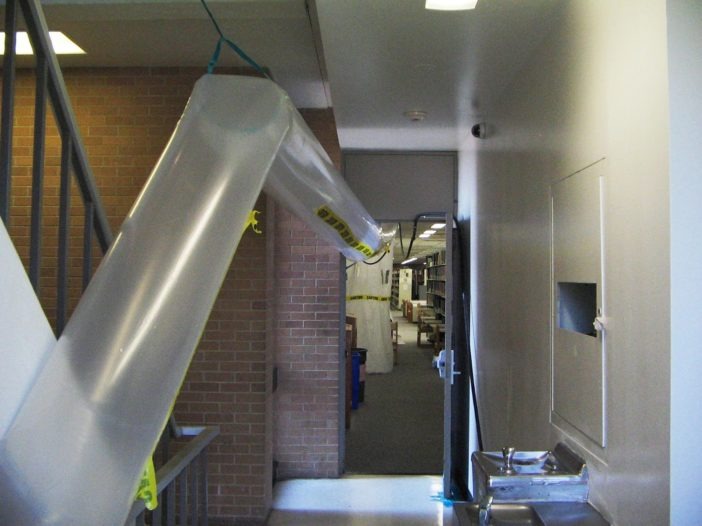
Fogging, antimicrobial applications, HEPA vacuuming, containment and demolition are five separate jobs. Each should appear in the quote with the material it applies to and what the crew will do.
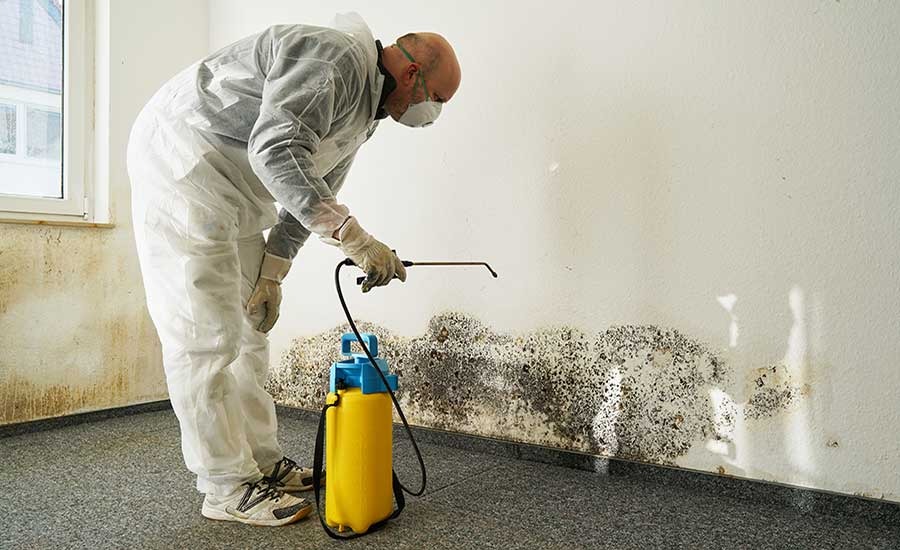
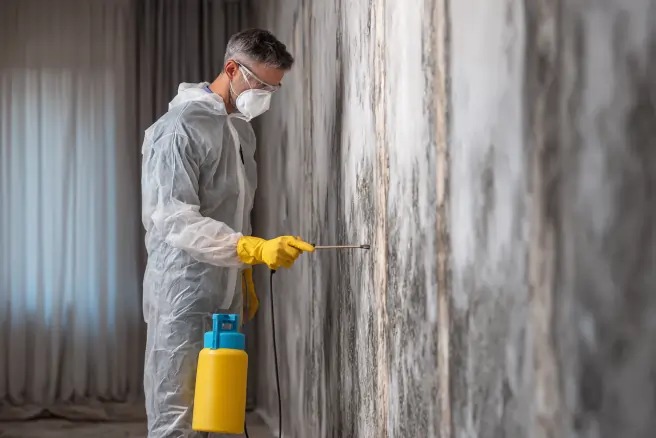
The EPA Mold Course explains that killing mold does not remove the contamination. Physical cleaning or removal is essential, and a chemical treatment can play a supporting role in a specified plan. The work area, contaminated materials, extent of growth and exposure conditions shape containment and worker protection.
If a quote includes fogging or biocide, it should also list the cleaning or removal that goes with it. Tie HEPA equipment to the surfaces and work area being treated. Containment line items should name the barriers and any adjacent rooms or HVAC systems affected.
Separate demolition from the cost of rebuilding
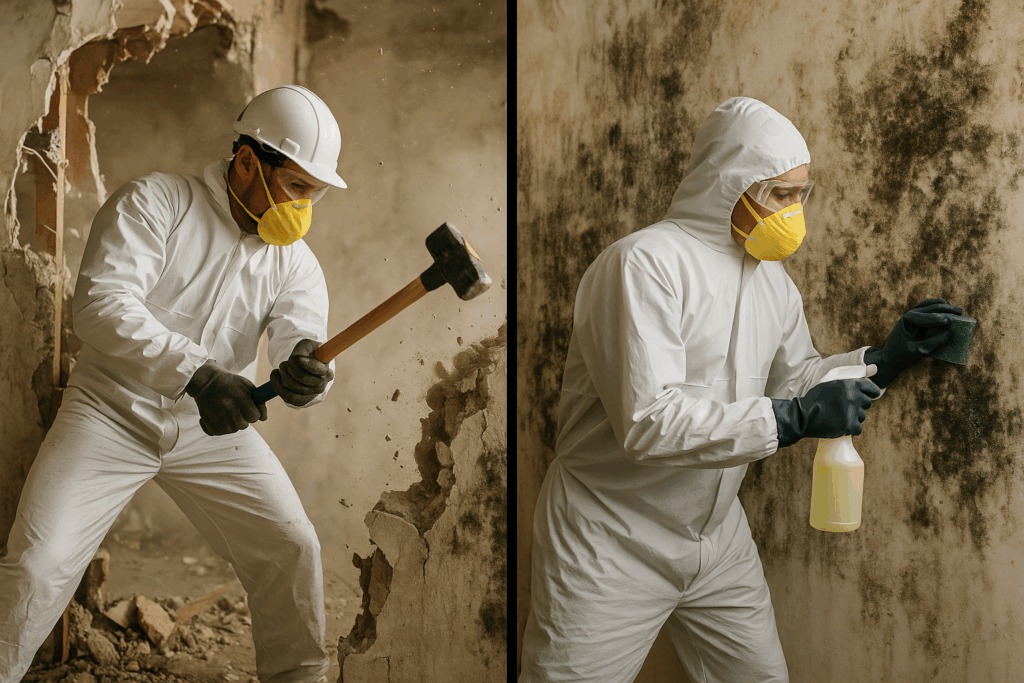
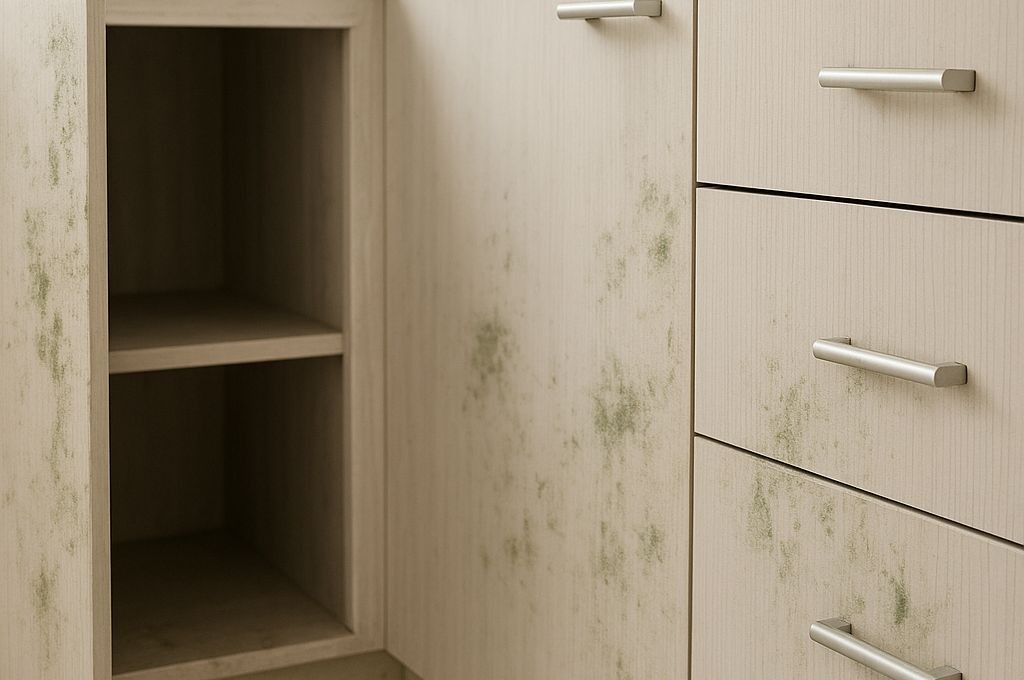
A quote can cover removing a contaminated cabinet and stop there, with no money for putting the kitchen back together. List material removal and reconstruction separately, especially where demolition could expose more damage. If remediation ends with exposed studs, name who rebuilds and in what condition the space is handed over.
Closed on this house in late February. A 20 in stretch of drywall in the laundry room next to the garage was found to have a medium amount of mold so we asked for an 8k credit and got it. I foolishly started just cutting drywall and probably throwing spores around the room when I did more research and sealed off the doors with plastic, got PPE, and a box fan out the window to create negative pressure.
I took out most of the drywall and had a plumber repair the leak in the drain pipe, but wanted to be thorough and check neighboring rooms so I got 2 quotes/inspections from mold remediation companies. They found some mold under the sink in the kitchen (above the laundry room and shares the drain pipe) and a small amount on the dry wall of a room neighboring the laundry room. I was quoted 6k for remediation for one and 5k for another.
The later said they weren’t even sure they could save the stone countertop in the kitchen…
I haven’t been able to pull out the dishwasher and get a better look yet but looking between the cabinets there doesn’t seem to be too much damage past the sink cabinet and the leak was stopped before we closed. We missed the damage under the sink as the prev owner screwed in a new bottom of the cabinet the inspector removed.
I REALLY don’t want to worry about re-doing the kitchen and due to some other unforeseen expenses our money is stretched thin right now.
The $8,000 credit was negotiated at purchase. The $5,000 and $6,000 estimates covered separate proposed work.
For any possible extra demolition, the bid should name the material, what triggers its removal, the quantity or rate, and who pays to repair or replace it. If a bid lists the countertop as conditional, you won’t know whether it comes out until someone checks the damage underneath. The poster’s improvised demolition and air-handling approach is not a safe procedure to copy.
Assign the water repair and document drying
Cleaning the affected area and fixing the moisture problem are separate jobs. The EPA’s remediation planning guidance makes moisture control central to the work. Name the observed or suspected water source, who diagnoses it and who repairs it. A plumber or roofer may have to finish a separate repair before surfaces can be enclosed.
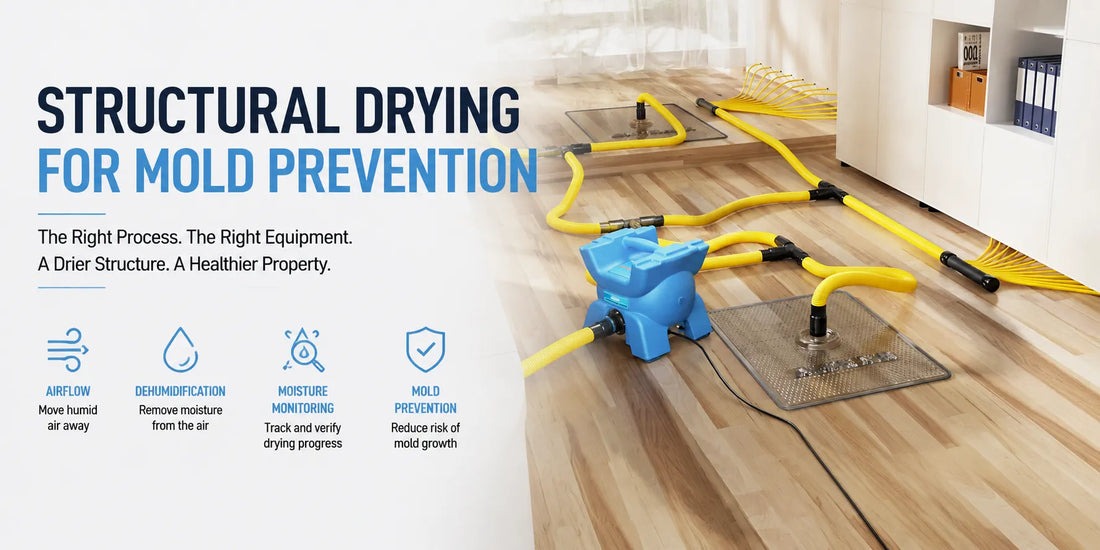
Drying needs its own scope: the equipment supplied, assumed operating days, the measurements logged and the criteria that decide when materials are ready for reconstruction. Those criteria must suit the material and the measurement method.
Compare fixed prices, allowances and open-ended costs
The same dollar total can mean a fixed scope or a preliminary amount that shifts with quantities and time. Work out each bid’s price structure before comparing headline amounts.
| Pricing basis | What the price describes | What can change it |
|---|---|---|
| Fixed price | Agreed amount for defined contractual work | Approved changes and written exceptions |
| Preliminary estimate | Expected amount based on information now available | Further findings or changed scope |
| Allowance | Budgeted sum for an uncertain work item | Actual authorized cost beyond allowance |
| Unit price | Charge per documented square foot or other unit | Measured work quantity |
| Equipment day rate | Charge per operating or rental day | Days used beyond stated allowance |
| Time and materials | Labor, materials and equipment actually charged | Recorded hours, materials and equipment use |
A lower total is only cheaper if the work and contingencies behind it fit the same circumstances.
Package names can also conceal different work.
We’ve noticed some mold growing in the basement/laundry area and got it checked out and determined it was a Penicillium/Aspergillus type mold. We contacted a remediation company who came out and gave us 3 different estimates at “Good/Better/Best”. The “Good” estimate came in around $20k and the “Best” course of action would cost us around $63k! I am completely mind-blown at those numbers and wasn’t at all prepared to spend so much on fixing something that doesn’t look bad at all.
We have no allergies or health changes we’re experiencing because of this, we just wanted to have to peace of mind of getting it cleaned but at this price I’m wondering if its worth it? Is this something my husband and I could potentially do ourselves? We were planning on renovating the basement anyway, new floors and ceiling… could we potentially tackle some of this sanding ourselves during that work? Does this price seem fair?
Compare what each tier adds against the documented damage, quantities and completion requirements. Sanding suspected moldy material can release contamination into the air, so before anyone disturbs it, including the homeowners themselves, the materials need an assessment and proper controls.
Set change-order and payment rules before work starts
Opening a wall can reveal damage no one could measure from the finished surface. Write down what happens when extra work turns up.
The Federal Trade Commission’s home-improvement guidance advises comparing written estimates and reviewing contracts, timelines, payments and contractor credentials before signing.
- Trigger: State what new observation or condition can expand the agreed work.
- Evidence: Require a description, photographs, measurements or assessment documentation.
- Price: Show revised quantities, unit rates, equipment time and disposal or rebuild additions.
- Authorization: Name who approves the added work and how the written approval is recorded.
- Payment: List the deposit, milestone amounts, balance and the work or documents each payment is tied to.
For an unexpected discovery, the contractor should secure the work area, document the problem and get written agreement on the new scope and cost before expanding the work. Emergency stabilization and local contract requirements can call for different handling. A contractor’s answer here is part of evaluating a mold remediation contractor.
Keep dated copies of all estimates, revisions and agreed changes. Deposit limits and change-order rules vary by state.
Verify the business and its applicable credentials

Record the contractor’s legal business name, insurance details and professional credentials, then verify them with the issuing body. A training credential, an industry standard and a government license serve different purposes.
Some states and cities have their own mold rules. Texas has a mold assessment and remediation framework, Florida regulates certain mold-related professional services, and New York City adds requirements for some buildings. Local rules also shape when to hire a mold remediation professional.
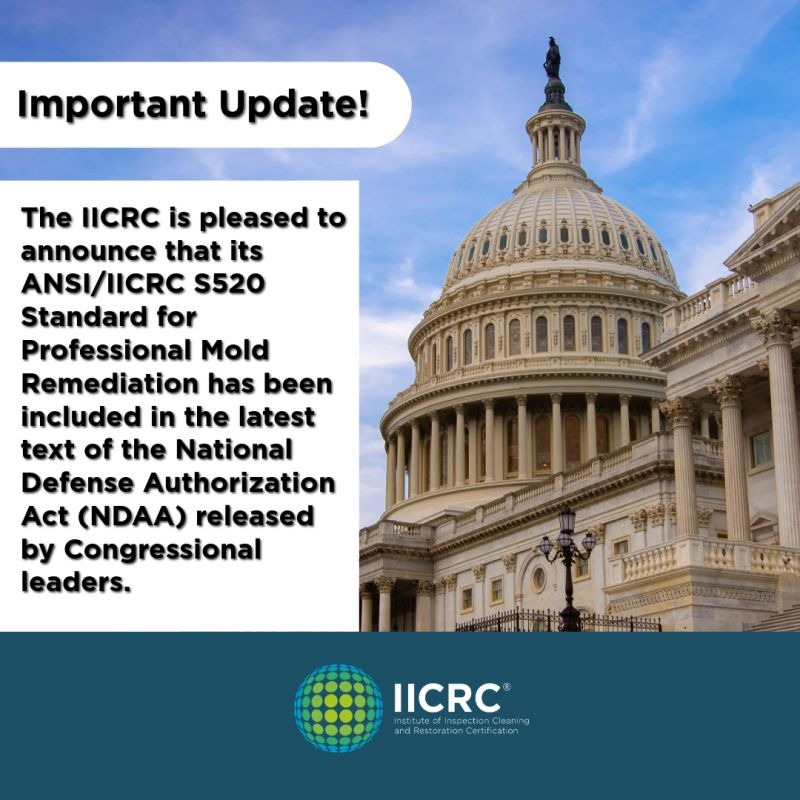
The IICRC’s ANSI/IICRC S520 page describes the Fourth Edition, issued in 2024, and its professional mold-remediation scope.
Define the finished job, independent verification and warranty
Completion needs a named condition and a record of what was done. The contractor’s work report, moisture readings, an independent verification visit and laboratory sampling answer different questions and can carry separate charges.
- Completion criteria: State the agreed condition of cleaned or remaining materials and treated areas.
- Person checking: Name who conducts any post-work assessment and whether that person is independent of the remediation company.
- Acceptance before rebuilding: Name who confirms the completion criteria are met and decides when reconstruction can enclose the affected area.
- Handoff records: List work logs, drying data, relevant photographs and the written completion report.
- Failed check: Say who handles follow-up work and any repeat verification.
- Warranty: Define covered work, duration, notice procedure and exclusions for later moisture incidents.
Routine laboratory sampling isn’t needed just to confirm that visible mold is mold. A verification protocol or local requirement can still call for sampling for a specific purpose.
Send one written clarification request to each bidder
Send every shortlisted contractor the same short request. The replies come back dated and in the same format.
Subject: Clarification of mold remediation estimate for [property/area]
Hello,
I’m comparing written proposals for [affected area]. Please send a dated, itemized revision listing the areas inspected, the materials and quantities covered, the cleaning/removal and containment methods, who handles the moisture repair, drying and verification deliverables, reconstruction exclusions, and expected start and completion dates.
Please label work that is included, excluded or conditional. For possible additional work, state the trigger, unit or daily rates, allowances, and the written approval process.
Please say which amounts are fixed and which are estimates. Thank you.
Save the replies with their proposal versions and fill in the rest of the worksheet. You’ll end up in one of three positions: the bids now cover the same work, a key question is still unanswered, or the contractors disagree about what the job needs.
When a pricing comparison needs an independent assessment
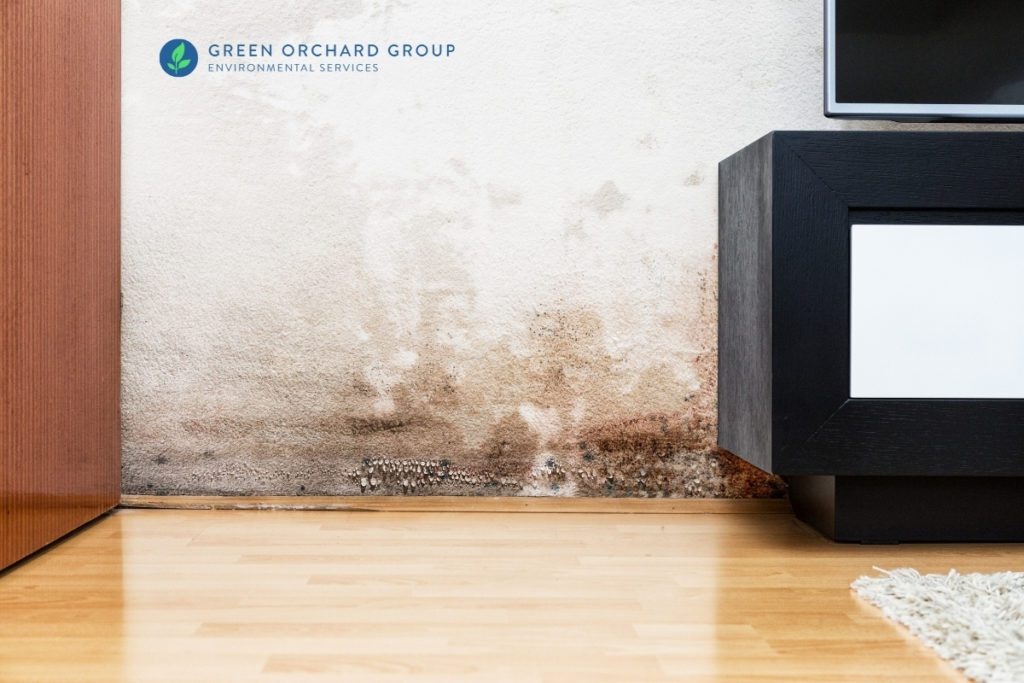
One bidder may recommend cleaning visible growth while another expects contaminated material behind the wall. A third price for a differently defined job adds little clarity.
Sewage-contaminated water, structural instability, extensive hidden growth, suspected asbestos or lead, or heavy HVAC involvement all call for a qualified specialist and extra controls. If anyone in the home has serious exposure concerns or particular vulnerabilities, the work plan needs adapting. Do not open suspect materials yourself to settle a bid dispute.