
DIY vs. Professional Mold Removal: When to Handle It Yourself
You can clean a small, easy-to-reach patch of mold yourself if the moisture source is fixed and you’re a healthy adult wearing proper protection. Get an assessment or a professional if the water was contaminated, the growth is hidden or extensive, the HVAC system may be contaminated, removal means tearing out finishes, or the person cleaning has a health vulnerability. Before you scrub or sign a contract, work out the affected area, the material, and the water source.
How to decide between DIY and a professional
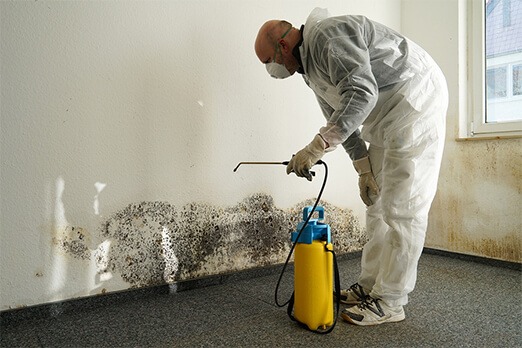
The US Environmental Protection Agency says homeowners can usually clean mold affecting less than about 10 square feet, roughly a 3-by-3-foot patch, themselves in uncomplicated situations. Treat that as a cleanup planning guideline. It isn’t a health-based or legal safety threshold.
| What you find | Where to start | What decides it |
|---|---|---|
| Small, reachable growth on a hard, cleanable surface after a repaired leak | DIY | You can clean and dry the material with manageable exposure |
| Musty areas, recurring dampness, or a stain that may continue behind walls or ceilings | Get an assessment | You need to find the moisture source and the affected materials |
| Extensive growth, contaminated water, suspected HVAC contamination, or removal of significant amounts of finishes | Call a professional | Contamination, exposure, and the size of the job call for stricter controls |
| A limited patch that someone with a relevant health vulnerability would have to clean | Use a different cleaner or get professional help | The cleaner’s health decides it, whatever the patch size |
If you know or suspect the HVAC system is contaminated with mold, don’t run it while you book an assessment. The EPA’s homeowner cleanup guidance covers this precaution, along with contaminated-water and material-specific cases.
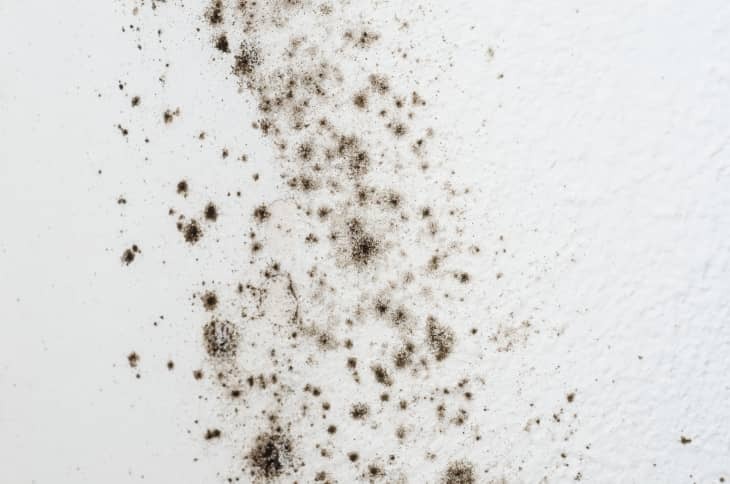
Estimate the total visible area, including patches linked to the same water problem. Sewage-affected wallboard calls for far more work than a small patch of bathroom tile after a repaired plumbing drip, even when the discoloration looks the same in a photo.
Visible mold isn’t always the whole problem
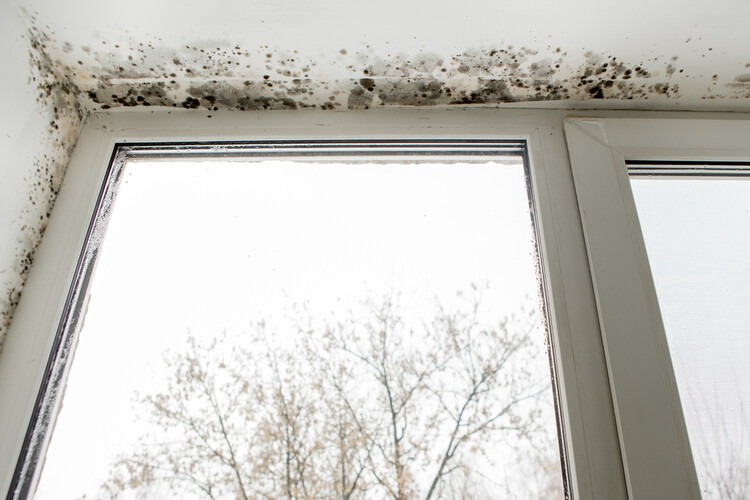
A small visible stain can mean a bigger problem when moisture has reached hidden materials. Ceiling tiles, wall cavities, insulation, and the undersides of floors can stay damp after the exposed surface dries.
A musty smell, a recurring leak, past flooding, or discoloration along a seam shows you where to look. None of them tells you how much mold is hidden or what kind it is.
Disturbing suspected hidden mold raises your exposure. EPA specifically warns that removing wallpaper covering concealed growth can release substantial spores, and opening a wall or pulling down ceiling tiles changes the job and its risks.
Record and photograph where the moisture appeared and which nearby materials you can’t reach. If hidden contamination looks likely, get an experienced assessment before opening any walls or ceilings.
Sorry in advance about formatting issues, I am on mobile.
The fiance and I just purchased our first house (Yay!). It is a 1,800 sq ft brick ranch from 1950 with a partly finished basement and needs alot of updating.
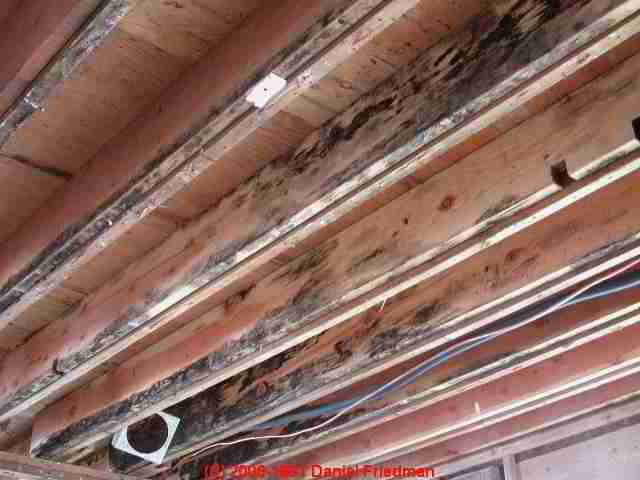
All of the floor joists in the basement have a greenish yellow mold. The inspector told us that the mold is only surface level and hasn’t caused any damage.
We got a quote from a mold remediation company for half the basement, $1800. The other half of the basement has a drop ceiling (white ceiling tiles) and there is mold on the joists behind the tile. Basically the whole basement ceiling has mold. We think the original quote will double to get the whole basement done.Should we remove the mold ourselves or should we have the company do it?
We want to save money for other parts of the house that need to be updated and I have lots of time to fix up the house. We are very handy and plan on DIYing as much of the updates as we can, but is that much mold too much for new homeowners?
Update! Met with the mold removal company today. We have decided to go ahead and let the pros take care of the mold, they are going to clean up the half of the basement they originally quoted and they will fog under the ceiling tiles. We can then take the ceiling tiles down at a later date and do more clean up if necessary. The fogging will be included in the original $1800 they quoted.Thank you all for your help!
For the detailed investigation process, see checking for hidden mold (covering wall cavities, damp drywall, and water stains).
Your health and protective gear can rule out DIY
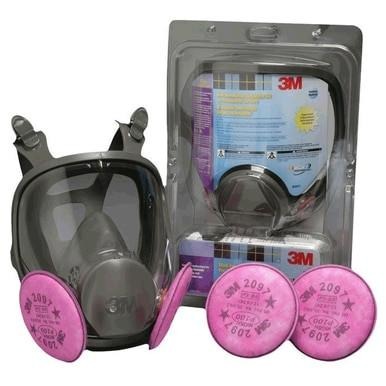
Don’t do even a small cleanup yourself if the CDC advises against your taking part in mold removal. That covers people with mold allergies, immune suppression, underlying lung disease, or chronic respiratory conditions such as asthma and COPD.
If you can safely do a limited cleanup, the CDC’s cleanup guidance lists the essential protective equipment:
- Respiratory protection: at least a NIOSH-approved N95 respirator; more intensive work can call for more protection.
- Gloves: rubber, nitrile, or vinyl protective gloves.
- Eye protection: goggles that keep out dust and small particles.
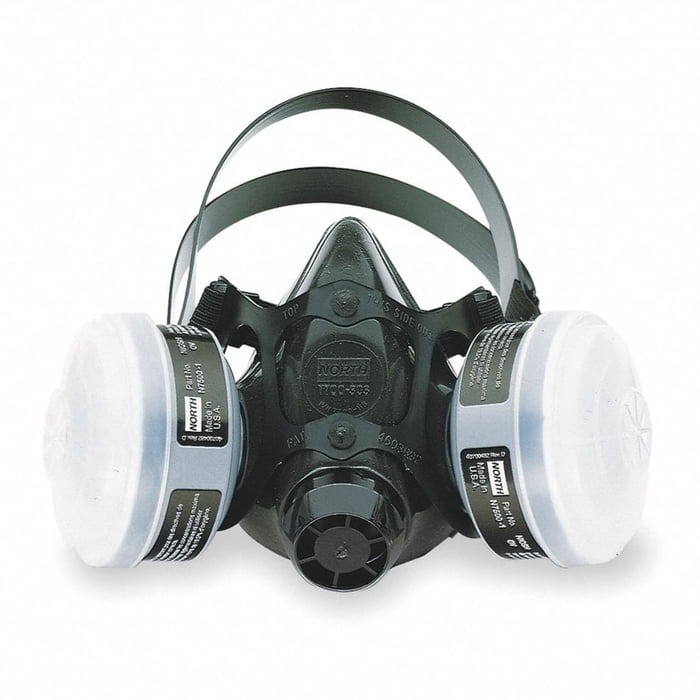
Removing moldy drywall disturbs far more material than wiping an accessible hard surface. Your respiratory protection, containment, and debris handling have to match the job. An N95 doesn’t make demolition a suitable job for an inexperienced homeowner.
Before you start a limited cleanup, check that you can use the protective equipment and keep your exposure under control.
A hard surface, drywall, and carpet are different cleanup jobs
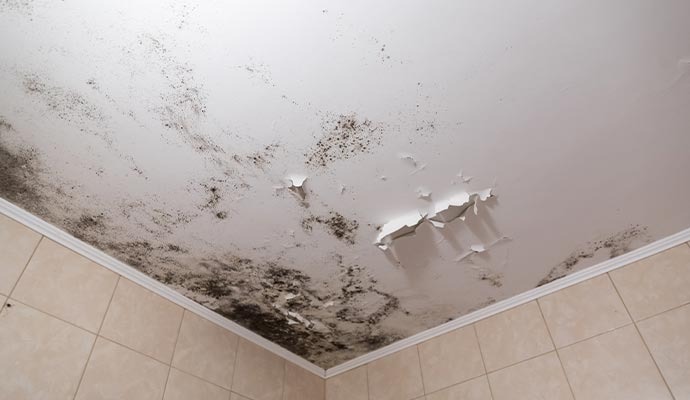
The material changes the job. EPA advises cleaning mold from hard surfaces with detergent and water, then drying them completely after you correct the moisture problem. Absorbent materials can hold contamination and moisture inside the material itself.
| Material | Main complication | What it means for the work |
|---|---|---|
| Tile and other nonporous hard surfaces | Reaching the surface and drying it completely | Limited cleaning can work when the other safety conditions are met |
| Carpet, padding, and absorbent ceiling tiles | Moisture or growth inside the absorbent layers | You may need to throw them out or replace them |
| Drywall and insulation | Hidden damage, and disturbance during removal | Get an assessment; professional containment may be needed |
| Wood and concrete | Surface condition, penetration, and moisture history vary | Cleaning or replacement depends on the material and the damage |
Removing a ceiling tile is easy, but it can expose contaminated joists or insulation above it.
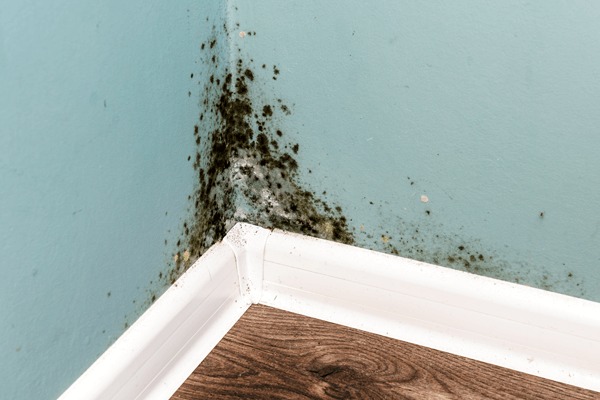
Removing material also means handling contaminated debris, protecting nearby rooms, and inspecting the surface it was hiding. Rebuilding comes afterward.
Identify each affected material before you choose a treatment. For surface-cleaning steps on a limited hard-surface job, see the small-area mold cleanup guide.
When to request a mold assessment
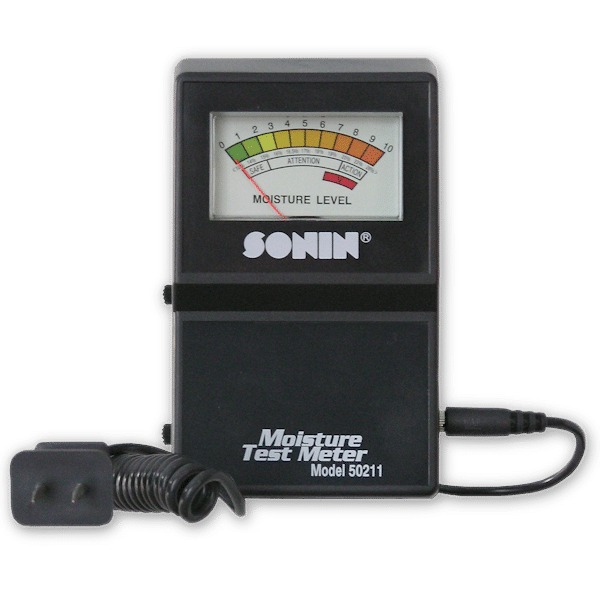
Get an assessment when the moisture cause, the hidden extent, or the affected material is unclear. It should define the likely work before anyone opens walls or ceilings or approves any treatment.
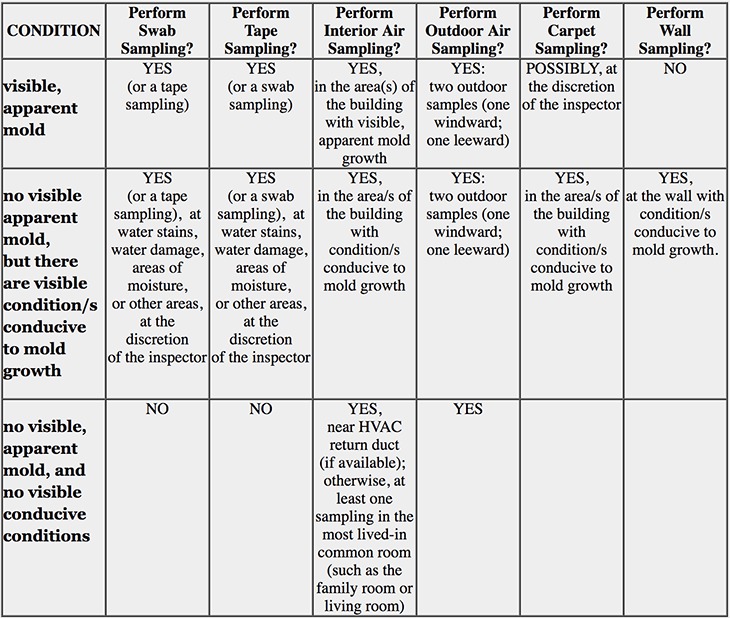
An assessor can document moisture conditions, visible growth, suspect materials, inaccessible areas, and what further investigation would resolve. Laboratory sampling answers a narrower question about one collected air or material sample.
According to the EPA’s mold sampling guidance, visible mold generally doesn’t need routine laboratory confirmation before cleanup. No federal limit for airborne mold spores exists that would declare a home safe or unsafe.
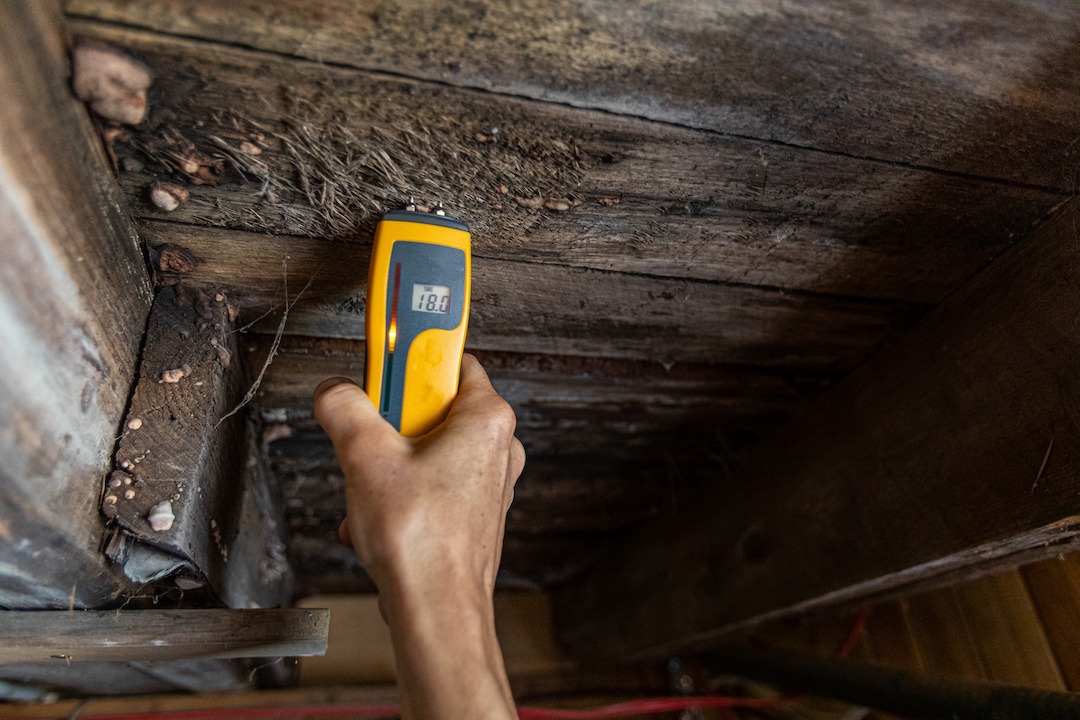
Sampling is useful in a defined investigation or a qualified post-remediation evaluation, when someone knows how the result will be interpreted and what decision it changes. When no decision depends on it, sampling is an extra line on the bill; see whether testing is a necessary extra cost in the cost guide.
Before you buy a test, ask the provider: “Which decision will this result change, and what will your assessment document?” The answer should name the uncertainty the test addresses and the information you need to choose a cleanup route.
How to compare professional mold remediation proposals
Two professional bids can describe different projects, with different surfaces, methods, moisture-control responsibilities, and completion work.
Hi everyone,
We have mold in our attic. We knew about it from the home inspection and got a partial credit to cover remediation.
Been getting quotes and trying to compare apples to apples has been challenging.
One quote, for $3000, is what I would call a “tactical nuke for my attic”. Essentially antimicrobial fog, bleach-like solution, repeat antimicrobial fog. No removal of ducting. Estimate is not itemized beyond labor vs material cost.
The other, for $4000, is what I would call a “surgical removal”. Essentially HEPA vacuum and antimicrobial treatment directly on visible mold patches + possibly some removal of blown in insulation near the contaminated areas. Estimate is detailed and the company feels more put together, so to speak.Edit: The mold is concentrated at the ends of the attic and appears to be only on the wood panels nearest the vents on the edges of the attic. Sorry for not having a better way to describe that.
Edit 2: suspected cause put forward by both companies is a near complete lack of ventilation. I’m in the Seattle area so it seems that new house frequently have this problem because they build year round including when it’s raining and then moisture gets trapped in a hot box more or less for years
It seems to me like the former makes more sense since you can’t be sure where spores get kicked up during all that agitation and whatnot. But I’m not a pro. What do you think? How do I go about comparing these things?
| Scope detail as reported | $3,000 proposal | $4,000 proposal |
|---|---|---|
| Main treatment | Antimicrobial fog, bleach-like application, then more fog | HEPA vacuuming and antimicrobial treatment at visible patches |
| Estimate detail | Labor and materials totals, no detailed breakdown | Detailed, according to the homeowner |
| Insulation | No removal specified | Possible removal of nearby blown-in insulation |
| Ducting | No removal proposed | Not described |
Before you compare totals, ask for an itemized written scope that lists exclusions and answers these questions: who will correct the suspected ventilation problem, how the affected material is handled, what containment and disposal are included, and what documentation will show the work was completed. Also check the contractor’s mold-cleanup experience and references, and ask which professional or government guidance the work follows. If you are new to the process, start with how professional remediation works.
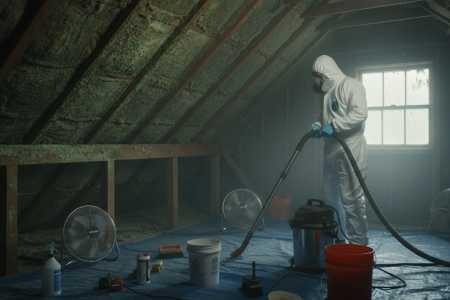
Spraying or fogging can be part of a professional plan, but the proposal also has to deal with the contamination itself and the moisture conditions sustaining it.
The 2024 fourth edition of ANSI/IICRC S520 covers professional mold remediation practices, including safety, documentation, structural and HVAC work, and post-remediation verification.
If you need a pro but can’t afford the quote
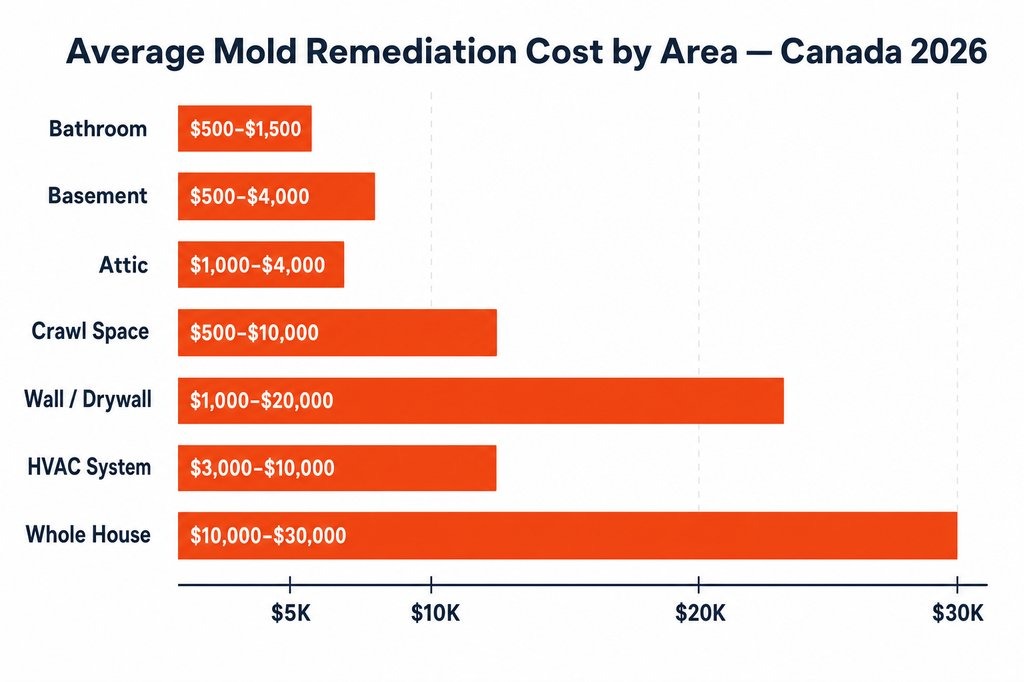
If a professional quote is beyond your budget, the work still needs a scope that covers the moisture source and the affected materials. Ask the contractor for a breakdown that separates necessary moisture repairs, exposure controls, cleaning, and removal and disposal from optional finishes and add-ons, and clarify any disputed items.
How to check the job was done

If you hired a professional, the record should show what was cleaned, removed, replaced, or left for separate repair.
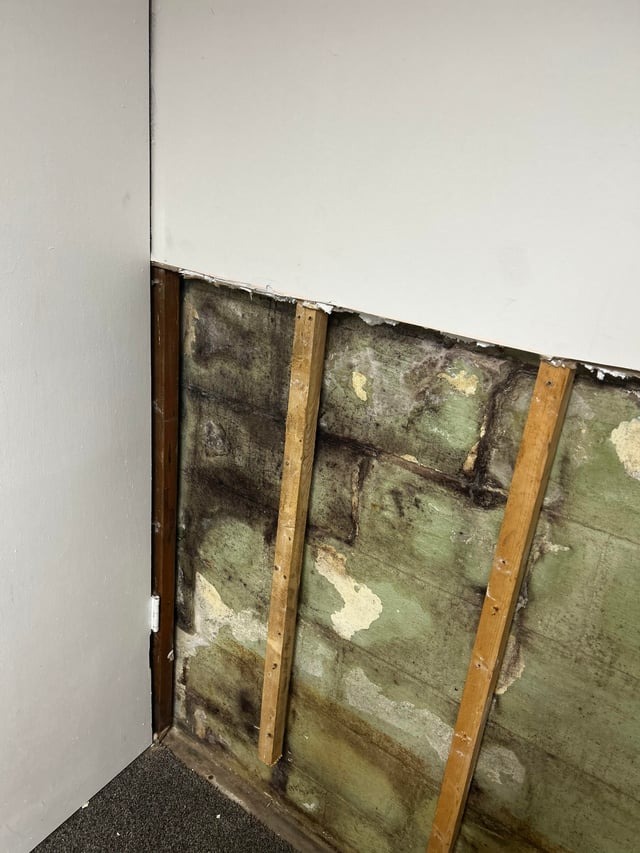
I’m supposed to close in 5 days on a house in NJ. The sellers said they had the basement mold “professionally remediated” and gave me an invoice for about $500. When I went back to check, there’s still visible mold-like staining on the walls. I called the remediation company myself, and they said those are just “stains,” not active mold, and that their job was done. The sellers refuse to give any credits or redo the work. My gut says it wasn’t cleaned properly – looks like they just sprayed and left.
I really like the house, but I’m nervous about closing and being stuck with a hidden mold problem and expensive remediation later. What would you do this close to closing? Push to delay and get an independent inspection, demand escrow/credit again, or walk away?
EPA says staining can remain after mold has been cleaned.
Check the finished job against the original problem and the agreed scope:
- Moisture source: the leak or damp condition is fixed, and it’s clear who is responsible for any remaining work.
- Affected materials: cleaning, removal, replacement, and disposal match the assessed damage and the authorized work.
- Condition afterward: the area is dried, and visible mold growth and mold odor have been dealt with.
- Completion record: the contractor documents the tasks performed, exclusions, and any agreed post-remediation evaluation.
If important questions remain about the moisture source or hidden material, get follow-up that investigates those specific concerns. The post-remediation verification guide details that process.