
How to Clean a Small Mold Patch Safely
You can usually clean a small, accessible mold patch yourself if it is on a suitable hard surface and the problem is limited. Fix the moisture source, wear protection, scrub the mold off with detergent and water, and dry the surface completely. If the mold is hidden, extensive, tied to contaminated water or HVAC equipment, or growing in damaged absorbent materials, stop and get experienced help.
Is This a Small DIY Mold Job? Check Before You Clean
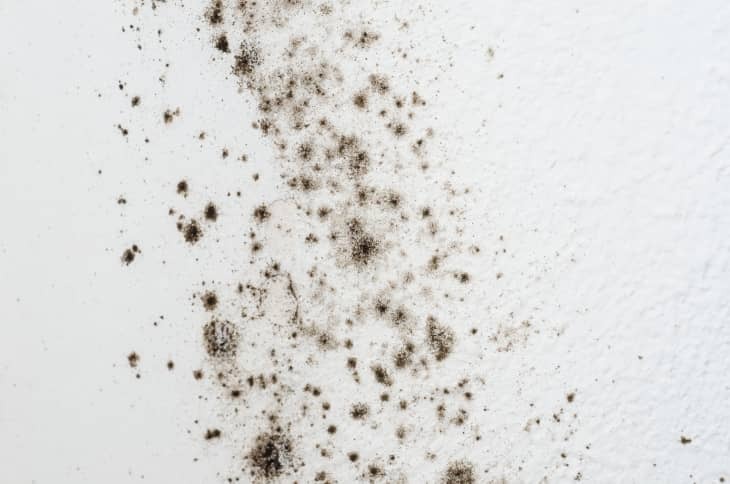
A patch on sound bathroom tile is usually a routine cleanup. Mold along the bottom of a baseboard can mean damage inside the wall. Check how far the mold spreads and what it sits on before you touch either one. If the baseboard case sounds familiar, decide when moldy drywall must be replaced before you clean.
The US Environmental Protection Agency says you can usually handle an area under about 10 square feet yourself. That’s roughly 3 by 3 feet. The guideline assumes an ordinary, limited problem, so size alone doesn’t make every cleanup safe.
Mold that runs behind wallpaper, trim, cabinets or damaged wallboard needs a closer look than a patch on exposed tile.
| What you find | DIY decision | Why |
|---|---|---|
| Small, accessible patch on a sound hard surface | Go ahead if the other safety conditions are met | You can clean the surface directly |
| Uncertain surface, damp trim, or mold along a material edge | Pause. Check the surface and the moisture first | The mold can extend into areas you cannot reach |
| Extensive mold, major water damage, suspected sewage contamination, or HVAC involvement | Stop and get experienced help | The work needs specialized assessment and remediation |
Even if the patch meets these criteria, the CDC advises people with asthma, COPD, mold allergies, immune suppression, or other underlying lung disease against taking part in mold cleanup. If any of that applies to you, have someone else do the work.
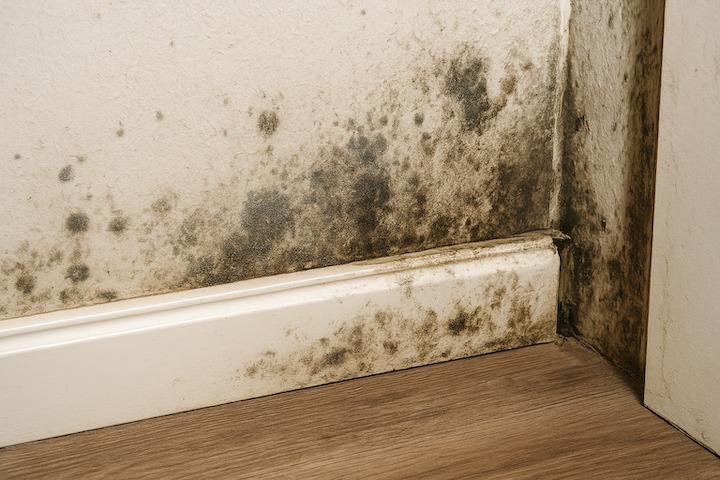
Bought this house 2 months ago, started doing some renovations and found maybe mold? This is the basement on concrete surface, so there was water damage a month ago and we did call water remediation and they did everything. The photos you see were not near the water damage part but the wall trim was. But all the baseboards have these mold and most of them are from outer wall. How to fix these? Who should be call? What would be the best option to do by ourself? We are thinking of cutting the wall and check what’s behind it, I did saw a lizard behind the wall and also the entry of the crawlspace is from this room.
Check what is behind the baseboards before you cut open the wall.
Which Surfaces Can You Clean, and Which Need Replacing?
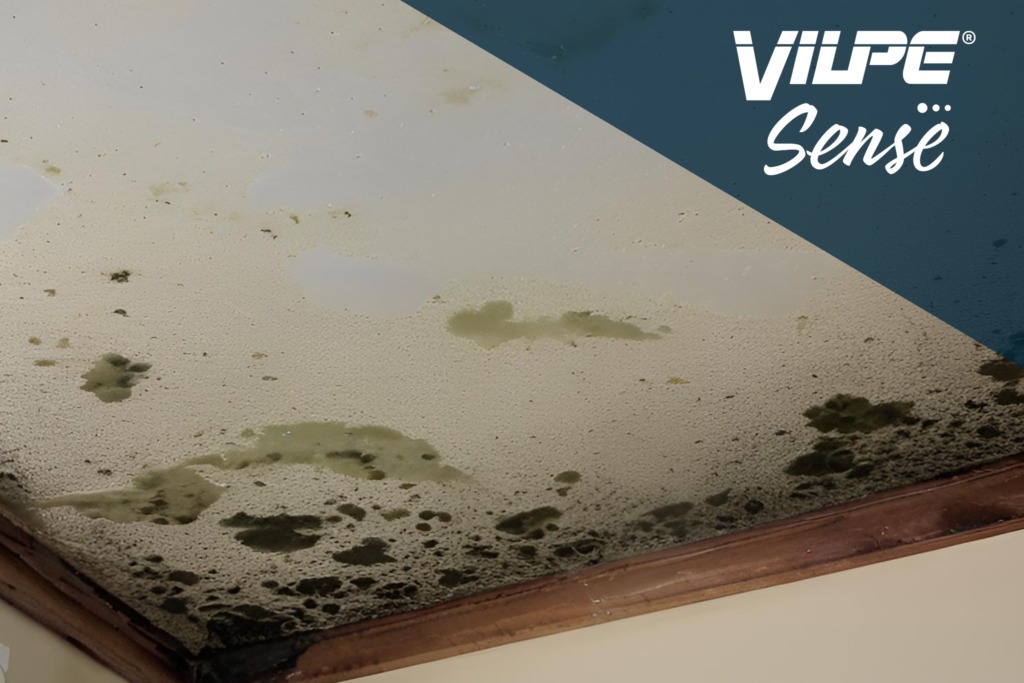
The surface decides how much cleaning can do. Smooth, nonporous materials clean up thoroughly. Absorbent ones hold moisture and mold where a cloth or brush can’t reach. EPA guidance separates hard surfaces you can scrub from porous materials you may have to discard. Carpet and ceiling tiles often resist complete cleaning once mold has grown in them.
| Material or condition | Approach | What changes the decision |
|---|---|---|
| Sound tile, glass or metal | Clean the accessible surface | Hidden leakage or damage beneath adjacent materials |
| Intact washable sealed surface | Check that the finish tolerates detergent cleaning | Peeling, swelling, or moisture penetration |
| Moldy carpet, padding, ceiling tile or insulation | Replace it or have a professional evaluate it | Absorption, extent and water-damage history |
| Wet, softened or crumbling paper-faced drywall | Have it checked for removal | Damage can extend beyond the visible finish |
| Grout, caulk, unfinished wood or painted wallboard | Use material-specific guidance | Joints, coatings and absorbency change the method |
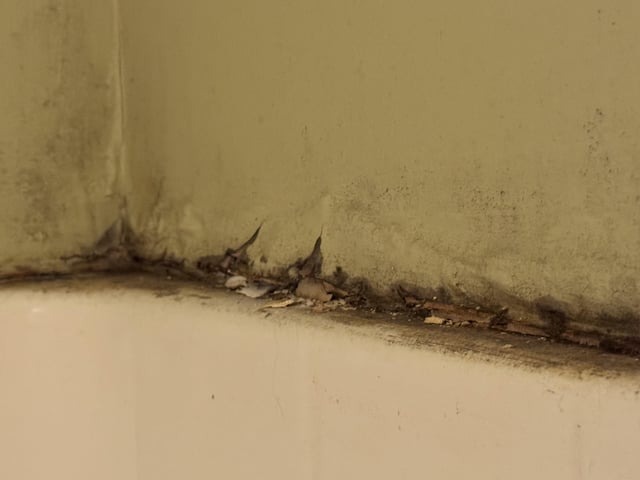
Look closely at anything swollen, softened, crumbled or separated from its finish. Paint or wallpaper can hide how far the damage goes. Opening a wall or peeling suspect wallpaper can disturb hidden mold, so have it assessed before you remove anything else.
An inexpensive shower liner is a simpler call. If the care label allows, launder it. A badly deteriorated liner is better replaced.
Find and Fix the Moisture Before You Scrub
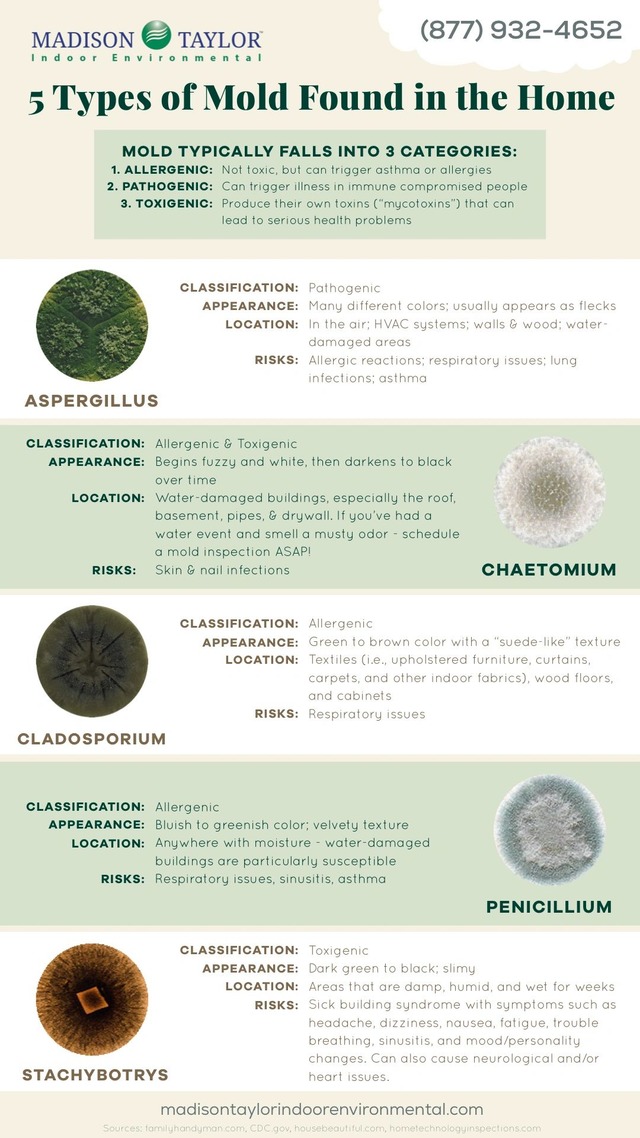
Mold grows where moisture stays. A clean-looking wall can grow it again if condensation, a plumbing leak or water intrusion keeps wetting it.
Look for a likely water source near the affected spot. The location often gives you a clue.
| Visible clue | Water source to examine |
|---|---|
| Bathroom ceiling becomes damp after showers | Condensation and inadequate ventilation |
| Cabinet bottom is wet beneath a sink | Plumbing connections or an active drip |
| Water collects on windows or nearby trim | Condensation or water entering around the opening |
| Basement edge becomes wet after rain | Water intrusion or seepage |
| Marks appear below a roof or wall junction | Previous or ongoing leakage |
Fix the source that keeps the area wet. A dehumidifier manages room humidity, but a plumbing leak needs repair at its source. In a rental, report leaks and moisture problems to the building owner or property manager promptly.
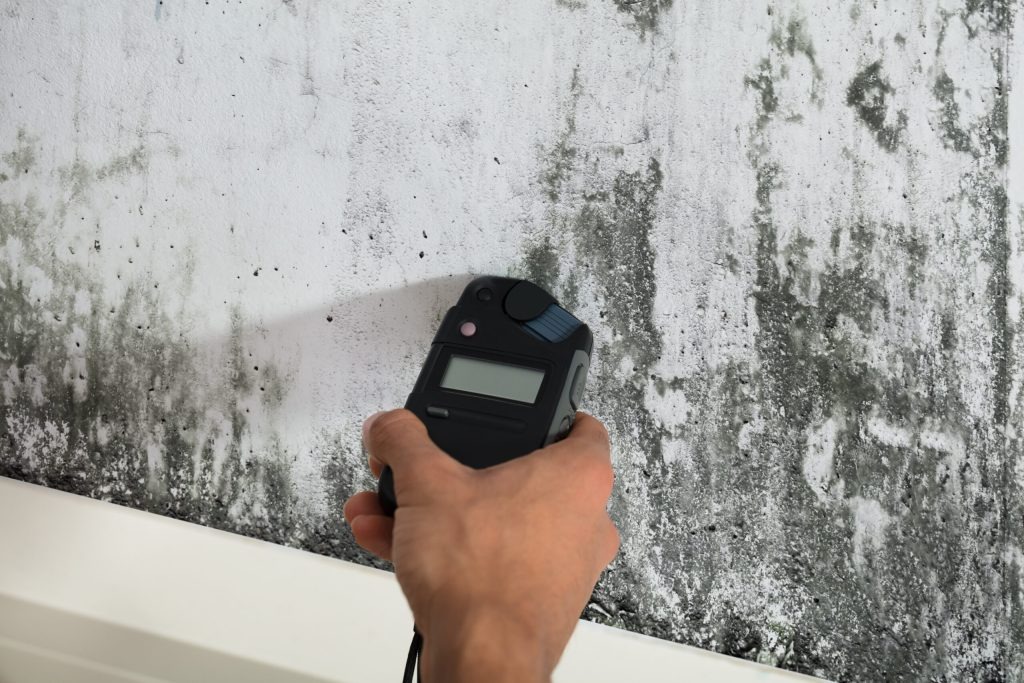
The EPA advises drying water-damaged materials within 24 to 48 hours when possible after a leak or spill. That guidance prevents mold in newly wet materials. Established mold needs cleanup.
For ordinary moisture control, EPA guidance recommends keeping indoor relative humidity below 60% when possible, ideally between 30% and 50%. A room can hit that target while a leaking pipe keeps one hidden area wet.
Protect Yourself and Prepare the Cleaning Area
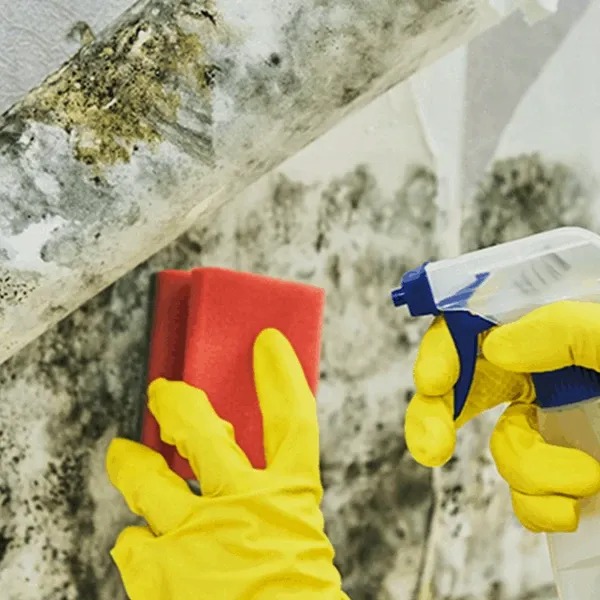
For a small patch you can clean yourself, CDC mold-cleanup guidance recommends:
- At least a NIOSH-approved N95 respirator. Follow its fit instructions. N95 filtering facepieces do not protect against gases or vapors.
- Close-fitting dust-protective goggles. Open-sided safety glasses offer inadequate protection.
- Gloves such as nitrile, rubber or vinyl.
- Detergent, water, a surface-safe cloth or brush, and drying materials, all ready before you start.
Keep other people away and let in fresh air when you use cleaning products. Stop if you can’t use the protection correctly or the job turns into extensive material removal. Wear a fitted N95, gloves and goggles without open vents for this kind of scrubbing, and check how goggles, gloves and clothing fit together before you start.
How to Clean a Small Patch on a Hard Surface
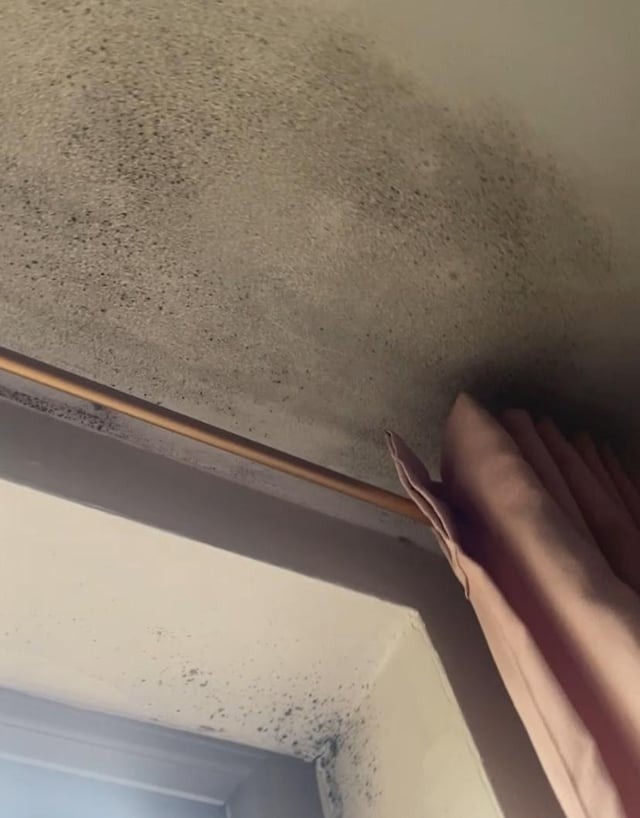
For a patch on a sound hard surface, the EPA recommends scrubbing with detergent and water, then drying the surface completely. These steps apply to accessible surfaces that withstand ordinary washing.
The cleaning sequence
-
Apply detergent and water. Use an ordinary detergent suited to the surface and follow the product and surface-care instructions. Don’t saturate the surrounding material.
-
Scrub the visible mold. Use a cloth or brush that suits the finish and work until the mold is gone. Avoid aggressive abrasion that could damage the surface.
-
Remove loosened residue. Wipe away what the scrubbing released, using fresh cleaning material as needed. Discard disposable wipes and cloths afterward.
-
Dry the surface completely. Wipe off the water and let the surface dry. Don’t leave it wet enough to bring back the conditions that supported the mold.
-
Finish repairs only when the surface is clean and dry. Do not paint or caulk over visible mold. A fresh coating hides the mold while the underlying problem remains.
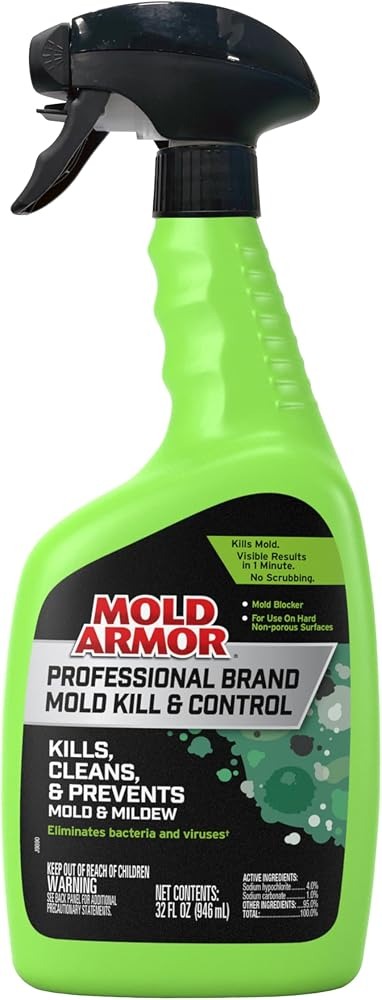
If cleaning exposes softened backing, a loose joint or suspected mold beneath a finish, stop and reassess that area.
Bleach, Vinegar, or Soap: What Matters?
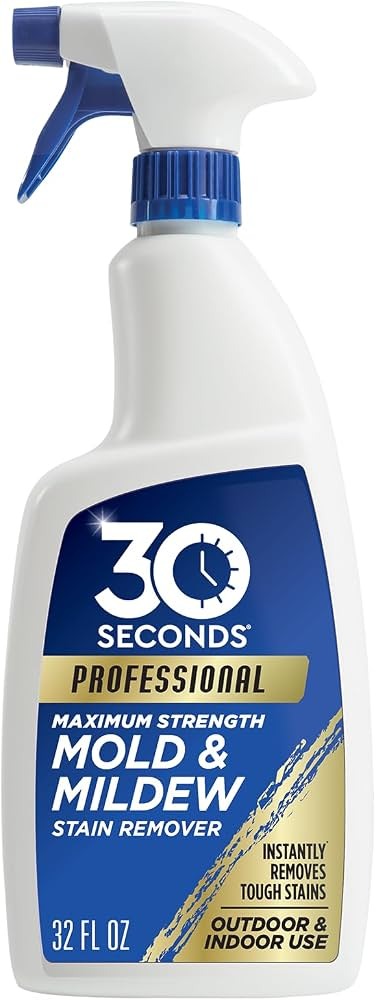
Bleach can lighten a dark stain without removing the mold. No cleaner makes damaged absorbent material suitable for the hard-surface method.
The EPA’s guidance on bleach does not recommend biocides, including chlorine bleach, for routine mold cleanup. Killing mold without removing it leaves potentially allergenic particles behind. The EPA’s detergent-and-water method for suitable hard surfaces doesn’t call for vinegar.
For people who choose household bleach anyway, the CDC advises no more than one cup of household laundry bleach per gallon of water, with ventilation and other safety precautions.
Never mix bleach with vinegar, ammonia or any other cleaning product. Follow product labels and keep cleaning chemicals separate.
I have a small bathroom in an apartment with little ventilation.
What’s the best way to treat this? I recently took a trades class in treating mold, and the pros went in with a fungicide, which I believe I could do, with the proper gear They mentioned bleach used to be one way to treat it, but that it can actually make the mold more aggressive. Oddly, I didn’t hear of any mention of vinegar but know from reading here that’s what’s recommended to actually kill it.
Also, with the shower curtain, can I just dunk that in vinegar and launder it? We just replaced it back in October.
Neither EPA nor CDC guidance supports the claim that bleach makes mold more aggressive. The shower liner’s care label and condition decide whether laundering works. Grout and other specialized materials need their own handling.
Did the Cleanup Work? What to Do if Mold Returns
The EPA’s cleanup-completion guidance calls for a second look after cleaning. Check three things:
-
Surface condition: Look for remaining visible mold. Cosmetic staining can persist after cleaning, so judge discoloration by the material and the cleaning result.
-
Moisture and odor: Confirm the area stays dry and that no moldy or musty smell points to an unresolved source.
-
Follow-up: Revisit the spot shortly after cleanup and watch for renewed dampness, fresh water marks or returning mold.
If marks reappear at the same damp edge, investigate the material and the moisture again. A stronger product or a fresh coat of paint only postpones finding the real problem. Mold coming from behind damp trim points to material the surface cleanup never reached.
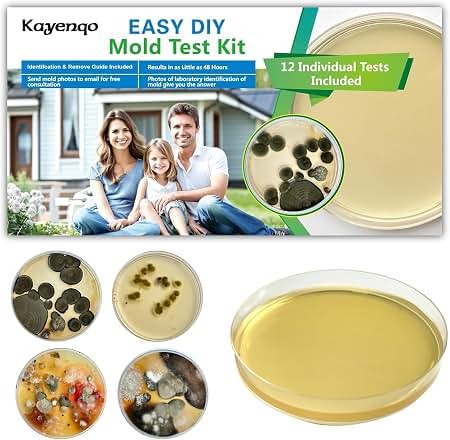
Routine laboratory testing is usually unnecessary when visible mold already shows that cleanup is needed. The EPA has not established a federal allowable indoor mold-spore concentration that works as a universal pass/fail threshold. For a hidden or repeatedly unresolved problem, specialized investigation may help. Consider testing only if the result would change your decision.
When to Stop DIY and Bring In an Experienced Professional
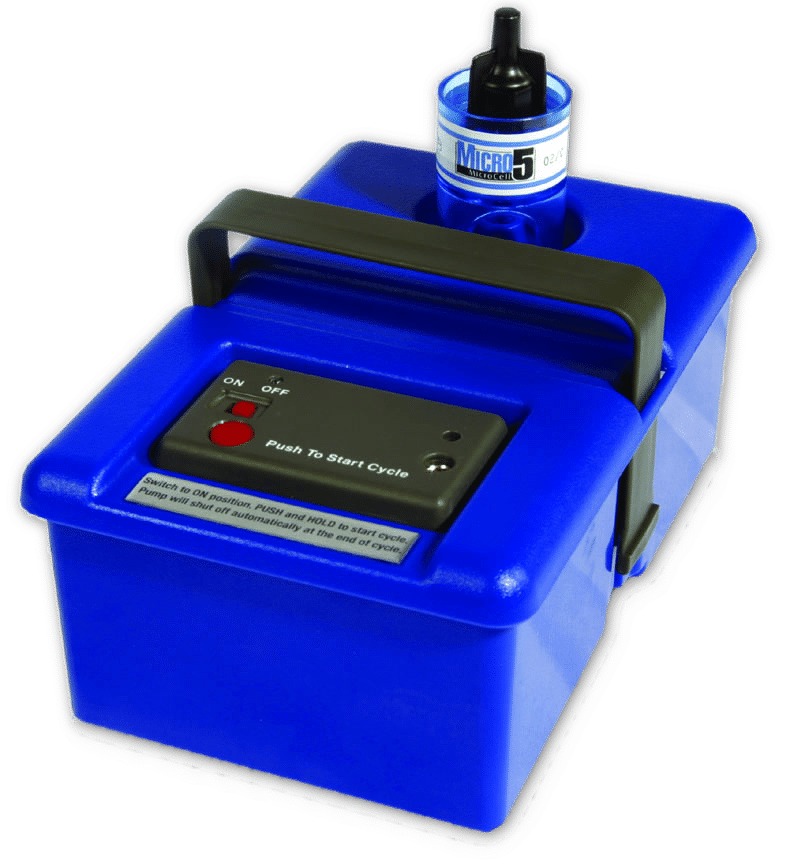
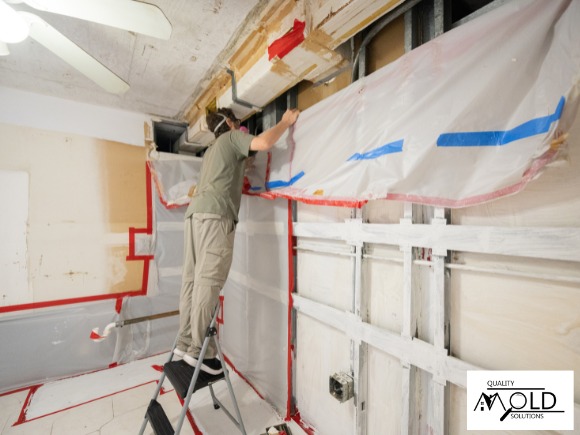
If cleaning reveals suspected mold behind trim, widespread wet materials, contaminated water or a problem involving HVAC equipment, stop disturbing the affected material. The EPA advises against running an HVAC system suspected of mold contamination until it has been evaluated. Do any remaining surface work according to a safe DIY mold-cleanup approach.
When you contact a remediation professional, give them:
- The approximate affected area and its locations
- The material types
- Known leaks or water events
- Repairs already completed
- Any products previously applied
- Photographs taken without disturbing the material
Ask how the proposed assessment and remediation will address both the water source and the affected materials.
ANSI/IICRC S520:2024 describes professional mold-remediation procedures. Citing the standard doesn’t prove a contractor is certified, and it doesn’t create a universal US licensing requirement.