Mold on Drywall: When to Clean It and When to Replace It
You can clean a small spot on sound, well-adhered paint once the moisture source is fixed and nothing points to hidden damage. Drywall that is soft, swollen, soaked through, or has mold in the paper or gypsum needs the affected section removed. Hidden, widespread, or contaminated-water problems need a professional. Whichever case you have, make sure the wall and the material behind it are sound and dry before you clean, cut, or paint.
Can mold on drywall be cleaned, or should it be replaced?
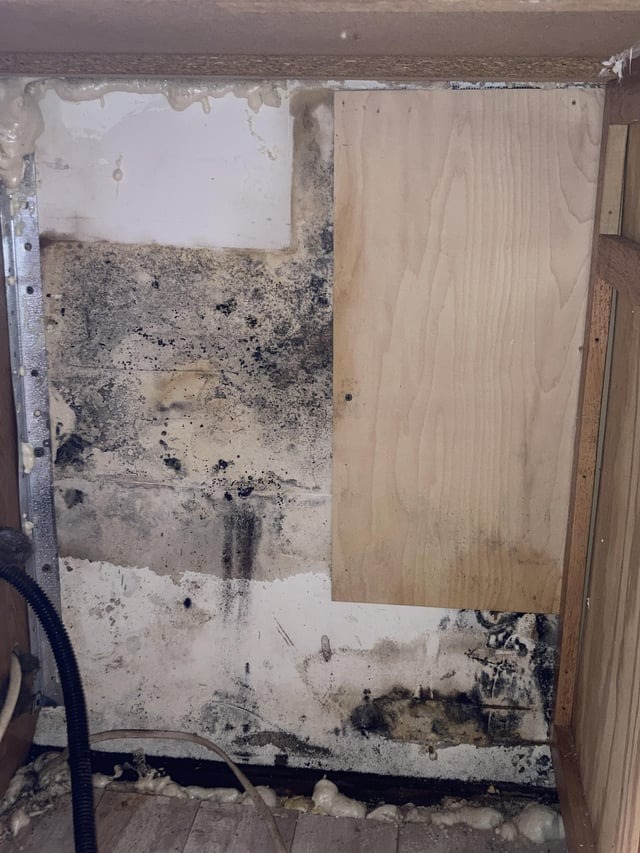
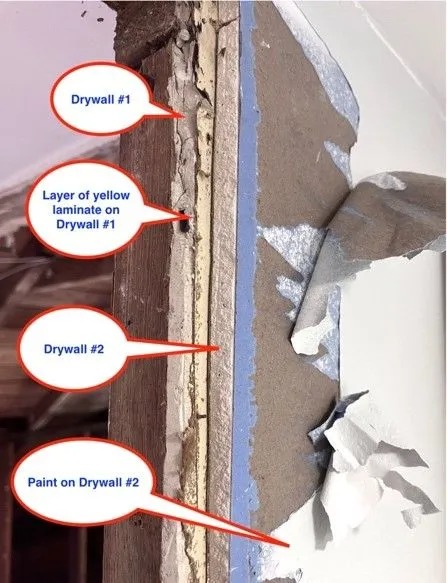
Start by separating a mark on a sound painted finish from damage to the wallboard underneath. Drywall is paper-faced gypsum with a coating on top. Paint can be wiped clean. The paper and gypsum under it are porous, and damage you can’t see changes what you can save.
| What you find | What it means | What to do | What changes the decision |
|---|---|---|---|
| Small spotting on intact, firmly adhered paint | The mold is likely confined to the finish | Clean the surface | Recurring moisture, damaged paper, softness, or suspected hidden growth |
| Recently wet wallboard from a known clean-water event, without visible mold | Intact board can still qualify for prompt drying | Dry it in place | Swollen gypsum, damaged seams, growth, or contaminated water |
| Swollen, soft, crumbling, or wet-through board, or visibly mold-affected paper | The porous material or the board’s strength is compromised | Remove the affected board | How far the damage reaches into the drywall and adjacent materials |
| Recurring marks, suspected cavity damage, or extensive or contaminated-water exposure | The visible area can be a small part of the problem | Get a professional investigation and remediation assessment | What turns up in the concealed material, the water source, and the exposure risk |
For a small surface spot, the open question is whether the gypsum core and backside are sound. If you can’t tell, get the wall assessed before you treat the mark.
Start with the water: a leak, condensation, or a recent clean-water accident?
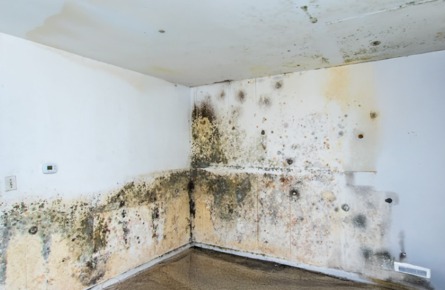
Note where the water may have entered, when the damage first appeared, whether the source is clean, and whether the wetting has continued.
The EPA water-damage guidance calls for drying clean-water damage within 24 to 48 hours, before visible mold appears. Intact wallboard can sometimes dry in place if it hasn’t swollen and its seams are intact.
Visible mold, sewage or other contaminated water, and ongoing or unclear intrusion mean the affected materials need assessment and the water problem needs correcting, with the right trade brought in when necessary.
Read the drywall itself: painted surface, paper facing, or weakened gypsum?
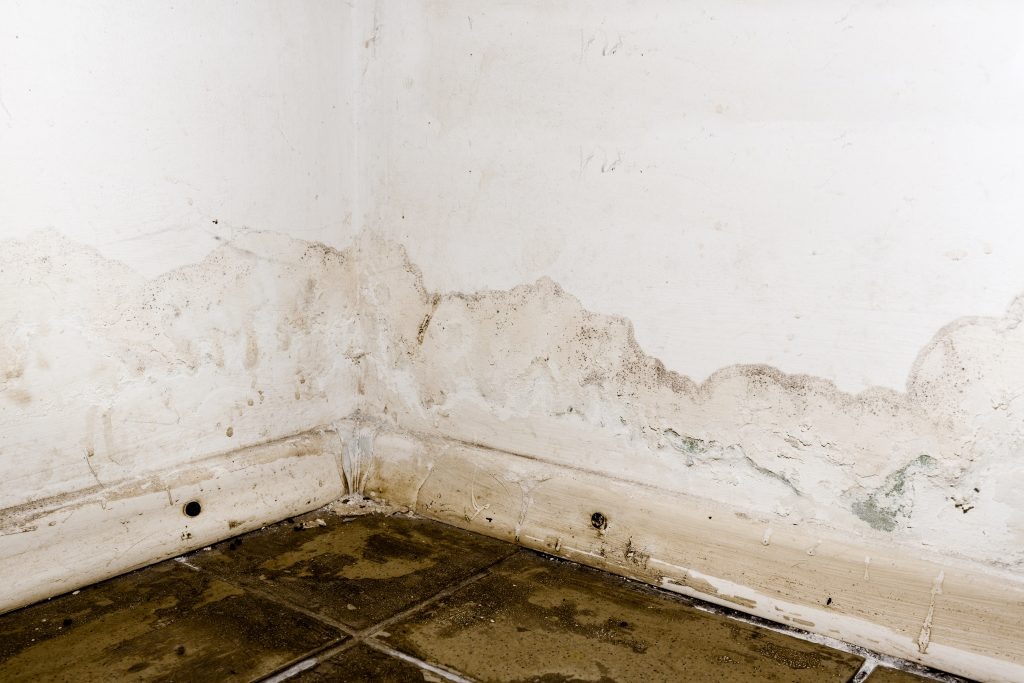
Look at the accessible surfaces without scraping, sanding, or opening anything suspect. Two things matter: the condition of the finish and whether water has reached the board underneath.
- Intact coating: A small mark on sound paint can be cleaned if the moisture problem has ended.
- Failing surface: Bubbling or peeling paint, water stains, exposed paper, and deteriorated edges point to water that reached deeper materials.
- Changed board shape or strength: Swelling, softness, crumbling, warping, and damaged seams put the gypsum in doubt.
Note how far the damage extends, how well the paint is sticking, any changes at seams, and signs of repeated wetting. Photos document what you can see without disturbing the wall.
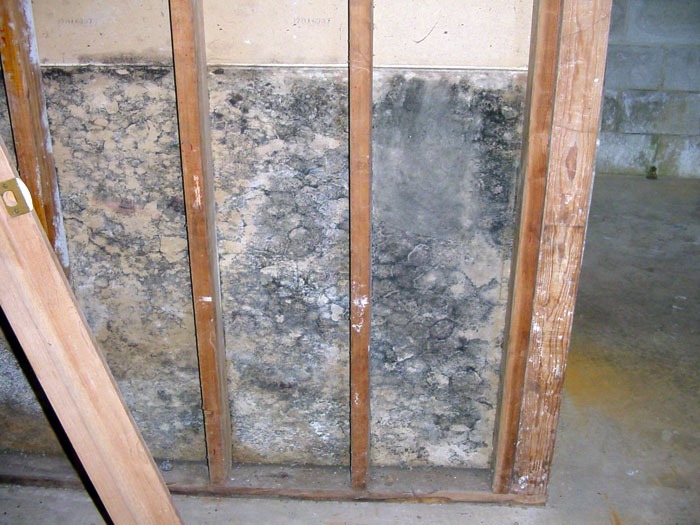
Color can’t identify a mold species or establish a health effect. “Black mold” describes appearance. Material deterioration and moisture history decide the repair.
What if the damage is behind the drywall?
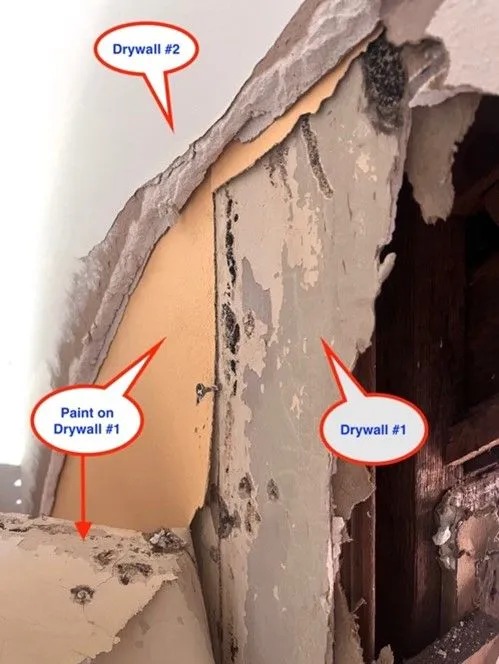
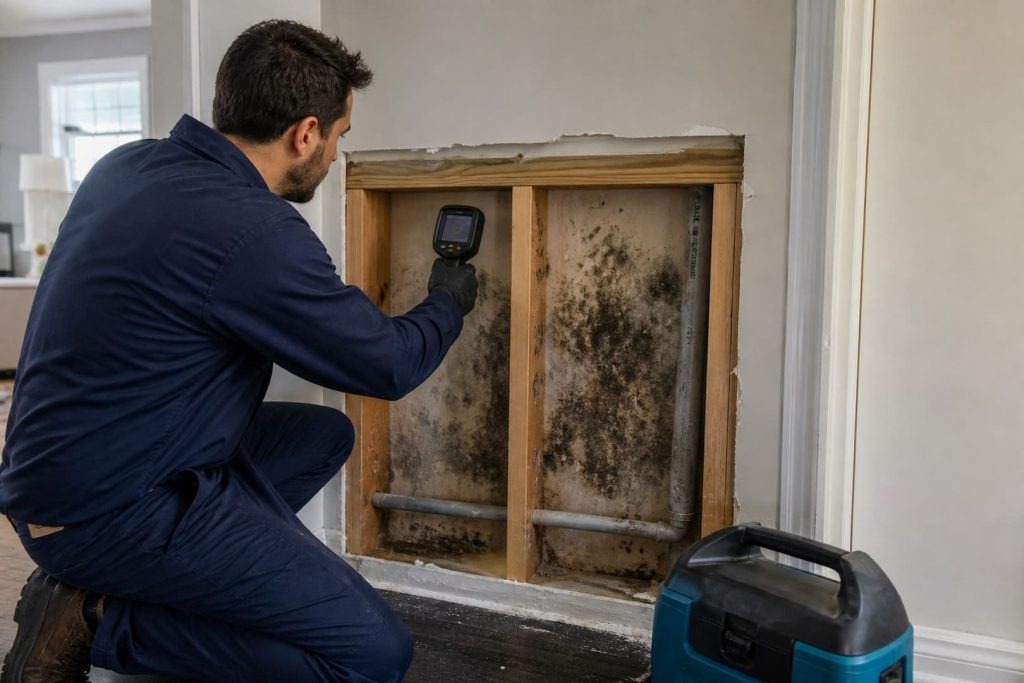
Moisture and mold can sit on the back of the board, along plumbing, or inside a closed wall cavity. A stain can show up far from the point where the water got in.
I think you might have meant to respond to me rather than the OP. The shower problem was that the greenboard drywall in one corner hadn’t been supported from behind. The nearest stud was about ten inches away, and the drywall had just been carried past that into the corner. The drywall on the other side of the corner was properly supported with a stud right next to the corner.
What had happened was that at some point, probably when the shower was being cleaned, pressure on the bottom corner of the unsupported drywall had bent it backward just enough to crack the grout, leaving an invisible crack extending about ten inches up the seam. This was letting water seep in drop by drop each time the shower ran, resulting in a very slow drip about eight feet away on the floor below – coincidentally below the toilet, which I originally thought was the problem.
Figuring this out meant cutting into the ceiling in three places followed by some observation (the dripping didn’t start for almost half an hour after a shower because the seepage was so slow), and fixing it required pulling off the bottom three rows of tile in that corner of the shower, cutting out the greenboard where water had gone behind it and weakened it (it’s water-resistant, not completely waterproof), putting in a block behind that area to support a new piece of greenboard, and sealing everything up again and replacing and regrouting the tiles.
I finally figured out what was going on when I put pressure on the right spot in the corner – the board bent back and opened up the crack enough that I could see it. It looked perfect, but it wasn’t!
A drip that starts late and far from the source can mean concealed water damage even when the visible finish looks normal.
Check whether dampness recurs and whether nearby baseboards, windows, pipes, insulation, or ceiling areas are involved. If the evidence points to a potentially contaminated cavity, have a qualified inspector or remediator set a safe investigation scope. A moisture meter helps locate damp spots, but one reading or a photo of the front face can’t prove the whole closed cavity is clear.
When is limited surface cleanup a defensible option?
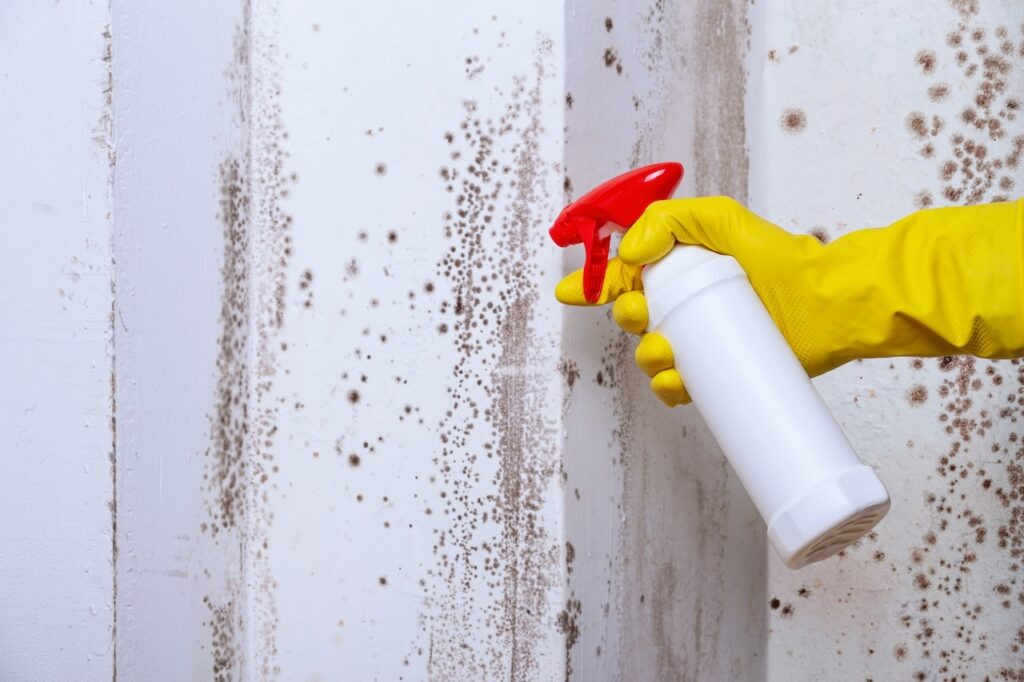
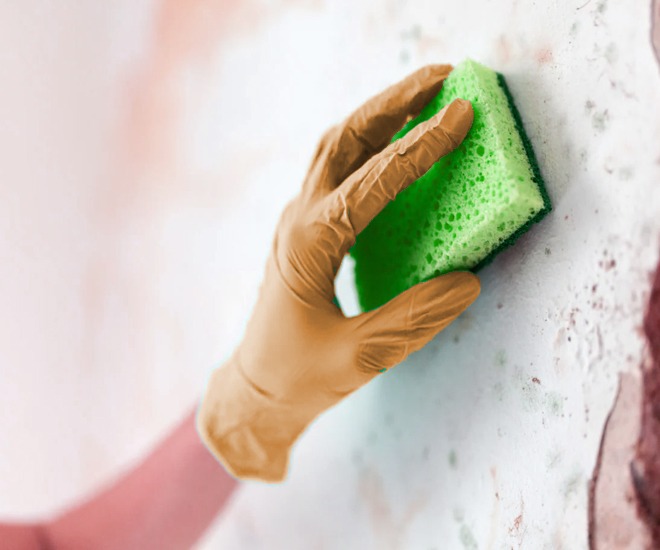
Clean only a small, accessible mark on a sound, cleanable painted coating, and only when the board is firm, the moisture source is corrected, and nothing points to hidden growth or another safety hazard. If the paper facing is exposed, the paint is failing, or the gypsum has softened, the job is outside surface cleanup.
The EPA basic mold cleanup guidance describes detergent-and-water cleaning for hard surfaces. That method doesn’t extend to gypsum or its paper facing.
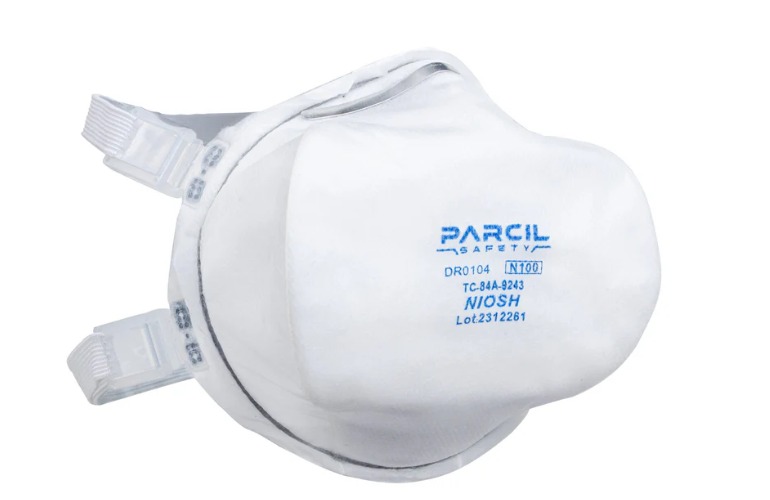
Before you clean, wear a NIOSH-approved N95 respirator, gloves, and goggles, as the CDC advises. The CDC mold cleanup guidance says people with allergies, asthma, chronic respiratory disease such as COPD, underlying lung disease, or weakened immune systems should not take part in mold cleanup.
- Keep the work on the finish. Use a gentle detergent-and-water approach suited to the coating, and avoid soaking the drywall or abrading the paper.
- Dry the surface completely. A wet coating or softening finish means surface cleaning has failed.
- Stop if the wall deteriorates or spots return. Check the underlying board and look for hidden moisture before any further treatment.
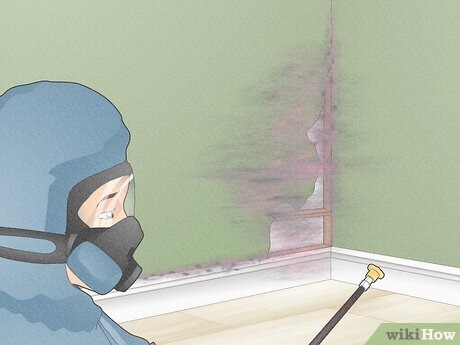
EPA’s remediation guidance for schools and commercial buildings covers mold after clean-water damage. It lists Method 3, HEPA vacuuming, for final cleanup and Method 4 for removing mold-contaminated material that can’t be salvaged. Its wallboard entries list Method 3 for small areas and add Method 4 in the larger-area categories.
Cleaning product versus damaged material: A chemical treatment or a stain that fades does not repair deteriorated paper or gypsum. Do not use bleach, primer, or a mold-killing spray to test whether compromised wallboard can be saved.
When should moldy drywall be removed and replaced?
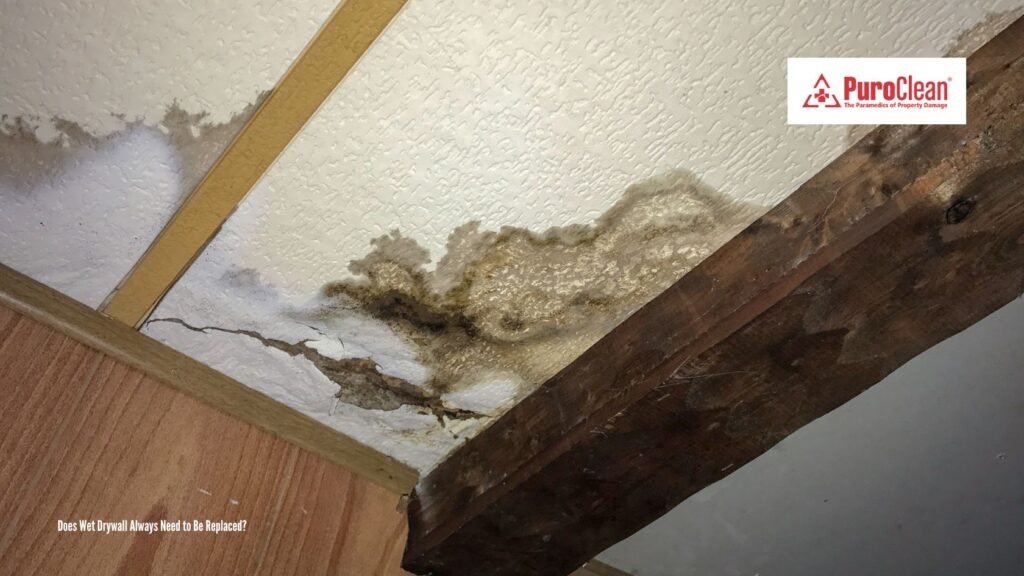
Remove the board when mold shows on the paper or gypsum, the board has lost strength, or water has left it swollen or crumbling. The University of Florida’s environmental health guidance lists visibly mold-contaminated, water-damaged drywall among the porous materials to discard.
How much to cut depends on the damage. It may be one section, or water may have reached insulation, framing, and adjacent wallboard. There is no established universal number of inches to cut beyond the visible spot, so have the affected board and the accessible adjacent material assessed together.
So I had water pooling in my basement the other night. As a plumber hunted down the leak he discovered that the drywall below my toilet was soaked. He cut into it and found black mold. His company protocol forced him to stop and call for remediation. I have them coming out today or tomorrow.
I’m a little nervous about what’s going to happen next. The leak is affecting the ceiling and drywall all around my front door. The swelling is so bad that it cannot open or close properly.
So homeowners won’t cover things that are long term, which I learned means more than only 14 days. Fucking insane. How much money could this cost? Should I expect to remodel my bathroom? Is my front door fucked?
When should you stop DIY and call a professional?
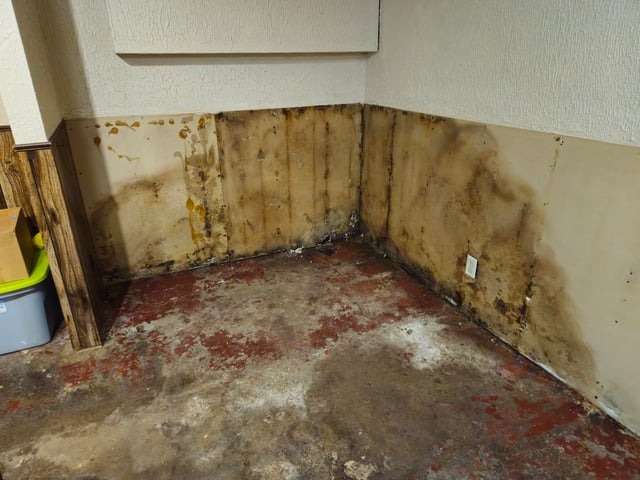
Call a professional when the visible spot is only part of a concealed or extensive problem, the water is contaminated, or the work would expose you to more than a limited surface cleanup does.
- Contaminated or uncertain water: Sewage and other potentially contaminated sources need a different cleanup plan than a minor clean-water event.
- Hidden or substantial growth: Suspected wall-cavity contamination, affected insulation, and extensive board damage call for an assessment that covers containment and the full scope of material.
- Major drywall removal: Cutting out a large amount of suspect material can release dust and debris. It needs containment and respiratory protection stronger than an N95.
EPA uses an area of approximately 10 square feet as one remediation-planning category. It is not a safe-exposure limit or permission for DIY work.
Older painted walls: Disturbing paint in homes built before 1978 can introduce lead hazards. The EPA Renovation, Repair and Painting program applies to certain paid renovation work, with project-specific requirements and exceptions.
ANSI/IICRC S520:2024, Fourth Edition, is a professional mold-remediation standard. When you hire a contractor, ask for a defined scope that covers moisture correction, affected materials, containment where appropriate, and how they will evaluate the work. To weigh your own work against a contractor’s, use how to decide between DIY and a professional.
How can you tell the wall is ready to close and paint?
Judge readiness by conditions you can observe, matched to the actual remediation scope.
- Moisture source corrected: The plumbing leak, water intrusion, condensation issue, or other cause is fixed.
- Affected material handled: Contaminated or deteriorated board is removed where needed, and the remaining surfaces are cleaned.
- Concealed materials checked: If a cavity was involved, the remaining insulation, framing, and board have been evaluated.
- Sound and dry: What stays is sound and dry, with no visible mold or moldy odor. For an opened or professionally remediated cavity, ask what observations or moisture checks support closing it.
- Professional scope finished: If a pro did the remediation, the agreed scope and any post-remediation assessment are complete.
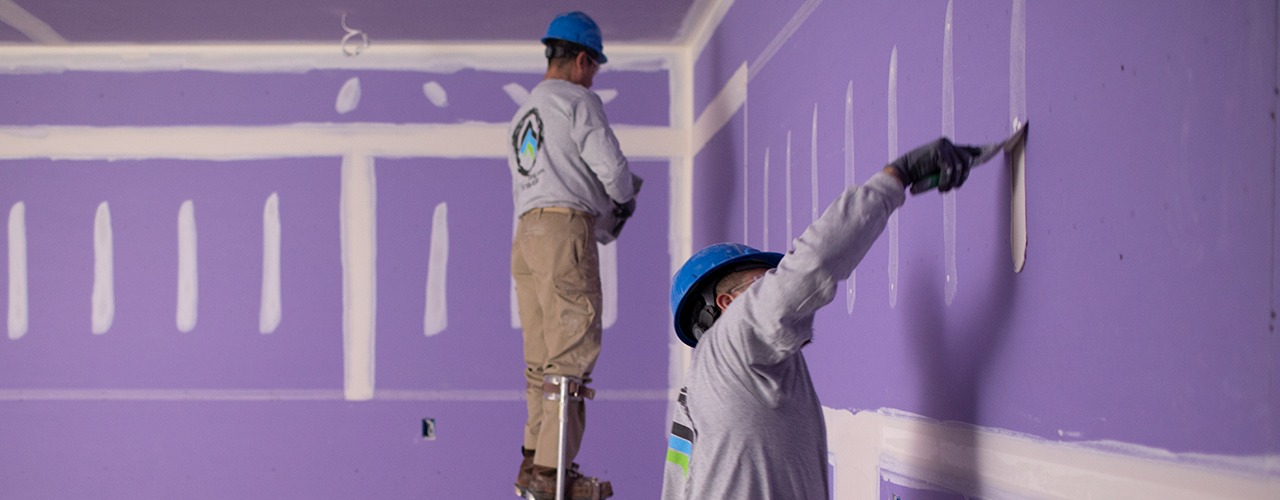
New drywall, primer, trim, and paint come after that. No single reading or clearance test guarantees zero mold spores or a permanent result. EPA’s completion guidance centers on moisture control, effective remediation, and no remaining visible contamination or moldy odor.