Does Homeowners Insurance Cover Mold Remediation?
Homeowners insurance can pay for mold remediation after a covered loss. Whether it pays for mold testing or specialized cleanup depends on what caused the moisture, your policy’s mold provisions, and which expenses qualify. Compare those provisions with an itemized remediation estimate, document the damage, and ask the insurer to explain its decision in writing.
When does homeowners insurance cover mold remediation?
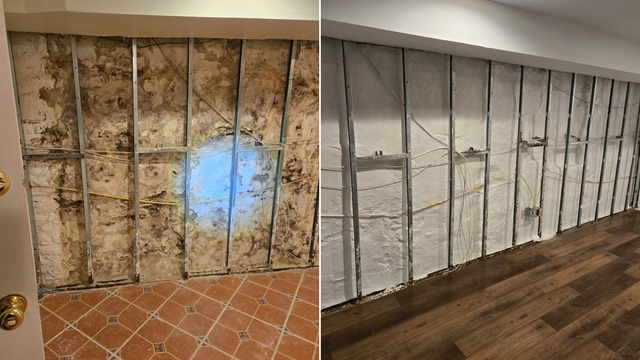
A mold claim comes down to three things: what caused the water damage, how your policy treats mold, and the specific work being billed. An insurer might agree to replace water-damaged drywall and still question the cost of air sampling or specialized mold removal. The Texas Department of Insurance draws the same line between these expenses.
Which causes of mold are more likely to be covered or excluded?
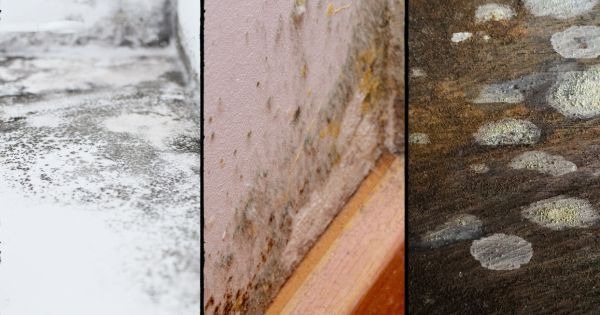
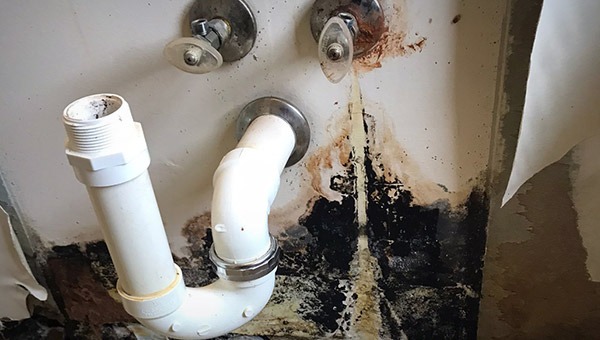
Start with where the water came from. Insurers treat a sudden burst differently from a slow leak, condensation or a maintenance problem.
A burst washer hose and a wall that has soaked up moisture for years can leave the same stain. Insurers still treat them differently.
| Cause of moisture | Potential insurance treatment | What matters |
|---|---|---|
| Burst pipe or broken washer hose | Often covered as accidental water damage | Proof of the event, your coverage and your mold provisions |
| Sudden toilet overflow | Often covered as accidental discharge; a sewer or drain backup may be excluded or need water-backup coverage | Whether the water came from a fixture or backed up through a sewer or drain |
| Long-running plumbing seepage | Often denied | Condition of the plumbing, how long it leaked, and the policy’s seepage wording |
| Persistent indoor humidity or condensation | Usually treated as a maintenance or moisture-control problem | Ventilation, building conditions and the cause of the moisture |
| Water from a covered fire or storm opening | Resulting damage is often covered | Whether the fire or storm is a covered peril and how the policy handles mold |
| External rising floodwater | Usually not covered; needs a flood policy | Whether you have separate flood insurance |
| Concealed or previously repaired leak | Needs closer review | Timeline, repair records and the policy period |
A pipe inside a wall may have failed recently, or it may have leaked slowly. A stain shows when you found the problem, not when it started. Plumber and inspector findings help show the cause.
A renovation that exposed an attic problem
My wife and I began a remodel of the upstairs portion of our home. After removing the drywall, our contractor found mold all over the ceiling boards in the attic space. He wasn’t able to continue because of the scope of the mold. It covered the whole north side of the house’s attic space. (I checked the home inspection from our purchase and the inspector did not report any mold. This would have been impossible NOT to see.)
We had to leave our house due to the poor air quality with the mold being exposed. We stayed in a hotel for a week until we found out our insurance was not going to cover the mold. […]
[…] sent a structural engineer to assess if the mold was caused due to “poor design” or not. My wife was home when he showed up. He immediately said it was due to poor design. He neglected to highlight the fact that the bathroom fan vented directed into the attic. Instead he focused on the existing venting.
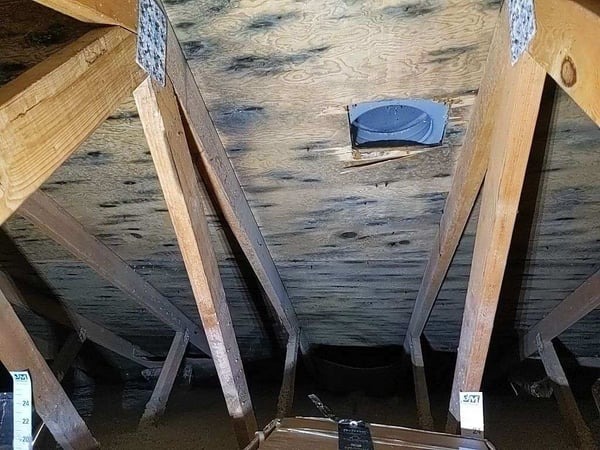
A ventilation problem raises different coverage issues than an accidental plumbing discharge. In a case like this, dated roofing, ventilation and inspection notes show where the moisture came from and how long it lasted.
What do mold exclusions, endorsements, limits, and deductibles change?
A policy can accept the original water incident and still cap what it pays for mold work. The terms that control this can sit in different parts of the contract.
- Covered peril: An event the policy insures under stated conditions, such as a qualifying accidental discharge of water.
- Mold or fungi exclusion: Wording that takes certain mold losses or expenses out of coverage, sometimes with exceptions.
- Endorsement or rider: A policy change that can restore or expand protection for qualifying damage.
- Sublimit and deductible: A cap on payment for one category of loss, and the share of the claim you pay.
Read the declarations page together with the full policy and every attached endorsement. The declarations may show limits, but definitions, exceptions and exclusions elsewhere decide which expenses those limits apply to. Mark the mold exclusion, any exception, the endorsement form and its effective date, and the limit and deductible wording.

What the limit means for your claim
The Florida Office of Insurance Consumer Advocate describes mold property endorsements that can raise coverage limits to $25,000 or $50,000, with other amounts possible.
Illinois insurance consumer guidance gives a different example: limited mold coverage of $5,000. It also describes arrangements where cleanup can be covered while specialized remediation or testing is excluded. For the work itself, see the professional mold-remediation process.
Work can be covered and still run past the mold limit. Compare the covered amount with your deductible before you guess what the insurer will pay.
If repair costs sit only slightly above the deductible, paying out of pocket is worth considering, including any effect on your claims history that the insurer describes. Before filing, ask whether the conversation counts as a coverage inquiry or a formal claim, and follow the policy’s notice requirements.
If a significant covered water loss comes with the mold work, look at the whole claim and how the policy applies its deductible and limits.
A property mold endorsement covers damage to your own property. Mold liability coverage applies to qualifying third-party claims, which is a different purpose.
Which bills might be covered: drying, mold removal, testing, rebuilding, or a hotel?
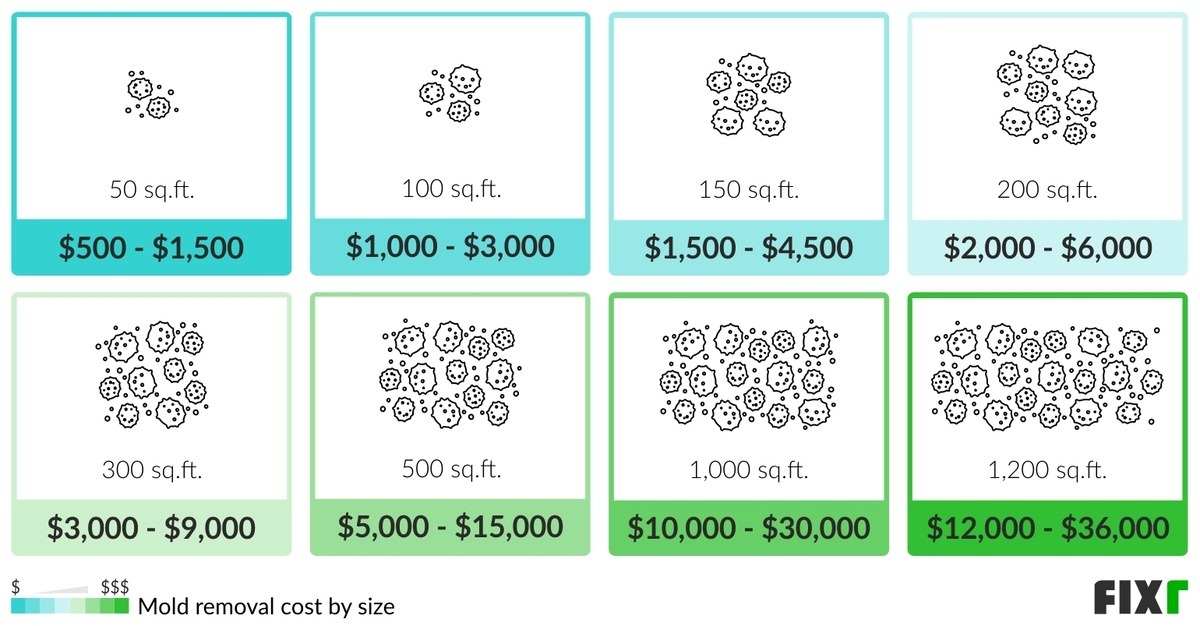
A remediation project can bundle several kinds of work into one large estimate. The insurer may judge those charges under different provisions, and the contractor’s scope can exceed the work eligible for reimbursement. The scope the contractor proposes is priced out in mold remediation costs and scope.
| Expense category | Example of work | Coverage issue | Supporting document |
|---|---|---|---|
| Emergency mitigation | Water extraction, temporary drying | Whether the circumstances and charges qualify | Emergency invoice, photos |
| Water-damaged property | Wet drywall, flooring, cabinets | Whether the original property loss is covered | Adjuster scope, damage photos |
| Mold inspection or testing | Sampling, lab work, clearance | Whether testing is included or excluded | Test order, report, policy provision |
| Specialized remediation | Containment, cleaning, mold removal | Mold exclusion, endorsement or sublimit | Itemized remediation proposal |
| Demolition and disposal | Removal of affected materials | Overlap with approved water-damage repair | Removal scope and site observations |
| Reconstruction | Replacement walls or flooring | Eligible property damage and limits | Rebuilding estimate |
| Personal belongings | Damaged furniture or possessions | Contents coverage and exclusions | Inventory, photos, receipts |
| Additional living expenses | Temporary hotel stay | Qualifying covered loss and loss-of-use terms | Lodging receipts, policy provision |
For each quoted expense, put four fields side by side: contractor amount, insurer allowed amount, difference, and insurer’s stated reason. A blank or disputed field tells you what amount or explanation to ask for next. Don’t combine drying, demolition and rebuilding into one total, because that hides overlapping work.

When the project involves several contractors
Protocol says recommend IICRC S520 guidelines, like removing flooring+insulation+wall and any affected building material. Also recommend removing & replacing all air ducts and hvac unit. All and all this is looking to be very major and it’s gonna cost a fortune. Hoping to file home insur claim to cover some costs, but will need quotes and estimates beforehand. Also lost to call who, as it appears i not only need mold remediate/remover, but also plumbing hvac and contractor/flooring.
Is there a all in one package/company or it will have to be separate?
But am i gonna have to expect a fight with insurance company? What is the proper protocol dealing with insurance? Very worried insurance backing out, leaving us high & dry and all costs & expenses on us
What about temporary housing?
Some homeowners policies pay additional living expenses under loss-of-use coverage when a qualifying insured event makes the home uninhabitable as the contract defines it. Hotel receipts show what you actually spent. The covered loss, the displacement conditions and the limits decide what gets reimbursed.
What to do after finding mold, before and during the insurance claim
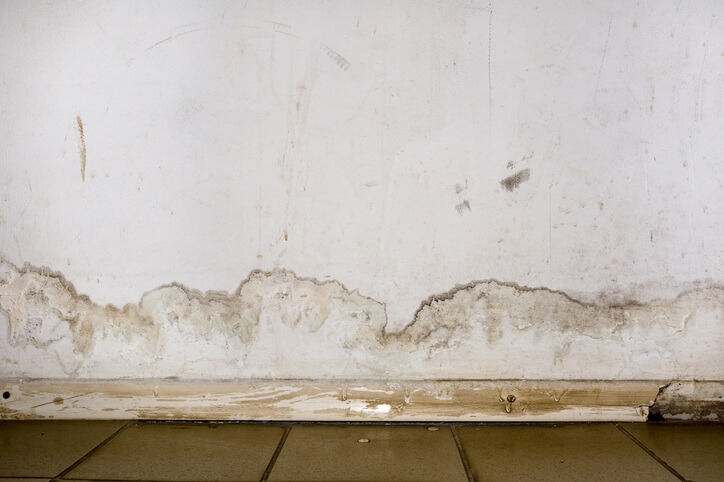
Protect people and stop further damage as safely as you can while keeping a reliable record of what happened. Emergency mitigation and claim documentation usually need to happen together. The California Department of Insurance’s residential property claims guidance covers the same ground.
- Address immediate hazards and water entry. Shut off an accessible leaking supply when it is safe. Serious electrical hazards, sewage contamination or extensive hazardous conditions need qualified help.
- Photograph affected areas. Capture visible water damage, mold, suspected water sources and damaged materials before necessary work changes the scene, when it is safe.
- Report and date the loss. Write down when you discovered the problem, when you saw water and who inspected or repaired it. Notify the insurer promptly, as the policy requires, and get the claim number and adjuster contact.
- Keep emergency-work records. Save water-extraction invoices, contractor photos, receipts and a short timeline of the measures taken.
- Coordinate major permanent repairs. Talk to the adjuster before non-emergency demolition or rebuilding so they can assess the damage and the work. If urgent removal can’t safely wait, document as thoroughly as you can.
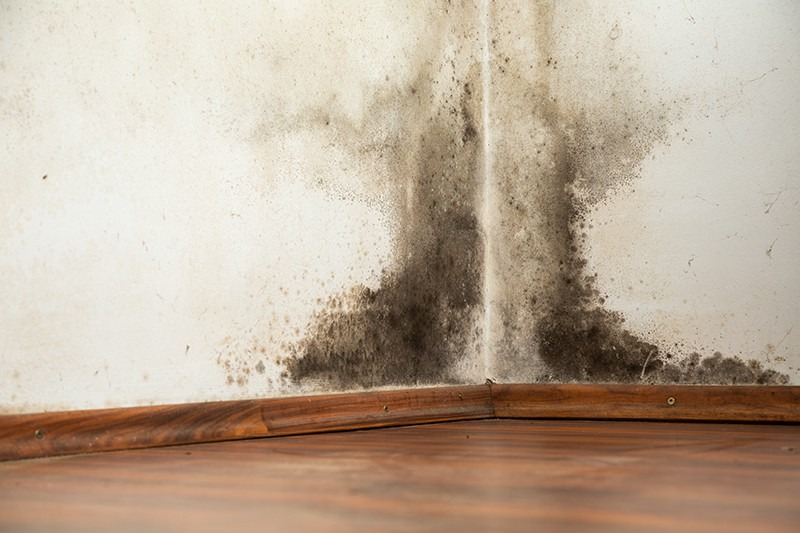
Safety comes first. Do not leave an active leak running, enter an unsafe building or keep contaminated belongings just to preserve insurance evidence. For the steps that keep you safe, see safe cleanup after a leak or flood.
The U.S. Environmental Protection Agency stresses correcting the moisture source and drying affected areas. Delaying that work lets physical damage worsen.
What if the insurer denies mold cleanup or pays only part of the claim?
A denial can target the cause of the water loss, a mold exclusion, a coverage limit or particular charges in the contractor’s estimate. The insurer’s written decision should state its basis.
Identify the disputed fact or expense
If the insurer disputes how long a pipe leaked, the disagreement is about the timeline and the exclusion that applies. If it accepts the property damage but rejects air sampling, the question is how the policy treats that expense.
Clarification to request: Which provision applies to the original water loss, which provision applies to mold testing or removal, and which exact lines of the submitted estimate remain unpaid?
Compare the insurer’s written position with your records:
- Cause: Does the insurer’s timeline match what was observed at the water source and in the damaged materials?
- Contract: Does the decision rely on an exclusion, exception, sublimit or other condition?
- Scope: Does the insurer’s estimate leave out a documented task, material or quantity?
- Supporting findings: Do plumbing, inspection or restoration reports clarify what is still contested?
Keep the written reply with your claim correspondence. If the decision stays disputed, ask in writing for reconsideration or clarification. Your state insurance department offers a consumer-assistance channel, and a qualified public adjuster or insurance attorney can help with a substantial policy or valuation dispute, depending on local requirements.
How do hidden leaks, old claims, floods, and condos change the answer?
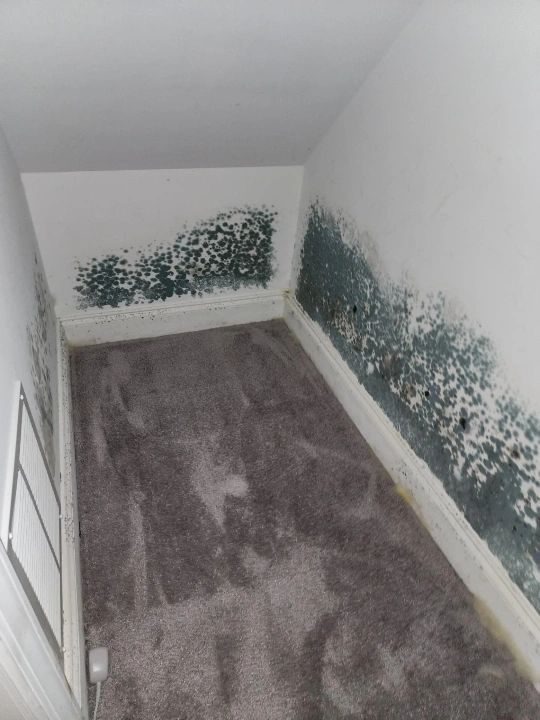
Some claims involve more than one incident, policy period or property. The task is to identify the insured event and the contract that applies to the damaged property.
New mold after an old covered loss
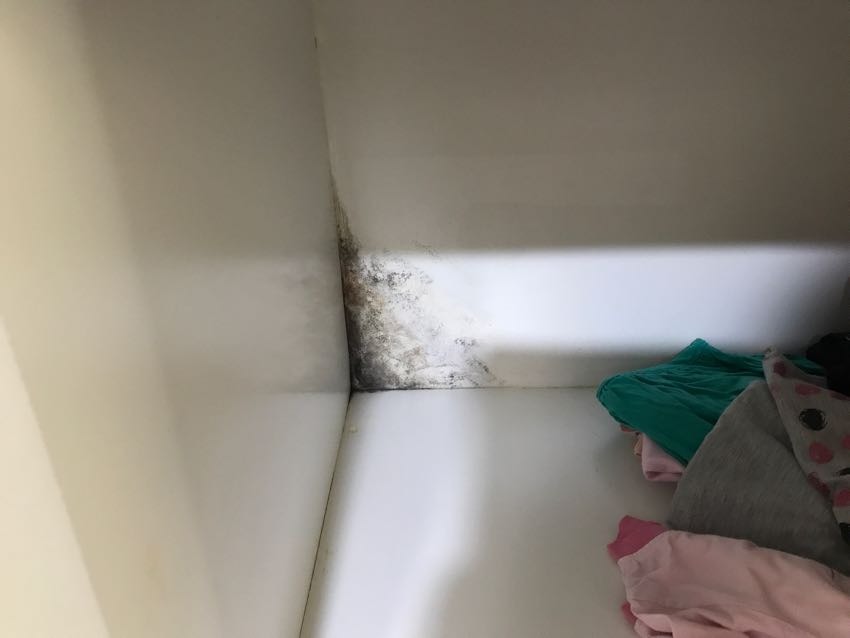
My mom recently noticed mold in her bedroom closet, along the wall by the floor. Unfortunately, she had stuff piled up along the wall, so who knows how long it has been growing in there. The mold doesn’t seem to be the result of anything she had stored there, though. Years ago (I’m still waiting to get the exact time, but probably 5-6 years), she had a water heater burst a pipe. This water heater shares a wall with the space behind my mom’s closet (it’s enclosed, so we can’t see inside it).
The insurance company covered the damage from the water heater and sent a company out for cleanup. I have no idea yet if they cleaned and dried the area between the water heater and the closet. This is the only claim they’ve had in 20 years.
Last week, the insurance company sent out an inspector and he told her that the mold is probably the result of something from the water heater, but there is no obvious leak at the moment. I’m still trying to get clarification on his exact terms, so I apologize for incomplete details. How he knew it was from that, I don’t know. Yesterday, she was informed that her claim was denied.
An earlier approved water-damage claim gives you a repair history. The current claim still depends on evidence of the new condition, the likely moisture source and the policy period.
Water from a neighboring condo
When an upstairs shower leaks into another unit, the affected owner may need to sort out personal unit coverage, the condominium association’s master insurance and who is responsible for the water source. The contracts, property responsibilities and documented water source decide which insurer responds.
Floodwater and the NFIP exception
External rising floodwater is generally excluded from standard homeowners insurance. A separate flood policy, including a National Flood Insurance Program policy, applies its own covered-property categories and restrictions.
The National Flood Insurance Program’s recovery guidance says mold damage can qualify when hazards such as downed power lines or damaged roads, or floodwater remaining in or around a property, prevented prompt safe access and cleanup. Your flood policy and its other coverage requirements still govern the claim.
Standard NFIP building and contents coverage does not include additional living expenses.

Records needed for an unusual loss
- Earlier claim: Previous claim number, repair invoices, drying records and inspections.
- Concealed damage: Dated plumber or inspector findings on how moisture spread through inaccessible spaces.
- Condominium: Unit-owner and master-policy provisions, plus the documented water source.
- Flood: Flood policy, photographs and evidence of conditions that blocked safe access or cleanup.
How can you check mold coverage before the next loss?
At renewal, compare your current policy with any proposed mold property endorsement. Ask the insurer or agent for the actual form, premium, effective date, covered expenses, exclusions, limits and any separate deductible. Keep the updated declarations and the attached endorsement.
A newly purchased endorsement can’t be assumed to cover damage that already exists. Keep leaks repaired and moisture under control.