
Mold After a Leak or Flood: What to Do First
After a leak or flood, make sure the area is safe, stop more water if you can do it safely, and start drying right away. You can often handle a small, reachable clean-water leak or a small patch of mold yourself. Floodwater, sewage, unsafe conditions, extensive damage, or suspected contamination inside walls and floors need a professional inspection. Fix the water source, and confirm that wet materials are dry or removed before you rebuild.
A refrigerator line can spray water behind a wall without leaving a puddle. An upstairs bathroom leak can soak the ceiling below. A floor that feels dry underfoot may conceal wet padding or subflooring.
Finding the leak is a start. What happens next depends on the water’s origin, where it traveled, how long materials have been wet, and whether you can reach and dry the wet surfaces safely.
Make Sure the Water-Damaged Area Is Safe to Enter
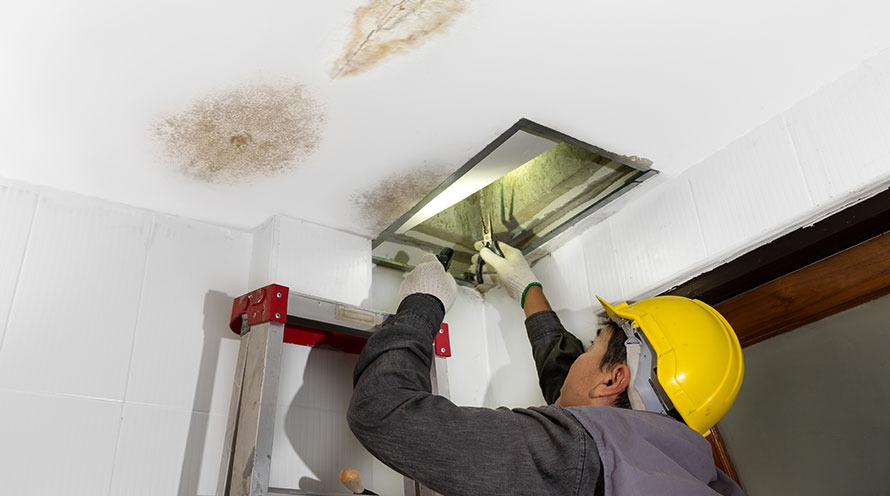
Electrical, structural, and gas hazards come before mold cleanup. A sagging ceiling, damaged wiring, standing water around equipment, or a suspected gas problem can make even a small-looking incident dangerous.
Stay out of areas with suspected electrical, gas, or structural hazards. Never touch wet electrical equipment or operate switches while standing in water. Disconnect power only if the disconnect is safely accessible. Severely flooded or structurally damaged buildings may need professional clearance before you re-enter.
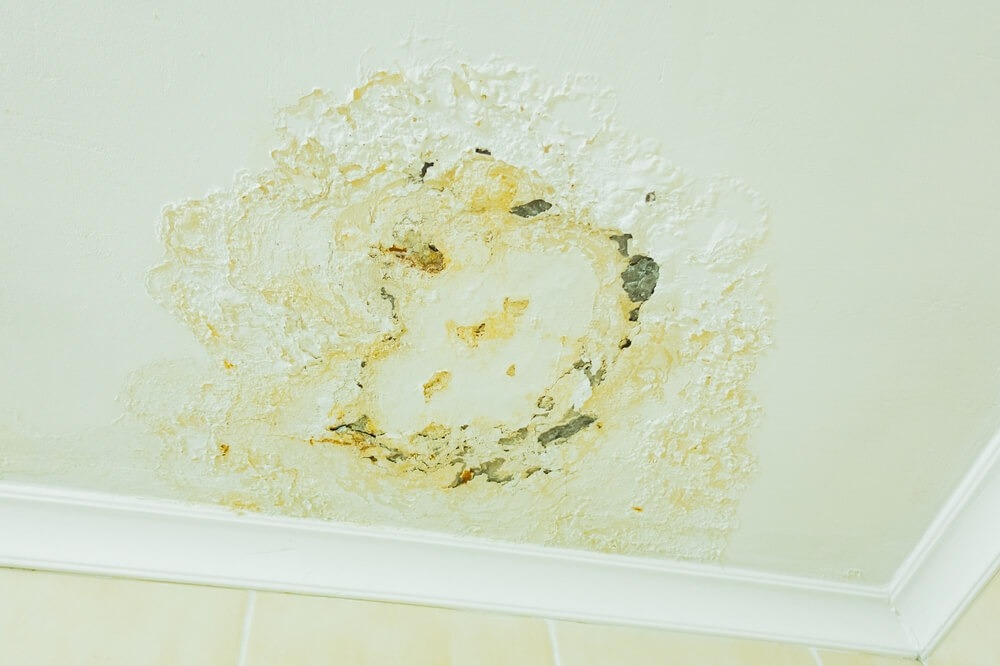
Late this past Saturday night when I returned home I noticed a small bubble in my basement ceiling (it’s a drywall ceiling) and when I touched it, it was wet. It turns out that somehow 2 very small pin sized holes formed in the line that supplies water to my refrigerator ice maker. This line runs from the back of my refrigerator, through a hole in the floor under my refrigerator, and into my basement into a room there where my hot water heater/gas furnace are located where it connects to a water line.
The water had been leaking through these pin holes, into the hole on the floor behind the refrigerator and collected above on the basement ceiling. When I first noticed the issue, I as advised poked a single pencil sized hole into the ceiling to drain the water, hoping to prevent a collapse.
Unfortunately, the next day a section of the basement drywall ceiling about 5 feet by 5 feet collapsed anyway leaving a big hole in the ceiling. I got a plumber out there ASAP to diagnose and they discovered what it was and turned off the icemaker line to stop it.
I unfortunately did not know where my main water shutoff valve to the house was so could not find it that Saturday night, but I did locate it Sunday with the help of the former homeowner but I discovered it did not fuction correctly and only slowed but did not completely stop the supply of water to the house.
Keep clear of a bulging or sagging ceiling. Do not puncture one that holds water yourself.
Some people should not do the cleanup. The CDC’s mold cleanup guidance advises people with asthma, chronic lung disease, immune suppression, or relevant allergies to stay out of it. Children should stay away from the work area.
A small mold-cleanup job calls for this protection:
- Respiratory protection: At least a NIOSH-approved N95 respirator. Larger or more disruptive work may require stronger protection and trained personnel.
- Eyes and hands: Non-vented protective goggles and gloves suited to the cleaning materials.
- Skin and feet: Long sleeves, long pants, and protective footwear for wet debris.
Gear does not make an unstable building or a heavily contaminated area safe for homeowner cleanup.
During an outage, generators belong outdoors, at least 20 feet away from buildings, according to EPA flood safety guidance.
Stop the Leak and Identify the Water
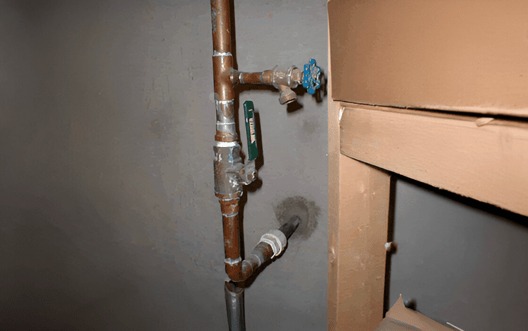
Once the area is safe, stop the incoming water. For a plumbing leak, close the fixture valve or the main shutoff. If neither is safely reachable or working, call a plumber or the utility. A roof or drainage leak needs a repair at its own source.
Next, work out where the water came from and what it touched. A recent supply-line leak and a sewage backup can leave similar stains, but the cleanup precautions differ a lot.
| Situation | What changes the decision | What to do |
|---|---|---|
| Small, recent clean-water supply leak | The source is known, access is safe, and you can reach the wet materials | Remove the water in a controlled way and dry fast |
| Slow or concealed leak | You don’t know how long it was wet or how far it spread behind finishes | Trace the likely water path and check the walls, floors, and ceilings along it |
| Outdoor floodwater or suspected sewage | Microbial, chemical, or other contamination may be present | Treat it as contaminated and bring in a professional where needed |
| Wet area with established visible mold | Disturbance and air movement can spread growth | Plan mold cleanup and containment before ordinary drying |
Treat unknown water as contaminated even when it looks clear. Floodwater can carry sewage, chemicals, and other hazards. The EPA flood cleanup guide explains why source and contamination matter.
Photograph visible damage and affected belongings while it is safe. Record when you discovered the damage, the suspected source, and any immediate repairs. Notify your insurer or landlord as your policy or agreement requires, but don’t let that delay stopping the water.
Closing a valve stops new water, but water already soaked into the building stays until it is removed or the materials dry.
Dry Promptly During the First 24 to 48 Hours
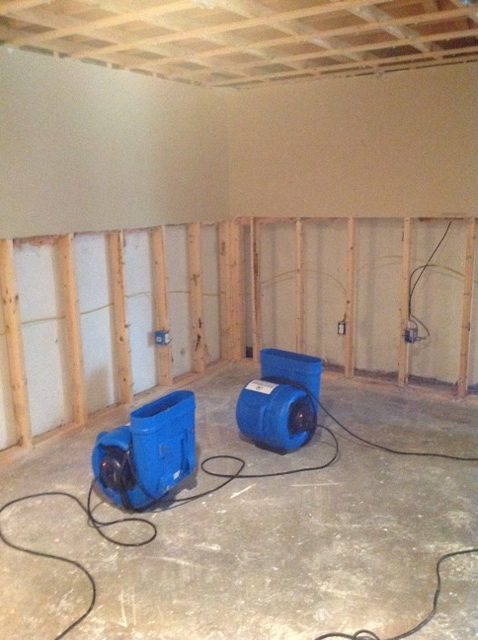
EPA recommends cleaning and drying wet materials within 24 to 48 hours, if possible. For flooded homes not adequately dried in that period, EPA advises assuming mold growth. Treat the timing as an urgency guideline and judge a small plumbing leak on its own facts.
If the area is safe and the water suits limited homeowner cleanup, early drying has three tasks:
- Remove accessible water: Extract standing water with equipment suited to the conditions and electrical hazards.
- Dry in a controlled way: Use ventilation, dehumidification, or air movement when the materials and contamination allow it.
- Log the timeline: Note when extraction and drying began. A leak of unknown duration means checking concealed materials more carefully.
When visible mold is present: EPA advises against using fans because moving air may spread contamination. Deal with existing growth before you start fan-driven drying.

If floodwater reached heating, ventilation, or air-conditioning equipment or ductwork, keep that system off until a professional has assessed and cleaned it. This applies only to systems the floodwater may have contaminated.
A dehumidifier controls moisture in room air. A wet subfloor, wall cavity, or insulation layer needs drying in the material itself. A room can feel comfortable while part of the building is still damp.
Follow the Water Behind Floors and Walls
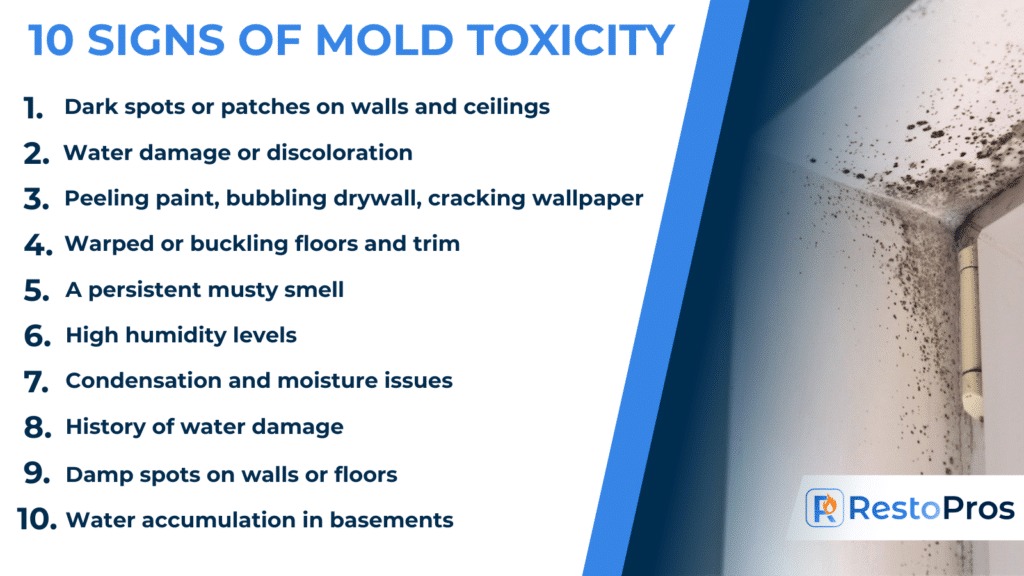
Water does not have to form a puddle to travel between rooms. It may run down the back of drywall, move beneath vinyl or wood flooring, or follow framing into the ceiling below.
Hello everyone! So, on Monday my wife noticed some wet spots on the ceiling in our downstairs laundry room and in our garage (they share a wall and there’s a doorway connecting the two). I told her to shut off the main water line and I rushed home. Managed to find the source of the water quickly. It ended up being a pin hole sized leak in the water supply line to our refrigerator. It was so small, I honestly couldn’t even see the water spraying out.
It was only once I was moving my hands around behind the fridge that I felt the water. Also, no pooling water on the floor, so I think it was just spraying right at the wall and the water was running down it and under the vinyl flooring and to the lower-level ceiling.
Anyways, source of water leak was quickly remedied (I capped the little tap for that line under the kitchen sink). Temporary solution until we replace that water line with a braided one (this one was just a bare clear tubing, thanks previous owners). Did some research real quick and went to the local Home Depot to rent one of those big dehumidifiers for 2 days to try and dry out the ceiling.
Water can reach rooms next to the obvious leak, so inspect these spots:
- Floor edges: Seams, transitions, baseboards, and the space under nearby cabinets or vanities.
- Adjacent rooms: Shared walls and areas on the other side of plumbing or appliance connections.
- Below the source: Ceilings, framing, and other materials in lower-level rooms.
- Concealed layers: Wall cavities, insulation, underlayment, and subflooring, where water can stay trapped.
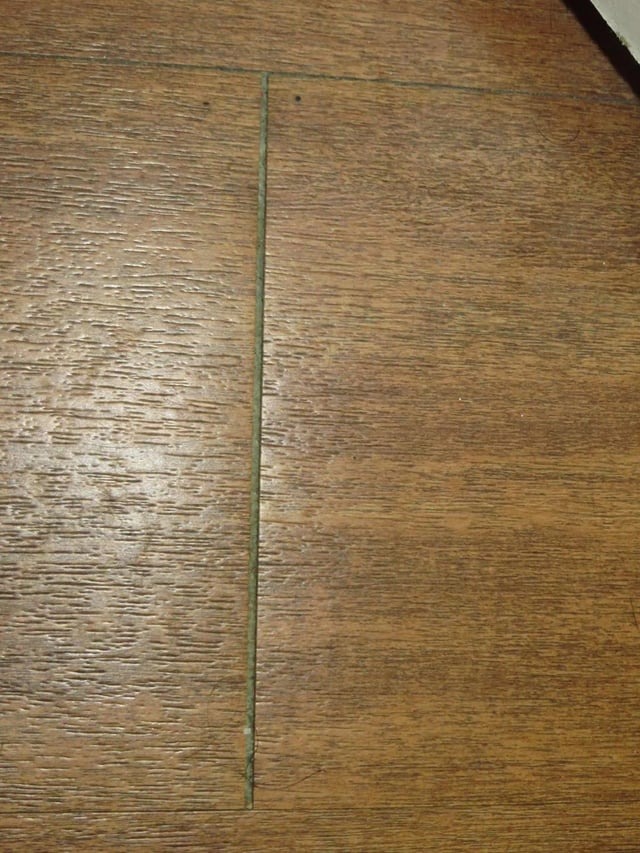
A professional moisture assessment uses instruments to find areas that need a closer look. Thermal imaging can help locate suspicious temperature differences, but identifying mold and confirming that materials are dry take other methods.
Opening a wall or floor can create hazards of its own, particularly in older buildings with possible lead-containing paint or asbestos-containing materials. When you suspect concealed damage, avoid unplanned demolition and decide on the next step with the hidden-mold assessment guide.
Decide What Can Be Dried and What May Need Replacement
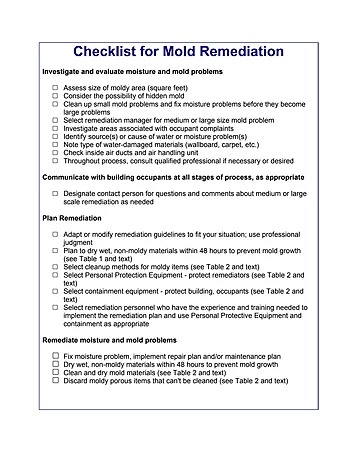
How well a material recovers depends on how much water it absorbed, how contaminated the water was, the material’s condition, and whether you can reach the wet areas to clean and dry them. Hard, intact surfaces are usually easier to treat than absorbent materials that hold water beneath the surface.
| Material | What you can do | When the choice changes |
|---|---|---|
| Glass, metal, and other intact hard surfaces | Clean and dry thoroughly | Contaminated joints, hidden cavities, or connected equipment may need separate treatment |
| Concrete and masonry | Clean and dry while you fix the moisture source | Persistent seepage or wet adjacent assemblies need further assessment |
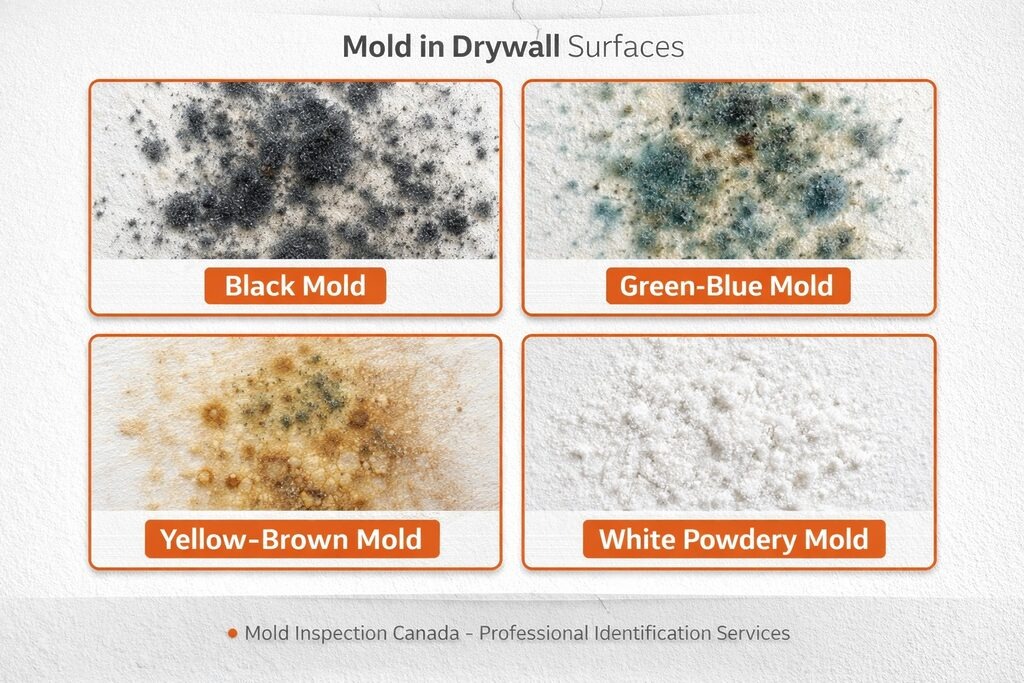
| Drywall or gypsum board | Intact material after limited clean-water exposure can be assessed for drying | Swelling, damage, mold, prolonged wetting, or flood or sewage contamination may mean removal |
| Cellulose and fiberglass insulation | Wet absorbent insulation commonly needs removal and replacement | Contaminated water, or insulation you can’t dry and clean thoroughly, strengthens the case for removal |
| Carpet and padding | Depends on water source, duration, and access to the wet layers | Floodwater, sewage, persistent moisture, and contaminated padding make salvage a poor choice |
| Upholstery and porous belongings | Clean them or use a specialist where feasible | Trapped contamination or moisture you can’t remove may mean disposal |
| Wood flooring and subfloors | Check the condition and whether drying is feasible | Warping, structural damage, concealed wet layers, and contaminated water can change the plan |
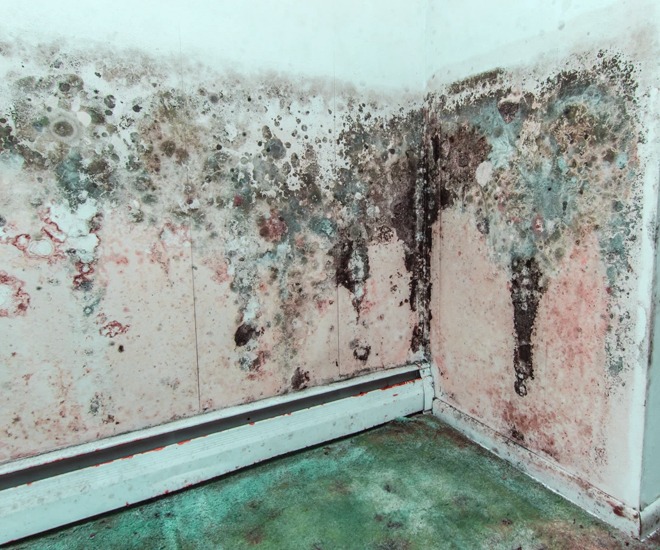
The EPA’s home mold cleanup guidance describes detergent-and-water cleaning for mold on hard surfaces and explains why some porous materials need discarding. Painting or caulking over mold does not remove it or correct the wet conditions underneath.
Mold removal does not routinely need bleach. What matters is removing the growth and correcting the moisture. Contaminated flood cleanup may add separate disinfection precautions. Never mix bleach with ammonia or other cleaning products.
For detailed techniques, see the drywall cleanup guide and the carpet and padding guide.
Know When to Stop DIY and Bring in a Professional
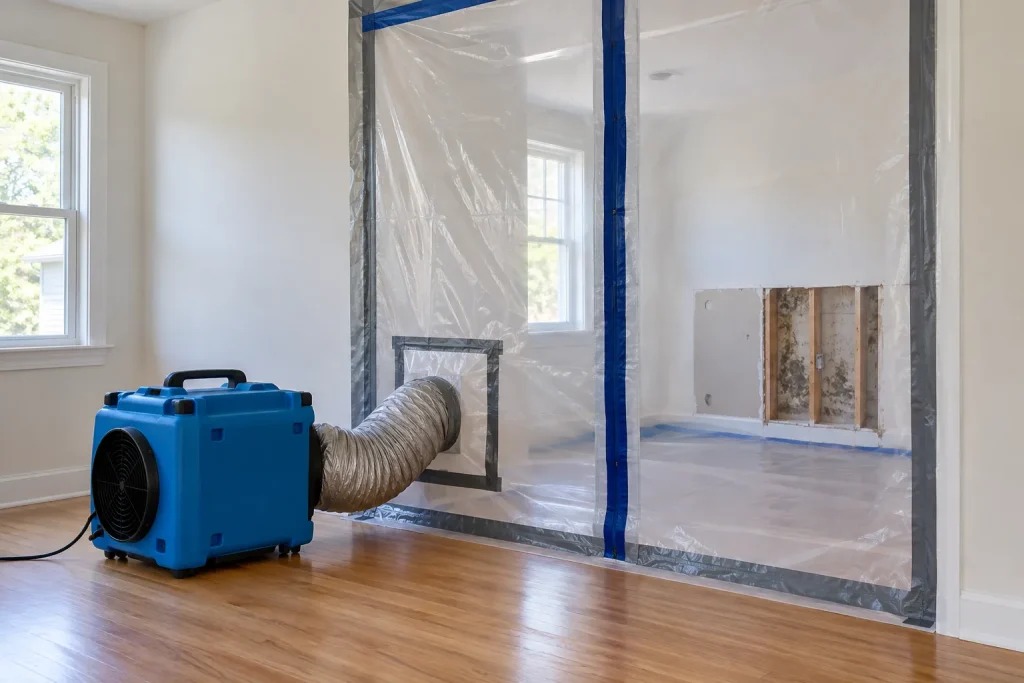
You can often clean a limited patch of ordinary surface mold yourself. EPA says an area under about 10 square feet, roughly 3 by 3 feet, can often be handled without a professional when nothing else complicates the job. Patch size is one factor among several.
Get a professional inspection when:
- Water is contaminated: Sewage backups, outdoor flooding, and uncertain water sources carry risks beyond routine surface cleaning.
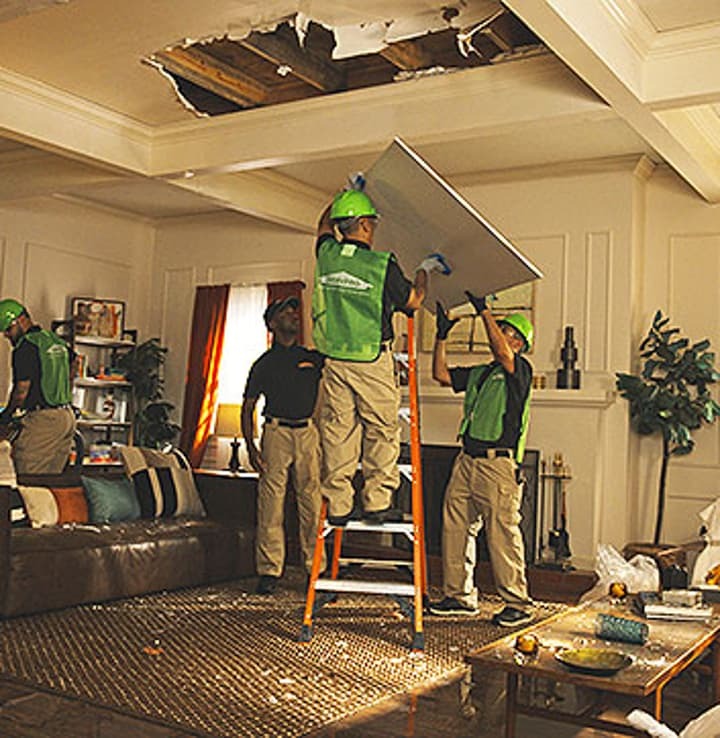
- Damage reaches into walls and floors: Multiple rooms, wet insulation, concealed growth, or extensive water intrusion may need professional investigation or removal.
- HVAC is involved: Mold or flood contamination tied to a ventilation system needs specialized evaluation.
- Demolition could be hazardous: Disturbing older finishes or mold-contaminated cavities may need controls beyond a weekend repair.
- Occupants are vulnerable: Respiratory or immune-related risks change whether you should do the work yourself.
Several trades may be involved. A plumber fixes the leaking line, a mitigation company extracts water and manages drying, and mold remediation personnel handle contaminated materials. Reconstruction crews restore finishes once the structure is ready.
What should a written work scope establish?
Before authorizing work, ask which areas were assessed, what moisture findings support the plan, which materials will be dried or removed, what precautions will control contamination, and which tasks the price includes. Also clarify who handles reconstruction once drying or demolition is finished.

ANSI/IICRC S500, fifth edition (2021), covers professional water-damage restoration. A contractor who cites it gives you a way to frame the technical discussion, but the proposal still needs site-specific findings and clear responsibilities.
A small-looking mold patch can come with unexpectedly extensive water damage, which is where the line between DIY and professional work matters.
Do I need mold testing before removing visible growth?
Usually not. When mold is visible, EPA generally sees no need for routine sampling. No federal airborne mold concentration decides whether a home passes or fails. Specialized sampling can have a defined role in a professional investigation.
Verify the Structure Is Dry Before Rebuilding
Before anything is enclosed again, check that the walls, floors, and ceilings that got wet have reached the condition they need.
So a pipe behind my toilet burst today when I was trying to tighten it because of a tiny leak. It took a while to get the water to the house turned off and my home warranty company was able to quickly send out a plumber and a mitigation company. Plumber did great work and fixed the pipe quickly then mitigation team wanted to run fans/dehumidifiers in targeted locations for 48 hours then reassess.
This happened on the top floor and it ran down through the walls and ceiling even into the crawl space so I don’t necessarily think they’re trying to upsell me or anything in this phase. When I asked they told me this phase would run about $1200-$2000 if it’s all we did and I signed a couple forms for them to get started.
[…]
UPDATE: I appreciate all the replies. I did not contact the insurance company and have continued to work with mitigation. Unfortunately 48 hours of high-powered fans and dehumidifiers has done little to mitigate the moisture inside the wall and some parts of the floor so we’re looking at tearing some things out. Probably 3.5k worth of just fans by the time they come back plus labor and demolition (wall, ceiling, tile) not even including the rebuild.

The right measurement method depends on the construction material and the instrument. The NIH Office of Research Facilities’ moisture-remediation protocol, last updated November 27, 2012, compares moisture readings from affected drywall against an unaffected control area. That is an assessment principle from an institutional setting, and it sets no universal residential moisture-percentage threshold.
| Question | Evidence to look for | What it settles |
|---|---|---|
| Has the water source been corrected? | Repair record and no sign of continuing water entry | Whether the original problem can cause more wetting |
| Are retained materials dry? | Moisture measurements and unaffected reference conditions | Whether materials are ready for finishing or need more work |
| Was damaged or contaminated material dealt with? | Record of cleaned, removed, and retained assemblies | Whether the full affected scope was handled |
| Was concealed damage checked? | Assessment of adjacent and inaccessible areas as needed | Whether more investigation is needed before enclosure |
| Is reconstruction within the contractor’s scope? | Written completion findings and a defined repair scope | Who can proceed and what work remains |
If mold remediation was part of the job, a moisture reading alone does not show the mold work is finished; post-remediation verification adds the additional evaluation.
Document the Work and Prevent a Repeat

Keep a dated record of repairs, moisture findings, removed materials, and unfinished reconstruction, including who is responsible for the remaining work. Insurance and rental responsibilities depend on your actual policy and location.
After repairs, watch the original problem area for renewed dampness, staining, or musty odor, and investigate any recurrence. For longer-term moisture control, follow the water, humidity and condensation checks in the prevention guide.