
Moldy Carpet: When to Clean It, Replace It, or Call a Pro
Carpet that got wet from clean water can be saved if you dry every layer fast and completely. Throw out moldy padding. Mold that has taken hold inside the carpet itself calls for removal, with a limited exception for professional cleaning. Some gray-water carpet can also go to a professional, but carpet soaked with black water should be discarded. If you can’t tell how contaminated it is or what’s damaged underneath, get an assessment before you decide what to keep. Fix the moisture source and check the floor beneath before any carpet goes back down.
Can moldy carpet be saved? Make the three-way decision first
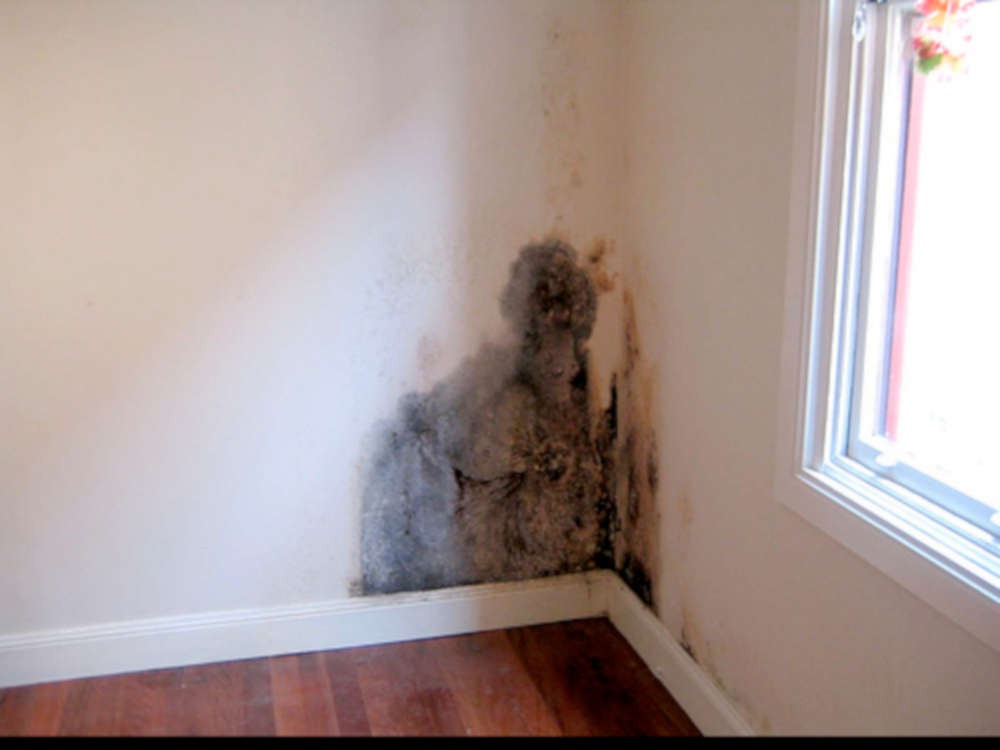
Carpet that got wet yesterday and carpet where mold has already taken hold are at different stages. The first may still be a drying job. The second can have fungal growth inside materials that surface cleaning can’t reach.
The Environmental Protection Agency’s mold cleanup guidance says porous materials such as carpet may have to be discarded once moldy, because growth can be hard or impossible to remove completely from inside them.
Start with what happened and what condition the materials are in.
| What happened | Carpet | Padding and floor underneath | What to do |
|---|---|---|---|
| Recent clean supply-water leak, dealt with quickly, no mold yet | Can be saved if it dries thoroughly | Judge the padding separately; check the subfloor | Water extraction and restoration |
| Visible mold in the carpet or backing | May need removal; limited professional cleaning in some cases | Discard moldy padding; check nearby materials | Remove by component, or call a specialist |
| Gray water, no black-water contamination | Some carpet can be restored professionally after assessment | Discard gray-water-saturated padding; check the subfloor | Water-damage restoration company |
| Sewage, black water or contaminated floodwater | Discard black-water-saturated carpet | Remove affected padding; check what’s beneath | Professional contaminated-water restoration |
| Carpet looks dry but stays damp or smells musty | Can’t tell yet | Backing, padding or subfloor may still be wet | Find the hidden moisture before treating anything |
A known clean-water incident gives you the best chance of saving the carpet. If you don’t know what the carpet was exposed to, the surface can’t tell you what happened below it.
Size matters too, but the material sets its own limit. EPA’s homeowner guidance refers to an area of about 10 square feet. That figure doesn’t mean a patch of moldy carpet or padding that size can be cleaned in place.
A valuable removable area rug is a separate case. A textile or rug-restoration specialist should look at it, since its construction and options differ from installed wall-to-wall carpet.
The water source and wetting history change everything
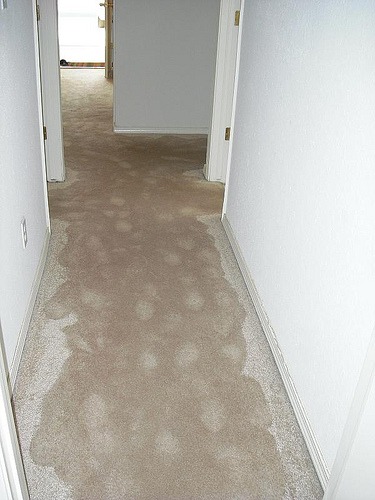
Water from a broken supply pipe is a different restoration job from water that rises through a drain or arrives in a contaminated flood. Two carpets can look equally wet and need very different treatment.
A clean supply-line leak can go straight to extraction and drying. Sewage backup and black water are contamination that a household carpet-cleaning machine can’t handle. Other exposures need a professional to classify them by source and condition.
The NC State Extension guide to water-damaged carpets and rugs draws the same lines. It allows professional restoration of some gray-water-saturated carpet. It says to dispose of black-water-saturated carpet and of gray- or black-water-saturated padding.
Gray water left untreated for more than 48 hours can turn into black water as contamination develops, so the original category may not describe the water after a long delay.
Don’t run drying fans over wet carpet until you know the water is clean. If it might be contaminated, call a restoration professional.
What the first 24 to 48 hours mean
EPA’s water-damage guidance calls for fast extraction, humidity control and drying in the first 24 to 48 hours to prevent mold growth. For the full sequence after a leak or flood, use safe cleanup after water damage.
Quick drying doesn’t make carpet free of contamination. Going past 48 hours doesn’t prove mold. What counts is the water source, the condition of the materials and how well everything dried.
Hello, really just trying to figure out how hard I need to fight my landlord about this because right not chat gpt has me thinking I’m living in a cess pool. So pretty much the main drain/ sewer pipe to my apartment building backed up during a storm. This caused water to push back up into my bathtub and out from under my toilet and soak my hallway carpet and into my bedroom. The water looked like it was mostly clear, storm water. The city came out because it involved their pipes but didn’t seem to be concerned about the water being like raw sewage or anything.
The problem I’m having is that it took 11 days for my landlord to send somebody out to treat the carpet. Obviously it was dry by then. And they are cheap so the guy they sent out had a rental carpet cleaner and sprayed the carpet with some cleaner and then ran the carpet cleaner over it. He did not inspect the padding or subfloor, he was not with a restoration company. The week before they actually had ServPro come out because I kept bugging them and I have a text from them telling me the estimate they gave was “way too high of course”.
Water that comes up through bathroom plumbing can’t be assumed sanitary just because it looks clear. Its contamination status and the condition under the carpet both need checking.
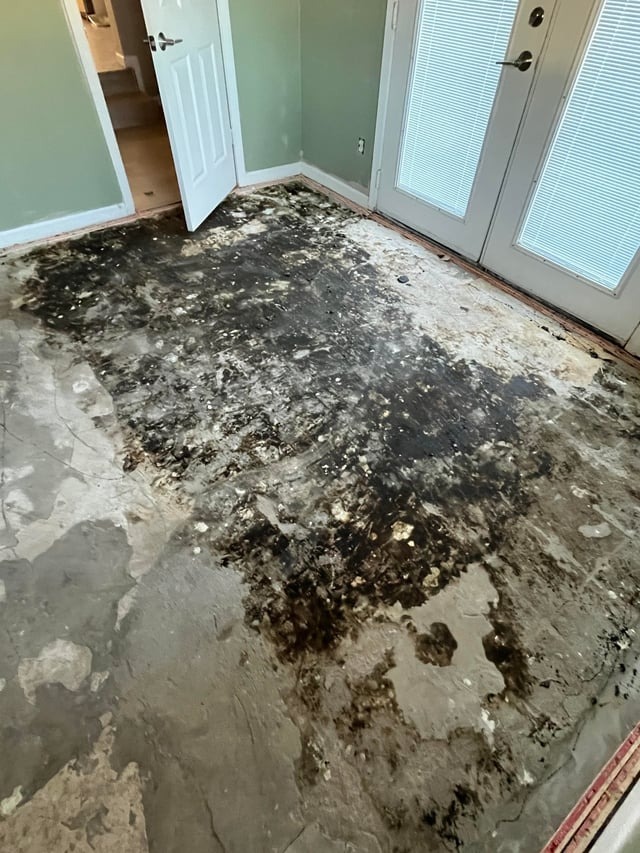
After a real incident, pin down the source, roughly when water entered, how long the materials stayed wet, and whether the water touched drains, outside ground or other possible contaminants. If the leak keeps happening, fix the source, because drying can’t stop new water.
What is hiding below the carpet fibers?
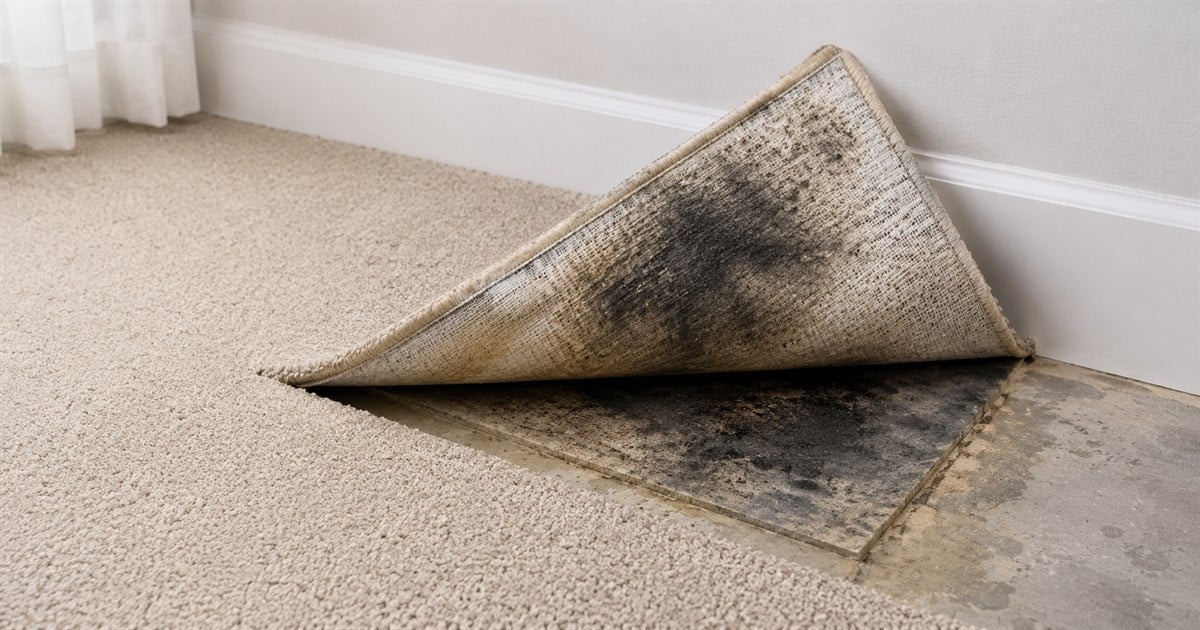
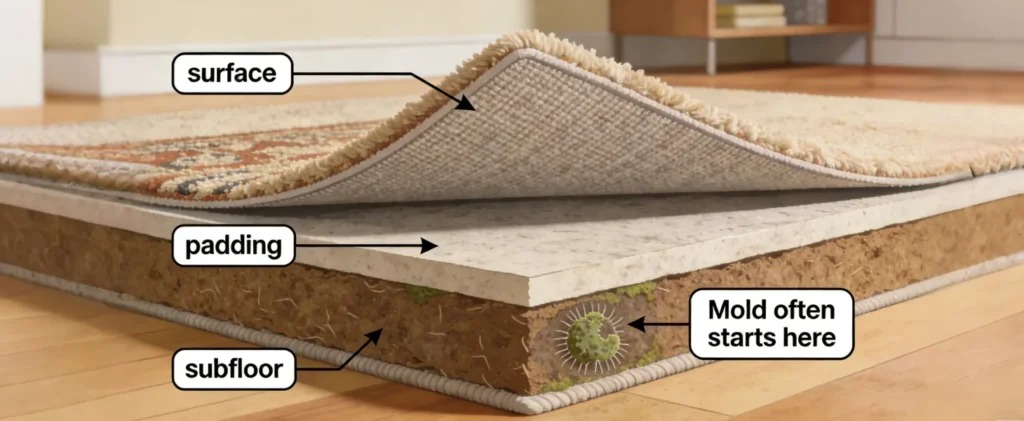
Installed carpet is built in layers. The pile can feel dry while the backing, padding or floor underneath is still wet.
| Component | Possible condition | Effect on the decision |
|---|---|---|
| Carpet pile | Surface soil, stains, wetness or visible growth | Ordinary cleaning mostly reaches only this layer |
| Backing and adhesives | Trapped moisture, weakened material or hidden contamination | Can decide whether the carpet stays |
| Padding or cushion | Soaked through or moldy | Decides whether the padding can stay |
| Tack strips and nearby trim | Wet wood or deteriorated material | Individual pieces may need removal or repair |
| Subfloor | Holds moisture, swells or breaks down | Decides when new flooring can go down |
Padding gets its own rule. NC State allows a narrow chance of saving partly wet padding if the clean-water exposure lasted less than 48 hours and only part of the room’s padding got wet. Its separate guidance on removing mold from household items says to discard padding once it’s moldy.
We recently had a water heater leak into a closet. The ground was wet for I don’t know how long. Some of the items that were on the ground (mostly paintings and framed photos) seemed to have mold on them so we threw them out. Only a couple things looked like they a decent amount of mold, most items just seemed a little wet with some black dots/spores.
The apartment people came, took out the padding under the carpet, and stuck a fan under the carpet for several days. Today they finally put the carpet back down with new padding underneath.
I can’t see any mold, although I do see where some paint stained the carpet from a wet painting. It is a brown carpet though.
How should I address this? I can’t see any mold, but moldy items were sitting on the carpet.
What’s the best way to clean?
What’s left to settle is the retained carpet’s backing, how long it was wet and the floor beneath it. Replacing the padding is one decision among several.
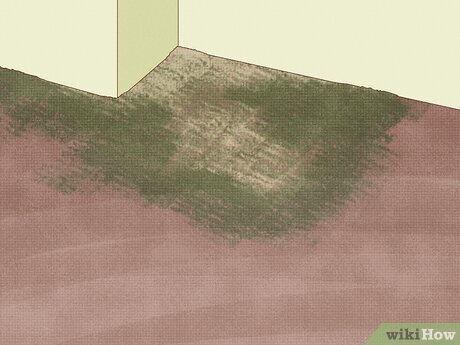
Subfloors differ too. Plywood can be dried once the affected flooring is removed. Particleboard can swell and lose strength after long wetting. Concrete needs a moisture check before any new floor covering goes in.
Don’t tear up carpet that may hide mold without taking precautions. You can expose yourself to more of it.
When preserving the carpet is still reasonable
Carpet that got wet recently, has no mold and took clean water can be kept if you move fast. Extraction, humidity control and assisted drying work only if the backing and the floor beneath dry thoroughly too. Saturated padding may still need replacing.
When replacement is the stronger decision
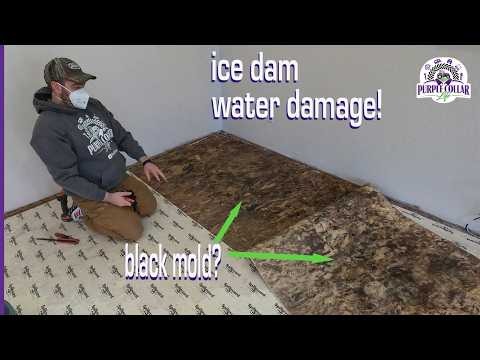
Replace when mold has taken hold in absorbent carpet materials, when the padding is moldy or contaminated, or when contaminated water has damaged the flooring assembly. Check what is under the top layer before you decide: the carpet, padding and floor finishes can each hold damage the surface hides.
The problem is access. Mold inside carpet fibers and backing can sit beyond the reach of ordinary cleaning, and spraying the pile with another chemical does nothing for the cushion underneath.
There’s one limited exception. NC State describes professional cleaning of certain mold-affected carpet areas, with disposal if growth persists. Whether that works depends on the carpet’s condition, how far the contamination spreads and what’s underneath. Moldy padding is never part of the exception.
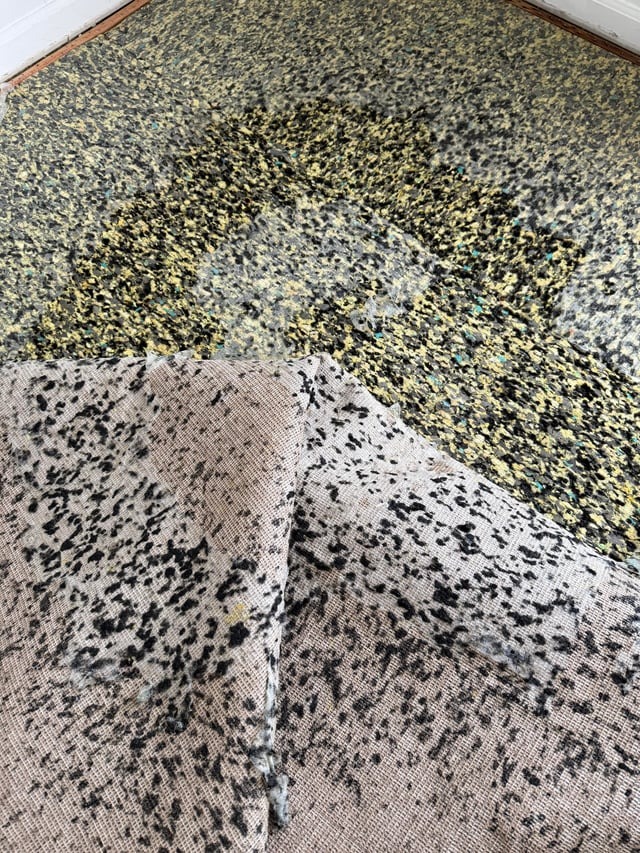
Physical damage can settle the choice too. Carpet backing can deteriorate after long wetting, and nearby wood products may need repair.
Cost and tenancy complicate things. A renter may have no authority to lift flooring, and a homeowner may face an expensive replacement. Neither changes what the damaged material is.
Decide component by component: which carpet, padding, tack strips and subfloor materials can stay, which must go, and which need an assessment before you order replacements.
What shampooing, steam and mold-killing sprays can and can’t do
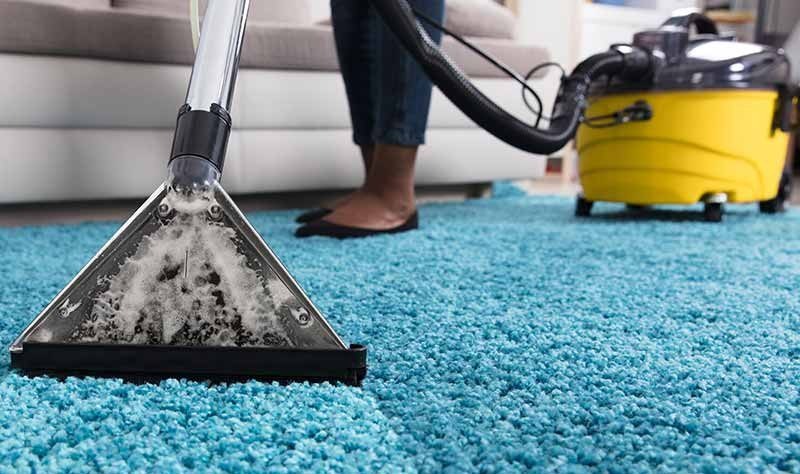
Cleaning ordinary dirt, drying eligible water-damaged carpet and getting rid of mold that has taken hold are three different jobs. A machine or chemical that suits one may do little for another.
| Method | Use | Limit |
|---|---|---|
| Water extraction and dehumidification | Drying carpet that was recently wet | Doesn’t remove mold already in the padding |
| Carpet shampooing or hot-water extraction | Removing ordinary soil from suitable carpet | Can add moisture to the backing and cushion |
| Steam treatment | Certain specialized cleaning jobs; controlled experiments show fungal reductions | Doesn’t treat affected padding or subfloor |
| Antimicrobial sprays or deodorizers | Surface use of specific products where suitable | Can’t guarantee full removal of contamination inside porous layers |
| Controlled material removal | Carpet or padding that can’t be saved | Floor materials and the moisture source still need attention |
What the 2014 steam-cleaning experiment measured
Researchers inoculated carpet specimens with Cladosporium sphaerospermum, placed them above saturated foam padding and compared steam vapor with other cleaning treatments after different incubation periods.
In the 2014 experiment: Researchers used 60 prepared carpet specimens. Steam treatment reduced measured viable fungi by more than 99% at two tested intervals.
The experiment measured fungal reduction in treated specimens. It didn’t test whether installed residential carpet with unknown backing and subfloor conditions is safe to reuse.

Separate experimental research using carpet and dust from three Ohio homes found that moisture, dust and fiber conditions all affected fungal growth. Synthetic carpet fiber doesn’t protect against growth when moisture and dust remain.
Before you apply any treatment, ask what it physically does and whether it suits the material. Soil cleaning fits sound carpet. Mold in padding means removing the padding.
Why carpet can smell worse after cleaning
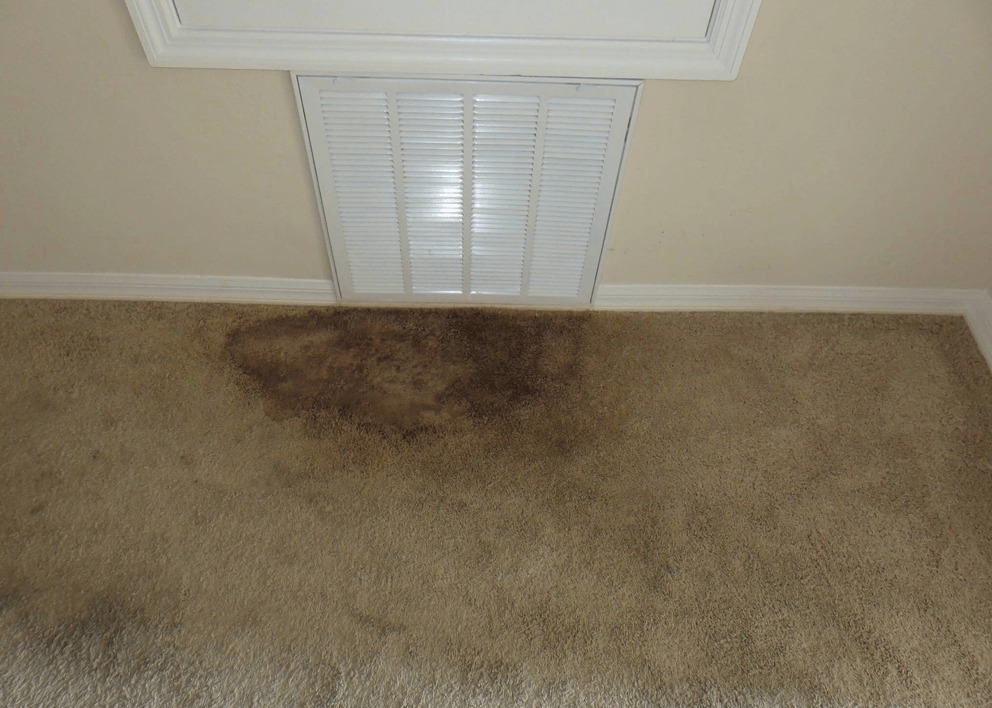
A different or lingering smell after shampooing can come from trapped moisture, old contamination, cleaning products or a problem under the visible fibers. The smell alone can’t tell you whether it’s mold or what caused it.
Wet cleaning can rewet older materials and bring out odors that were already there. Cushion or backing that dries slowly can stay damp while the surface fibers feel dry.
PLEASE HELP
i’m moving into an old room in the back of my parents house which was built in the middle/late 1900s and doesn’t always have ac going in it, the carpet smelled badly of dog urine and just dog so i shampood the carpet and about 12 hours later it smelled terrible but in a different way
to preface i shampood the carpet myself with a bissel carpet cleaner and then went over it with hot water to remove the access soap in the carpet and i’ve had the door open since last night and a fan going as well moving it all around the room
i’m terrified of mold and im scared i messed up cleaning or is it possible to bring old smells to the surface ?
edit- i was thinking of going back over it with vinegar and the bissel cleanser or baking soda
edit 2- my parents RENT i asked for cleaning tips on a cleaning forum, ripping up the carpet just doesn’t seem like an option tbh and i’d doubt my parents would let me ask and i can’t even get to all of the carpet as half the room is used as storage
Another wet pass would add more water to a material that was already in doubt.
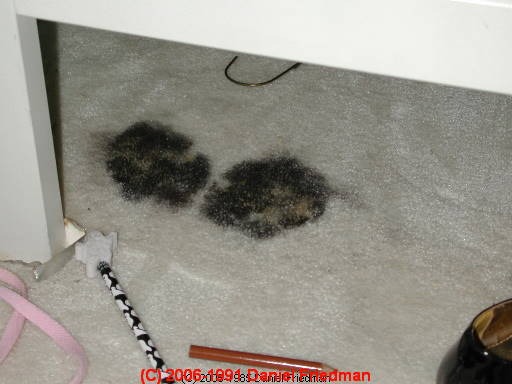
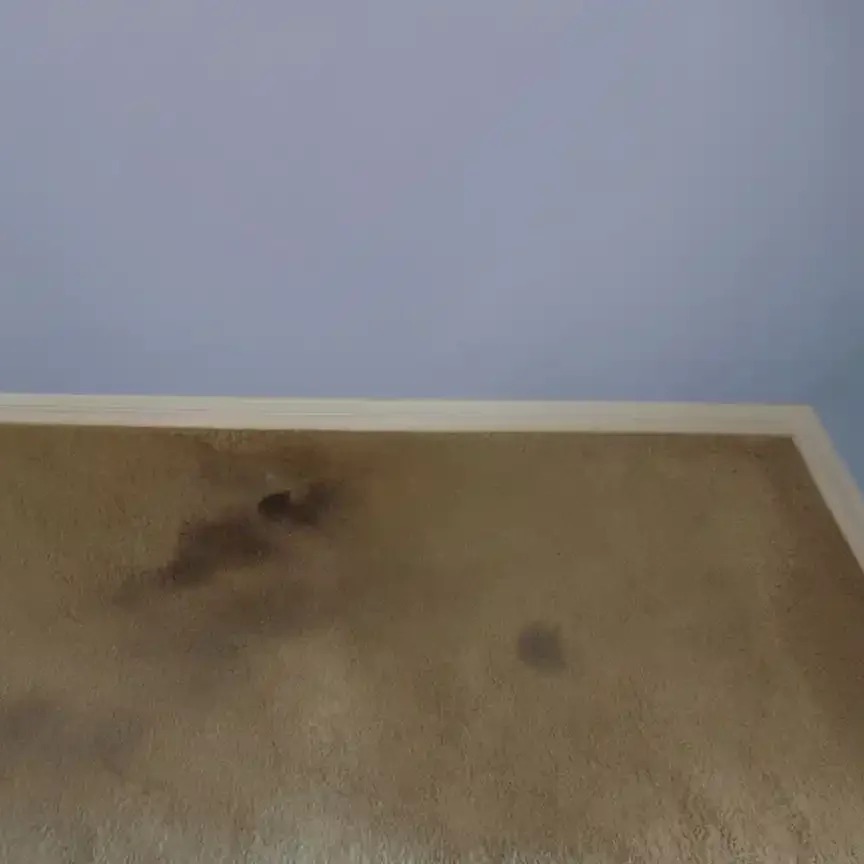
Dark marks cause a similar identification problem. Old foam padding, adhesives and built-up dirt can leave dark, crumbly residue under carpet. Marks that look alike can have different causes, and color alone can’t tell you the fungal species.
If the smell lingers, stop shampooing. Look for moisture getting in, check the backing and padding, and consider other odor sources. A short timeline of when the smell appeared and changed can show which event came first.
When to stop DIY and involve restoration professionals
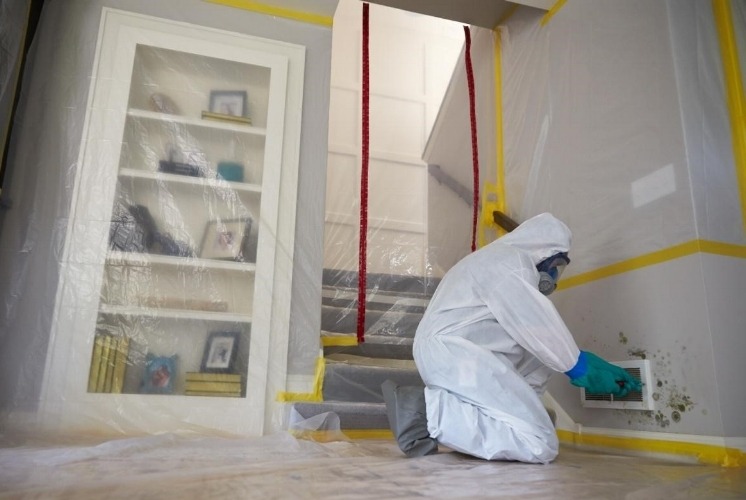
Contaminated water, hidden mold, extensive damage and vulnerable occupants all make ordinary household carpet cleaning the wrong approach.
Match the professional to the problem. A carpet cleaner handles ordinary soil. A water-damage restoration provider extracts and dries affected materials. A mold-remediation professional handles contamination that needs specialist assessment or controlled removal. Persistent leaks or damaged structural materials call for the right building trade.
Call a professional when you have:
- Sewage or uncertain water contamination: Someone qualified has to classify the water and restore the area.
- Mold inside absorbent materials: Hidden backing and padding may need controlled removal.
- Extensive or inaccessible damage: The job may need equipment, access or precautions beyond household cleaning.
- Possible subfloor deterioration: The material’s condition and the source of the water may need construction expertise.
- Occupants at higher risk: Health conditions can rule out taking part in cleanup.
The CDC’s mold cleanup guidance advises people with allergies, immune suppression, asthma, COPD or other underlying lung disease not to take part in mold cleanup.
If you do suitable cleanup work yourself, CDC guidance calls for at least a NIOSH-approved N95 respirator, gloves and properly fitted protective eyewear. Bigger or more hazardous jobs may need stronger protection and professional procedures. Protective gear doesn’t make contaminated-water restoration or extensive demolition a DIY job.
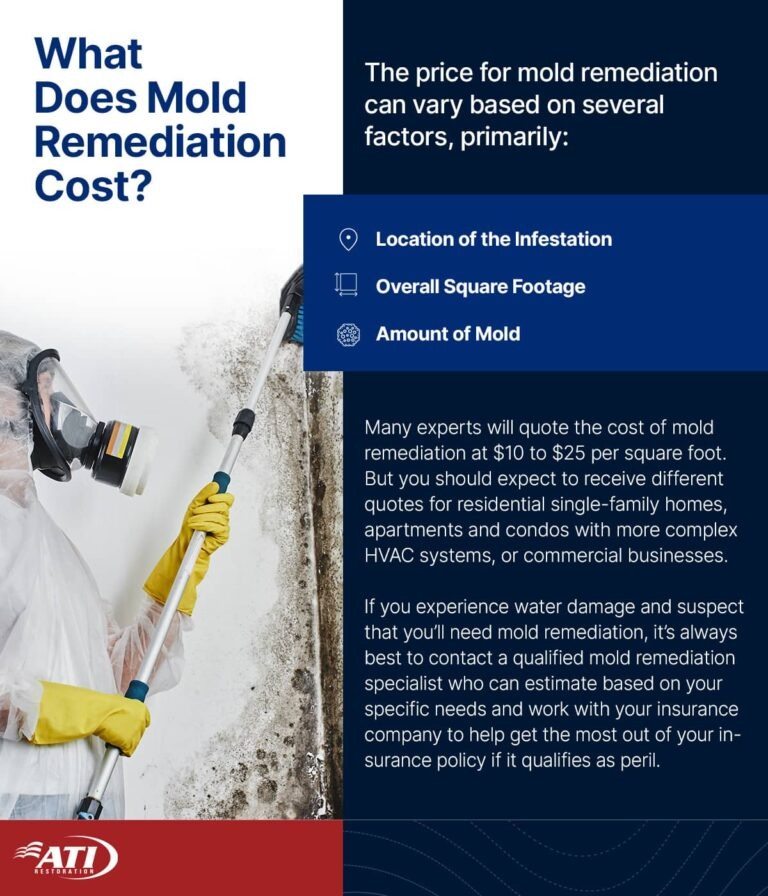
If you rent, notify property management and document the damage instead of authorizing removal yourself. Dated photos, written notices and a record of the affected materials help. Responsibility for repairs, insurance coverage and landlord obligations vary by jurisdiction and circumstances.
For complex work, get a written scope from the professional. It should name the affected materials, the planned removal or drying, the fix for the moisture source, the subfloor assessment and the evidence of completion the contractor will provide.
What to verify before flooring goes back down
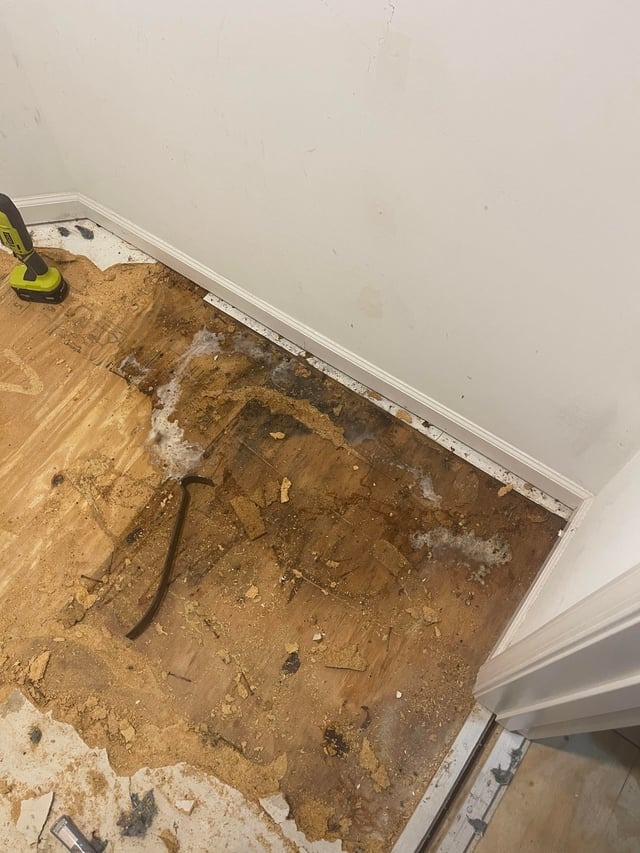
Before reinstalling, check every affected layer that will stay under the finished floor.
New carpet can cover a problem nobody addressed, so a clean look or fresh pile doesn’t mean the job is done.
Pre-reinstallation checklist
- Moisture source corrected: The pipe, appliance, drain, roof or other source of water has been fixed.
- Underlying floor checked: The remaining subfloor and other kept materials have dried and been checked for damage.
- Drying criteria documented: If professionals took moisture measurements, the method and acceptance criteria match the specific material and reference conditions.
- Open problems investigated: Persistent wet spots, visible growth and repeat water entry have been looked into.
- Records on hand: Photos and restoration records show what was kept, treated, removed or replaced: carpet, backing, padding, tack strips and other affected parts.
No single household moisture percentage was established for carpet backing, padding, plywood, particleboard and concrete together. A reading has to be interpreted for the material and the measurement method.
A professional assessment may include testing or measurements when useful. A household mold kit or air sample isn’t a clearance certificate, and routine sampling is unnecessary when visible mold already shows cleanup is needed.