
Do Dehumidifiers Remove Mold or Only Help Prevent It?
A dehumidifier can help prevent mold in a room that stays humid. It cannot remove mold that is already growing. If you see mold, or you have a leak or wet building material, fix the moisture source and clean up first. Then use humidity readings to decide whether you need a dehumidifier, and keep checking that the problem stays fixed.
What a dehumidifier can do for mold and what it cannot
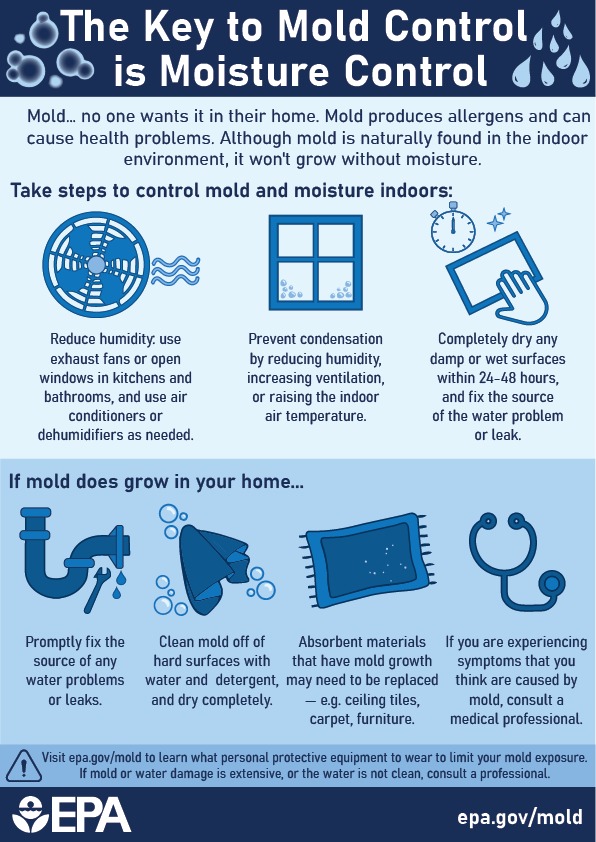
Most portable refrigerant dehumidifiers pull humid air across cooled coils, collect the condensed water and return drier air to the room. That removes one of the conditions mold needs to grow. It does not kill or disinfect anything. Mold and spores stay on drywall, fabric and other surfaces after the air dries, and EPA says even dead mold must be removed during cleanup. Water entering through a roof, pipe or foundation has to be stopped at the source.
| What you observe | How a dehumidifier fits | What to do |
|---|---|---|
| Persistently high humidity, with no known mold or leak | Lowers airborne moisture | Measure humidity, then pick a moisture-control method |
| A visible mold patch | Helps manage conditions after cleanup | Check the affected material and find the moisture source |
| A wet wall, flood damage or soaked carpet | Supports drying once electricity is safe to use | Fix the water source and check the materials |
| Normal room humidity but condensation on a surface | Reduces some condensation conditions | Inspect the affected surface |
What humidity level helps prevent new mold growth?
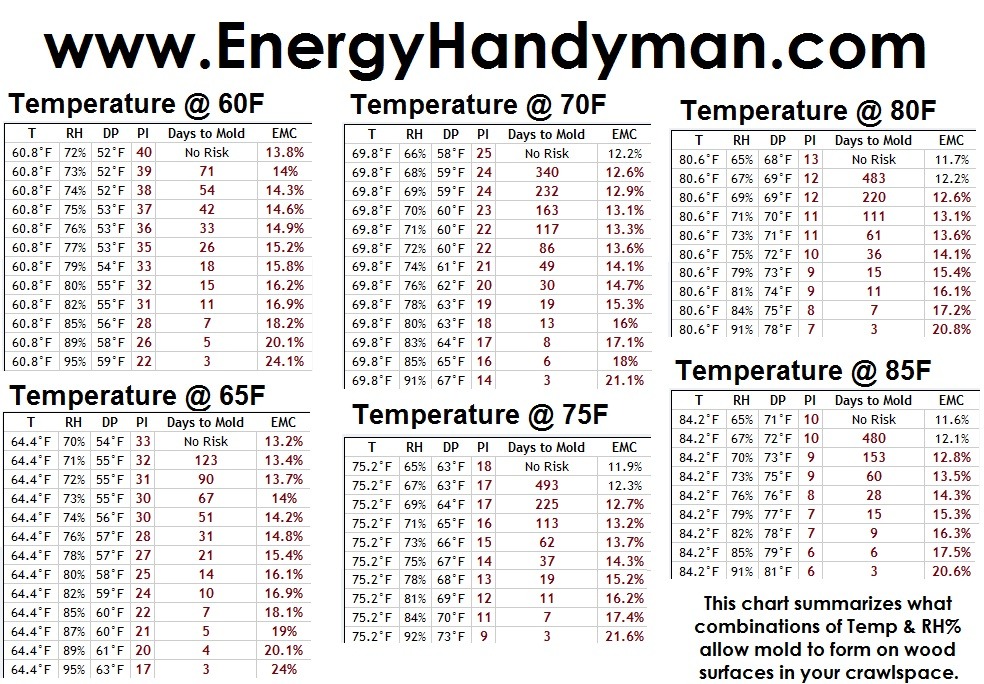
Relative humidity (RH) is the amount of water vapor in the air relative to what the air can hold at that temperature. The EPA mold and moisture guide recommends keeping indoor RH below 60%, ideally between 30% and 50%. The CDC recommends no higher than 50% throughout the day, so 45% to 50% is a sensible target.
A humidistat setting is the RH you want. An independent hygrometer shows what the air actually reads where it sits. Check humidity in the affected space in the morning, afternoon and evening, on damp days, and at a spot away from the dehumidifier.
When mold is already there, the dehumidifier is not the cleanup
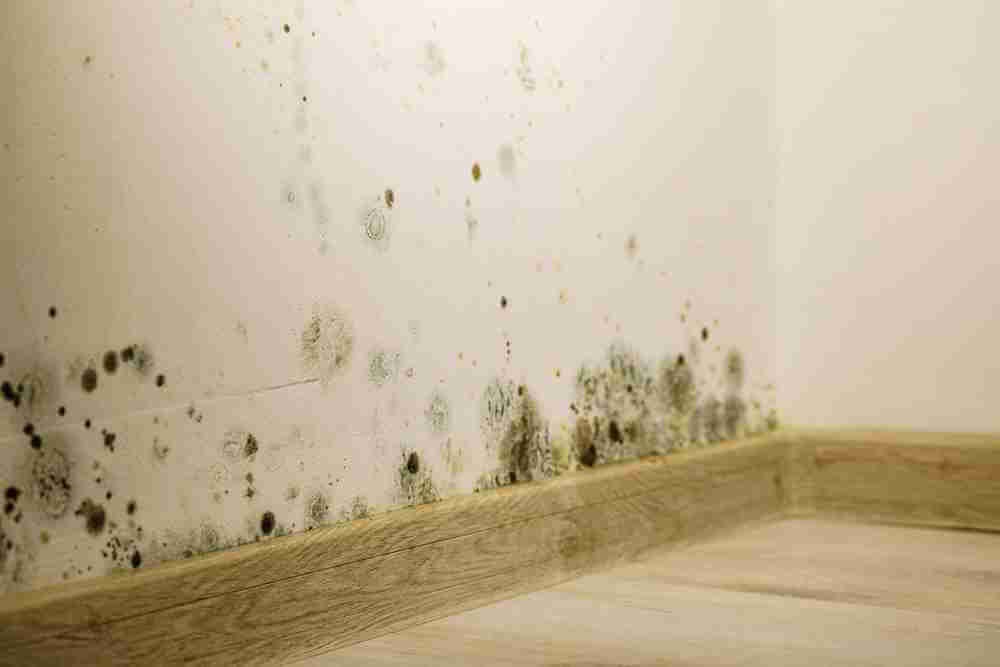
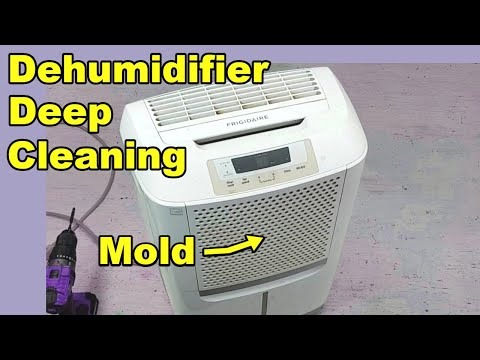
When water keeps entering a building, a damaged material stays wet even while the dehumidifier collects water from the air. A soaked wall or contaminated rug needs an assessment: can it be cleaned, or does it have to be removed? The unit itself needs attention too. If the bucket or coils look suspect, clean suspected mold inside a dehumidifier.
The EPA mold cleanup guidance treats an area smaller than about 10 square feet, roughly a 3-foot-by-3-foot patch, as one many homeowners can handle themselves. Exceptions: extensive water damage, sewage-contaminated water, suspected HVAC contamination and occupant health concerns need specialized help. If the HVAC system is known or suspected to be contaminated with mold, EPA advises against running it until it has been assessed. The CDC advises people with asthma, COPD, underlying lung disease, weakened immune systems or mold allergies not to take part in mold cleanup, whatever the size of the patch.
For hard surfaces, EPA describes cleaning with detergent and water, then drying thoroughly. Absorbent materials such as carpet, ceiling tiles and some upholstered furnishings are harder to salvage once moldy. After a leak or other water event, EPA advises drying wet materials within 24 to 48 hours. Material that stays damp keeps supporting growth.
Hi everyone, looking for advice from anyone who has dealt with mold from high indoor humidity.
I’m currently traveling internationally and won’t be home for about another month. Before leaving, I cleaned up the house, turned off major appliances, shut off the water except for the sprinkler system, and set the AC to 80°F.
A friend has been checking on the house periodically. After a week of extremely heavy rain/humidity, he noticed mold/mildew growth on some furniture. mainly couches, rugs/carpet, and some chairs. He checked the rooms, bathrooms, attic, and AC area, and there doesn’t appear to be an obvious roof leak, plumbing leak, or wet drywall. The issue seems mostly concentrated in the living room and front office. Probably because the former had higher ceilings and the latter is furthest away from the AC?
The thermostat was showing around 80°F and 66% humidity, so I’m assuming this was caused by the house sitting too humid while vacant. The AC has since been lowered to around 75°F.
My question: has anyone dealt with surface mold/mildew on furniture from humidity like this? Were you able to have the couches/rugs professionally cleaned, or did you end up having to throw them away?
I’m trying to figure out whether this is likely a cleaning + humidity-control issue, or whether upholstered furniture is usually considered unsalvageable once mold shows up.
Any advice from homeowners, restoration pros, or people who have been through this would be appreciated.
Whether the couches can be saved depends on the material and how far the contamination has spread. Changing the thermostat will not settle that.
Why a 45% room reading can coexist with a wet wall
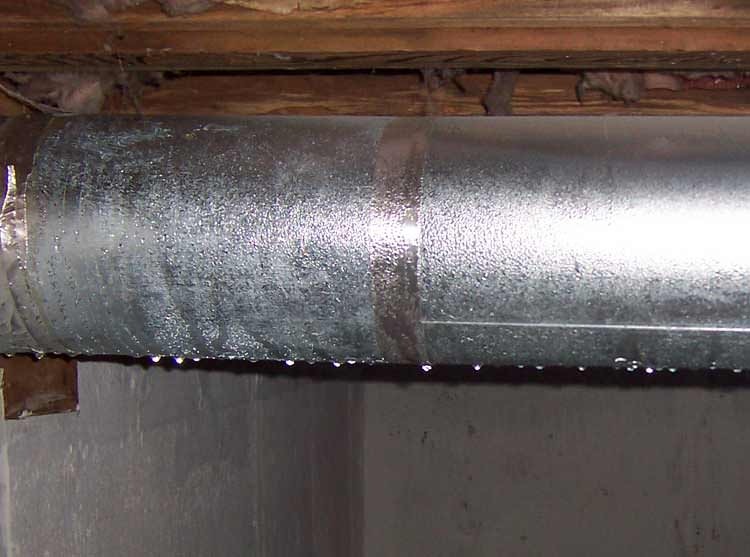
Say a hygrometer in the middle of a room reads 45% RH, yet water keeps appearing on a pipe beside an outside wall. The hygrometer reports the room air correctly. The water on the pipe is a separate, local surface condition.
Air next to a cold surface cools, which raises its local relative humidity, and water condenses there. A window, chilled duct or cold pipe can be wet while a sensor elsewhere in the room shows a moderate number.
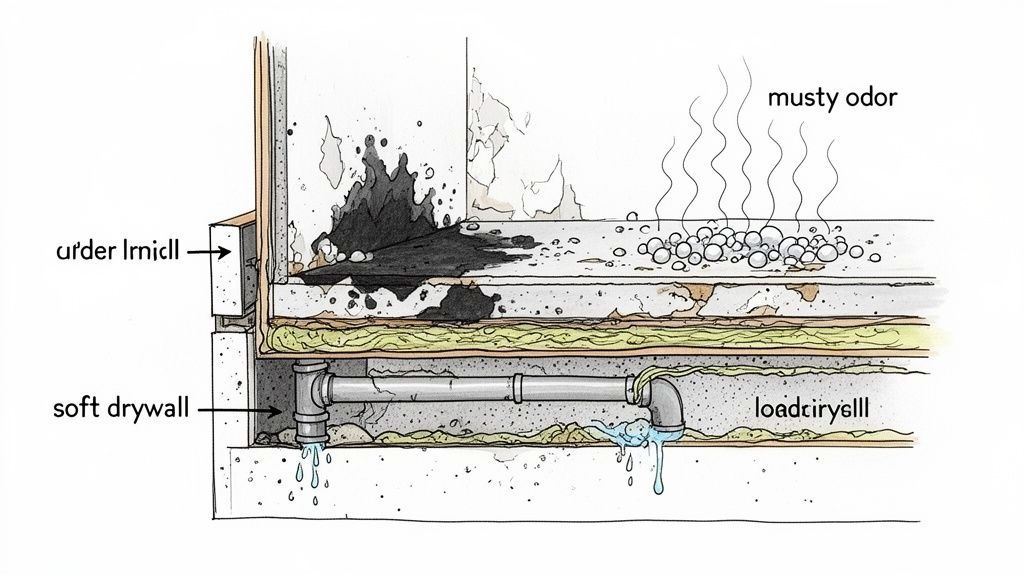
Liquid water causes the same problem by another route. A slow plumbing leak can soak material behind a baseboard, and rainwater entering around a window can wet the wall. Neither needs the room air to be unusually humid first.
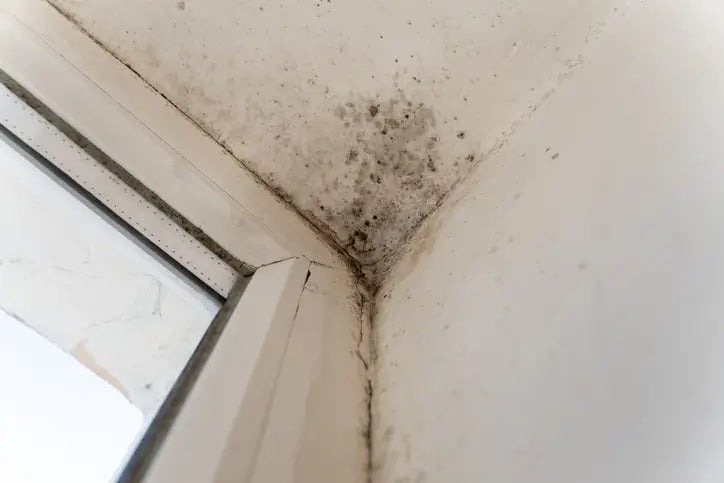
Where mold appears near one window, behind furniture or along a section of wall, look for condensation, staining and damp spots at that location. For suspected hidden mold or wet cavities you cannot reach, get a qualified inspection. Disturbing contaminated materials can spread the problem.
Dehumidifier, ventilation, AC or air purifier: which job needs doing?
Bathroom steam, humid basement air and a leaking supply pipe each call for a different response.
| Method | What it does | When it helps | What it does not fix |
|---|---|---|---|
| Dehumidifier | Extracts water vapor from room air | Persistent excessive indoor RH | Existing growth and liquid-water source repair |
| Exhaust ventilation | Moves locally generated moist indoor air outside | Bathrooms and kitchens producing steam | Existing contamination and water intrusion |
| Air conditioning | Cools air and removes some moisture during operation | Homes needing cooling and humidity control | Moisture sources beyond the cooling process |
| Air purifier | Filters some airborne particles, depending on the equipment | Particle-filtration needs | Room humidity, attached mold and leaks |
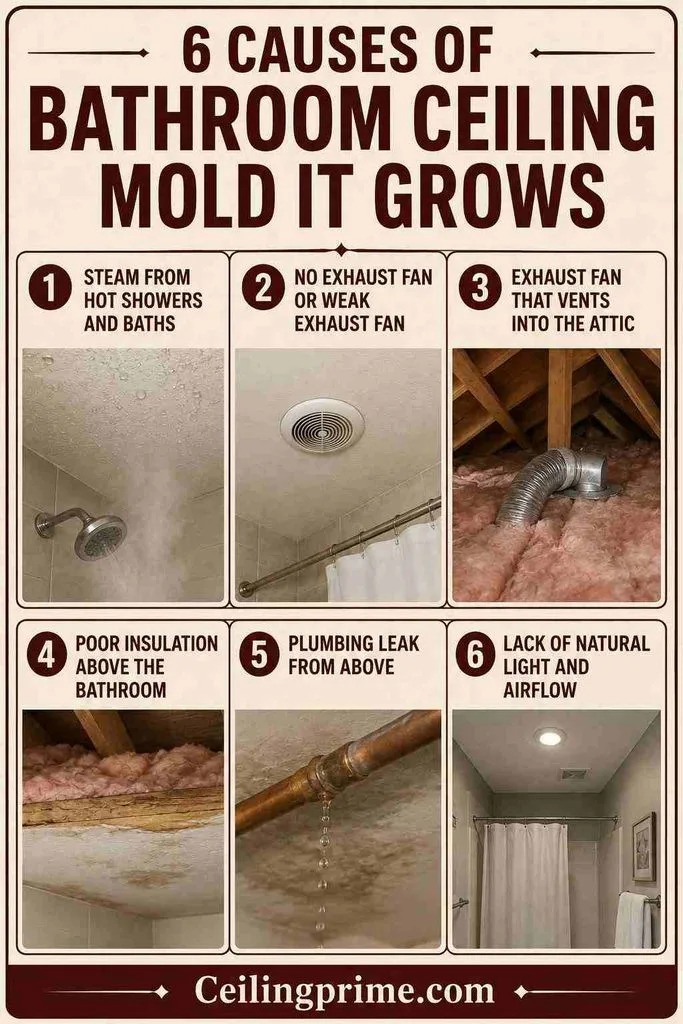
A bathroom exhaust fan controls moisture when it discharges humid air outdoors. An open window can help, but in very humid weather it brings more moisture inside.
Air conditioning removes some water vapor while it cools. Portable dehumidifiers usually treat one room, while whole-home equipment can be installed to treat the whole house. A single damp room does not automatically justify a ducted system.
Choose and run a dehumidifier that can control the room
A dehumidifier rated for a given room size can still struggle if moisture keeps entering the space or conditions differ from the rating. Capacity is the amount of water removed over 24 hours under specified test conditions, reported in pints per day.
The ENERGY STAR dehumidifier guide gives approximate starting ranges for spaces under 2,000 square feet:
- Slightly or moderately damp: 20 to 30 pints per day.
- Very damp: 25 to 40 pints per day.
Suitability depends on room size, actual dampness and incoming moisture. Saturated building materials need separate drying.
| Specification or feature | What it means | What to check |
|---|---|---|
| Capacity | Rated moisture removal in pints per 24 hours | Test conditions and moisture load |
| Operating temperature | Temperature range the machine works in | Cold-room rating and defrost capability |
| Bucket or drain | How condensed water leaves the machine | Automatic shutoff and drainage setup |
| Integrated energy factor (IEF) | Liters of water removed per kilowatt-hour | Efficiency among comparable models |
| Airflow and maintenance | Conditions the unit needs to run | Manufacturer clearance, filter and tank instructions |
With doors or windows open, humid air keeps entering the space. ENERGY STAR advises keeping them closed during operation and leaving the manufacturer’s required clearance around the appliance for air circulation.
A full bucket shuts the unit off, and poor drainage interrupts continuous operation. Below 65°F, refrigerant models can frost over unless they are built for colder conditions.
In June 2019, the US Department of Energy changed portable dehumidifier testing conditions from 80°F to 65°F. The ENERGY STAR testing and capacity explanation describes why you should compare old and new advertised capacity ratings with care.
ENERGY STAR says certified units use about 20% less energy than comparable conventional units of similar size. Actual bills also depend on runtime and local electricity rates.
If you suspect contamination inside the machine, have it assessed separately, and put electrical and manufacturer safety instructions first.
Why mold or dampness persists while the machine runs
A machine can run for hours and collect water while the dampness continues. The next step depends on what is still wrong: the air is too humid, a surface stays wet, or moldy material still needs cleanup.
| What remains wrong | Likely cause | What to check |
|---|---|---|
| Room RH stays high | Moisture load, wrong capacity, operating temperature, drainage or another operating condition | Humidity control and equipment performance |
| Mold spots remain after RH improves | Mold that is already established | The affected material and the cleanup it needs |
| Musty odor persists or growth returns | Unresolved contamination or recurring moisture | The original location and concealed sources |
A portable unit treating one space has little influence behind closed doors or inside a wall cavity. Moisture dripping from ducts or vents needs a building or HVAC investigation even when the unit works.
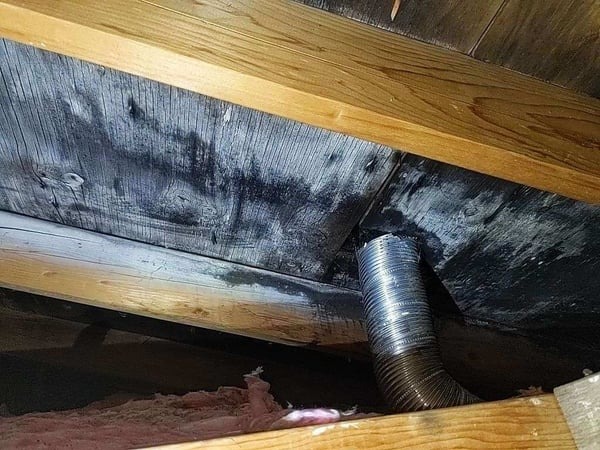
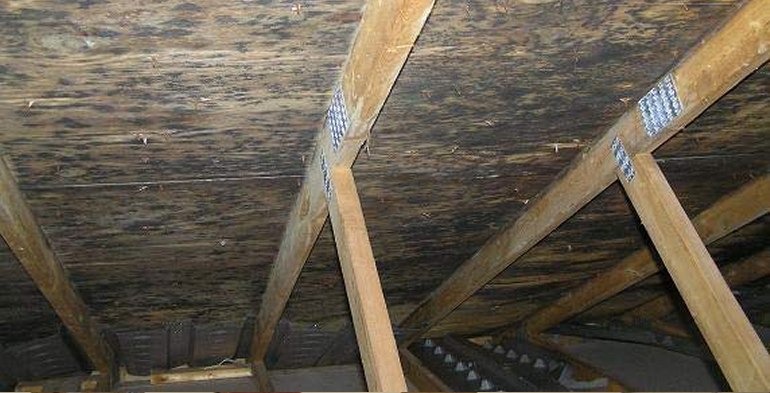
Home is 5 bed, 5 bath, 7,000sq.ft. In south Florida. A large local company services my air conditioning units every 60 days. Recently, water was dripping from my bathroom exhaust fans in 2 upstairs bathrooms. I went into the attic to investigate and found moisture everywhere, some mold or mildew, and a lot of condensation on the AC duct work and the outside of the exhaust fan vent pipes going to the roof.
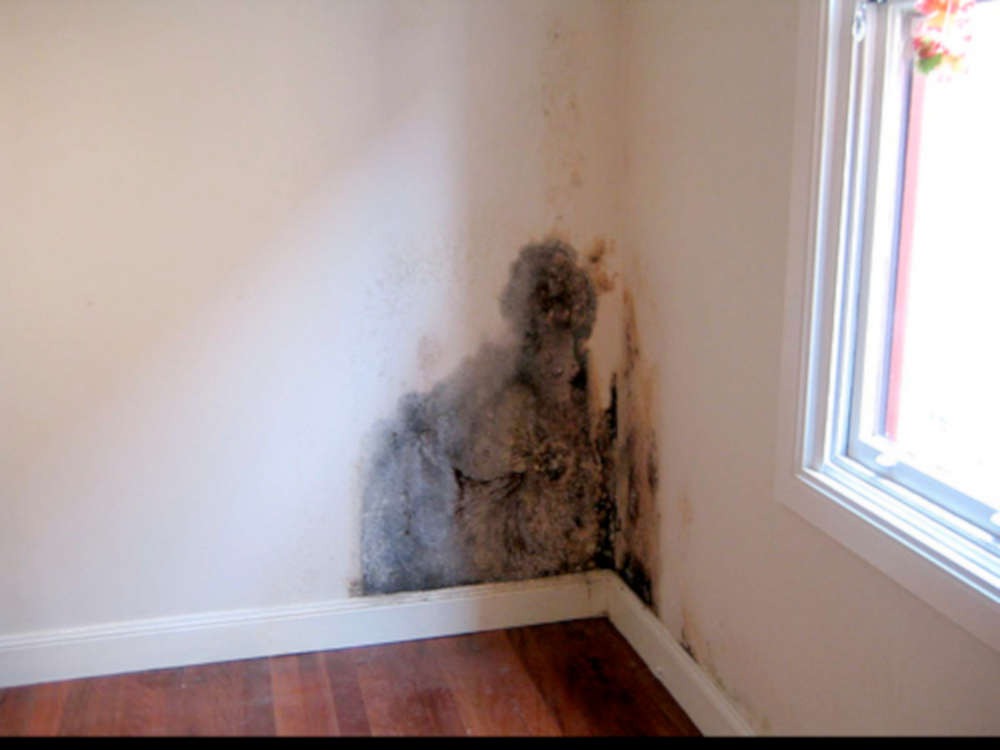
Now the bedroom below this area is extremely musty and starting to get mold/mildew behind the wallpaper and light switch plates.
Other areas of my attic are dry. I also have an attic dehumidifier which I purchased 1 year ago after it was recommend by the AC company. The dehumidifier is working.
Am I missing something? Seems like my AC people don’t know what to do. Any advice would be greatly appreciated.
Continued dripping, suspected moisture behind wallpaper and other hard-to-reach wet areas call for an investigation of the building or HVAC system. A bigger unit or longer run time will not find the cause.
How to know you’ve fixed the moisture problem, not just the number
Work through these checks, which follow EPA’s cleanup-completion guidance:
- Water source: The original leak, seepage or recurring condensation problem is corrected.
- Affected material: Contaminated material is cleaned or removed.
- Air humidity: Follow-up measurements show RH under control.
- Visible condition: The original area shows no renewed wetness, visible mold or moldy odor in later checks.
A short observation period and a normal hygrometer reading cannot certify a whole property free of hidden mold. EPA has not set a federal household airborne mold threshold that turns a single reading into clearance.
Take a basement where humidity has fallen but an old carpet is still moldy. The air is better, yet the carpet still needs remediation. A room that was simply humid can respond to sustained RH control with no material remediation.