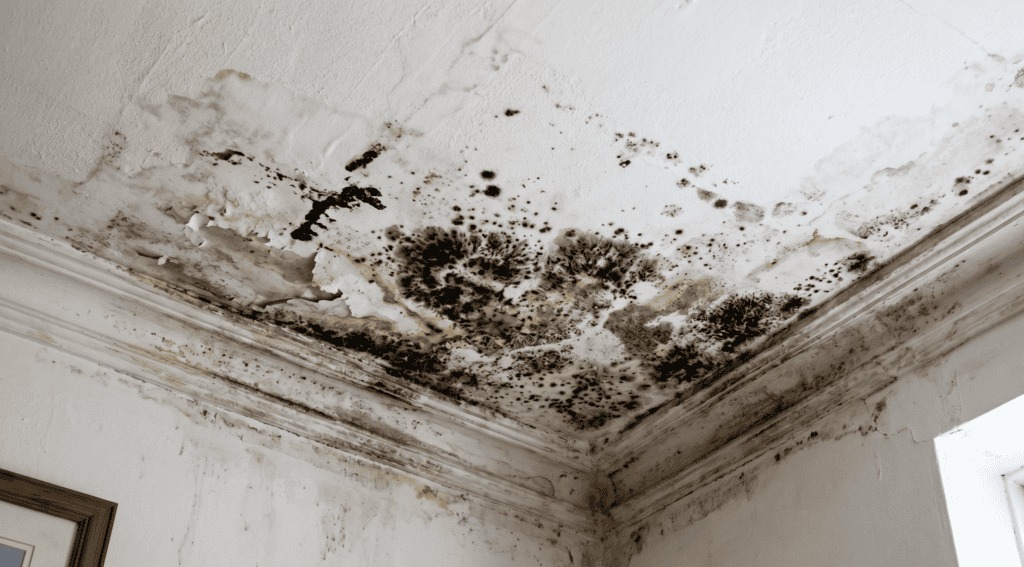
How and Why Mold Grows Indoors
Mold grows where spores land on material that stays damp. You can’t remove every spore, so find the water source first. Check where and when the surface gets wet and fix that. If the damage is hidden or extensive, involves contaminated water, or keeps coming back without a clear cause, call a professional.
Once the leak is fixed, dry the water-damaged materials promptly.
A patch appears behind the couch. The bathroom ceiling develops dark spots, though the fan seems to work. Or a closet smells musty while the rest of the house feels dry.
The decision table below matches each of these spots to its likely moisture source.
What Mold Needs to Grow Indoors
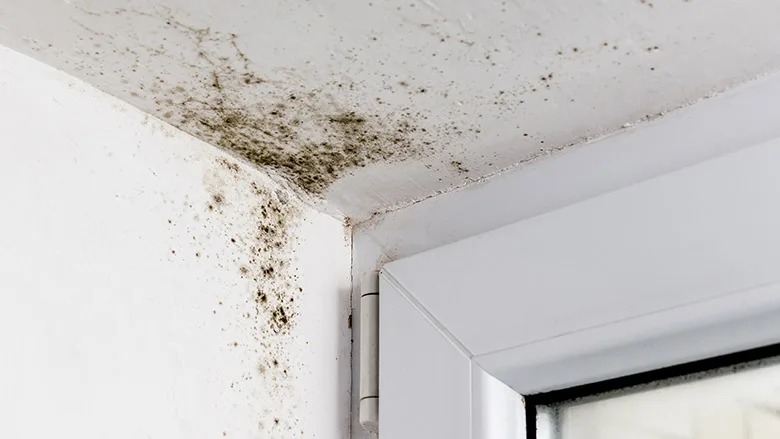
Mold begins with spores, microscopic reproductive structures that circulate through outdoor and indoor air. They settle on walls, rugs, wooden shelves and furniture.
Growth starts when a spore lands on damp material. Mold feeds on wood, paper, fabric, and the dust and organic film on other surfaces. Under favorable conditions, spores germinate and the fungus spreads across or into the material.
Ordinary houses already provide oxygen, workable temperatures and nutrients, and mold grows in light or darkness. The condition you can control is how much moisture stays available and for how long. According to the CDC/NIOSH mold guidance, moisture control is what matters where carbon sources and naturally circulating spores are already present.
How Mold Grows Even When You Cannot Find a Leak
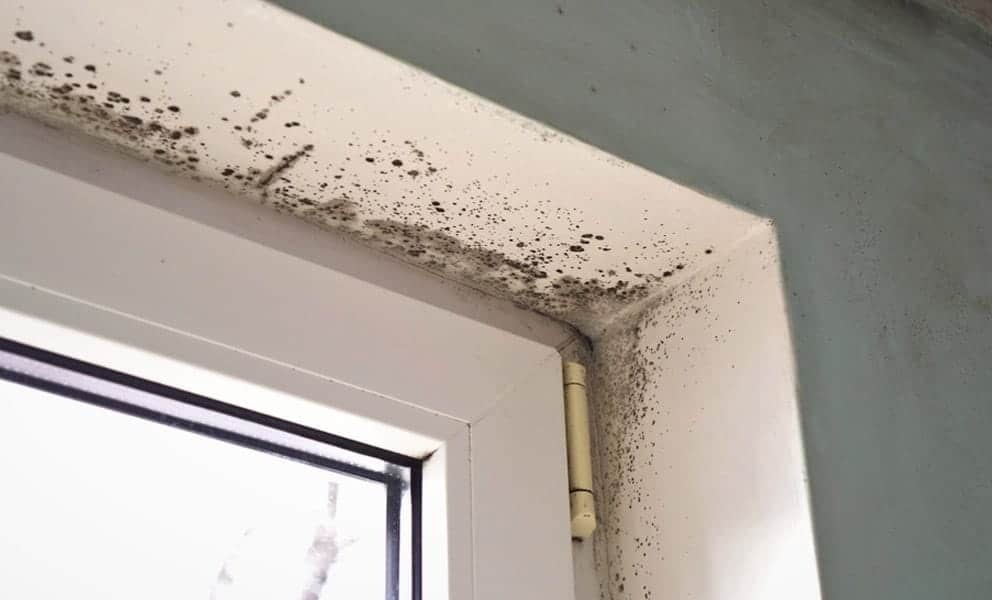
Relative humidity compares the water vapor in air with the amount the air could hold at that temperature. When moist indoor air reaches a cool wall, the relative humidity at the wall rises enough to leave the surface damp. Cool it further and liquid condensation forms.
Take the wall behind a couch. The room feels comfortable, but the wall is cooler, especially along an exterior corner. The furniture also cuts air movement, so that patch stays damp longer than the exposed wall nearby. The EPA Mold Course names cold corners behind furniture as places where mold grows.
In a 2009 World Health Organization building-moisture example, air at 20°C and 58% relative humidity reaches 75% RH when cooled to 15°C, and 100% RH at 11°C.
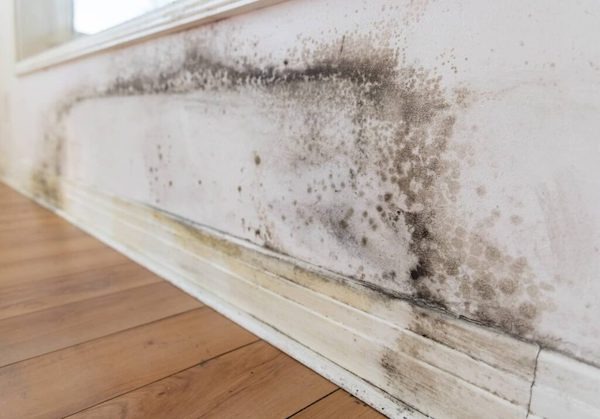
Showers, cooking, humidifiers and drying clothes indoors add water vapor. Weather, ventilation and air conditioning decide whether it escapes or reaches cooler materials. Local conditions differ most in closets, at windows and behind furniture against exterior walls.
Hi everyone, looking for advice from anyone who has dealt with mold from high indoor humidity.
I’m currently traveling internationally and won’t be home for about another month. Before leaving, I cleaned up the house, turned off major appliances, shut off the water except for the sprinkler system, and set the AC to 80°F.
A friend has been checking on the house periodically. After a week of extremely heavy rain/humidity, he noticed mold/mildew growth on some furniture. mainly couches, rugs/carpet, and some chairs. He checked the rooms, bathrooms, attic, and AC area, and there doesn’t appear to be an obvious roof leak, plumbing leak, or wet drywall. The issue seems mostly concentrated in the living room and front office. Probably because the former had higher ceilings and the latter is furthest away from the AC?
The thermostat was showing around 80°F and 66% humidity, so I’m assuming this was caused by the house sitting too humid while vacant. The AC has since been lowered to around 75°F.
My question: has anyone dealt with surface mold/mildew on furniture from humidity like this? Were you able to have the couches/rugs professionally cleaned, or did you end up having to throw them away?
I’m trying to figure out whether this is likely a cleaning + humidity-control issue, or whether upholstered furniture is usually considered unsalvageable once mold shows up.
Any advice from homeowners, restoration pros, or people who have been through this would be appreciated.
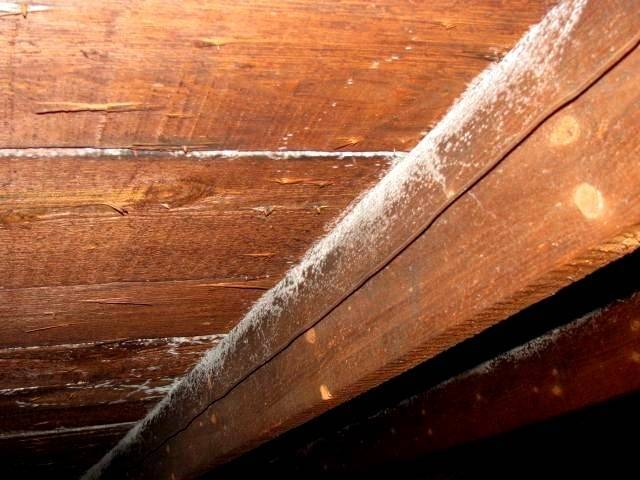
The Moisture Sources That Make One Spot Grow Mold
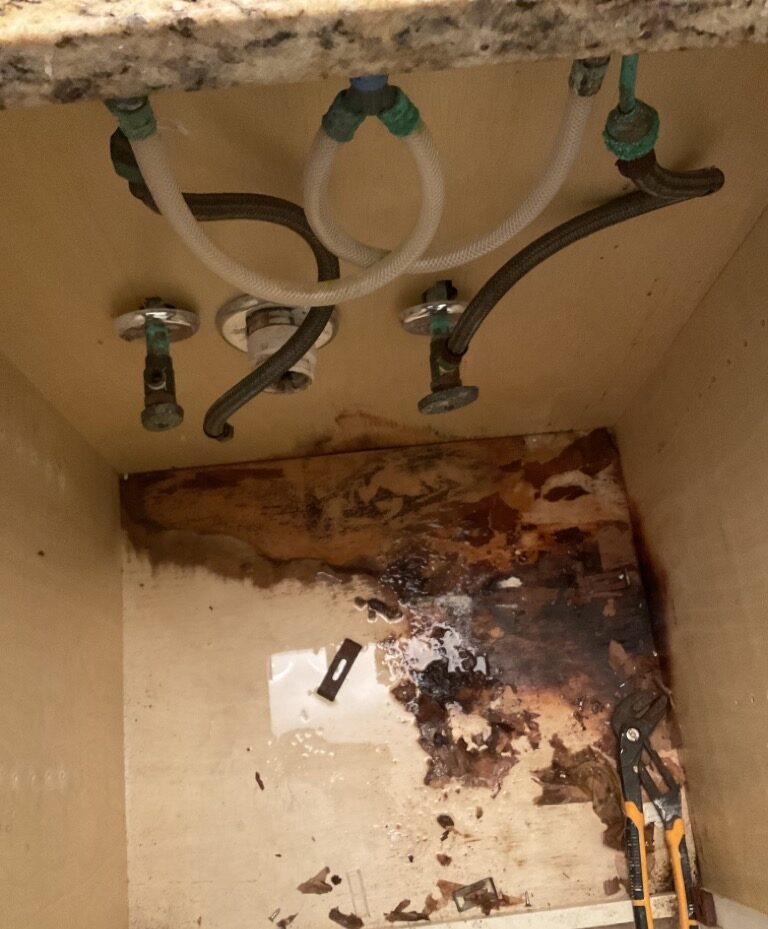
The first visible patch is often far from the place water entered. Water travels through a wall or along flooring before the surface stains or turns damp. For wet drywall or floodwater, see safe cleanup after a leak or flood.
| Route into the material | How the moisture reaches the affected area | Why the source can be missed |
|---|---|---|
| Plumbing or exterior intrusion | Water enters through pipes, roofs, windows or exterior walls and moves through adjacent materials | The patch sits away from the entry point |
| Surface condensation | Humid air meets a cold wall, pipe or window | The room feels dry while one surface stays wet |
| HVAC condensation or drainage | Cooling equipment produces condensate, or a drain or cold part wets nearby surfaces | Damage concentrates around the equipment or in hidden layers |
| Stored or absorbed water | A spill, flood or earlier wetting leaves water inside porous materials | The outside dries before the inside |
A stain from liquid entering the material needs a different repair than condensation forming on its surface.
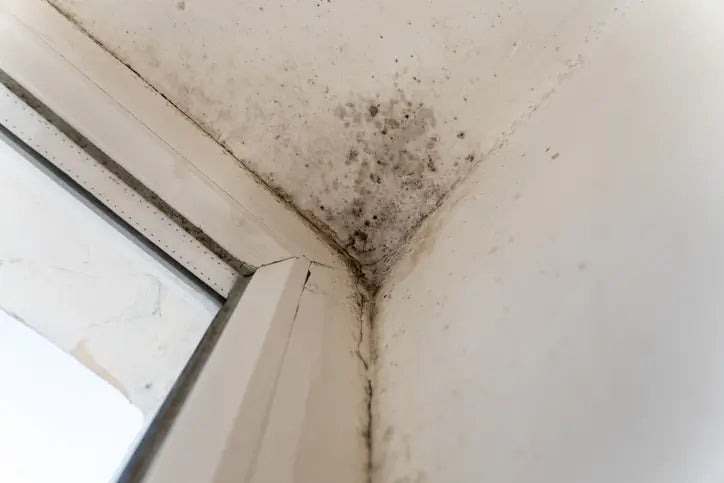
Why Some Materials and Rooms Grow Mold First
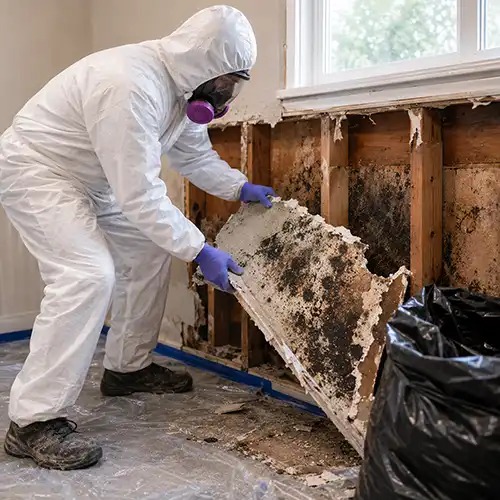
Two nearby surfaces respond differently to the same wetting. Paper-faced drywall, wood, carpet, fabric and insulation supply different nutrients and hold water differently, and dirt or an organic film can feed growth on a hard surface that looks nonporous. A rug stays damp inside after the nearby tile looks dry, and a tightly packed closet dries more slowly than an open room.
How Long Does Mold Take to Grow and When Does It Become Visible?
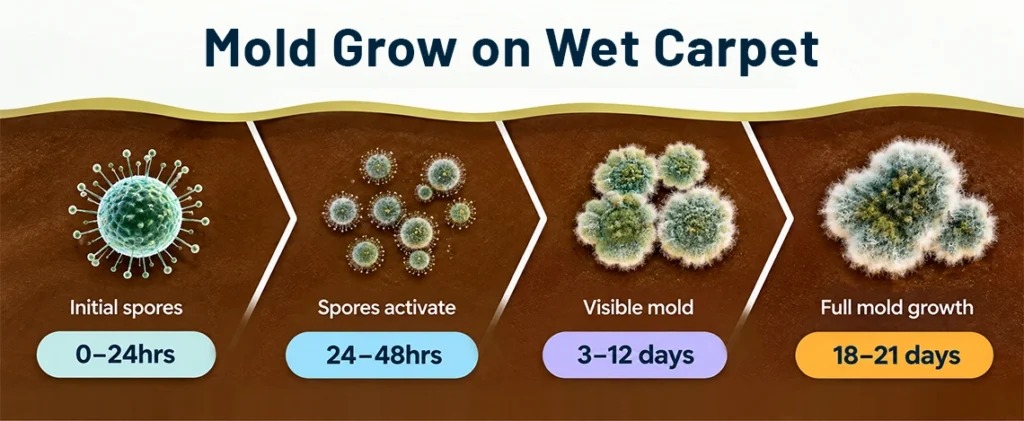
There is no single timetable. Material, available moisture, temperature and how long the surface stays wet all affect when spores germinate and colonies develop.
Germination comes first and visible discoloration later, so a stain shows up some unknown time after the wetting. The EPA recommends drying water-damaged materials within 24 to 48 hours to help prevent growth.
Finally moved into our first home. One of the pre-move in projects we did was install new fans in both showers. The one we use also has a large dehumidifier. With both running, the mirror doesn’t even fog up. We’ve taken maybe 10 showers there and last night we notice what looks like mold on the wall and sill that was not there before. I suspect the sellers either painted over mold or I’m just misidentified what this is.
I remember on the disclosures there was “stains on walls” but in the inspections and walkthroughs I never saw anything like that. It used to be a rental for ten plus years so who knows what the tenants before did.
Has anyone ran into this in their first week at their new home? Any advice to share?
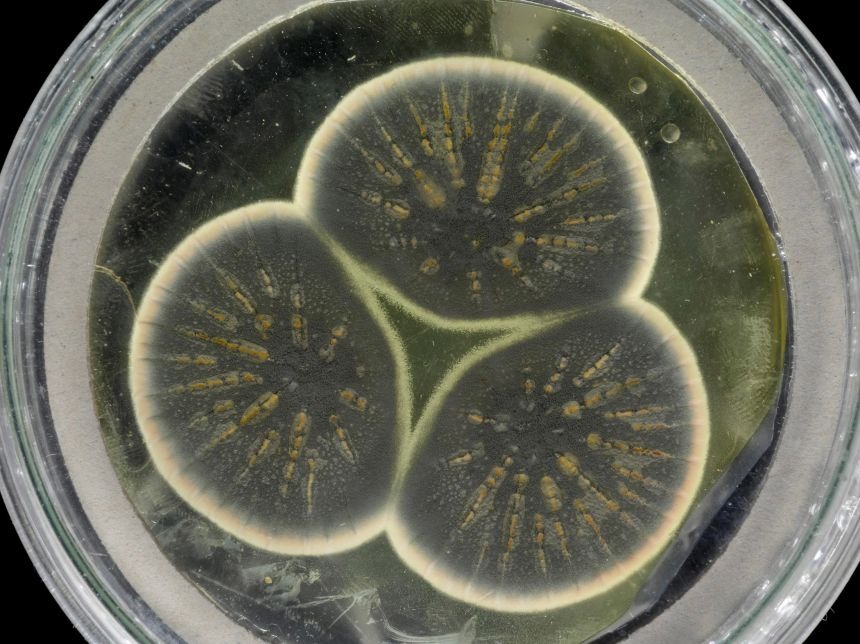
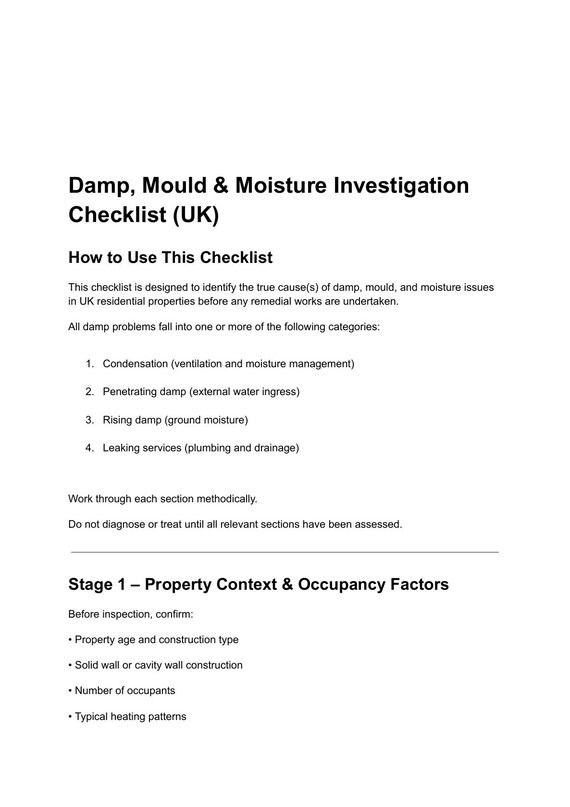
How to Find the Moisture Source
| What you notice | Likely cause | First check | When to escalate |
|---|---|---|---|
| Discoloration behind a couch on an exterior wall | Cold-surface condensation, local dampness or a hidden leak | Compare the spot with exposed corners and look for condensation | Soft or persistently wet wall, or damage of unknown extent |
| Ceiling patch near cooling equipment | Condensation, a drain failure, a leaking pipe or water from above | Check whether the dampness appears when the HVAC runs or after another wetting event | Overhead dampness that repeats, or hidden damage |
| Shoes or fabrics affected in a closet | A humid enclosure, cooler surfaces or hidden water | Count how many items are affected and read the room RH | Growth that persists, or suspected hidden wetness |
| Water at a floor joint or baseboard | Water from plumbing or another entry route | Note nearby fixtures and when the wetness appears | Active water entry or damaged finishes |
| Growth returning after cleaning | Continuing dampness, contaminated material left behind or new wetting | Match each return to known repairs and wetting events | An unknown source or repeated growth |
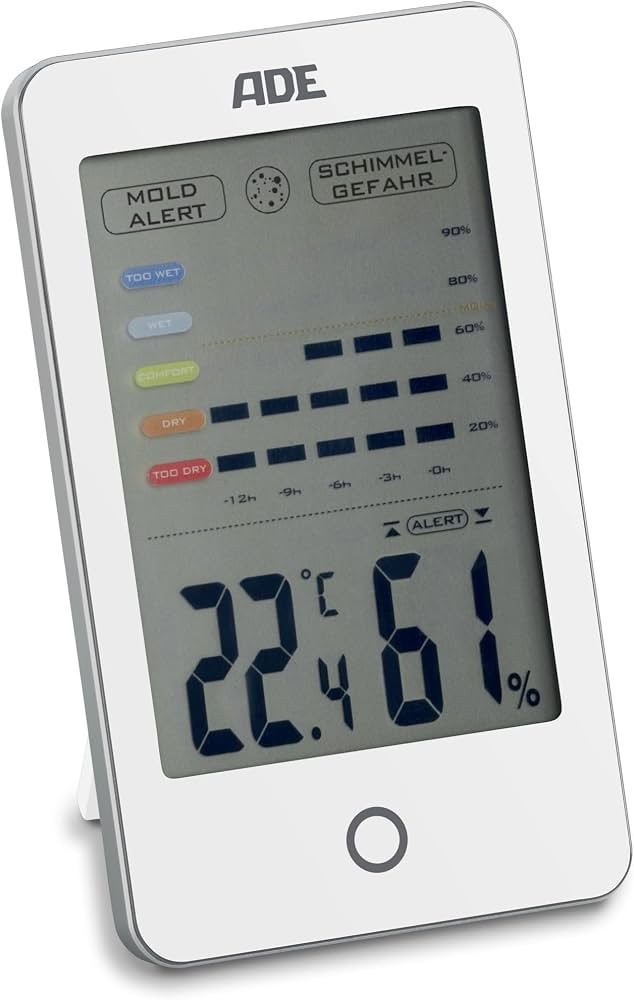
A hygrometer gives one useful reading. The EPA recommends indoor relative humidity below 60%, ideally 30% to 50% when possible. A humid room can also have a plumbing leak.
Use the table to pick a check, and keep a record of what you find:
- Location: Record the room, the affected surface and its approximate extent. Photograph the area without scraping or pulling at the material.
- Wetting history: List approximate times for rain, showers, appliance use, HVAC operation and spills, plus any visible condensation, dripping, staining, bubbling finishes or softened material.
- Readings: If you have a hygrometer, log room temperature and RH with the time of each reading.
- Repairs: Keep dates or descriptions of earlier moisture corrections, cleaning and repainting.
When to Call a Professional
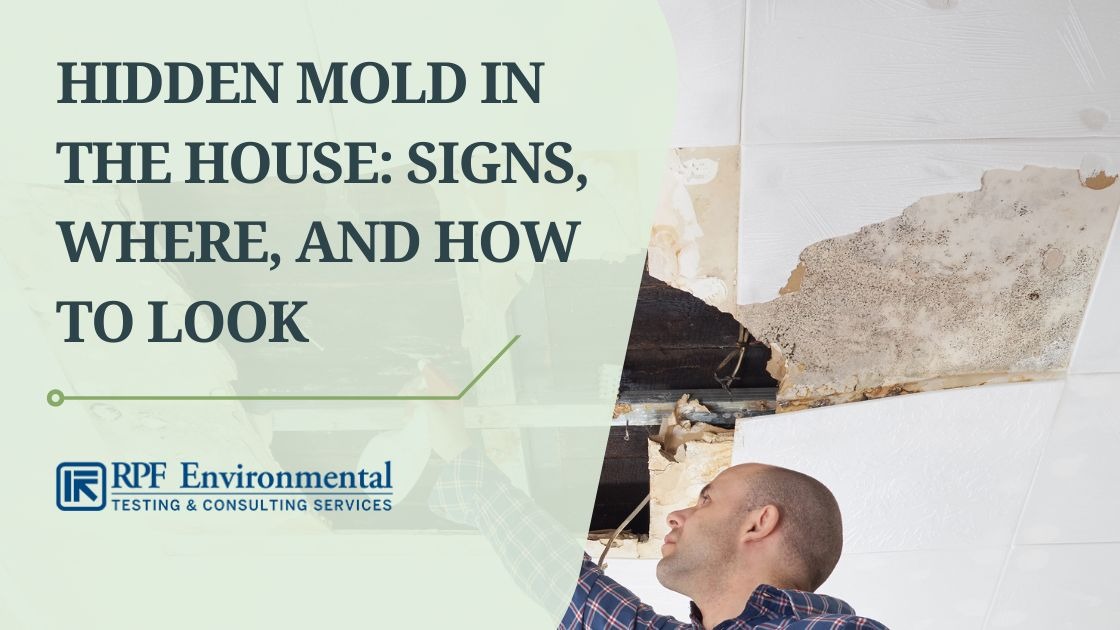
Mold can grow behind wallpaper, drywall, carpet and other finishes where you cannot see how far it goes. Disturbing those layers releases spores. Extensive growth, damaged materials, continued wetting, and sewage or other contaminated water all call for a controlled assessment.
Do not peel suspected moldy wallpaper, open wall cavities or dismantle cooling equipment to check. Arrange a professional evaluation when you cannot assess the source, extent or contaminated-water conditions safely from accessible areas.
Routine mold testing is unnecessary when growth is already visible. The EPA has not established a federal airborne spore concentration that certifies a building as safe. Professionals sometimes use specialized sampling as part of an investigation. Color alone does not determine fungal species or health effects.

If you have allergies, immune suppression or certain respiratory conditions, stay out of mold cleanup, as the CDC mold cleanup guidance advises.
What Stops Mold From Growing Back
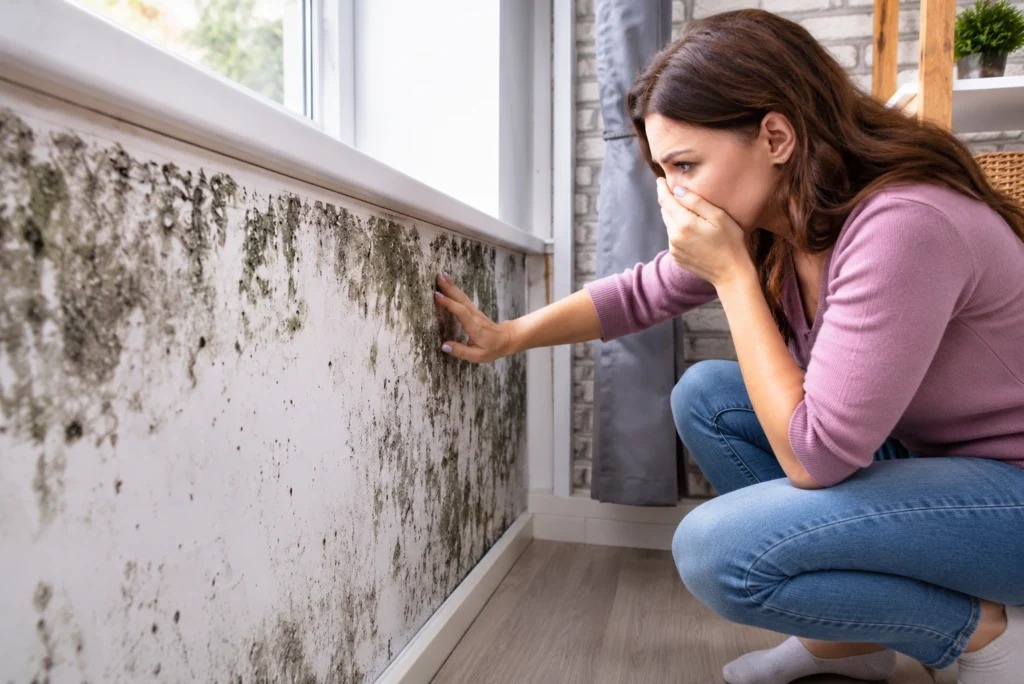
A leaking pipe needs repair, a condensate or drainage problem needs correction, and wet building materials need drying and sometimes removal or remediation.
Established growth stays attached to the material even after the air dries. Cleanup or removal depends on the material, and paint or a quick wipe leaves dampness behind.
Pictures are attached but we moved in about 7 months ago. Ceiling was clean at the time. Since then this spot has been slowly growing mold getting worse and worse. What you see in the pics is what has grown in 2 months time. I completely cleaned it all off with bleach 2 months ago. The building is all concrete and the ceiling is concrete as well, so the concrete is damp. This is right around where the AC cold water system circulates as well.
I told HOA about this 2 months ago and they sent someone out with a infrared gun and we could see clear as day it’s super damp around that entire area so the upstairs unit AC must be leaking. The guy was saying it’s probably condensation from the cold water pipes and said he would check upstairs and get back to me. I never heard back. I sent another email yesterday and am waiting for a reply.
But my actual question is, is this an HOA issue or an insurance issue? And if it’s insurance is it my insurance or the upstairs neighbor insurance? I just can’t be cleaning mold off my ceiling every month especially when it has nothing to do with anything we’re doing in our unit, but rather issues with an old building cooling tower system