
Why Mold Keeps Coming Back After You Clean It
When mold comes back, fix what keeps the spot damp before you treat it again. Then decide whether the material can be cleaned or needs a professional. A small patch on a sound, accessible hard surface is one case. Growth tied to a leak, damaged porous material, a hidden area, contaminated water or someone who shouldn’t do cleanup is another. If you can’t resolve the moisture safely, get qualified help.
Before anyone opens a wall, check for hidden mold in the places you can reach.
Why the mold comes back after you wipe it away
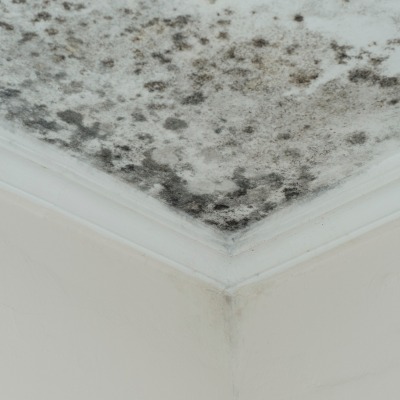
Wiped mold comes back for three reasons: the wall stays damp, the damaged layer behind the paint is still there, or the mark was an old stain you took for new growth. Mold spores are part of ordinary indoor air, and the EPA homeowner guide says growth is likely to return while the water problem remains unresolved.
What the return pattern tells you

| What you notice | What it points to | What to check next |
|---|---|---|
| Bathroom ceiling spots after frequent showers | Repeated condensation or poor exhaust ventilation | Whether surfaces stay damp and whether the fan carries moisture outdoors |
| Lower wall or baseboard changes after rain | Water entry through the exterior, drainage problems or a hidden wet area | Rain timing, visible stains and visible signs of entry |
| Marks near or under a sink | Plumbing leak or damaged cabinet material | Pipe connections, wetness and swelling |
| Discoloration returning through paint | Ongoing moisture or damaged material under the paint | Peeling, softness and past water exposure |
| Musty odor with no visible patches | Hidden dampness or hidden growth | Past leaks, where the odor is strongest and any moisture history |
| The same mark stays the same size | Leftover stain, deposits or another surface change | Compare dated photos before you treat it as new growth |
Take a photo right after you clean, then another after the next shower or rain. A patch spreading onto new material is the bigger worry; an unchanged mark is the smaller one.
Keep one short record of the return
Write down five things:
- Location and material: Bathroom ceiling, painted drywall, tile, cabinet board or carpet.
- Cleaning: The date and what you did.
- Return: The date you noticed it again, its rough size and whether it spread.
- What happened just before: Showers, rainfall, plumbing use, condensation or a known leak.
- What you see and smell: Staining, softened material, peeling paint or a persistent odor.
For example: “Painted ceiling above shower; cleaned Sunday; spots back after several steamy showers; fan on; ceiling still damp afterward.”
Find the moisture source
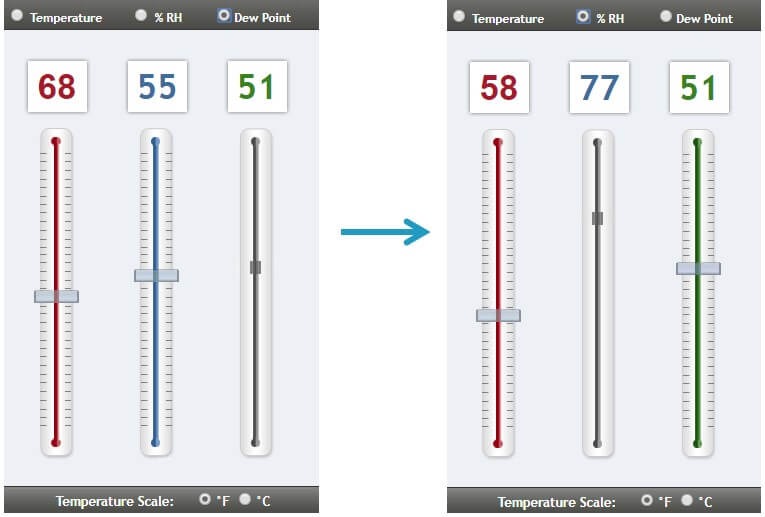
Condensation forms when humid air touches a cold surface. In a bathroom, that’s the ceiling or a window frame. Elsewhere, a cold exterior-wall corner behind furniture can stay damp while the rest of the room looks dry.
Ventilation controls how long moisture stays after showers or cooking. A fan can run loudly and still remove little moisture, especially when its airflow or exhaust route is unsuitable. Check whether it carries moisture outdoors and whether wet surfaces dry afterward.
Plumbing leaks, roof problems, water coming in around the exterior and basement seepage all mean tracing the water’s route. The mark can sit some distance from where the water got in.
The EPA advises keeping indoor relative humidity (RH), meaning the amount of water vapor in the air relative to what it can hold at that temperature, below 60% if possible and ideally between 30% and 50%. The EPA moisture-control guidance also covers exhaust ventilation, condensation and water entry.
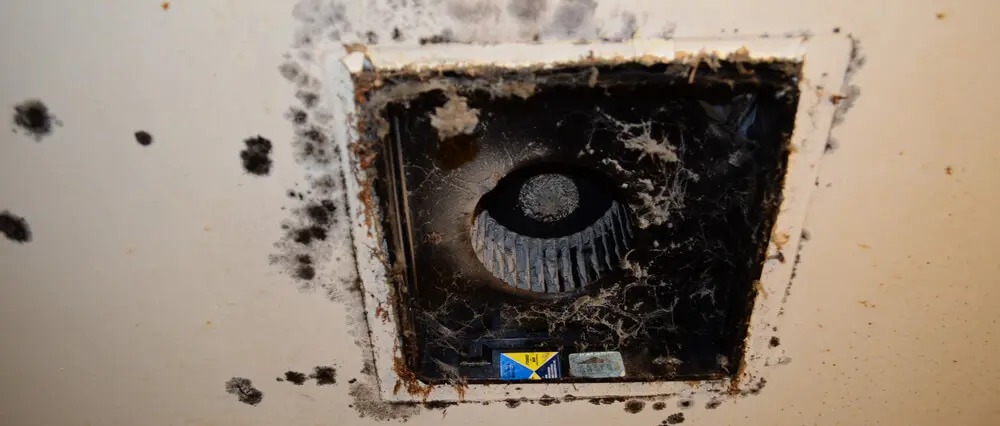
Yes check the fan. You want roughly 1cfm per sq ft and most builder grade fans are 50cfm. I spent 3 years dealing with this issue, spending hundreds of dollars on dehumidifiers and they all failed after a year. Finally did more research and found the fan was severely undersized. I upgraded to the panasonic whisper choice fan with a built in humidity sensor and it has been a dream!
When the surface is clean but the material underneath isn’t
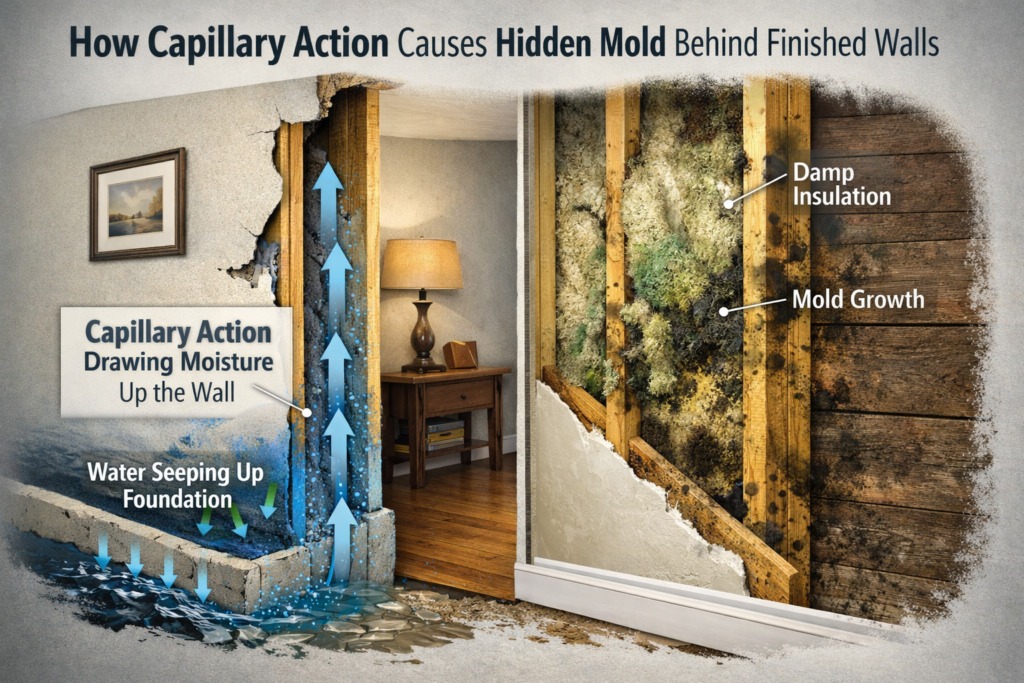
Smooth tile, damp drywall and moldy carpet padding are very different cleanup jobs. A sound, accessible hard surface can be cleaned and then dried completely once the water problem is fixed. Absorbent materials hold moisture and contamination in layers you can’t reach from the surface. The EPA lists the backs of drywall and paneling, the undersides of carpet and padding, and the areas around hidden pipes among the places mold grows, so a neat painted surface tells you little about the damaged material behind it.
| Material or condition | Why it matters | What to do |
|---|---|---|
| Sound, accessible hard surface | Deposits come off the surface | Clean it physically and dry it thoroughly, in a small case with no other complications |
| Moldy carpet, padding or ceiling tile | Absorbent layers are hard to clean completely | Assess for removal or replacement |
| Soft drywall, swollen cabinet board or deteriorated backing | Water damage reaches past the visible finish | Evaluate the material and how far the damage extends behind it before refinishing |
| HVAC interior or material exposed to contaminated water | Handling adds hazards | Get specialized assessment and remediation |
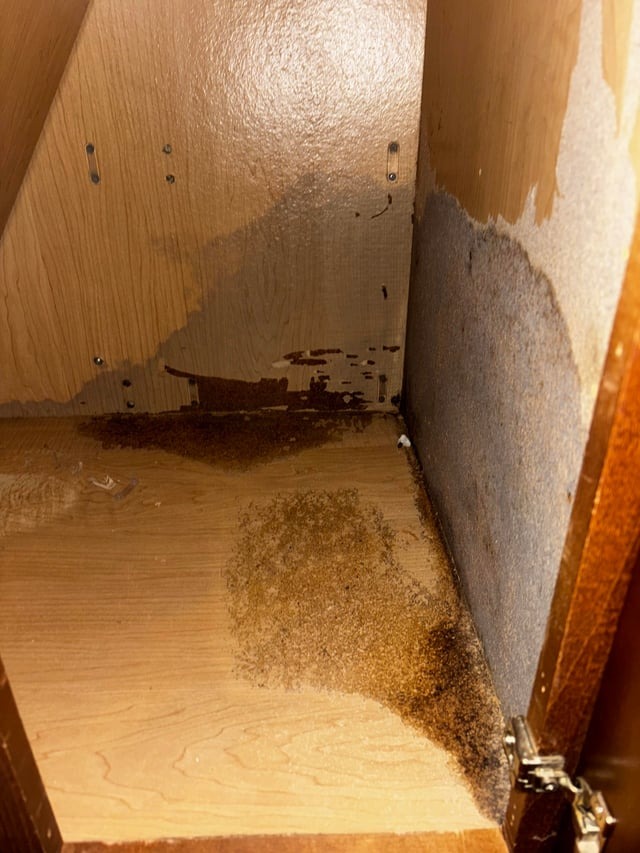
Same thing happened to us, the inspector didn’t catch it even though I brought up weird stains and smells. I also pointed it out to the realtor and got told it’s just some dirt and water stain from plants on the carpet and wood floor. Got told it’s fine.
It was not fine. The counters in the kitchen were plywood with like a laminate sheet and wasn’t sealed properly around the sink so the counters were soft and sagging. There was a leak under the sink on top of all the water that got splashed around the sink soaking in. Had to rip out the entire kitchen, dry wall, and all the flooring. Thank goodness it was a concrete pad. Replaced drywall sections, new kitchen, and lvp and good to go.
It was our fault though for not doing a mold inspection and pushing harder about the smell and weird stains.
Sounds like you got some remodeling to do.
For suspected growth behind a wall, have the damage assessed without disturbing the contaminated material, because opening walls or pulling up large areas can spread contamination and may need qualified personnel.
Why bleach, repeated sprays and paint can leave the problem unsolved
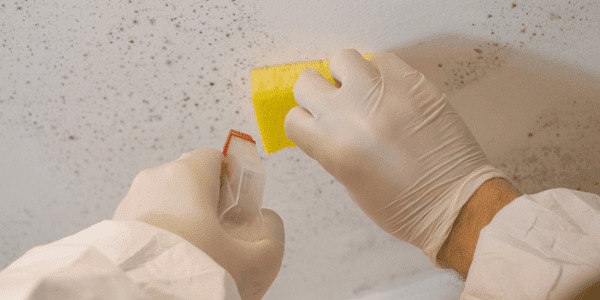
Changing cleaners changes how a spot looks and leaves its moisture untouched.
The EPA does not recommend bleach or other biocides as a routine default treatment for mold. Killing mold isn’t enough when dead mold stays on the surface, because dead mold can still be allergenic. Physical removal and drying are still essential, as the EPA’s bleach guidance explains.
The CDC allows detergent or bleach in some cleanup situations. Never mix bleach with other cleaners, especially ammonia-based products.
Don’t paint or caulk over active mold. The EPA warns that paint on moldy surfaces can peel. Coat the surface only after you’ve fixed the underlying problem and the surface is cleaned and dried.
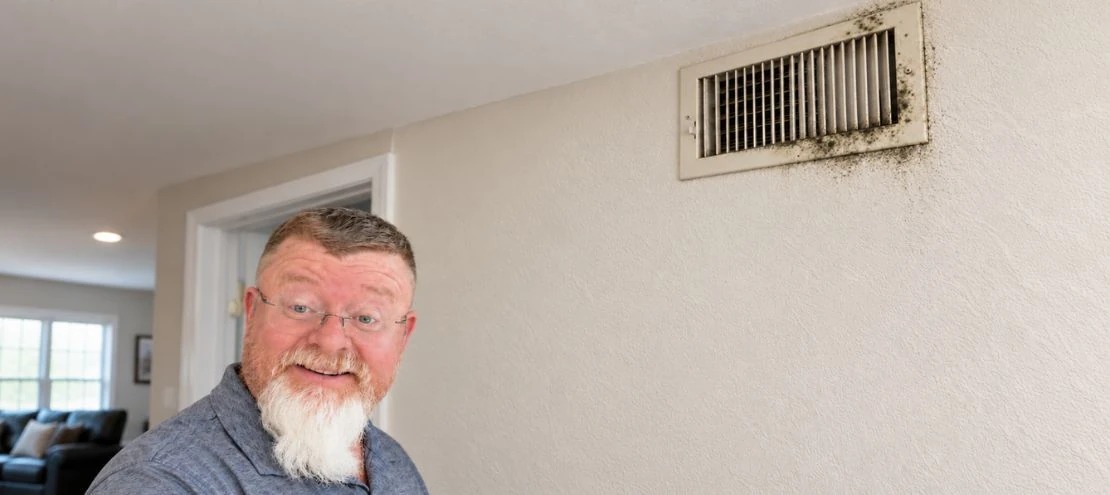
We clean this at least once a month if not more and it just always comes back. I’ll notice one or two little circles and then next thing I know it looks like this. The only way we clean it is to literally close our eyes and cover our mouth and spray bleach cleaner on it which literally falls onto us while we do it so I feel like there has to be a better way?! It just keeps coming back. I even got a broom stick and put a rag soaked in bleach on the tip of it and tried rubbing it off
We live in an apartment btw
Spraying bleach over your head with your eyes shut is unsafe, and a longer reach with a soaked rag doesn’t fix the moisture problem.
Clean it again or call a professional
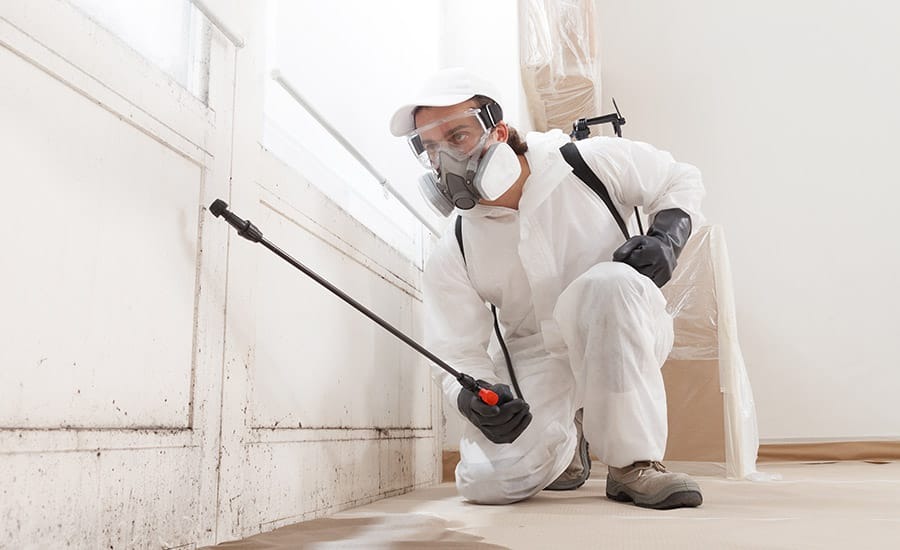
The EPA treats about 10 square feet, roughly a 3 × 3 ft patch, as the guide size for an ordinary mold problem a homeowner can often handle. Size is only the first check.
- Another small cleanup is reasonable when: The area is small and accessible, the surface is sound and suitable for cleaning, you’ve corrected the moisture problem, and no other hazard applies. Clean it and dry it fully.
- Get qualified assessment or remediation when you have: Substantial or recurring water damage, softened porous material, suspected hidden growth, a large area, contaminated water, possible HVAC contamination or an unresolved water source. Depending on the problem, that means a plumber, a building investigator or a remediation professional.
If you know or suspect that the HVAC system itself is contaminated with mold, the EPA advises against running it, because operation could spread mold through the building.
Some people should stay out of mold cleanup entirely. The CDC lists allergies, asthma, COPD, other underlying lung disease and a weakened immune system. If you do the cleanup, the CDC’s mold cleanup guidance calls for at least a NIOSH-approved N95 respirator, protective gloves and goggles. Larger removal needs additional precautions or professional controls.
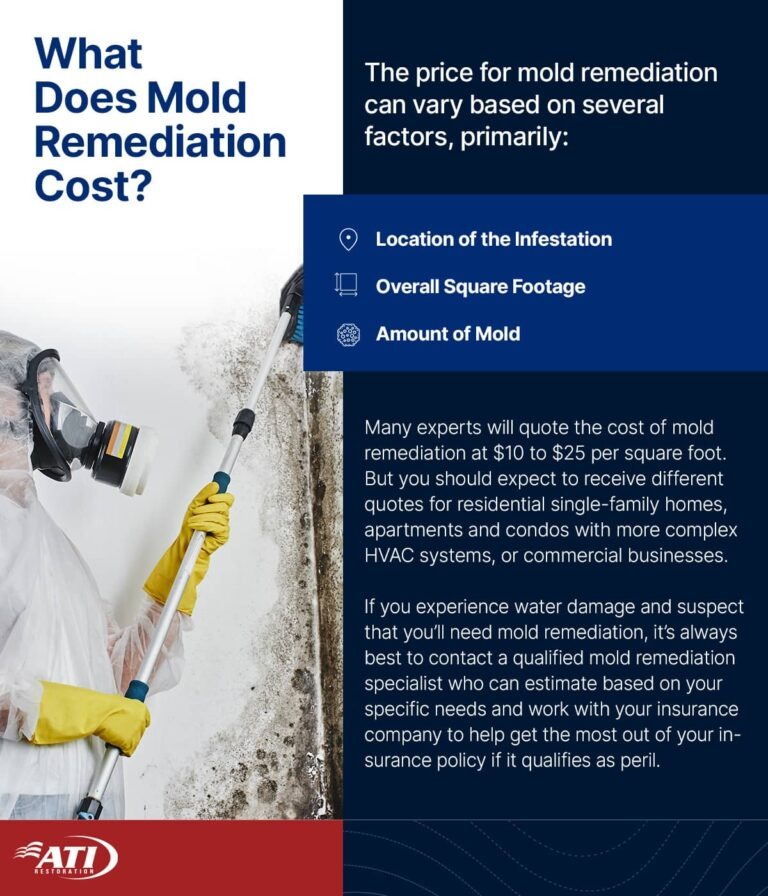
A respirator alone doesn’t make intrusive work, contaminated-water cleanup or large-scale remediation suitable for an inexperienced homeowner. Deal with an active water leak promptly, and have someone qualified for the affected system make the repair.
A qualified remediation professional should be able to explain which materials are affected, how they’ll address the moisture source, what they’ll remove or clean, and how they’ll evaluate the result.
How to tell whether the underlying fix worked
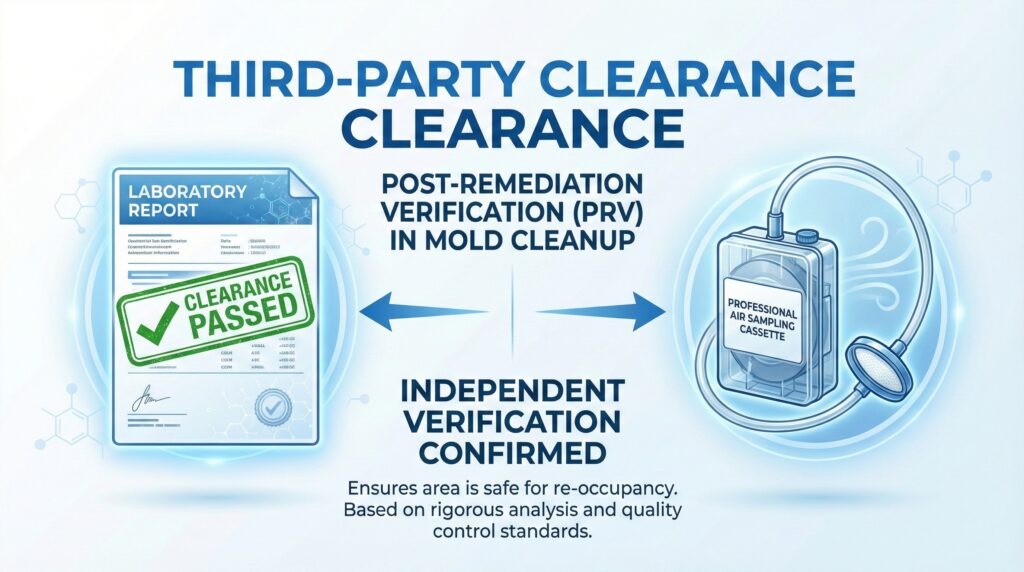
After the correction, check these four things
- Water source: The leak, condensation problem or other moisture source is corrected.
- Damaged material: Cleaning or removal dealt with the actual material, including damaged layers underneath.
- Same conditions: Revisit the area soon after the work and look at the same spot after the events that used to come before the mold, such as showers or rain.
- Physical evidence: No fresh visible growth, new water damage or lingering moldy odor.
If growth or dampness comes back, investigate the source and the damaged materials again, with a qualified assessment where needed.
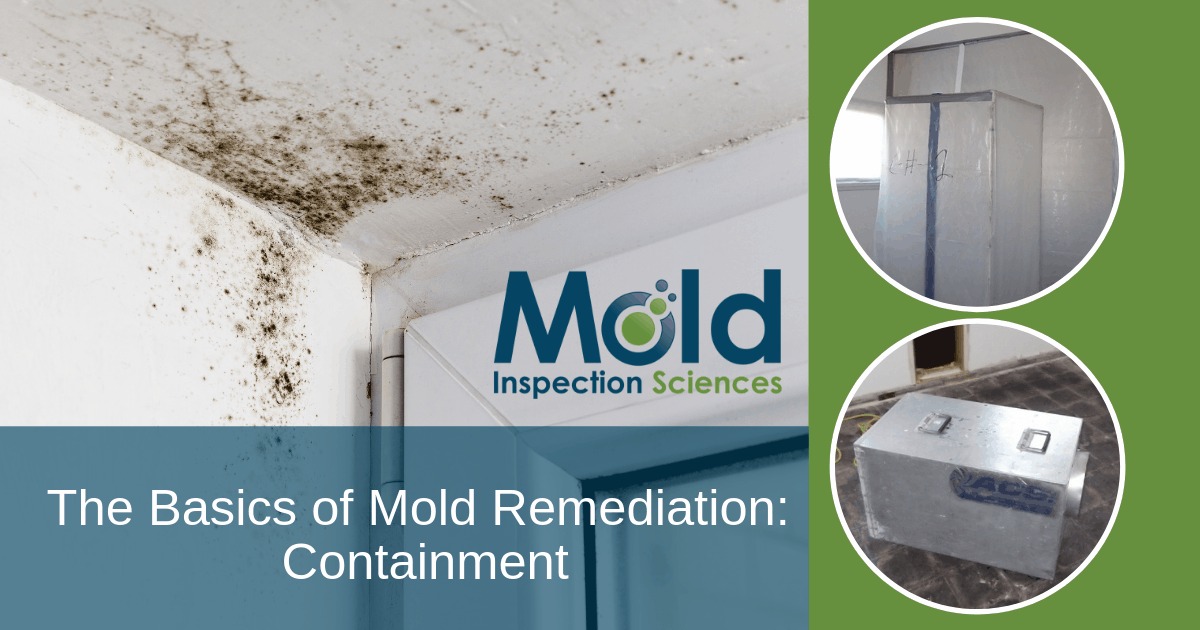
Do you need a mold test to prove it worked?
Routine sampling is usually unnecessary when visible mold already shows that cleanup is needed. The EPA has no federal numerical limit for mold-spore concentrations, so a single air sample can’t serve as a universal pass or fail.
Professional sampling has a role in some investigations, but a result describes conditions only at the time of collection and needs proper interpretation. A negative sample or an acceptable room-humidity reading can’t certify that every hidden area is dry or that a building is medically safe. For humidity targets, see what indoor humidity level helps prevent mold.
If you rent or the mold returns after paid remediation
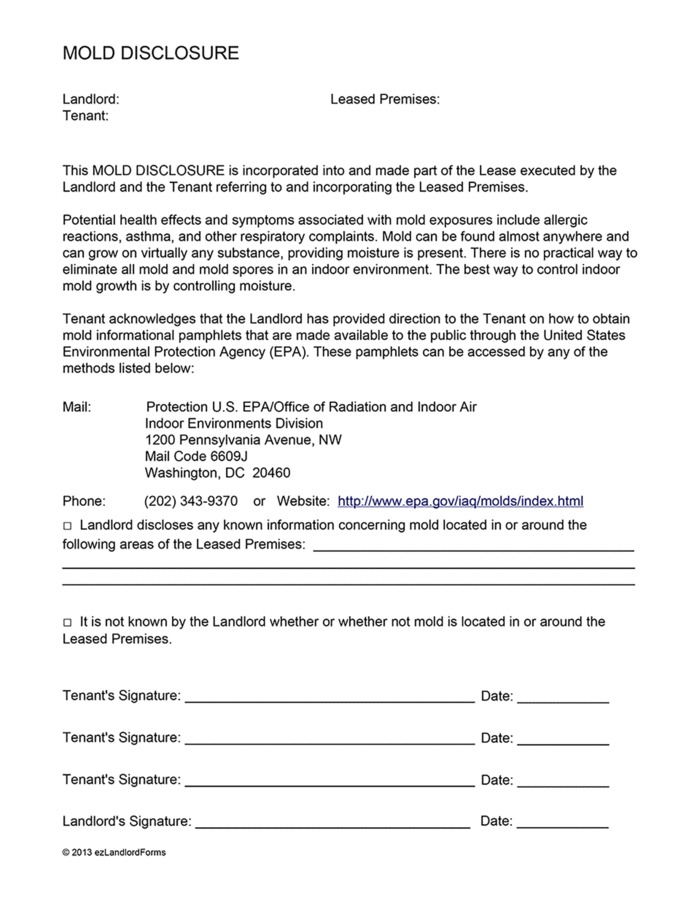
If you rent, report recurring growth and the moisture problem behind it to the building owner or manager promptly. The EPA specifically directs renters to report plumbing leaks and moisture problems. Put it in writing: the location, the dates the mold appeared or returned, any known water events, and what cleaning or repair you’ve already tried. Attach dated photos and any moisture observations.
If mold reappears after professional remediation, check what the work covered. A bill for cleaning or spraying can describe a different service from repairing the moisture source, removing damaged materials and evaluating the finished work. Request the written work description, details of the moisture-source correction, the materials treated or removed, and the post-work findings. Then compare them with the problem you still have.
To stop a repeat, fix leaks and dry water-damaged materials promptly.
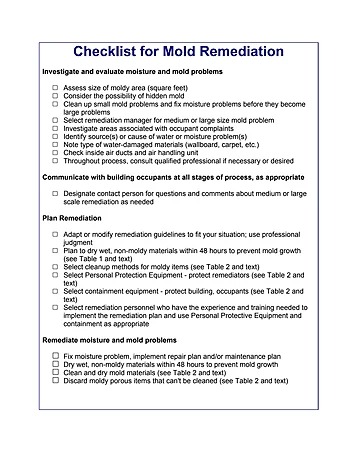
Rental responsibilities, contractor remedies, insurance coverage and reporting procedures vary by location and lease.