How Much Does a Mold Inspection Cost? What the Quote Covers
A mold inspection is worth paying for when you can’t tell where the moisture comes from or how far it spreads, or when a written assessment could change a property decision. You don’t need lab testing just to confirm visible mold. Angi’s October 5, 2026 cost guide puts the average inspection at $689, with a range of $303 to $1,075. Compare itemized written scopes, check your state’s requirements, and settle which extra charges need your approval before you book.
How Much Does a Mold Inspection Cost in the US?
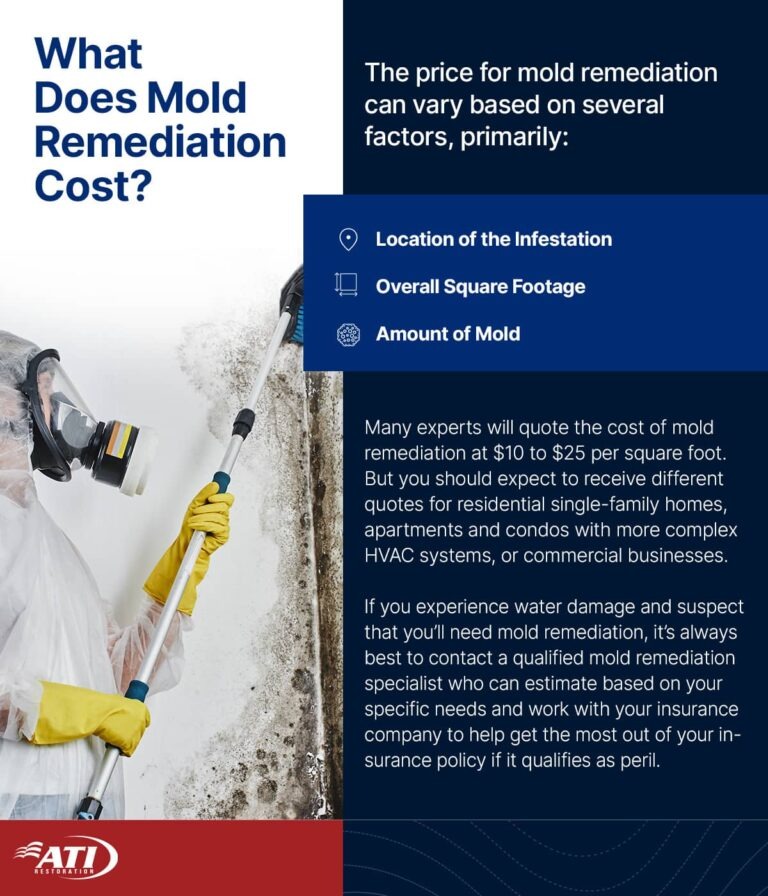
A professional mold inspection often costs several hundred dollars. In a guide updated October 5, 2026, Angi reported a national average of $689 and a range of $303 to $1,075. Angi bases those figures on 7,940 verified Angi Pro projects.
Your fee depends on the property’s size, the number of problem areas, accessibility and the services included.
Published estimates also use different dates and service definitions:
| Published source | Source date | Reported inspection price | Context |
|---|---|---|---|
| Angi | October 5, 2026 | $689 average; $303 to $1,075 range | Marketplace project estimate |
| HomeGuide | September 15, 2023 | $450 average; $300 to $650 range | Older national guide |
| RestoreAdvisor | July 11, 2026 | $300 to $700 typical; $400 to $800 with sampling; $700 to $1,200+ for complex cases | Price categories by scope |
| GPMI | 2026 provider article | $150 to $500 basic; $250 to $700 with testing; $400 to $1,200 comprehensive | Southern California providers |
What Does a Mold Inspection Include?
A useful mold inspection investigates the conditions that support mold growth. The scope should name the rooms and materials examined, the evidence the inspector will document, and the locations the visit can’t cover.
Depending on the agreed service, the investigation includes:
- Water-damage history: Previous plumbing leaks, roof problems, condensation, recurring dampness or repairs that did not hold.
- Visual examination: Accessible surfaces, stains, visible growth and signs of water intrusion.
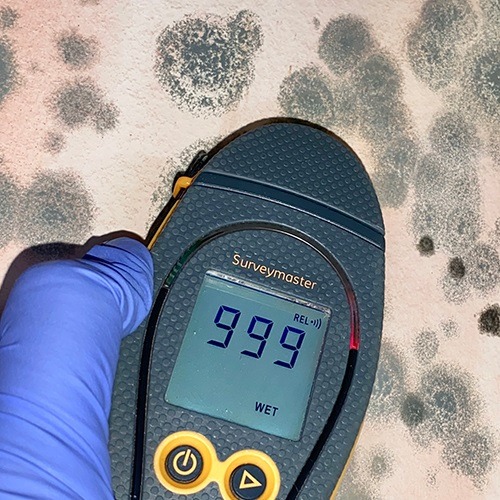
- Moisture measurements: Readings that help locate damp materials and hidden water problems.
- Photographs and notes: Location-specific records of the findings.
- Additional methods: Thermal imaging or targeted sampling when the situation gives them a defined purpose.
Thermal imaging shows temperature patterns that deserve investigation. It cannot identify a mold species. The EPA’s mold investigation course discusses moisture meters and other methods for examining suspected moisture problems.
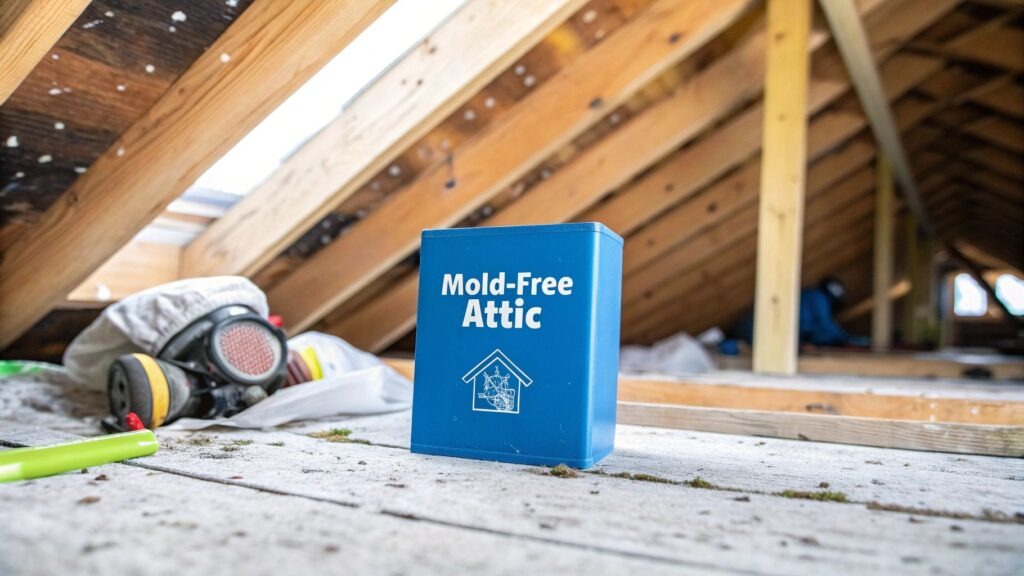
An inspector can only report on what they can reach. A visit limited to finished rooms may exclude attic entry, crawlspaces, HVAC equipment, wall cavities and the underside of flooring. A nondestructive inspection cannot show that inaccessible materials are free of mold. Opening a concealed area can also disturb contamination and calls for a trained professional.
My favorite was when the estimator poked his head into the access panel of both attic areas, and immediately found evidence of mold, in the suspected location, over 15 feet across the attic. He did the same thing with the larger attic area that probably spans over 800 sq feet. He used his mold sniffing superpower, and bionic eyes to find all of the mold in my attic space, without even stepping foot inside of the attic.
Maybe I’m just dumb, so ELI5 how that it’s possible to do a proper visual inspection of something damn near microscopic, from several feet away. How can you gauge an entire attic area, without entering said attic? Oh yeah, he also provided me with a quote within two minutes of finishing his evaluation. No measurements were taken and failed to show me a single piece of evidence.
Long story short, estimates were all over the place. Every estimator found a different cause for the mold (if they said anything about the cause at all). And every estimator recommended a different type of remediation. So do yourself a favor, get a bunch of estimates. Pick the one that satisfies the requirements on your inspection response. My estimates ranged from $1,400 to $3,100.
Match the included rooms, methods and exclusions to where the problem is.
Do You Need an Inspection, Lab Testing, or Neither?

Visible mold already tells you the moisture problem needs attention. The EPA’s sampling guidance says sampling is usually unnecessary in that case.
Three services answer different questions:
- Inspection or assessment: Where are the problem conditions, and what is causing the moisture?
- Sampling and laboratory analysis: What does a sample show about one specific technical question?
- Remediation: What cleanup, material removal or repairs does the problem need?
For a small visible patch beside a shower, species identification usually leaves the cleanup decision unchanged. If you can reach the patch, the moisture cause is clear and you need no independent documentation, a paid inspection adds little. A ceiling that gets wet after every rain is a different job: you need to find the moisture source and assess the affected materials. That investigation matters even when no mold shows on the day of the visit.
Before you book, get the scope in writing and check it against what a useful inspection report and quote should contain.
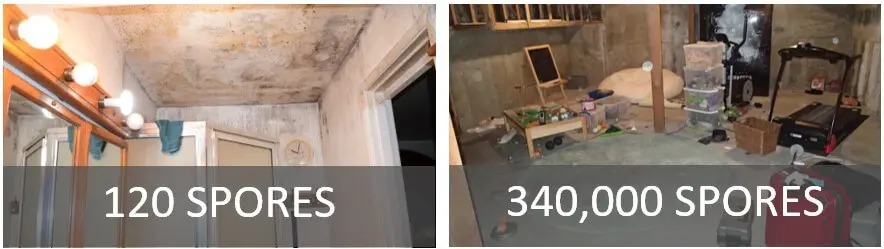
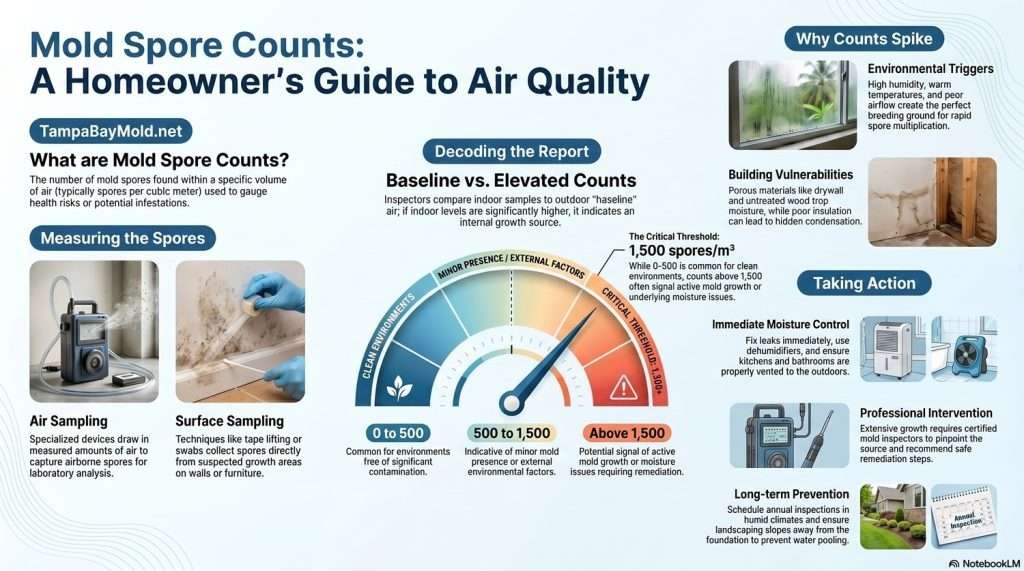
CDC/NIOSH does not recommend routine air sampling and cautions that short-term samples may not represent actual exposure. The EPA sets no federal mold concentration threshold that makes an indoor spore count safe or compliant. A species name or an indoor/outdoor comparison is not an individual medical diagnosis.
Sampling makes sense for a defined professional, technical or contractual purpose. A property transaction, for example, might require documentation beyond a visual assessment.
Before you agree to an extra lab test, ask what would change if the result came back higher, lower or inconclusive. If nothing changes, question the test.
Why the Final Bill Can Exceed the Base Fee
The quoted visit fee may be only the first charge. Inspectors either bundle samples, laboratory analysis and reporting into one package or price them separately.
HomeGuide’s September 15, 2023 cost guide lists these estimated laboratory sample charges:
| Sample or testing category | Published price estimate |
|---|---|
| General per-test range | $50 to $350 |
| Air sample | $100 to $300 |
| Surface sample | $50 to $200 |
| Bulk-material sample | $100 to $350 |
These estimates are dated, and actual lab and contract charges differ. The number of samples and whether analysis is included matter as much as the unit price.
Add up your initial cost: Base visit fee + separately billed samples (number of samples × stated unit price) + any separately billed laboratory analysis, written report, travel, additional access or rush service.
Use the contract’s actual inclusions. A bundled laboratory or reporting fee counts once.
The cost of the inspection was $650 and the cost per sample was $125. With the samples we chose to do it ended up being $2900 total. We had to decline probably upwards of 20 samples because we just couldn’t afford to do all of them It’s a really big home somewhere between 3100 and 3500 square feet I think.
They asked me to give them a call back once I had a chance to look over the report so we could go over the next steps and basically those next steps would be for them to write a remediation protocol for us to then take to a remediation company which would cost $3,346 due to the size of the home and after that we’d do the actual remediation then they would come out to do a post-remediation inspection which, with sampling, he said would cost about $6,000.
On top of that of course is the cost of the actual remediation which he said because there are 16 areas in the home that need remediated could be up to $50,000 which honestly I was expecting because of how bad extensive it is.
Ask for an itemized fee schedule that lists included samples, additional-sample prices, laboratory and report charges, and when added work needs your approval.
What a Useful Inspection Report Should Tell You
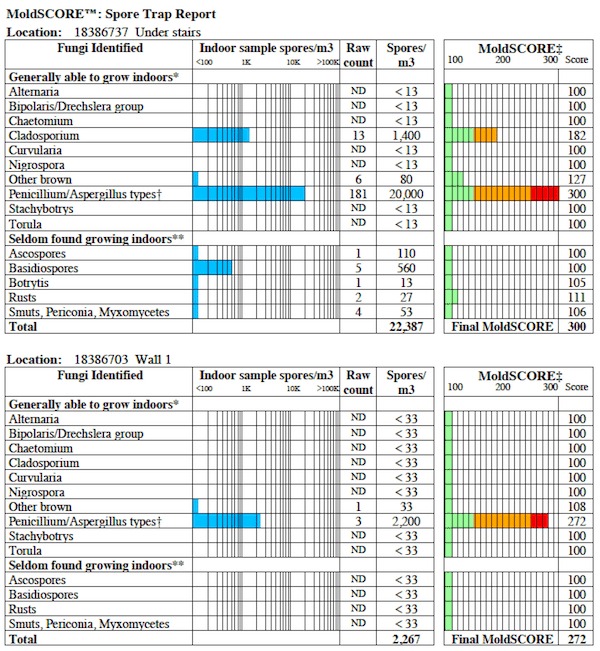
A useful report connects the conditions observed at specific locations to the likely moisture problem and the recommended next action. A long document full of sample numbers can still leave you unsure what to do.
The written report should identify:
- Inspected areas: Rooms, accessible cavities and building materials examined.
- Observed evidence: Moisture readings, visible conditions, photographs and where each was recorded.
- Likely water source: The reasoning behind it and what remains uncertain.
- Inspection limits: Areas the inspector could not reach and methods not used.
- Sample interpretation: If testing was done, what was sampled and why the result affects your decision about the building.
- Recommended work: Whether to investigate further, fix a leak, repair damaged materials or get a specific remediation scope.
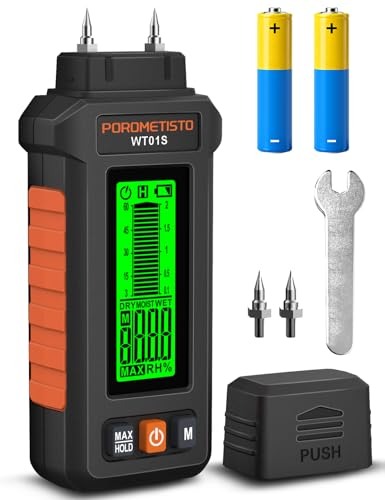
For a ceiling hit by recurring rainwater, a good report identifies the wet area, documents the moisture evidence, describes the likely entry point and recommends the next investigation before repairs.
I bought a new condo as a new homeowner back in 2022, and struggled with water leak issues from 2023 – 2024 along the ceiling of one of the bedrooms which seemed to occur with heavy rain and wind. The builders had a hard time identifying the source with three separate instances of them ‘finding’ the source, removing and replacing the affected drywall, only for the cycle to repeat upon there being recurrent leaks despite their efforts to ‘identify and fix’ it.
At one point, there were black spots along the soffit, likely mold, which I was able to remove after using concrobium spray.
I got worried due to the continued water damage to my room (there was a period of time where there was constant water droplets around the ceiling while waiting for the unit owner’s balcony above me to be inspected) and paid for mold inspection which was done via air sampling as the inspector didn’t see any physical mold spots to sample. (Keep in mind this was after I removed the black patches with concrobium spray).
I got emailed the inspection report and mold remediation protocol a few days later, and was told that the builders first needed to identify and fix the leak source before beginning remediation.
The report showed elevated counts of ‘Aspergillus/Penicillium’ compared to the outside control. When I asked the inspector if the count detected was concerning, he replied ‘The amount is not concerning at all! It is typical to indoor air quality’ but still recommended formal mold remediation after the leak source was detected/fixed.
The leak history and damaged materials likely drove that recommendation, not the air sample. A good report says so.
How to Check an Inspector’s Qualifications and Independence
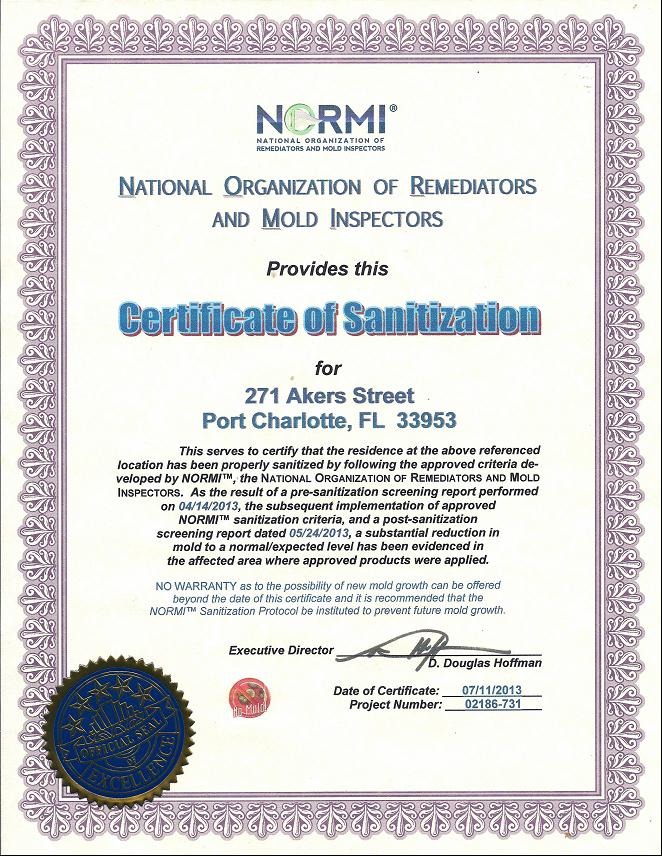
Who does the inspection, and whether they also sell remediation, affects how far you can trust the report. The Environmental Protection Agency does not certify mold inspectors or mold-remediation companies, so don’t confuse a claimed EPA certification with actual state licensing or private credentials.
State requirements vary. New York licenses mold assessment and remediation separately for covered work.
In Texas, the Department of Licensing and Regulation oversees covered mold assessment activities, including rules on assessment protocols and certain same-project relationships between assessors and remediators.
A company that only tests and a separate company that removes the mold have different incentives from one business proposing both. A low-cost or free visit may be an estimate for a future remediation job, with different deliverables from a paid diagnostic assessment.
If the same people that do the mold tests are the same people who get rid of the mold for you, how do I know they’re being honest about my situation and what is needed?
I don’t smell anything musty or anything like that. I had some tiny dots of mold on the ceiling around my fart fan in one bathroom, which I think was just a ventilation problem in there. I now shower with the window open, and they haven’t come back after cleaning with bleach. Though it has only been two weeks.
The home test kits aren’t reliable enough. I want the best test possible, but I don’t want to worry that it’s bullshit. Help.

If laboratory analysis is part of the work, AIHA-LAP’s EMLAP program addresses accreditation for relevant environmental microbiology methods. A lab’s accredited scope is separate from an inspector’s credentials.
Which Costs Come After the Initial Inspection?
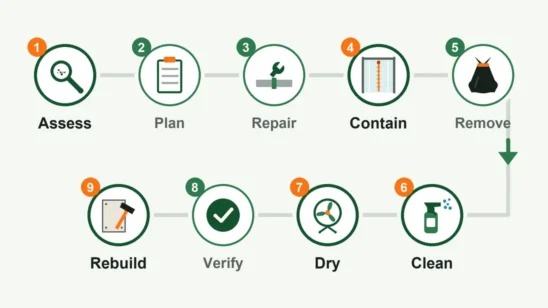
The initial inspection can lead to separate services, each with its own fee. Where one ends and the next begins depends on the contract and, in some jurisdictions, the rules for covered work.
| Service stage | Purpose | How it relates to the initial fee |
|---|---|---|
| Initial inspection | Investigate suspected moisture and mold conditions | Base assessment or visit fee |
| Laboratory analysis | Analyze collected samples when justified | Included in a package or separately billed |
| Remediation protocol | Define the recommended remediation scope where applicable | May be a separate written service |
| Remediation and repairs | Address affected materials and underlying moisture conditions | Separate contractor proposal |
| Post-remediation verification | Evaluate specified work after remediation | May involve a later visit and separate fee |
Who Pays During a Sale or Rental Dispute?
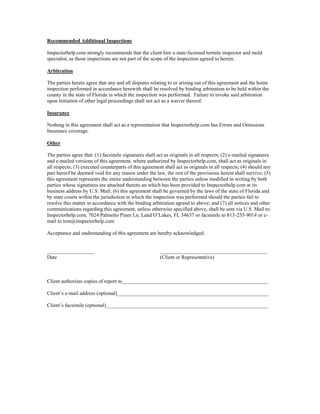
Payment for the inspection depends on the purchase contract, inspection contingency, rental agreement, local law and who ordered the work. Remediation costs may be settled separately. Read the agreement before you order anything.
How to Compare Two Quotes Before Booking
Two quotes are comparable only when they cover the same problem and describe equivalent access, methods and written reports. The headline fee means little until those differences are clear.
Take two hypothetical proposals. Inspector A covers accessible living spaces and a written report. Inspector B includes targeted laboratory sampling and charges extra for attic access. If the problem is in the attic, the access terms matter more than the number of samples.
Compare what each quote includes for access, sampling and the written report. If a remediation quote follows, the same line-by-line check applies; see mold remediation costs and scope.
Use the worksheet below to compare the agreed work and the maximum initial amount you approve.
| What to compare | Inspector A | Inspector B |
|---|---|---|
| Problem and rooms covered | __________ | __________ |
| Attic, crawlspace, HVAC access and exclusions | __________ | __________ |
| Visual, moisture and other inspection methods | __________ | __________ |
| Samples included, types and additional per-sample price | __________ | __________ |
| Laboratory analysis included or extra | __________ | __________ |
| Written report, interpretation and delivery terms | __________ | __________ |
| Applicable credentials and remediation relationship | __________ | __________ |
| Protocol and post-remediation services: included or separate | __________ | __________ |
| Additional travel, access, return or rush charges | __________ | __________ |
| Total price you approve, and how extras get approved | __________ | __________ |
A narrower scope can be reasonable when it covers the conditions you’re dealing with. If the excluded area is where the leak may be, that quote falls short. Compare line items in remediation quotes to see where a narrower scope leaves a gap.