
Can Air Purifiers Remove Mold? What HEPA Can and Can’t Do
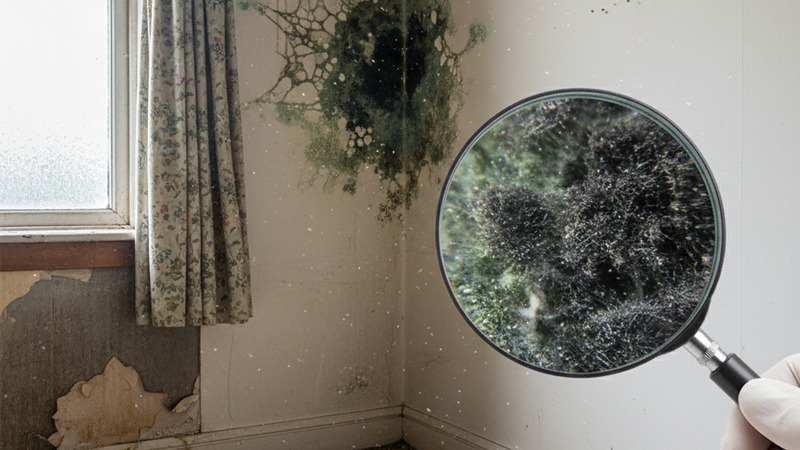
A properly sized HEPA air purifier reduces mold spores and other particles floating in the air. It cannot remove mold growing on walls, carpet, or other damp materials, and it cannot fix the moisture feeding that growth. If mold is active or the dampness persists, fix the source and clean up first. After that, filtration helps with the particles still circulating.
HEPA vacuuming also has a role in cleanup, particularly when settled dust remains after the source has been addressed.
Can an Air Purifier Remove Mold?
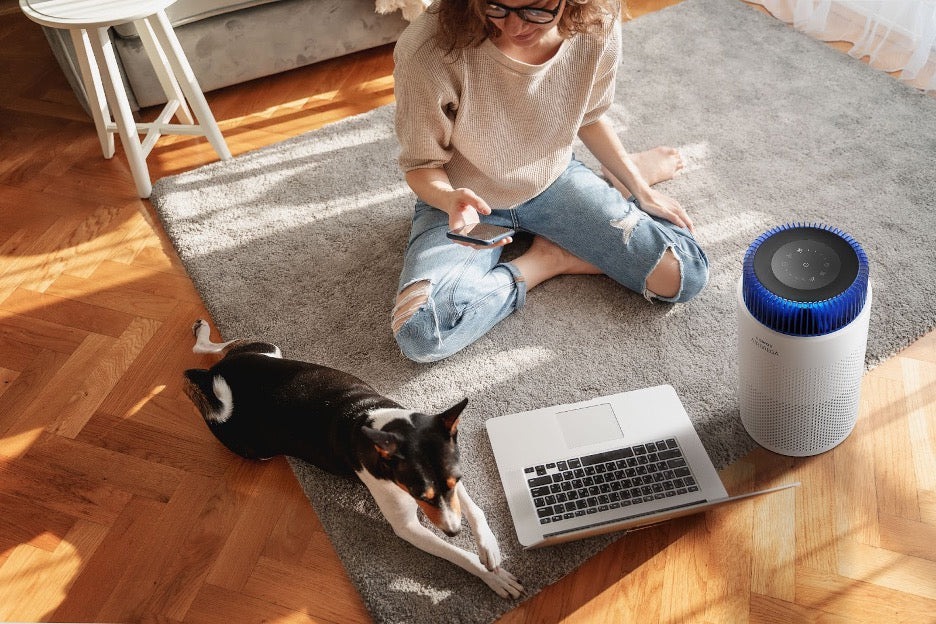
An air purifier pulls room air through a filter, which traps some of the particles in it. Airborne mold spores are among them. A colony growing on damp drywall, behind baseboards, or inside a carpet stays where it is. The EPA’s Guide to Air Cleaners in the Home says air cleaners can reduce mold-generated particles, while the building’s moisture and mold growth need direct attention.
When a Purifier Helps and When the Source Needs Attention
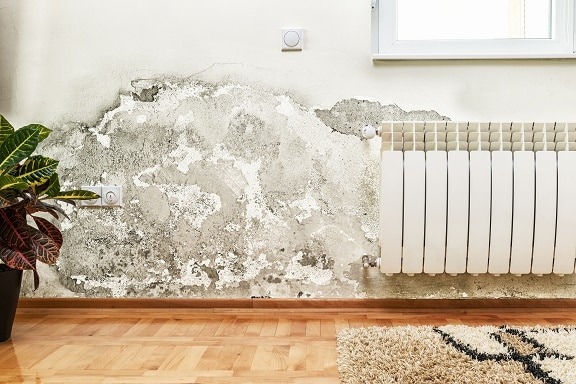
A spreading water stain, visible mold or a recurring leak points to a problem beyond airborne particles. The line between a DIY cleanup and a professional job depends on the affected area, the water source and the materials involved.
| What you find | First priority | Where an air purifier fits |
|---|---|---|
| Visible mold with a damp wall or ongoing leak | Fix the water source and clean up | Extra particle filtering |
| Musty smell with no located source | Check for leaks, condensation and hidden growth | Optional, while you track down the source |
| Leak repaired and affected materials cleaned | Confirm the moisture and cleanup work are done | Added filtering if airborne particles still worry you |
| Excess indoor humidity without confirmed growth | Improve humidity control and ventilation | Useful only for a separate particle-removal need |
A humidity reading describes the room air. It cannot tell you whether water is entering one section of a wall. EPA recommends keeping indoor relative humidity below 60%, ideally between 30% and 50%. Persistent condensation and localized wetting need investigation even when the room humidity monitor looks normal.
So I need an air purifier for a mould smell? It’s at a country house so mould is kinda present behind a wall I can not access, this is a large bedroom.
It would be great if I could also use it at my city flat (90sq meters) with 3 cats during the winter months.
– No1 need: removing mould smell
– must be quiet and odourless
Thanks!
Mold behind a wall you can’t reach needs a closer look first: see investigating hidden mold.
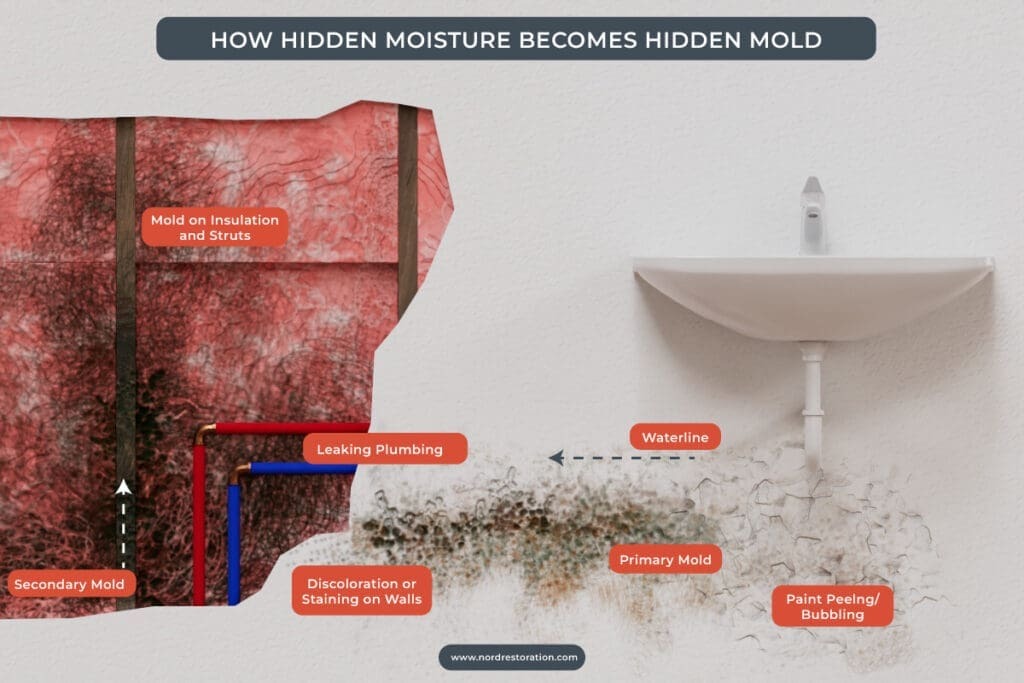
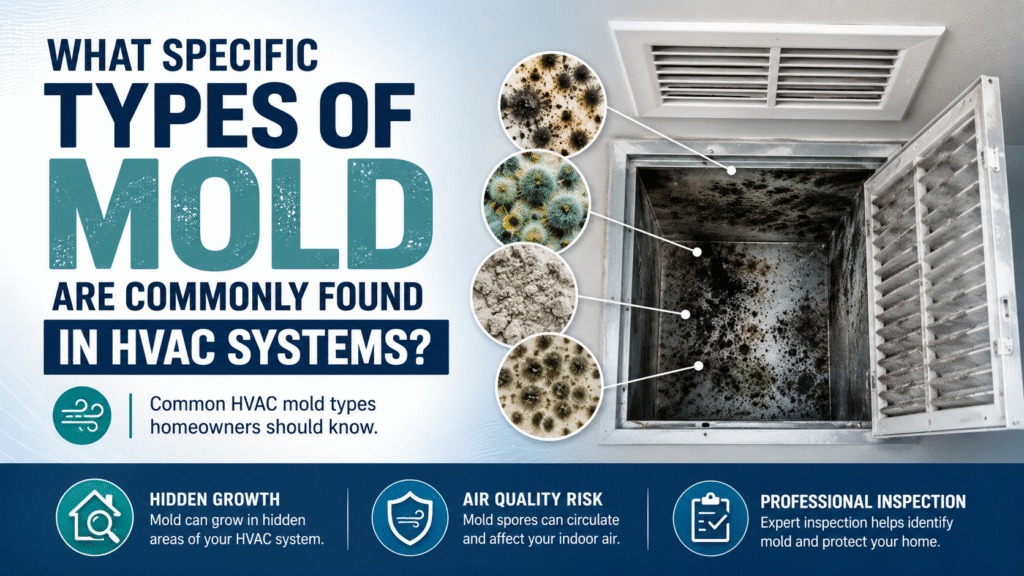
Significant water damage, extensive or concealed growth, and suspected HVAC contamination call for a professional assessment. In those cases, ask whether professional mold remediation makes sense.
CDC advises that people with asthma or chronic lung disease, immune suppression, and certain other vulnerabilities should not take part in mold cleanup. A household purifier does not make an unsafe cleanup or a severely mold-damaged environment safe for them.
What HEPA Does to Mold Spores
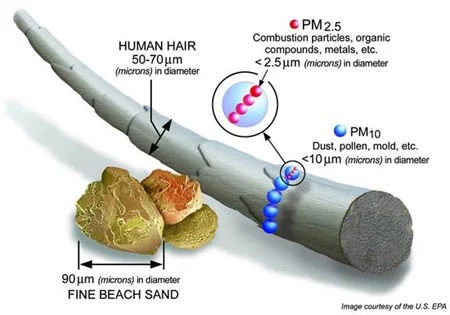
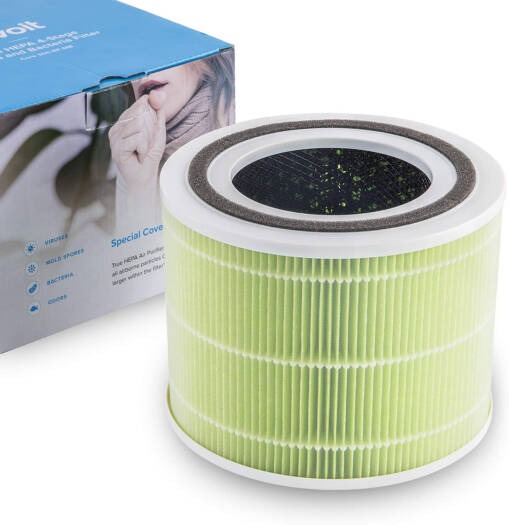
HEPA stands for high-efficiency particulate air. EPA describes HEPA filters as capturing at least 99.97% of airborne particles at 0.3 micrometers under the specified filter-performance conditions. That size is particularly demanding for a filter.
The 99.97% figure describes the filter itself. Room concentrations also depend on how much air passes through the device, how well the air circulates, the ongoing particle sources, and how long the unit runs. A HEPA label does not guarantee a 99.97% reduction in airborne mold throughout a house. When the growth is spreading or the dampness keeps returning, a purifier is not the fix, and it is time to decide whether mold removal needs a professional.
In Hashimoto and Kawakami’s 2018 study, researchers ran a HEPA purifier in six houses in Japan. Airborne fungal concentrations fell 1.5 to 6 times faster with the purifier on than off. After 15 minutes, the equivalent clean-air change rates were 2.9 to 5.4 per hour under the experimental conditions.
An earlier residential study by Cheong and colleagues in Perth, Australia, found about 35% lower airborne fungal concentrations and 38% lower particulate concentrations in homes with filtration. The investigators noted that changes in spore dissemination could also have contributed.
Both studies measured airborne concentrations under particular conditions. Neither showed removal of established colonies from building materials or a specific health outcome in every home.
HEPA, Carbon, Ozone and Dehumidifiers Have Different Jobs
A musty smell can remain after airborne particle concentrations have dropped. HEPA captures particles passing through the filter. Many odors come from gaseous compounds, which need a different removal method.
Activated carbon can capture some gases and odors when its composition, quantity, contact time and operating conditions are right. EPA notes that particle clean air delivery rate is not a standardized measure of gas removal. A thin carbon layer and a substantial carbon bed do not control odors equally.
| Approach | Airborne particles | Some gases and odors | Room moisture | Existing mold growth |
|---|---|---|---|---|
| HEPA air purifier | Captures particles passing through the filter | Needs separate gas-removal media | No direct control | No |
| Purifier with activated carbon | Depends on its particle filter | Can reduce some gases and odors | No direct control | No |
| Dehumidifier | Not equivalent to HEPA filtration | Not its main function | Reduces airborne humidity | No |
| Mold cleanup | Removes growth that may release particles | Can eliminate an associated source of odor | Needs separate moisture correction | Removes the targeted contamination when done well |
| Leak repair and moisture correction | Reduces conditions supporting future growth | No direct gas filtration | Fixes the specific wetting source | Existing contamination still needs cleanup |
If humidity is the problem, start with humidity control.
hello all. I purchased an airmega 400 and a levoit everestair purifier and am happy with results for both overall, but within a few weeks we started getting an off almost sour type smell. we can air them out and reduce it for a few days, it seems to come and go, sometimes the whole room smells like it and I have to open windows.
we have had many brands of purifier before and not experienced this the only thing I can think is these are our first purifiers with pelleted carbon each with a pound or a little more rather than those fabric sheets. our humidity it typically low 40s, occasionally spikes higher, we run a humidifier in winter and dehumidifier in summer, we use minimal scents in our home. no candles, sprays, plug inside, free and clear detergents.
we do have pets but frequently bathe, wash all out bedding, blankets, their beds weekly to reduce allergens. any ideas or suggestions? should we go back to a purifier with no carbon or something with even more carbon? Is it something unrelated? I don’t know of a voc issue in our home and I’m sensitive to smells so we really don’t use much scented anything in our home and we were just trying to reduce allergens (particulates) further. The smell goes away if we run purifiers without filters.
Edit to note while the smell bothers me, my other half doesn’t really notice it much if at all. Also to note this smell was not from the start but developed after a few weeks.
Running the purifier without its filters is not a remedy.
UV, ionization, photocatalytic oxidation and proprietary particle-destruction systems need independent evidence from real operating conditions, since a manufacturer’s lab demonstration says nothing about remediating mold growth inside a building.
Avoid deliberate ozone generation as a household mold treatment. The EPA’s guidance on ozone generators explains the respiratory risks and limitations of ozone-based air cleaning.
California’s Air Resources Board (CARB) certification program includes electrical-safety requirements and ozone-emission testing for electronic air-cleaning devices, which must meet a 0.050 ppm emissions criterion.
How to Size an Air Purifier for the Room
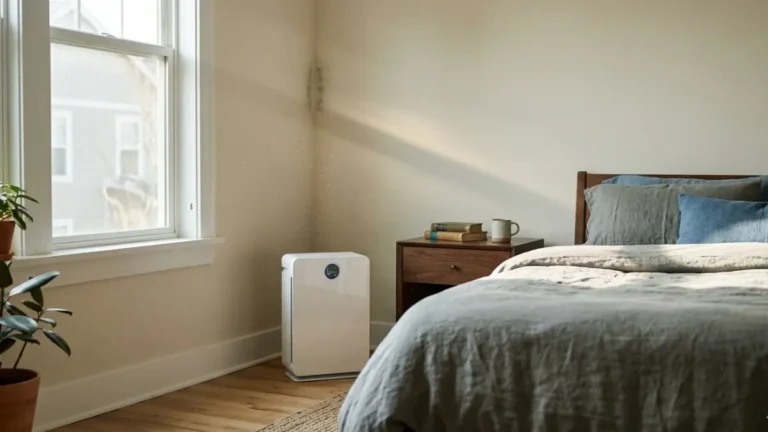
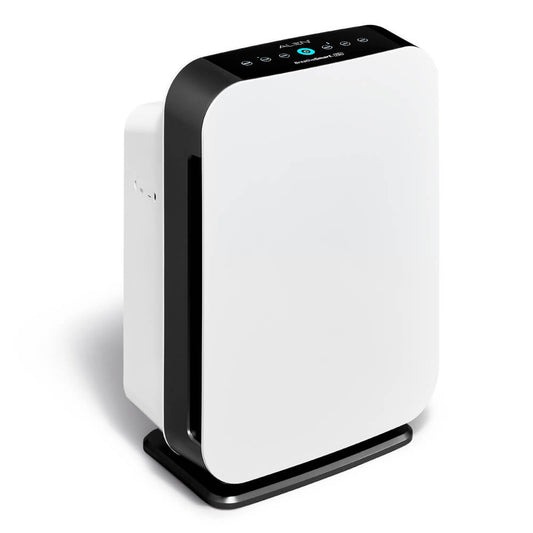
Start with the room’s floor area, then compare it with the purifier’s published smoke clean air delivery rate, or CADR. CADR is the volume of cleaned air the unit delivers, usually expressed in cubic feet per minute (cfm). Separate ratings may be published for smoke, dust and pollen.
AHAM Verifide recommends a smoke CADR of at least two-thirds of the room’s square footage as a starting point for a room with an 8-foot ceiling.
For example, a bedroom measuring 10 feet by 12 feet has 120 square feet of floor area:
120 × (2 ÷ 3) = 80 cfm
EPA also gives these approximate particle-CADR sizing examples for 8-foot ceilings.
| Room floor area | EPA estimated minimum CADR |
|---|---|
| 100 ft² | 65 cfm |
| 200 ft² | 130 cfm |
| 300 ft² | 195 cfm |
| 400 ft² | 260 cfm |
| 500 ft² | 325 cfm |
| 600 ft² | 390 cfm |
These estimates match the two-thirds rule, allowing for rounding. Taller ceilings and connected rooms have more air to process, so adjust the floor-area calculation.
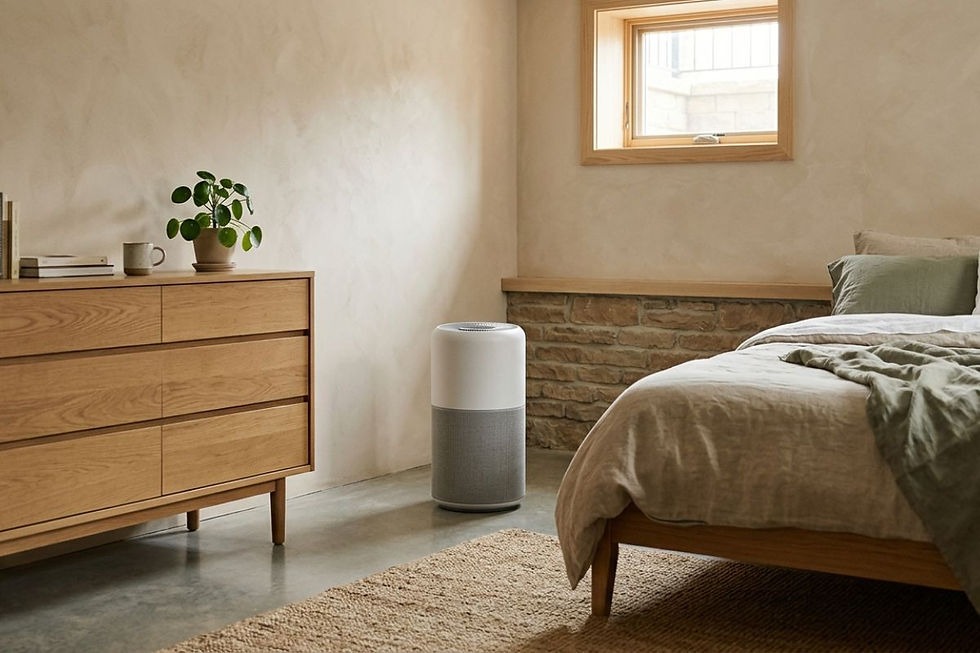
Maximum airflow may need a fan speed too loud for a bedroom, and a quieter setting cleans less air.
Before buying, check these three things:
- Noise: Pick a unit you can run daily without the noise bothering you.
- Filter upkeep: Check the replacement-filter type, availability, price and the manufacturer’s maintenance instructions.
- Placement: Put the cleaner where people spend time, and keep air inlets and outlets clear of curtains, furniture and other obstructions.
Is an Air Purifier Useful After Mold Remediation?
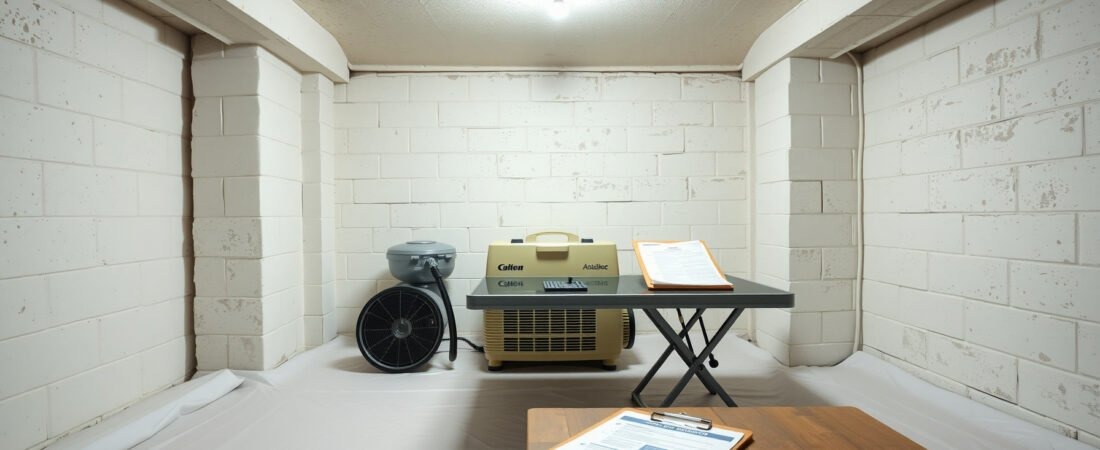
After you fix the leak and clean or remove the damaged material, a purifier can filter the particles still in the air. Residential HEPA studies support lower airborne fungal concentrations but were not designed to establish professional remediation clearance. Professional remediation can involve engineered containment and specialized negative-air equipment, and a household purifier serves a different purpose. A purifier does not lower humidity. That is a dehumidifier’s job, and dehumidifiers have limits of their own against mold.
Before you rely on filtration, confirm the moisture source was fixed, the affected materials were dealt with, and no visible growth or dampness has returned. If the record is incomplete or signs recur, get post-remediation verification that matches the work performed.
Can a PM2.5 Sensor Tell You Whether Mold Is Gone?
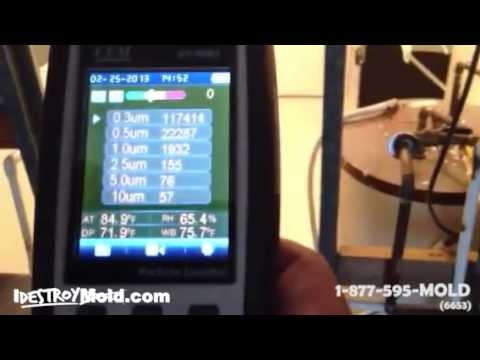
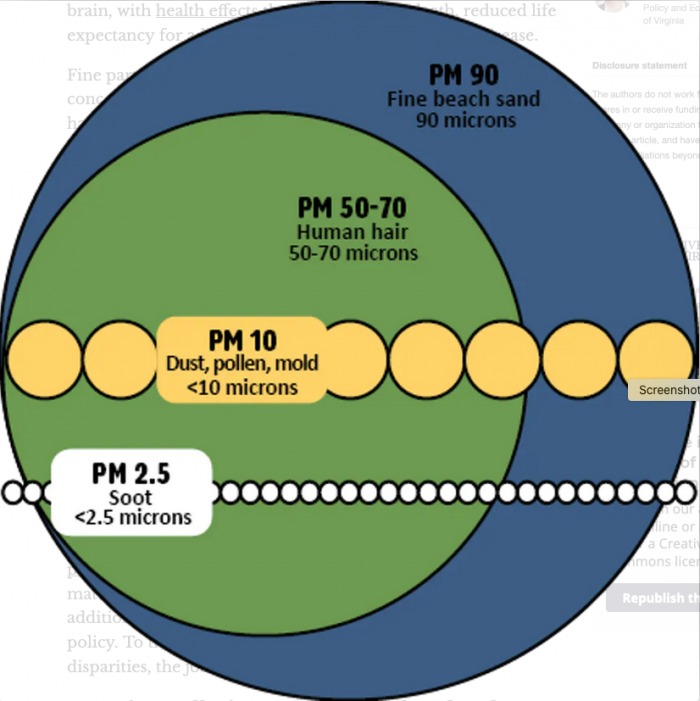
PM2.5 means airborne particles with an aerodynamic diameter of about 2.5 micrometers or less. A PM2.5 monitor reports on fine particulate matter within the instrument’s measurement limits. It cannot identify individual fungal species, locate hidden colonies or certify that remediation is complete.
Had very bad experience with Winix Zero, the problem was their HEPA filter (it was original, sealed and new, looked perfectly ok); it cleaned pm2.5 very well (according to airthings monitor), but it had this strange unpleasant smell (like bitterly, chemical, unnatural) that made me return it; I’ve been using it for around 30 hours (around 4 days, 8h each) and it didnt offgass for this long; note im sure the problem was the HEPA filter cause when i run the device without filters (just pre-filter) there was no smell
obviously buing air purifier i want my air to feel fresh; the main test of purifier efficiency is my nose and not pm2.5 measurement device
so my questions:
1. Do all purifiers (or their hepa filters) have strange smell since they are new?
2. what is the reasonable time expectation for this smell to disapper/offgass? are there some methods of shortening this time like e.g keeping the filter outside for particular time?
3. is there particular brand of purifiers or brand of filter replacements that have good track record/guarantee of not having such issues?
Check whether your purifier’s display tracks fine particles, a gas estimate or humidity, since each describes a different property of the room air.
What if the Purifier Starts Smelling Musty?
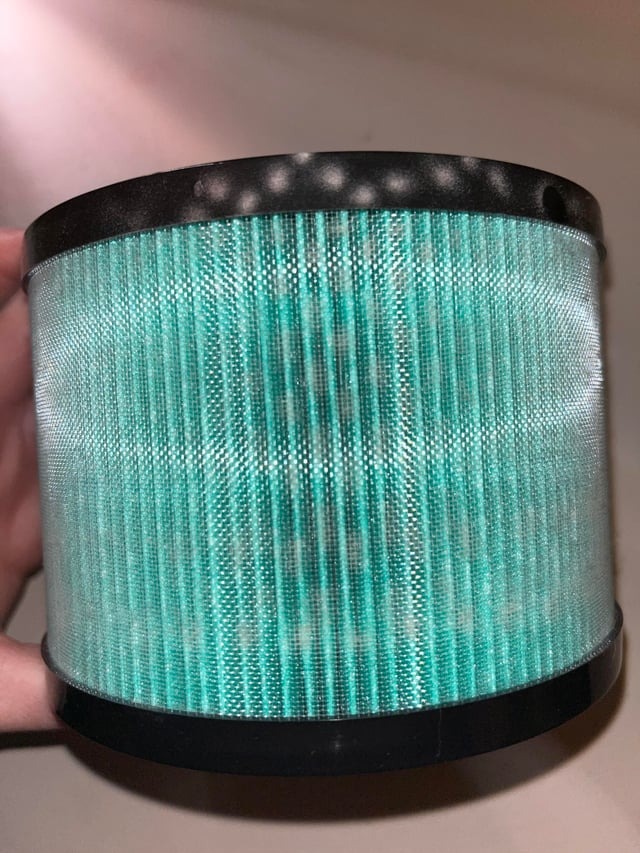
An unusual smell during operation can come from the appliance, its filters, or the room.
A Coway Airmega owner reported a musty smell that persisted after cleaning an accessible screen.
Try these steps in order:
- Identify when the odor appears. Check whether the smell is in the room even when the purifier is off, or only when the unit runs.
- Follow the appliance manual. Inspect user-accessible prefilters, approved cleaning points and replacement-filter schedules.
- Address persistent internal odors safely. If permitted maintenance and replacement do not fix it, contact the manufacturer or a service provider. Do not spray unapproved cleaners inside the appliance or open electrical assemblies.
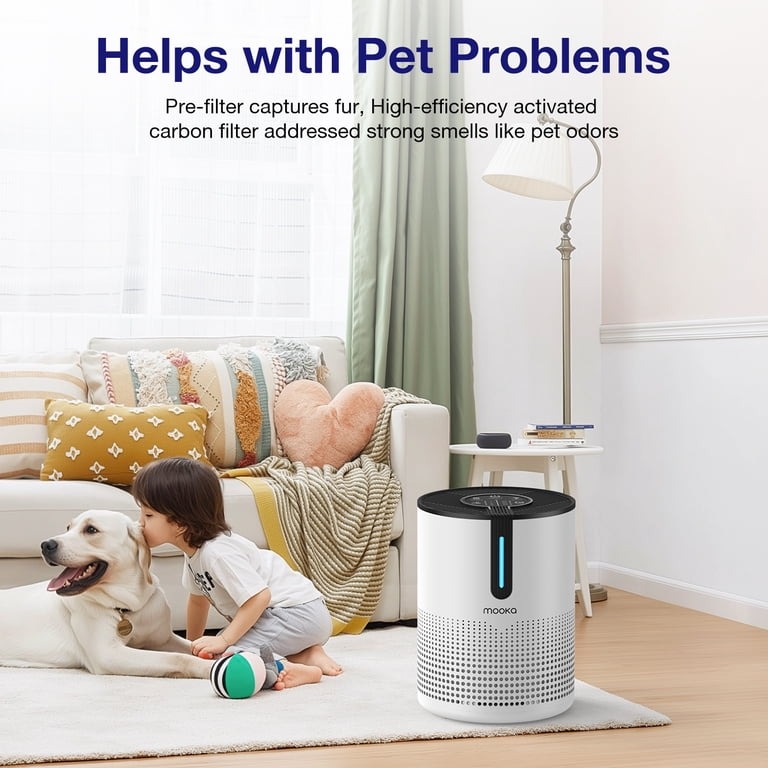
Hey everyone! I’m not sure how to edit my OP but mystery solved – just dust from the front of my air purifier because my cover has holes. I appreciate all the comments can sleep easy tonight now haha. 🙂