
What Happens During Professional Mold Remediation?
A crew inspects the damage, seals off the work area when the job calls for it, removes and cleans contaminated material under controlled conditions, dries the space, and checks the result. The job is done when the contaminated material is gone, the water source is fixed, and the results meet the completion criteria in your contract. If a leak is still active or damage is still hidden, deal with that before anyone rebuilds.
The process, from inspection to repairs
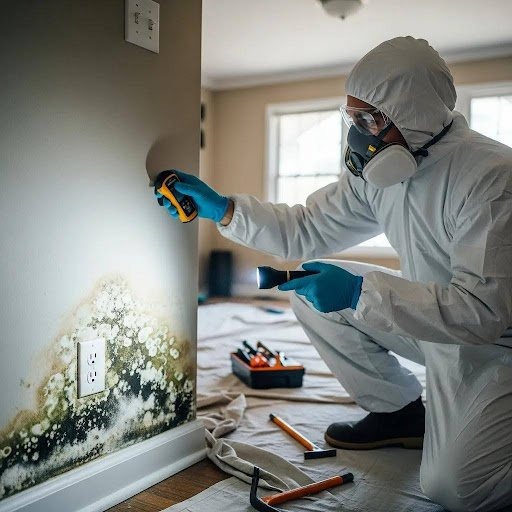
A remediation job starts with an inspection and ends with a check of the cleanup. In between, the crew seals off rooms, tears out drywall and insulation, cleans what stays, runs drying equipment, and leaves the space ready for repairs.
A roof leak can need a roofer before remediation finishes. Contamination behind a wall stays a suspicion until someone opens the wall. The crew that cleans the space can work under a different contract from the company that rebuilds it.
The public overview of ANSI/IICRC S520:2024, Fourth Edition, covers professional mold remediation: preliminary evaluation, safety, structural materials, contents, documentation, and post-remediation verification.
| Project stage | What professionals do | What you see | Useful evidence |
|---|---|---|---|
| Assessment | Examine affected areas and moisture conditions | Inspection of rooms, walls, or leak paths | Findings and work scope |
| Moisture correction | Identify the water source and arrange its repair | Plumbing, roof, drainage, or ventilation work | Repair assignment and status |
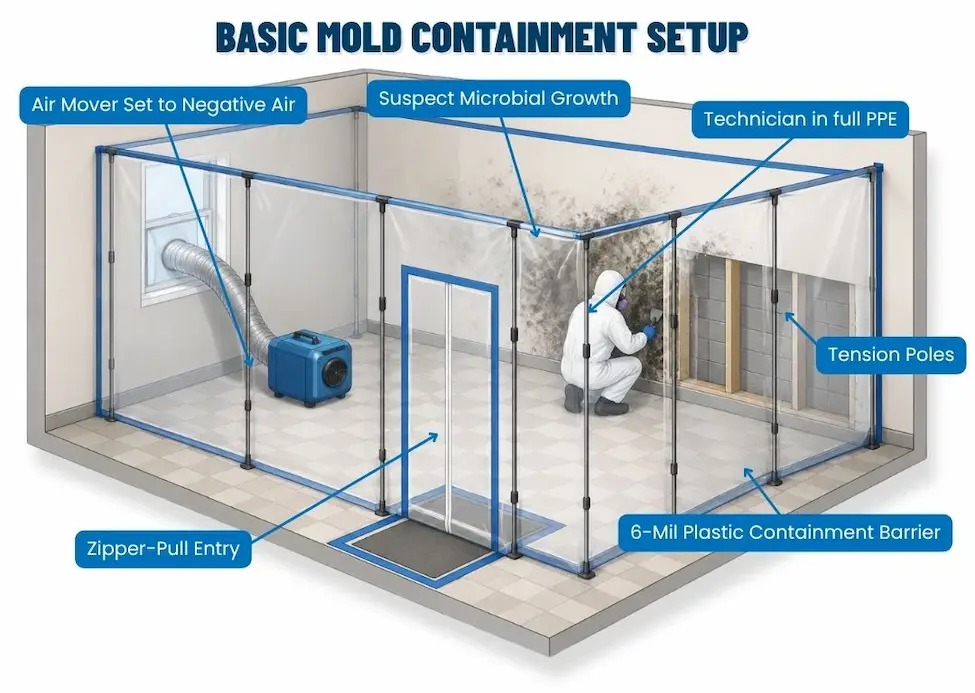
| Containment | Separate the work area from clean spaces | Plastic barriers and controlled entry | Defined work-zone boundaries |
| Material removal | Remove unsalvageable materials, clean the rest | Opened drywall, removed insulation, debris handling | Material list and scope revisions |
| Cleaning and drying | Clean retained surfaces, handle contents, dry the space | HEPA vacuuming and drying equipment | Cleaning and drying observations |
| Verification | Check the completion conditions | Inspection, moisture reassessment, or specified sampling | Findings against the work plan |
| Reconstruction | Restore removed materials and finishes | New drywall, insulation, and finish work | Separate repair scope |
How the inspection becomes a work scope
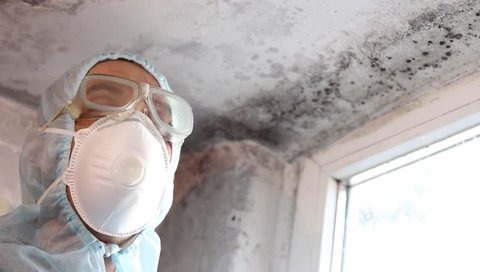
The inspection records what is known before workers touch building materials. A written scope turns those findings into work you can authorize and check.
The inspector looks at staining, visible growth, dampness, recurring leaks, odors, and the materials around the affected area. Moisture readings locate wet building materials. They do not identify a mold species or diagnose a health condition.
Paint can hide damp insulation and contaminated backing. The inspector can tell you where to look, but nobody knows how far the damage goes until the wall is open.
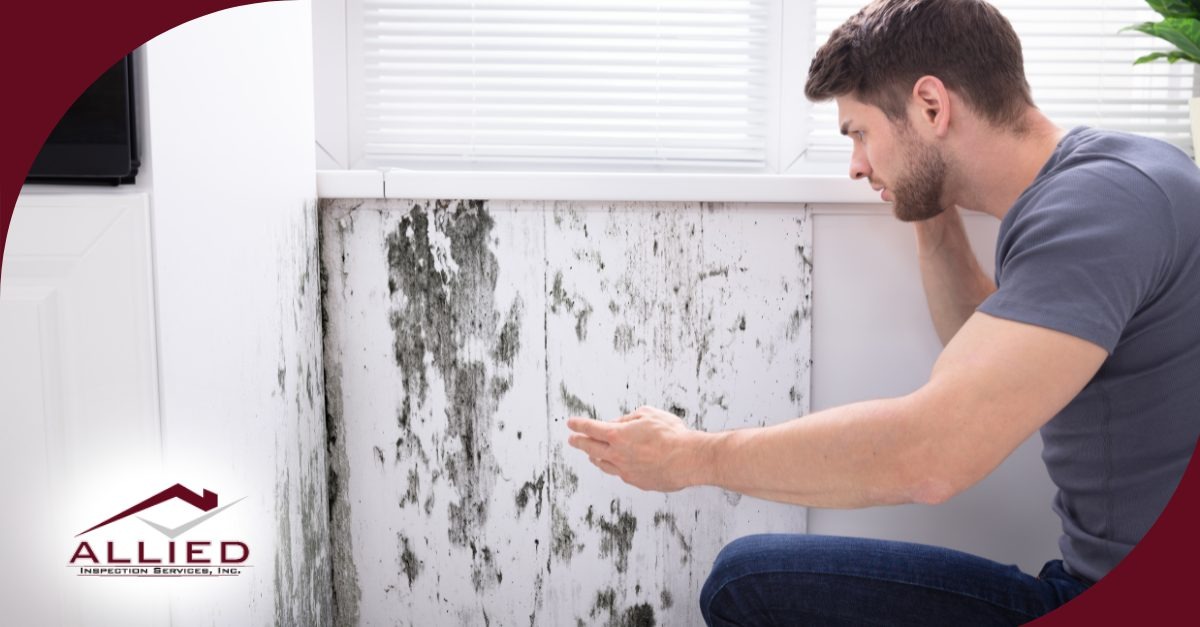
The EPA’s remediation planning guidance says to reevaluate the plan when hidden mold or other findings change the situation. The guidance was developed for schools and commercial buildings.
A room-by-room scope lists the affected locations, the materials to remove or clean, the controls, the treatment methods, and the circumstances that would force a revision. It also states how the work will be evaluated. In some states, the assessor’s remediation plan and the contractor’s work plan have distinct roles. Check the contractor’s qualifications against the written estimate when you evaluate a mold remediation contractor.
Laboratory sampling answers a different question. For visible mold that already needs cleanup, the EPA considers routine sampling generally unnecessary. When an investigation does call for sampling, a qualified person has to interpret the results.
Get the written scope, including its triggers for revision, before invasive work begins.
Who fixes the moisture problem?
Remediation depends on correcting the conditions that let moisture build up. Cleaning a wall while rainwater keeps entering above it leaves the problem in place.
The source can be a pipe, roof penetration, balcony drain, window leak, persistent condensation, or poorly directed bathroom ventilation. Tracing the water and repairing the defect can involve different trades.
| Responsibility | Who performs it | What that work covers |
|---|---|---|
| Identify moisture conditions | Assessor, remediator, or qualified investigator | Locate where water enters or collects |
| Repair the water source | Plumber, roofer, builder, HVAC or drainage specialist | Correct the specific defect |
| Remediate affected materials | Mold remediation crew | Remove or clean contaminated materials under controls |
| Restore the building | Restoration company or another trade | Reinstall finishes and other materials |
A remediation company can coordinate several services, but its contract and local requirements set what it actually does. Establish which trade fixes the moisture source and what will show the repair is complete.
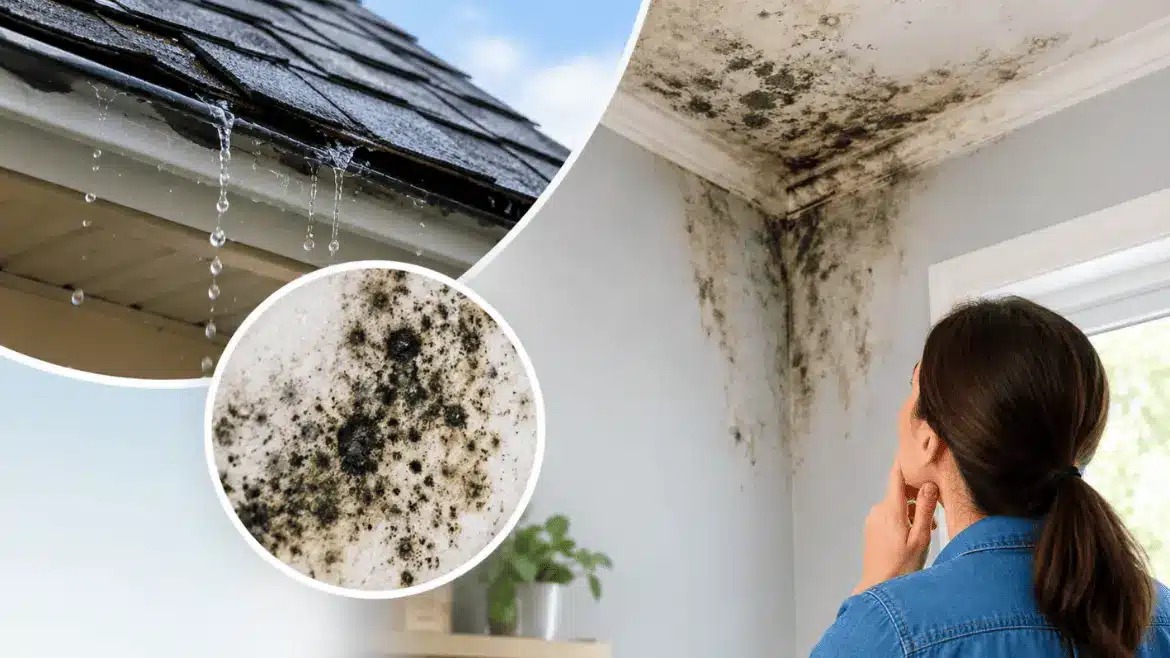
I bought a new condo as a new homeowner back in 2022, and struggled with water leak issues from 2023 – 2024 along the ceiling of one of the bedrooms which seemed to occur with heavy rain and wind. The builders had a hard time identifying the source with three separate instances of them ‘finding’ the source, removing and replacing the affected drywall, only for the cycle to repeat upon there being recurrent leaks despite their efforts to ‘identify and fix’ it.
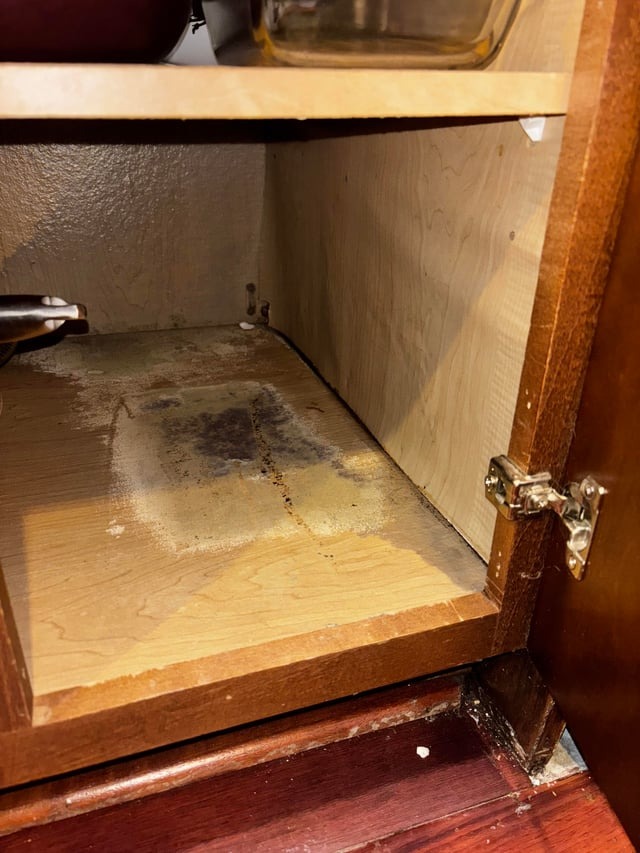
At one point, there were black spots along the soffit, likely mold, which I was able to remove after using concrobium spray.
I got worried due to the continued water damage to my room (there was a period of time where there was constant water droplets around the ceiling while waiting for the unit owner’s balcony above me to be inspected) and paid for mold inspection which was done via air sampling as the inspector didn’t see any physical mold spots to sample. (Keep in mind this was after I removed the black patches with concrobium spray).
I got emailed the inspection report and mold remediation protocol a few days later, and was told that the builders first needed to identify and fix the leak source before beginning remediation.
The report showed elevated counts of ‘Aspergillus/Penicillium’ compared to the outside control. When I asked the inspector if the count detected was concerning, he replied ‘The amount is not concerning at all! It is typical to indoor air quality’ but still recommended formal mold remediation after the leak source was detected/fixed.
The test result did not settle who would stop the leak.
Why containment and air equipment are used
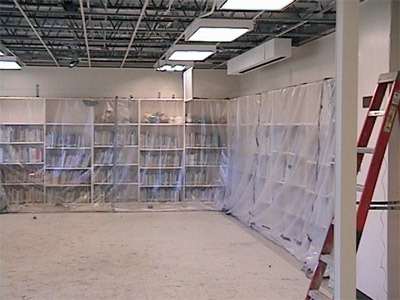
Disturbing contaminated drywall, insulation, and settled dust releases particles into adjacent rooms. Containment creates a controlled work area and reduces the spread during removal and cleaning.
Plastic sheeting physically separates the space. Where negative air pressure is used, controlled airflow keeps particles inside the contained zone. A HEPA air scrubber filters particles moving through the machine. A HEPA vacuum removes dust from surfaces during cleanup.
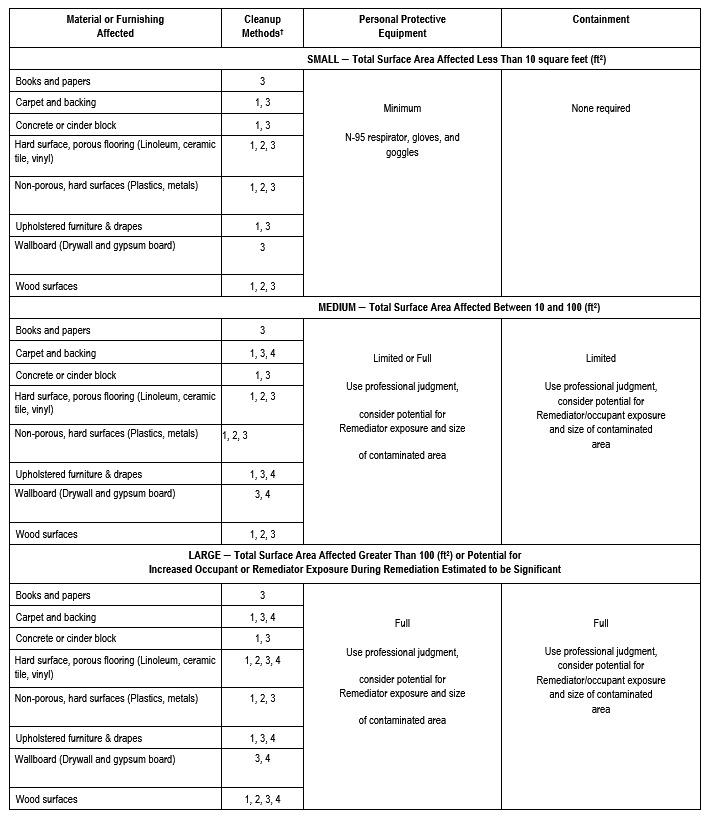
The EPA’s commercial and school guidance sets containment approaches by area: below 10 square feet, 10 to 100 square feet, and above 100 square feet. Limited and full containment use 6-mil polyethylene sheeting, and the guidance describes an airlock for full containment. Selection also depends on expected exposure and the work being performed.
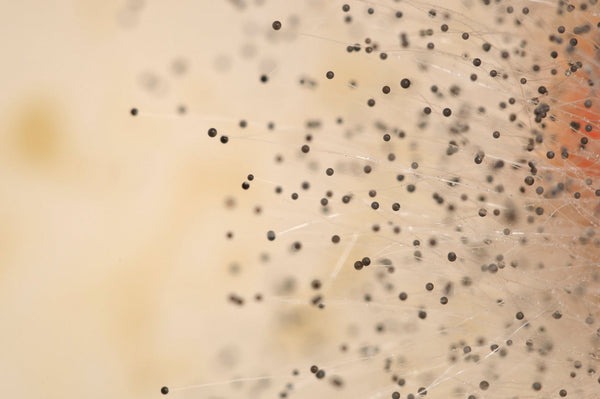
A professional plan can require respirators, gloves, eye protection, and controlled debris handling for workers. The CDC’s cleanup guidance advises people with asthma, COPD, immune suppression, certain lung conditions, or significant allergies not to take part in mold cleanup.
The containment plan sets the work-zone boundaries and the routes for workers and debris. Sewage-related water damage adds hazards beyond ordinary mold cleanup.
What gets removed, cleaned, or kept
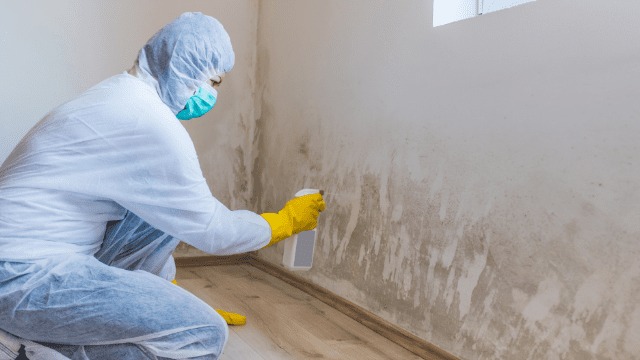
Treatment depends on the material and its condition. Hard, accessible surfaces can often be cleaned. Wet, mold-contaminated porous materials such as drywall or insulation usually have to come out, because cleaning them effectively is difficult or impossible.
| Material or condition | Treatment | What changes the choice |
|---|---|---|
| Hard, nonporous surface | Clean and dry | Access and surface condition |
| Wet, contaminated drywall or insulation | Remove when cleaning is ineffective | Porosity, extent, concealed contamination |
| Structural wood | Clean when material condition and access allow | Damage, penetration, structural integrity |
| Carpet, padding, absorbent furnishings | Check whether it can be saved, or discard | Water source, contamination and material condition |
| Concealed wall or floor cavity | Expose and reassess under controls | Newly revealed damage or moisture |
No single method suits drywall, framing, upholstery, and a hard countertop.
The physical work includes removing unsalvageable material, controlling debris, and protecting nearby belongings. The EPA’s guidance describes double-bagging certain contaminated debris in 6-mil polyethylene before it leaves the work area.
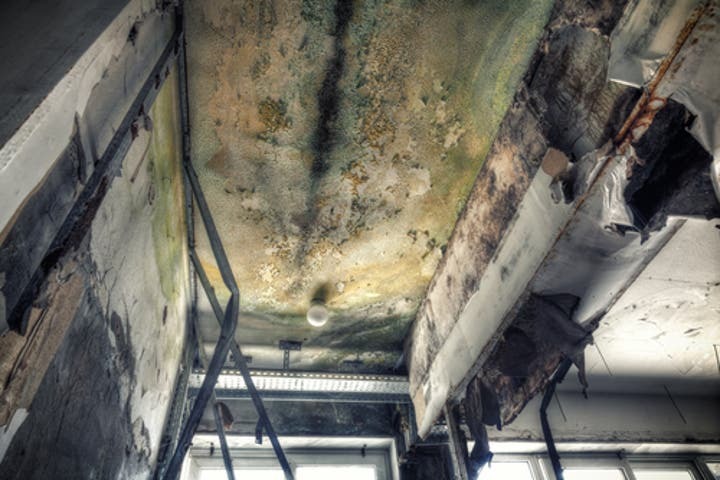
Chemical treatment is another matter. The EPA does not recommend biocides such as bleach as a routine mold-remediation practice. Killing mold without physically removing the contamination leaves material that can still provoke reactions. Some chemical uses fit specific circumstances, but the scope still needs a sound removal and moisture-control plan.
When hidden damage changes the plan
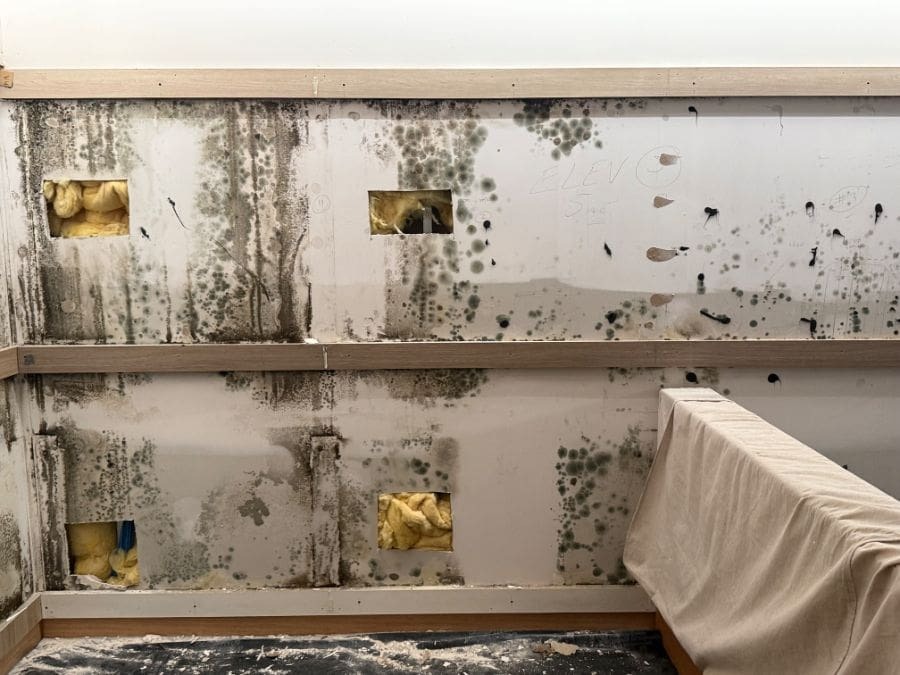
Opening a wall, ceiling, or floor can expose wet insulation, damaged backing, or moisture that traveled beyond the visible stain. That can mean a larger work area, different controls, or another trade.
I worked apartment maintenance for a while, and had an absolute shit heel of a supervisor.
He accidentally drilled into the internal roof drainpipe, which predictably caused a huge leak the next time we had heavy rains (Portland lol, so always). I was called out to look at a ceiling leak and there was a legit bubble that drained like five gallons of water when I drilled into it (caught in a bucket luckily).
Supervisor actually thought that we’d be fine with just a rented dehumidifier for a few days and two 1” holes I drilled in the ceiling. Since it had also leaked behind the wall and came out under the floorboard, we had to do moisture testing every day and track it.
He actually wanted me to lie about the numbers I got on my tests vs his and “make the numbers work.” Yeah, no.
He was so absolutely horrible in so many ways that I eventually quit one day on the spot, despite loving that job. I sent out an email to him, property manager, and HR explaining why; he ended up putting in his two weeks about a week after that.
ETA: luckily my property manager was awesome (just not experienced at working horrible employees out), and listened to me and got a consultation from a remediation company. It ended up being nearly a full tearout on one apartment and a partial on the one above it
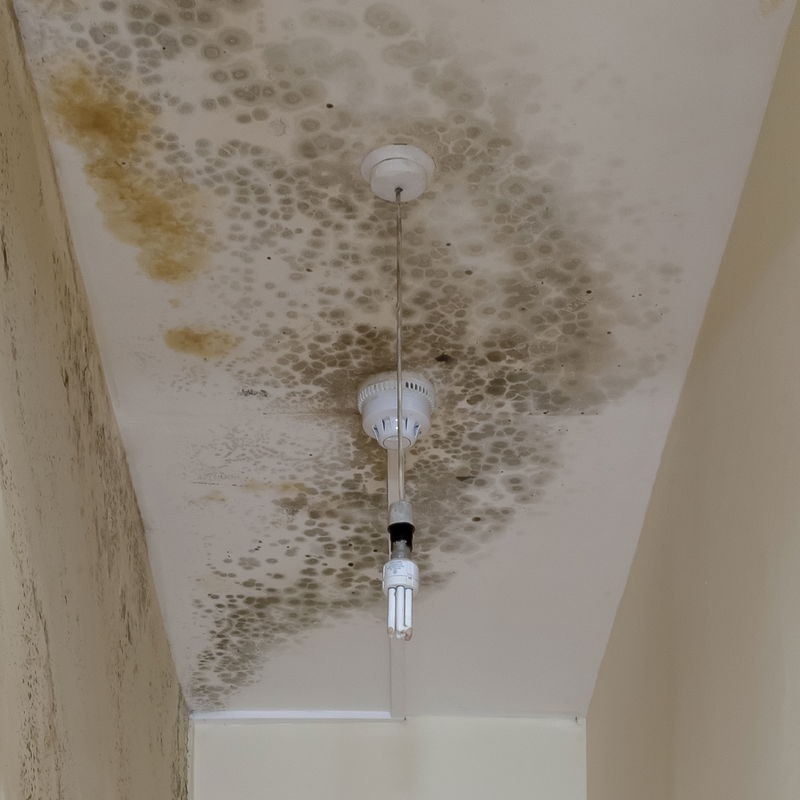
The wet material found behind the visible leak is what changes the scope. When findings expand the planned work, request a written description of the affected areas, added materials, changed methods, and repair responsibilities, and run the change through the contract’s authorization process before approving more work.
Cleaning retained surfaces, drying, and managing belongings
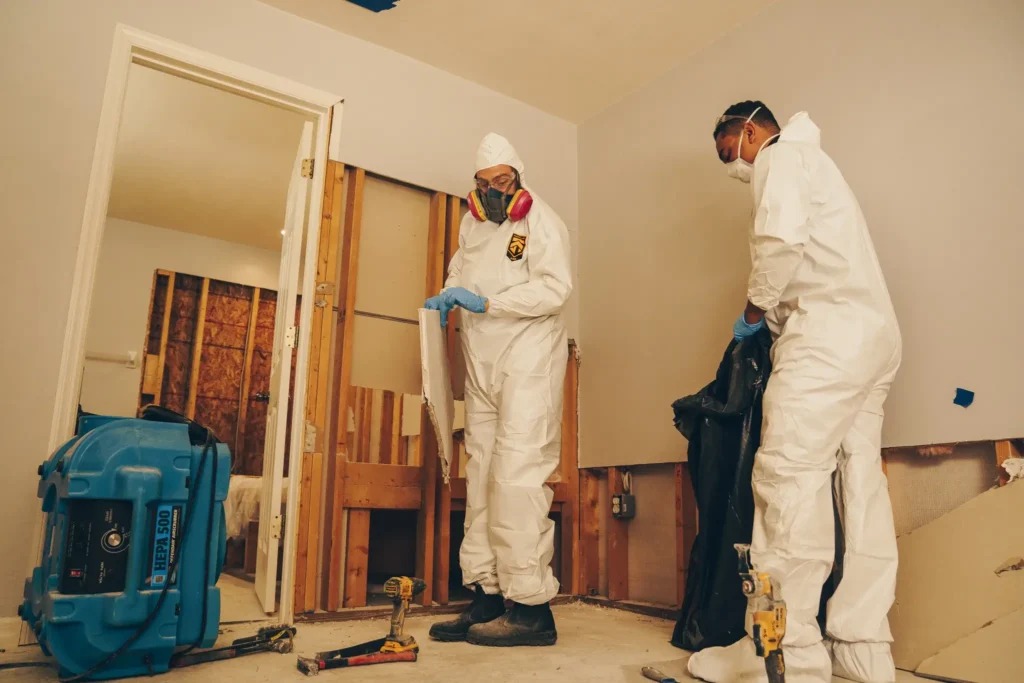
After the unsalvageable material is out, the retained surfaces may need more cleaning. Detergent and water work on suitable hard surfaces. HEPA vacuuming removes residual dust in final cleanup, once the contaminated material is out and the affected materials are thoroughly dry.
Drying equipment removes remaining water from materials and the space. Dehumidifiers reduce moisture, and material-specific observations tell the team where conditions stand. A surface that looks dry does not show the condition of the concealed assembly behind it.
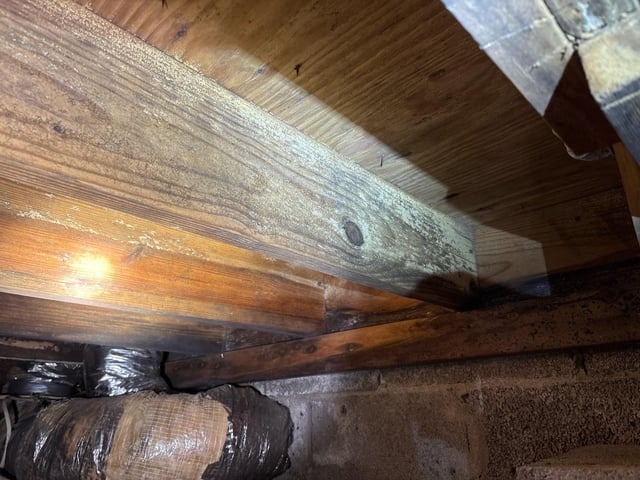
Belongings need their own handling. Hard furniture, porous upholstery, personal possessions, and wet absorbent materials have different cleaning and salvage options. Ask for the cleaning and drying record for retained materials and an account of how contents were handled.
How the work affects daily life
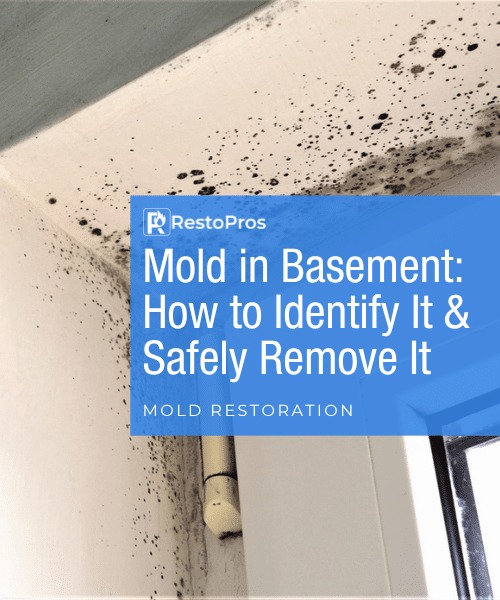
Remediation can take a bedroom or bathroom out of use, bring equipment noise, restrict entry routes, and interrupt HVAC use when the system is involved.
The schedule depends on affected materials, hidden damage, leak repairs, drying, verification, and the availability of different trades.
The CDC advises people with asthma, COPD, or immune suppression not to stay in a moldy home or remain there during mold cleanup. Access for other occupants depends on the work zone and site conditions.
Before work starts, agree on restricted rooms, expected interruptions, and when remediation and reconstruction each happen.
How professionals evaluate whether cleanup is complete
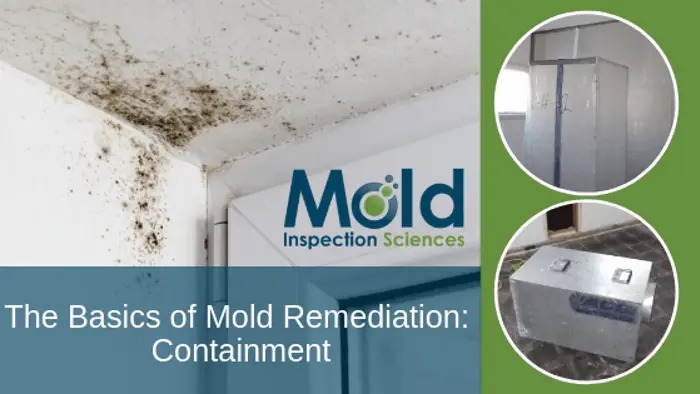
Post-remediation verification (PRV) checks whether the finished work meets the conditions set for the project. The EPA’s evaluation framework asks whether the moisture problem is corrected, whether affected material was properly addressed, and whether visible mold, damage, or musty odor remains. Step by step, the professional mold-remediation process is laid out in the main professional guide.
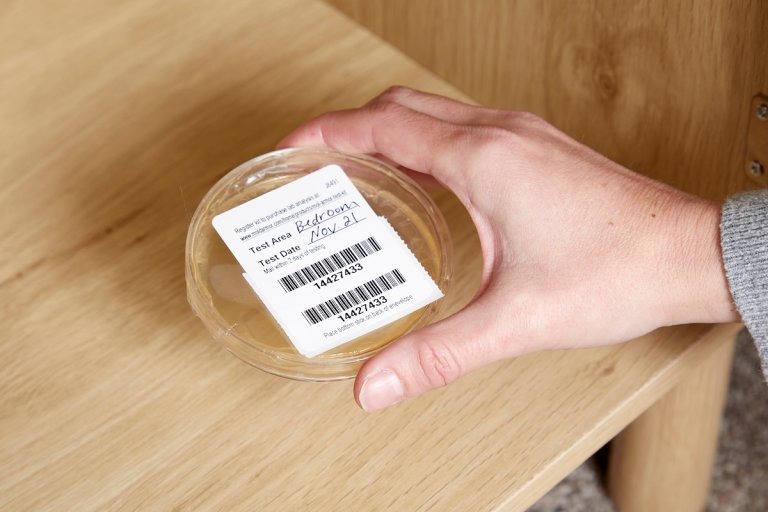
Sampling can answer a specific question when the plan includes it, and a qualified person has to interpret the lab result. The EPA’s mold testing guidance states that no federal airborne mold-spore concentration standard gives a universal pass or fail for a home.
A project protocol, agreement, or state rule can call for independent assessment. Confirm the completion criteria and who evaluates them, including any commissioned sampling, before the remaining work is concealed.
New York offers a state example. If an owner hires professionals to assess and remediate a mold-affected area larger than 10 square feet, the state’s guidance calls for licensed professionals, a remediation plan, and post-remediation assessment under its mold law. A completed job is defined in what counts as a completed mold remediation job.
What the final handover should include
Handover separates the work the contractor promised, the work completed, and the tasks assigned to another trade. The records can include the original scope, approved changes, material removal details, moisture observations, inspection notes, photographs, and a verification report when one was commissioned.
In an opened wall, the crew removes contaminated drywall and cleans the framing, and another contractor installs insulation, hangs drywall, and paints. The records should show which tasks are done and which belong to reconstruction.
Before you accept the project as complete, check the records against the scope:
- Scope: Every agreed room and material is accounted for, including approved changes.
- Moisture repair: The source is corrected. If it is still active, record the responsible trade and the outstanding repair.
- Material work: Removal and cleaning match the authorized scope.
- Drying: Observations cover the retained materials and the conditions in the plan.
- Completion conditions: Visible contamination, remaining damage, and moldy odor meet the evaluation criteria.
- Verification: Any commissioned assessments or sampling are documented and interpreted within their scope.
- Reconstruction: Remaining wall, insulation, flooring, or finish repairs have a responsible party.