
Basement Mold Removal: Find the Water Source and Choose the Right Cleanup
You can clean a small patch of mold on a hard surface yourself if the area is safe and you can fix the water source. Contaminated water, hidden or extensive growth, wet porous construction, or occupants at higher risk call for a professional assessment or remediation. Find where the water comes from, match the treatment to the material, and check that the area stays dry when the conditions that caused the problem return.
Is it safe to enter or clean your basement?
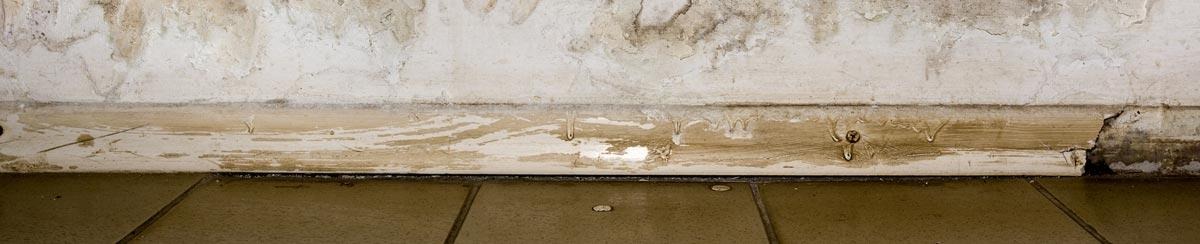
A basement with standing water, uncertain electrical safety, or suspected sewage contamination needs a safety check before any mold cleanup. A flooded room where the power may still be on carries risks that a spot on an accessible concrete wall does not. To compare with other rooms, start from the location map.
Check these before you enter or disturb moldy materials:
- Water and electricity: If water stands near outlets, wiring, electrical equipment, or an appliance that may still have power, call an electrician. Never wade into floodwater to reach electrical controls.
- Flood contamination: Sewage, wastewater, or water of uncertain origin brings hazards beyond ordinary mold exposure.
- Structure and gas: Suspected building instability, damaged gas equipment, or other unsafe conditions need a professional evaluation.
- People doing the cleanup: The CDC advises that people with certain respiratory conditions or weakened immune systems should not take part in mold cleanup.
- Extent and access: Extensive contamination, or growth you suspect behind finished construction, needs a different approach from a small exposed patch.
If the basement has flooded and electrical, gas, structural, or sewage safety is uncertain, stay out until professionals have dealt with the hazards. Carbon monoxide from generators is also a serious risk, as the CDC’s flooded-home safety guidance explains.
Prompt drying matters for wet materials after a disaster, commonly within 24 to 48 hours.
Where is the basement moisture coming from?
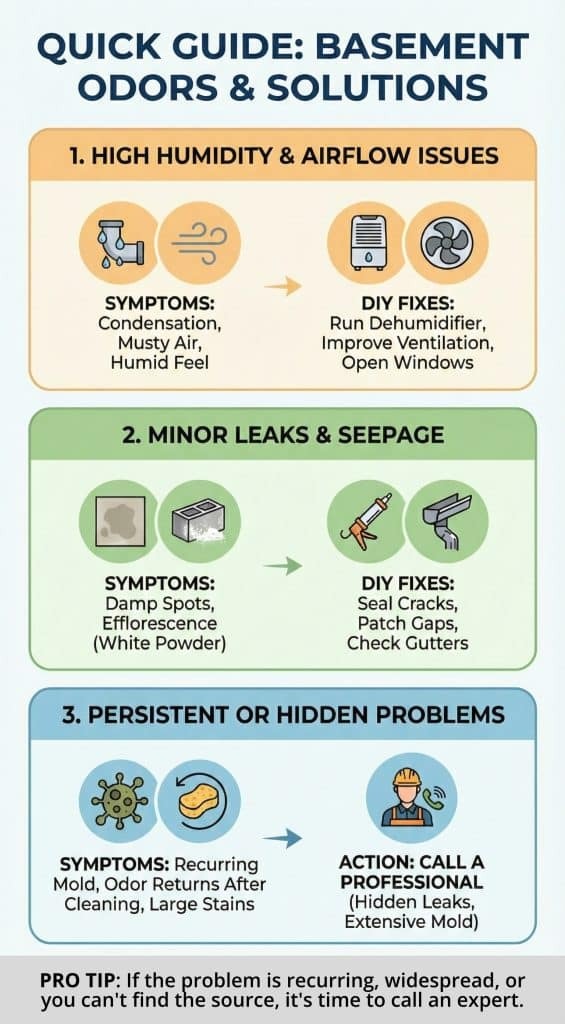
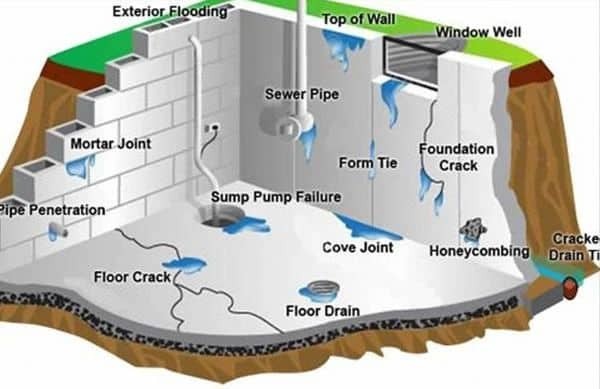
Basement mold can develop after water enters through a foundation, leaks from plumbing, collects during flooding, or condenses on a cool surface. When and where the moisture shows up gives you the best starting clues.
A stain that appears after heavy rain suggests a different investigation from water that shows up whenever someone uses the downstairs shower.
| What you notice | Likely cause | First check you can do |
|---|---|---|
| Wet wall or window area after rain | Runoff, window-well leakage, foundation seepage | Downspout outlet, grading, window and wall location |
| Dampness near a pipe, fixture, or drain | Plumbing or fixture leak | Whether wetting coincides with fixture use |
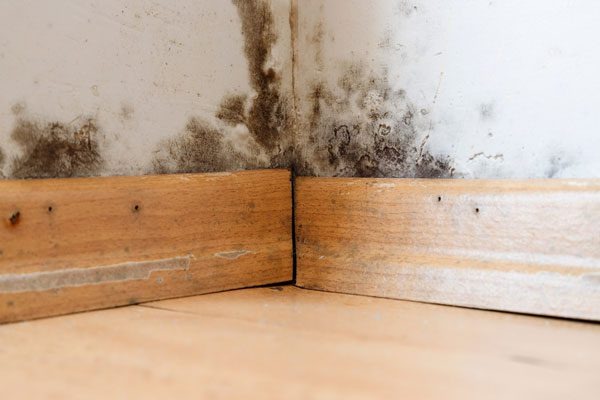
| Water after a storm or sump outage | Flooding, pump failure, backup | Recent storm and sump history, checked from a safe location |
| Condensation during humid weather | Moist indoor air cooling against basement surfaces | Room conditions, visible condensation, seasonal timing |
| Recurring low-wall staining behind finishes | Hidden water entry or trapped moisture | Wetting history and visible trim or wall clues |
A house can also have several water problems at once.
A year later now, our basement has flooded from storms several times, which we later found mold & the downstairs shower drain was just a pipe through the drain hole (not sealed, you can see right past the pipe to the floor, just covered by the drain cover) that was never caught or mentioned which flooded the entire area around the bottom of the shower and caused mold as well.
[…]
Where it floods in another room of the basement is a window and foundation crack (which was behind drywall that ended up moldy so it was removed) […]
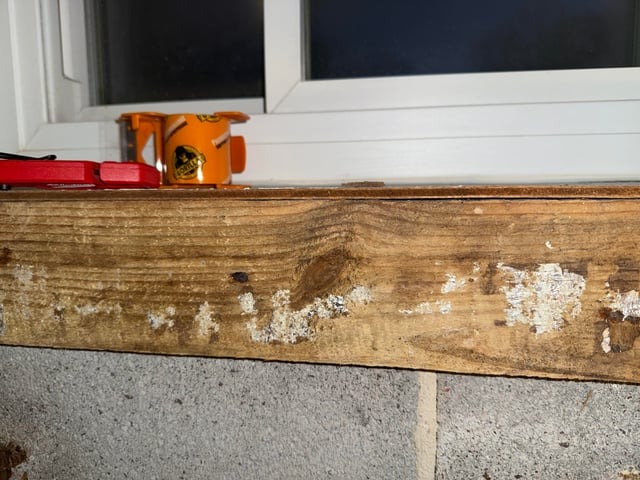
Note where moisture appears and whether it follows rain, plumbing use, a sump problem, or humid weather. Inspect the exterior drainage and indoor plumbing you can reach, and stay out of unsafe areas. Do not open suspect wall cavities.
Does white powder on a basement wall mean mold?
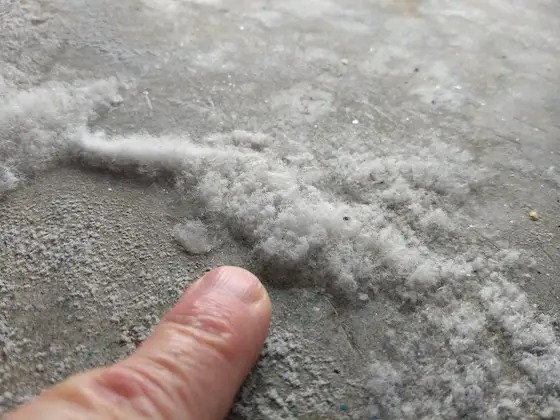
It may be efflorescence, a salt deposit associated with moisture moving through masonry. You cannot tell what it is by looking. Either way, it is evidence of water movement, so investigate.
When can you clean mold yourself?
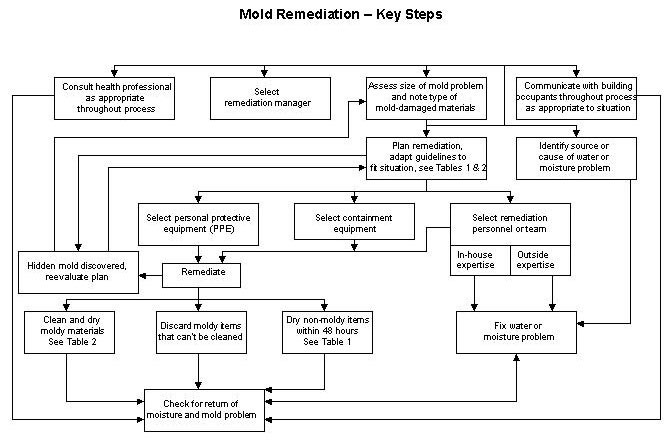
The EPA’s homeowner guidance uses about 10 square feet as the reference size for mold you may be able to clean yourself. Treat it as a guideline and check the conditions below as well.
| Conditions | What to do |
|---|---|
| Small accessible patch, cleanable hard surface, known manageable moisture source, safe occupants and access | DIY surface cleanup, done carefully |
| Suspected growth behind wall finishes, unexplained recurrent moisture, uncertain extent | Professional investigation before you disturb materials |
| Contaminated floodwater, unsafe access, significant growth, or a cleaner with a respiratory condition or weakened immune system | Professional help and a remediation plan |
A patch smaller than a dinner plate can still sit on the face of a damp wall assembly. An exposed patch on a hard surface, on the other hand, can be handled without a full remediation project.
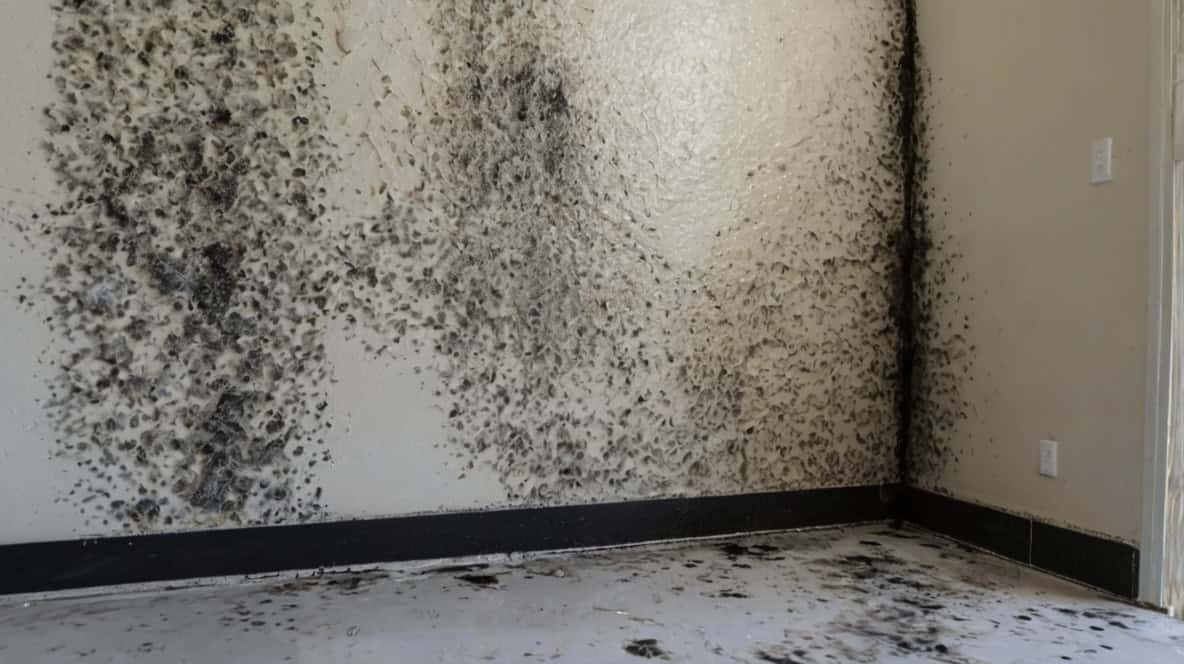
Which materials can be cleaned or need replacing?
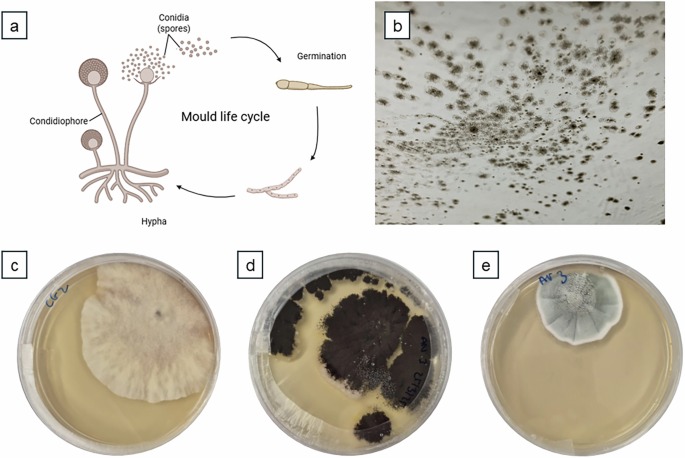
The material beneath the mold matters as much as the area you can see. A hard surface you can reach responds to physical cleaning, while wet insulation or paper-faced drywall can hold contamination beyond the exposed face. For the wall itself, see whether moldy drywall can be cleaned or must be replaced.
| Basement material | Main issue | What to do |
|---|---|---|
| Accessible cleanable hard surface | Surface growth and current wetness | Clean physically, then dry thoroughly |
| Concrete or concrete masonry units (CMU) | Porosity, coatings, persistent seepage | Check the exposed surface and where the water enters, then clean it |
| Paper-faced drywall and insulation | Absorbent material and possibly affected backing | Check the backing. Remove and replace what is affected |
| Carpet and padding | Absorbed water, contamination within layers | Decide whether it can be saved or must be thrown out |
| Wood studs and joists | Moisture, growth extent, structural condition | Check condition and access. Call a professional if the wood is concealed or damaged |
| Cardboard, leather, textiles and stored contents | Absorbent surfaces exposed to damp conditions | Check each item and decide whether to clean it or throw it out |
An unfinished basement with exposed masonry makes some surfaces easier to check. Finished basements add wallboard, trim, carpeting, insulation, and hidden joints where a surface treatment can leave affected material behind.
Treat concrete with care. Rough, coated, or persistently wet masonry can behave differently from a smooth hard surface you can reach. A chemical recommendation for one concrete finish cannot be applied automatically to every basement wall.
Stored items such as cardboard, leather, and textiles absorb damp.
I keep a very clean basement and had moisture detectors in the 2 rooms, all unfinished. Moisture was 60 to 70 depending on time of year. Noticed mold growing on a wetsuit i had hanging in the one room but I hadn’t got it wet recently.
Put the dehumidifier over my sump pump trap at 45% and no issues since just clean the air filter every few months.
What finished basement walls can hide
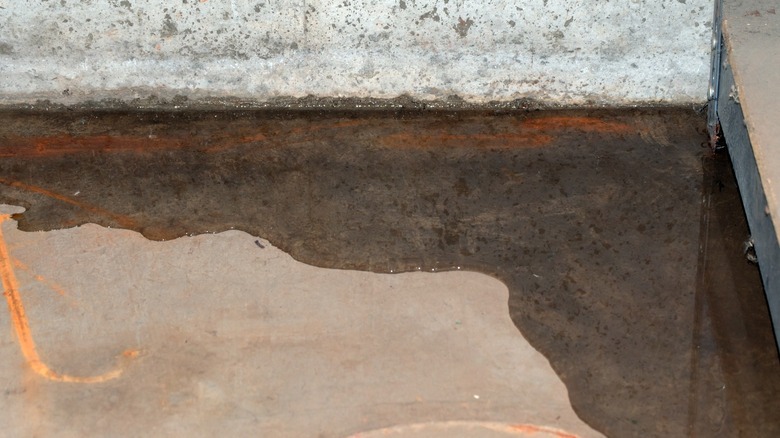
Painted drywall can hide moisture and mold on its back side, within insulation, or along the framing, even when the room-facing surface looks relatively normal.
Swollen baseboards, recurring mustiness, lower-wall staining, and previous leaks are warning signs. Document what you can see and arrange a professional investigation before you open a suspect cavity.
The U.S. Department of Energy identifies some interior Class I vapor barrier and fibrous-insulation basement assemblies as susceptible to trapped moisture, depending on climate and construction. A moisture meter can screen the areas you can reach, but it cannot show that an unseen wall cavity is dry.
How to clean a small patch on a hard surface
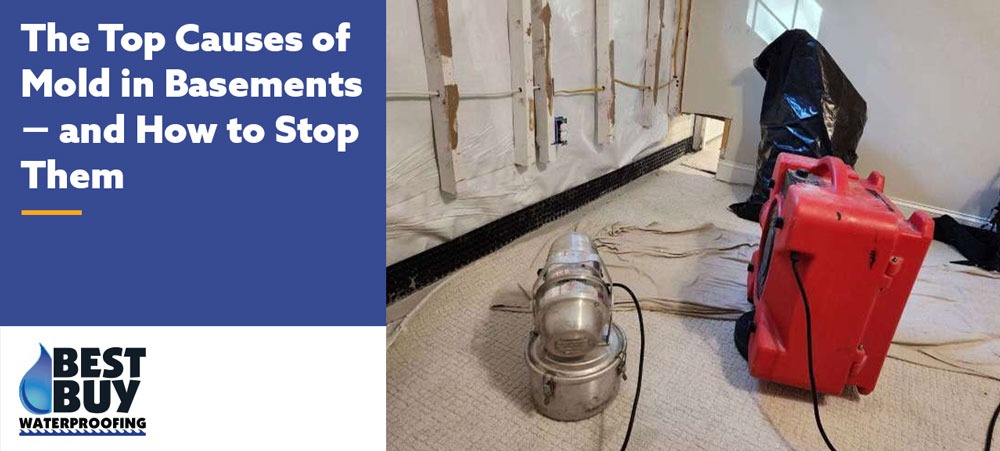
For a small patch you can reach that meets the safety and DIY conditions above, the EPA’s basic approach is to clean the mold off the hard surface with detergent and water, then dry it thoroughly.
The goal is removal. A chemical that kills mold but leaves the contaminated material in place has not done the job.
On a hard surface, follow these steps:
- Wear protection. The CDC recommends at least a NIOSH-approved N95 respirator, gloves, and protective goggles for mold cleanup. Follow the equipment’s fit and use instructions.
- Work only on the hard surface. Stick to material you can reach and clean. Wet insulation, contaminated wall cavities, and damaged absorbent construction need their own assessment.
- Remove the visible growth. Clean the hard surface with detergent and water, following the product’s instructions and disturbing nearby materials as little as possible.
- Dry the area thoroughly. The surface and its surroundings need to be dry, and the underlying moisture problem has to be fixed.
- Check the result. If mold is still visible after a proper cleaning, reconsider the material’s condition and your cleanup approach.
Choosing a cleaner for basement surfaces
Bleach, vinegar, and other mold treatments are often promoted with competing recipes. Some published advice recommends vinegar on basement concrete, while other guidance cautions that it may damage that material. For concrete, fix the seepage first and then clean the mold on the concrete.
The EPA does not routinely recommend biocides as the default mold-remediation method.
Never mix bleach with other cleaners. If you use any approved cleaning product, follow its label and the relevant CDC safety instructions. Do not paint or caulk over active mold or damp materials. Concealed contamination and poor adhesion can leave the original problem unresolved.
Damaged porous construction can call for professional remediation, including removing material and setting up containment. The steps above cover small hard surfaces only.
Fix the water source before closing walls
Once you know the moisture pathway, the repair has to address it. New drywall or a decorative coating applied before the source is fixed faces the same conditions that caused the first problem.
The right work depends on the cause:
- Roof runoff and exterior drainage: Fix gutter, downspout, grading, or window-well problems. Persistent foundation seepage or complex grading can call for a professional assessment.
- Plumbing and fixture leaks: Repair the defective pipe, drain, or fixture, then deal with the building materials the water affected.
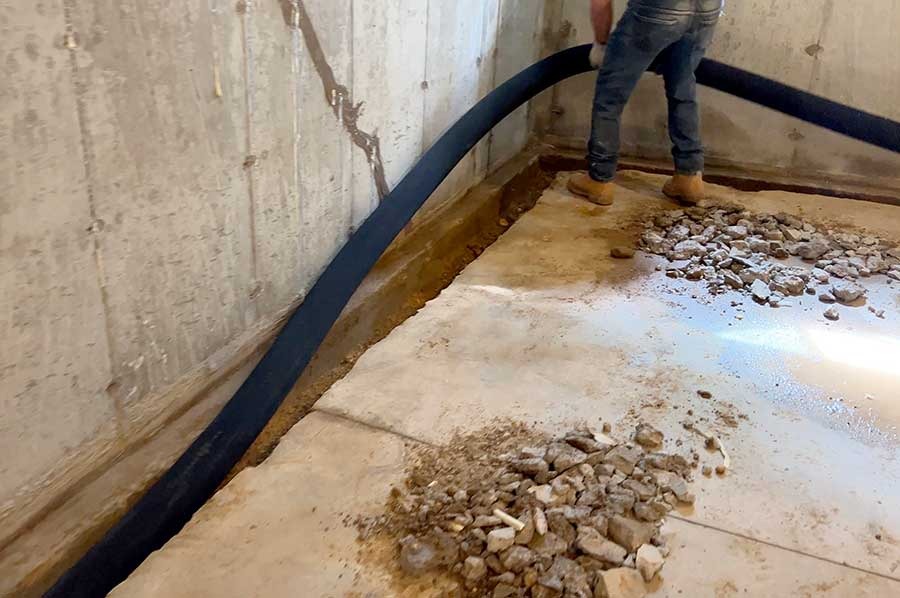
- Sump and flood problems: Fix the pump, backup, or water-management failure. Call a professional if the job involves electrical hazards or significant flooding.
- Indoor moisture and condensation: Reduce moisture in the air and improve ventilation when condensation is the established contributor.
- Foundation and concealed assembly concerns: Have the building condition and proposed repairs evaluated against the wall construction, water source, and climate.
A dehumidifier can reduce water vapor in indoor air. It cannot stop groundwater entering through a foundation, a pipe leak, or a flooded window well.
A replacement insulation or vapor-retarder arrangement for a finished wall must suit the building assembly.
What does a basement humidity reading tell you?

Relative humidity compares the moisture in the air with the amount the air can hold at that temperature. It helps you manage basement air conditions, especially where condensation is a concern.
The EPA recommends keeping indoor relative humidity below 60%, ideally between 30% and 50%. These targets cover the moisture in the room’s air. They set no safe level for mold spores and cannot tell you whether the inside of a wall is dry.
So this is my parents new build home that is about 5 years old.
We live in the Midwest and the summer does get hot and humid, but I read that humidity should never near 60 percent as that ups the chances of mold and what not.
I noticed during the winter all our windows are drafty, could that be a main problem? Maybe outdoor air is seeping in? Also we have gutter guards but haven’t cleaned out the gutters since we moved in to the home. Could water be seeping in from the roof?[…]
Warm, humid air can condense on a cold basement surface.
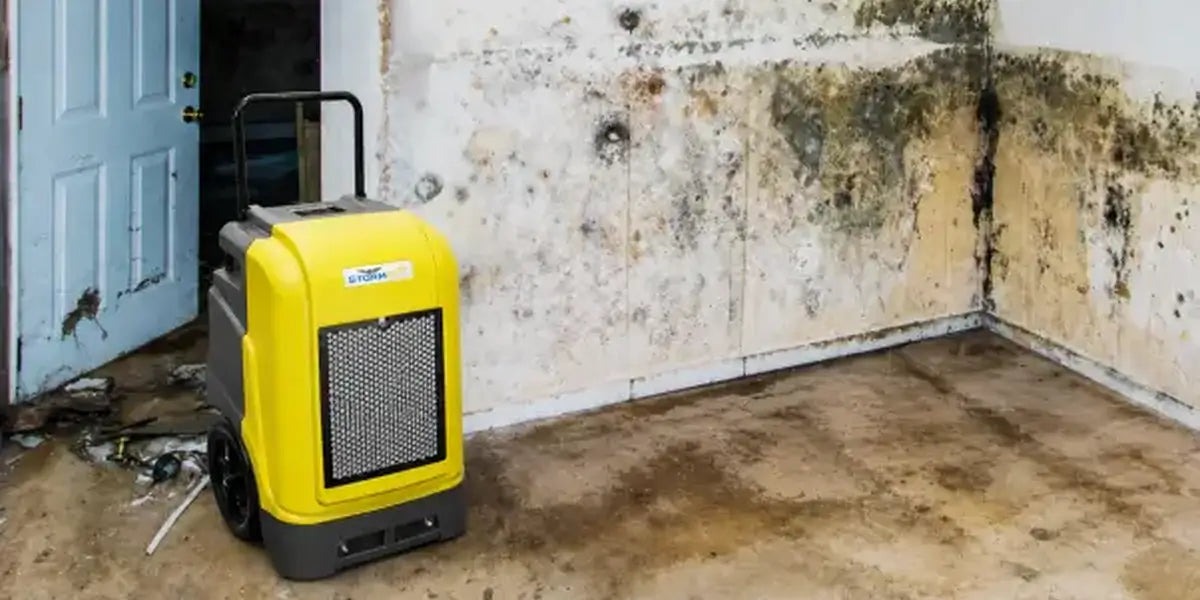
A dehumidifier’s effectiveness depends on room size, how damp the space is, its capacity, and how the collected water drains. ENERGY STAR provides guidance for choosing and operating one.
Use a hygrometer to monitor humidity, and note whether surfaces look damp when you take each reading.
When does mold testing or a contractor quote help?
Visible mold does not need routine species testing before cleanup. According to the EPA, once growth is apparent, the response is to address the moisture and the contamination. The agency has not established a general federal pass/fail level for airborne mold in homes.
Testing can still make sense when a professional assessment needs to settle questions about hidden contamination or the scope of remediation.
Before paying for a test, decide what its result would change.
Color does not reliably identify a mold’s species or its health risk. NIOSH cautions against decisions based on color and generally does not recommend routine air sampling as the default assessment method.
Evaluate the proposed work, not just the quoted total
Compare each proposal against the conditions in your basement. A written proposal should identify:
- The suspected or confirmed moisture source and any investigation included.
- Materials to be cleaned, removed, or checked further.
- Containment and protection, where the job needs them.
- Who handles cleaning, drying, disposal, and documentation.
- Repairs or rebuilding excluded from the price.
- The planned post-remediation inspection or verification.
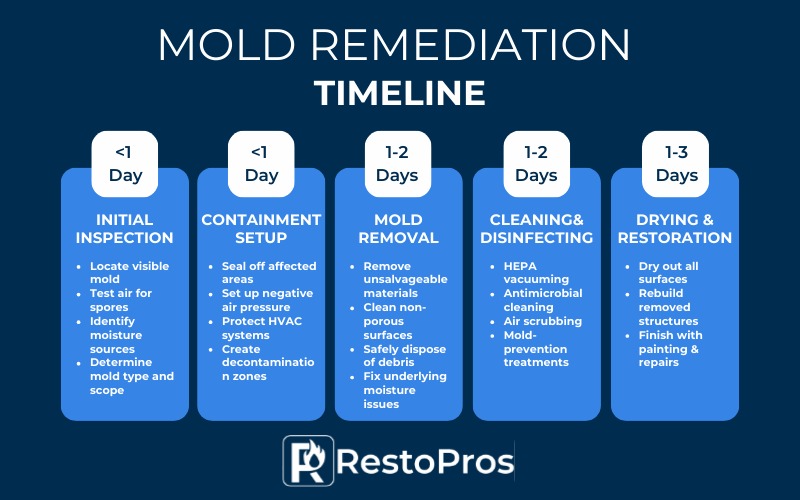
The public description of ANSI/IICRC S520:2024 covers professional mold remediation, documentation, and verification. Use it as a reference when you go through a contractor’s process with them.
A quote for treating visible staining can differ substantially in scope from one that includes removing damaged material and correcting the moisture.
How to verify the fix and watch for mold returning
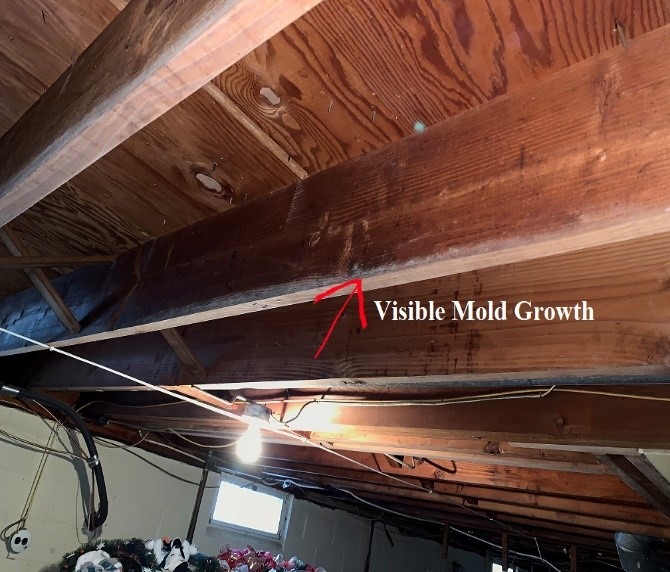
Before you call the job done, confirm three things:
- Moisture source: You have corrected the leak, drainage problem, or condensation issue.
- Dryness: You have checked surfaces and materials for remaining moisture.
- Documentation: For significant remediation, get the agreed work and verification records.
Extensive or concealed remediation can call for a professional post-remediation evaluation.
Keep a moisture log
A simple dated log makes later comparisons easier:
| Field | What to record |
|---|---|
| Trigger | Rain, plumbing use, humid weather, or other conditions |
| Location | Specific wall, floor edge, window, fixture, or stored item |
| Relative humidity | Room reading, when available |
| Visible condition | Wetness, staining, growth, or no sign of earlier problems |
| Baseline | Dated photograph or written description |
| Repair and recurrence | Work performed and whether the original signs returned |
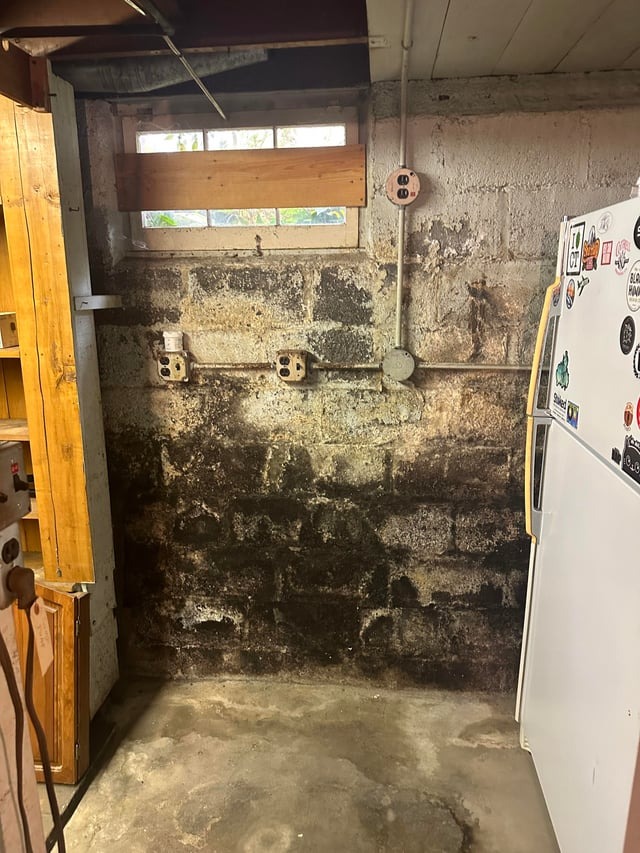
Reassess a leak tied to storms after comparable rain. For a repaired shower drain, watch what happens the next time someone uses the fixture. If the original wetting, staining, or mustiness returns, reconsider the source and the remediation scope.