
Attic Mold: How to Find the Moisture Source and Fix It
Deal with attic mold in two steps: find and fix the moisture source, then clean or replace the affected materials based on their condition and how safely you can reach them. A small, accessible patch can be a DIY job. Widespread growth, wet insulation, an unclear leak source, or damaged roof decking calls for a professional. Start by documenting where and when the attic gets wet.
Dark patches on roof plywood can appear after a winter thaw, after heavy rain, or years after someone installed a bathroom exhaust duct incorrectly. From the hatch, these look almost the same. The repairs differ. To sort out which one you have, find the moisture source behind recurring mold.
A roof can shed rain while condensation collects on the underside of its decking. A recently replaced roof can still let water in. Knowing which one you have tells you which materials need work and whether a proposed repair makes sense.
What to do first when you find mold in the attic
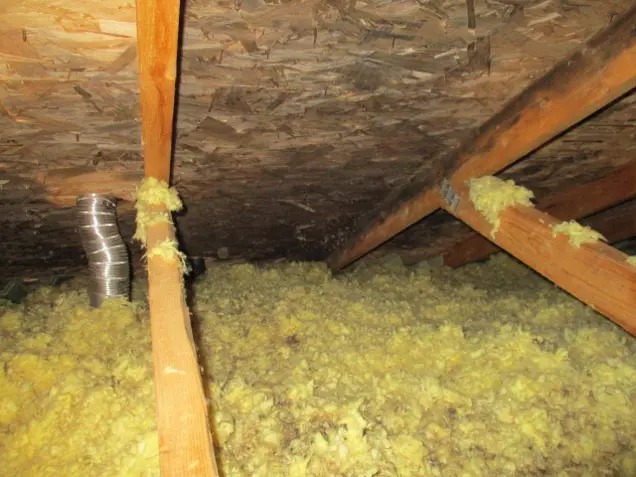
Start with a safe view of the area. Dark staining, fuzzy growth, frost, and wet insulation all need a look, but an attic is a poor place to take physical risks for a closer photograph.
Make a record from the hatch or another safe spot:
- Location and extent: Photograph the affected sheathing, framing, or insulation, plus nearby vents or roof penetrations when visible.
- Condition: Note whether surfaces look dry, wet, frosted, stained, or deteriorated.
- Timing: Note rain, snow, freezing weather, thaws, and changes in indoor humidity.
- Work history: Note any roof replacement, insulation work, bathroom fan installation, or ventilation changes.
Stay out if the access route is unstable, the framing looks unsound, the insulation is soaked, or electrical hazards are present. Step only on supported walkways or framing built for access; the ceiling surface between joists cannot hold a person. If an inspection needs unsafe movement, leave it to a professional.
If you find vermiculite insulation, leave it alone. The EPA advises assuming attic vermiculite may contain asbestos and having qualified professionals handle any work that could disturb it.
Roof leak or condensation? Follow the pattern of moisture
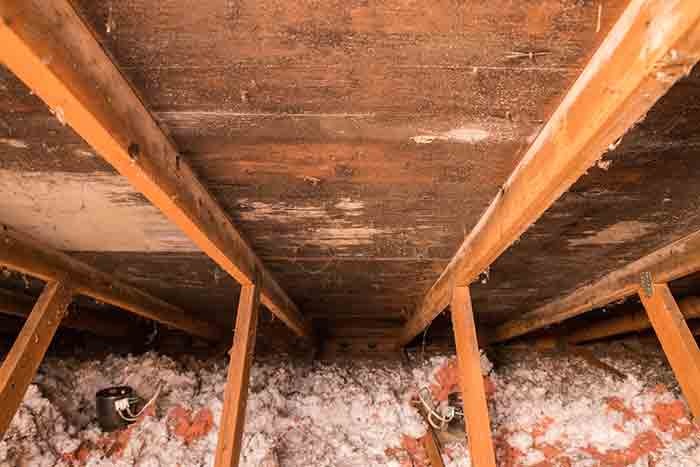
A roof leak lets outside water in through a failure in the roof system. Condensation forms when moist air meets a surface cold enough for water vapor to collect. Both can wet roof sheathing and contribute to mold growth.
In cold weather, humid indoor air that leaks into an attic can condense or freeze on roof decking, rafters, or fasteners. During a thaw, water can show up even when no rain got in. The Department of Energy’s Building America condensation guidance describes how air leakage, cold surfaces, roof assemblies, and drying conditions interact.
| What you observe | Possible cause | What to check | Who to call |
|---|---|---|---|
| Wetness by a vent pipe, chimney, skylight, or flashing after rain | Roof water getting in | Whether it matches the weather; the penetrations and flashing | Roofer or building-envelope specialist |
| Frost below sheathing, then water during a thaw | Cold-weather condensation | Indoor air leakage, humidity, surface temperature, assembly type | Building-performance specialist |
| Broad dampness near obstructed eaves | Poor drying, possibly with air leakage | Soffit openings, baffles, ceiling air barrier | Building-envelope or insulation specialist |
| Wetness near an exhaust duct or disconnected joint | Humid exhaust entering the attic | Duct connections and where the duct actually discharges outdoors | Ventilation contractor |
| Wetness continuing after one repair | Incomplete drying or another moisture path | Conditions after the repair; a targeted recheck | Specialist matched to what remains |
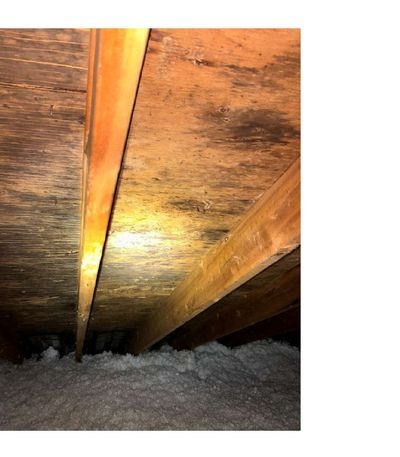
Frost alone doesn’t prove a roof leak, and rain and condensation can affect the same attic.
Hi everyone,
I’m dealing with a confusing attic moisture situation and would really appreciate input from people who understand roofing, ventilation, and building science.
What I first noticed inside the house
– Mold spots forming in a straight line along the ceiling near an exterior wall
– Wet corners of the house
– Condensation on windows
– No visible signs of a roof leak insideThese symptoms made me think something was off with insulation or ventilation.
Company #1 (yesterday):
They inspected the roof and attic and told me:
– It’s NOT a roof leak
– The issue is ventilation/insulation, not roofing
– I should call a company that specializes in attic ventilation and insulation
Company #2 (today):
This company handles roofing + ventilation + insulation.
They went into the attic, took a video, and showed me frost on the underside of the roof deck. They said:– “Your roof is leaking into the decking.”
– The only solution is a full roof and decking replacement for $44,000.
This felt extreme, so I went into the attic myself afterward.
What I personally found in the attic
This is where things got interesting:
– The square roof vents (box vents) were closed off during a roof replacement about 7 years ago.
– The only remaining ventilation is the ridge vent.– The frost the second company showed me had melted, and the same areas were now wet.
– The wall area that was frosty earlier was also wet after melting.
– Insulation near the eaves/top plates looks thin or missing in places.
– Soffit airflow may be blocked or restricted.
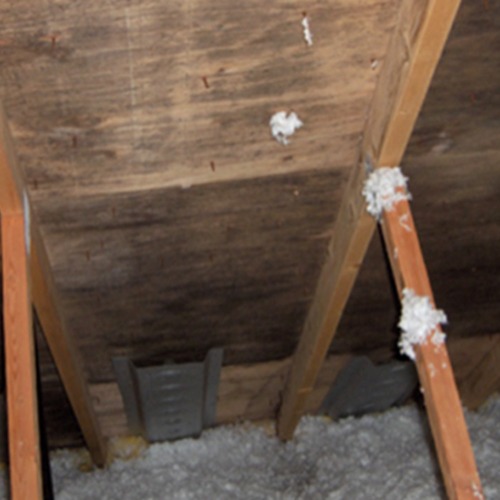
Before you authorize major roofing work, ask which observations support the diagnosis and whether the inspection separated a failed roof component from water condensing beneath it.
The attic moisture routes a roof inspection may miss
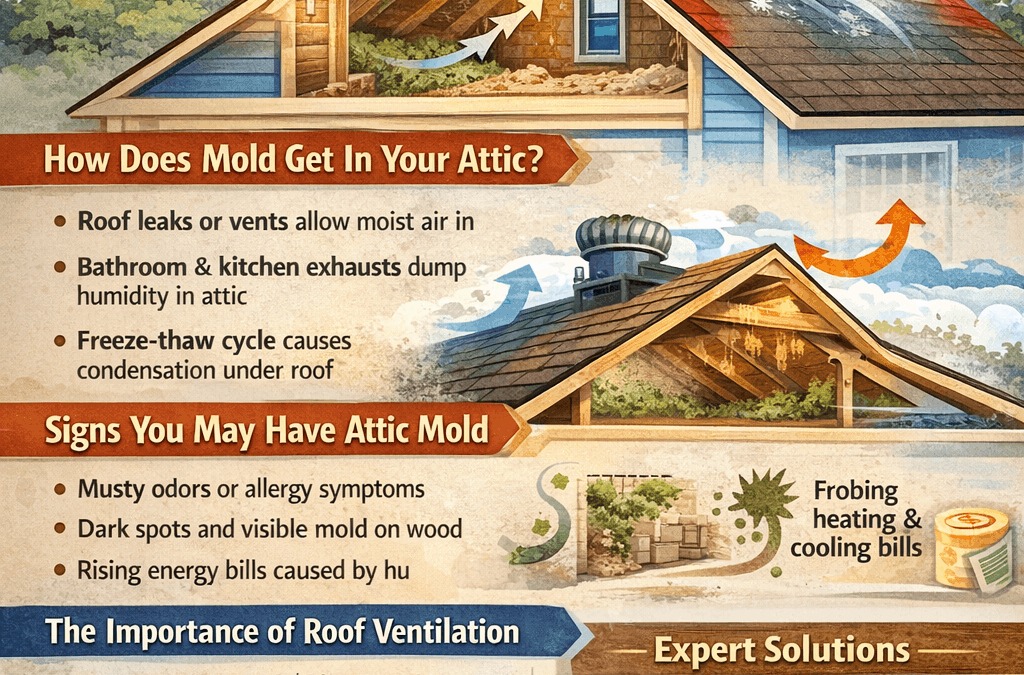
Some attic moisture starts inside the house. Shingles and flashing can be sound while humid air enters through an exhaust duct or gaps in the ceiling below.
Exhaust ducts that discharge into the attic
Bathroom exhaust fans carry moist indoor air out of occupied rooms. A loose duct joint, or a duct that ends inside the attic, releases that moisture against cold roof surfaces. Trace each duct to where it actually discharges outdoors. For the rooms the ducts serve, start with the location map.
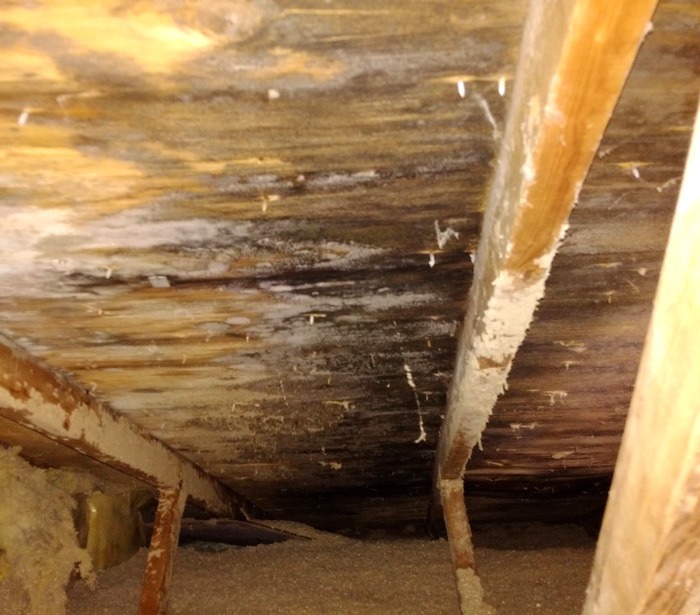
I’m trying to figure out if persistent moisture in my attic is from a slow roof leak or just condensation.
Here’s the situation:
– Roof (shingles AND sheathing) is less than a year old (April 2025).
– Some sheets of plywood have visible moisture, especially bad near H-clips, nails, and some wet insulation below. Mold is present and seems to be spreading.
We’ve made several improvements already:
– Reattached and taped the bath fan vent (they forgot to reattach it so it was venting into the attic for months…they said damper is okay)– Increased attic ventilation (added soffit baffles and more intake holes)
– Air-sealed attic hatch
– Moisture content at the worst spots reads 30-40%+ (possibly well above what’s typical for condensation).
– Light can be seen through small gaps in the ridge flashing.
– We can’t do a hose test for a while because it’s winter and water could freeze.
Given all this, is it plausible this could still be condensation possibly left over from the fan venting into the attic (fixed a month ago, weather has not been good for drying), or does it sound like a slow roof leak? Any tips on what else I can safely check this winter to confirm? If it is likely a leak, how can I convince the roofer of this? They are quite adamant it’s “just condensation”, but I suspect this maybe feels too extreme for that.
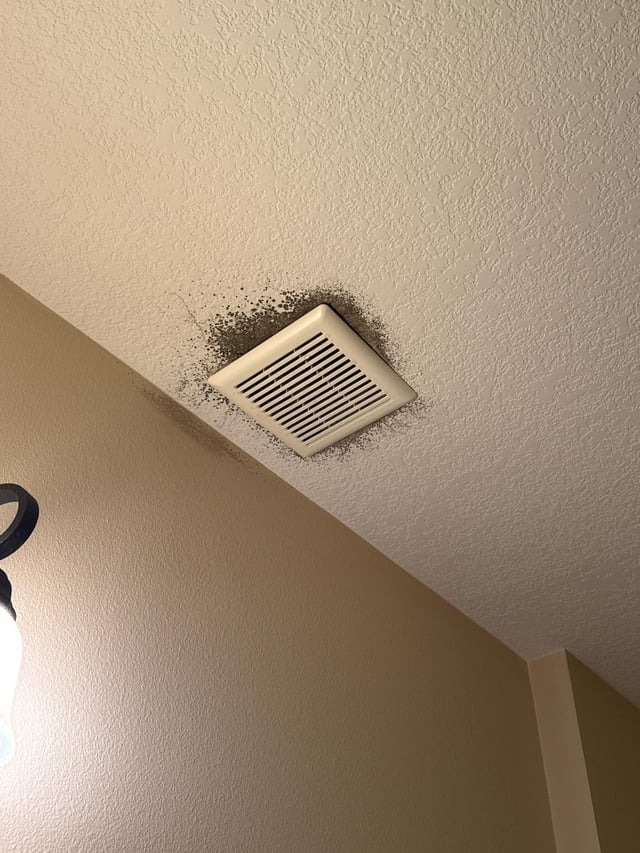
Fixing the duct dealt with one source, but the plywood stayed wet, so drying conditions and any leak evidence need their own evaluation.
Ceiling air leakage, soffits, and roof-assembly design
Warm indoor air can reach a vented attic through a leaky access hatch, utility penetrations, ceiling fixtures, and other breaks in the air barrier. When it hits cold roof sheathing, moisture can collect.
In a conventional vented attic, soffit openings let air in near the eaves, and higher vents let it out. Baffles keep that air channel clear of insulation. Ridge vents depend on a working intake path.
The DOE Building America guidance for vented attics gives the work sequence: seal ceiling openings, install eave baffles, and add insulation while preserving airflow.
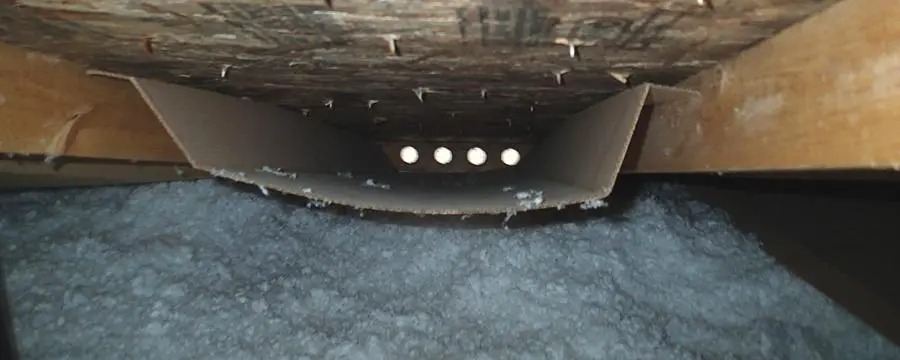
Intentionally unvented or conditioned roof assemblies use a different moisture-control strategy. Adding vents to one without assessing its design can undermine the assembly.
A building-performance or ventilation specialist should work out how the ceiling air barrier, soffit intake, high-level ventilation, and exhaust routing fit together before you change the assembly.
Is the dark staining mold, and do you need testing?
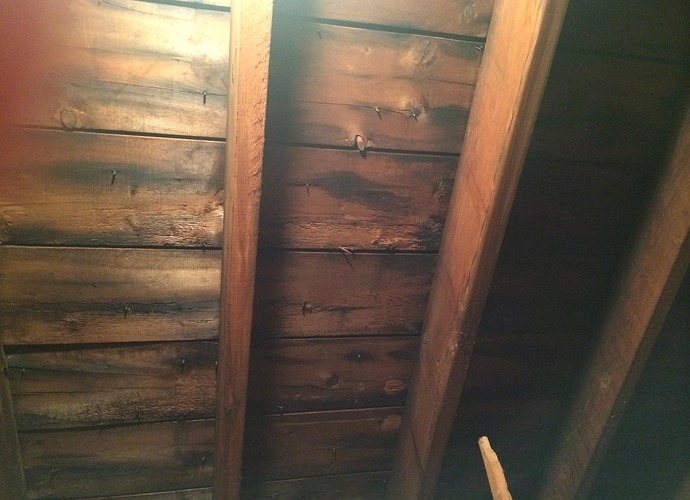
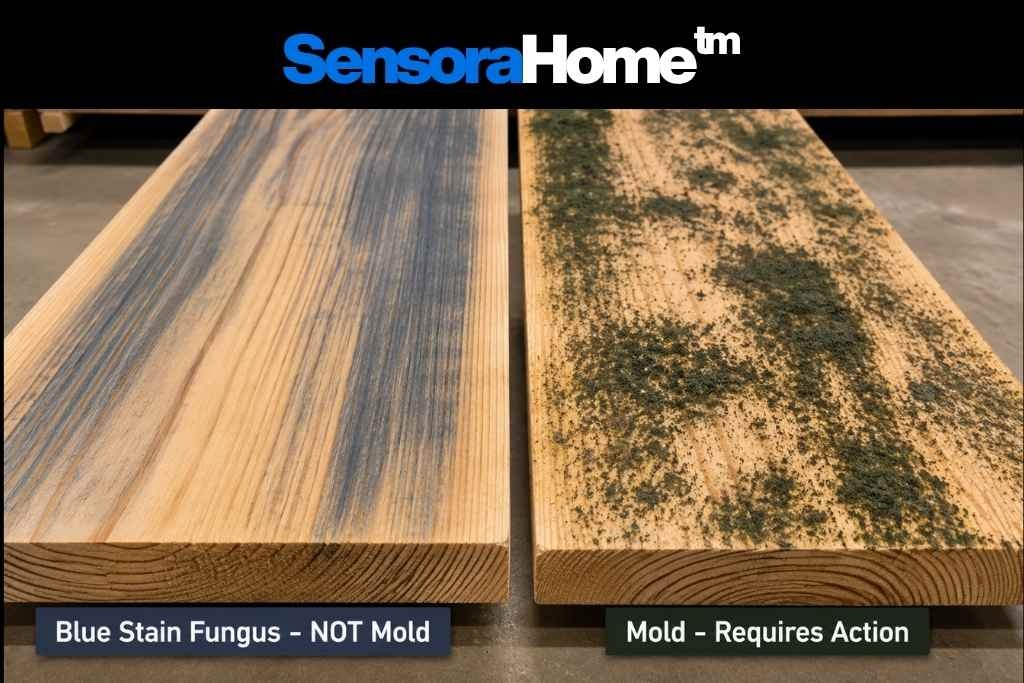
Dark wood, old water staining, and fungal growth can look alike, so an unclear finding can call for an experienced assessment. Visible growth already indicates cleanup, so the EPA generally considers routine sampling unnecessary. Professional sampling can help in a specific investigation, but no federal airborne mold-spore limit gives a universal pass/fail result. Before you pay for testing, ask what the result would change.
When is attic mold cleanup a DIY job, and when should you stop?
The EPA’s home mold-cleanup guidance says homeowners can often handle typical areas smaller than about 10 square feet, roughly a 3 × 3-foot patch.
| Decision factor | Limited DIY can work | Stop and get a professional |
|---|---|---|
| Extent | Small, localized, reachable area | Widespread or suspected hidden contamination |
| Access | Stable, supported working position | Fall hazards, exposed wiring, or unsafe access |
| Material | Sound, reachable surface, little disturbance | Wet insulation, extensive demolition, or suspected structural damage |
| Water history | Limited, understood moisture event | Major water damage or contaminated water |
| Person doing the work | Proper protection and no relevant vulnerability | Asthma, COPD, immune suppression, underlying lung disease, or another CDC-listed vulnerability |

The CDC mold cleanup guidance lists the people who should avoid mold cleanup. For limited work, it calls for at least a NIOSH-approved N95 respirator, gloves, and eye protection; more extensive disturbance needs a separate assessment of protection and work scope.
Spraying doesn’t remediate mold by itself. The EPA does not recommend bleach or other biocides as a routine default, and dead mold still has to be physically removed. Never mix bleach with ammonia-containing products or other incompatible cleaners.
Contaminated roof decking above wet loose-fill insulation is far harder to deal with than an accessible patch of sound wood.
Can moldy roof sheathing be cleaned, or must the wood be replaced?
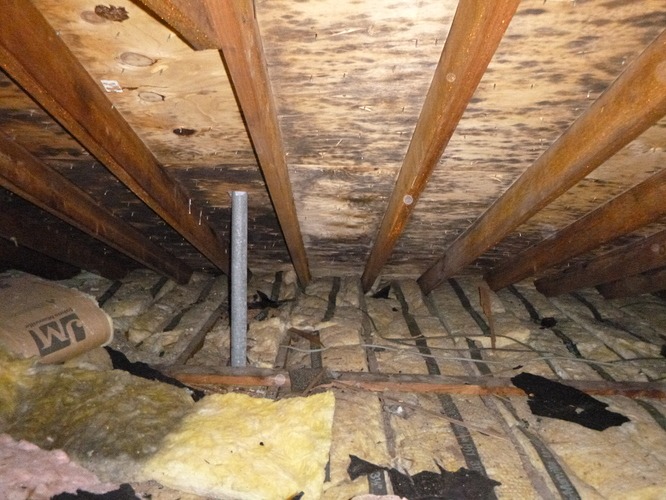
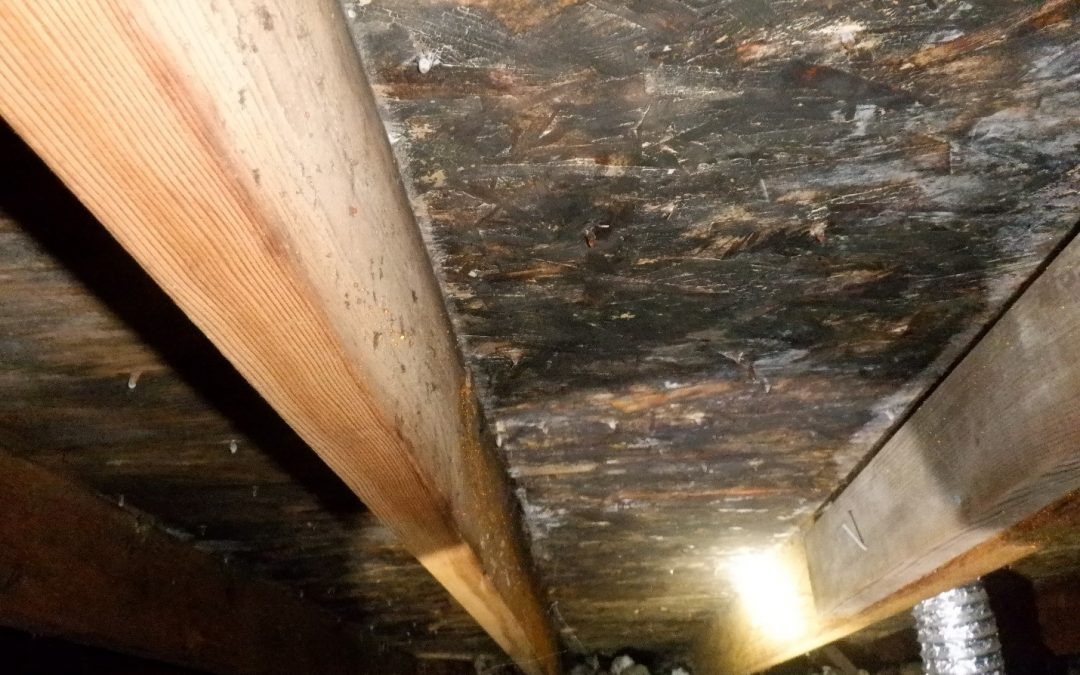
A stained roof deck doesn’t automatically need replacement. What matters is whether the plywood, oriented strand board (OSB), or framing is still structurally sound once the moisture problem is fixed.
Roof sheathing supports the roof covering and helps transfer loads to the framing. Repeated wetting can cause swelling, rot, or delamination, where layers of wood-based material separate. An inspection by a roofer or structural specialist decides whether damaged areas can stay in service.
| Material condition | Decision | Possible work |
|---|---|---|
| Dry, sound wood with surface contamination | Can the growth be removed while the wood stays sound? | Cleaning or professional surface remediation |
| Wet or contaminated insulation beside affected wood | Which porous materials must go? | Selective removal, disposal, and replacement as assessed |
| Soft, swollen, delaminating, or otherwise compromised decking | Can it still do its structural job? | Roofing or structural assessment; possible panel replacement |
| Dry discoloration after effective remediation | Is the surface sound and free of growth? | Condition check only |
Exterior shingles can look sound even when water has entered around a roof penetration.
Hi Reddit, we bought a house a few years ago, with the roof replacement date of 2009 (14 years ago). The roof looks OK and kinda intact – asphalt shingles don’t crumble much and they are still sealed to each other as far as I can judge.
However, in a strong rain recently, the roof started leaking into our bathroom around the sewage vent pipe. I looked into the attic and found the plywood under the shingles became gradually more dark / moldy as the the water goes down. In one place around that pipe, the plywood seems to have been rotted completely and so it leaks water inside.
Just wondering – is it incorrect installation, lack of ventilation from the attic (although there are 3+ openings for vents), lack of plastic layer between shingles and plywood, or something else?We’re mentally almost ready with calling in contractors to fix it, just wondering how to prevent it for the next roof.
So far it looks like water is flowing down the roof, seeping through shingles, wetting the plywood (that gets increasingly more dark and rottwn) without it looking that way from outside…
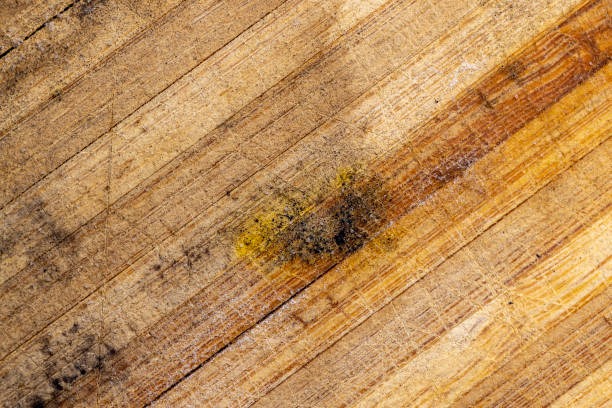
For a proposed roof-deck replacement, get a written assessment of material condition showing which areas are compromised and why. A roofer or qualified structural specialist can say whether a localized repair works or larger replacement is needed.
What a professional attic mold remediation quote should include
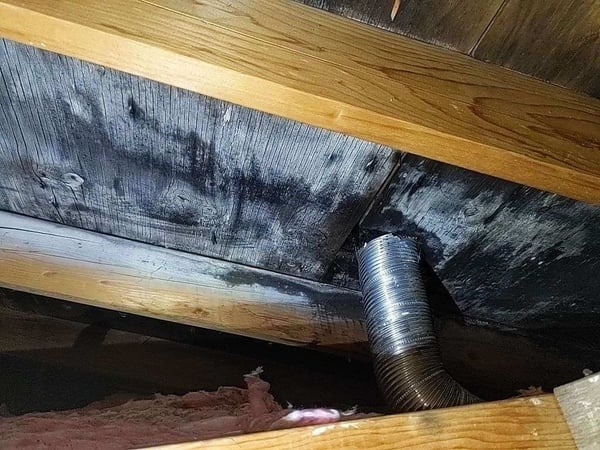
A useful quote says what will be done, who will do it, and how completion will be checked. Attic work can involve remediation, roofing, air sealing, insulation, and structural repair, and different specialists handle different tasks.
Once the moisture defect is identified, the work plan should say how safe access and containment will be arranged. It should list which surfaces will be cleaned and which materials removed, how debris and dust will be handled, and how the finished work will be inspected. Containment method and degree must match the actual extent and disturbance.
| Scope item | What the proposal should specify | Deliverable or responsibility |
|---|---|---|
| Moisture diagnosis | Affected locations and suspected pathways | Written findings and stated uncertainties |
| Source correction | Roof, exhaust, ventilation, or air-leakage repair | Named contractor and repair scope |
| Access and containment | Protection and isolation matched to the work | Remediation work plan |
| Affected wood | Which wood is kept, cleaned, or replaced | Defined treatment or removal areas and method |
| Insulation | Removal, disposal, or replacement where needed | Itemized material scope |
| Structural evaluation | Any suspected decking or framing deterioration | Roofing or structural assessment |
| Verification | Inspection, dryness check, documentation, sampling if justified | Named person responsible |
| Restoration and exclusions | Rebuilding, finishes, warranties, excluded tasks | Written deliverables and limitations |

Professional standard. ANSI/IICRC S520:2024 Fourth Edition covers mold-remediation inspection, worker safety, structural remediation, documentation, and post-remediation verification. The publicly available overview lists those subjects. Scrutinize any contractor’s claim of compliance.
A final check before you hire shows how to test a contractor’s claims.
When choosing a contractor, look at relevant experience, references, proposed methods, and any local credentials that apply. The EPA does not operate a universal federal certification program for mold remediators; state or local requirements can differ.
If an attic finding turns up during a home purchase, a written assessment can also identify defects that belong in a repair negotiation or inspection-contingency decision.
What attic mold remediation costs and what changes the price
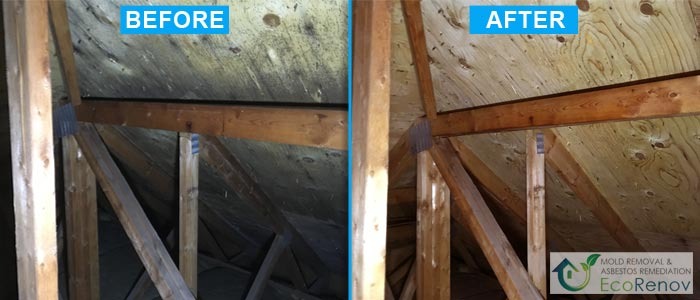
Published attic mold-remediation estimates vary because the projects behind that label differ in extent and included work.
SERVPRO’s May 2026 guide, citing published national estimates, gives an attic-remediation range of $1,000 to $4,000 and says more extensive work can reach $7,000 or more.
HomeGuide’s February 2026 mold-removal cost guide lists $1,500 to $6,000 for a partial attic and $6,000 to $15,000 for a full attic.
Actual bids depend on extent, access, containment, wet insulation, material disposal, decking repair, and related roof or ventilation work. A surface-cleaning price may exclude the work needed to stop the moisture source or restore damaged materials.
How to know the attic mold problem is fixed and keep it from returning
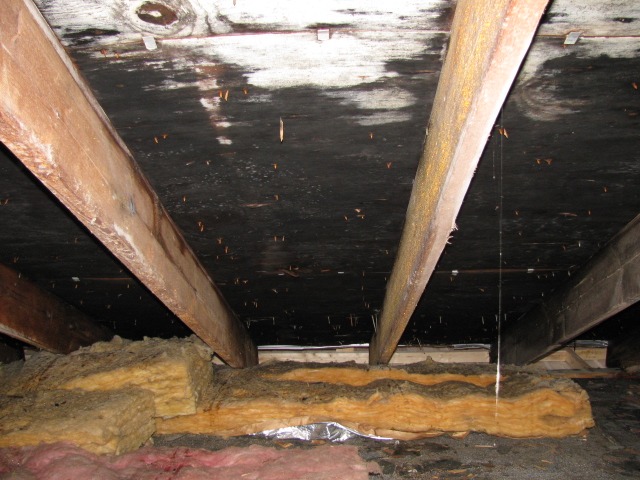
Ask for a completion record that shows:
- Source repair: What leak, duct, air-leakage, or ventilation defect was corrected, and by whom.
- Drying: Which formerly wet locations were checked, how, and what the readings or inspection showed about dryness and material condition.
- Follow-up: Whether the original wet locations stayed dry in comparable weather, or when they will be rechecked if that weather hasn’t occurred yet.
Visible growth and moldy odor should be gone, with no new signs of the moisture problem during follow-up. Cosmetic staining may remain on sound, remediated wood.
What if the attic looks clean but gets wet again after rain?
Recurring wetness needs a fresh look at the source. A roof penetration may still let water in, or another moisture pathway was missed. Find the cause before you pay for another surface treatment.