
Mold in HVAC Ducts: When to Call a Specialist
If you have credible evidence of mold inside your HVAC system, have an experienced HVAC or mold-remediation professional inspect the affected components, identify the duct material, and find the moisture source before you choose a treatment. Wet or mold-contaminated fiberglass duct insulation has to be replaced. Suitable hard-surface ducts can be professionally cleaned. A dark vent or a musty smell doesn’t prove the ducts are contaminated, so first pin down where the suspicious material actually is.
Is the “mold” in your vents inside the ducts?
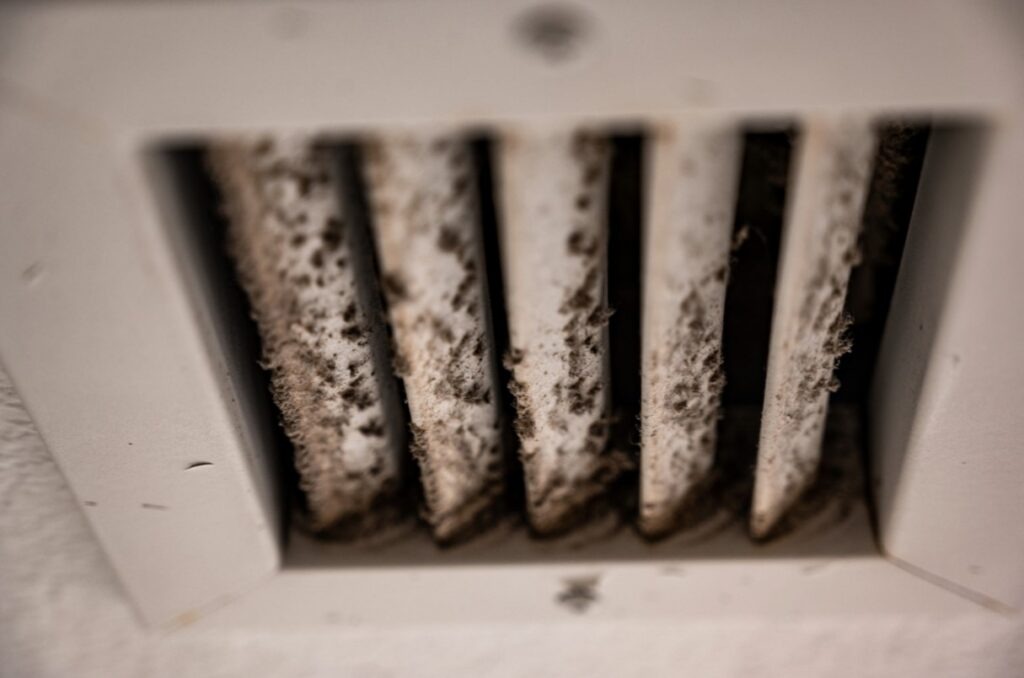
A black ring around a ceiling vent looks alarming, especially when a duct cleaner pushes a camera into the opening and announces that your system has mold. Ask a simpler question first: what surface are you looking at?
A return grille collects airborne dust as the system pulls room air through it. Dark marks can also appear around any opening where moving air deposits particles. For appliances that sit near the vents, see kitchen and laundry room mold.
The EPA advises considering duct cleaning when there is substantial visible mold growth inside hard-surface ducts or on HVAC components. It also tells consumers to ask providers to show them the suspected growth.
| What you see | What it tells you | What you still don’t know |
|---|---|---|
| Dust or dark buildup on a removable grille | The visible surface needs attention | Whether anything is growing inside the connected duct |
| Dark material in a contractor’s camera image | Something dark sits at the photographed spot | Which component it is, what it sits on, and whether it’s fungal growth |
| Visible growth on an interior HVAC component | A possible contamination problem that needs a qualified assessment | How far it spreads, the condition of the material, and the moisture source |
| Persistent musty odor | A reason to look for moisture or hidden growth | Where the smell comes from and whether the ducts are involved |
EPA does not recommend routine whole-system duct cleaning, so dust on a return grille alone is no reason to buy the service.
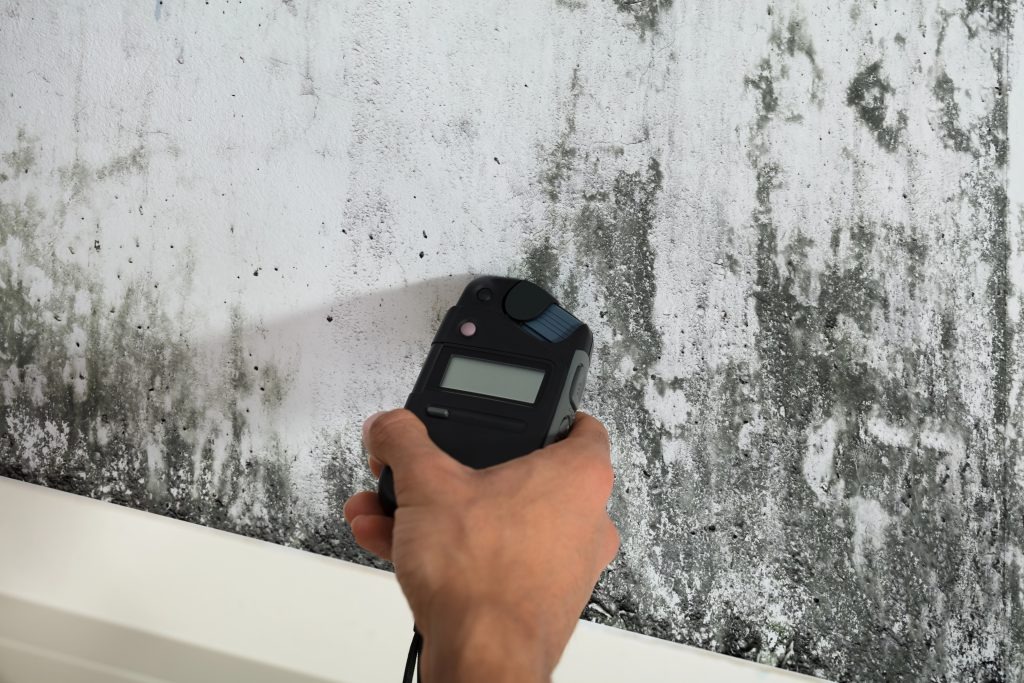
Dark acoustic insulation can look like growth in a photo. Color can’t tell you the mold species or whether it’s dangerous, and an unclear substance may need an expert to identify it. A photo with no component name or location gives you almost nothing to base a costly decision on.
Make a non-invasive record: the exact vent or component, whether the material sits on the grille or farther inside, and any leaks nearby. Keep the contractor’s original photos with their location labels. Don’t reach into deep ductwork, disturb suspect insulation, or take apart electrical HVAC equipment to get a closer look.
When to stop using the HVAC system and call an experienced professional
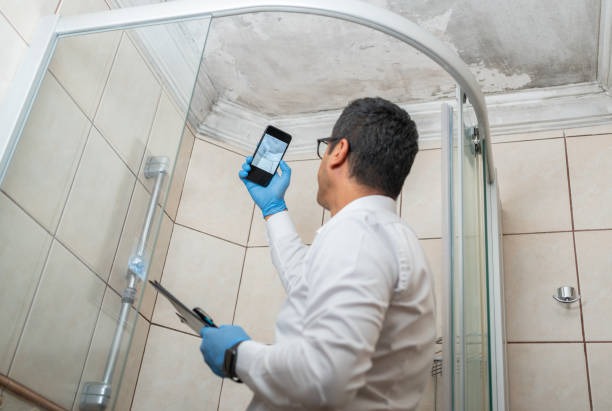
If mold is known or credibly suspected inside the HVAC system, get a professional on it promptly. The EPA’s HVAC remediation guidance says a mold-contaminated system shouldn’t run until remediation is complete, because operating it can spread contamination through the rooms you live in.
If contamination has been found inside the system, have an experienced HVAC remediation professional assess safe operation before you restart it. EPA guidance allows qualified professionals to make limited operational exceptions when no additional exposure is expected. If you hire help, see what professional mold remediation involves.
The air handler, blower, cooling coil, and connected ducts move air through the whole house, so work that disturbs contamination can reach areas far from the spot being cleaned. Deeper duct cleaning and removal of contaminated insulation belong with experienced professionals, especially when components are inaccessible or material has to come out under controlled conditions. If your household depends on heating or cooling, ask the professional what indoor conditions are safe while the equipment is assessed.
Where can mold hide in the HVAC system?
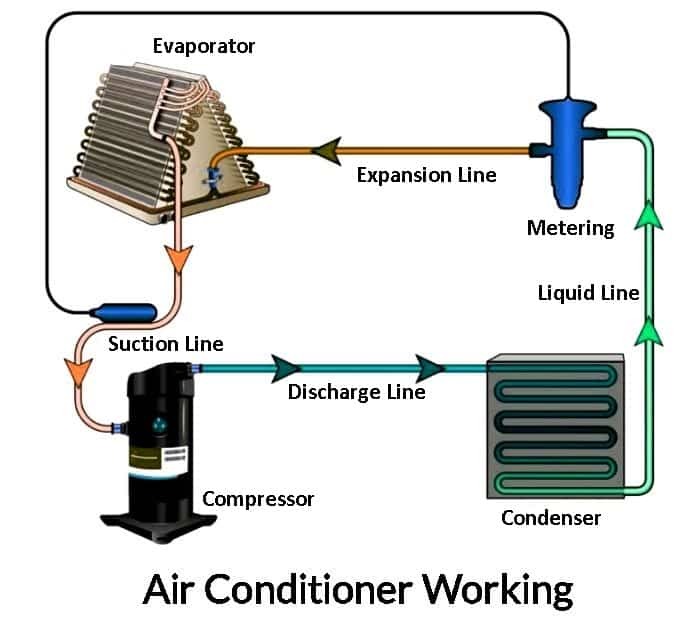
A vent is only the visible opening of a larger system. Knowing which component the contractor means tells you whether the concern is surface dust, moisture at the equipment, or suspected growth inside a duct.
Return openings draw room air toward the air-handling equipment, and supply ducts carry conditioned air to the rooms.
- Return grille: Where room air enters the system. Dust collects on its exposed surface.
- Supply register: The room opening that delivers conditioned air. Staining or condensation sometimes shows up around it.
- Supply and return ducts: Air passages that may be bare metal, internally insulated, or flexible.
- Plenum: A chamber near the equipment that collects or distributes air.
- Evaporator coil: A cooling surface where condensation can form while the air conditioning runs.
- Condensate pan and drain: Parts that collect water from the cooling process and carry it away.
- Blower and air handler: Equipment that circulates and conditions air.
After water damage, check the condensate pan, drain, and neighboring cooling surfaces first. A wet pan or a drainage defect is a different repair problem from dust in a distant supply branch.
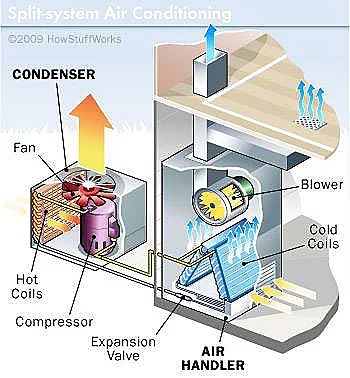
A labeled component sketch or a written list should show which areas were inspected, which were inaccessible, and what material was found. The EPA’s consumer duct guidance includes a component diagram and a post-cleaning checklist that covers the connected system.
Clean, replace, or investigate: duct material decides
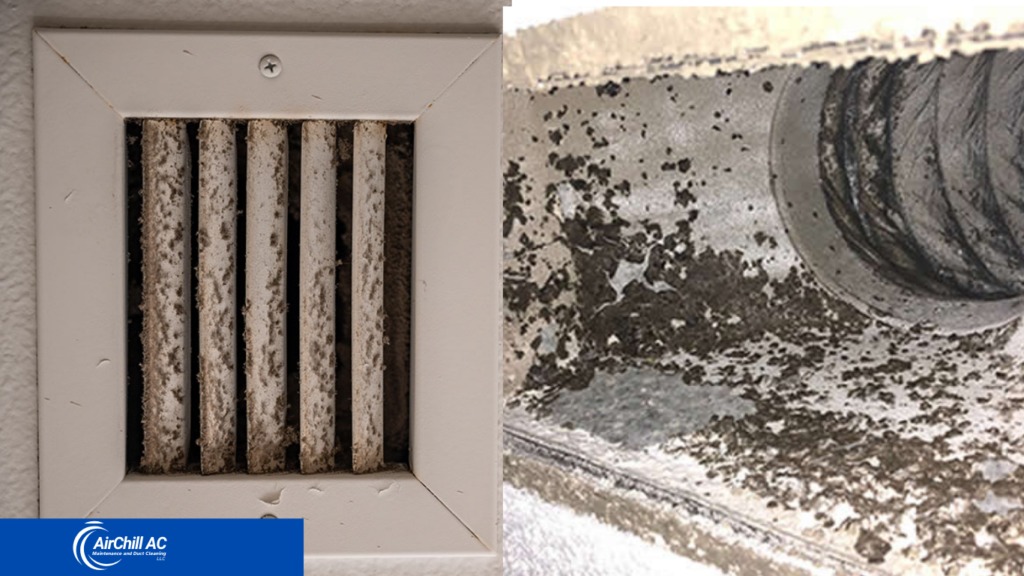
What lines the inside of the duct decides the fix. Intact metal is a hard surface you can clean. Wet fiberglass lining can hold contamination inside the material. For flexible ductwork, the actual construction and condition need assessing.
The EPA’s residential duct guidance separates cleanable hard surfaces from wet or mold-contaminated fiberglass duct materials.
| Material or condition | What to do | Why |
|---|---|---|
| Intact bare sheet metal with substantial confirmed contamination | Qualified physical cleaning can be appropriate | Accessible hard surfaces can be cleaned with suitable methods |
| Wet or mold-contaminated fiberglass duct board | Remove and replace the affected material | Ordinary cleaning can’t reliably resolve porous contamination |
| Wet or mold-contaminated internal fiberglass lining | Replace the affected lining or components | Moisture and growth can stay inside fibrous material |
| Flexible duct | Check construction, condition, damage, and access | Some flexible ducts can be cleaned carefully (EPA describes soft-brush cleaning), but for accessible damaged sections replacement may be more economical |
| Dark but unidentified interior material | Investigate before choosing a treatment | It could be insulation, dust, staining, or growth |
They said they want to replace all the flexible ducts (i have 52 vents) because they said it’s not possible to 100% clean the ducts, clean/ sanitize the tunnels, and the basement coil equipment. They showed me these videos. They want to charge $320×52= plus cleaning of the aluminum stuff for a total of $19000. It’s this a scam?
The real question is which duct sections serving those 52 vents are affected and what evidence supports replacing them. A vent count alone doesn’t tell you how many ducts need replacing.
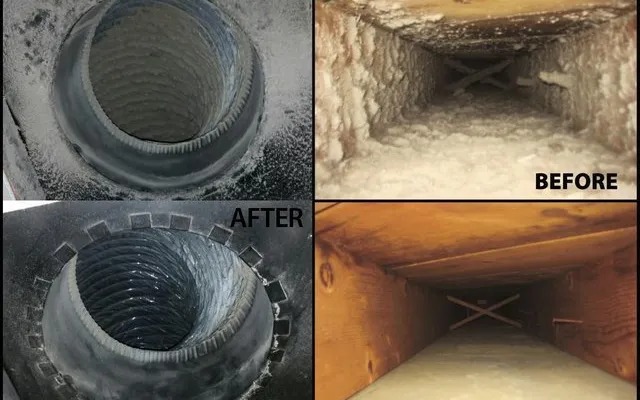
Ask for a section-by-section material inventory that separates what can be cleaned, what must be replaced, and what still needs investigation. Each replacement should trace back to a documented defect or contamination finding.
Find the moisture source before treating the mold
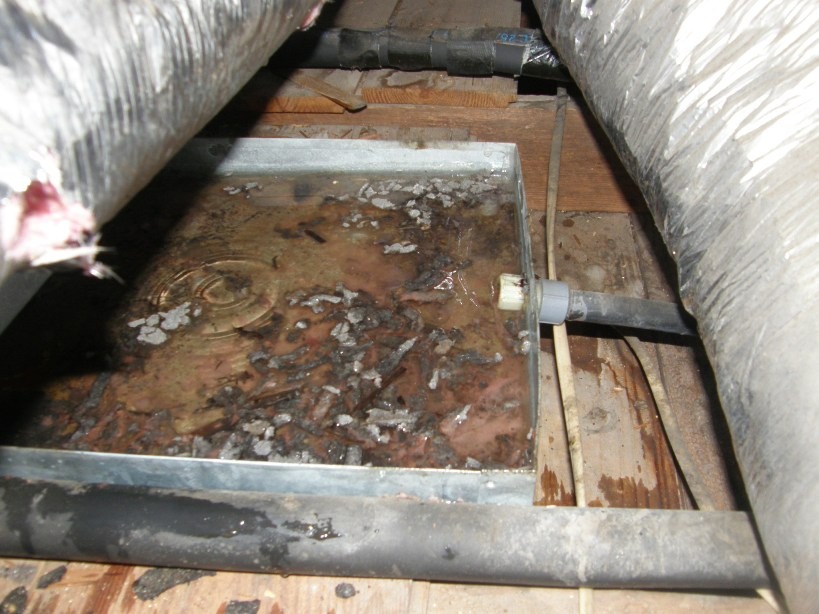
Mold remediation is incomplete while the water problem that fed the growth remains. In HVAC systems, moisture can come from the cooling equipment, damaged insulation, unwanted air movement, or a leak in the building.
- Condensate drainage: Water that collects in a pan or doesn’t leave through the drain can wet neighboring materials.
- Condensation: Cold components with inadequate insulation can leave surrounding surfaces damp.
- Duct leakage: Air entering or escaping through unintended openings can add to moisture problems.
- Building water damage: Roof, attic, ceiling, or plumbing leaks can wet ducts and the materials around them.
- Previously affected material: Insulation and porous components can stay compromised after the visible water is gone.
A stain beside a ceiling register doesn’t tell you where the water came from.
About 4 months ago we had insulation replaced in our attic. The installers accidentally knocked loose a tube on our AC unit and it leaked, causing water damage to the ceiling. They did replace the water damaged ceiling and the AC company came out to check on the unit and it looked ok.
I was in my son’s room the other day and noticed the vent, which is right where the leak was, looked moldy. I took it off and saw that the inside looked like this. It appears to be covered in mold. I looked at the other vents in the house and there also appears to be a barrier-looking thing that seems to be missing from this vent. This shouldn’t look like this, should it? And is this something I can repair myself?
A repaired ceiling looks finished, but wet duct material or an unresolved equipment fault may still be out of sight. The contractor’s investigation has to follow the reported water damage.
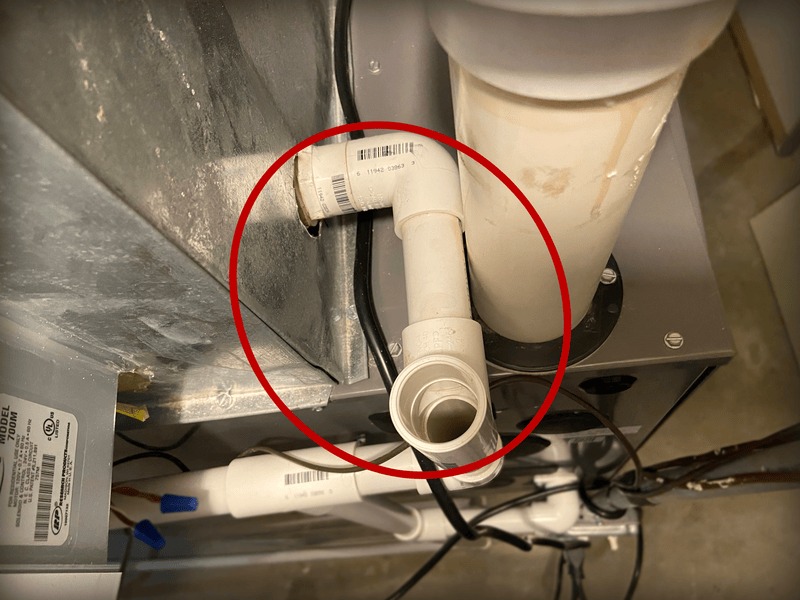
Changing air filters regularly won’t fix a leaking pan, drain, or duct-insulation problem. Ask for a written cause-and-correction plan that names the moisture mechanism, the affected parts, the completed repair, and how drainage or drying was confirmed.
Do you need a mold test before deciding on duct remediation?
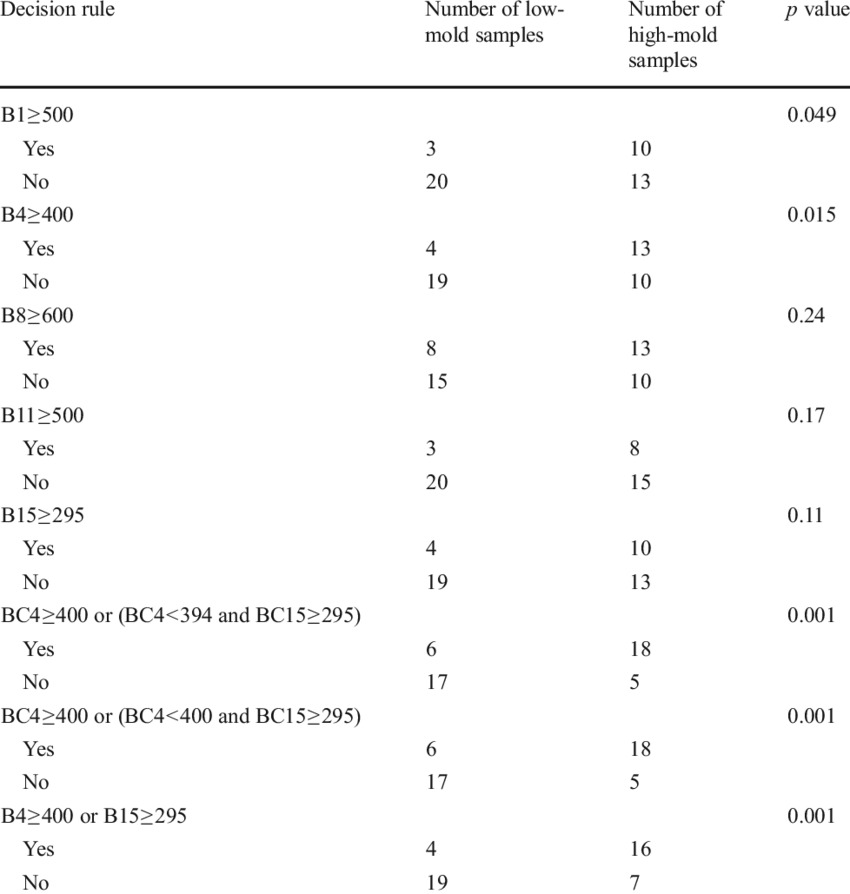
Routine mold sampling is usually unnecessary when visible growth already shows that moisture needs correcting and the growth needs cleaning up. The EPA’s mold-testing guidance says no federal indoor mold exposure limits exist that turn laboratory findings into a universal pass-or-fail certificate. CDC/NIOSH cautions against relying on short-term air samples for health-risk decisions.
Targeted expert identification can help when an ambiguous dark substance could be duct lining or fungal growth and the answer would change an expensive or invasive remedy.
If an investigator proposes sampling, ask what exact question it would answer and how the result would change the work.
Who should inspect or remediate a contaminated HVAC system?
The right expertise depends on what’s found. HVAC technicians investigate airflow, equipment operation, condensation, and drainage. Qualified remediation specialists handle contaminated materials, removal controls, and cleanup.
Replacing contaminated lining accomplishes little if the connected cooling equipment keeps leaking, so the remediation and HVAC teams may need to coordinate the removal work and the mechanical repair.
EPA recommends professionals experienced in HVAC systems for mold remediation affecting those systems.
Qualifications worth checking
A contractor should explain relevant work experience, how access and containment will be handled, and how cleaning or removal will be assessed.
NADCA released the 2025 edition of its ACR standard on September 24, 2025, for HVAC assessment, cleaning, and restoration. ANSI/IICRC S520:2024 covers professional mold remediation, including affected materials and verification.
The National Air Duct Cleaners Association also keeps membership information you can check independently.

Before you hire, confirm the firm’s identity, relevant experience, applicable qualifications, insurance, and any licensing your jurisdiction requires. Check that a claimed credential belongs to the person or business doing the work. Association membership is a screening detail. It isn’t an EPA endorsement, an automatic state license, or a guarantee of workmanship.
Before you sign, run a final check on the contractor: qualifications, scope and written estimates.
When a diagnosis is disputed or the proposed replacement is unusually extensive, an independent assessment can help separate the finding from the sale.
What must be in a duct mold remediation quote?
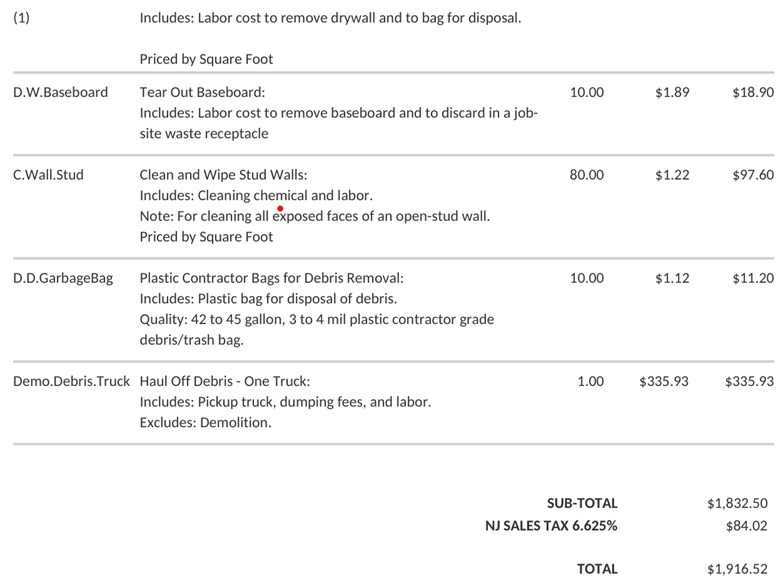
A usable quote names the affected locations and materials, the proposed treatment, and how the moisture will be corrected. “Duct sanitizing” alone doesn’t say whether the contractor will clean metal, replace lining, treat a coil, or repair a leak.
New homeowner here and honestly just trying to figure out what’s reasonable.
I booked one of those $49 air duct/HVAC cleaning deals today. Once the technician inspected everything, he told me that what he was seeing was mold and that the basic cleaning wouldn’t be enough.
He said they would need to do a much deeper cleaning/remediation of the HVAC/duct system, supposedly around 6 hours of work, and quoted me roughly $600–700.
The problem is that the mold wasn’t actually tested or independently confirmed — it was basically identified visually by the same company that was trying to sell me the upgraded cleaning.
I’m not against paying to have the system properly cleaned if it actually needs it. I just don’t want to fall for the classic cheap-service-then-expensive-upsell situation.
[…]
I did not go through with anything, I am new to this and have no prior experiences so I was just asking for advice, I just found a coupon for this and it was advertised this way but I was naive. I was not trying to do anything shady, thanks.
A written proposal should show what additional work the technician observed and why it changes the original price.
Compare the itemized scope
| Proposal component | What the written scope should identify |
|---|---|
| Evidence and affected areas | Labeled components, observed material, and extent |
| Cleaning and replacement | Specific ducts, lining, equipment, or sections to be treated or removed |
| Moisture correction | Included repair, responsible trade, and any exclusions |
| Work controls | Suitable collection equipment, access, containment where appropriate, and material handling |
| Restoration | Access openings, connections, and disturbed building materials to be restored |
| Additional charges | Testing, chemical treatments, UV equipment, change orders, and excluded work |
| Verification | Final documentation, visual inspection, and unresolved conditions |
Before cleaning starts, the provider should inspect the HVAC system for possible asbestos-containing materials, including insulation or register boots. Suspected asbestos needs appropriately qualified handling and must not be disturbed during ordinary duct cleaning.
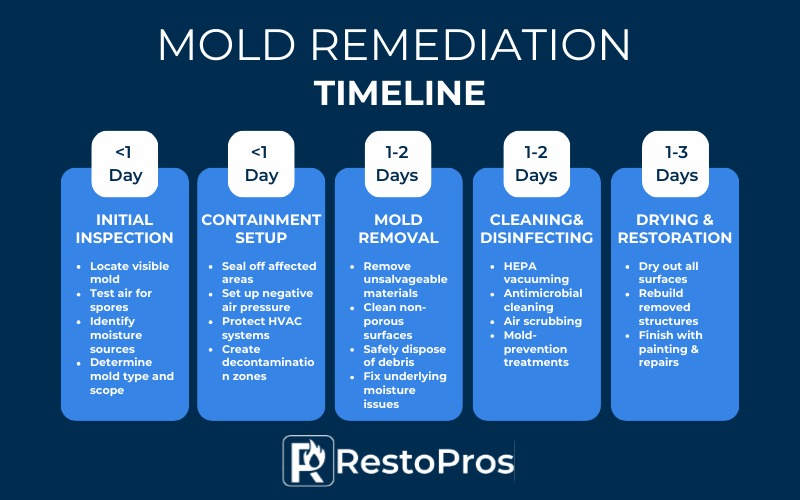
Cleaning methods should suit the material. Proper collection and controls matter because careless cleaning can spread debris or damage ductwork. Ask how unexpected findings and additional work will be approved.
UV lights, fogging, bleach, and coatings are not shortcuts
Products sold as duct sanitizers, mold killers, or air-quality upgrades don’t replace physical remediation and moisture correction. Some treatments have specialized uses, but how useful they are depends on the target component, material, and purpose.
Chemical biocides and bleach
EPA does not recommend bleach or other chemical biocides as routine mold-cleanup methods. Killing organisms doesn’t necessarily remove the material left on a surface.
In ductwork, use also depends on product registration and the substrate. EPA’s residential guidance says no biocides were registered for fiberglass duct board or fiberglass-lined ducts under the conditions described in that guidance. Never mix bleach with ammonia-containing cleaners.
Ultraviolet germicidal irradiation
UVGI equipment can affect biological growth in the right conditions. The EPA’s UV and mold guidance cautions that typical residential installations have limited effectiveness against mold. A lamp isn’t a required finishing step for every duct-remediation job.
Fogging, ozone, and sealants
Fogging and chemical treatment can leave contamination or wet insulation in place. Ozone isn’t an appropriate homeowner shortcut for a contaminated HVAC system. Sealants and coatings have material-specific uses, and coating contaminated porous lining doesn’t mean the growth was removed.
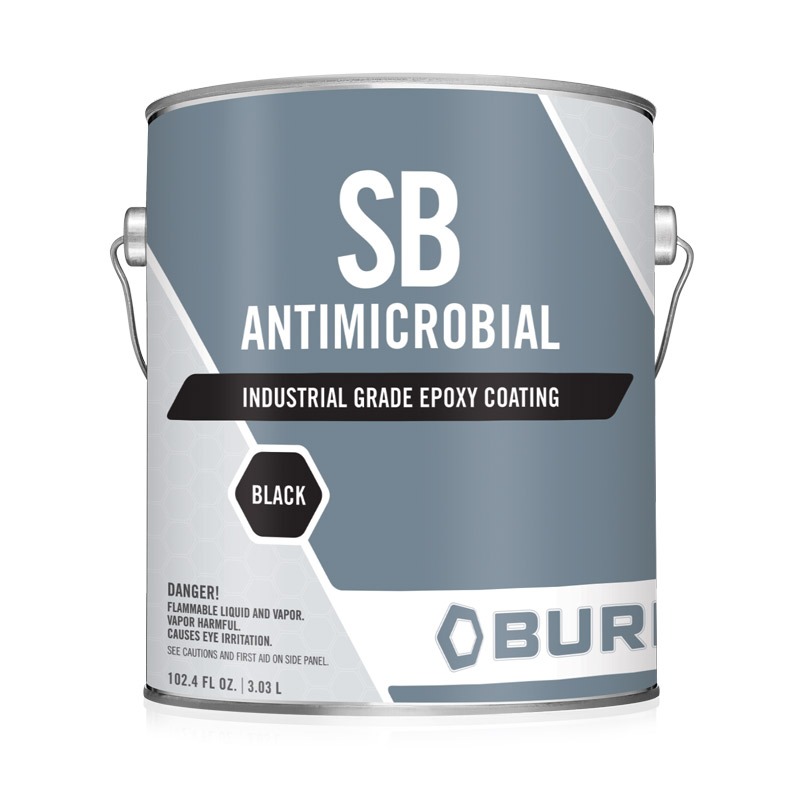
EPA also advises against steam cleaning and other methods that add moisture inside ducts. When someone proposes an add-on, ask for its purpose, the component it targets, the product labeling, and its role after physical cleaning or material replacement.
How to verify that the job is finished and the problem stays fixed
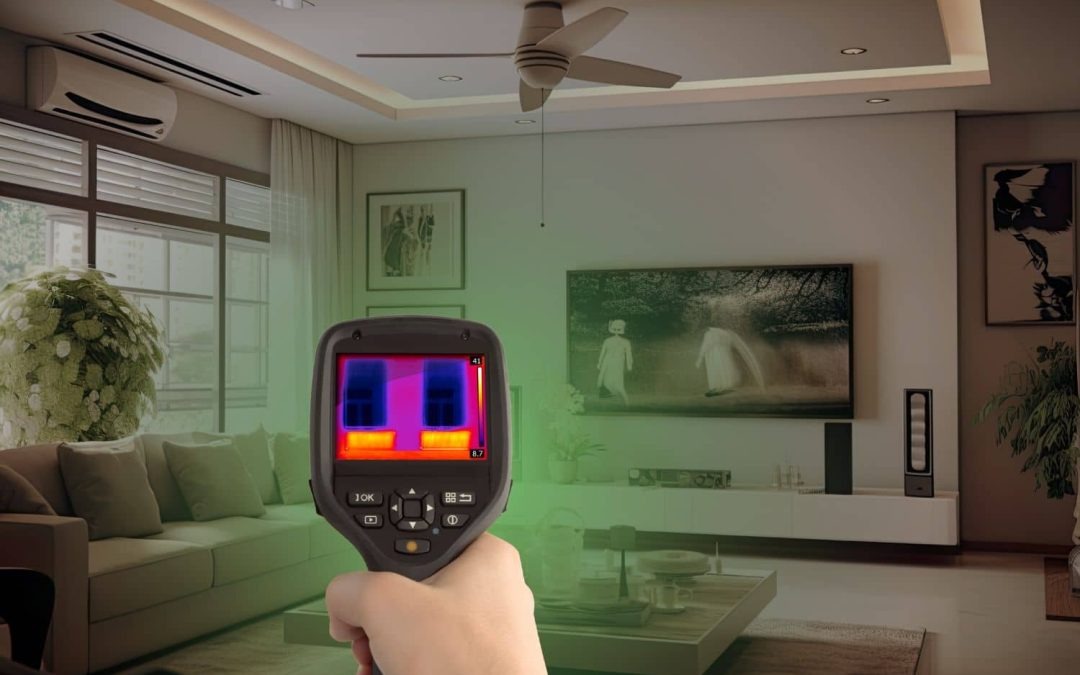
A finished remediation job comes with documented evidence that the affected material was dealt with and the original moisture problem was corrected. A photo of a wiped register shows far less than a component-by-component work record.
The EPA’s post-cleaning checklist covers ducts and connected components, including plenums, coils, condensate pans, and blowers. NADCA’s ACR 2025 framework describes verification methods including the Surface Comparison Test and NADCA Vacuum Test.
What the closeout record should show
- Completed scope: The duct sections and components cleaned, removed, or replaced match the approved agreement.
- Visible condition: Accessible areas and suitable before-and-after images show the identified material was dealt with.
- Moisture correction: The original leak, drainage defect, or condensation problem has a documented repair and appropriate verification.
- Restored ductwork: Access openings, connections, and disturbed materials are properly restored.
- Unresolved conditions: Inaccessible areas, incomplete work, and additional repairs are listed explicitly.
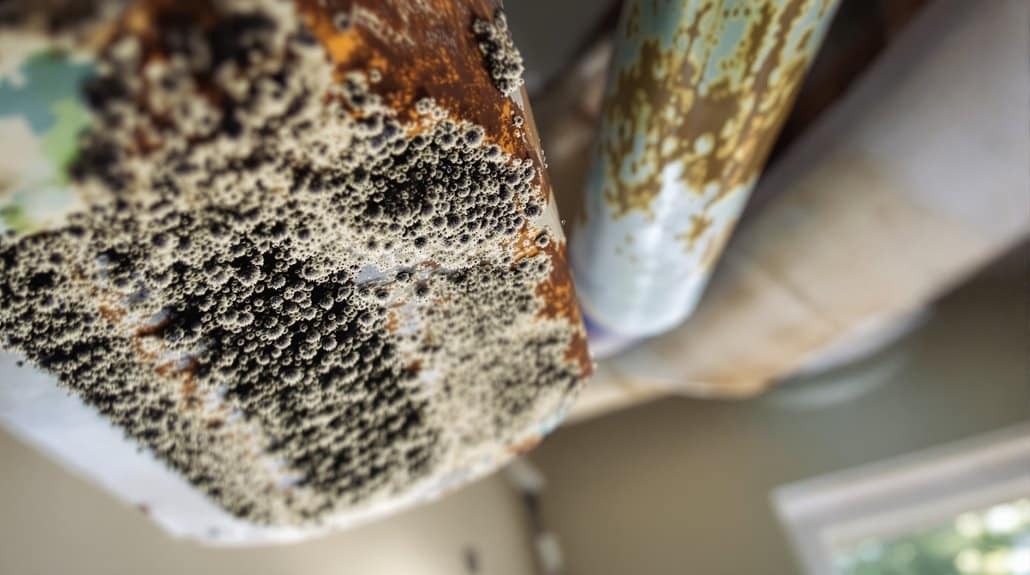
Hello, we recently moved into a rental where we’ve had some issues with the HVAC. We were sneezing, coughing, and our eyes would burn whenever we were in the unit. They found an active leak in the basement going directly into the HVAC ductwork that was going into the slab. It was loaded with mold, because the ductwork is this cardboard like tubing they used back in the 50s/60s, which absorbed all the water over the years.
It was removed, but the leak came back and some more water entered the repair, where the technician claimed was “sealed”. I can also feel air coming out all around the new repair, which I don’t know is normal. It is just a small draft. They are coming to fix some of the new damage, as the source of the leak was readdressed. I’m just questioning some of the work, but I don’t know if my gut sense is right or not.
The bigger issue is that we still smell mold, but just not as intense. It’s mostly coming from the ventilation where the ducts go through the slab.
Work can be complete on one component while water keeps entering another. Before you accept the job, review the work record, the moisture-repair evidence, and the restored access points. If leaks remain or suspect conditions continue, follow up on them directly.