
Mold on Windows and Frames: How to Clean It and Stop It Coming Back
Got a small patch of mold on a solid sill or frame? Wash it with detergent and water, dry it completely, and fix whatever keeps it wet. If rain is getting in around the window, fog sits between the panes, or the wood or drywall nearby feels soft, get the window or the damage inspected. Check again after the next cold night or rainfall.
Where Is the Water Coming From?
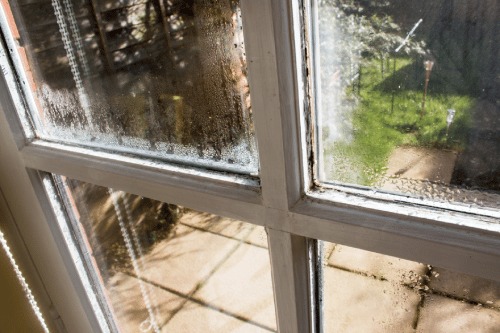
Where water shows up, and when, is your first clue. A sill that is wet at breakfast after a cold night points to a different problem than a jamb that gets damp during rain. To separate the two, read condensation or a concealed leak.
| Where and when it gets wet | Likely cause | What to look for | What to do next |
|---|---|---|---|
| Droplets on the inside of the glass after a cold night | Condensation on the room side | Water running from the cold glass onto the sill | Check indoor humidity, shade position, and glass temperature |
| Wet jamb, trim, or nearby wall during rain or snowmelt | Water intrusion | When it rains, and which joint or finish gets wet | Have the window and the exterior wall checked for leaks |
| Dew on the outdoor face of the glass | Condensation on the outdoor surface | Whether the sill inside stays dry | Treat it separately from an indoor leak |
| Haze or droplets you cannot wipe off either reachable glass face | Insulated-glass-unit seal failure | Moisture trapped between the panes | Ask a glazing specialist to look at the sealed unit |
| Damp paint, swelling, or softness beside the frame | Hidden water damage | Whether the wetness reaches past the visible window parts | Stop treating the surface and check the affected materials |
Read the glass face and the timing together. One window can have condensation and a leak at once, so mixed signs mean you should look closer.
The sill is the lower horizontal ledge, the jamb is the side of the opening, and the sash holds the glass in many window designs. Knowing these names helps when you describe a water path to a repair specialist.
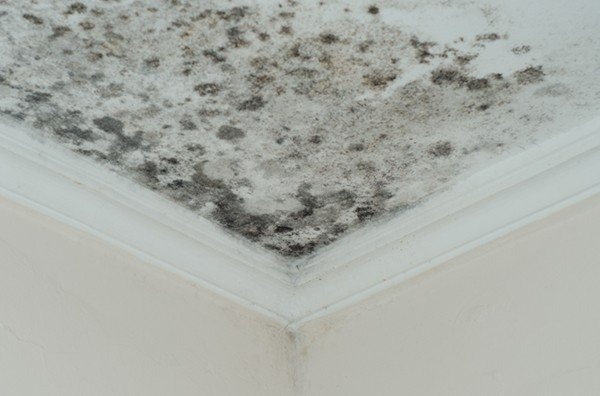
Condensation forms on the room side when humid air meets a surface cold enough to reach its dew point, the temperature at which water begins to condense. The glass can be much colder than the room air.
Rainwater can enter at flashing, installation joints, or the surrounding exterior materials. Fog inside a sealed multi-pane insulated glass unit (IGU) is a glazing problem.
When Window Mold Is Not a DIY Cleaning Job

Mold beside a softened wall or a persistent leak goes beyond DIY, even when the visible spot is tiny.
The EPA homeowner mold guide says you can often handle simple growth covering less than about 10 square feet, roughly a 3-by-3-foot area. That size rule does not apply to a wet wall cavity, contaminated water damage, or any cleanup that is unsafe.
- Compromised material: Soft drywall, swelling wood, loose paint, sagging finishes, or moisture reaching below the sill.
- Hidden or extensive damage: A damp wall with a persistent musty smell, suspected mold behind trim, or heavy flooding or sewage exposure.
- HVAC involvement: Suspected contamination in heating or air-distribution equipment.
- People at risk: Anyone with asthma, COPD, other chronic lung disease, allergies, or a weakened immune system should not do mold cleanup.
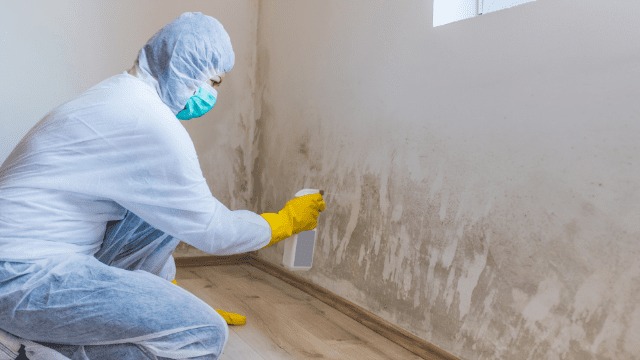
The CDC mold cleanup guidance calls for at least a NIOSH-approved N95 respirator, gloves, and close-fitting goggles for small cleanup jobs. Larger or more invasive work can need extra protection and trained personnel. Do not start by pulling apart suspect trim, opening damp drywall, or sanding contaminated paint.
I’m so tired of dealing with shitty contractors. I just want to make sure I handle this situation correctly, please help me fix this.
Had 3 windows installed Dec 2025. Just discovered they’re ALL leaking inside the walls.
One window upstairs has soft/wet drywall and the floor is soft at the bottom of the window. My LVP flooring is also showing mold.
Two windows in our living room. The whole room has started smelling like an old musty basement, nail pops below the windows in the drywall, and soft/wet drywall towards the bottom.
I have not opened up the walls yet. My wife is sensitive to mold spores and I don’t want open exposed walls until I have a plan, but there’s obvious moisture with drywall so soft I can poke holes in it.
The soft wall and floor are the warning signs here. Get the damage checked before you treat the window surface as the whole problem.
Which Window Materials Can You Clean?
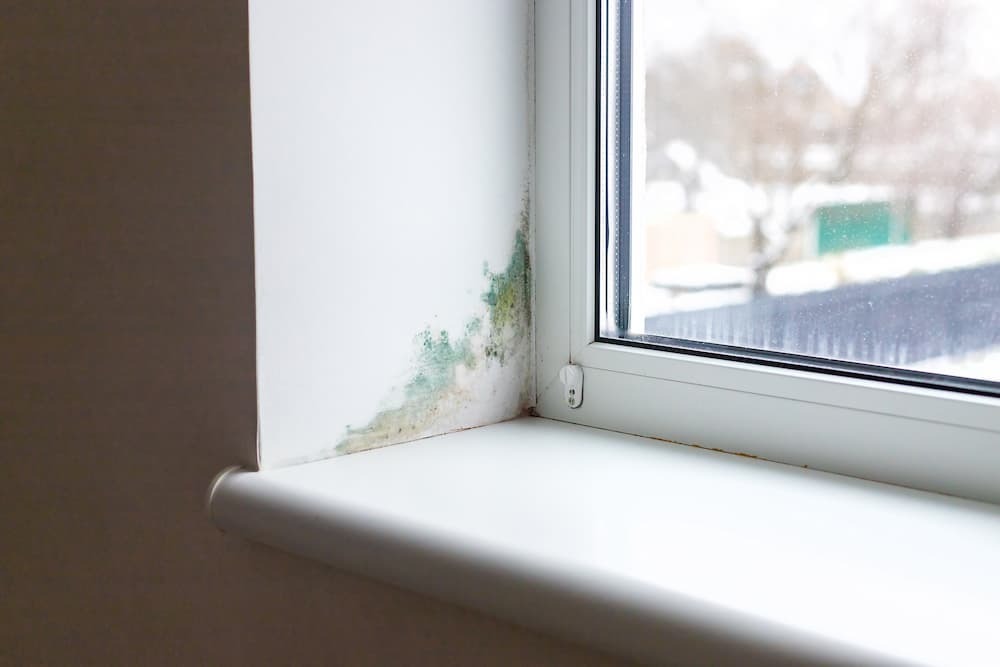
The finish matters as much as the frame material. Glass and smooth, finished frames in good shape can often be cleaned gently. Swollen wood and water-damaged drywall need a different decision. On wood frames, remove mold without missing deeper damage.
| Material or part | When you can clean it | When to stop or repair |
|---|---|---|
| Glass | Surface in good shape; clean with detergent | Fog trapped between sealed panes |
| Vinyl or uPVC | Finish undamaged; use a cleaner the manufacturer allows | Damaged finish or leakage behind the frame |
| Aluminum or other metal | Surface in good shape; use a finish-safe cleaner | Corrosion, coating damage, or wet hidden joints |
| Painted wood sill or trim | Firm wood, intact coating, little added moisture | Swelling, rot softness, peeling paint, persistent wetness |
| Soft or saturated wood | Not an ordinary wipe-clean case | Check for deterioration and whether the material needs repair or replacement |
| Drywall beside the window | Painted finish intact: have it checked case by case | Soft, swollen, moldy, or exposed gypsum may need removal and a moisture investigation |
| Caulk, gasket, weatherstripping | Undamaged; gentle cleaning only | Failed, degraded, stained through, or persistently wet |
| Tracks and drainage openings | Debris on sound parts, removed following the manufacturer’s instructions | Blocked or damaged weep holes, unclear drainage design |
Check the paint, sealant, and substrate before you pick a cleaner. Moldy porous materials can hold growth below the surface, where wiping the paint or glass cannot reach it.
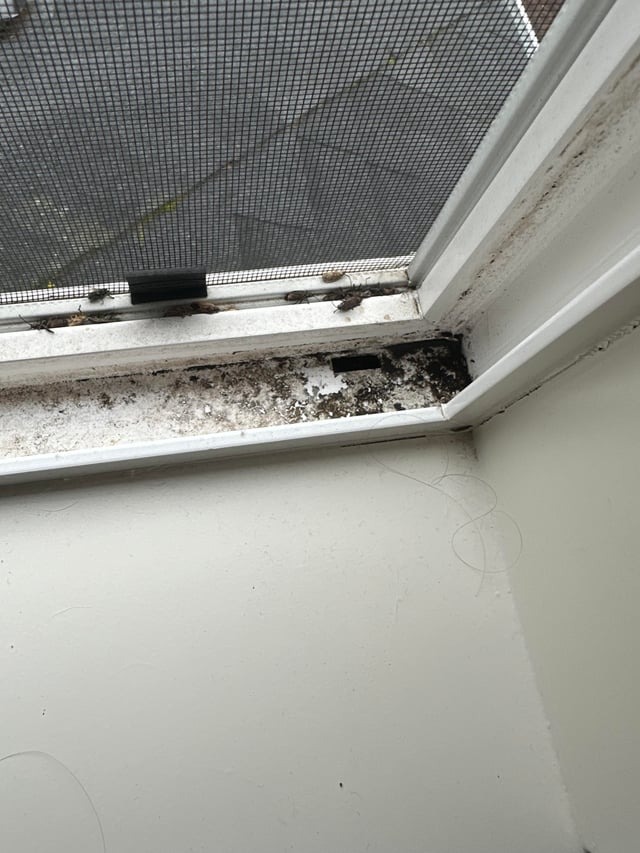
Some windows have weep holes, outlets built to let collected water escape. Keep existing openings clear as the window’s instructions say, and do not plug or drill them at random.
MI Windows publishes cleaning and drainage guidance for its own products, including how to care for drainage openings.
Homes built before 1978 may have lead in the old paint. If you disturb painted window trim, take lead-safe precautions and avoid dry scraping or sanding suspect coatings.
Some staining can remain after a successful surface cleanup. Judge the result by whether the material is firm and whether moisture and visible growth return.
How to Clean a Small Patch on an Intact Sill or Frame
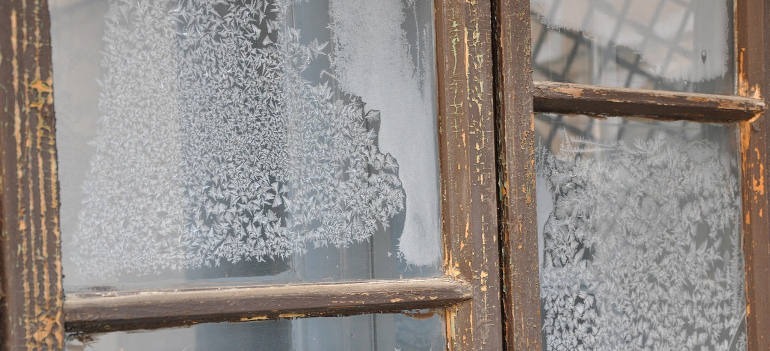
The EPA’s basic mold cleanup steps stress physical removal and complete drying. Use them once the safety and material checks are done.
- Mix the cleaner. Use mild detergent and water, and follow the detergent label and the window finish’s instructions.
- Wipe or scrub gently. Use a damp cloth or a soft brush that suits the finish to lift visible growth without flooding joints, wood edges, or the drywall next to it.
- Remove loosened residue. Go over the surface with a clean, damp cloth.
- Dry completely. Get into corners, tracks, and the joint between frame and sill.
- Wait on finishing work. Paint, primer, and fresh caulk go on a clean, dry surface after you have fixed the moisture problem.
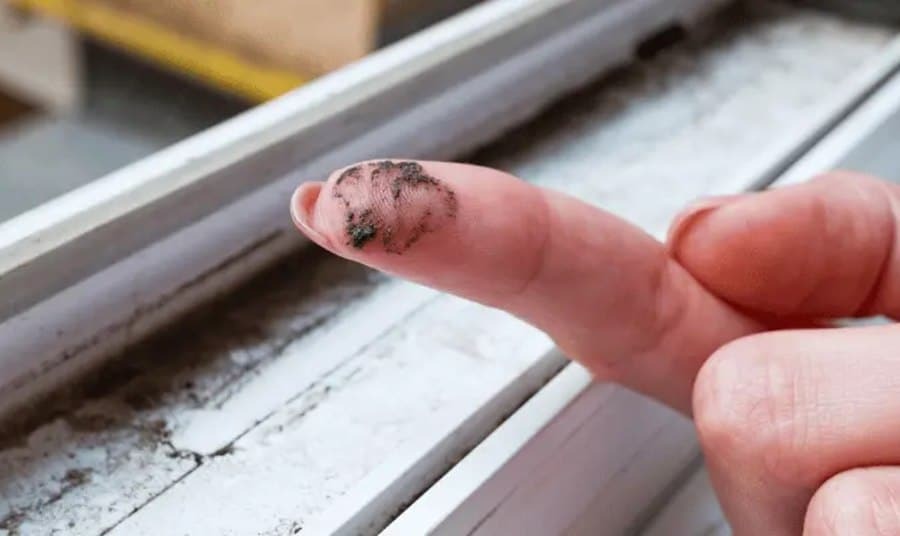
Cleaning means removing the contaminated material, because killing mold without wiping away the residue leaves a dirty surface. The EPA does not recommend routine bleach treatment for mold, and CDC guidance allows bleach only with strict precautions.
Never mix bleach with other cleaning chemicals, and do not spray cleaners into sealed glazing or hidden frame cavities.
Why Window Mold Keeps Coming Back
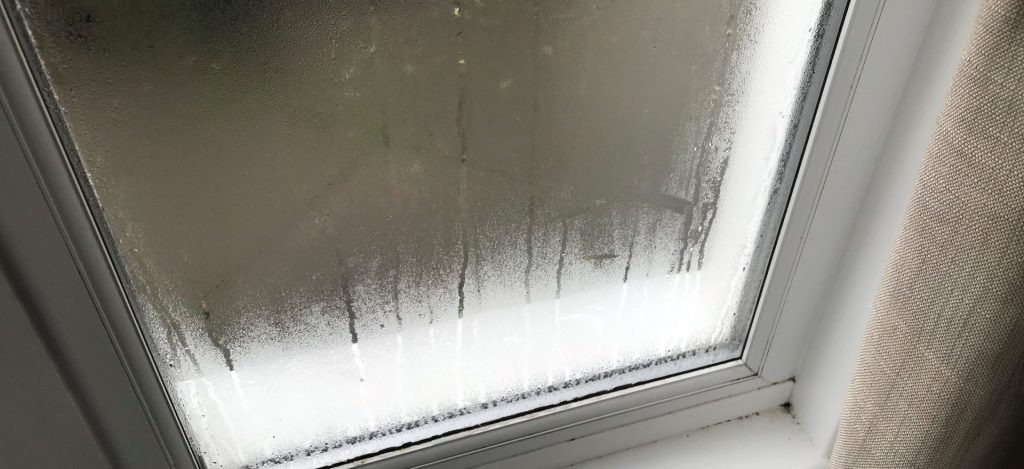
Condensation returns whenever humid indoor air keeps reaching glass or a frame surface that is cold enough. Air next to a cold pane can have a much higher relative humidity than air elsewhere in the room.
The EPA advises keeping indoor relative humidity (RH) below 60%, ideally 30 to 50%. The temperature at the glass decides whether that spot gets wet. Building Science Corporation’s relative-humidity discussion explains the cold-surface effect.
- Measure room RH. Read a hygrometer. A humidifier’s setpoint is the setting you requested, so it cannot tell you the room’s RH.
- Cut water-vapor sources. Cooking, bathing, indoor clothes drying, and humidifiers add moisture, and exhaust or ventilation helps manage it.
- Check your shades. Drawn blinds or cellular shades can keep room air from moving across cold glass.
- Adjust the moisture equipment. Lower a humidifier setting during cold periods when needed, or use a dehumidifier for excess moisture. Neither removes existing growth or repairs a rain leak.
- Remove wet absorbent materials. Towels left on a dripping sill keep wood and paint damp.
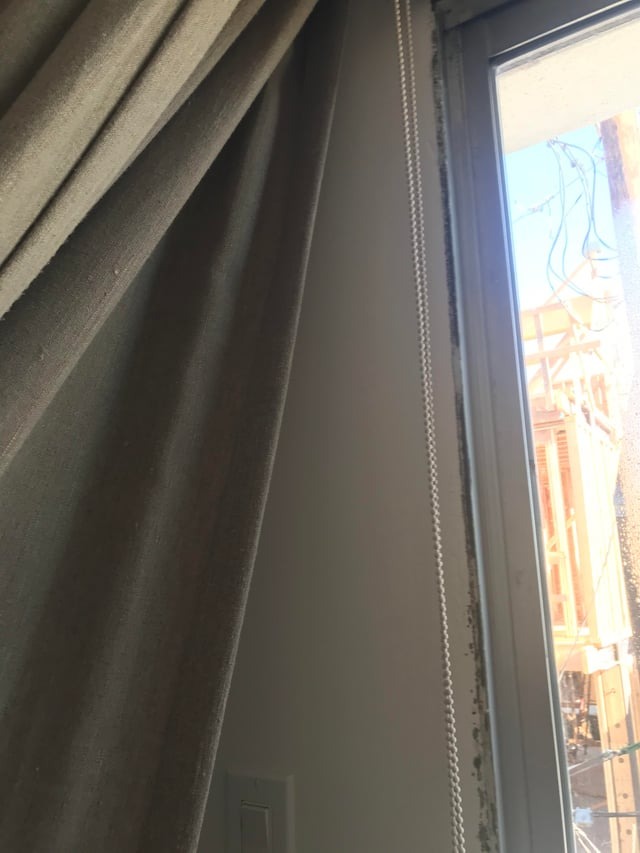
I have a Venmar constructo and an Aprilaire 600 whole house humidifier. I leave the venmar on Minimum setting on the body remote itself since the actual remote doesnt seem to be working. The humidifier is set to 30-35%, but theres still condensation like crazy on windows overnight when the shades are down.
Wake up in the morning and all the windows on the 3rd floor bedrooms are full of water and now ice since its cold.
The 1 bedroom and the main floor rooms where the shade are up – have a little water on them.
And to make things even worse the air is still dry in the bedrooms – how is this possible?
What can I change here? Did I install a whole house humidifier for no reason? I know that the colder it is outside – you need to lower the humidity- so how does that make sense – wouldn’t the air be even drier then?
Are the window shade the issue maybe or are my windows bad?
The poster’s 30 to 35% is a humidifier setting, and nobody measured the bedroom RH. The wettest rooms had their shades down, so airflow and glass temperature are worth checking.
If condensation continues after you cut indoor moisture and improve airflow, look at the window itself. The National Fenestration Rating Council publishes standardized condensation-related ratings for window products.
When the Fix Requires Window or Moisture-Damage Work
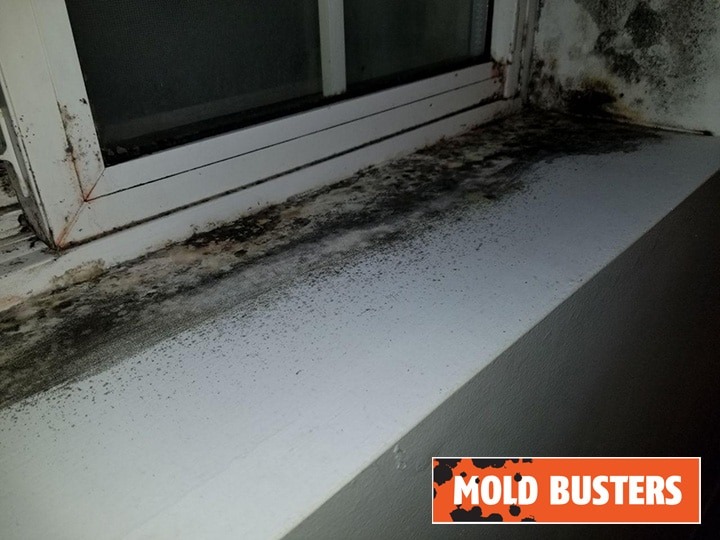
- Rainwater at a jamb or nearby wall: The leak investigation should trace installation joints, flashing, siding interfaces, and the intended drainage.
- Fog between panes: A glazing specialist should decide whether the insulated glass unit or the sash needs work. Replacing the whole window may be unnecessary.
- Soft drywall, swollen trim, or a musty wet cavity: A damage assessment should identify the affected materials. Ask for written findings that name the water source, the proposed repairs, and how dryness will be confirmed.
- Rentals: Report persistent window moisture or leaks to the building owner or property manager promptly.
How to Check Whether the Fix Worked
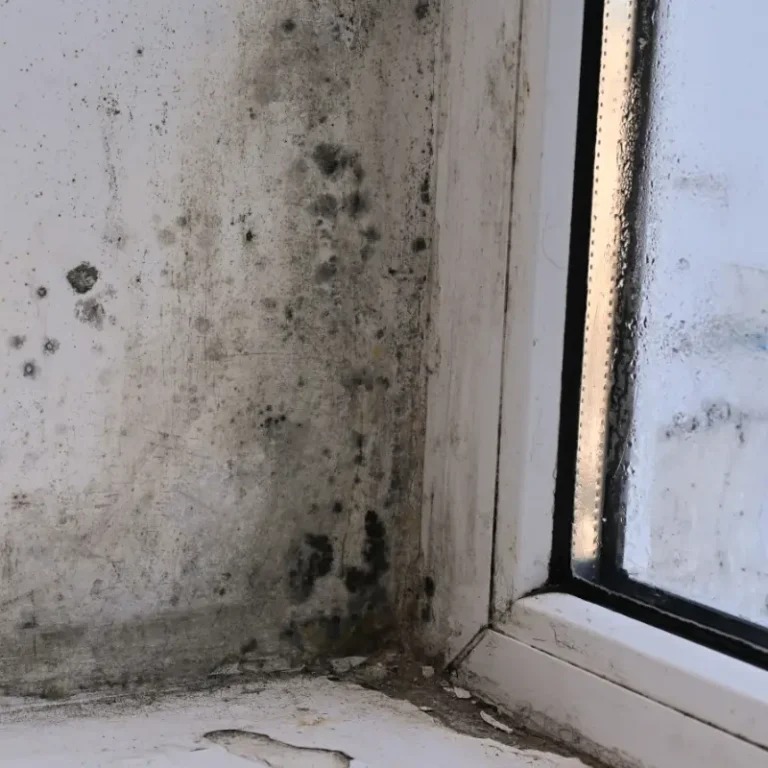
The window has passed the test when it stays dry and shows no new growth. That has to hold when the conditions that caused the wetting return.
Write down the date, the weather, where the water shows up (inside, outside, between panes, or at the surrounding finish), the indoor RH if you have a reading, whether the shades were open or closed, and the condition of the material: dryness, new spotting, odor, swelling, or peeling. Photos taken from the same angle make an intermittent problem easier to compare. Dampness that returns after the same weather points to a water source you have not fixed.
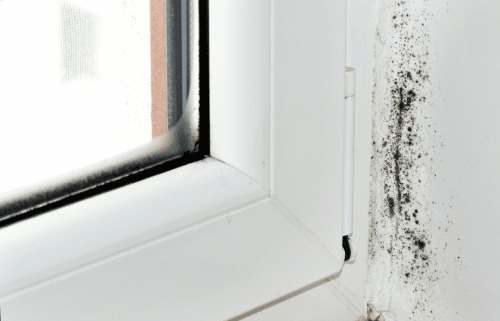
The EPA advises correcting moisture problems, removing visible mold, and confirming that persistent moldy odors are gone. Its prevention guidance calls for drying wet materials within 24 to 48 hours after a new leak or spill.
A sill can look dry while hidden building materials stay wet. Lingering odor, new spotting, blistering paint, or softened material means you should investigate further.
Do you need a mold air test after cleaning a windowsill?
Under EPA guidance, mold you can see on a surface does not usually call for routine sampling. No federal limit on airborne mold concentration certifies a home as mold-free. Sampling directed by a specialist can help in a specific investigation, but fixing the moisture and checking the affected materials remain the main checks.