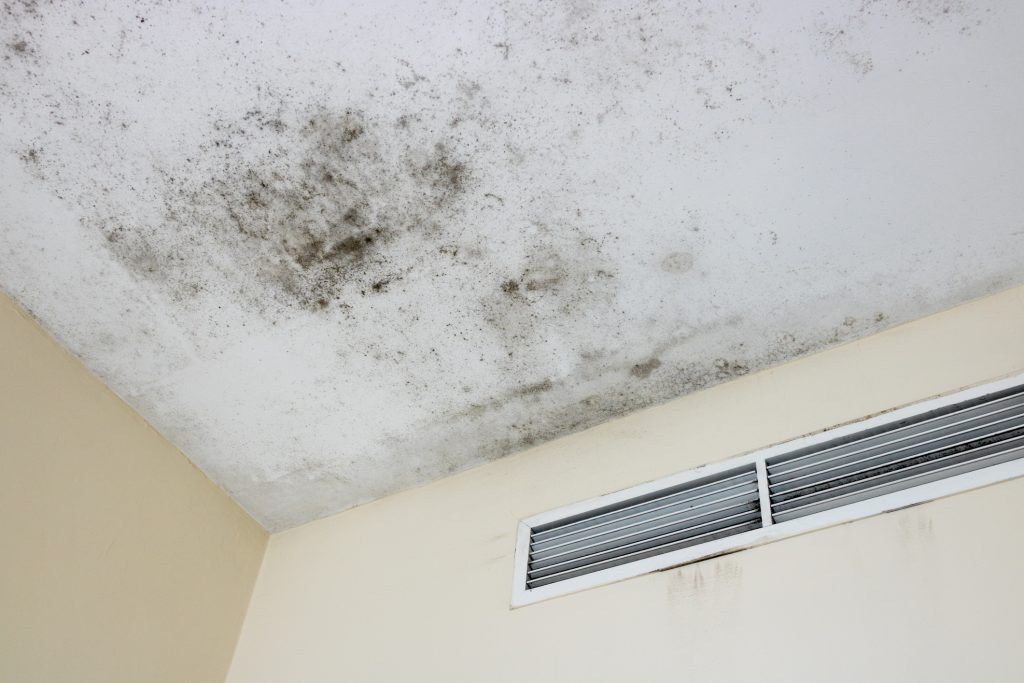
Mold in Your Air Conditioner? Check the Unit Before Cleaning
Clean only the parts your manual lets you reach, such as the filter and front surfaces. If mold sits on the blower, coil, or insulation, call a technician or replace the unit. If your model is recalled, use the official repair or refund. Check the exact model, and fix the moisture problem before you call the job finished.
Mold in the ducts themselves is a separate problem; know when it needs a specialist.
Should you run an AC that might have mold?
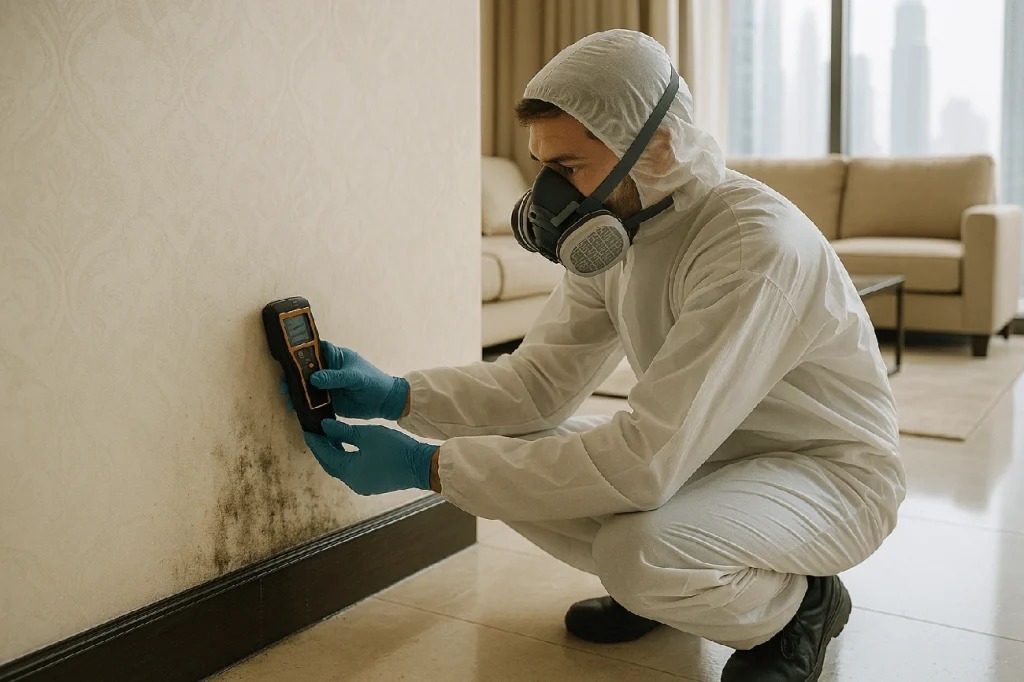
If you know or suspect mold inside an HVAC system’s air path, turn the equipment off until someone checks how far it spreads. The EPA HVAC remediation guidance advises against running a system you know or suspect is contaminated. Moving air disturbs material inside the system.
A central air handler with buildup deep inside needs a different response than a window unit whose removable filter just needs routine care.
The CDC advises people with allergies, immune suppression, or underlying respiratory diseases to avoid mold cleanup. If you take on a task the manual allows, its mold cleanup guidance calls for an N95 respirator, gloves, and eye protection.
Cooling during extreme heat: If turning off the AC leaves you without cooling in a heat wave, find another way to stay cool. Don’t rely on a spare filter to make a moldy system safe to run.
Is that dark stuff mold, dust, or dirt?
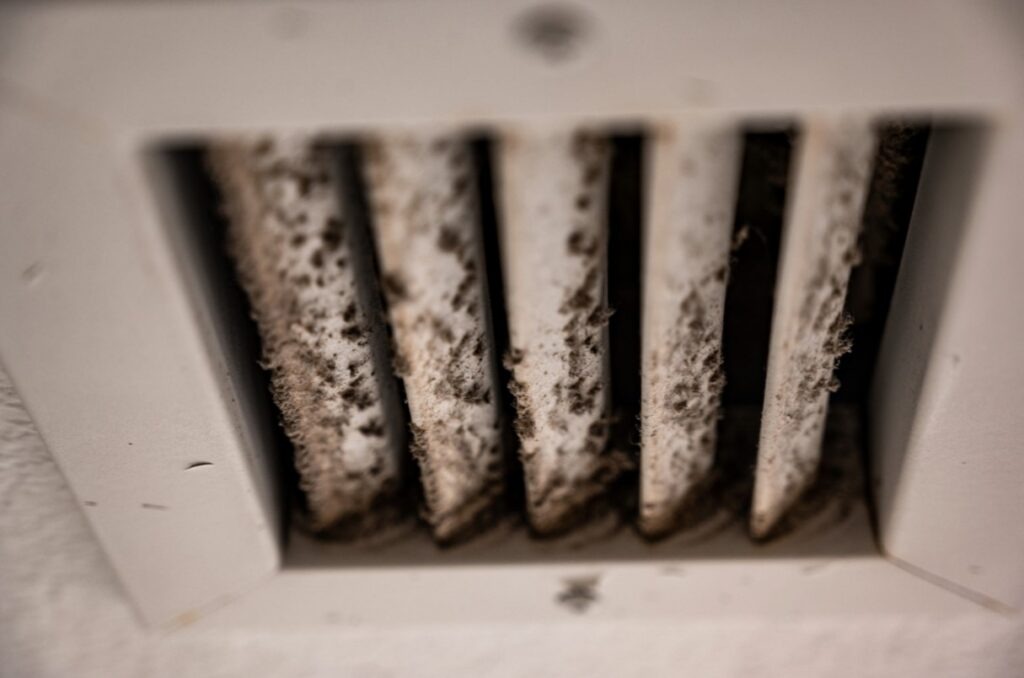
Black flecks, gray dust, and a musty smell all deserve attention, but none of them tells you which mold species you have. Damp debris around a grille can look like growth. Where the buildup sits and whether it is wet tells you more about your next step than its color does.
Before you touch anything, write down what you see. Trane lists filters, condensate pans, drains, and moisture around central systems among the sources of musty AC odors.
- Location: Photograph the buildup, whether it sits on the removable filter, at a louver, behind the front grille, or deeper in the fan compartment. Leave panels that need service access closed.
- Condition: Note visible dampness, pooled water, staining, and whether the buildup stays on a removable part.
- Timing: Note when the smell appears (at startup, while cooling, or with only the fan running) and whether it changes after routine maintenance the manual allows.
EPA does not recommend routine sampling just to confirm that visible mold needs attention. If knowing what an unclear deposit is would change a major remediation decision, a professional assessment can help. EPA has set no numerical federal airborne-mold threshold for declaring a home or appliance cleared.
Your AC type changes the safe answer
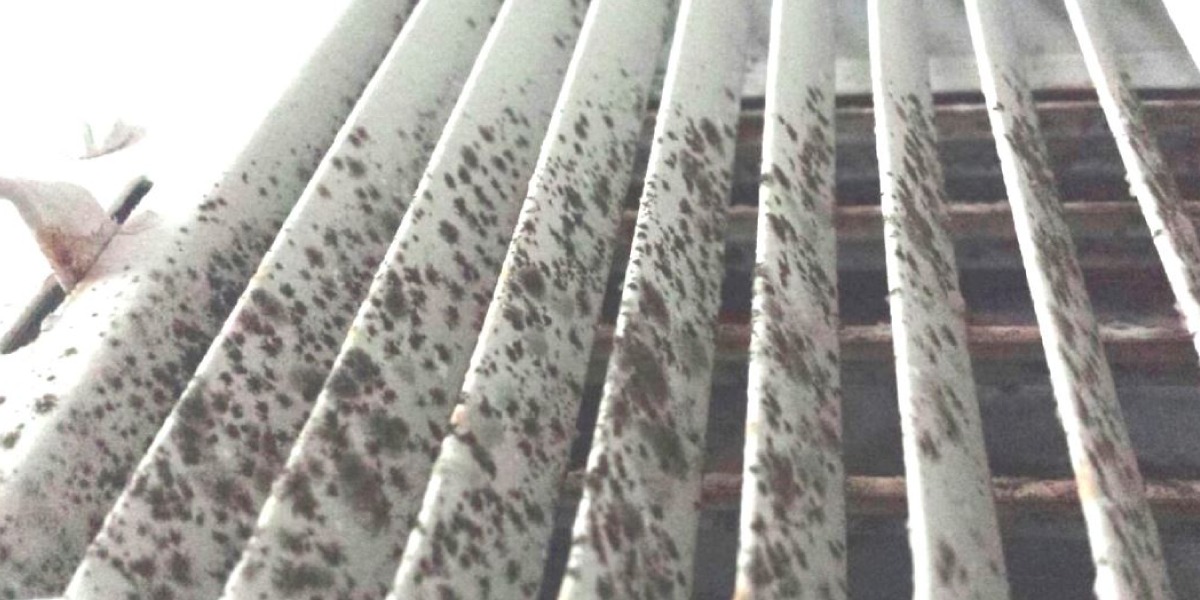
Window, portable, ductless, and central systems put the filter, blower, coil, and drain in different places, so the parts you can service differ too.
| Equipment | Routine care you can do | When you need a specialist |
|---|---|---|
| Window AC | Removable filter and approved front surfaces | Hidden blower, coil, internal foam, electrical enclosure, or a unit that is hard to remove |
| Portable AC | Filter, exterior, and the reservoir or drain plug your model designates | Internal fan, evaporator, or damp material you can’t reach |
| Ductless mini-split | Removable face filters and approved exterior care | Cross-flow blower, internal coil, condensate pump, or a contaminated drain line |
| Central HVAC / air handler | Approved filter replacement and looking over the exterior | Growth inside, damp duct liner, the air handler, or a water problem across the system |
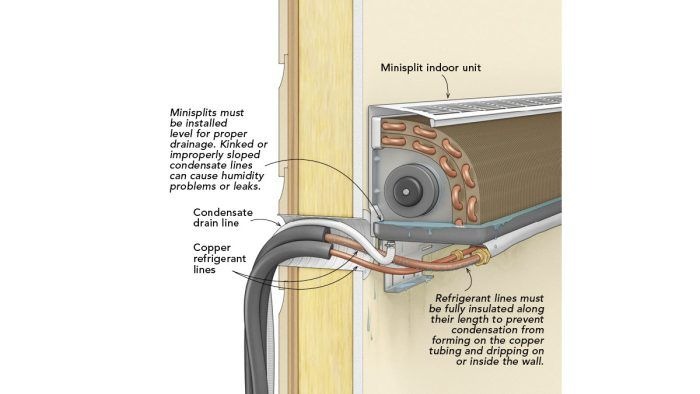
A mini-split’s long cylindrical blower sits behind the filter assembly. A central air handler can involve insulation and duct materials beyond the cooling coil. Owners of Window U/U+ units should also read the model-specific recall section, because eligibility changes the available remedy.
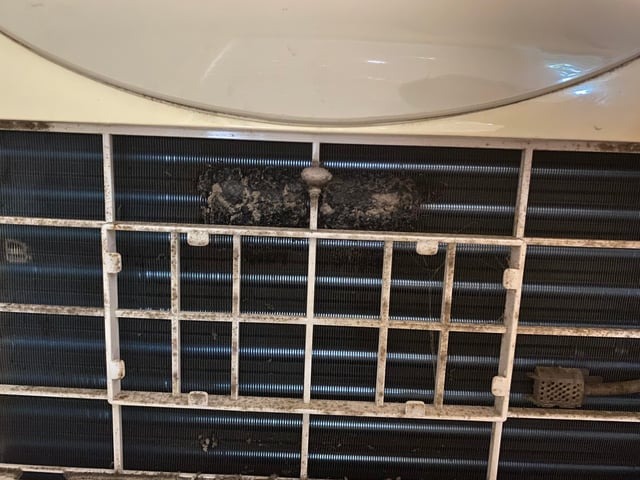
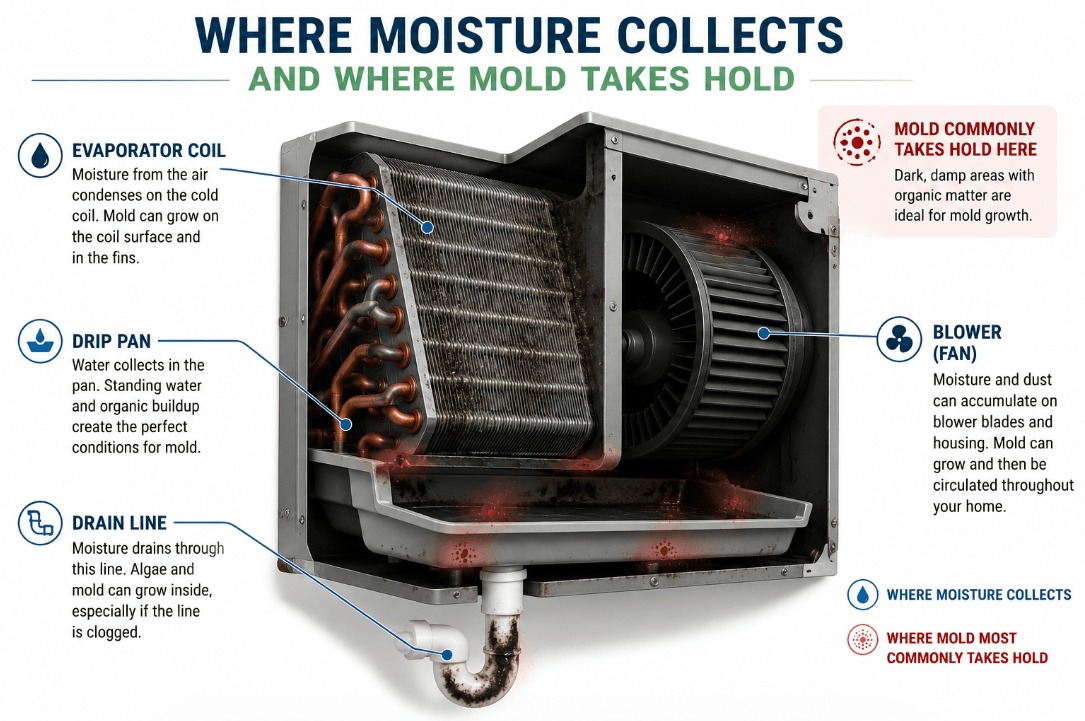
Indoors, the evaporator is the cold coil where humid air sheds water during cooling. The outdoor condenser does a different job. An instruction that just says “clean the coil” leaves out which one, and that matters for both access and safety.
What the filter hides inside the unit
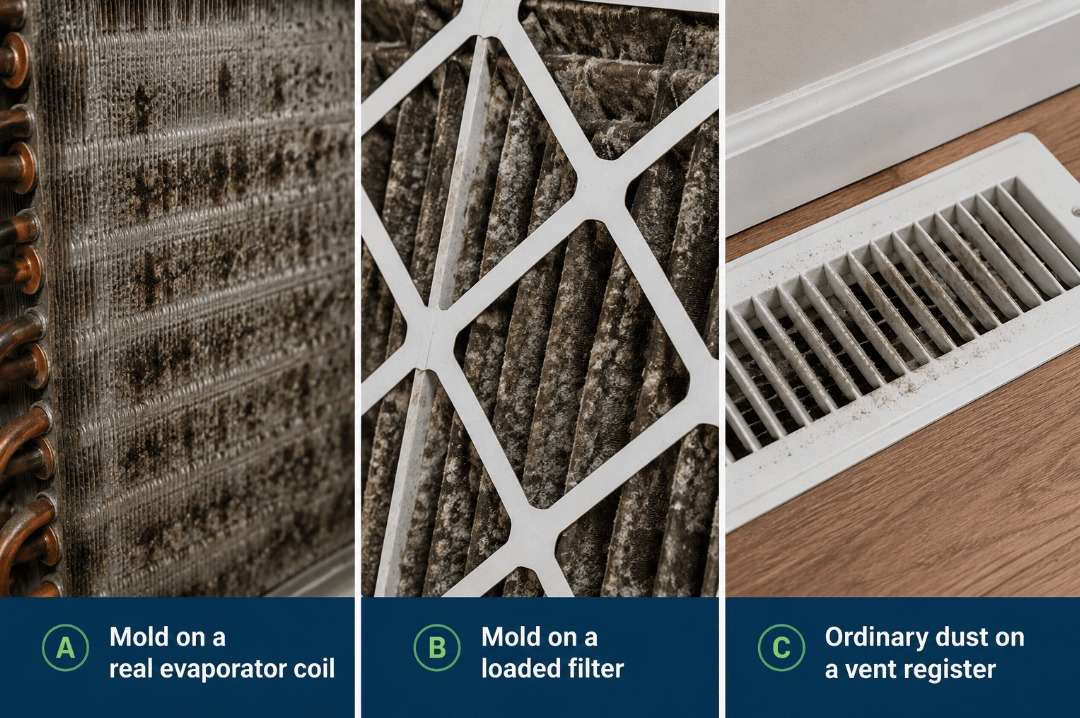
A clean filter can sit right in front of a dirty blower wheel. The filter and grille lift out easily, while the fan blades, evaporator fins, condensate pan, and insulating foam stay behind the housing.
Debris on a blower’s curved surfaces is hard to reach without taking the unit apart. Wet, moldy porous material is a bigger problem: EPA notes that affected insulated duct material may require replacement, depending on the material and extent of damage.
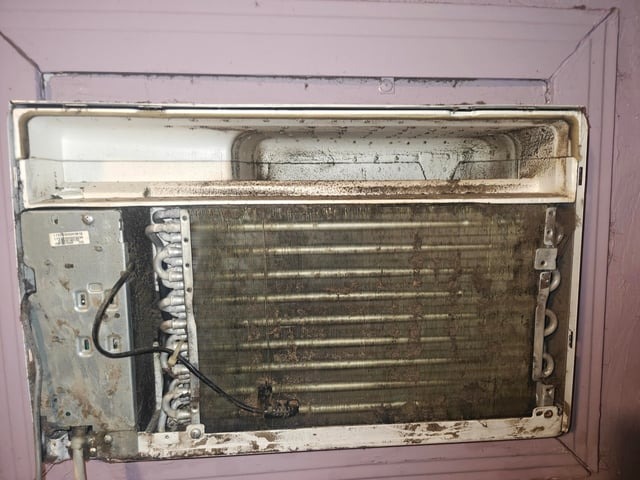
this is mortifying and honestly the photo doesn’t capture how nasty it is. how do i clean this? i didn’t realize how bad it got. is this mold? i’m kinda freaking out
ik it’s bad please don’t flame me
to answer some of ur questions, it doesn’t have much of a smell but my room has been having a musty smell lately so i’ve been cleaning stuff. and i didn’t notice it bcuz to turn it on and off i just unplug it bcuz it’s easier to get to bcuz my desk is in the way. my bf told me it was bad but he did not tell me it was this bad. i swear i am not a disgusting person
update: we opened it up ill post the photos of the inside in the comments. it was so much worse then i could’ve ever imagined, so i bought a new one. will be living off canned shit in my pantry for a few weeks but at least mold isn’t being pumped into the air.
my bf set it up at an angle out of my window (like ur supposed to) so it drains cuz apparently my ex who set up the last one 5 years ago didn’t do it right. we also bought mold spray and this one tells me when i need to change the filter which i will be doing from now on along with spraying the mold killer once at the beginning of the summer when i first start using it and once at the end when i stop using it for the winter
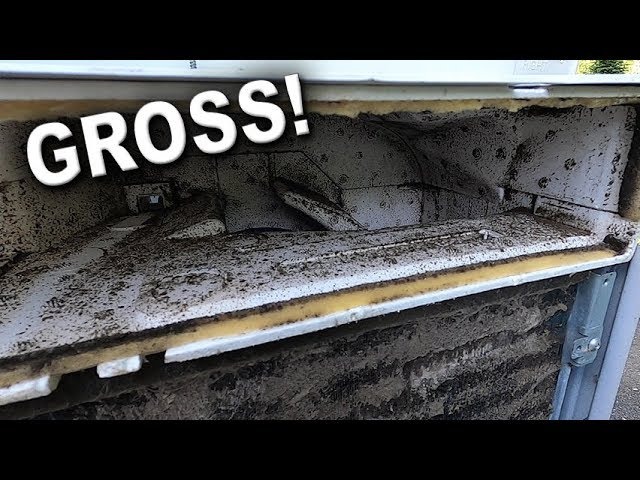
Inspect only the removable assembly described in your model’s instructions. If you can’t reach the fan wheel, or the unit sits in an upper-floor window, arrange proper access. Don’t push a brush blindly into the case, attempt an unsafe removal, or work around wiring and fans yourself.
Clean only what the manual permits
If the manual approves it, a washable filter or an accessible plastic grille cleans up without opening the unit’s internal mechanical compartment.
For example, TCL’s window AC maintenance instructions describe washing a reusable filter with mild soap and water, drying it fully, and wiping accessible surfaces with a mild detergent. LG’s portable AC guidance separately covers filter care, exterior wiping, and draining water through designated points on some models.
- Check your manual. It tells you whether the filter is washable, disposable, or replacement-only.
- Cut the power. Switch off and unplug a room unit before you remove its user-service panels.
- Clean the way the maker says. Wash a washable filter with the approved mild method. Replace a disposable one according to its instructions.
- Dry and reassemble. Follow the model’s drying and reinstallation directions before you run the unit.
EPA does not recommend routine bleach use as the default response to mold. Removing the mold physically and controlling moisture matter even where a chemical kills organisms. Never mix bleach with ammonia-containing products, spray an entire electrical appliance, or improvise chemical treatment inside concealed AC parts. Appliance-by-appliance advice is in kitchen and laundry room mold.
Noticed a few days ago that I was having allergy-like symptoms when my window air conditioner was running. Finally decided to take it apart and, yep, chock full of mold.
I drained the water that had been pooling at the bottom and wiped off the mold to the best of my ability. I even sprayed the interior with surface cleaner and mold removal spray to get rid of any lingering spores. After letting it dry, I turned it back on annnnnnd I still seem to be having allergy symptoms.
Not sure if there’s still mold in there, or if it’s the mold removal spray that’s wrecking my sinuses. Any tips on how I should proceed? If this doesn’t improve, I have half a mind to just buy a new AC unit.
When is water normal, and when does a recall matter?
Water inside a window air conditioner sometimes belongs there, while other equipment develops drainage faults. Your exact model and its intended condensate path tell you which one you have.
As warm, humid air crosses the indoor evaporator, water condenses and runs into a collection pan. Some window units hold that water so a slinger ring can throw it over the outdoor condenser. GE Appliances describes this design and warns against making an extra drainage hole on units built to hold water.
CPSC recall 25-320: Announced June 5, 2025, approximately 1.7 million US Midea-manufactured U and U+ window ACs were recalled because water might not drain quickly enough, contributing to mold risk. Eligible units qualify for the official repair or refund.
The recall covers specified 8,000, 10,000, and 12,000 BTU variants sold from March 2020 through May 2025. Affected brands include Midea, Frigidaire, Insignia, Danby, and others. Eligibility follows the exact model number.
| What you see | What it means | What to do next |
|---|---|---|
| Water in a pan built for slinger cooling | Can be intentional water retention | Follow that model’s documented drainage design |
| Repeated overflow or water outside the intended paths | An installation, drain, or mechanical problem | Get the fault checked |
| Musty odor with normal-looking drainage | Buildup or damp material elsewhere in the unit | Check the internal parts |
The CPSC notice recorded at least 152 mold reports, including 17 involving consumer symptoms. These are reports received about the recalled units, not a measured rate or a medical finding of cause.
Find the model number on the label, which CPSC places on the front-right side of affected units when viewed from the front. Compare the full number against the official CPSC recall 25-320 notice. If your model is listed, contact Midea right away about the official repair or refund, and follow the recall’s inspection instructions before any further use while you wait for a repair.
Don’t drill holes, modify the internal foam, or cut a cord as your own recall fix. Cord-disabling steps belong to the official instructions for an eligible, unplugged unit.
Clean, call a technician, or replace the AC?
Once you know which parts are affected, weigh the real scope of the job against access, warranty, and the cost of finishing it. A quote for surface cleaning can leave hidden buildup and the water problem untouched.
| Option | Where it fits | What can change the choice |
|---|---|---|
| Limited owner maintenance | A removable part with a method the manual allows | Suspected hidden mold or a persistent water problem |
| HVAC or AC technician | Internal blower, coil, drain, air handler, or unsafe access | Part condition, service scope, or no safe access |
| Replacement | Damaged porous internals, repeated failed cleaning, or a repair that costs too much | Unit age, warranty, installation cost, and repairability |
Ask the technician to write down which parts they will clean or replace and what they will fix to stop the moisture. Then compare the full cost: removal, labor, transport or disposal, replacement equipment, and installation. Add any warranty or eligible recall remedy to the same comparison.
Why did so many people recommend this updated recalled u shape window ac unit? Am i doing something wrong? I clean it, the water is constantly draining. I cleaned it just a few weeks ago and the mold is back. I know people claim all window ac units are just like this and its not mold. But Im pretty sure its mold. Anybody else have this issue with the “updated” unit?
It was a pain to have this installed in my walk-up apartment. Ive followed videos on how to clean it but im pretty sure they only show you surface level cleaning/how to clean one side of the unit. I have a chronic illness so i absolutely hate mold. I got a refund but now i have to pay someone to come uninstall, and get rid of it, order a whole new unit, and pay someone else to install.
Not only that, the remote hardly works. If you’re thinking about purchasing it, dont.
If your landlord owns the unit, especially one mounted high above the ground, record its condition in writing and ask the property owner for authorized service or replacement. Responsibility for the work depends on local law and your tenancy.
Why the problem returns after a filter cleaning
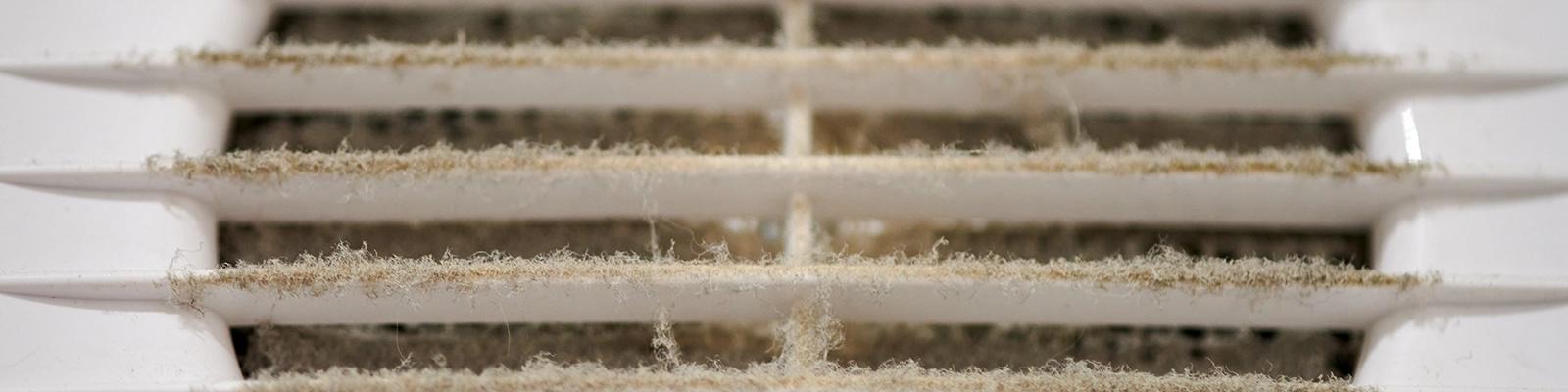
A cleaned filter does nothing about mold on a hidden blower or in damp insulation. An unchanged drainage or moisture problem lets mold come back. Portable units stored with water inside, and equipment that repeatedly ices and thaws, add other sources of dampness. Some LG models have drying or storage procedures. Fan-only operation varies by manufacturer and humidity, so follow the instructions for your AC and watch whether the original odor or visible buildup returns.
How to know the problem is resolved
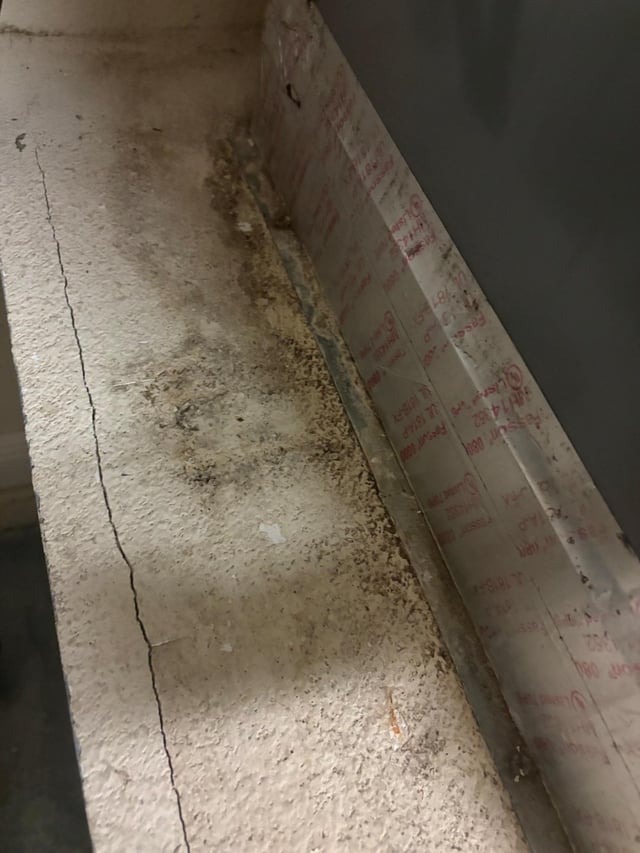
Compare the technician’s written description with the observations you recorded before the work, and check four things:
- The actual affected parts were cleaned or replaced, not just the easy-to-reach filter.
- The cause of pooling, leakage, or other dampness was dealt with.
- Accessible parts are intact and dry as the manual requires, and you run the unit as its instructions say.
- The original buildup, wetness, or odor does not return during normal use. If it does, have the area evaluated again.