
Mold on Shower Curtains and Liners: Wash or Replace?
Wash the liner if the care label allows it and the material is intact. Replace it if the material is damaged or contamination remains after a proper wash. Let it dry completely, then fix the damp conditions that bring the spots back.
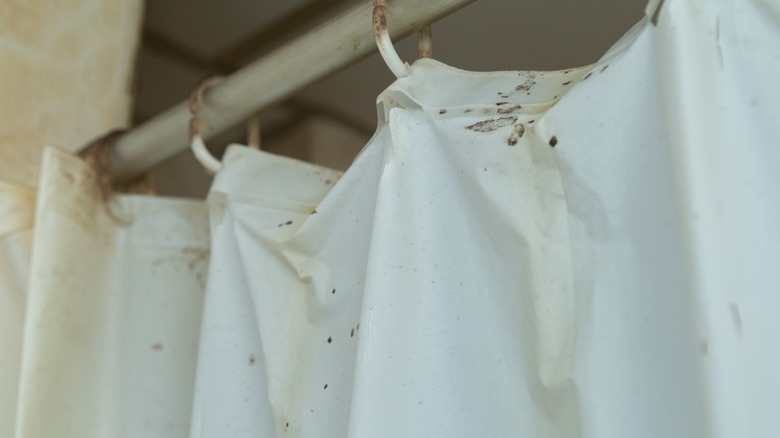
A pink band along the bottom of the liner, a few dark specks or a stubborn musty smell leave you wondering whether to scrub or toss it. Three things decide it: what the liner is made of, what condition it is in, and what will keep it dry afterward.
Wash it, replace it, or look beyond the liner
| What you find | Best next step | Why |
|---|---|---|
| An intact liner with surface film | Clean it | The material is still usable |
| Cracks, tears, brittleness or peeling coating | Replace it | Washing can’t repair damaged material |
| Stain left after washing | Dry it, then check again | A stain alone doesn’t show contamination is left |
| Residue or odor persists after a proper wash | Replace it | Harsher products can damage the item |
| Spots on nearby grout, walls or ceilings | Check those surfaces | The problem goes beyond the liner |
The EPA’s basic mold-cleanup guidance centers on cleaning affected surfaces, drying them completely and fixing moisture problems. It also notes that some contaminated porous materials are hard to clean successfully.
Match the material to the care label
The care tag decides the washing method. Two liners that look almost identical can have different instructions because of their materials, coatings or construction.
The decorative outer curtain and the waterproof inner liner can be separate pieces. Some curtains combine both in a single coated textile. Clean each item the way its construction requires.
| Material or construction | Care method | What to watch for |
|---|---|---|
| Polyester, cotton or other washable fabric | Machine wash if the label allows it | Coatings, trim, shrinkage, drying limits |
| PEVA or EVA liner | Gentle hand washing | Heat and product-specific instructions |
| PVC, vinyl or other plastic liner | Hand wash, or a gentle machine cycle if the label allows it | Hot water, heat damage, harsh chemicals |
| Coated or printed fabric | Method listed for the finish and backing | Abrasion, peeling, fading, coating damage |
| Unknown material, no readable tag | Hand-wash gently, or replace it if it’s breaking down | You can’t confirm it survives a washer, bleach or heat |
For example, IKEA’s shower-curtain care guidance favors hand washing PEVA/EVA. Whirlpool describes gentle machine washing for certain plastic liners.
Find the tag and note the wash method, temperature, bleach rules and drying method. Check for a coated backing, weighted hem, magnets or removable hooks that affect cleaning.
If the tag is gone, hand-clean an otherwise sound liner gently. Machine washable does not mean you can bleach it or tumble dry it.
Pink film, dark dots and stubborn discoloration
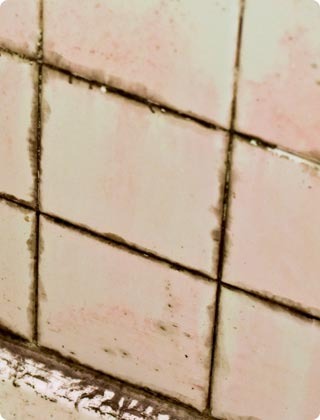
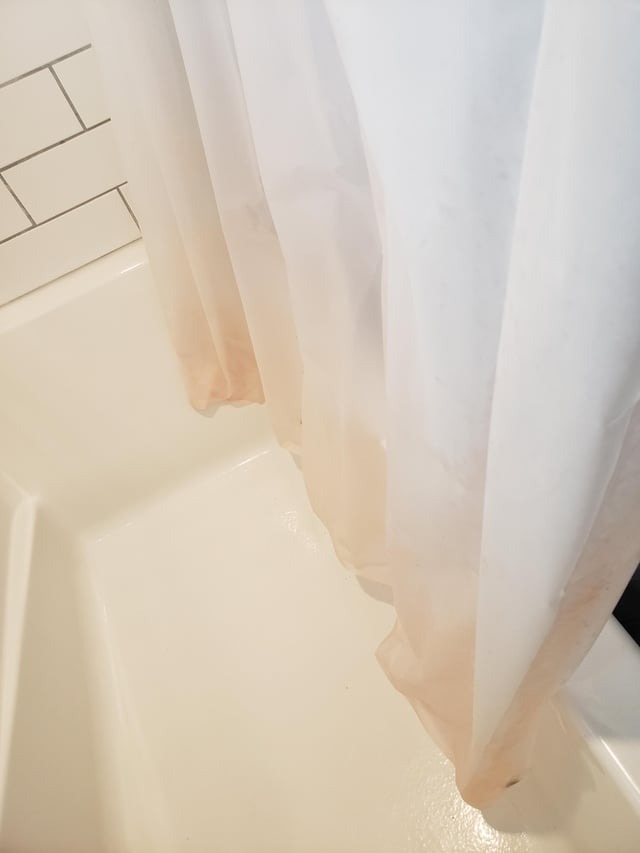
The CDC’s discussion of bacterial pigmentation describes the pigment of Serratia marcescens, a bacterium that produces pink, orange or reddish discoloration. That accounts for some of the pink film in damp bathrooms. Color alone doesn’t tell you what is growing on a particular curtain.
A shower liner can show several look-alike problems:
- Wipeable film: A surface deposit that comes off on a cloth or sponge.
- Dark dots or patches: Growth or a stubborn deposit.
- Soap or mineral buildup: Residue that collects where water and cleaning products repeatedly touch the material.
- Absorbed discoloration: A mark that stays in the material after the surface soil is gone.
- Failing coating: Peeling, roughness or other physical changes that cleaning can’t reverse.
Stronger chemicals won’t remove embedded pigment or repair a damaged finish.
Machine-wash a liner only when its label allows it
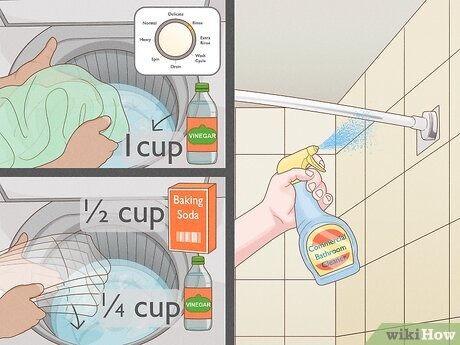
A machine wash the label allows removes surface grime from washable fabric curtains and some plastic liners. Match the cycle and water temperature to the item.
Whirlpool’s method for plastic or vinyl liners calls for a gentle cycle, warm or cool water and low spin, as long as the liner’s label agrees.
For a machine-washable item:
- Remove the liner carefully. Take it off the rod and remove hooks, rings or other fittings that should stay out of the machine.
- Set the cycle. Use the cycle, water temperature and spin speed the label allows.
- Add detergent. Ordinary laundry detergent works. Old towels add gentle friction when the instructions and the machine allow them.
- Run the wash. Let the cycle finish without adding other cleaning chemicals.
- Dry it as the label directs. The cited care guides air-dry plastic liners. Keep heat-sensitive materials out of the dryer unless the instructions say otherwise.
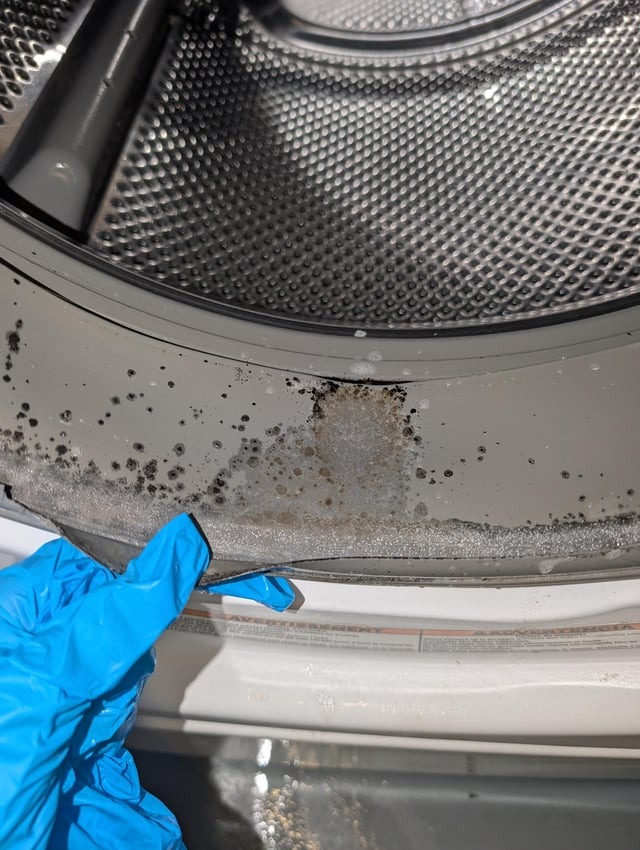
Hand-wash liners that need gentler treatment
Hand washing fits liners marked hand-wash-only and is the gentle starting method for some unlabeled materials.
Spread the liner where you can clean it without pulling on the seams or coating. If the finish is uncertain, test your method on a hidden patch first; IKEA’s care instructions recommend this to avoid discoloration. For other washable items and appliances, see kitchen and laundry room mold.
Wipe gently with water, a mild detergent and a soft cloth or sponge, working across the affected areas. Follow the manufacturer’s instructions for a PEVA/EVA liner.
Skip abrasive scraping, strong solvents and heat on delicate plastic, printed surfaces or waterproof coatings. Extra force won’t help a liner whose surface is already breaking down.
Rinse off loosened soil and detergent residue, then hang the liner to dry fully.
Choose a cleaner without creating a chemical hazard
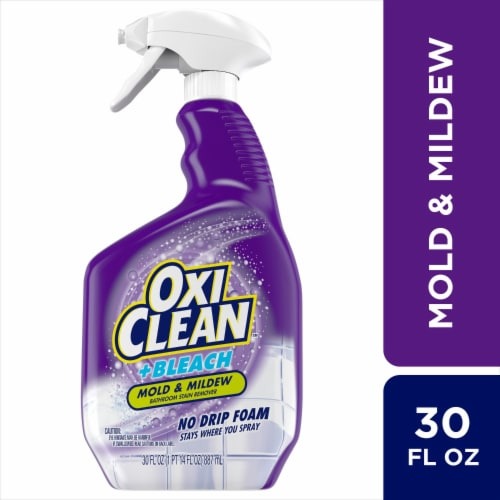
Start with detergent. Use bleach only in a method that both the item’s instructions and the cleaner’s label allow.
The EPA emphasizes cleaning and moisture control and does not recommend routine bleach use as the main mold-remediation strategy. Some product-specific laundry guidance does describe a bleach process for compatible materials, which is a different task.
Clorox describes a hot-water bleach-laundering method for compatible shower curtains and liners. Don’t expose an unknown PEVA/EVA or coated liner to bleach and heat.
Never mix chlorine bleach with vinegar, acids or ammonia-containing cleaners. Incompatible combinations can release hazardous fumes, including chlorine gas. Poison Control explains the risk in its vinegar and household-cleaner guidance.
If you mixed cleaners by accident and inhaled fumes, get to fresh air immediately. In the US, call Poison Control at 1-800-222-1222 for exposure advice; seek medical attention for trouble breathing or other serious symptoms.
I have a small bathroom in an apartment with little ventilation.
What’s the best way to treat this? I recently took a trades class in treating mold, and the pros went in with a fungicide, which I believe I could do, with the proper gear They mentioned bleach used to be one way to treat it, but that it can actually make the mold more aggressive. Oddly, I didn’t hear of any mention of vinegar but know from reading here that’s what’s recommended to actually kill it.
Also, with the shower curtain, can I just dunk that in vinegar and launder it? We just replaced it back in October.
That quote doesn’t settle the bleach question or make vinegar soaking a standard liner treatment. Pick one method that both the cleaner and the curtain allow.
Inspect the dry liner before deciding to keep it
A liner looks different while wet. Judge the result once it is completely dry, when the surface and any leftover residue are easier to see.
Run through this short inspection:
- Surface residue: Is there still film or visible soil after cleaning?
- Odor: Does an unpleasant smell remain?
- Material condition: Are seams, edges and coatings intact, with no cracks, brittleness, holes or peeling?
- Drying: Is the fabric or plastic dry all the way through, including the lower hem?
- Repeat contamination: Does fresh film or spotting come back despite a proper wash and better drying?
If the liner is intact and clean after drying, keep using it. If proper cleaning leaves stubborn contamination or odor, or the material has started to break down, replace it.
Why the bottom hem keeps getting moldy
The bottom of a liner stays damp long after the rest of the bathroom looks dry. A hem that clings to the tub or a curtain bunched into wet folds gets little air. Laundering removes visible grime but leaves the moisture problem unchanged.
Despite weekly washings of the liner in the curtain/liner combo, mold developed on the liner. The mold is so bad I’m getting a new curtain/liner combo (same design), so I’m only looking for advice on preventing mold going forward.
I’m also taking steps to improve air circulation (if interested see below*) in my 1920-era bathroom.
FYI I wash linens with Dropps 4-in-1 Plus Oxi; I spot treat with Puracy; and recently (thanks to this sub!) I’ve been adding laundry booster and using hot water if linens smell “stale”. This routine has worked great for everything except keeping the liner mold free. I use the shared washers and dryers in my building, they have very basic settings.
TIA for your advice!
*added ceiling ventilation fan; installing functioning transom window above door; shaving about 1.5″ off door bottom to create gap between door and sill. Whenever possible I shower with door and outside window open.
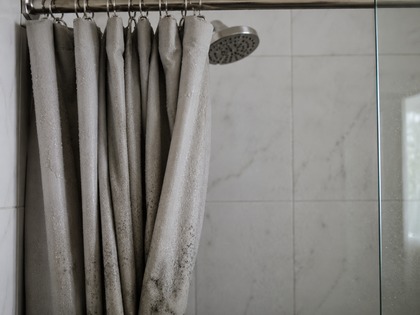
After showering, check the lower edge against the tub, the folds near the wall and any section that stays damp while the rest dries. Keep the curtain extended so wet folds don’t bunch, while leaving it in place to keep water in the tub. If the liner sticks to the basin, adjust it so air can move.
EPA guidance supports bathroom ventilation, including an exhaust fan or an open window during showering. If condensation is a room-wide problem, the ventilation system needs separate attention.
Fabric or plastic for the next liner?
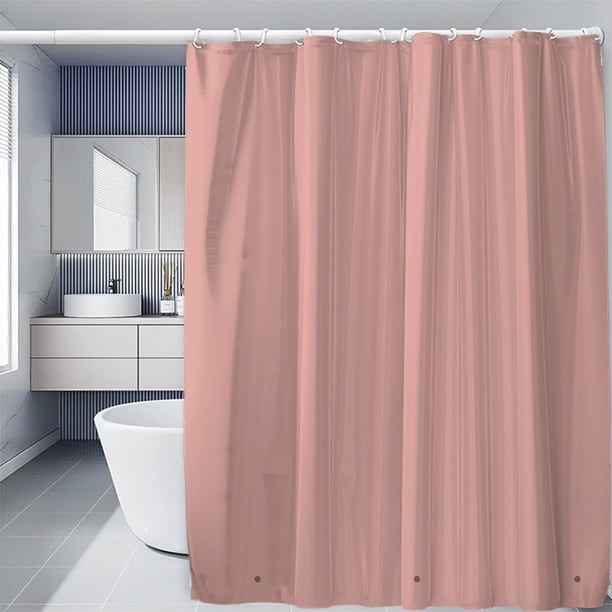
A machine-washable fabric liner suits a household with easy laundry access and enough drying space. A plastic liner is simpler to wipe or handle, but some types have strict washing and heat instructions.
| Choice | Maintenance advantage | Trade-off |
|---|---|---|
| Machine-washable fabric | Washes in the laundry cycle the label allows | Absorbs water, needs regular laundering and drying space |
| PEVA/EVA liner | Cleans with a gentle hand method | Machine washing and heat tolerance vary by product |
| Plastic or vinyl liner | Easy to wipe or gently wash | Heat-sensitive and wears out eventually |
A reusable fabric liner appeals if you want fewer disposable purchases, but your laundry routine decides it. Shared washers, poor bathroom airflow or little room to dry fabric make it harder to keep up.
When the problem extends beyond the curtain
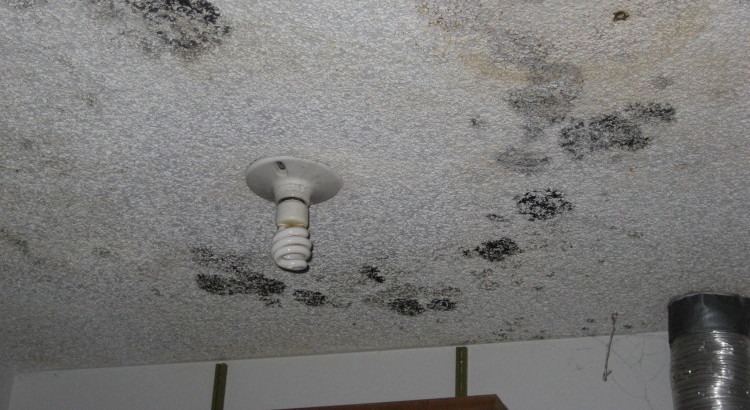
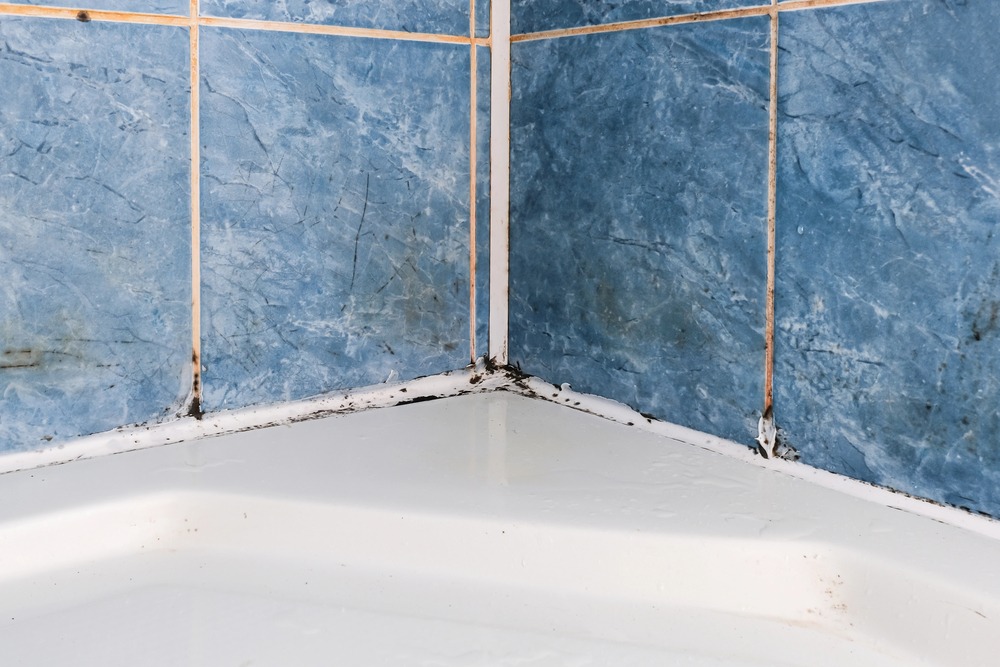
Spots on grout, caulk, walls or the ceiling mean the bathroom itself needs attention. Washing a liner can’t repair damaged building materials or an ongoing leak. Check which surfaces are affected and follow the matching guidance for bathroom mold, grout and caulk, or ventilation. Whatever liner you hang next, fix the wet conditions at the bottom hem first.