
Mold in a Bedroom: What to Inspect Before You Clean
You can clean a small, reachable patch on a hard surface yourself. Wet drywall, moldy mattresses or carpet, growth that keeps returning, major water damage, or a vulnerable person in the home need a different plan. Find and fix the moisture source before you clean, photograph the damp area, and match the cleanup to the material and the size of the problem.
What to do first when you find mold in a bedroom
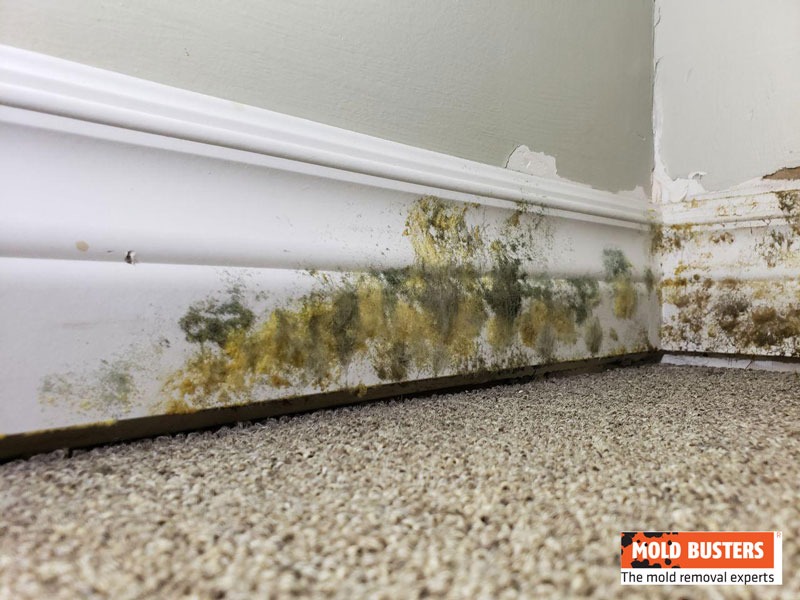
Finding a dark patch beside your bed raises two questions: what is growing there, and can you keep sleeping in the room? Look at how far the problem extends and what conditions surround it before you reach for a cleaner.
The EPA’s guidance for homeowners says a moldy area smaller than about 10 square feet, roughly 3 feet by 3 feet, can usually be handled without professional remediation. Substantial water damage, contaminated water, suspected contamination in heating or cooling equipment, concealed growth and health concerns can change that decision even when the visible patch is small.
Check these conditions before you decide:
- Limited surface spotting: A small, reachable area on a cleanable hard surface with no sign of extensive moisture damage qualifies for careful DIY cleaning.
- Damaged building materials: Soft drywall, sagging finishes, wet carpet, peeling paint around a leak or spreading patches point to an underlying problem. Find it.
- Active or contaminated water: A continuing leak or water affected by sewage needs prompt attention to the source and a professional assessment.
- People at greater risk: Anyone with allergies, immune suppression, underlying lung disease or chronic respiratory conditions such as asthma or COPD should not take part in mold cleanup.
Keep people away from the area while cleanup or investigation disturbs contaminated material. After extensive or flood-related mold, people with asthma, COPD or weakened immune systems should stay out of the home. For a small, isolated bedroom patch, whether to sleep elsewhere depends on how far the growth extends, how likely it is to be disturbed and the occupants’ health.

If mold contamination of a heating or cooling system is known or suspected, the EPA advises against running that system until it has been evaluated. Anyone with a relevant health condition or significant or worsening breathing symptoms should seek medical care. A photographed patch cannot establish the cause of symptoms.
Where bedroom mold hides: look behind the bed, windows, and closet
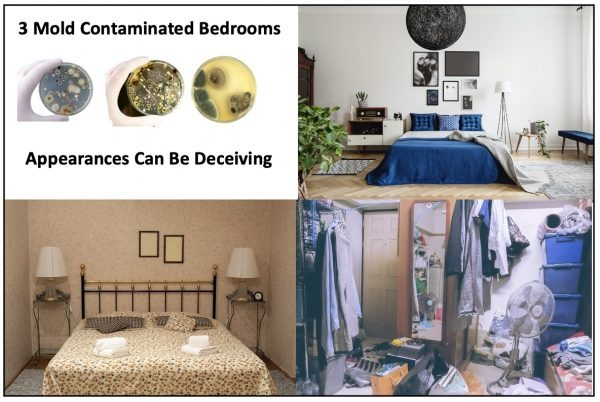
Furniture hides the places where dampness lingers, so bedroom mold is easy to miss. A headboard can cover most of an exterior wall. A packed closet can conceal a damp corner. The underside of a bed may go unchecked for months.
Start with a visual inspection that disturbs nothing:
- Behind the bed and headboard: Look for spotting, discoloration, dampness, peeling paint or changes in the wall finish, especially on an exterior wall.
- Around bedroom windows: Check the sill, frame, trim and wall below the window for condensation, water stains, swelling or bubbling paint.
- Inside closets: Check back walls, corners and stored items you can reach, especially where clothing or furniture is crowded against an outside wall.
- Beneath the bed: Look at the bed frame, slats and the underside of the mattress. Don’t shake visibly moldy material.
- Along baseboards and ceilings: Look for stains, damp carpet edges and deteriorating finishes that can point to a separate water problem.
Photograph what you see and note the date, location and approximate size of the affected area. Include signs of wetness and damage to belongings.

Guess this is one of those times I’m glad I’m not a homeowner and it’s my landlords problem (hopefully they fix it 🥲)
Just for my own curiosity, how bad is this?
Update: Thank you guys for all the advice. They are currently tearing down the drywall to make sure it isn’t in the walls, but they said it likely was caused because we got the mold right below windows after heavy rain and sometimes the moisture gets trapped between the furniture and wall. So the good news is that it’s probably only been there for a week or two. The bad news is I probably have to get rid of a lot of stuff still? Not too sure on this.
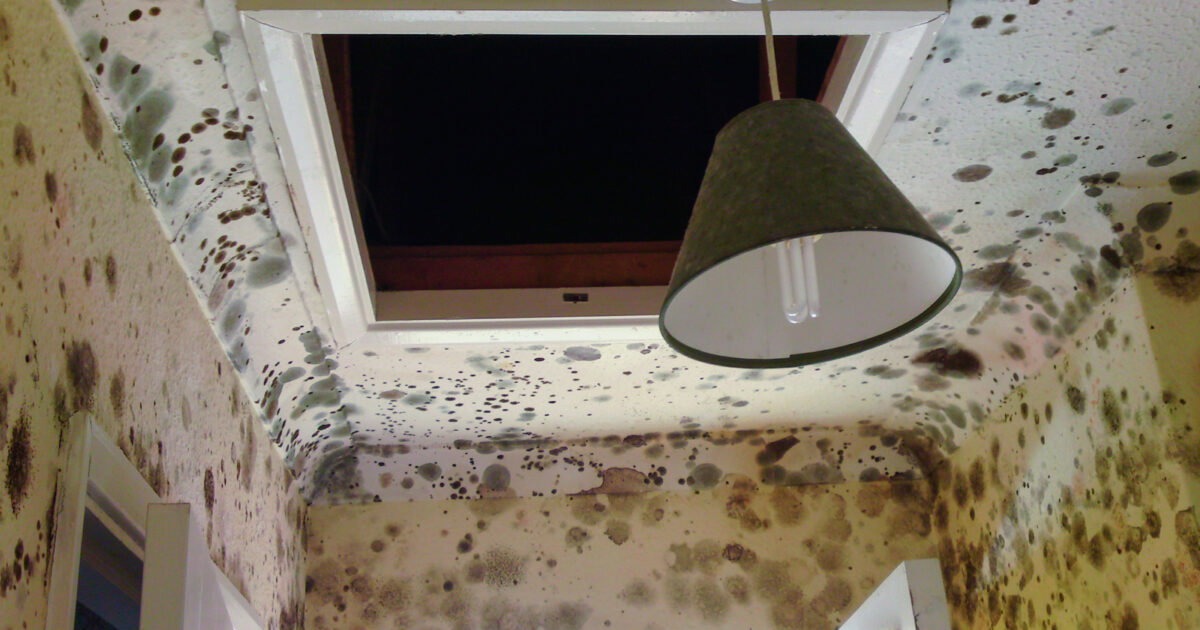
A hidden patch can call for a broader investigation of moisture behind walls (including damp drywall, wall cavities, and water stains), especially when the visible finish is deteriorating.
Condensation or a leak? Read the bedroom’s moisture clues
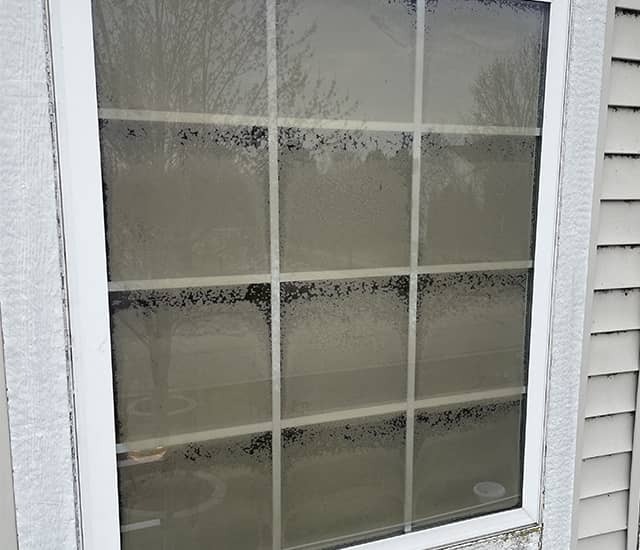
Water reaches a bedroom wall in two main ways. Humid air condenses on a cold surface, particularly where furniture restricts airflow. Or water enters through a roof, window assembly or plumbing defect and leaves building materials wet from within.
| Where | Likely cause | What to look for | What to do |
|---|---|---|---|
| Behind a bed on an exterior wall | Condensation, restricted airflow or water entry | Cold-weather timing, wall dampness, rain history | Check the wall and moisture conditions before you simply move the furniture |
| Around a bedroom window | Glass condensation or water penetration | Morning fogging, rain-linked stains, wet trim, peeling paint | Work out whether the moisture forms indoors or enters around the window |
| Back of a closet | High humidity, poor air circulation or a local leak | Damp stored items, wall condition, humidity readings | Check both the closet and the wall next to it |
| Ceiling corner | Roof, plumbing or other water intrusion | Water staining, dripping, paint buckling, changes after rain | Find where the water gets in and repair it |
| Beneath a mattress or bed base | Trapped moisture or wet material underneath | Damp floor, affected underside, visible growth on the item | Deal with the damaged material separately |
| Carpet near a baseboard | Spill, leak or moisture in the floor assembly | Wet carpet, affected padding, nearby wall stains | Check whether water has reached the porous layers below |
Morning fog on glass points to condensation. Staining that appears or worsens after rain points to water entry. If rain and cold weather both coincide with staining, check the building for water entry as well as condensation.
In the EPA’s Interactive Mold House Tour, the Bedroom Corner example involves a roof leak, a wet wall and buckling or peeling paint. The water problem has to be addressed before the damaged finish is repainted.
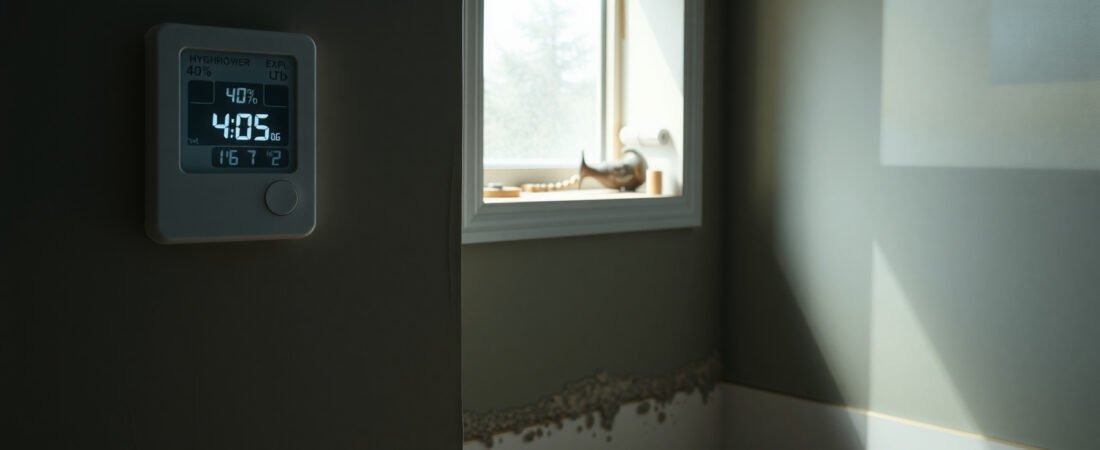
A hygrometer shows you the room’s humidity. Record the relative humidity during ordinary bedroom use and compare it with cold mornings, window condensation and rainy periods.
The EPA recommends keeping indoor relative humidity below 60%, ideally between 30% and 50%. CDC guidance recommends no higher than 50%. These are prevention targets. A normal room reading can coexist with a leak that keeps one wall wet.

After a spill or leak, dry the area quickly. EPA guidance notes that wet materials dried within 24 to 48 hours often avoid mold growth.
What can you keep? Mattresses, bed frames, carpet, and clothes
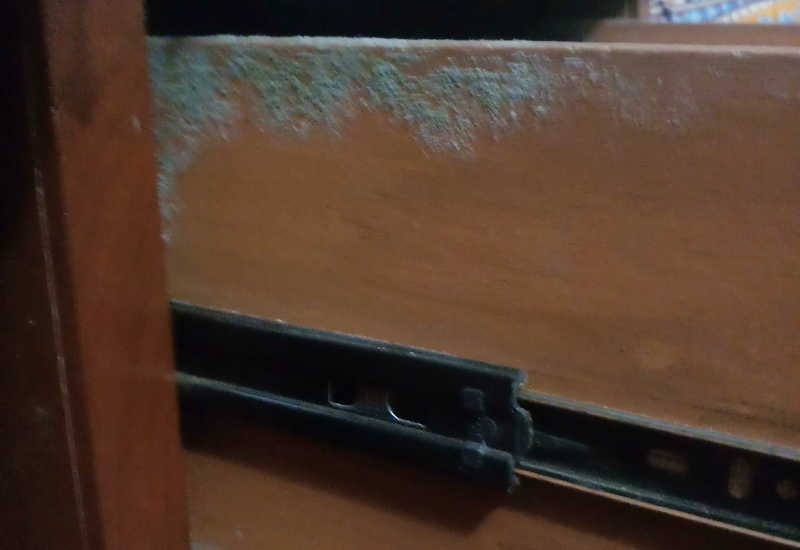
Mold near a bed raises an expensive question: does the mattress have to go, and what about everything stored beside it?
The answer depends on the material, whether growth is on the item, how much water damage there is and whether the material can be thoroughly cleaned and dried.
| Material | What you see | What to do | Why |
|---|---|---|---|
| Metal, glass or another nonporous bed-frame surface | Small surface growth you can reach | Clean and dry it | You can reach the whole affected surface |
| Finished wood or composite furniture | Surface spotting or deteriorating finish | Check the finish, moisture and construction before cleaning | Damage can involve coatings, joints or absorbent components |
| Fabric-covered headboard | Visible growth or damp backing | Get a specialist opinion or replace it | Upholstery can hide affected material |
| Mattress or foam | Visible mold on or inside the item | Replace it, or have a qualified professional evaluate it | Porous construction and close sleeping contact make reliable cleaning difficult |
| Carpet and padding | Mold growth or substantial wetting | Remove it, especially when the padding is affected | Moisture and growth can remain beneath the visible surface |
| Washable clothing or bedding | Staining or growth on the item | Check the fabric and whether it can be cleaned | Washable textiles differ from thick upholstered materials |
| Drywall and insulation | Wet, soft or visibly deteriorated material | Check the material and consider replacing it | Growth can extend into layers you can’t reach |
| Nearby belongings | No visible damage or known wetting | Judge each item on its own; don’t throw things out automatically | Closeness to mold alone does not contaminate an item |
The EPA identifies moldy porous materials such as carpet as items that can require disposal. It also advises consulting specialists for valuable or sentimental items that are hard to clean.
Be strict with a mattress. If mold is growing in its foam or fabric, wiping the outside won’t clean the material inside.
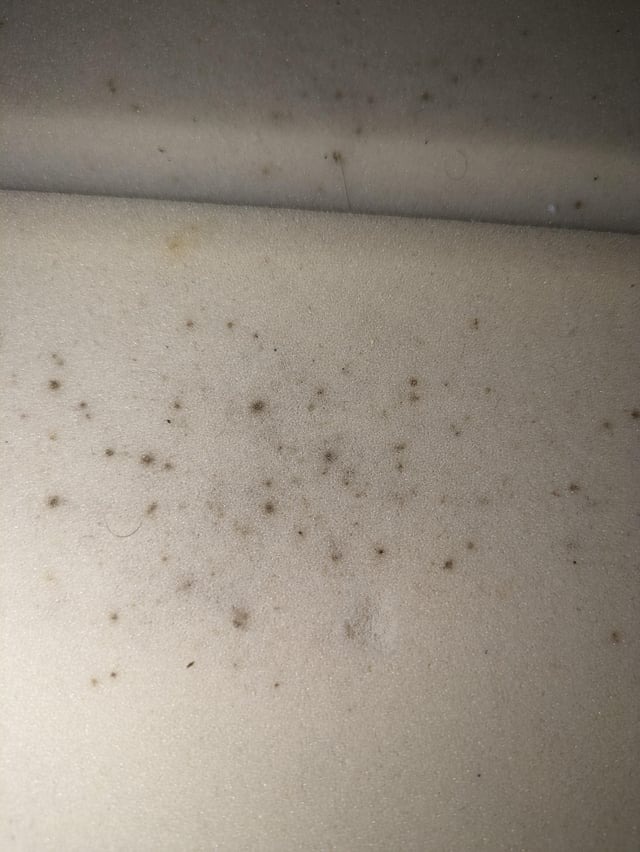
On drywall, the visible mark is only one thing to check. If the wall has gone soft or stays wet, look at the material underneath and decide whether the drywall can be cleaned or must be replaced.
When a small bedroom patch can be cleaned yourself
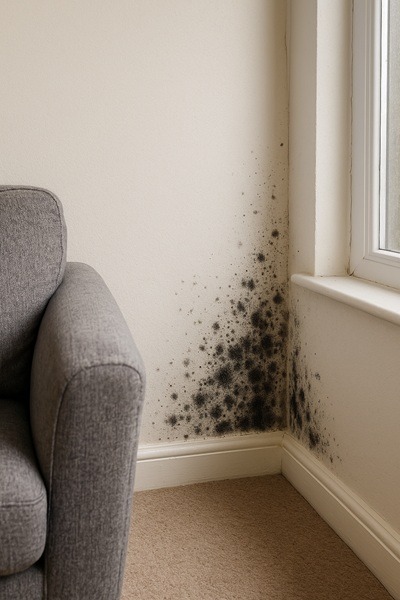
Clean a patch yourself only when it is small, reachable and on a hard, cleanable surface. Wet wall cavities, mattresses and carpet padding need separate decisions.
The EPA’s basic approach for these jobs is simple: scrub the mold off the hard surface with detergent and water, then dry it completely.
Follow these steps:
- Confirm the scope. The material should be reachable and suitable for surface cleaning, with no sign that contamination extends into wet or hidden material.
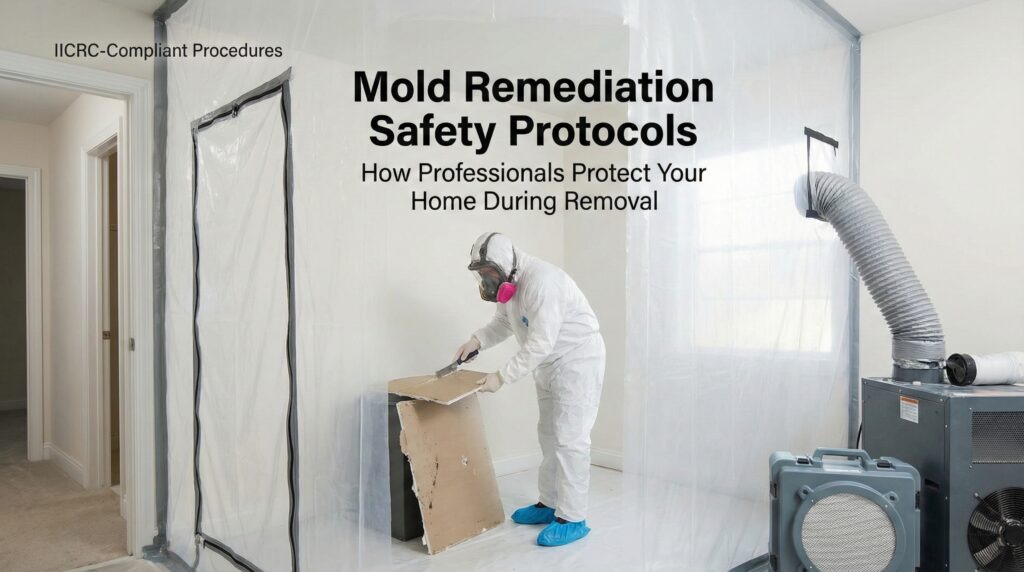
- Wear protective equipment. CDC guidance calls for at least a NIOSH-approved N95 respirator, protective gloves and goggles that protect the eyes from dust and debris.
- Clean the hard surface. Use detergent and water to remove the visible growth. Don’t dry sand it or create airborne debris.
- Dry the cleaned material completely. Fix the room’s water or humidity problem too, or the cleaning won’t last.
- Stop if the scope changes. Soft wallboard, hidden wet material, more extensive growth or uncertain contamination make a small-patch plan unsuitable. Cleaning products, sprays and protective equipment cannot make a demolition or hidden-contamination job safe for DIY.
The CDC’s cleanup guidance lists the protective-equipment recommendations.
CDC guidance covers bleach use with chemical safety precautions. Never mix bleach with ammonia or any other cleaner.
Wiping a small patch off a hard surface follows the steps in the small-area mold cleanup guide.
If mold is behind drywall or keeps coming back
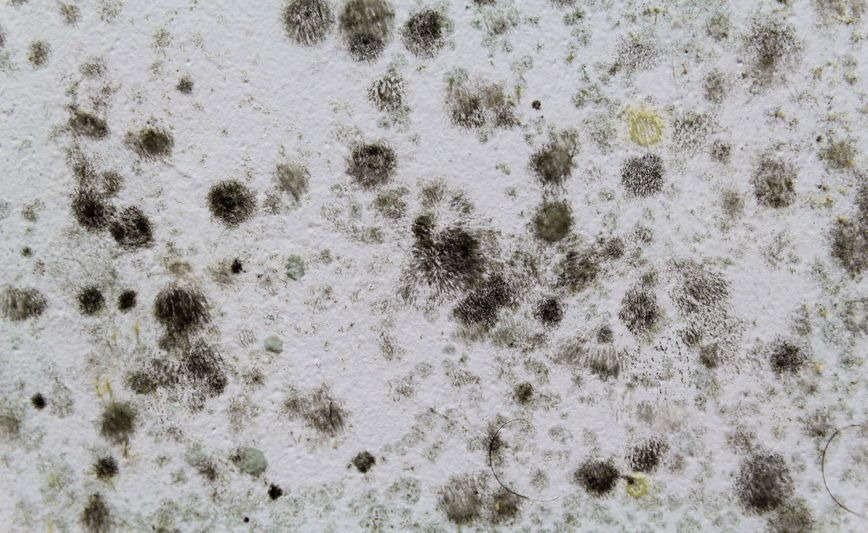
When a patch returns after cleaning, the question is moisture. The wall may still be getting wet, the original damp material may never have dried, or growth may extend behind the visible finish.
Look at the history of the area. Staining beneath a window after rain, damage that recurs at the same baseboard and paint that keeps peeling are reasons to revisit the source of water. A patch that returns means you need to look further.
Hi, I hope this post fits within this subs rules.
I live in an old house in the UK and I know that this is a common problem over here but I’m not sure how to deal with this amount of mold. I’ve lived in this house for over 10 years and have grown up in this bedroom and this has been an issue for as long as i remember. The wall facing outside has always gotten very damp and grown mold, which has gotten all over my ceiling, windowsill and the back of my wardrobe.
I have 2 dehumidifiers running at all times and my window stays open pretty often to try and air out my bedroom. My parents have tried to use bleach and anti mold spray to kill the mold but the issue persists and i’m feeling so lost as to what to do now. I’m scared of the health issues that this mold could cause, as well as sick of my belongings getting destroyed by mold aswell.
How best can I tackle this? is this something that i could fix? Luckily i’m moving out for university in September so i won’t have to deal with this for too much longer, but i’m scared of how the mold will affect my room if i’m not here to maintain it.
Any advice is appreciated, thank you for reading 🙂
That wall needs its water source found, whatever cleaner the family uses.
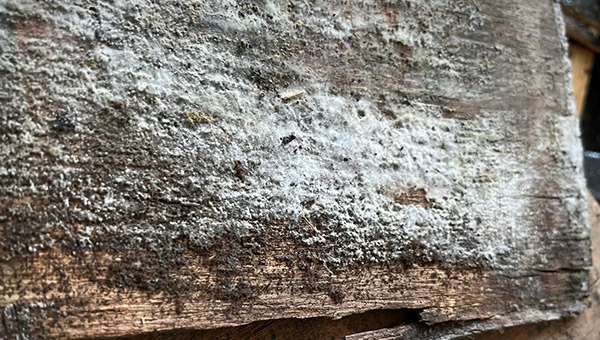
Water can reach drywall from behind the finish, particularly around leaks and building defects. Peeling paint, soft wallboard or fresh staining justify a closer look at concealed materials.
Don’t drill into or cut open suspect material. It can release spores and spread contamination. Where moisture damage appears to extend inside the structure, have a qualified professional investigate the water source and the affected building materials.
Do you need mold testing, a contractor, or landlord involvement?
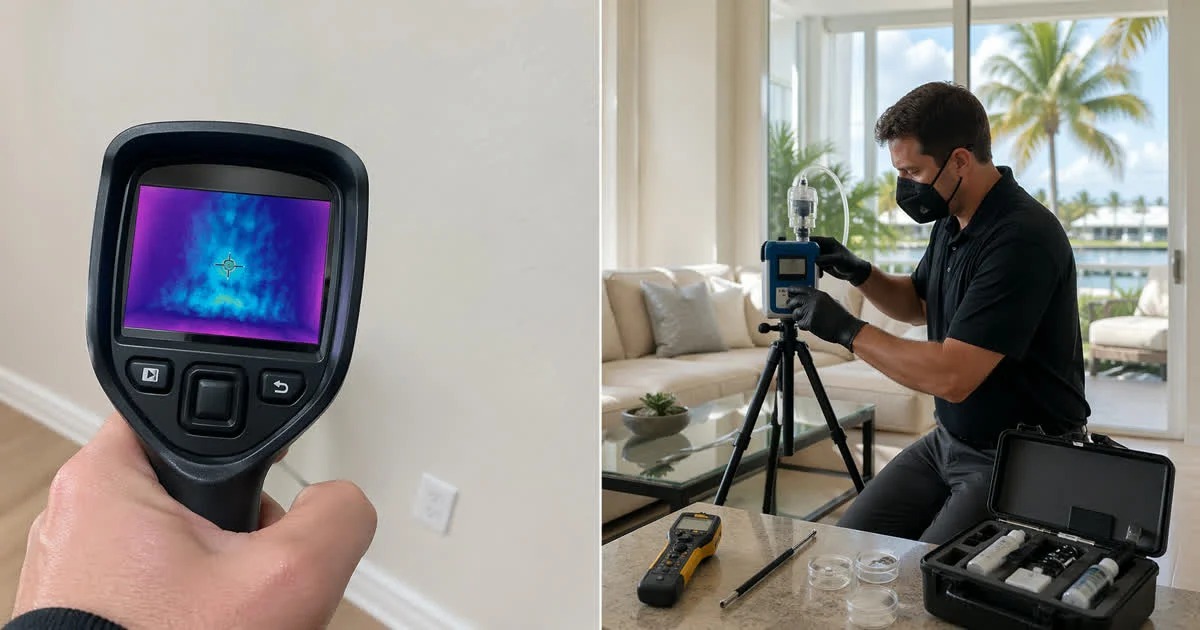
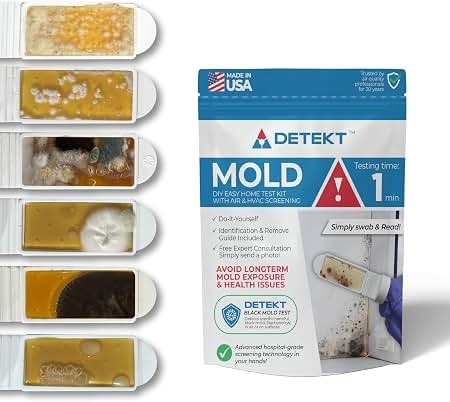
When mold is already visible, you usually don’t need a mold test to know the growth needs attention. The EPA’s sampling guidance recommends investigating and correcting the moisture problem, and notes that professional sampling can sometimes add to a specialized assessment. No federal indoor mold-spore number certifies a room safe.
A useful professional assessment answers four questions:
- Source: What is wet, and how is the water getting there?
- Extent: Which surfaces, furnishings and building materials are affected?
- Scope: What can be cleaned, and what needs removal or replacement?
- Completion: What repair and remediation work will be done, and how will the result be checked?
For complicated work, check the contractor’s relevant experience, documented scope and references. ANSI/IICRC S520:2024 is a recognized professional mold-remediation standard. Contractor credentials and licensing requirements vary from one US state to another.
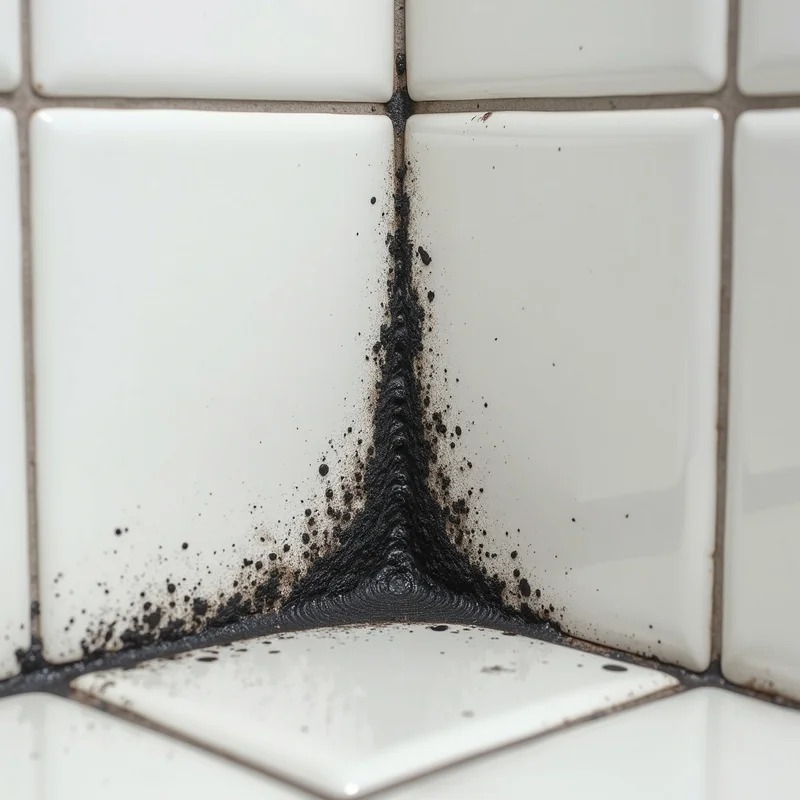
If you rent, send the landlord or property manager a dated written report with photographs that identifies the affected locations and the damage you see. Keep the communication and any reply. Landlord responsibilities, deadlines and remedies depend on state or local rules and the facts of your tenancy.
How to keep bedroom mold from coming back
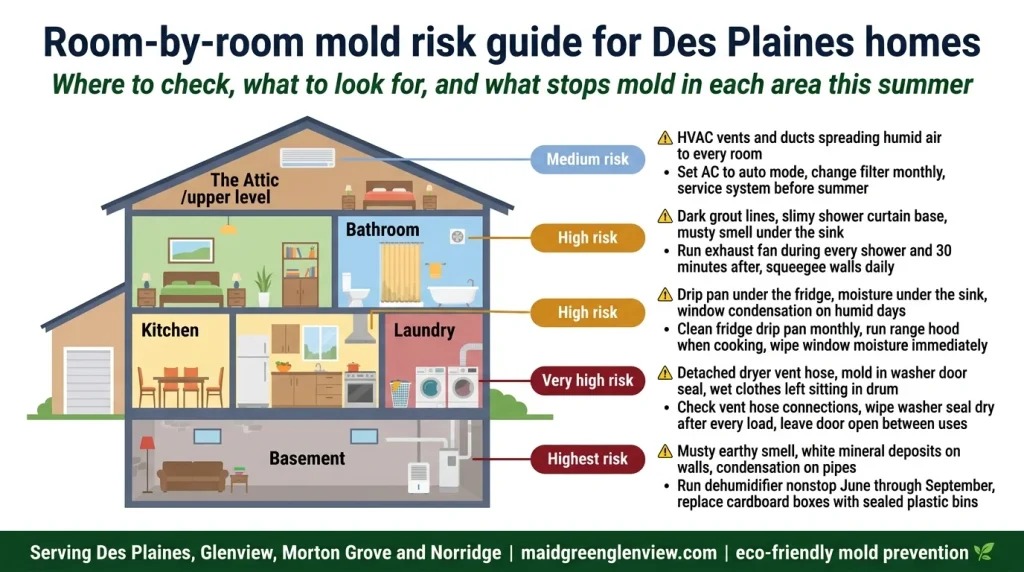
After the leak or condensation problem is fixed, deal with the conditions that let moisture linger.
Use your humidity readings to guide ongoing moisture control. Depending on conditions, ventilation, air conditioning or dehumidification can help. Opening windows helps when outdoor conditions support drying and works less well in humid outdoor air.
Leave room for air to move around bulky furniture and behind headboards, especially against cold exterior walls. In closets, don’t pack textiles tightly against surfaces where dampness has appeared. For rooms that hold more equipment, see kitchen and laundry room mold.
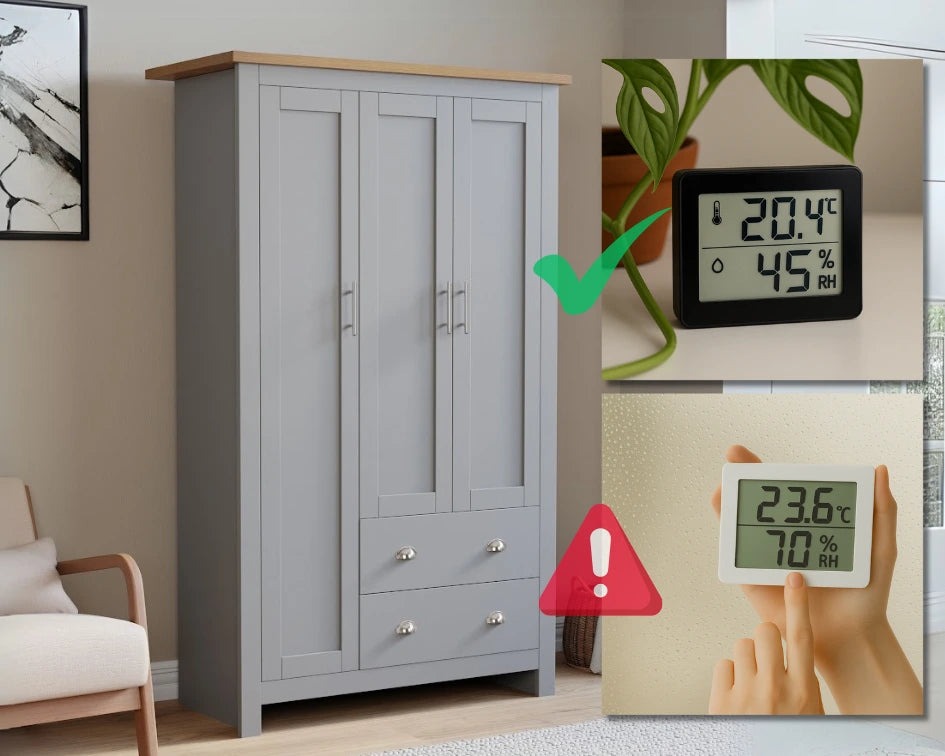
Deal with new condensation and wet surfaces promptly. Air purifiers may reduce some airborne particles, but water intrusion and growth inside walls require building repairs and remediation.
How to know the cleanup worked
Look for a dry surface with no visible growth or moldy odor. If a contractor did the work, review the documented scope and completion. Check the spot again after the next rain or cold spell, and look into any returning dampness or staining.