
Signs of Mold in Your House: What to Notice and What to Check
A suspicious patch, a musty smell that won’t go away, or moisture damage that keeps coming back means you have a water problem to find and fix. You can clean small, easy-to-reach growth yourself once the moisture source is fixed. If finding the source means opening a wall or floor, or the damage is extensive, contaminated, or unsafe to reach, stop at looking and get qualified help.
A patch on the bathroom wall, a ceiling stain after rain, and a room that smells damp are three different clues.
What looks like mold, and what only suggests moisture
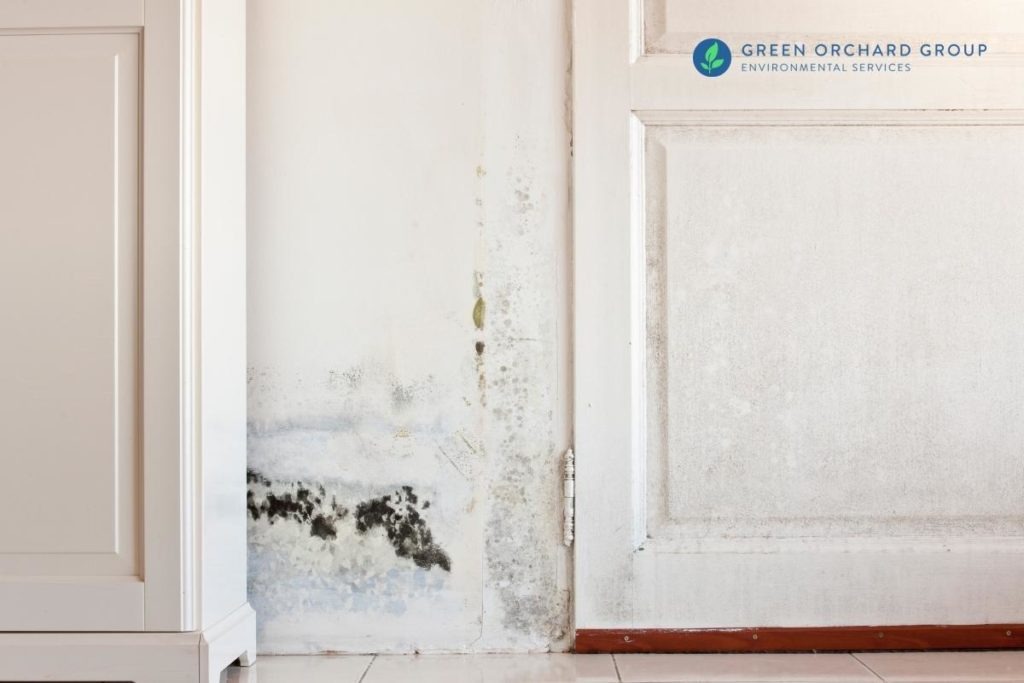
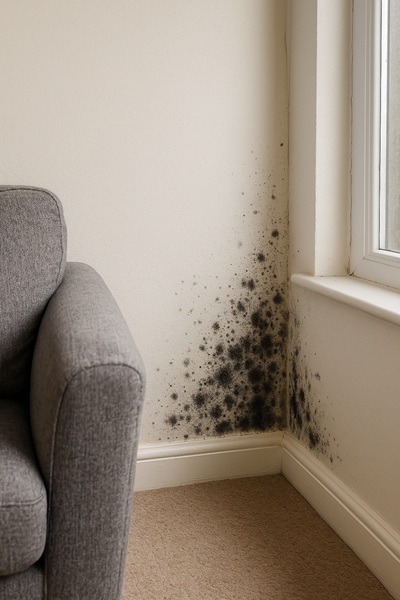
Suspected mold often shows up as scattered spots, irregular patches, or textured growth on a surface. It can be white, gray, green, brown, black, or another color, depending on the material and conditions. You can’t tell the species or the health risk from a dark stain, however convincing the photo looks.
Water damage looks different. A flat yellow-brown stain on a ceiling, bubbling paint, a swollen baseboard, or discoloration beside a window shows where moisture has been.
| Observation | What it suggests | Classification |
|---|---|---|
| Patchy or textured discoloration on a damp wall | Mold growth | Suspected growth |
| Flat ceiling stain or bubbling paint | Past or present wetting | Moisture clue |
| Chalky white deposit on basement masonry | Efflorescence: minerals left as moisture moves through masonry and evaporates | Moisture clue |
| Repeated droplets on a window | Recurring surface condensation | Moisture clue |
| A musty smell with no visible patch | A damp or hidden source | Uncertain |
| Freshly painted surface with a known leak history | Fresh paint can hide old damage | Uncertain |
A dark mark on a dry surface can be dirt or unrelated discoloration. Patchy growth on a damp wall deserves a closer look. A stain or condensation alone doesn’t prove mold is growing there now.
What a musty smell can tell you
People describe a musty smell as earthy, damp, stale, or like a room that has been closed up for too long. A persistent odor is a good reason to look for moisture, even when walls and ceilings look clean. It does not identify mold or pinpoint its source.
The smell can get stronger near one floor, cabinet, or room. Some people notice it after rain or in warm, humid weather. Both clues help you narrow the search to one area.
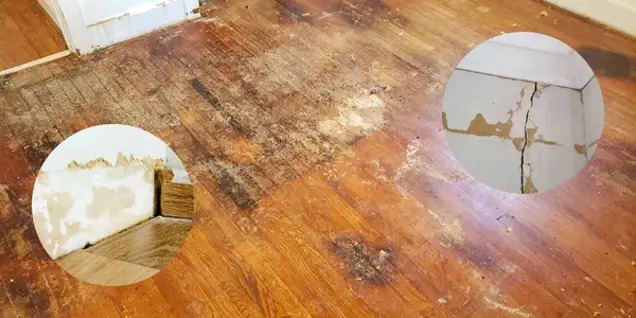
Hi everyone — we recently bought a home and removed carpet upstairs. We found that a strong smell seems to be coming from the floors/subfloor. The smell is hard to describe, but it’s like a hot barn / animal / musty / sour smell, and it gets much stronger when it’s warm or humid.
After removing the carpet, we applied KILZ Restoration to the subfloor. At first we hoped it would seal the odor, but the smell keeps coming back very strong. We also had the vents cleaned, and used an ozone generator but that didn’t solve it either.
We’re trying to figure out whether this could be from:
Old pet urine or animal contamination
Moisture damage
mold?
we tested for moisture and no moisture was indicated.The smell is bad enough that it makes me gag when I’m upstairs, and I can still smell/taste it after leaving the area. It feels strongest upstairs near the affected floors.
Has anyone dealt with a subfloor smell like this that came back even after Kilz? What ended up being the cause? Did you have to replace the subfloor, treat it with enzymes, check for moisture/mold, or have a restoration company inspect it?
Any advice is appreciated. We’re very frustrated and trying to figure out the actual source. We are worried to start installing our LVP and find out we will still smell it
Photos before then after Kilz
Identify the moisture or odor source before choosing a treatment.
The moisture clues people overlook
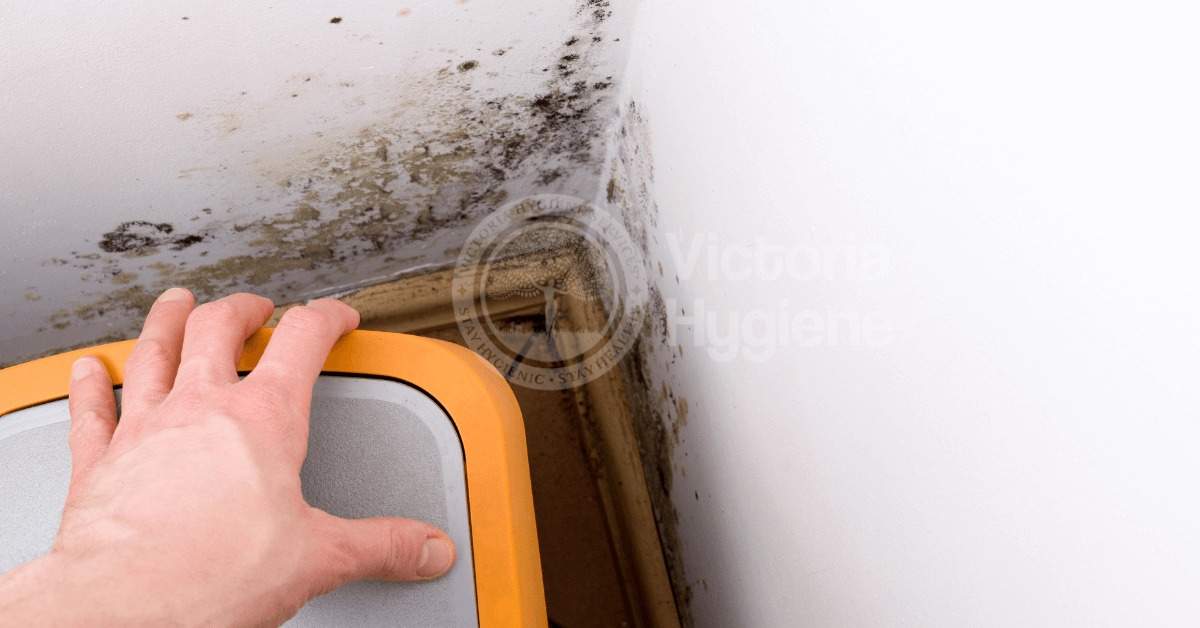
You can have a moisture problem before you see anything recognizable as mold. A ceiling mark, bubbling paint, or condensation that returns to the same window each morning shows where water reaches and affects a surface.
The history matters. A ceiling mark that grows after every storm deserves more attention than an old stain that hasn’t changed since a documented repair. A damp cabinet floor under a sink points to a different source of water than condensation on an exterior window.
- Ceilings and upper walls: A stain that spreads after rain points to a roof or exterior wall leak. Plumbing above the ceiling can be another source.
- Paint and trim: Bubbling, peeling, swelling, or warping can appear after repeated or prolonged wetting, before any distinct growth shows.
- Windows and cold surfaces: Recurring condensation keeps the surface wet and can damage nearby paint, trim, and wall materials.
- Cabinets and flooring: A stain near the base of a vanity or under a sink can mean a leak from a supply or drain line.
- Basements: Dampness can come from water entering the building, high indoor humidity, or both. Each needs a different fix.
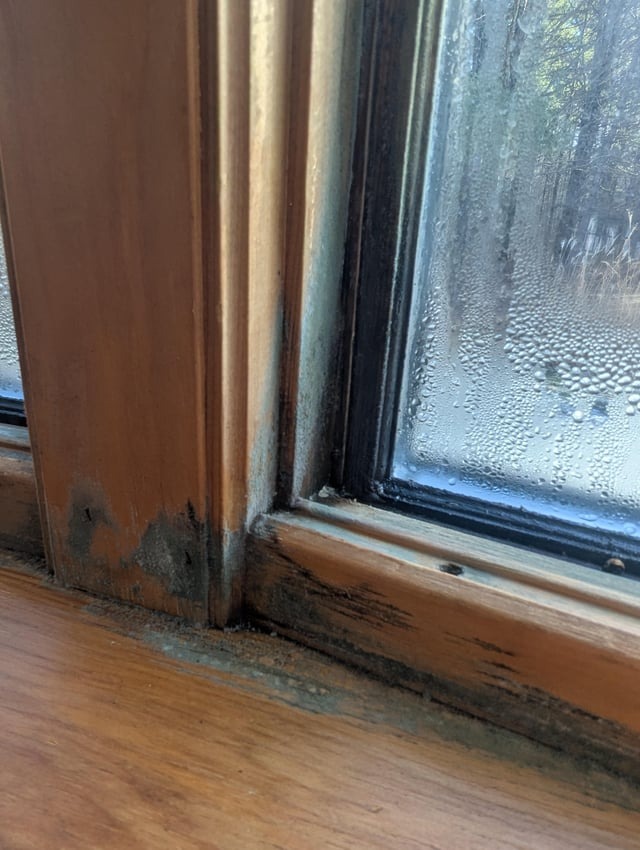
Has it rained? Was there a plumbing leak? Is the same window repeatedly wet? Is the affected material damp now, or is the mark left over from an earlier incident?
The EPA’s mold and moisture guidance recommends keeping indoor relative humidity below 60%, ideally between 30% and 50%.
Humidity numbers only tell you about the air in the room. A leak or a wet patch of building material still needs fixing when room humidity looks normal.
Where to look without tearing anything apart
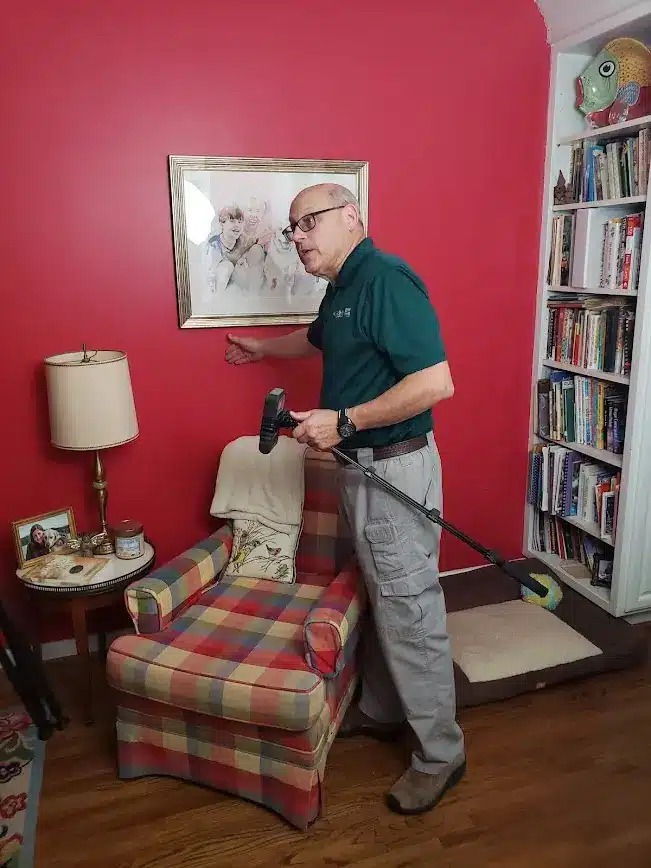
Start where water is most likely to collect or get in. Check visible surfaces, cabinet interiors you can reach, floor edges, and the areas around fixtures, without taking anything apart. For a stain over a wall cavity, check for hidden mold before opening it.
The EPA Interactive Mold House Tour gives room-by-room examples of moisture problems.
| Accessible location | What to look or smell for | Possible moisture context |
|---|---|---|
| Shower and bathroom ceiling | Spotting, stains, repeated condensation | Shower moisture, plumbing, leaks above |
| Under a sink or at a vanity front | Wet cabinet floor, discoloration, musty smell | Sink supply or drain leak |
| Windows and exterior-wall corners | Droplets, stained trim, dark patches in one spot | Condensation or water getting in |
| Basement and visible crawlspace perimeter | Wet surfaces, stains, damp smell | Groundwater, plumbing, humidity |
| Safely visible attic or upper ceiling area | Water marks or visibly damp material | Roof or ventilation moisture |
| Accessible carpet edges and floor surfaces | Stains, dampness, unusual smell | Spill, leak, or earlier wetting |
| Accessible appliance and AC surroundings | Water buildup or staining | Drainage or condensate problems |
Finishes hide what’s behind them, and a visual check can’t see through them.
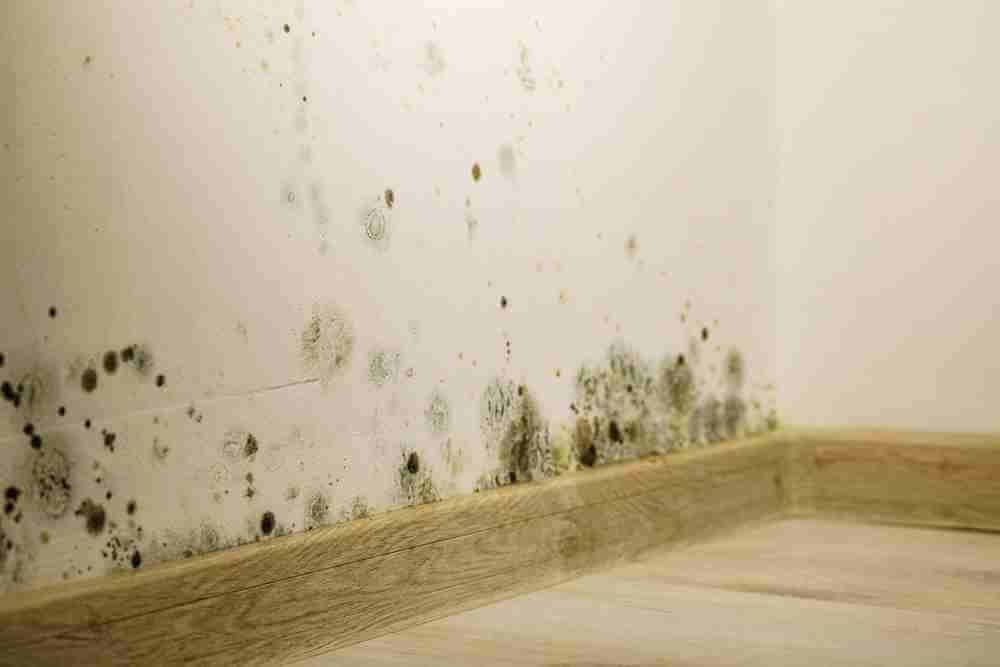
Just as the caption says, closed on the house recently and after ripping up the new carpet they had improperly installed it smelled moldy. Once I got the mold inspector checking everything they confirmed there’s mold in the house with a very high count and under the vinyl flooring that was below the carpet. There mold behind the cabinets, vanity in the bathrooms and now after it’s been awhile there’s some visible mold now too.
My inspector didn’t catch any of this since they’re only meant for a visual inspection but not ripping anything up. The seller did not disclose any repairs to water damage or mold for the house. He clearly patched it up and had it good enough to pass inspections. I’m in Texas. I’m already getting bids on how to fix all of this the right way and finding a real estate lawyer.
Does anybody have any tips or know how to deal with this?
Thank you
Where a homeowner’s inspection should stop
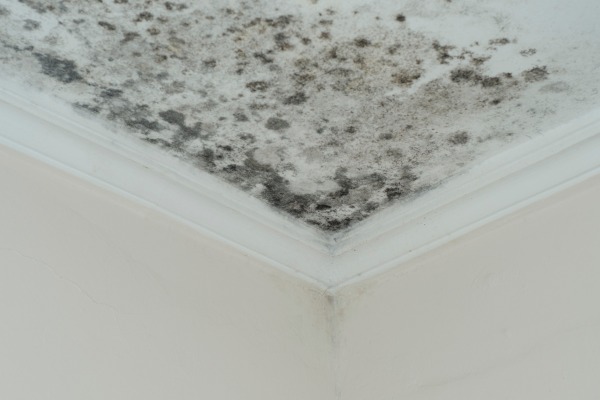
Suspected growth behind a wall, floor, or fixed finish changes the job. Opening the structure can disturb the material and release debris or spores. The EPA’s hidden mold guidance cautions against disturbing concealed growth behind finishes such as wallpaper.
Stop the inspection and arrange a qualified assessment when any of these applies:
- A wall or floor needs opening: The suspected source is behind drywall, wallpaper, flooring, or fixed cabinets.
- The extent is unclear or large: A small visible mark can connect to a larger hidden wet area.
- Access is unsafe: Reaching the problem means unsafe attic access, entering a confined crawlspace, or exposure to conditions you can’t evaluate safely.
- Sewage or HVAC is involved: Sewage-related damage or suspected HVAC contamination needs a different kind of assessment.
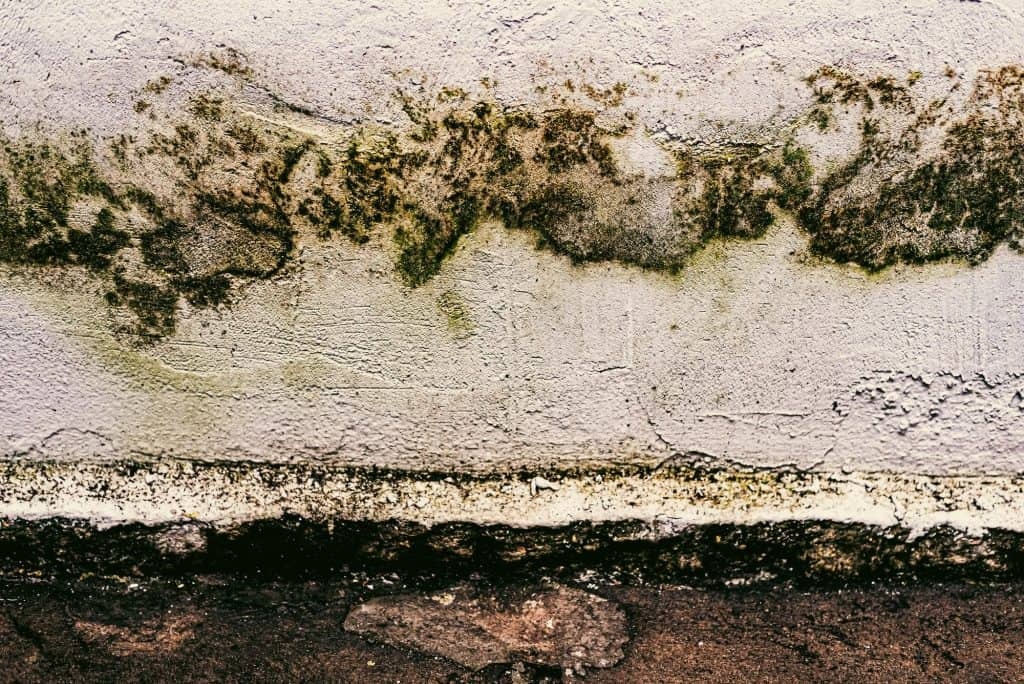
Moisture meters help you check specific materials and spots. A dry reading only covers that spot at that moment, so earlier wetting or damage elsewhere can still be there.
For a suspected hidden problem, the next step is a planned investigation of the moisture and affected materials by a qualified person.
Do you need a mold test?
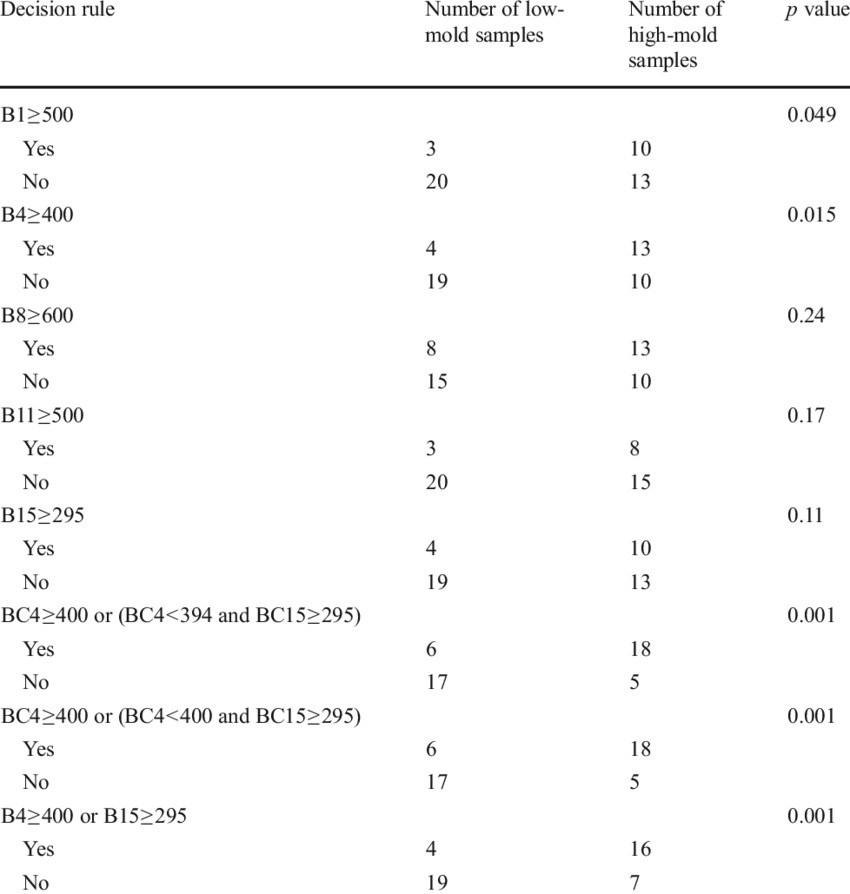
If you can already see growth, EPA guidance on mold sampling says routine sampling is generally unnecessary. Put your effort into the moisture source and cleanup instead. No federal numerical limit for airborne mold spores marks a house as safe or unsafe. For an unclear or hidden problem, consider testing when the result would change an assessment or a remediation decision.
Keep an observation log that makes changes easier to spot
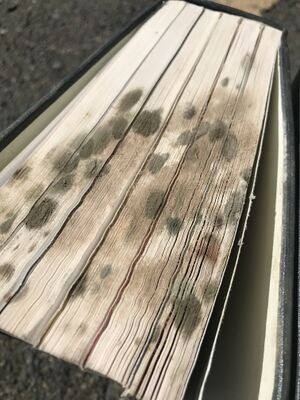
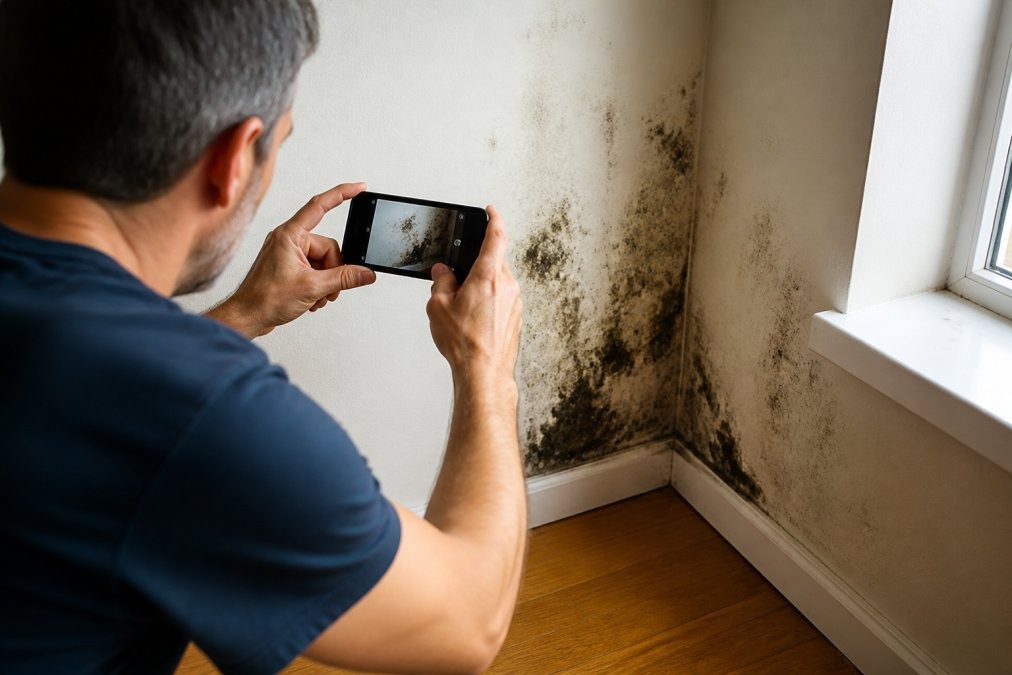
A photo and a few consistent notes help you describe a problem that changes. Dates, locations, and visible conditions matter most when signs come and go or when you need to explain them to an inspector or property owner. These notes also help you judge whether a test would add anything. With visible growth and a known cause, you can often skip a mold test.
Use one row for each accessible concern and update it when something changes.
| Date observed | Room / location | Appearance | Odor | Moisture clue | Recent water event | Photo reference | Follow-up change |
|---|---|---|---|---|---|---|---|
| Example: June 3 | Bathroom / window corner | Dark marks beside trim | None noted | Morning condensation | None known | IMG-01 | June 5: droplets returned at the same corner |
| Example: June 8 | Kitchen / sink cabinet floor | Brown stain at rear edge | Musty | Material felt damp | Reported drain leak | IMG-02 | June 10: cabinet floor remained damp |
| Example: after rainfall | Basement / visible wall edge | Darkened paint near floor | Damp | Surface wetness | Rain earlier that day | IMG-03 | Following day: surface dried, but stain remained |
| ________ | ________ | ________ | ________ | ________ | ________ | ________ | ________ |

Use the same location description for repeat observations. If you used a moisture meter, include the material, location, reading, and time in your notes.
This log borrows its approach from the NIOSH Dampness and Mold Assessment Tool, which organizes observations of building conditions.
A dated record preserves what was visible and when you noticed it, which helps renters and recent homebuyers, and if the property belongs to someone else, you can share it with the owner or landlord.
What to do once you’ve spotted a problem
| What you found | Next step |
|---|---|
| Active leak or continuing wetness | Fix the water source and check the affected materials |
| Small, accessible growth with no hidden extent, contaminated water, HVAC involvement, or health concerns | After fixing the moisture, follow small-area cleanup guidance |
| Any of the stop signs above, or health-sensitive occupants | Arrange a qualified assessment |
| Unclear condition where testing would change the decision | Consider targeted professional testing |
The EPA uses about 10 square feet as a general reference for what a homeowner can clean in a straightforward situation. Any complication changes that.
If condensation keeps coming back and there’s no unresolved leak, humidity and ventilation measures help prevent more growth. Painting over damage, masking an odor, running an air purifier, or lowering room humidity won’t repair a wet building material you haven’t identified.