
Mold Removal: When to Clean It Yourself and When to Call a Pro
For a small patch of mold on a hard, washable surface, fix the moisture source, wear protection, scrub the growth off with detergent and water, and dry the area completely. Extensive or hidden growth, wet porous materials, contaminated water, suspected HVAC contamination, or vulnerable people in the home mean you need a professional assessment and a remediation plan. Then confirm the water problem is fixed and watch for regrowth.
| Your situation | What to do | What decides it |
|---|---|---|
| A limited patch on an intact, accessible hard surface | Clean it yourself | You know where the moisture comes from and no stop condition applies |
| Musty odor without visible growth, damp backing, or unclear extent | Investigate first | Hidden water damage can change which materials need work |
| Extensive growth, contaminated water, suspected HVAC involvement, or very wet porous materials | Get a professional assessment and remediation | Disturbance and exposure risks rule out routine DIY methods |
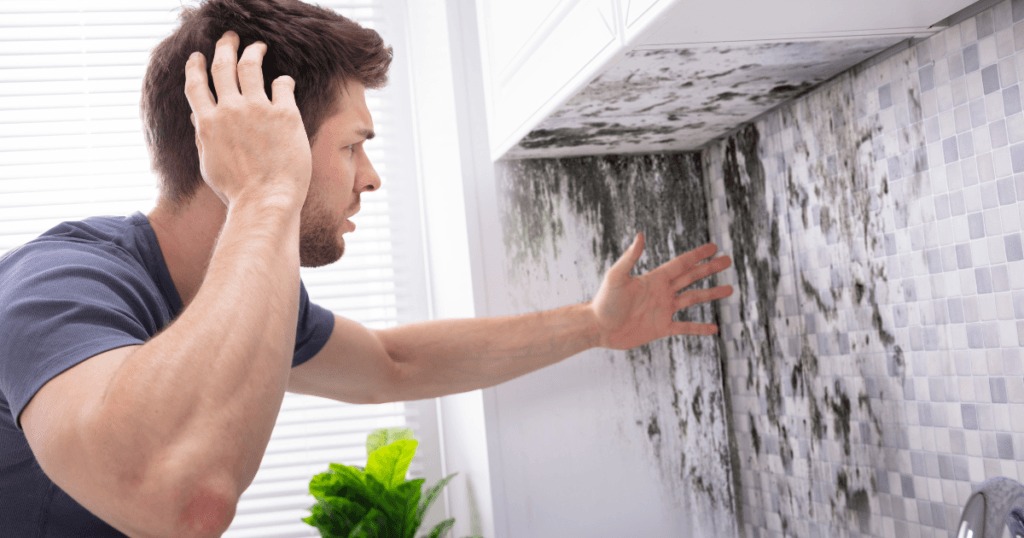
Mold removal starts with a look at the building. A few dark spots on bathroom tile are a manageable cleaning job. A patch the same size on swollen drywall can mean a much larger repair.
Can you remove this mold yourself, or should you stop?
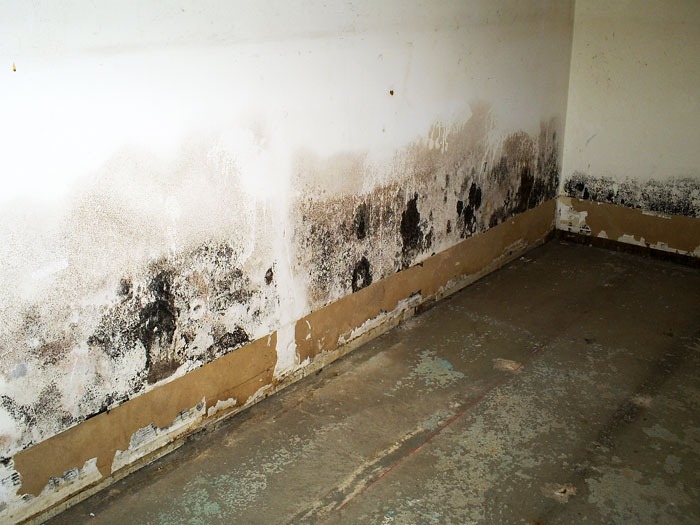
The EPA says homeowners can often clean a moldy area smaller than about 10 square feet themselves.
A patch measuring 3 feet by 3 feet covers 9 square feet, but the wet material behind it may extend past the visible outline. Size never overrides evidence of contaminated water, hidden damage, or other higher-risk conditions.
The EPA homeowner cleanup guidance lists when to bring in a professional or take extra precautions.
When to stop: Call a pro for sewage or other contaminated water, extensive water damage, mold you can only reach by opening building materials, soaked and deteriorated materials, or suspected mold in HVAC equipment. If an HVAC system is known or suspected to be contaminated with mold, the EPA says not to run it because it could spread contamination through the building.
People with mold allergies, immune suppression, underlying lung disease, or chronic respiratory conditions such as asthma or COPD should not take part in mold cleanup. Keep children and other vulnerable occupants out of the work area.
Find the moisture source before you start
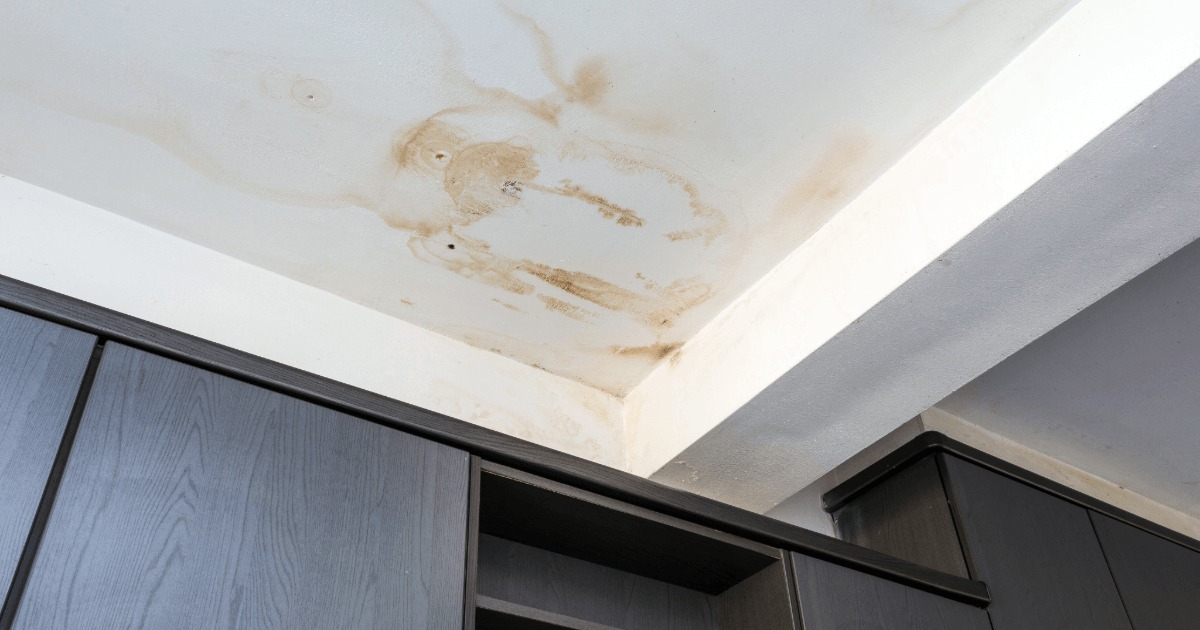
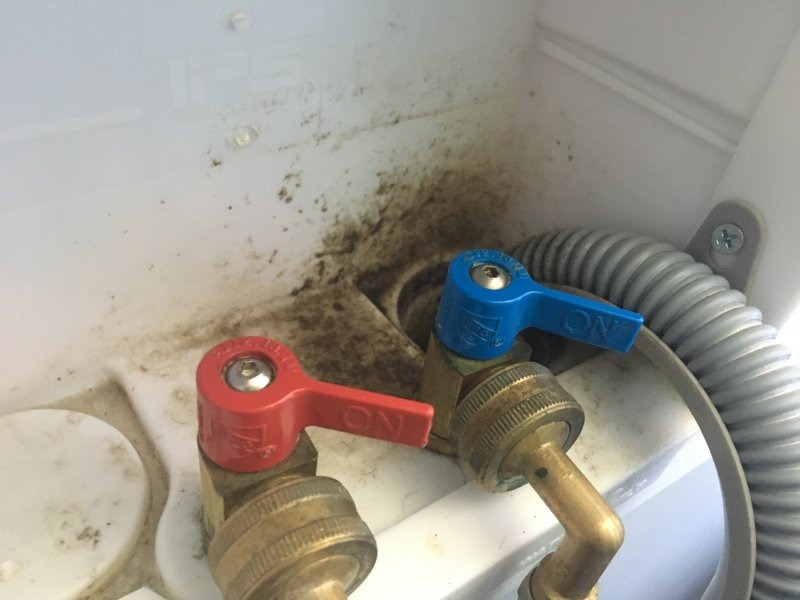
The stain shows where mold grew. The water may have entered somewhere else. Plumbing supply lines, drains, shower joints, roofing, HVAC condensate, flooding and condensation can all feed it.
A dehumidifier lowers room humidity but can’t fix a leaking pipe or drain. The dry side of a painted wall can hide wet backing, and water can travel through a wall cavity to a lower floor before anyone spots the source.
A few months ago, I started noticing a weird musty smell in my basement — no visible mold, but I kept waking up with sinus pressure and fatigue. Long story short, a slow leak behind the washing machine had created a mold patch that was completely hidden.
It made me realize how often this kind of thing goes unnoticed until it becomes expensive (or worse — a health issue). I’ve since been kind of obsessed with understanding how to catch mold and water leaks early, before they spread.Has anyone here found a good system or method for early detection? I’ve even been tinkering with a DIY sensor setup lately to try and track humidity and possible air quality changes in problem areas.
Curious to hear what others have done. What do you wish you had known earlier?
A musty smell is a reason to look for moisture. Odor alone doesn’t identify a particular mold or explain symptoms.
Trace the water
- Look for the source. Check the entry points listed above.
- Follow the water path. Examine connected walls, floors, ceilings, cabinets and adjacent materials without casually opening hidden spaces.
- Confirm the repair. Know what caused it, and check that the leak or moisture condition is fixed.
Clean or replace? The material changes the answer
Cleaning works best on sound, accessible surfaces that don’t absorb much water. Porous materials can hold moisture and growth below the surface a sponge reaches.
The EPA basic cleanup steps separate washable hard surfaces from moldy porous materials that sometimes have to be thrown out.
| Material and condition | What to do | What decides it |
|---|---|---|
| Intact ceramic tile or another hard surface | Scrub and dry | Sound surface and backing |
| Moldy, water-damaged drywall | Often removed and replaced | Wet paper facing, backing or insulation |
| Carpet and underlying padding | Often thrown out | Water source, extent and moisture left in the material |
| Wood | Clean, repair or replace, depending on condition | Finish, penetration, moisture and structural damage |
| Shower caulk, grout and nearby tile | Clean or replace worn joints; investigate if water is coming out | Whether water has reached what’s behind the finish |
What to do when caulk removal exposes water
Yesterday, while deep cleaning my shower, I scrubbed off some silicone caulking (which was applied poorly by the previous owners and was already peeling) because I could see black mold behind it in spots. I’ve resisted doing this for the last year or more because I had a feeling that in doing so, I’d be opening Pandoras box.
Once I started scraping off the silicone, it became clear there was no longer any grout behind it. The caulking I removed was covered in black mold, and a bit of nasty water seeped out from some of the tiles. I assume this means there’s mold behind at least some of the tiles and they’ll need to be removed.
I sprayed a […] of 3% hydrogen peroxide into the now gaping cracks and now I’m too overwhelmed and disgusted to determine next steps, aside from closing the bathroom door and never opening it again.As you can see in the photos, most of the shower tiles are in great shape. Issue is the bottom row and underneath the bench.
I spent 2 hours deep cleaning this bathroom yesterday, and now it’s a […] biohazrd site.
What are the chances we only have to remove some of the tiles and how much is this going to hurt?
When water seeps out from behind tile, what’s behind it decides the next step. Hidden mold and tile removal stay open questions until you know the extent.
How to clean a small patch when DIY is appropriate
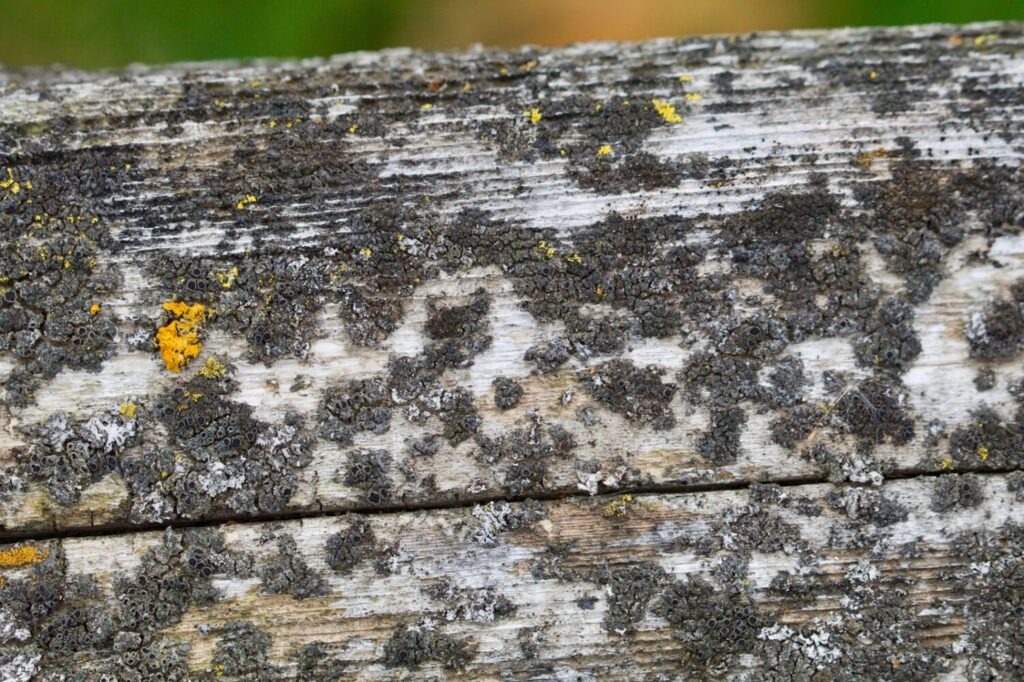
On a sound, washable hard surface, a limited patch needs scrubbing and thorough drying. Scrubbing can stir up mold, so wear protection and keep nearby exposure down.
The CDC mold cleanup guidance describes gloves, goggles and a NIOSH-approved N95 respirator for cleanup, depending on the job.
How to clean a hard surface
- Prepare the area. Keep other occupants away and wear protective equipment.
- Scrub the surface. Remove visible growth with detergent and water on a material that can be washed safely.
- Stop if you find deeper damage. Softened backing, heavy wetness or hidden growth means the job is no longer DIY.
- Dry it thoroughly. Don’t leave the cleaned material wet.
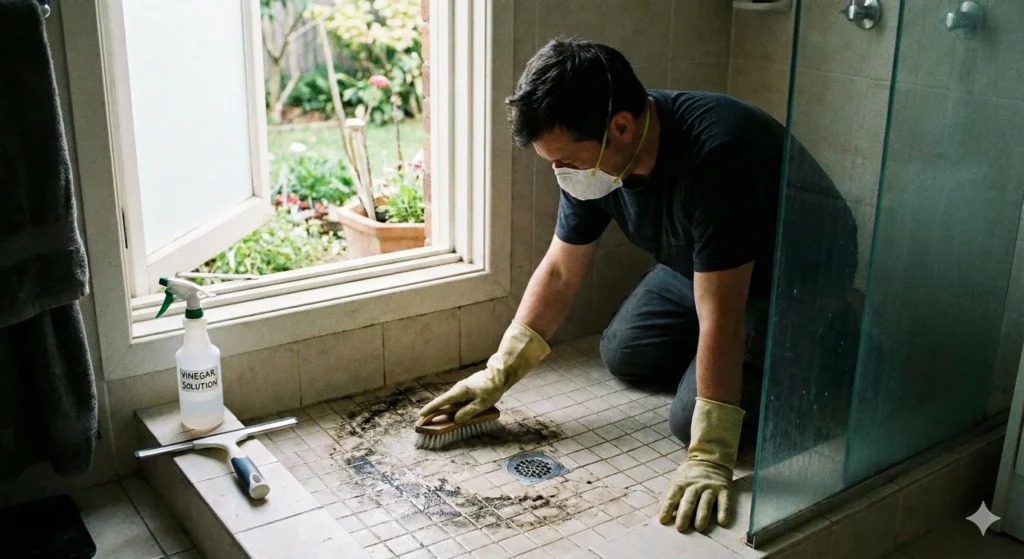
Follow the cleaner’s label and check that it is safe for the material. Never mix bleach with ammonia, vinegar, acids or other household cleaners, because dangerous fumes can form.
Why bleach, paint and air purifiers cannot replace remediation
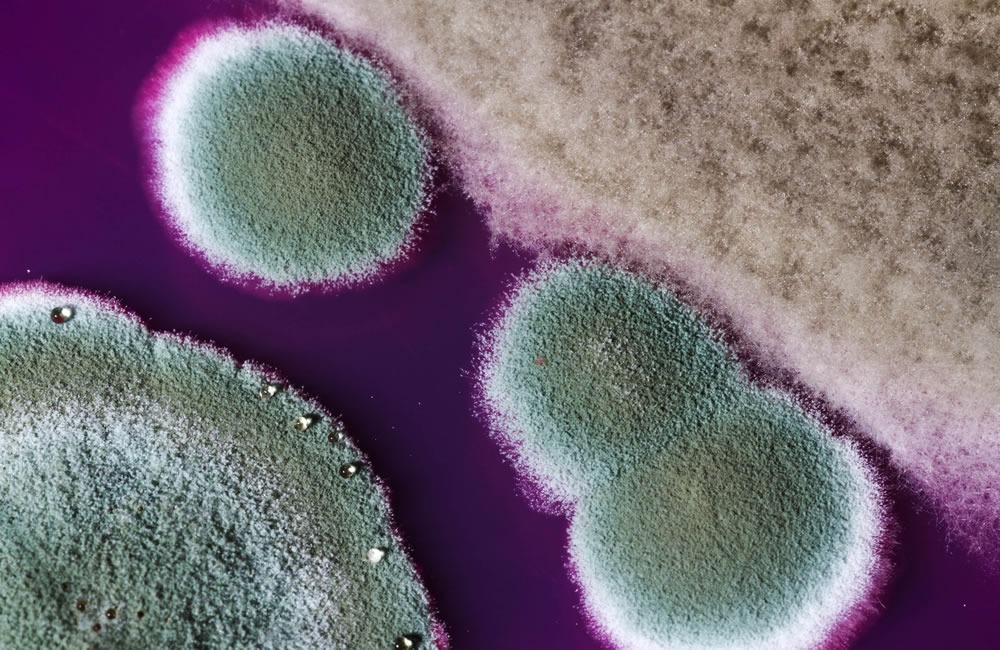
Household products can remove, kill, cover up or capture mold. Each does a different job, and the right one depends on what is left in the building.
The EPA does not recommend bleach or other biocides as its routine default for mold cleanup. Dead mold can still trigger reactions, so killing growth without removing it isn’t enough. CDC guidance covers bleach use under certain conditions with safety precautions, but ordinary hard-surface cleaning doesn’t require it.
| Product or step | What it does | What’s still needed |
|---|---|---|
| Detergent and scrubbing | Removes growth from hard surfaces | Drying and fixing the moisture problem |
| Removing damaged porous material | Takes out material that can’t be cleaned thoroughly | Safe handling, drying and repairs |
| Bleach or another biocide | Kills mold in some conditions | Removing leftover material; a surface that can take it |
| Paint, primer or caulk | Finishes a prepared surface or joint | Existing growth and wet material underneath |
| Dehumidifier | Lowers moisture in indoor air | Active leaks and mold already in place |
| HEPA air filtration | Captures some airborne particles | Growth on or inside building materials |
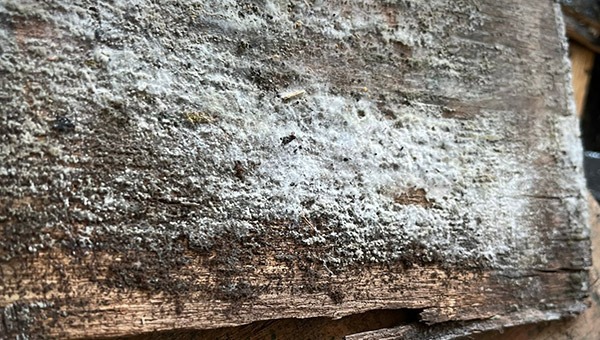
Paint can make a wall look clean while wet backing stays in place. The EPA says to clean and dry moldy surfaces before painting or caulking.
Hidden mold and testing: when to investigate further
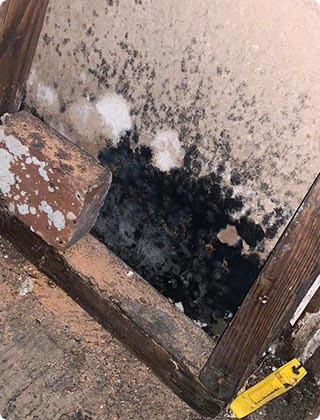
When you can see mold, lab sampling is usually unnecessary before you clean. The affected area and the water problem already need attention.
The EPA has not set a federal health-based limit for indoor mold spore concentrations, so no test result works as a universal safe-or-unsafe line.
Inspection vs. sampling
An inspection looks at possible water paths, damp materials, visible evidence and the extent of damage. Sampling collects air or material for lab analysis. It can support a specialist investigation, but results need interpreting against the building and the question asked, and no single airborne result certifies every hidden surface or shows the building has zero mold spores.
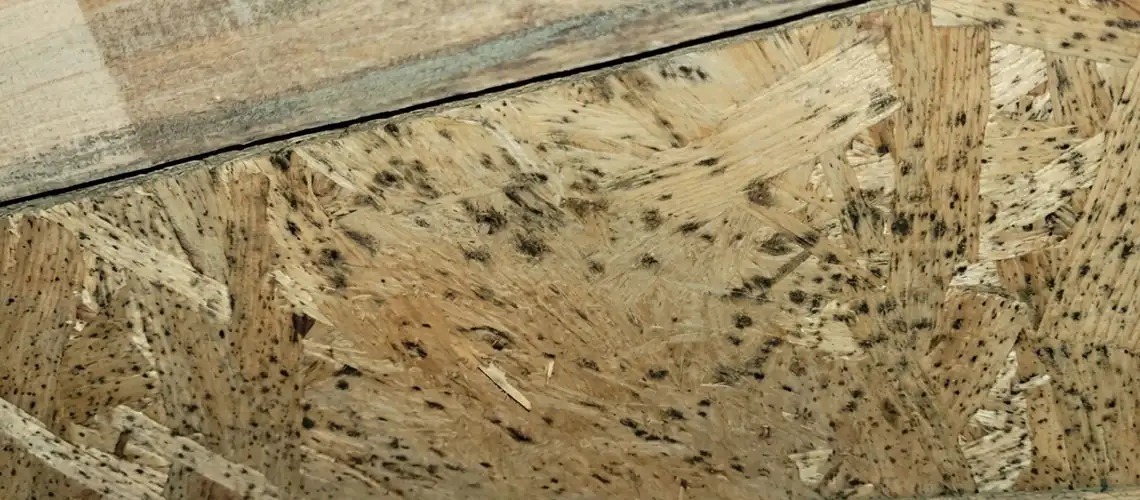
If a musty odor persists after a known leak, a professional inspection can focus on hidden wetness.
Before paying for sampling, name the question it will answer and how a result would change your next step. Color can’t reliably tell you the species or the extent of the problem.
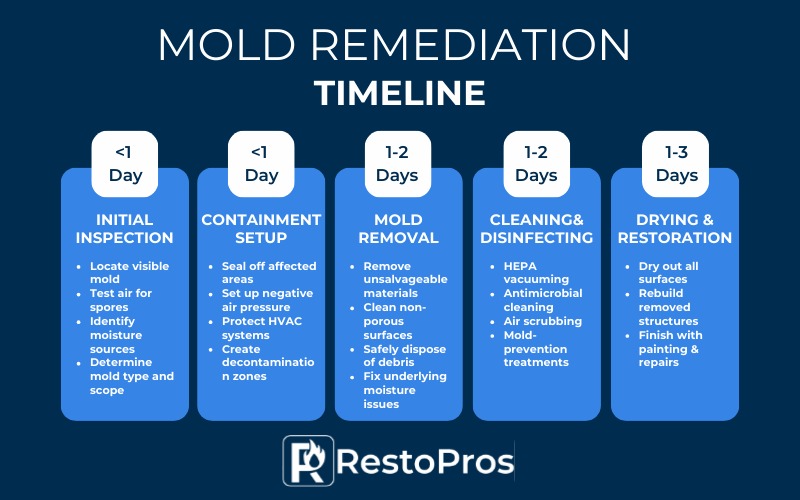
What a professional mold remediation job should include
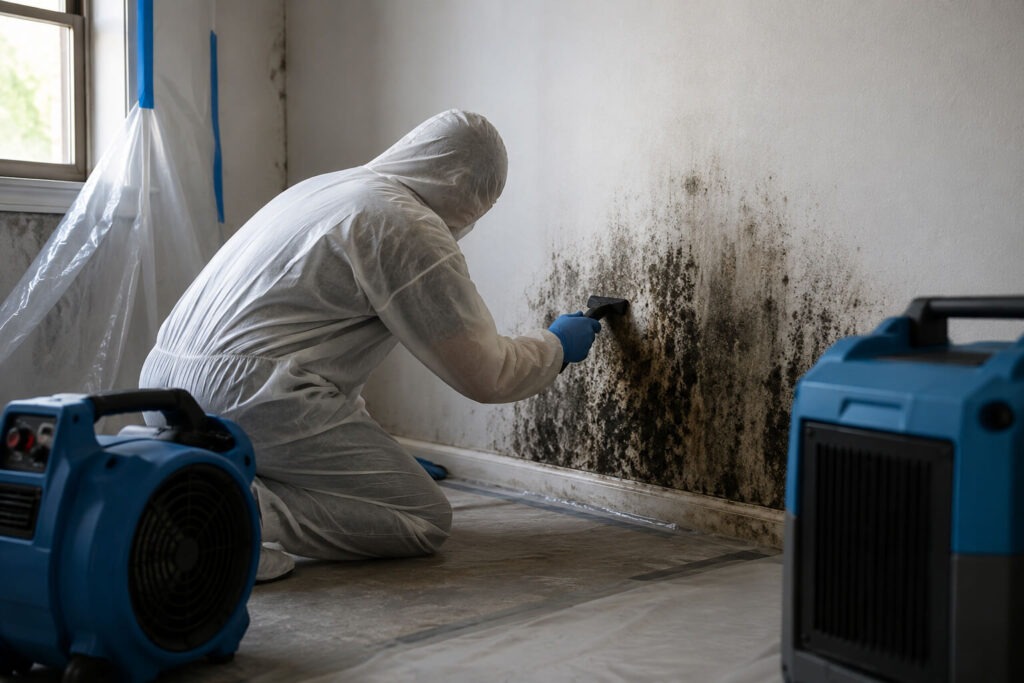
A professional job should follow a defined scope that ties together the moisture problem, the affected materials, exposure controls and completion expectations. Visible removal is only one part. Compare DIY cleanup with professional mold removal before you ask for quotes.
Depending on the conditions, a company may propose investigation, containment, controlled removal, HEPA-related cleaning, drying or reconstruction.
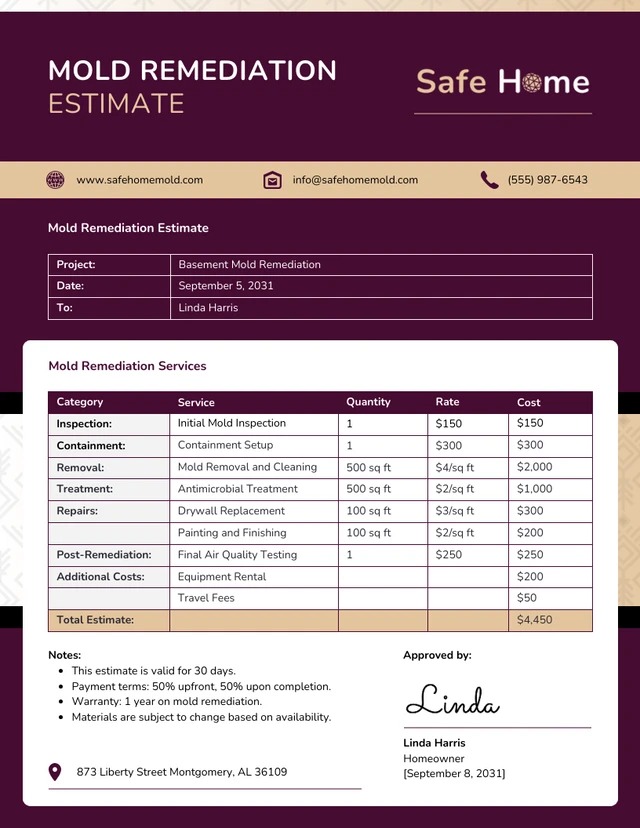
| Item | What the written proposal should spell out |
|---|---|
| Assessment | Suspected water source and areas affected |
| Moisture correction | Who will repair the source of wetting |
| Materials | Walls, floors, cabinets, insulation and contents included |
| Containment | Access, disturbance and containment where needed |
| Removal and reconstruction | What is cleaned or thrown out and who restores finishes |
| Verification | Records, observations and completion criteria you will receive |
Compare written quotes line by line on the same six items. A cheaper quote that excludes plumbing repair, disposal or rebuilding covers a different job. Use mold remediation costs and scope as the reference for what each item should contain.
Professional reference: ANSI/IICRC S520, Fourth Edition (2024), addresses professional mold remediation, including evaluation and verification, as described in the IICRC official overview. It doesn’t set identical legal licensing requirements in every U.S. state.
A written scope should separate mold and water-damage work from cosmetic finishing or optional services.
What successful cleanup means
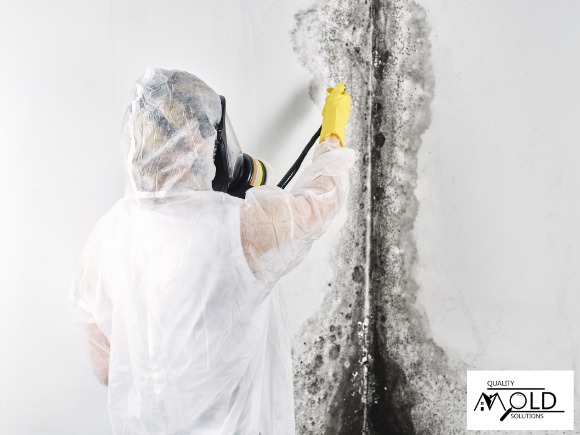
A successful cleanup fixes the moisture problem, cleans or removes the affected materials, and leaves no visible mold or moldy odor. Reinspect, because a clean-looking finish can hide a returning water problem.
When repeated cleanup still leaves doubt
I have had multiple remediations in my house and the whole house fogged multiple times. There are no more clear signs of mold (like physical mold on walls, etc) but there are still spores still in the air. What else can I do? I have had moisture/mold inspections, and cannot justify doing more mitigation to insurance unless there is clearly mold somewhere, but I’m not sure how to find it unless I hire a mold dog which is like $2000.
My house had water entry over like 20+ years which just recently got fixed so now I’m paranoid there is mold behind all the walls (and the areas that have been removed DID have black mold on the back of them). Not sure if I should just pull all the drywall down by myself (I’m a young woman btw and would just be YouTubing this) but I’m not sure what else to do. Have not really found many competent mitigation companies or people who are knowledgable about mold but I need to make sure it’s gone.
This is what I had done so far – three ceilings removed, one exterior wall removed. I have had moisture readings on multiple walls when it rains, but the mitigation company I used doesn’t think it’s real/won’t do anything about it. Have also had some kitchen cabinets removed, the whole house fogged 3x, but there are still high levels from spore tests.
Moisture readings during rain point to a building problem that is separate from the air tests. Before any more remediation, the work done, the water correction and the affected materials have to match up.
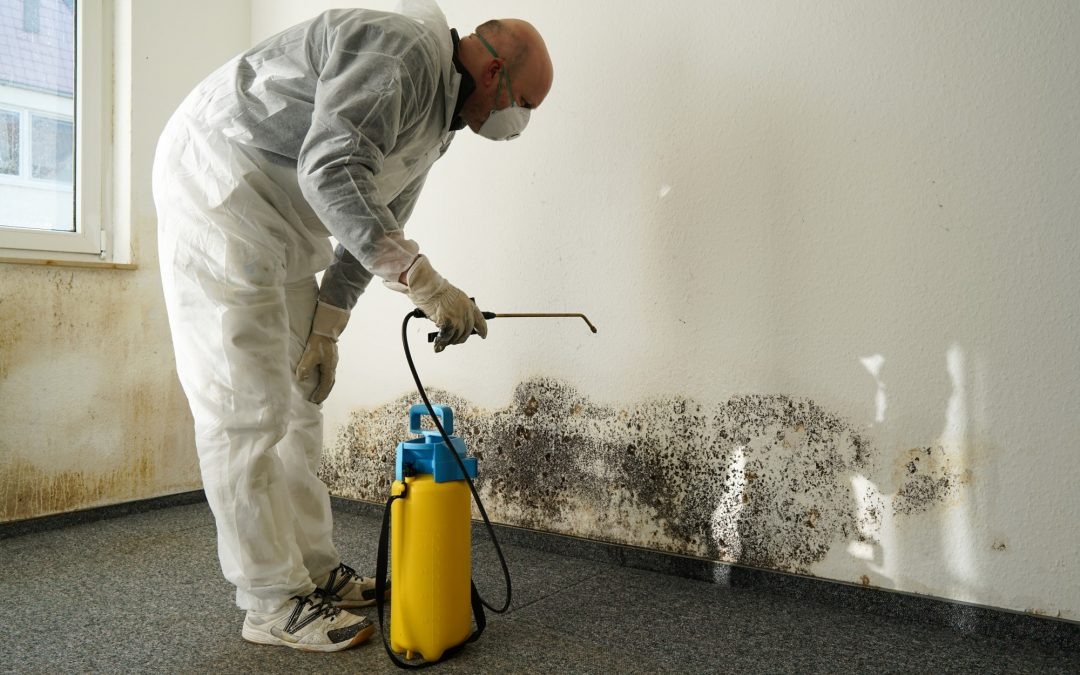
How to tell it worked
- Water correction: The source was repaired or the condensation controlled.
- Material treatment: Affected surfaces were cleaned or unsuitable materials removed.
- Dryness: Previously wet materials are dry.
- Odor and appearance: No moldy odor or visible growth remains.
- Records: Keep repair photos, professional reports and work records.
- Follow-up: Revisit the spot to check for new wetness or growth.
Some discoloration can remain after effective cleaning. Judge a stain by the material, dryness, visible growth and odor, and don’t assume every mark means demolition.
Why mold keeps coming back, and how to reduce the risk
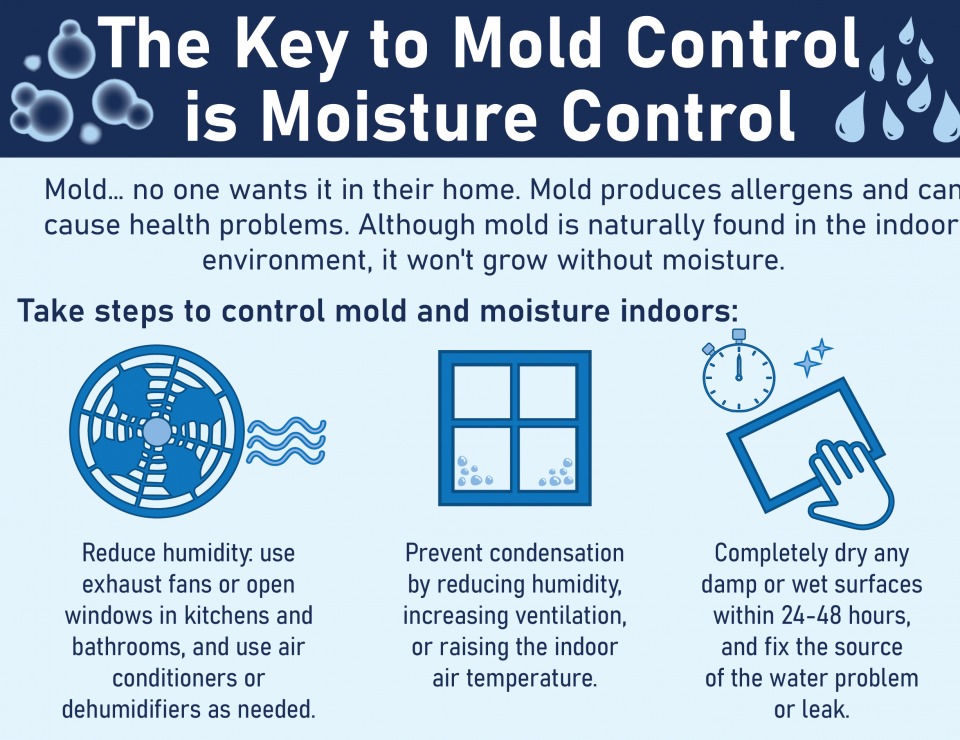
Mold that returns usually means moisture was missed, came back, or kept affecting material outside the original cleaning area. Prevention starts with controlling moisture at its source.
When the presumed source is wrong
We bought our house in 2021 and the inspection report showed some mold in the crawlspace. We had 3 quotes from encapsulation companies and all 3 said the source of the mold smell is bc it’s not encapsulated and it’d be an easy fix.
We spent 16k to encapsulate our crawlspace (also add a new entry door, dehumidifier, a few structural things). The smell persisted, and started getting stronger.
Then we discovered a leak from our upstairs shower had been covered up by the sellers and the shower had been slowly leaking/draining between 2 walls all the way down to the crawlspace for well over 4 years.We removed ALL the drywall on one wall, took out a closet, got the plumbing fixed and hired mold remediation. The mold smell disappeared for 2 days after they KILZ all the wood and ran air scrubbers over the weekend.
I was so happy to finally stop feeling so sick all the time. I’ve developed asthma and chronic sinusitis from this.Then we got home from a holiday over the weekend and the smell is back coming from the bathroom, and strong as ever.
We confirmed there’s no more mold in the crawlspace (by a PE engineer and mold company). I’m at a loss where this mold smell is coming from. My GF thinks if we ‘clean’ the house the smell will go away. I’ve been cleaning for 2 years and it’s never done a thing.
That $16,000 is one homeowner’s price and says nothing about typical remediation costs. The presumed source and the real water path turned out to be different, and nothing confirmed why the smell came back.
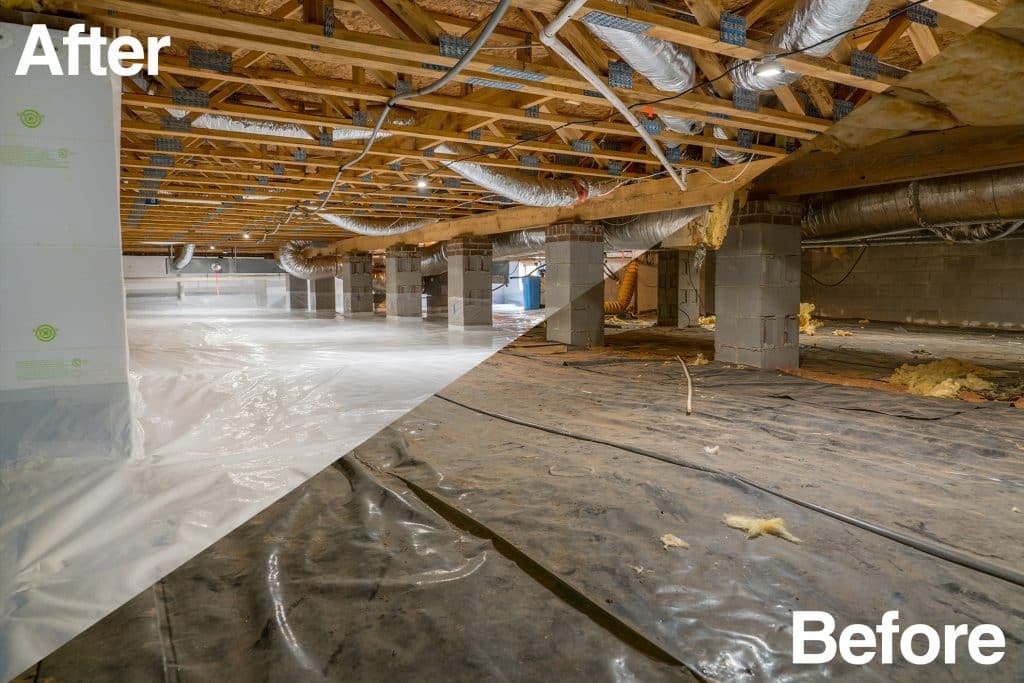
Control the conditions that support growth
For humidity-related moisture, EPA guidance recommends keeping indoor relative humidity below 60%, ideally between 30% and 50%. A hygrometer reads room-air humidity, but wet insulation and pipe leaks inside walls need their own assessment.
Ventilation and dehumidification help in bathrooms and basements. After a new water-damage event, CDC disaster-cleanup guidance advises cleaning and drying wet materials within 24 to 48 hours. That is advice for responding quickly, and it doesn’t mark when growth begins.
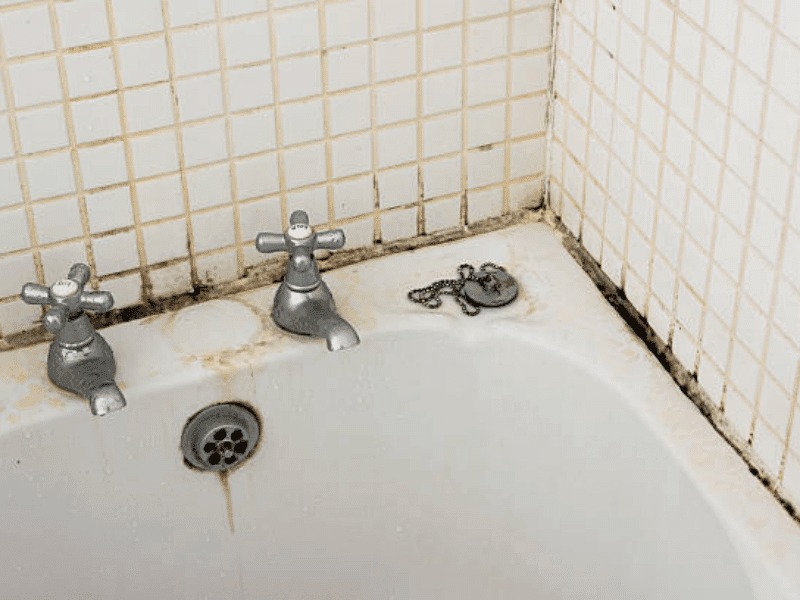
- Condensation: Ventilate and keep an eye on indoor humidity.
- Known plumbing trouble: Maintain repaired connections and watch the spot for new wetting.
- Roof or exterior entry: Recheck affected spots after wet weather.
- New flooding or accidental wetting: Respond fast and reassess porous materials that stayed wet.
Leak alarms warn you about water at the spots they monitor. They help with maintenance but can’t replace repairing a known defect.
Choose the next step for your specific problem
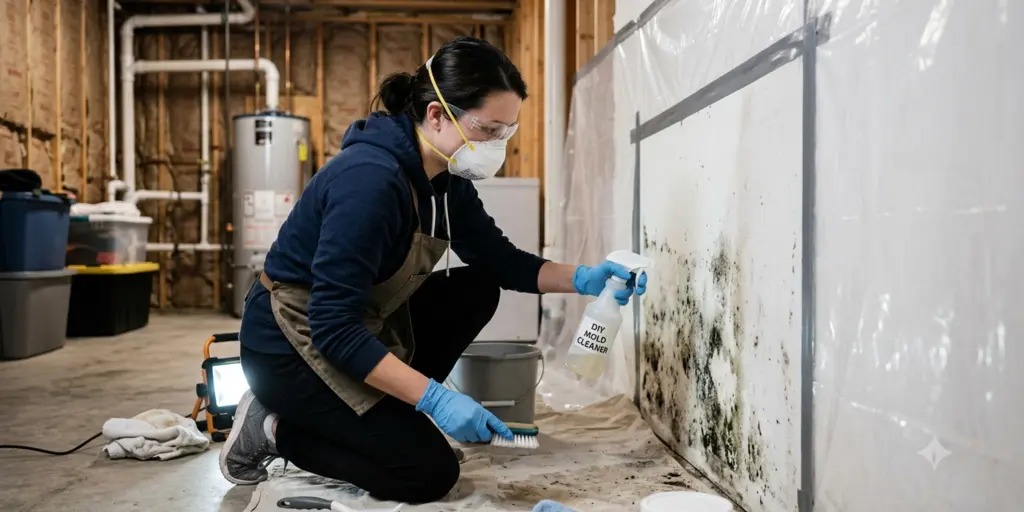
Use the DIY checklist for a small patch on a hard surface, the material comparison when you are deciding between cleaning and replacing a material, and the professional quote checklist when a contractor has already given you a bid.